
Thin milk crepes (blini) with lingonberry jam are the pure embodiment of home comfort and Nordic flair. In this recipe, the tenderness of the milk-based batter meets the noble tartness of wild forest berries, creating a perfect balance of flavors. Lingonberries (tart Northern berries), ripened under the gentle northern sun, transform into a rich ruby syrup when boiled, instantly soaking into the delicate, lacy texture of the crepes. The aroma of melted butter combined with the tart berry juices fills the kitchen with a festive vibe, reminiscent of traditional tea gatherings where time stands still for a truly heartwarming moment.

Appetizing homemade crepes soaked in butter and topped with bright lingonberry jam make for the perfect breakfast.
Crepe Ingredients
- 320 ml milk
- 2 eggs
- 115 g wheat flour
- 1/4 teaspoon salt
- 2 teaspoons sugar
- 15 ml vegetable oil
- 50 g butter
- Oil for frying
Jam Ingredients
- 150 g lingonberries
- 60 g sugar
- 20 ml water
How to Make Thin Milk Crepes with Lingonberry Jam
First, let’s make a quick lingonberry (a tart Northern European berry) jam. Sort the berries, remove any debris, soak them in cold water, and drain in a colander. Once drained, transfer the lingonberries to a wide saucepan, add sugar, and pour in the water. If you prefer a sweeter jam, feel free to add more sugar.
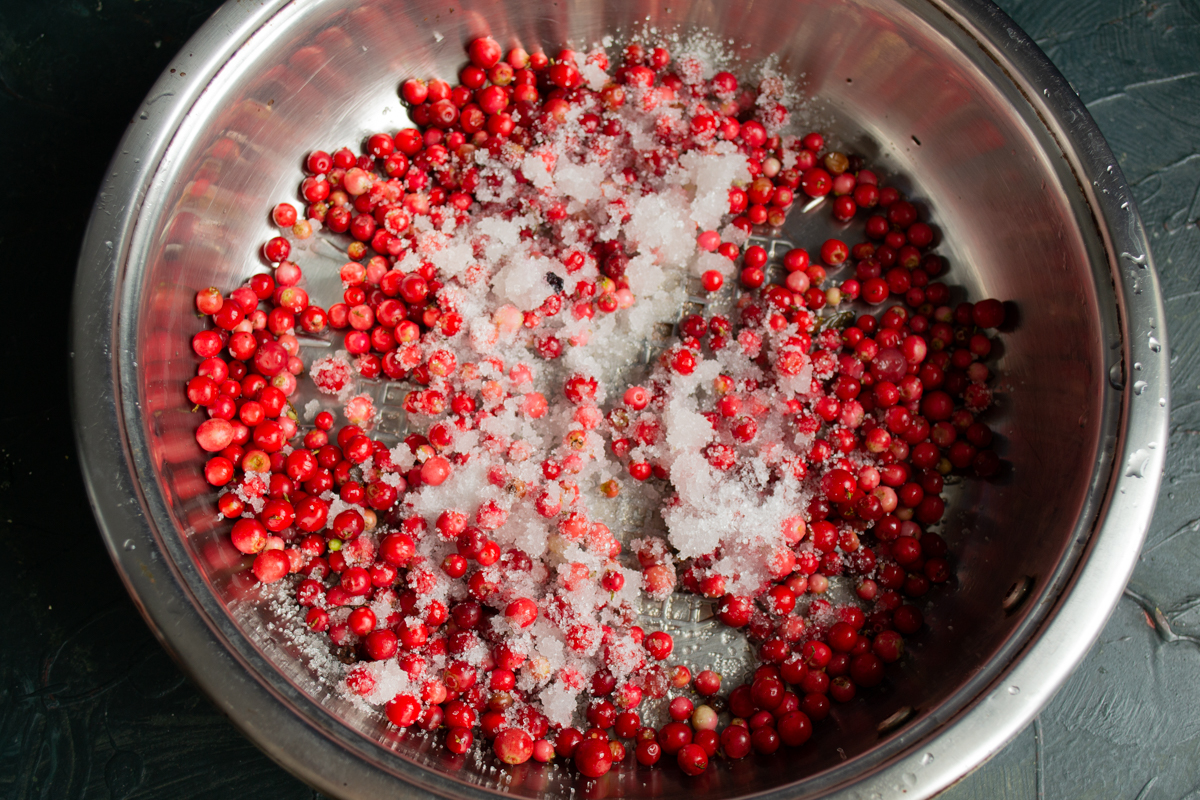
Choose ripe lingonberries for the jam. Add sugar and a little water to help the berries release their juices.
Cover the lingonberries with a lid and quickly bring to a boil. The berries will burst as they heat up, so it is best to keep them covered—they will also cook faster this way. After it comes to a boil, cook the jam for 3 to 4 minutes, then remove the saucepan from the heat.
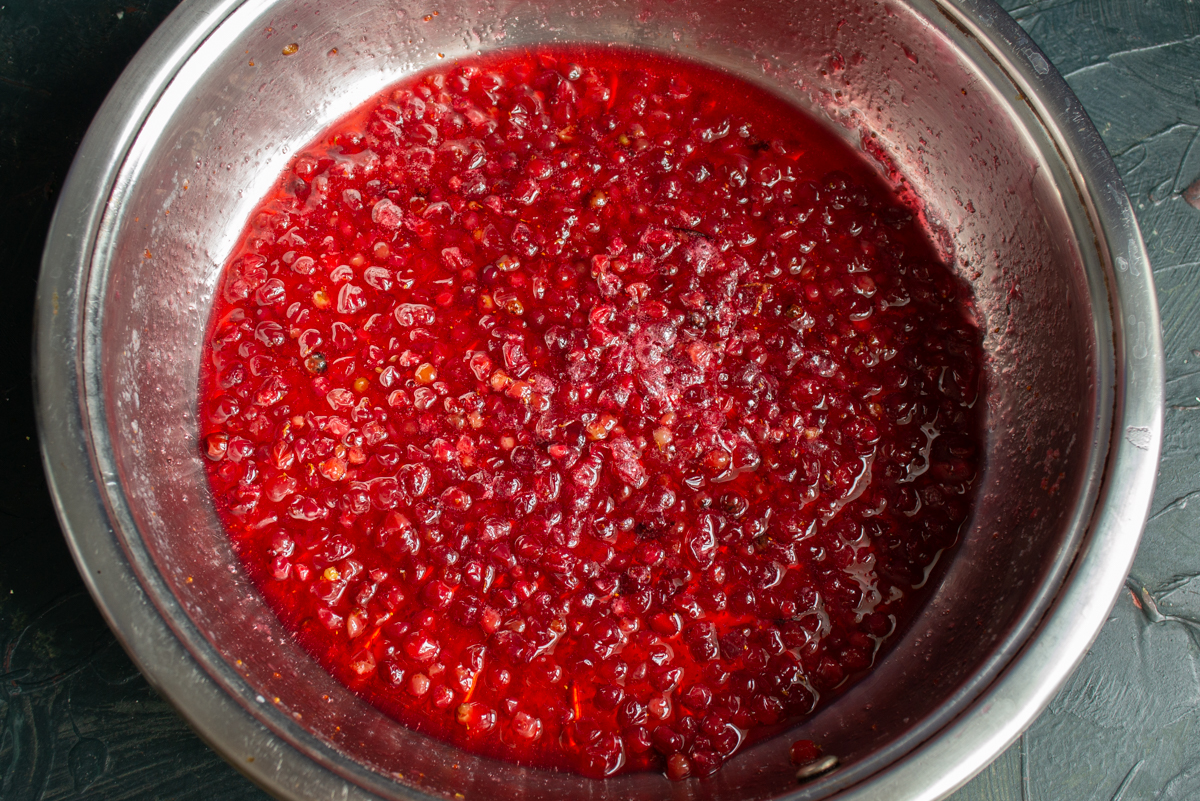
After boiling for a few minutes, the jam will become thick and aromatic. Remove it from the heat and let it cool slightly.
Now, prepare the batter for the thin milk crepes. Crack the eggs into a deep bowl, then add the salt and sugar.
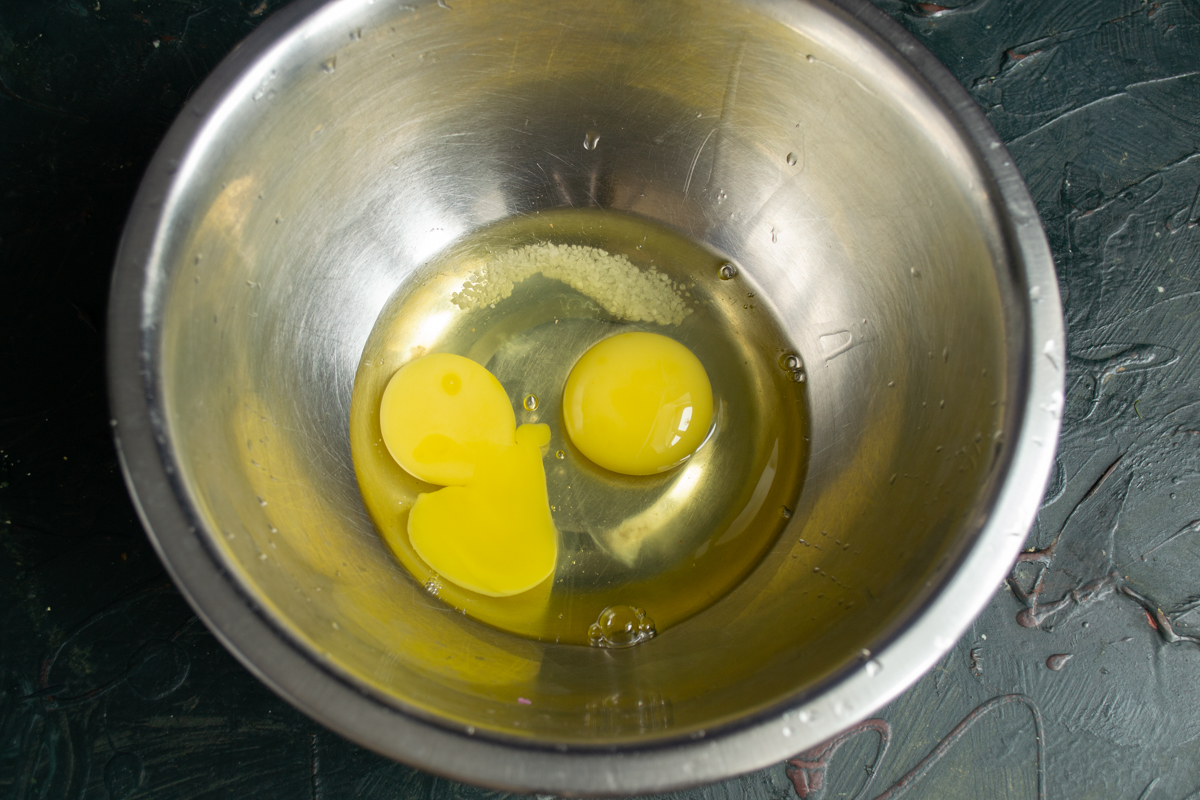
Start making the batter by combining eggs, salt, and sugar. This is the base for your thin crepes.
Pour in the milk and vegetable oil, then blend the ingredients with an immersion blender for 2 minutes.
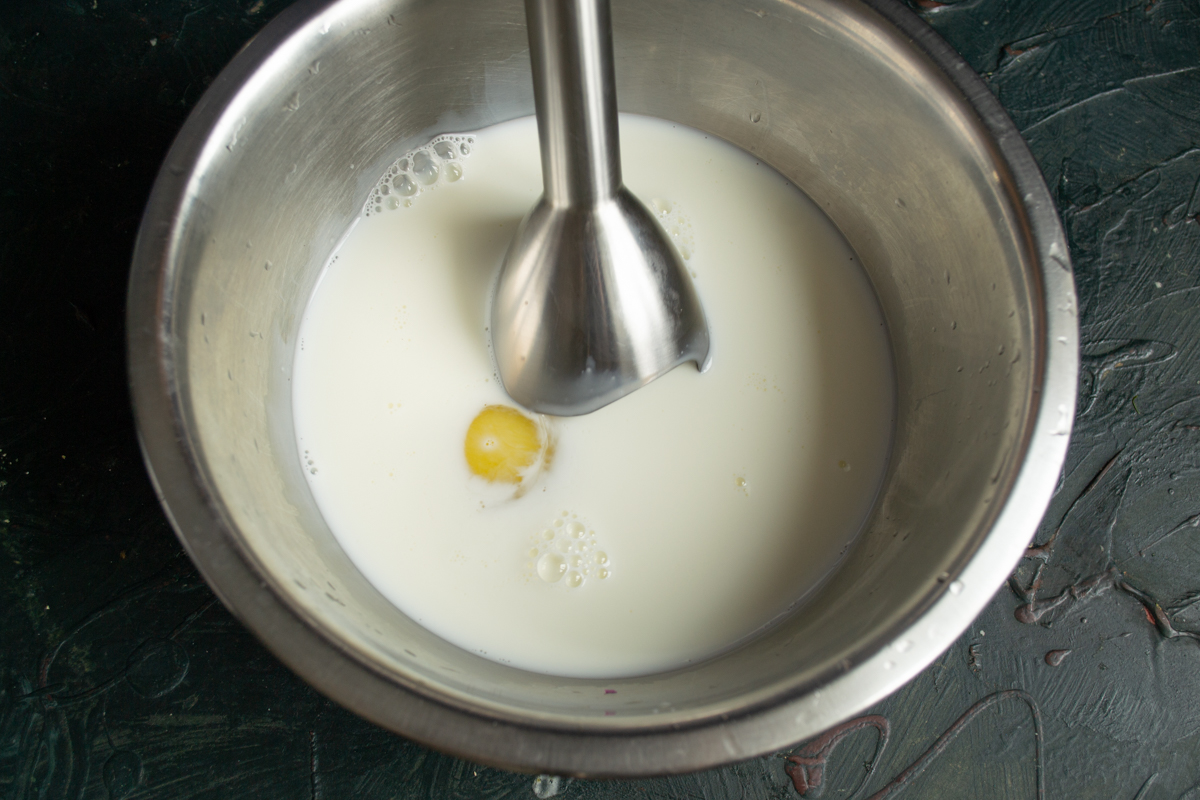
Pour in the milk and vegetable oil. Using a blender guarantees a smooth, airy mixture.
Add the wheat flour and blend everything well for another couple of minutes until you get a smooth, lump-free, liquid batter. The consistency should resemble heavy cream—it pours easily like water but still has some texture to it.
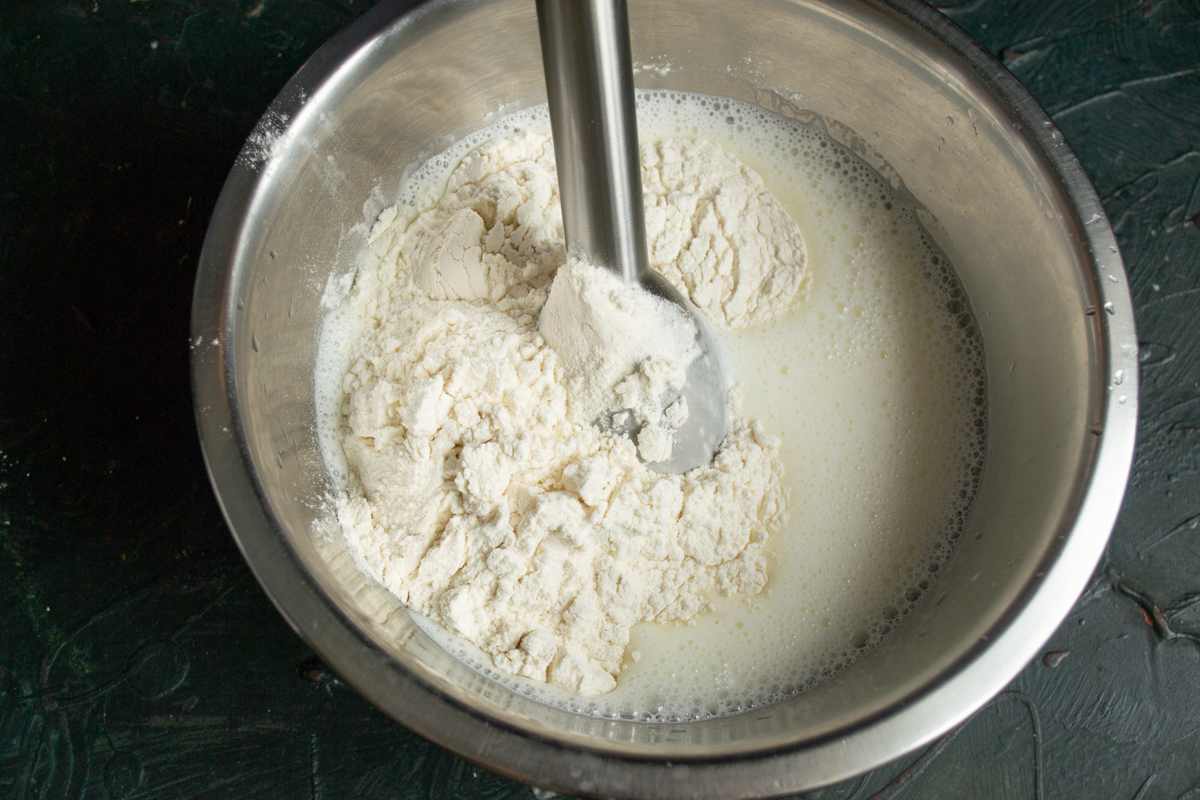
Gradually add the wheat flour while continuing to blend to prevent any lumps from forming.
Let the batter rest for 10 to 15 minutes. You can also store it in the refrigerator and cook the crepes the next day; the batter will not spoil, and the crepes will taste even better.
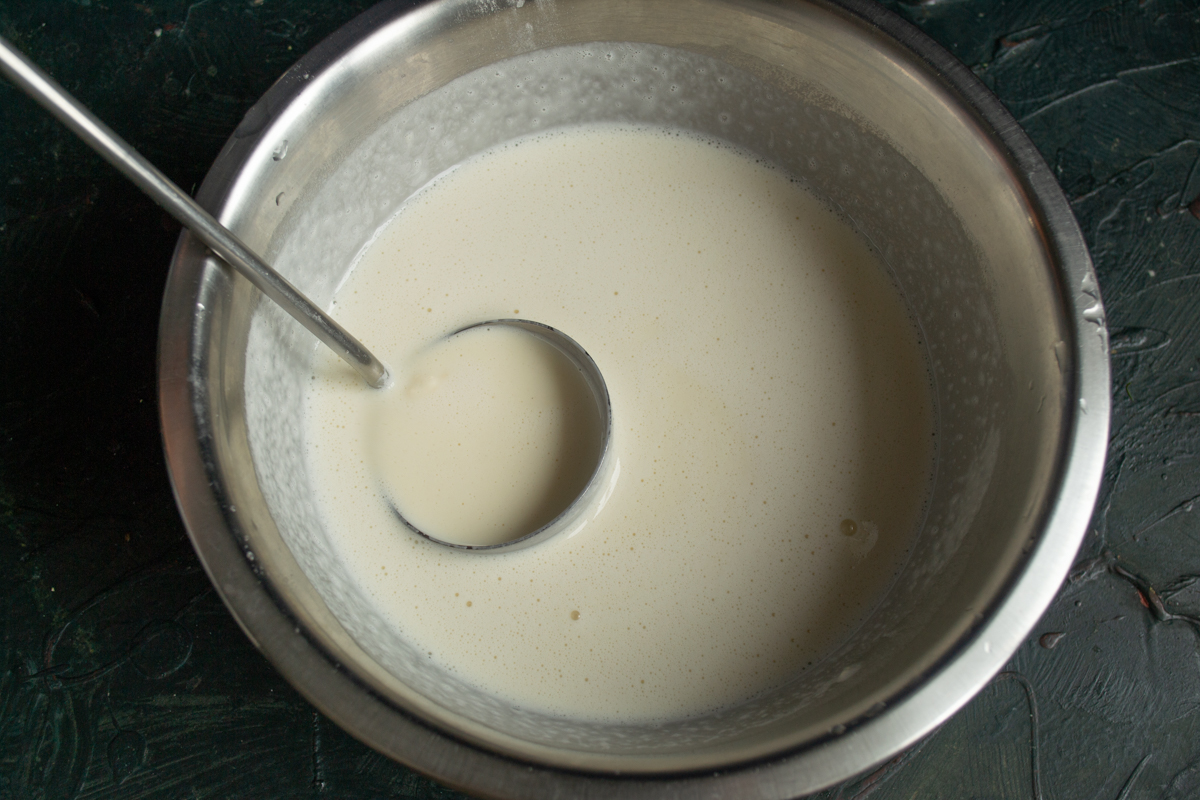
The batter should be smooth and runny, resembling heavy cream in density.
Any heavy-bottomed skillet will work for cooking, preferably non-stick, though cast iron is also great. Heat the pan thoroughly and lightly grease it with neutral vegetable oil. The oil layer should be very thin—use a silicone brush or dip half a raw potato into the oil. Pour about 3 tablespoons of batter onto the greased pan; a small ladle works perfectly here. Tilt the pan to spread the batter evenly. Cook for about a minute on each side over high heat, though it may take less time, so keep a close eye on it.
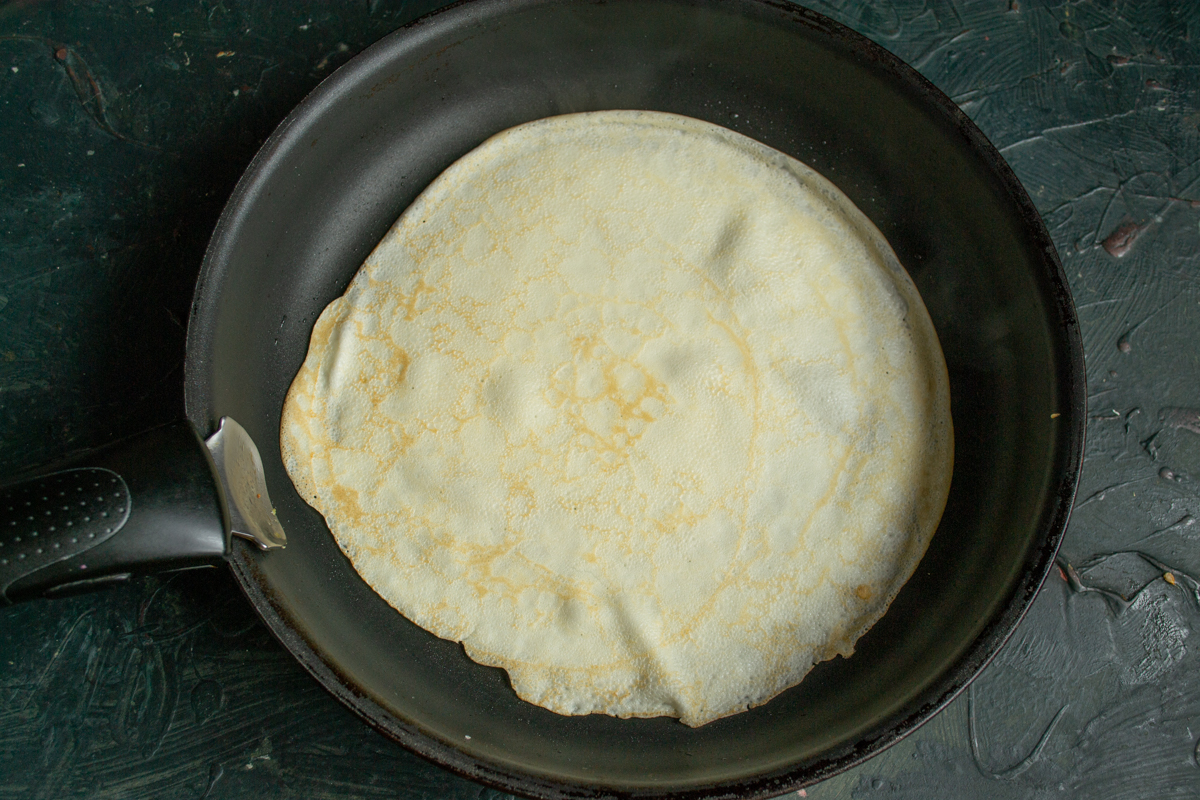
Pour the batter onto a hot skillet and spread it into a thin layer. Cook until the edges turn golden.
Remove the cooked crepes from the pan and fold them into triangles. You can lightly brush them with butter if you like, but it is optional since more butter is coming up soon.
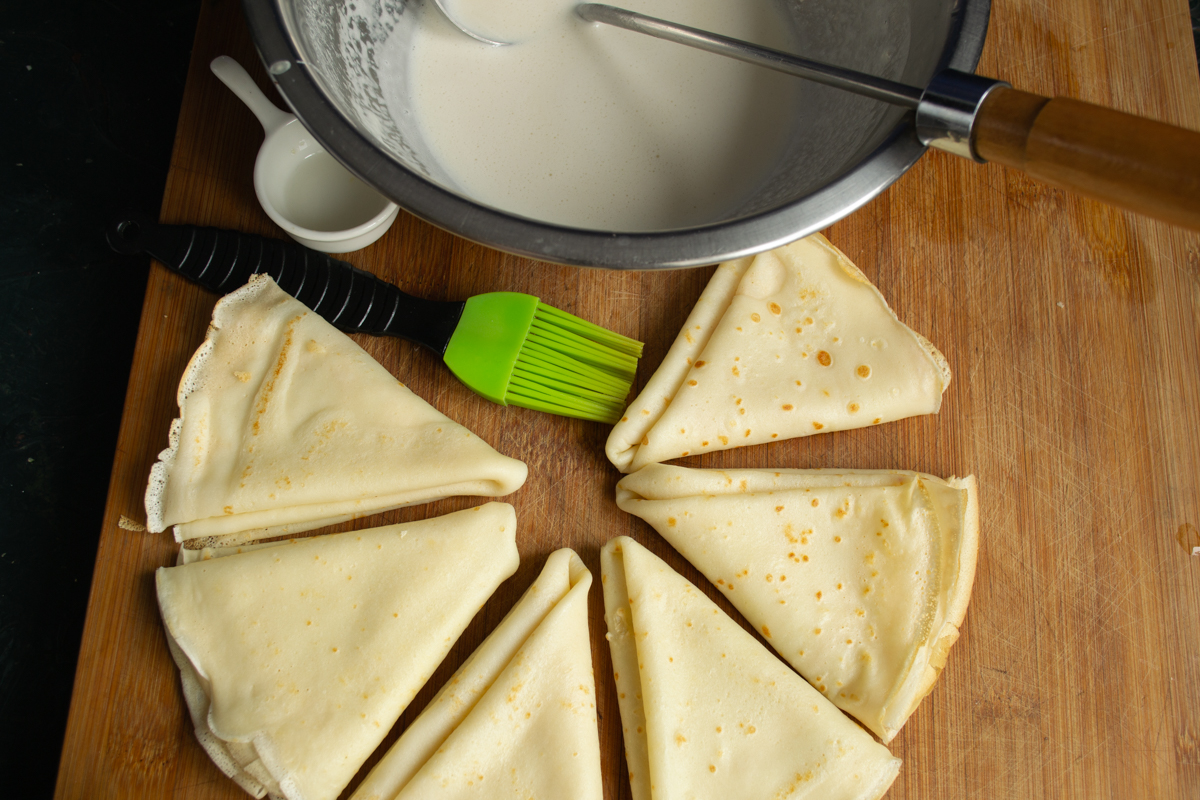
Fold the freshly cooked hot crepes into triangles for further pan-frying.
Place a pat of butter into the skillet, lower the heat, and let it melt. Arrange the folded crepes directly into the melted butter.
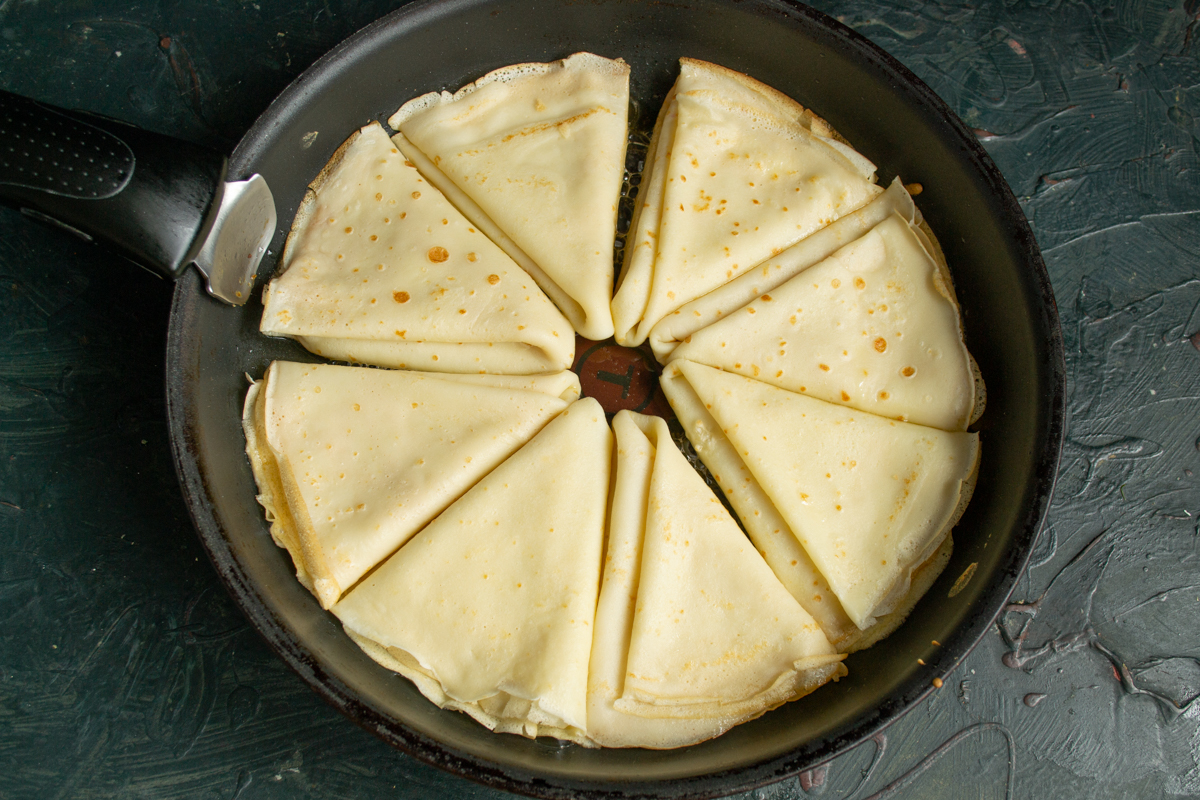
Butter will give the crepes a uniquely tender flavor and help achieve a crispy crust.
Fry the folded crepes on both sides until they develop a beautiful golden crust.

Fry on both sides over medium heat until a beautiful, appetizing golden crust appears.
Pour the lingonberry jam over the golden crepes, warm everything together, and serve these thin milk crepes hot straight to the table. Enjoy!

The final touch—add the lingonberry jam directly to the skillet so the crepes absorb the berry flavor.
To ensure your thin milk crepes turn out truly flawless, let the finished batter rest for at least 15 minutes—this makes it more elastic and allows you to cook incredibly thin sheets without the risk of tearing them. If the lingonberry jam feels a bit too tart, try adding a pinch of freshly grated orange zest while boiling; it gives the sauce a more complex, festive aroma.
These crepes are best served with a dollop of thick, cold smetana (sour cream), which creates a delightful temperature contrast against the hot crepes. If you are feeling adventurous, try using this same butter-frying method for crepes paired with other wild berries, like cranberries or blueberries. The main secret lies in the final warming process with the jam directly in the skillet: this is exactly how the batter absorbs the maximum amount of berry juices, becoming incredibly succulent and rich.
0 comments