
This yeast dough poppy seed ring cake is incredibly delicious and fluffy, with a dough that turns out remarkably light and airy. Poppy seed pastries have long been a symbol of prosperity and well-being in Slavic culture, holding a place of honor on the festive table during major celebrations. The aroma of freshly baked yeast dough paired with the sweet, slightly nutty flavor of poppy seeds creates an unparalleled atmosphere of coziness and warmth. A homemade poppy seed cake, packed with a thick layer of filling and raisins, will grace any gathering, be it Easter or a quiet family evening. It looks festive and highly appetizing—a true feast for the eyes. You have to try it!
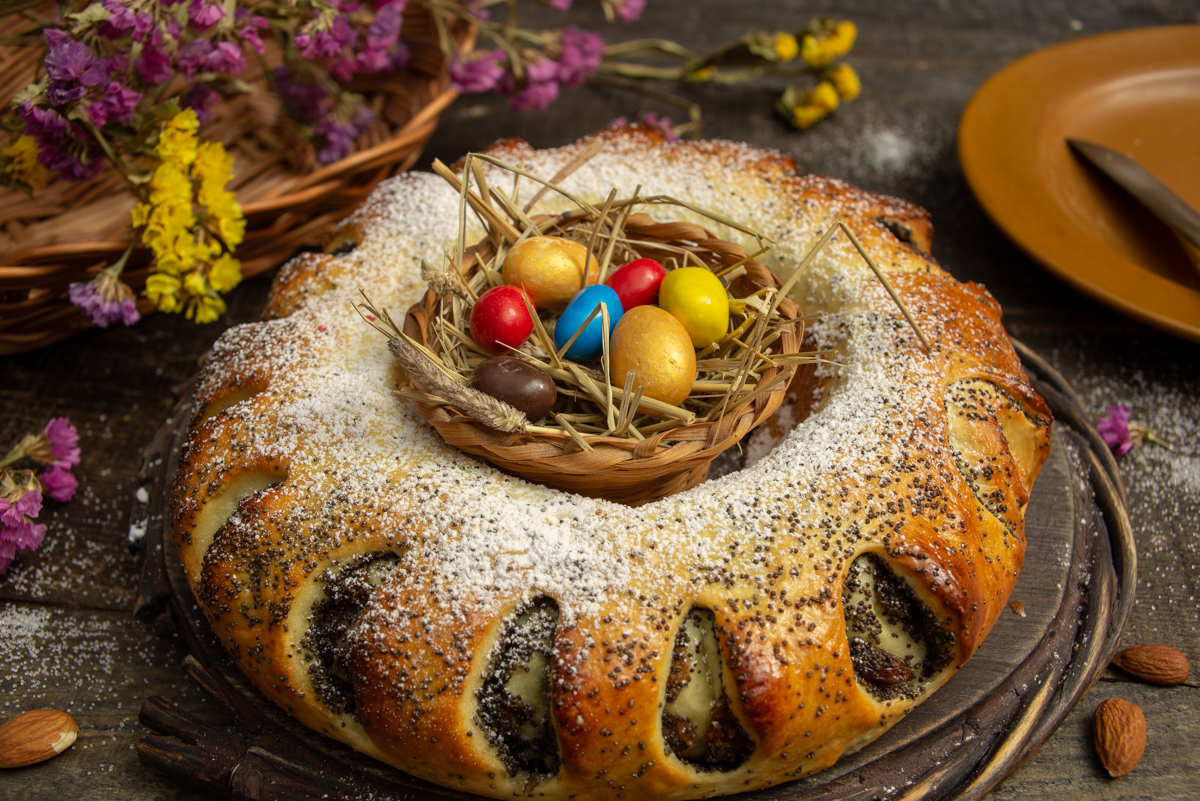
This fluffy and fragrant poppy seed cake will become the main centerpiece of your festive table.
Dough Ingredients
- 2 small eggs or 1 large egg
- 30 g granulated sugar
- 30 g butter
- 120 ml half-and-half or light cream (10%)
- 200 g all-purpose flour
- 1 level tsp active dry yeast
- 1/2 tsp salt
- Vanilla extract to taste
- 1/2 egg for egg wash
- Powdered sugar for dusting
Filling Ingredients
- 60 g poppy seeds
- 120 ml milk
- 35 g granulated sugar
- 60 g raisins
How to Make the Yeast Dough Poppy Seed Cake
Let’s make the dough. Crack the eggs into a bowl, add granulated sugar and salt. Whisk the ingredients together until the sugar and salt have completely dissolved.
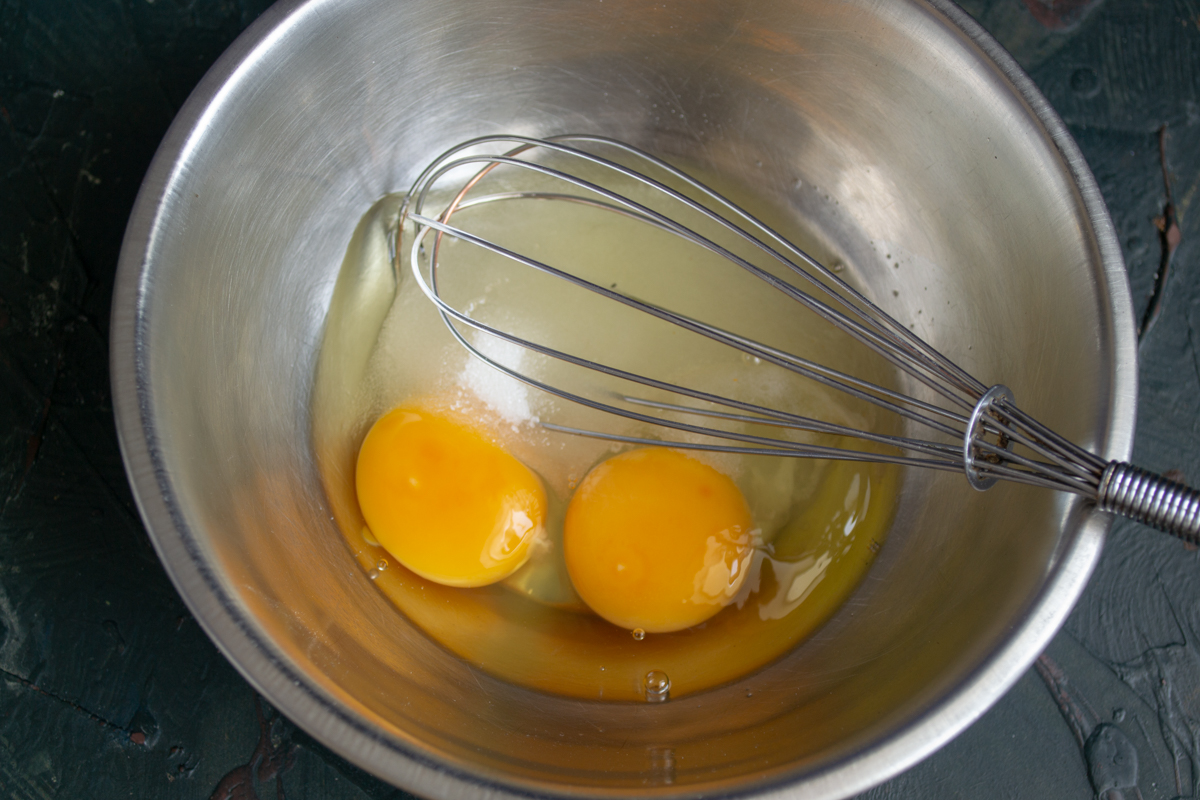
Begin the dough by thoroughly whisking the eggs and sugar until smooth.
Gently heat the cream together with the butter. If you like, stir in half a teaspoon of vanilla extract.
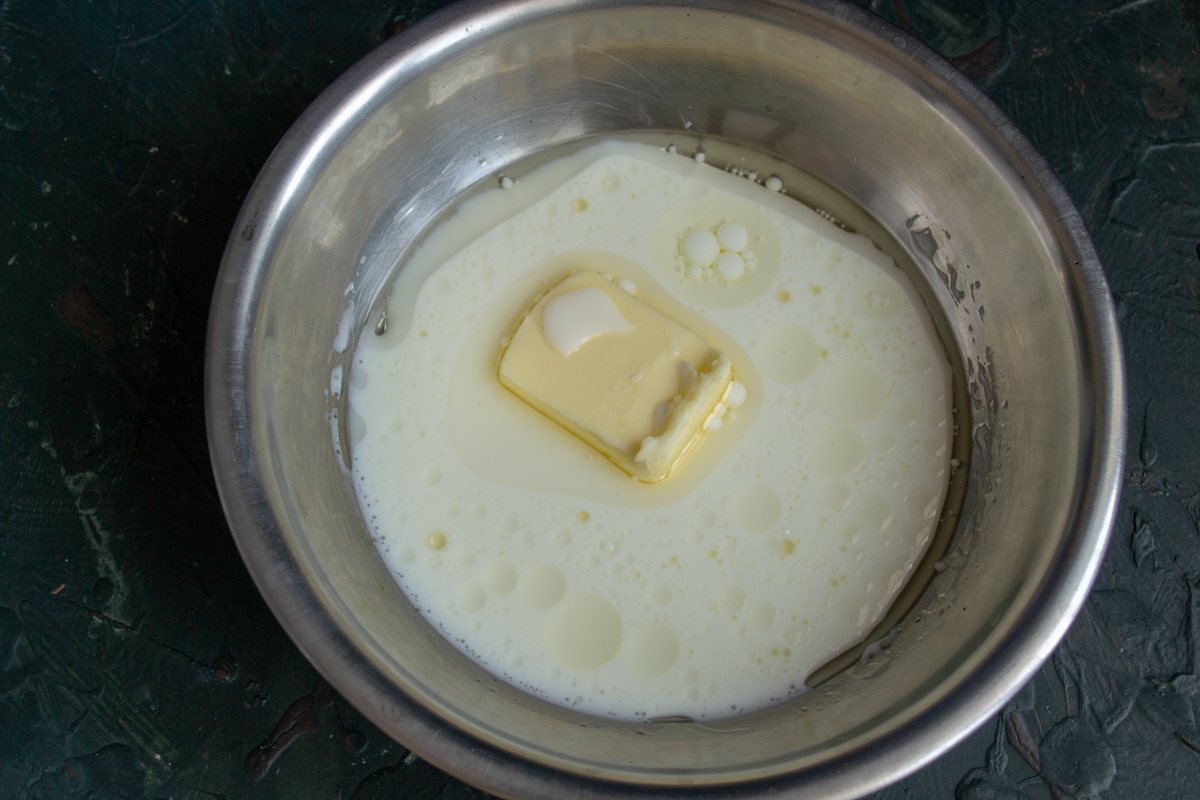
Heat the cream and butter to create a tender base for the yeast dough.
Once the cream and butter mixture cools down to 86°F (30°C), add the beaten eggs and whisk the wet ingredients until smooth.
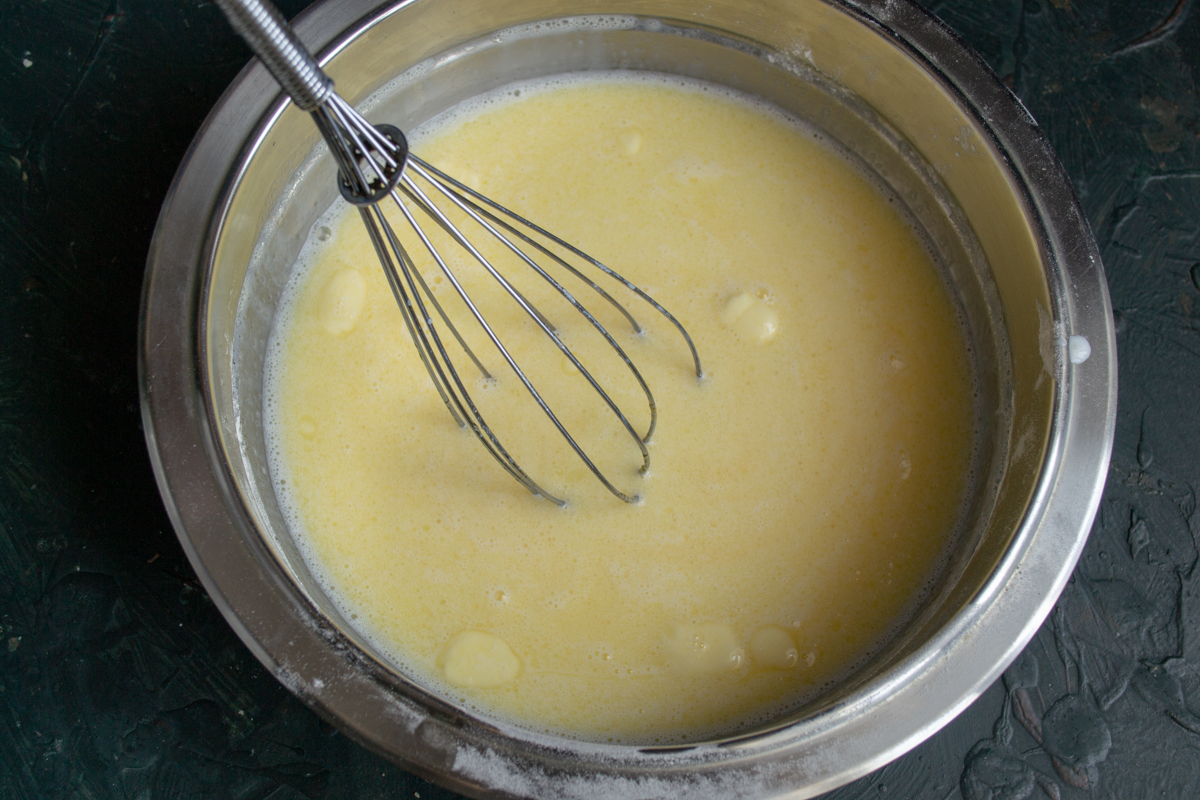
Mix the cooled cream with the egg mixture, preparing the liquid phase of the dough.
Sift the all-purpose flour and mix it with the active dry yeast. Mound the flour mixture, make a well in the center, pour in the wet ingredients, and start mixing the dough. Knead the dough for about 10 minutes until it becomes smooth and stops sticking to your hands and the work surface.
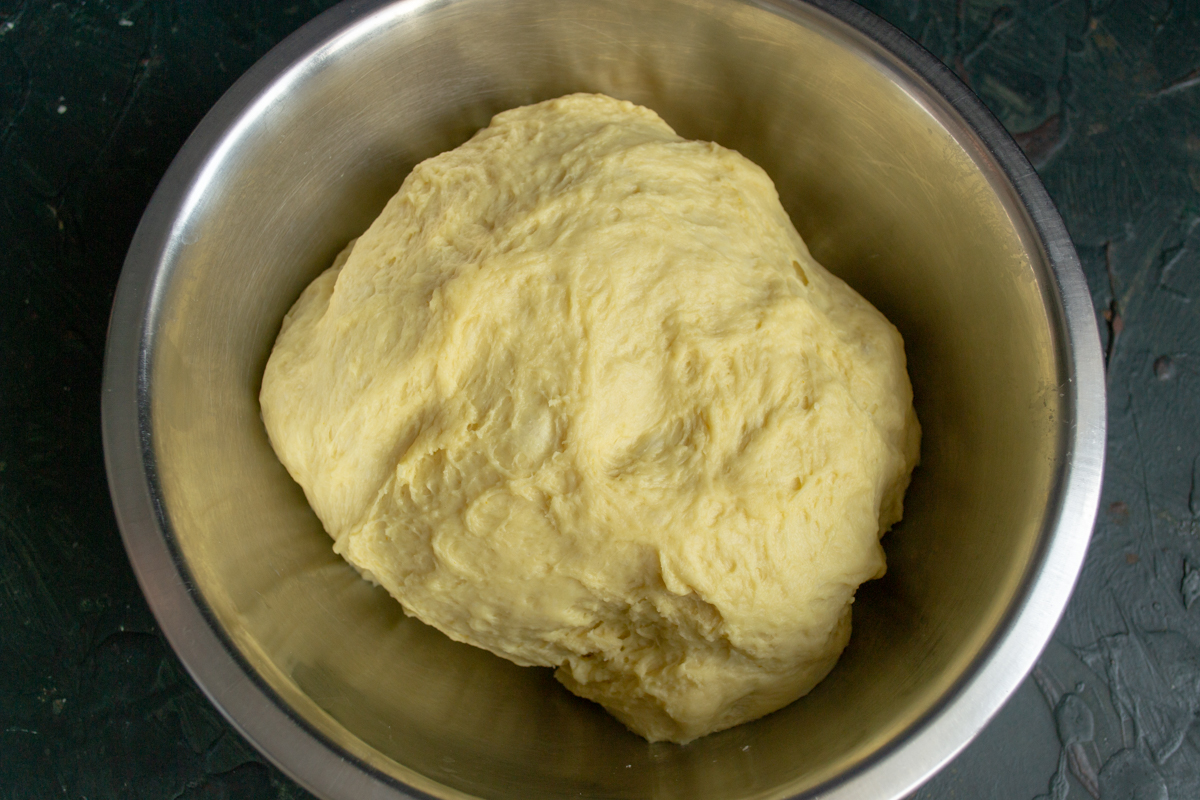
Knead the dough until elastic, making sure it no longer sticks to your hands or the surface.
Shape the dough into a smooth ball, place it back into the bowl, cover with plastic wrap, and set it in a warm spot for 1 hour. The ideal temperature is 73-77°F (23-25°C). After 1 hour, punch the dough down, cover it again, and let it rest in a warm place for another hour.
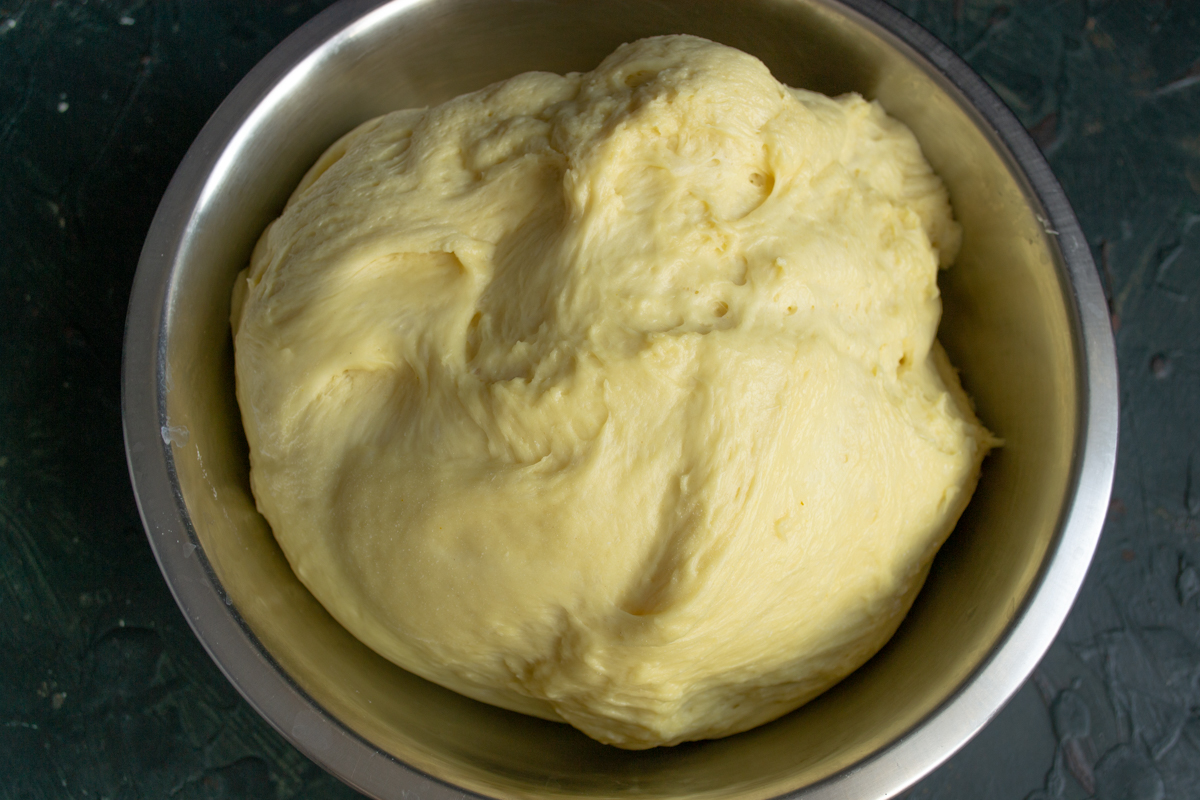
Let the dough rise well in a warm place to ensure the cake turns out airy.
Prepare the poppy seed filling. Rinse the poppy seeds thoroughly under cold water, place them in a saucepan, add sugar, and pour in the milk. Bring to a boil, then reduce the heat and simmer gently for 25-30 minutes until all the liquid has evaporated. Let the poppy seed filling cool completely to room temperature.
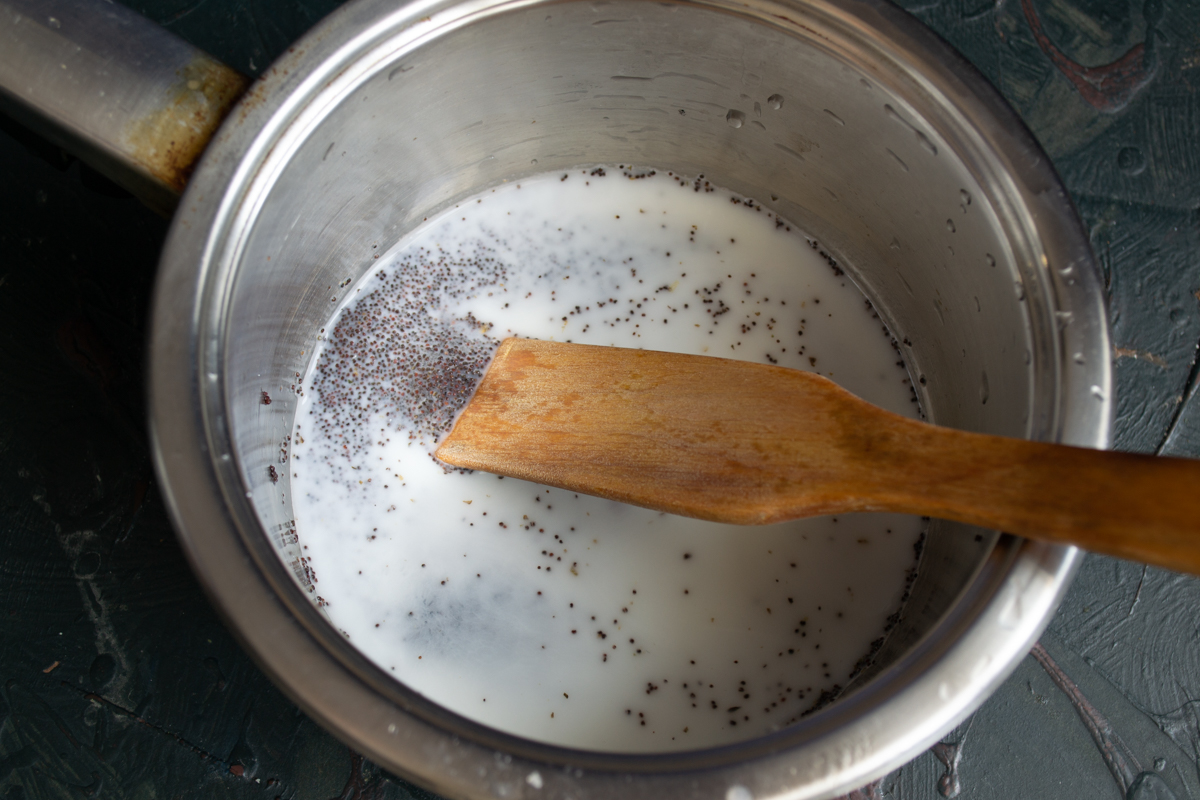
Simmer the poppy seeds until all liquid is absorbed for a thick and rich filling.
Punch down the risen dough and roll it out on an oiled cutting board into a 12×16 inches (30×40 cm) rectangle.
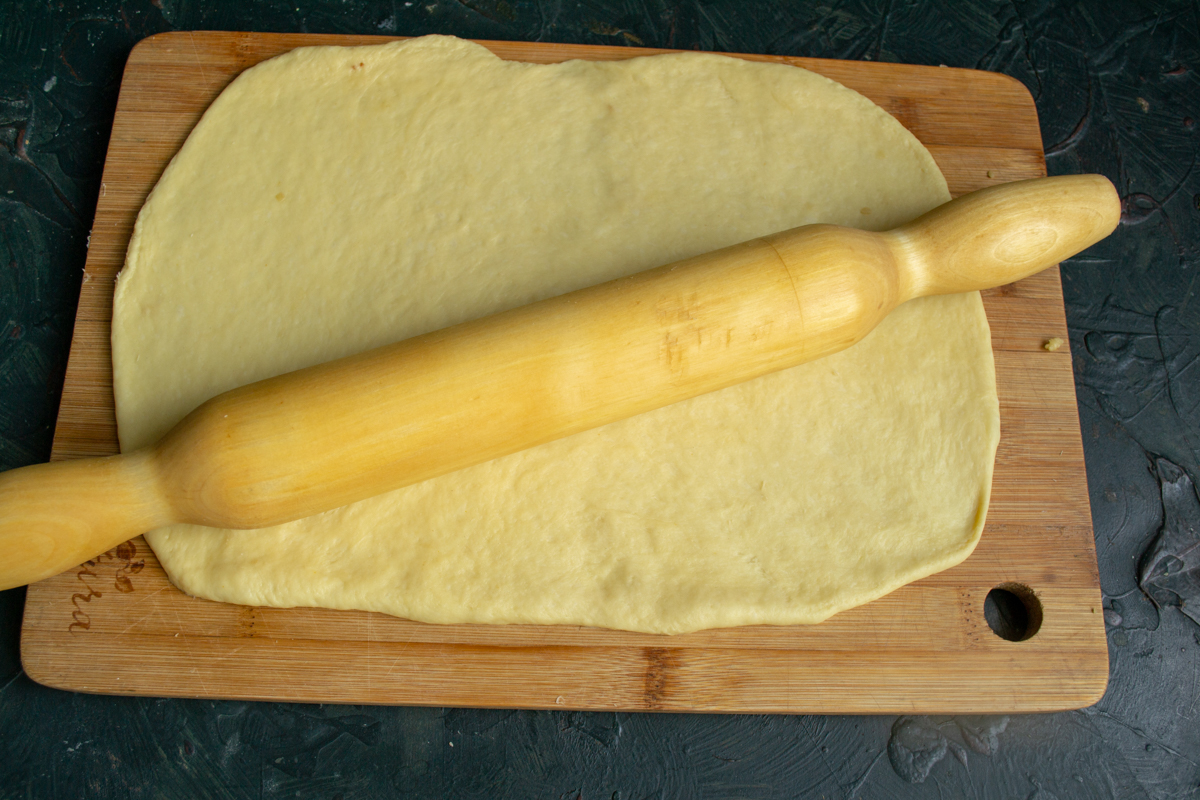
Roll the proofed dough into an even rectangle for easy shaping.
Spread the cooled poppy seed filling evenly over the dough. Take the raisins, previously soaked in strong sweet tea or cognac, and dry them well. Toss the dried raisins with a little flour, shaking off the excess, and scatter them over the poppy seed layer.
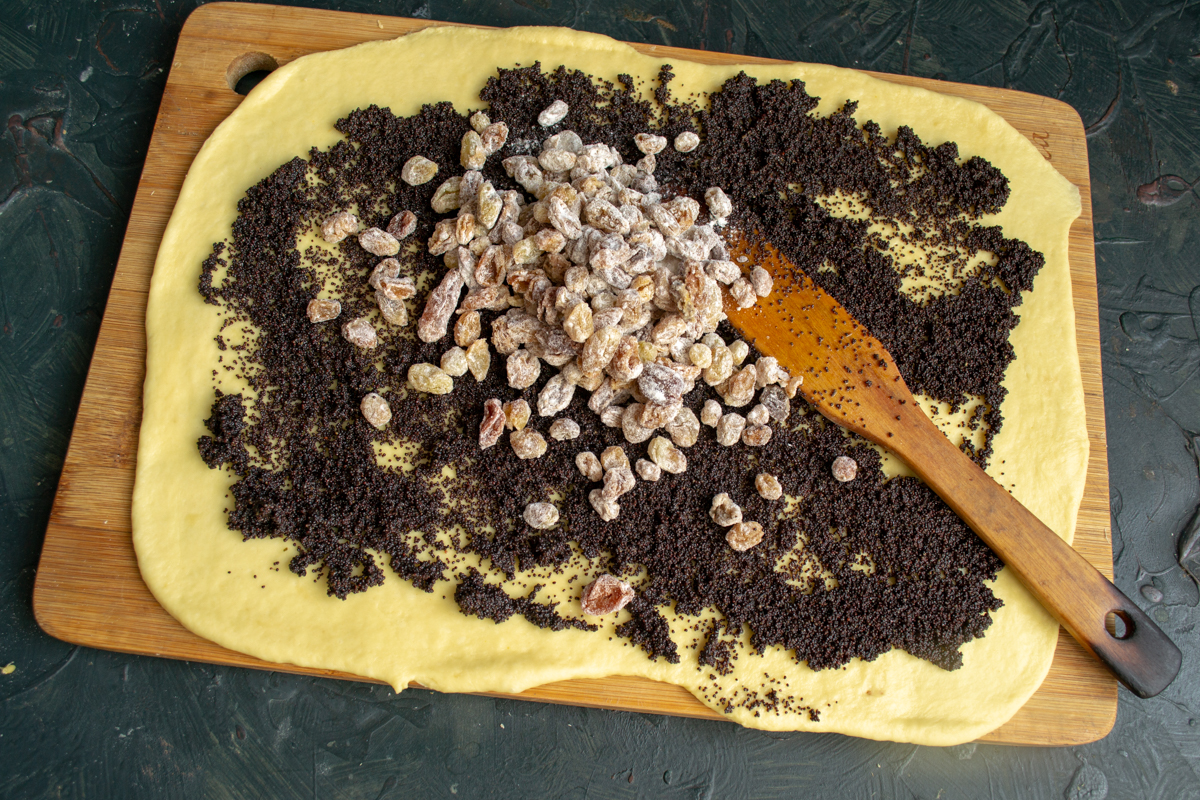
Evenly distribute the poppy seeds and raisins over the dough, leaving the edges clear.
Roll the dough up tightly into a log, placing it seam-side down. Gently roll it back and forth with your hands to form a perfectly even cylinder.
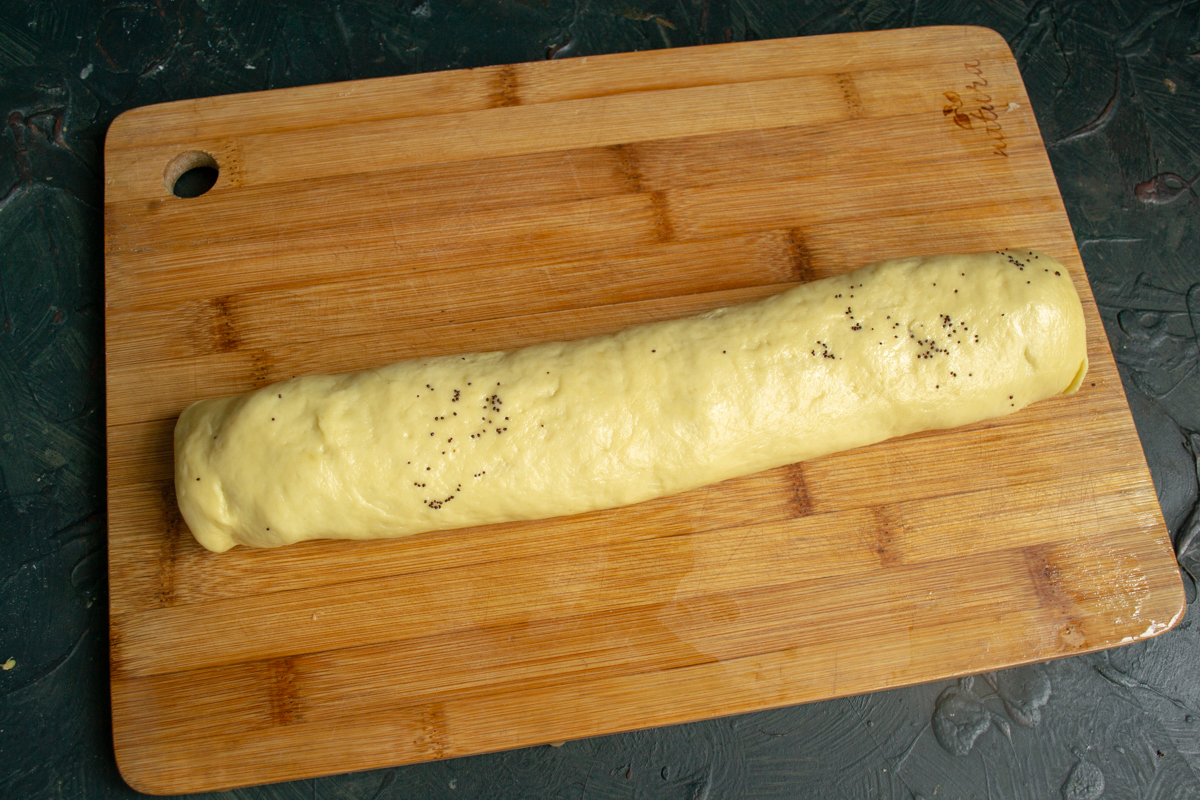
Carefully roll the filled dough into a tight log, seam-side down.
Curl the log into a ring, pinching the ends together securely. Gently stretch the ring to ensure the center hole is wide enough. You can sprinkle any leftover poppy seed filling over the top of the dough for a beautiful finish.
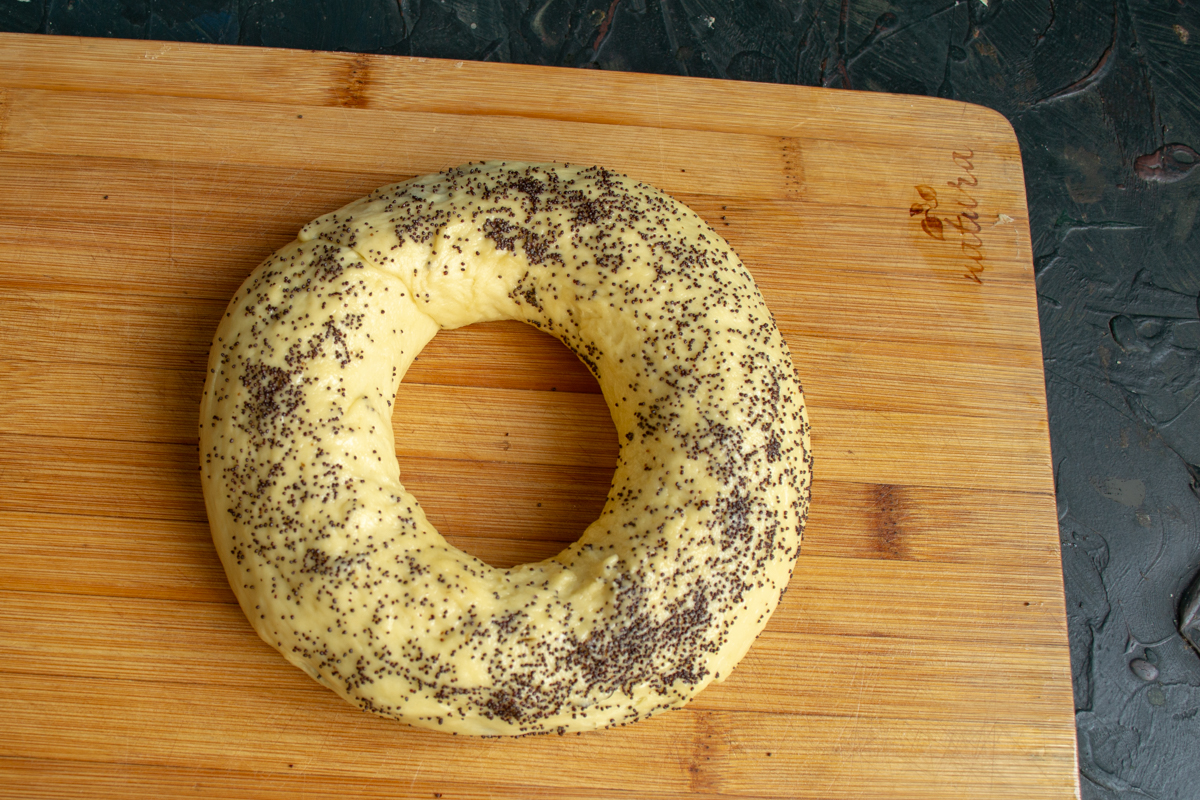
Curve the rolled log into a ring and pinch the edges securely to maintain a beautiful shape.
Transfer the cake to a parchment-lined baking sheet. Place a metal ring, a clean tin can, or a small baking mold in the center. Let the cake proof for 35-40 minutes. Once risen, brush it with a beaten egg and bake in an oven preheated to 375°F (190°C) for 18-20 minutes, until it turns a deep golden brown.
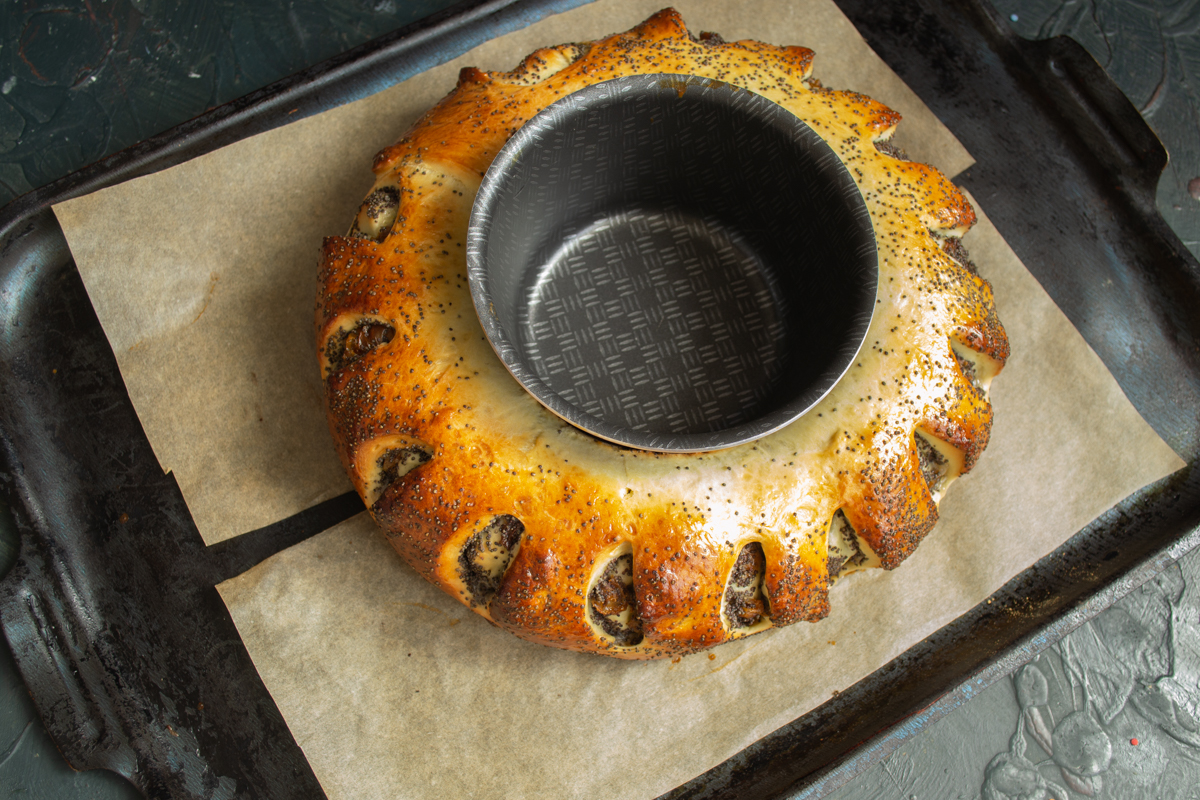
Bake the cake until golden brown. A mold in the center helps maintain the perfect hole.
Dust the baked and slightly cooled yeast dough poppy seed cake with powdered sugar.
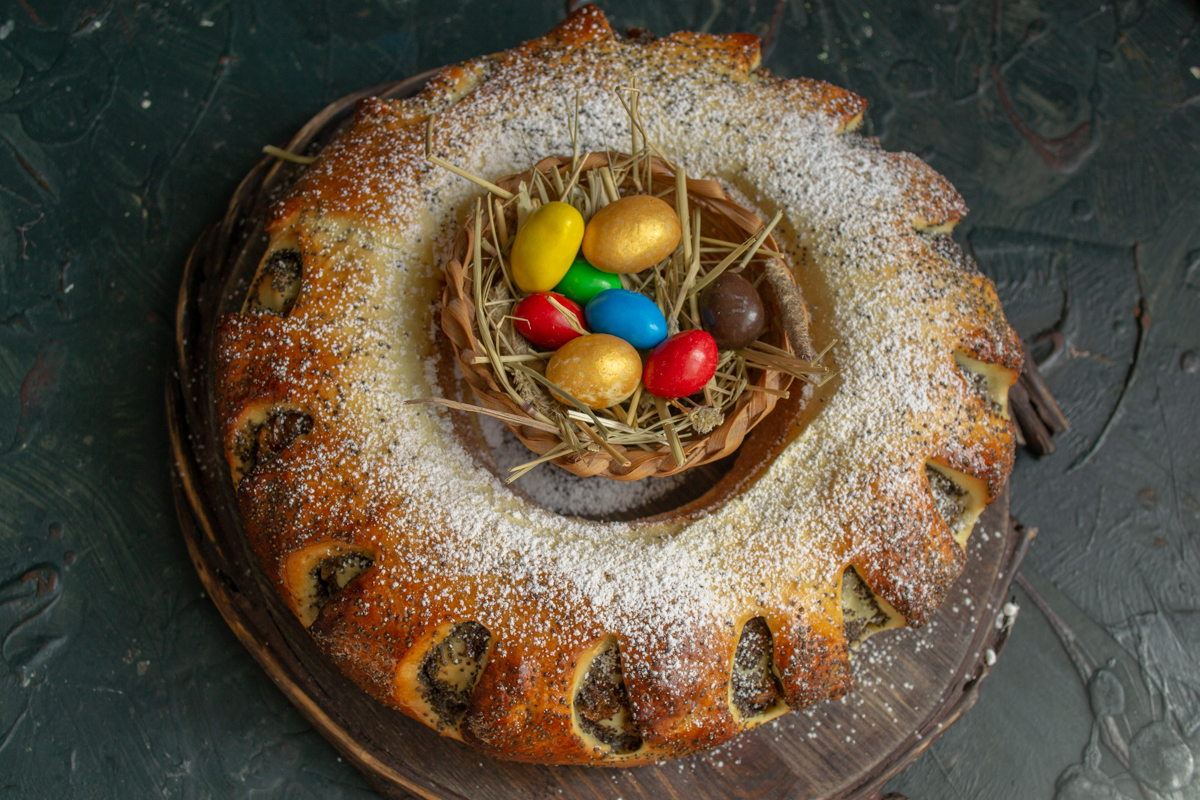
Dust the finished and cooled cake with powdered sugar before serving.
To make your yeast dough poppy seed cake look even more impressive, try serving it slightly warm, paired with a scoop of vanilla ice cream or a dollop of thick smetana (sour cream). If you want to play with the texture, you can mix some chopped walnuts or finely diced candied fruit into the poppy seed filling. For those who enjoy a deeper aroma, soak the raisins beforehand in strong tea or a splash of cognac—this will add sophisticated and rich flavor notes to the pastry.
It is best to store the finished cake in an airtight container or covered with a clean linen towel so it remains soft and tender for as long as possible. If the crust gets slightly dry the next day, just warm a slice in the microwave for 10–15 seconds—the magic of steam will instantly restore the dough's original fluffiness. The main secret to that perfect golden shine is making sure you thoroughly brush the surface with a beaten egg right before it goes into the oven.
0 comments