
Sunflower seed pesto is a brilliant find for those who appreciate Italian traditions but are looking for more accessible ingredients for their everyday table. The classic Genoese recipe always calls for pine nuts, but swapping them out for sunflower seeds gives the sauce a thicker, more rustic texture without losing its noble aroma. The main secret here lies in using curly, large-leaf basil and high-quality extra virgin olive oil, which beautifully binds the sharpness of young garlic with the piquancy of grated Parmesan. If you want to experiment with flavor depth, try adding a little fresh cilantro or mint—it brings a refreshing character highly valued in Mediterranean cuisine.
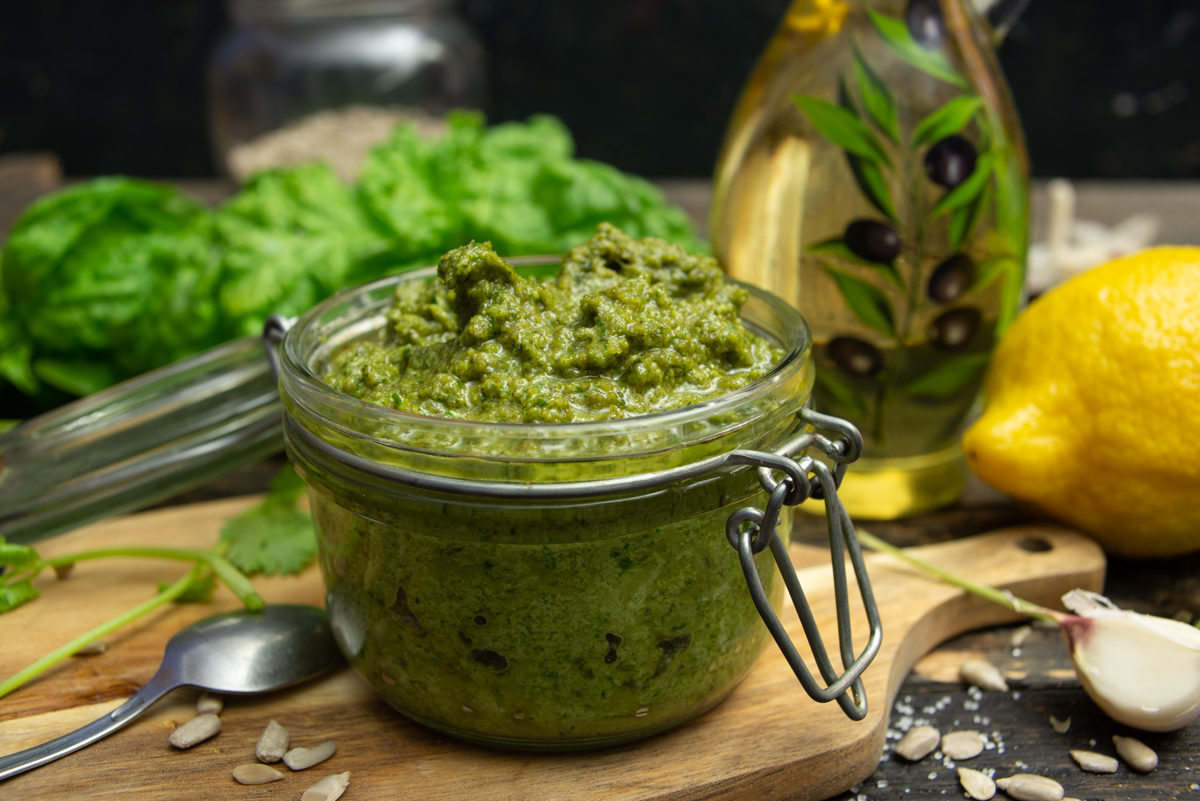
Aromatic and thick pesto made with sunflower seeds makes an excellent and affordable alternative to the classic pine nut recipe.
Ingredients
- 100 g (3.5 oz) extra virgin olive oil
- 100 g (3.5 oz) sunflower seeds
- 2-3 garlic cloves
- 30 g (1 oz) Parmesan cheese
- 50 g (1.7 oz) fresh green basil
- 30 g (1 oz) fresh cilantro
- 1/2 lemon
- Salt to taste
How to Make Sunflower Seed Pesto
Finely chop a small bunch of cilantro. You can experiment with various aromatic herbs in your pesto; alongside cilantro, peppermint works wonderfully, and parsley is a great choice too.
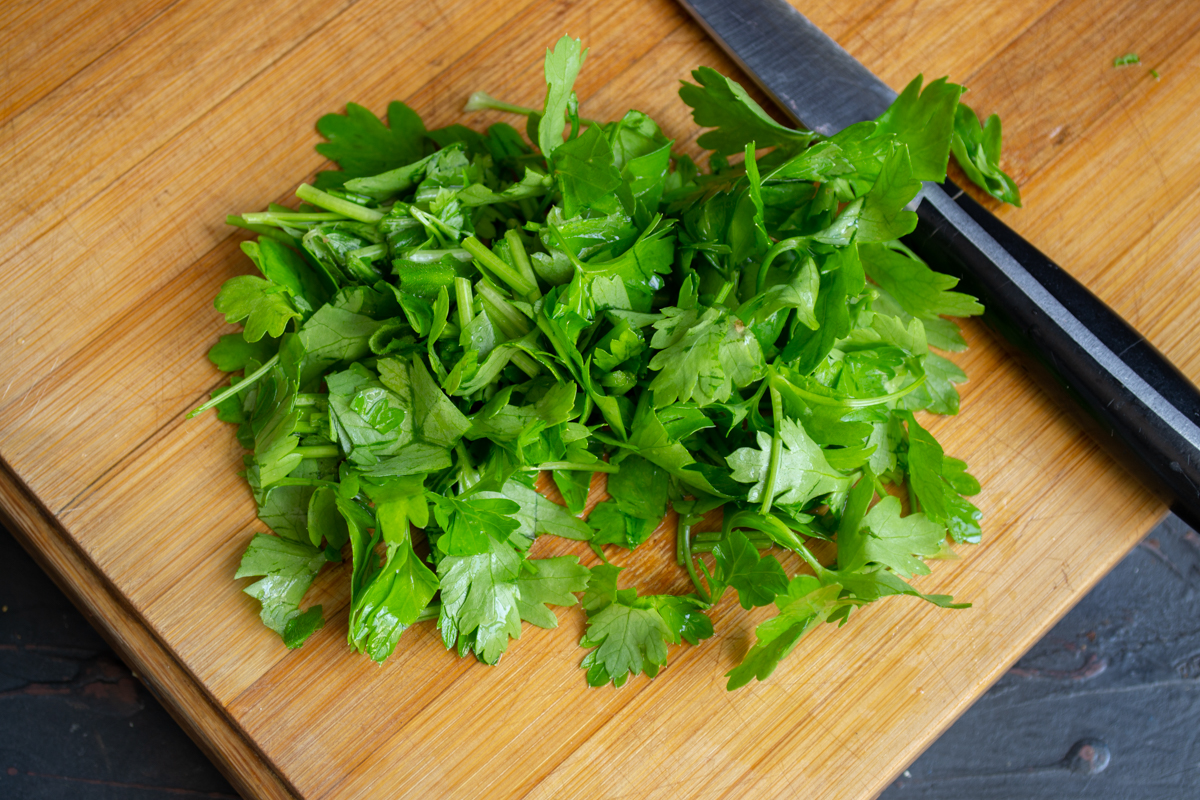
Finely chopped cilantro gives the sauce a bright and refreshing aroma. You can substitute it with parsley or mint if desired.
Finely chop the fresh green basil. For this recipe, I’m using a curly variety with massive leaves—I’ve never encountered a more fragrant basil. The aroma fills the entire house right from the kitchen; it’s simply the best basil for pesto.
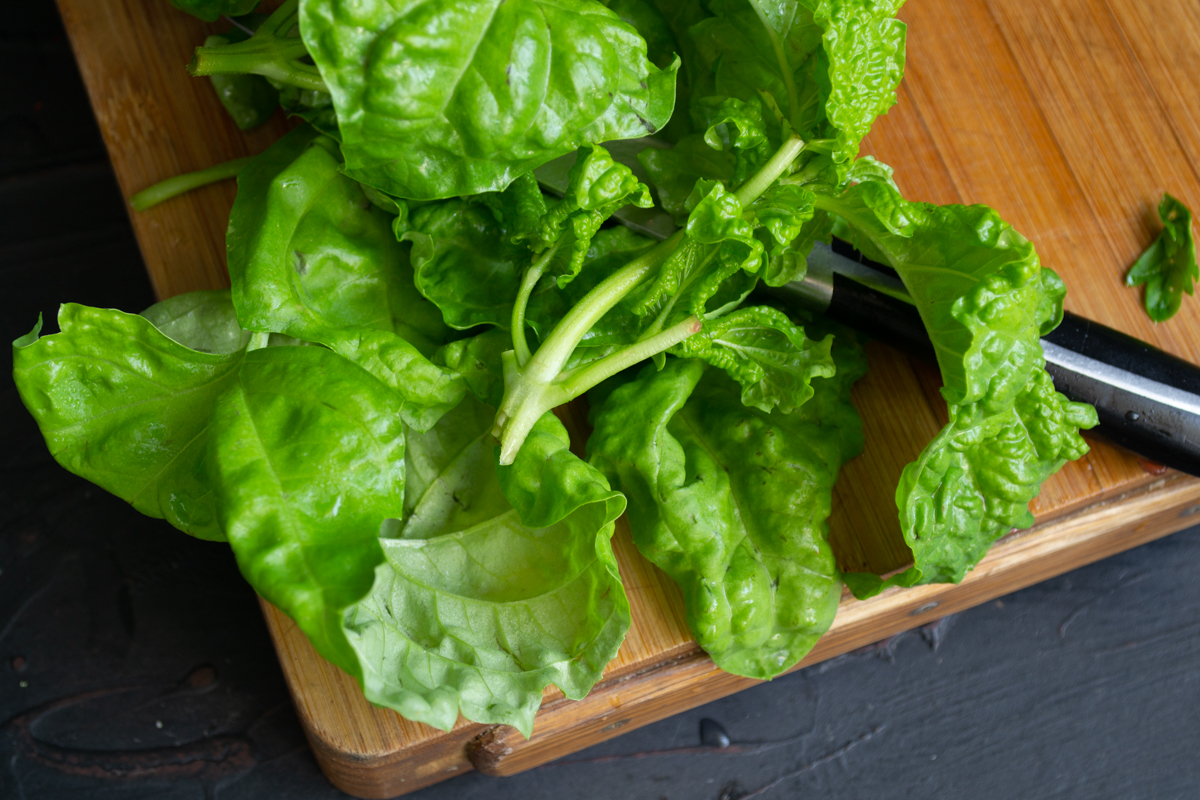
Curly, large-leaf basil works best for this recipe, delivering the most intense and fragrant aroma.
Chop the young garlic cloves. If you are using older winter garlic, be sure to remove the green germ from the center to mellow out its sharp bite.
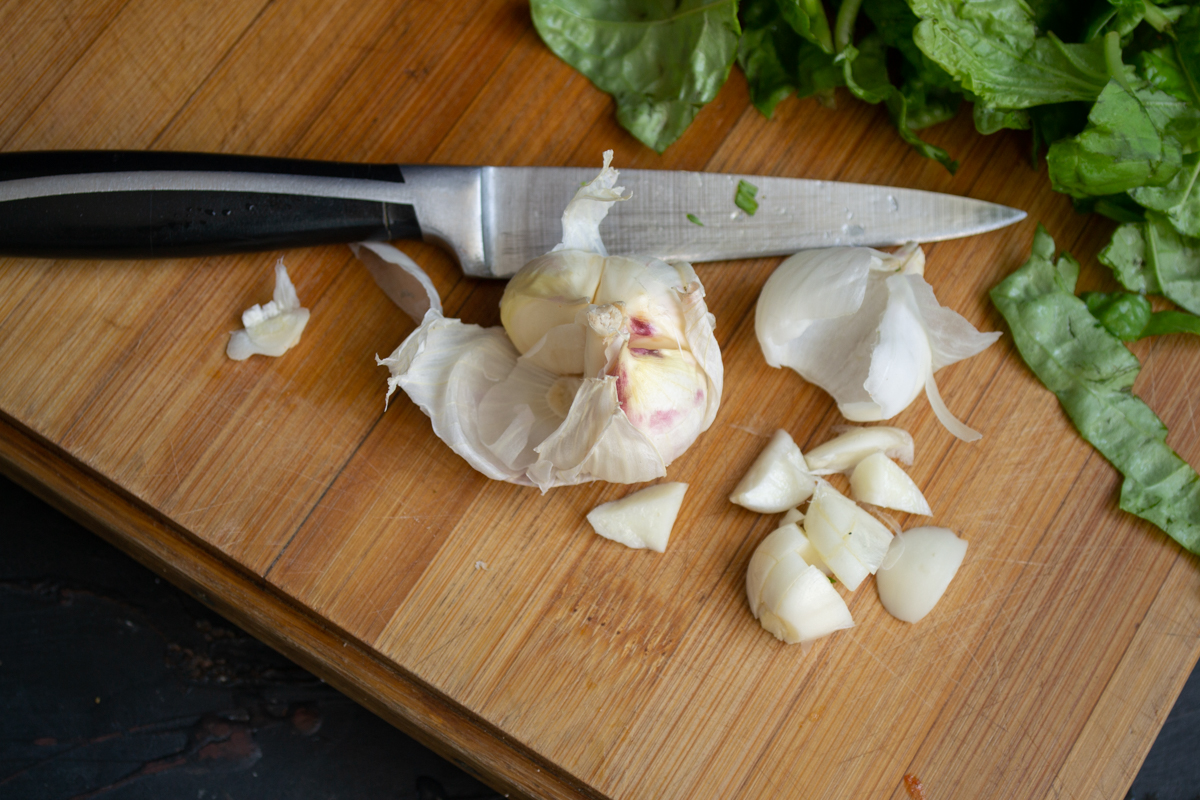
If you are using winter garlic, be sure to remove the center germ so the sauce tastes milder and less bitter.
Place the garlic, basil, and cilantro into a tall blender cup, and pour in high-quality extra virgin olive oil.
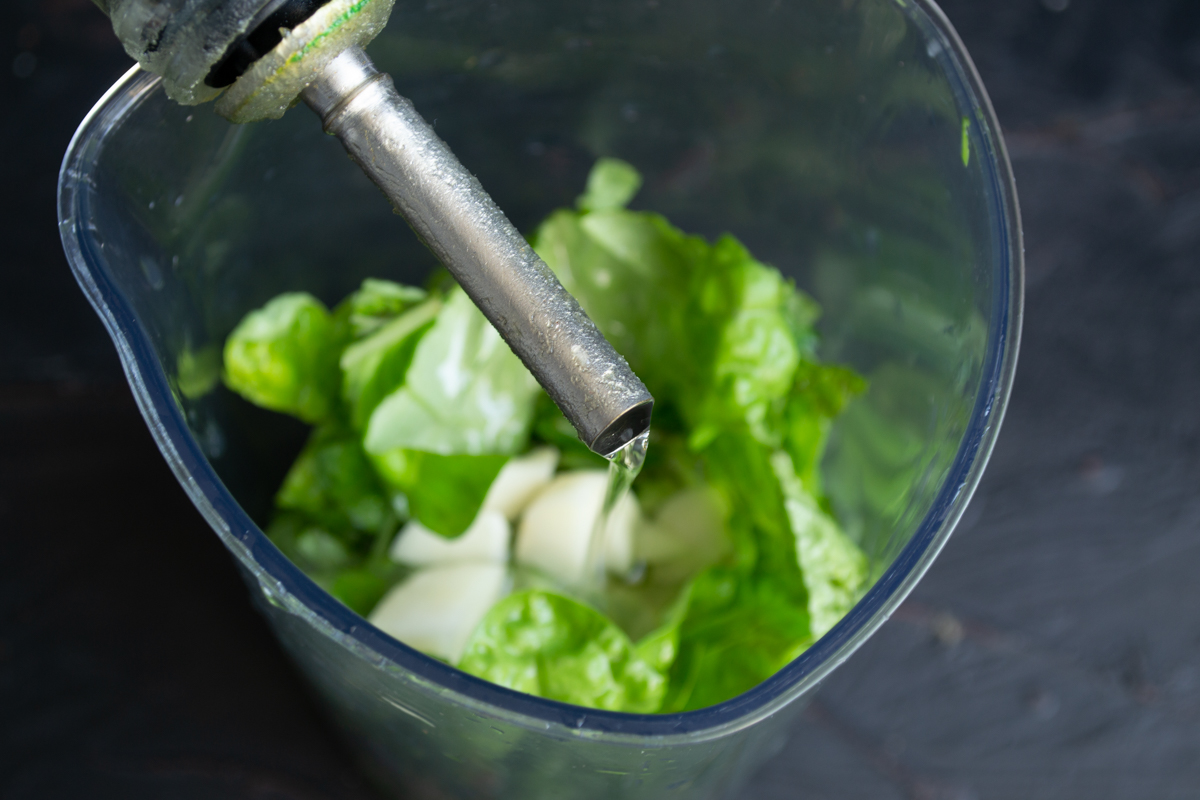
Using high-quality extra virgin olive oil is key to achieving the right texture and deep flavor in your pesto.
Add grated Parmesan or any other sharp, hard cheese. Toss in the sunflower seeds and season everything with salt to taste. For extra depth, you can toast the seeds in a dry skillet until lightly golden. Squeeze the juice from half a lemon, or add peeled lemon wedges—just make sure to remove both the yellow zest and the bitter white pith.
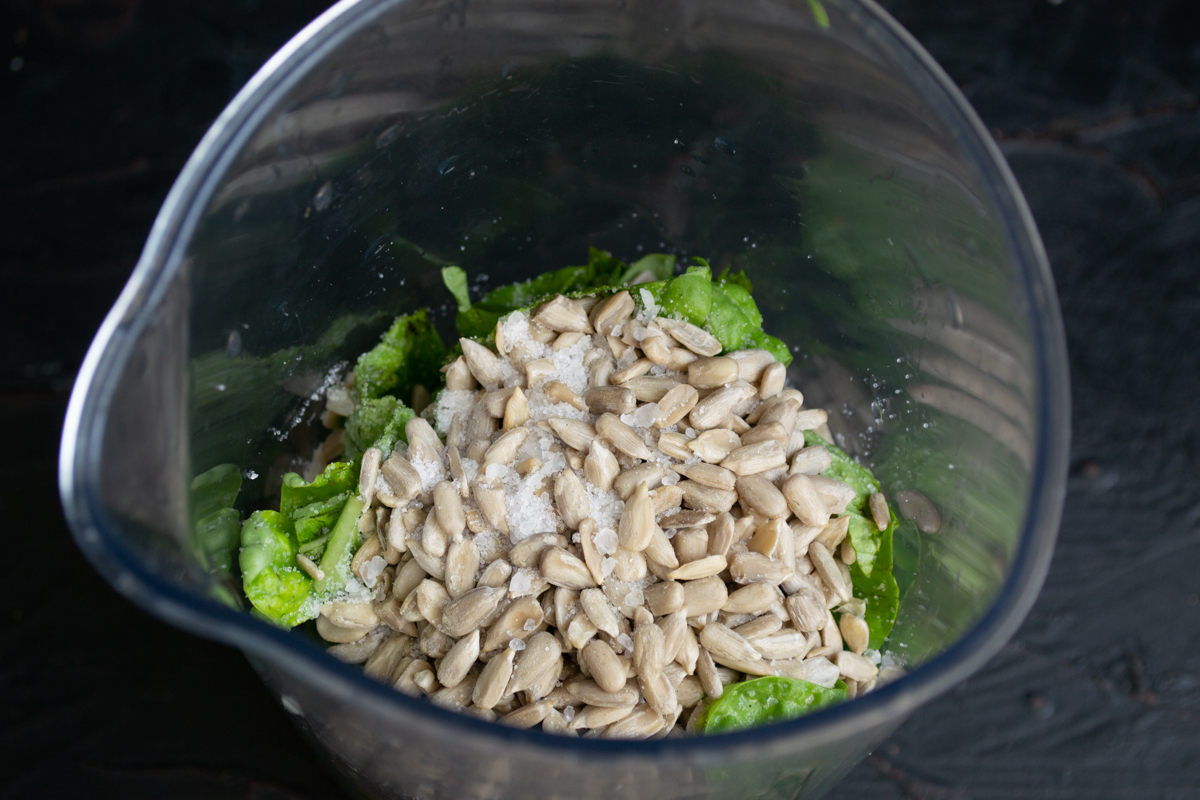
Sunflower seeds give the sauce a heartier texture. For a deeper flavor, lightly toast them in a dry skillet beforehand.
Blend the ingredients until a thick, vibrant green paste forms. Taste and adjust the salt if necessary. If the mixture is too thick, stream in a little more olive oil; if it’s too thin, add a touch more cheese and seeds to thicken it.
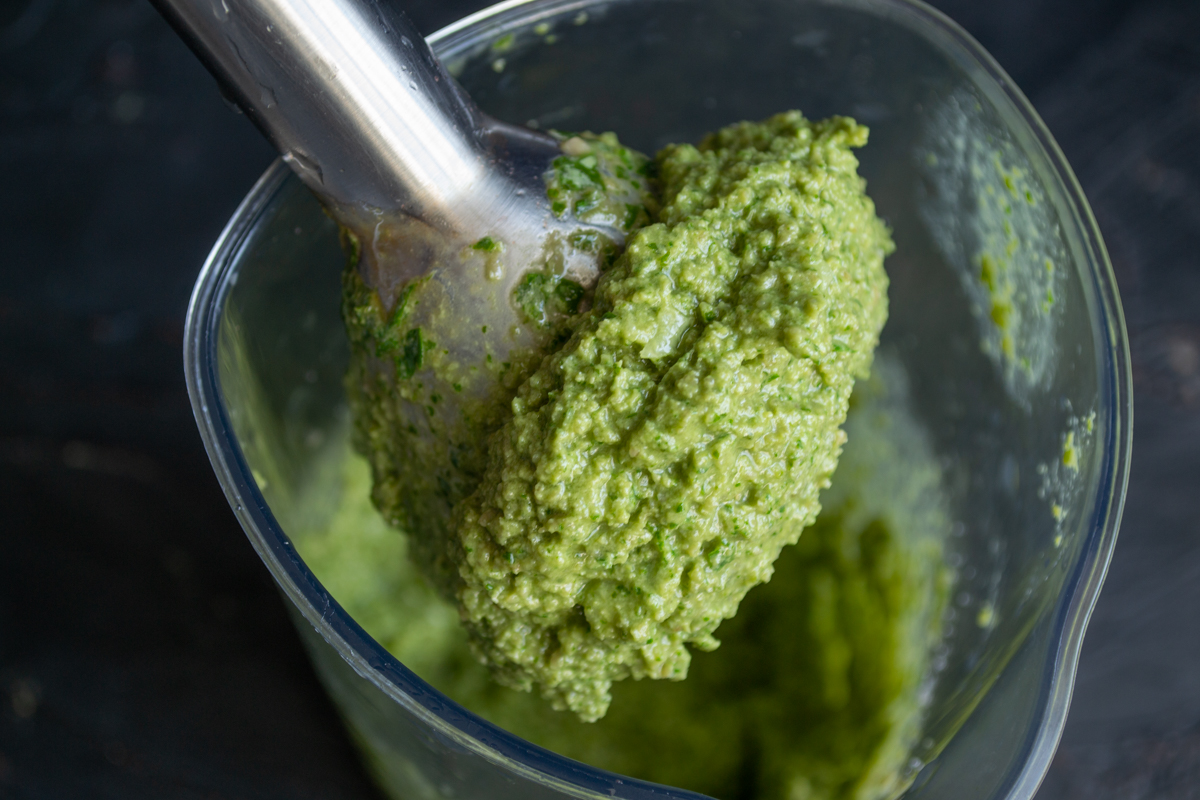
Blend all the ingredients until a thick, smooth paste forms. Adjust the consistency by adding more oil or seeds as needed.
Transfer the sunflower seed pesto into a clean, dry jar, seal tightly, and store in the refrigerator. It will keep for a few days, thanks to the lemon juice acting as a natural preservative. The top layer might oxidize and darken slightly—this is completely normal, harmless, and won’t affect the flavor.
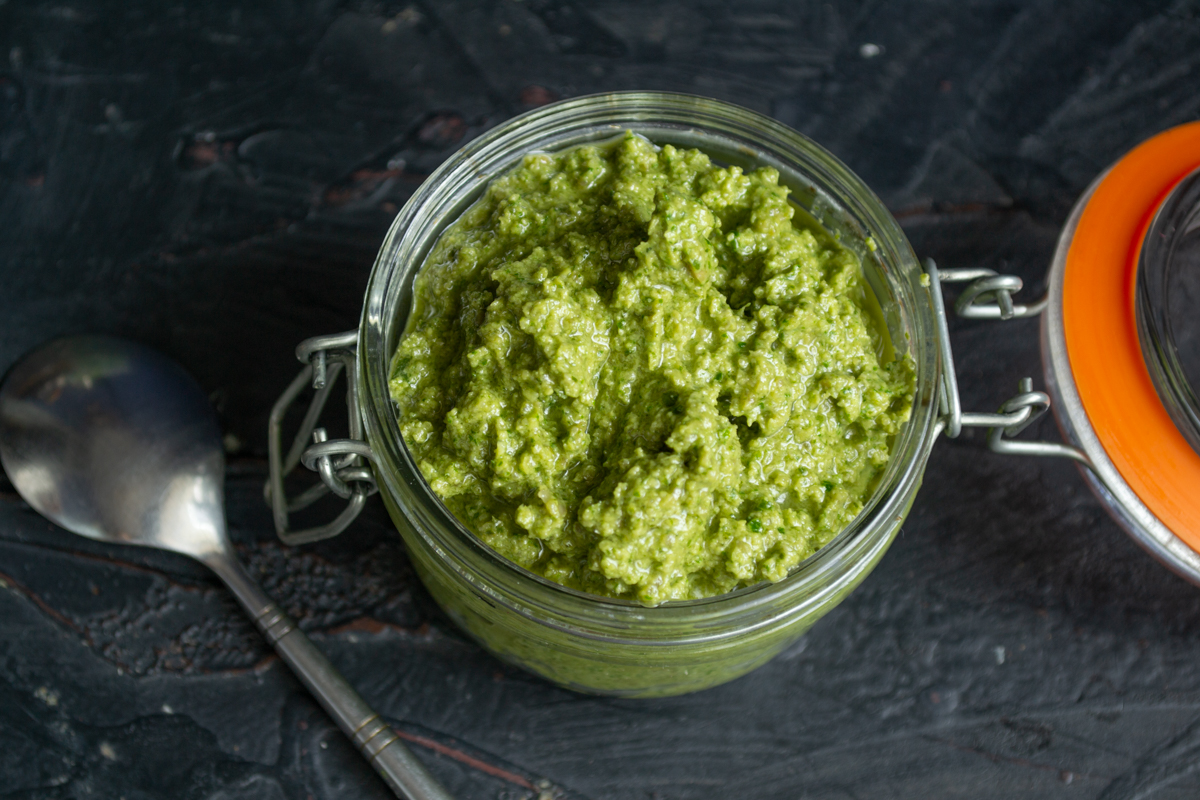
Transfer the finished pesto into a clean jar. The lemon juice acts as a natural preservative and helps maintain the vibrant color.
This versatile sunflower seed pesto makes a fantastic base for countless culinary improvisations. The simplest way to appreciate its flavor is to toss it with hot pasta, adding a couple of tablespoons of starchy pasta water to create a silky emulsion. Don't limit yourself to just pasta, though: try stirring a spoonful into your morning Tvorog (farmers cheese), mix it with plain yogurt for a zesty dip to pair with fresh vegetables, or use it as a vibrant marinade for roasting poultry and fish.
To keep your sunflower seed pesto retaining its emerald hue longer, store it in a small glass jar with a tight lid, and pour a thin layer of olive oil over the top—this creates a natural oxygen barrier. If the mixture gets too thick in the fridge, simply adjust the consistency with a splash of oil right before serving. Feel free to experiment by adding lemon zest for extra brightness, or lightly toast the seeds in a dry skillet to bring out their nutty aroma even more.
0 comments