
Welcome to the world of Shashlik, a dish that's much more than just grilled meat on a stick. In many parts of Eastern Europe and Central Asia, making shashlik is a cherished ritual, a symbol of long sunny days, outdoor gatherings, and heartwarming moments with family and friends. It’s about the sizzle of meat over hot coals, the incredible smoky aroma that fills the air, and the shared joy of a meal cooked with care. The secret lies in the marinade, which tenderizes the meat and infuses it with layers of flavor. This recipe will guide you through the classic method, helping you create perfectly juicy and delicious shashlik that will be the star of any barbecue.
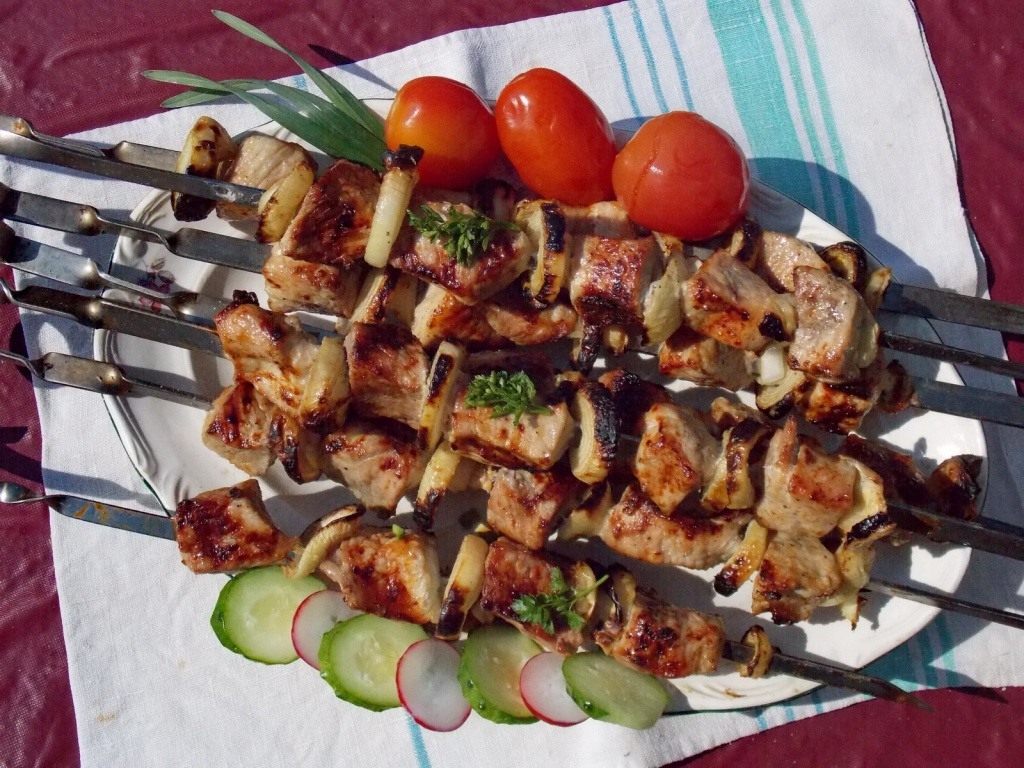
Shashlik
Ingredients for Shashlik
- 1 kg (about 2.2 lbs) of meat (pork, lamb, or beef)
- 7-8 medium onions
- Salt and ground black pepper to taste
- 3-4 tbsp mayonnaise
How to marinate meat for shashlik?
Choosing the right meat isn’t enough – you need to marinate it properly. I use the simplest spices for my marinade: salt, pepper, white onion, and a little mayonnaise. To this basic set of seasonings, you can add your favorite spices: garlic, paprika, dried herbs, or ready-made spice blends. Those who enjoy unusual flavors can try seasoning their shashlik with ginger or mint.
Sometimes, wine, lemon juice and olive oil, tomato juice (or sauce), or kefir (a fermented milk drink similar to thin yogurt) are added to the marinade. Each component affects the taste of the dish in its own way. Acidic ingredients like juices and alcoholic beverages tenderize the meat; lemon juice and vinegar also add a tangy flavor (don’t overdo it); mayonnaise adds richness, while cultured dairy products or tomato add softness and juiciness.
Occasionally, more exotic ingredients are used for the marinade: for Greek-style shashlik, pomegranate juice is used; for Chinese-style, soy sauce is combined with ginger, honey, dry wine, garlic, and pepper. Some people even marinate meat in kvass (a traditional fermented beverage made from rye bread), beer, or grape juice. What you choose from this variety depends on your personal taste.
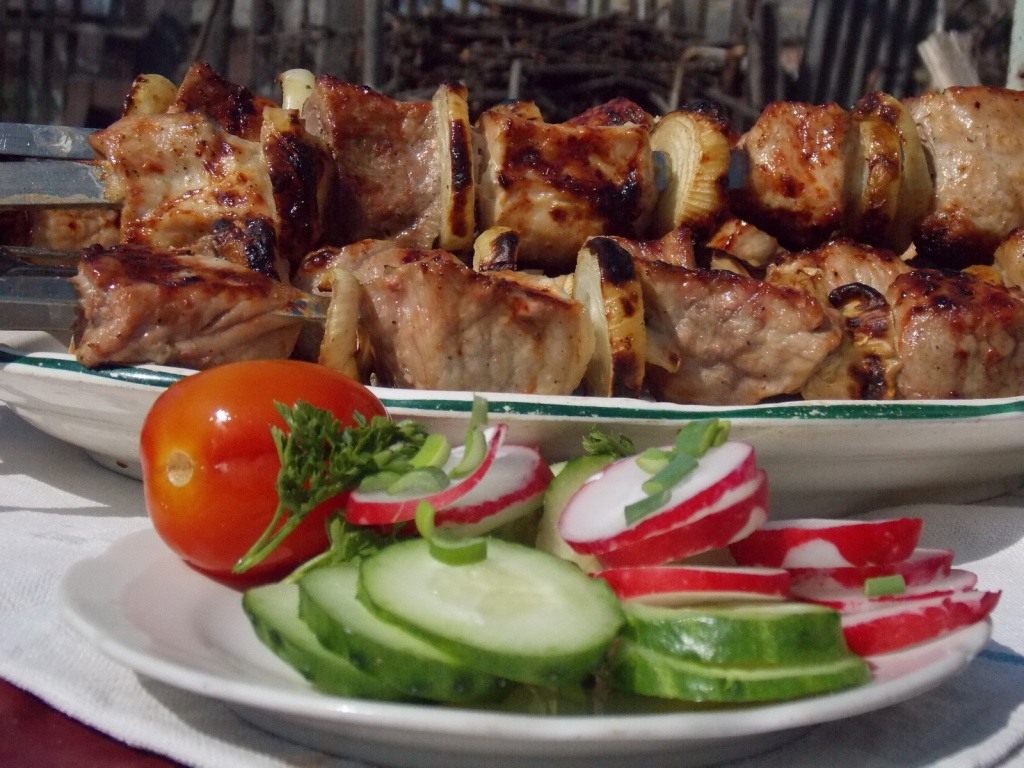
Every shashlik master has their own meat marinade recipe
There’s also a belief that a dry marinade, a mixture of spices without any added liquid, is best for shashlik meat. There are as many opinions as there are cooks. It would be interesting if you, dear readers, share your methods for marinating meat in the comments.
What kind of wood is needed for shashlik?
The best shashlik is made over coals from fruit trees: plum, cherry, or apple. The aroma of the fruitwood is transferred to the dish, making the shashlik exquisite. You can also use oak or maple wood, but coniferous woods are completely unsuitable for shashlik.
It’s best to choose branches and logs of similar thickness and length for the fire so they burn down evenly. And, of course, the wood must be dry.
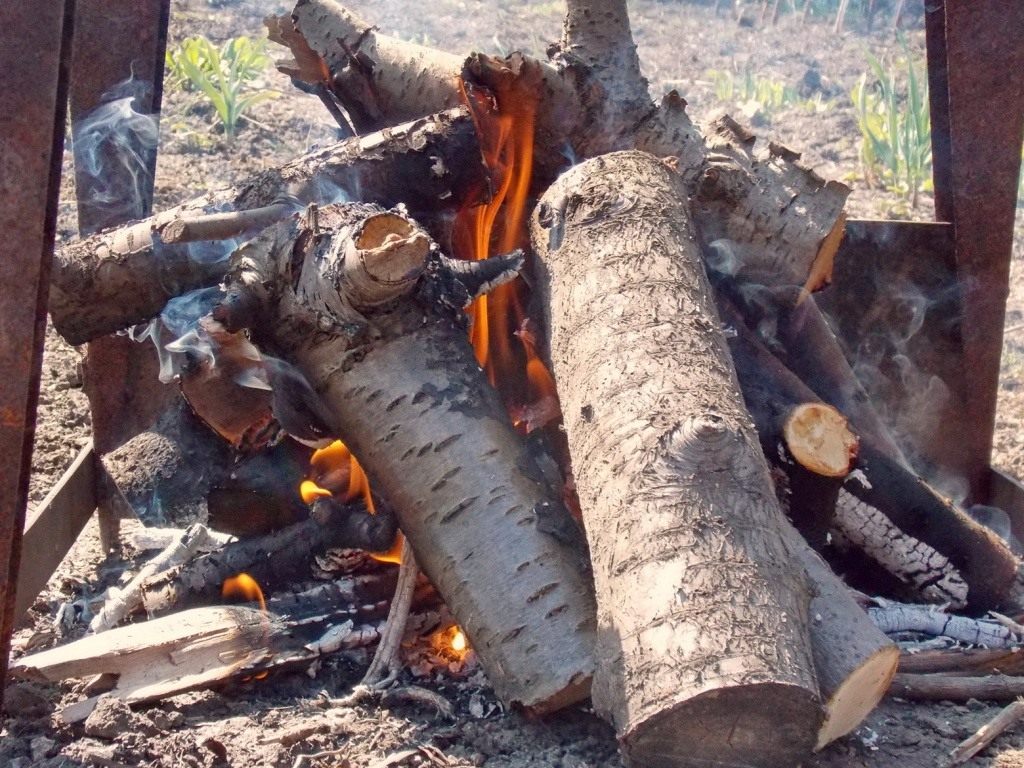
Hardwood is best for shashlik coals
How to cook shashlik?
Having covered the details, let’s move on to the actual cooking of the shashlik. Rinse the meat, pat it dry, cut it into cubes about 3-5 cm (1.5-2 inches) on a side, and place it in an enamel or glass bowl. It’s better not to use aluminum, as the marinade can cause it to oxidize. A wooden container is also not the best choice, as wood absorbs the juice and aroma, and we want those to stay in the shashlik, not the bowl.
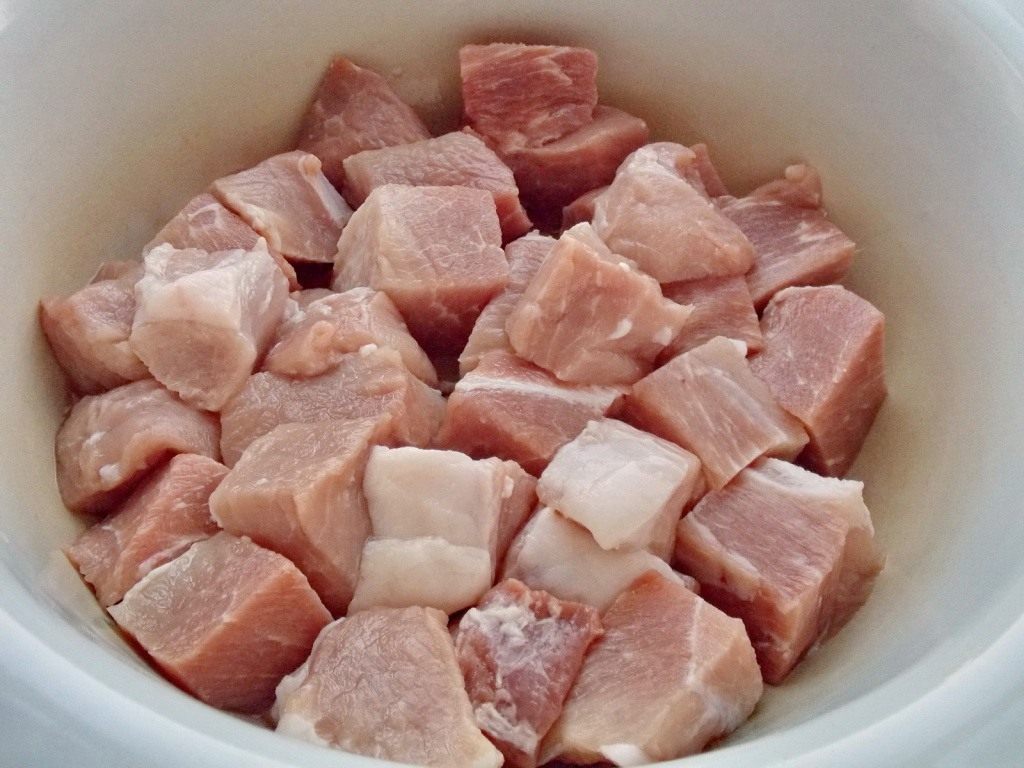
Cut the meat into even pieces
Peel, wash, and slice the onion into rings about 2-3 mm thick.
Combine the meat and onion, then season with salt and pepper.
Add a little mayonnaise, mix thoroughly, and let the shashlik marinate for at least 2 hours at room temperature (or overnight in the refrigerator).
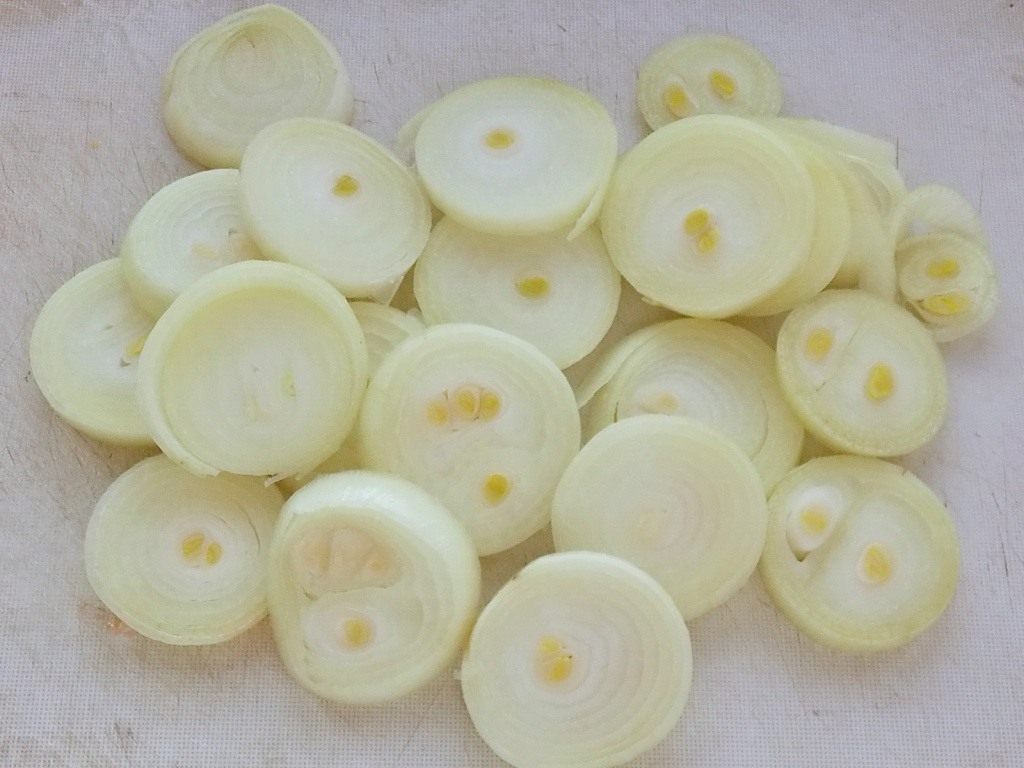
Slice the onion into rings
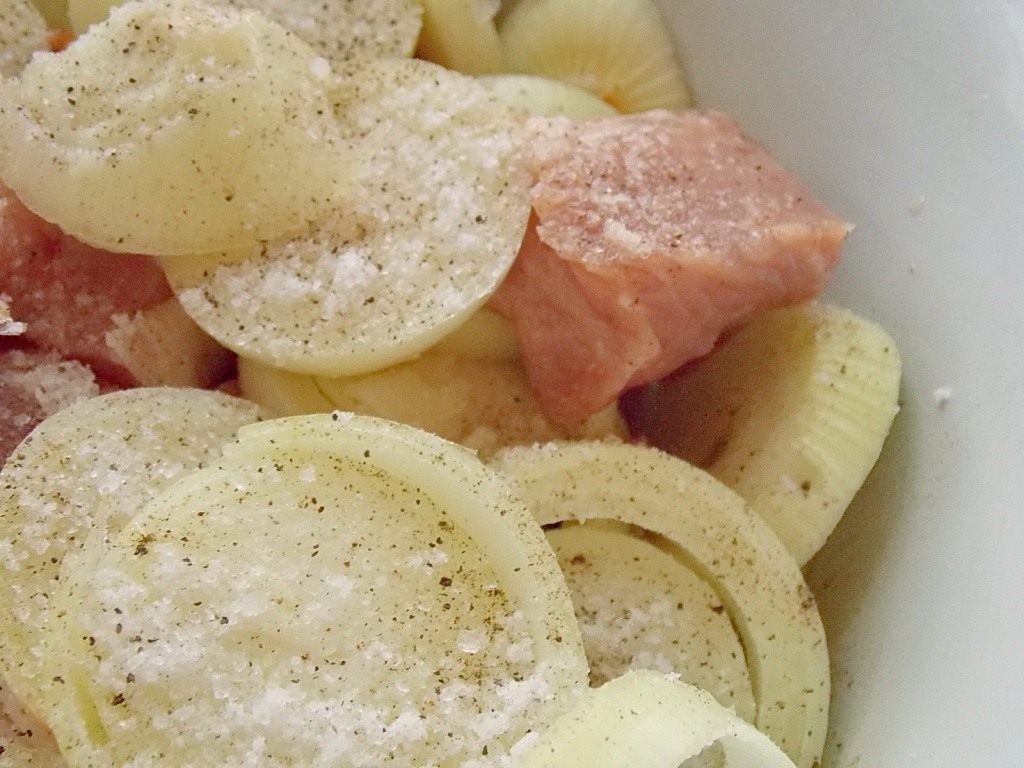
Mix the onion, meat, and spices
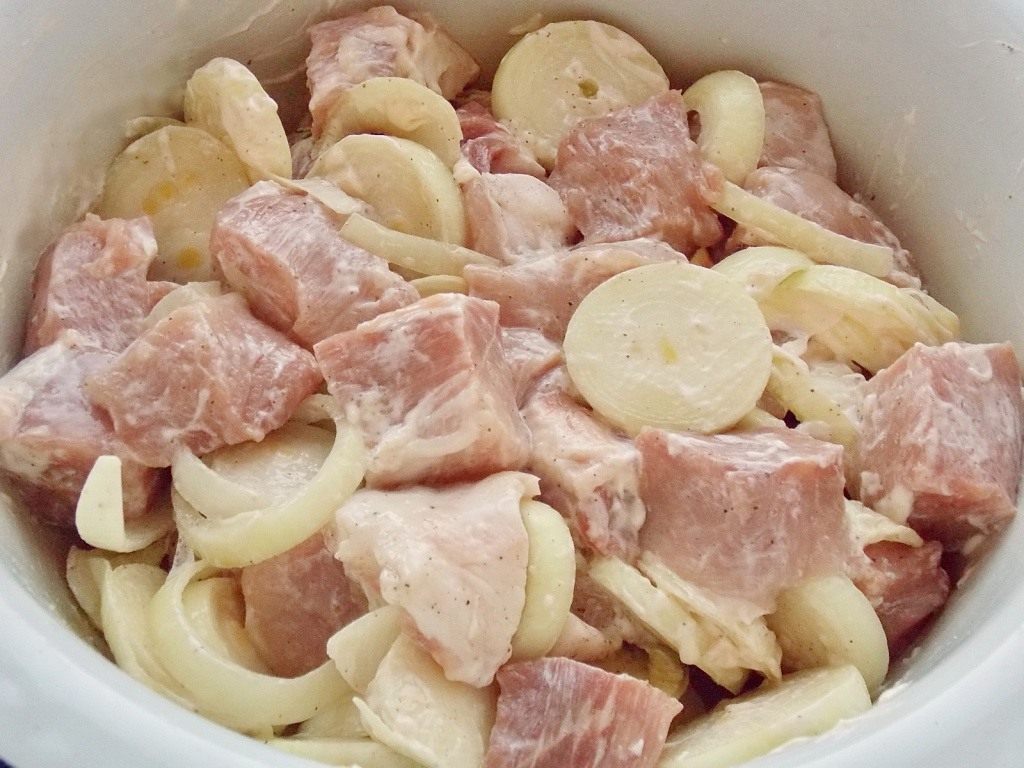
Add the marinade sauce
While the meat is marinating, start the fire so the coals have time to burn down.
The general principles for a mangal (a type of open-top grill or brazier) are as follows: its depth should be about 15-20 cm (6-8 inches); the layer of coals at the bottom should be about 5 cm (2 inches), and the shashlik should be placed at a height of 15 cm (6 inches) above the coals. You can adjust the height during cooking based on how the shashlik looks: if the meat isn’t cooking through, move it lower, and if it starts to char, raise it higher.
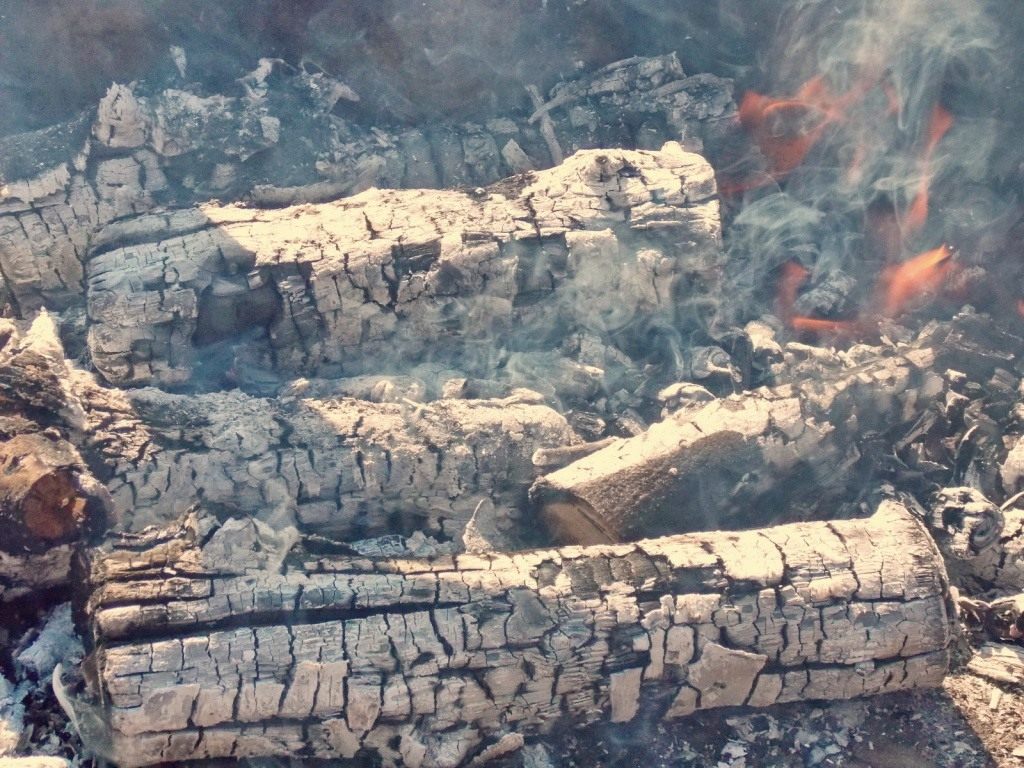
Preparing the coals for the shashlik
How to know when it’s time to put the shashlik on the mangal?
Hold your hand over the coals at a height of 15 cm (6 inches). If you can only stand it for a couple of seconds, it’s still too early. But if your hand can withstand the heat for 4-5 seconds, it’s the perfect time. Poultry requires a lower temperature than meat – the ‘endurance test’ should last about 10 seconds.
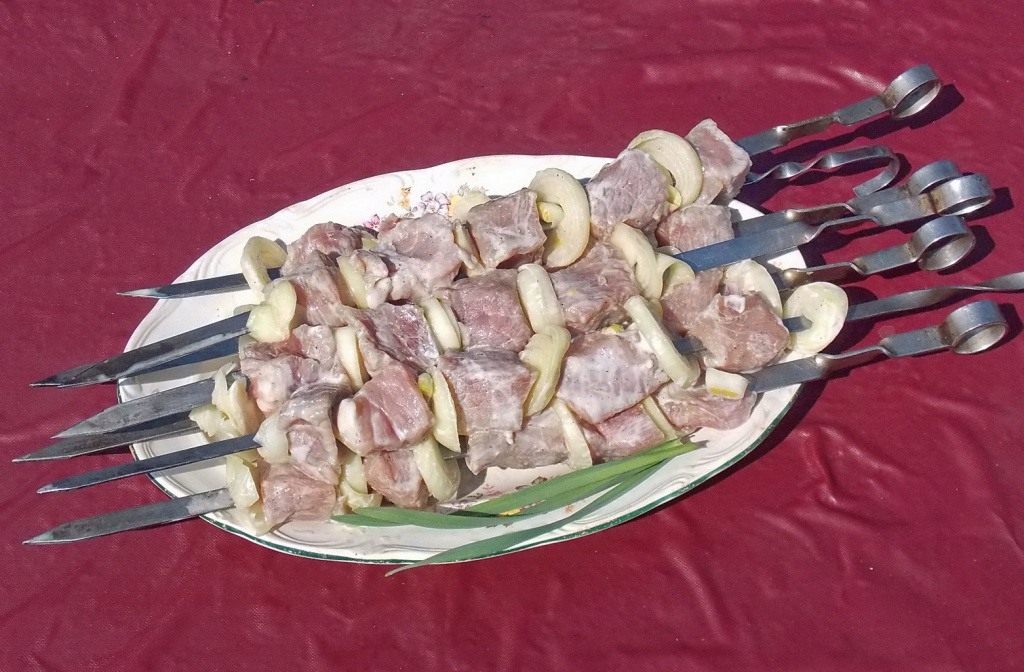
Thread the meat onto the skewers
Thread the meat onto skewers, placing the pieces along the grain and alternating with onion rings. Grilled onion is my favorite part of shashlik! And if you add tomato slices, eggplant pieces, or bell pepper chunks to the mix, the shashlik will be even more vibrant and delicious. Skewer everything tightly so that the meat and vegetables soak up each other’s juices and aromas during cooking.
To make skewering easier, you can grease the skewers with a little sunflower oil. But be careful – protect your hands!
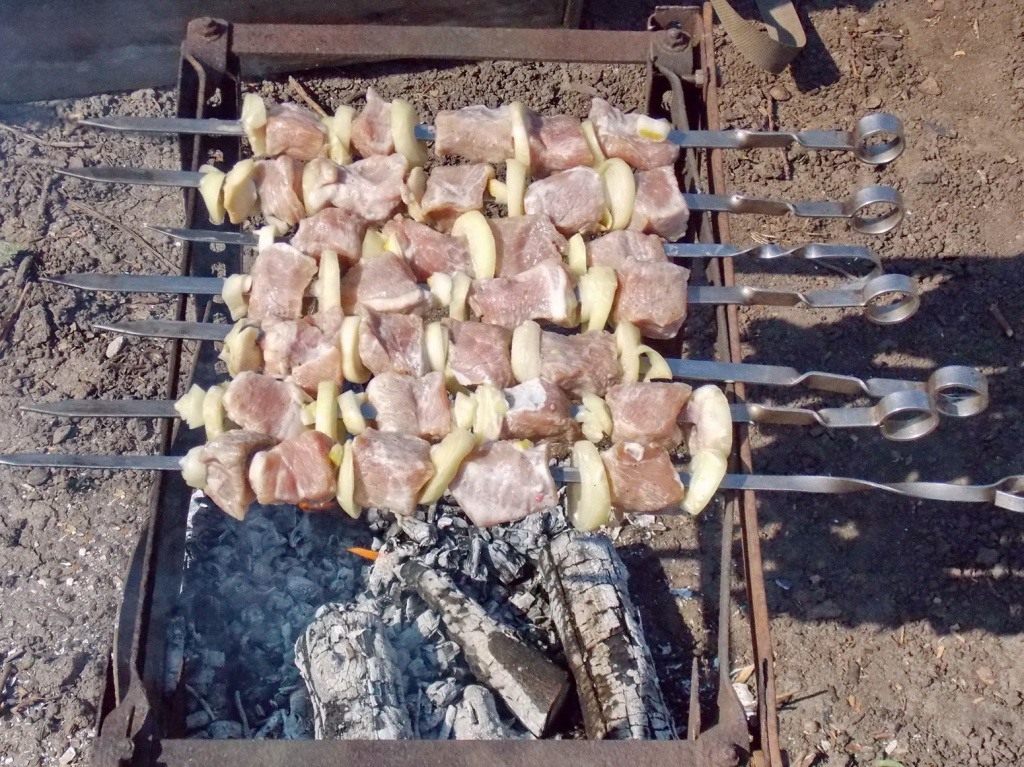
Place the shashlik on the mangal
Place the shashlik over the coals and cook, turning occasionally. If there isn’t enough heat, you can fan the coals periodically with a piece of cardboard or something similar. If the heat is too intense, raise the shashlik higher, and if flames flare up, sprinkle them lightly with water.
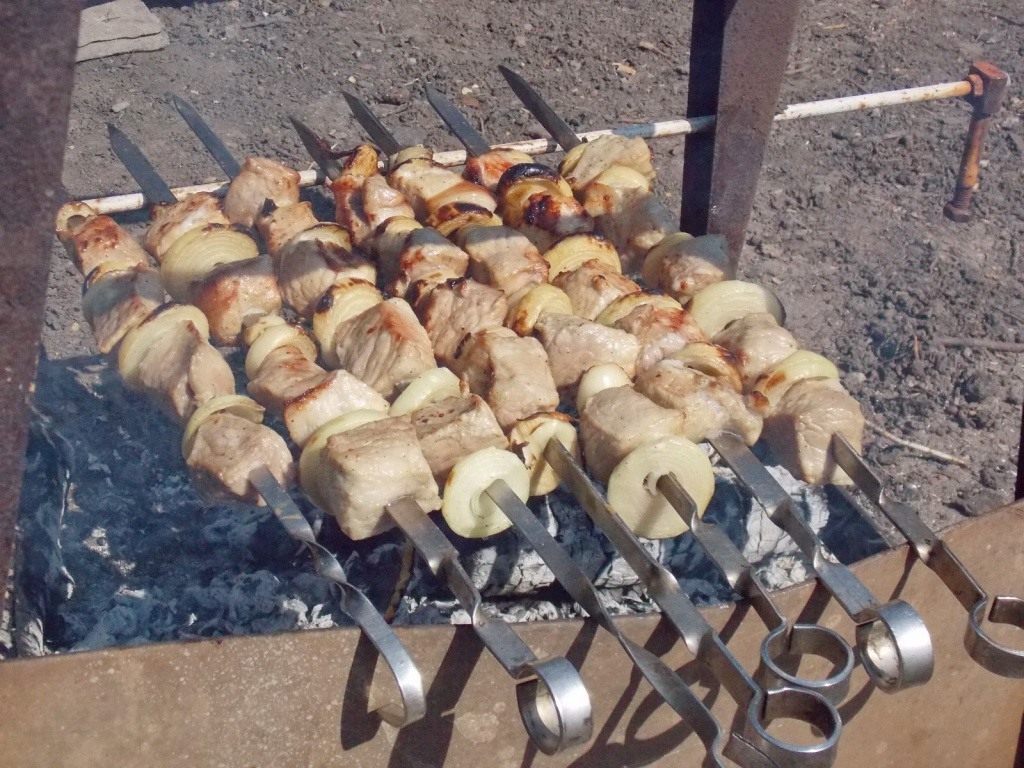
Don't forget to turn the skewers for even cooking
How to check if the shashlik is done?
The cooking time for shashlik is approximately 25-35 minutes. To check if the meat is ready, cut into one piece and look at the juice. If it’s reddish, continue cooking, as the shashlik is still raw in the middle. A pinkish hue indicates a medium doneness, and clear juice means the shashlik is ready.
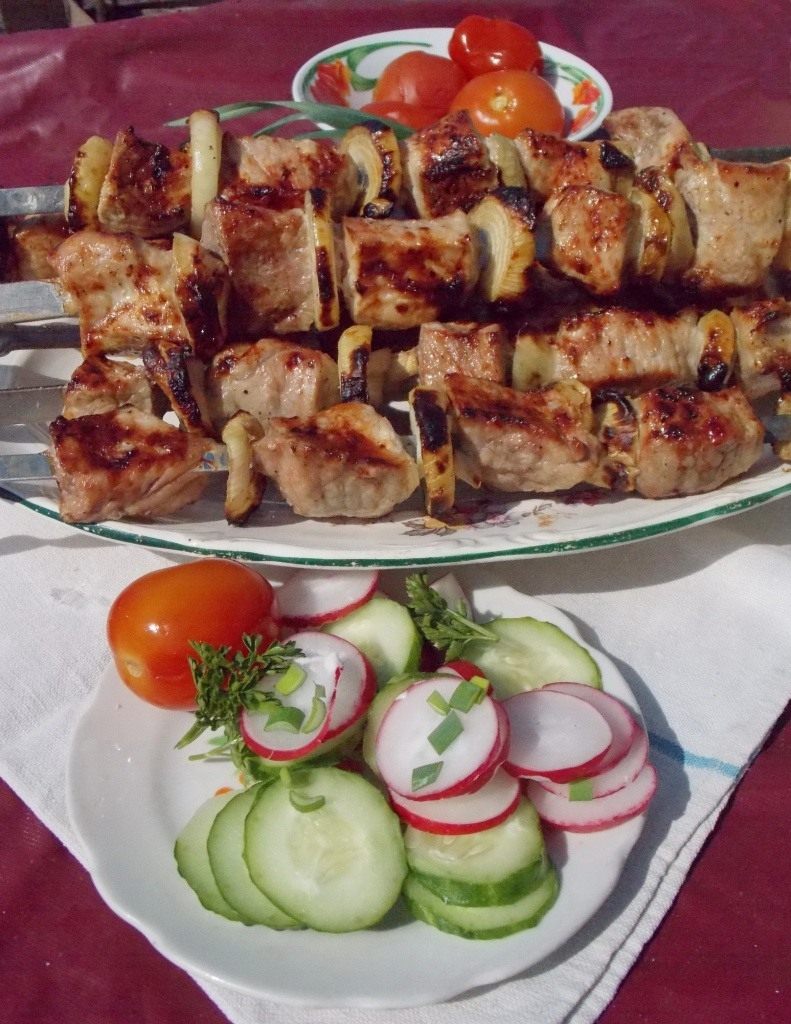
Shashlik
Remove the skewers from the mangal onto a platter or tray and serve immediately while hot, garnished with fresh vegetables and herbs.
And there you have it – perfectly grilled, succulent shashlik ready to be devoured! The best way to enjoy it is straight from the mangal, while it's still sizzling and hot. Traditionally, shashlik is served with fresh flatbread (lavash), a simple salad of tomatoes and cucumbers, plenty of fresh herbs like cilantro and dill, and perhaps a tangy sauce on the side. Don't be afraid to make this recipe your own by experimenting with different spices in the marinade or adding your favorite vegetables to the skewers. Cooking shashlik is about creating memories, so gather your loved ones, light the fire, and enjoy the wonderful experience. Happy grilling!
0 comments