
Salted Baltic herring (Salaka) is not just a budget-friendly appetizer; it is a true culinary symbol of the Baltic Sea region, prized for its tender meat and high nutritional value. When cured at home, this small, silvery fish transforms into something entirely different from the store-bought versions: you control the salinity and the quality of the spices. The preparation starts with proper thawing and meticulous cleaning, yielding pure fillets that literally melt in your mouth. The aroma of sea salt and the firm texture of the finished fish make it a welcome addition to any table, whether as a quick snack or the foundation of an elegant seafood platter.

Homemade salted Baltic herring is perfect for hearty sandwiches with egg and fresh cucumber.
Ingredients
- 600 g (21 oz) whole Baltic herring
- 30 g (1 oz) coarse sea salt
- 8 g (1 tsp) granulated sugar
- Extra virgin olive oil
Instructions
Take the frozen fish out of the freezer in advance. Leave it on the bottom shelf of the refrigerator overnight. This ensures the fish thaws properly and maintains its texture.

Thaw the fish gradually in the refrigerator to preserve its delicate texture.
Now for the most labor-intensive part of the recipe: cleaning the Baltic herring. You will have to do this eventually, and if you salt it whole with heads and guts, your guests will be the ones doing the work. I prefer to invest the time upfront to yield a ready-to-eat delicacy everyone can enjoy. Snip off the heads using kitchen shears: hold the fish in one hand and clip the heads with the other.
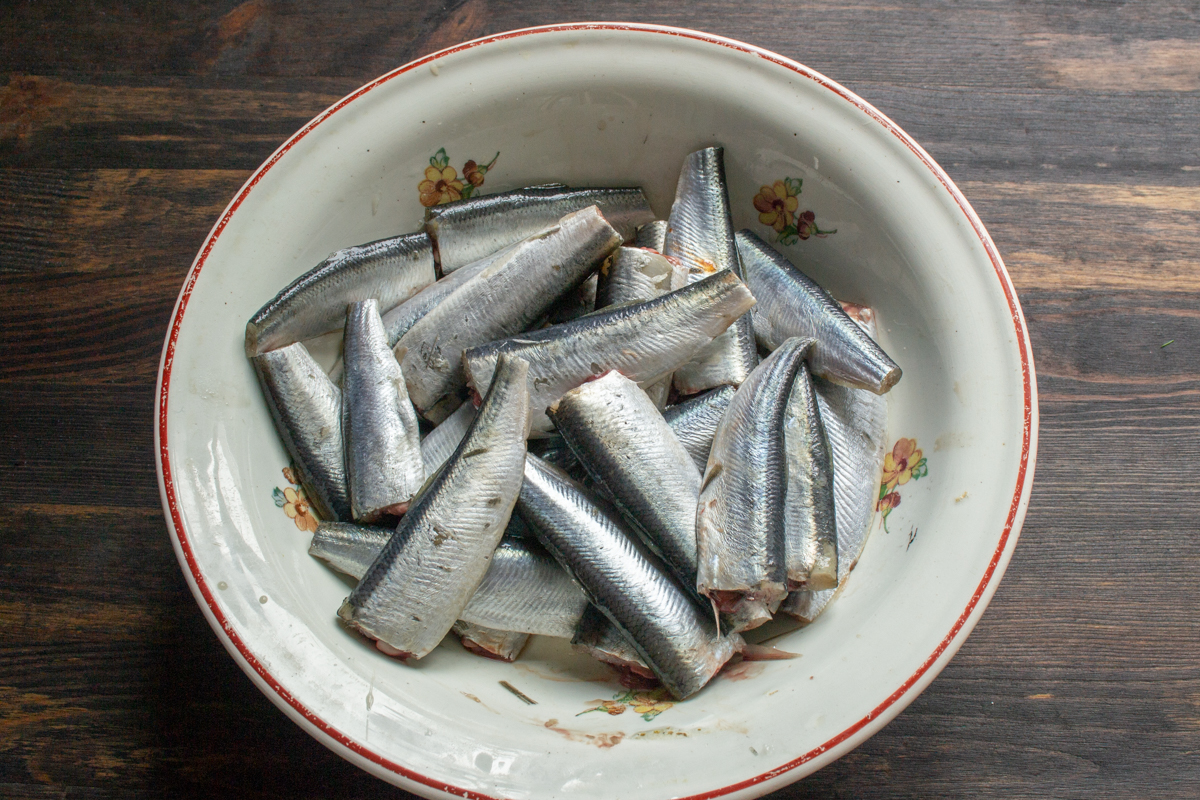
Using kitchen shears significantly speeds up the cleaning process for a large batch of small fish.
Separating the fillets from the spine takes a bit more time. First, slice the belly open, remove the guts, and rinse under cold water. Then, run your finger from tail to head, separating the meat from the bone on one side, then the other. Rinse the cleaned fillets thoroughly in cold water and weigh them. From 600 g (21 oz) of whole Baltic herring, you will get roughly 300 g (10.5 oz) of clean fillets.
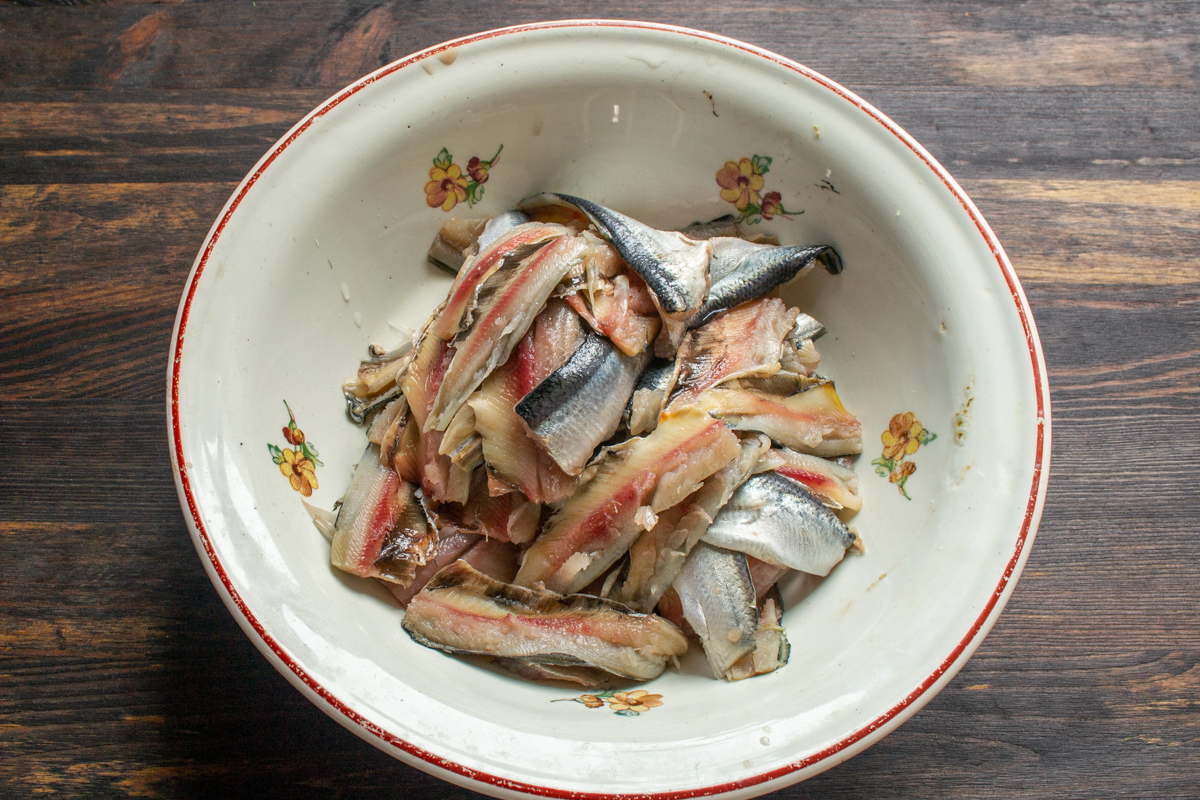
Carefully remove the spine to yield a tender fillet that is easy to use in appetizers.
Coarse sea salt works best for curing. The standard ratio is 150 g of salt per 1 kg of whole fish. For fish fillets, I use slightly less: 100 g to 120 g per kilogram. Mix the sea salt with the granulated sugar.
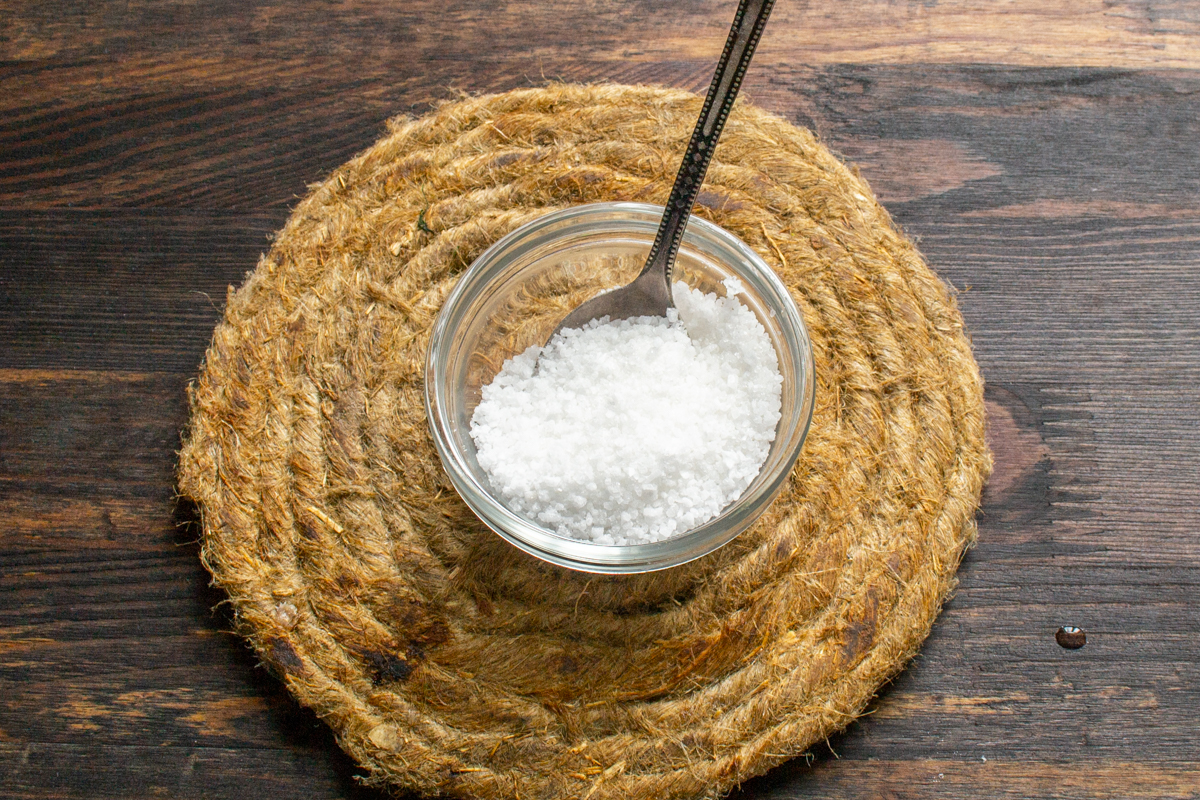
For curing fish, it is best to use coarse sea salt mixed with a small amount of sugar.
Grab an airtight plastic container or a glass jar with a tight-fitting lid. Sprinkle a little of the salt and sugar mixture on the bottom, and lay the herring fillets skin-side down. Sprinkle generously with more salt, and add the next layer of fillets. Continue stacking until the container is full, leaving a little headspace at the top.
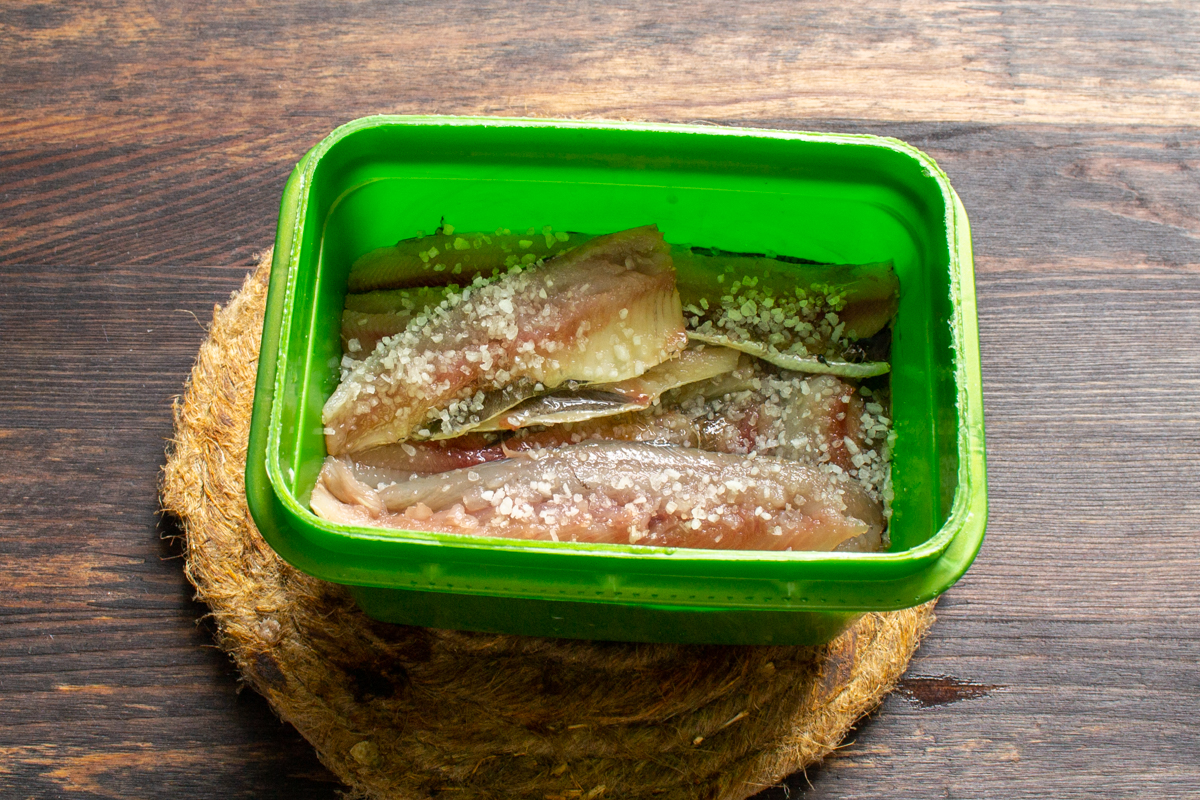
Layer the fillets skin-side down, evenly sprinkling each layer with the salt mixture.
Seal the container tightly. Let it sit at room temperature for 5 to 6 hours to jumpstart the curing process, then transfer it to the refrigerator.
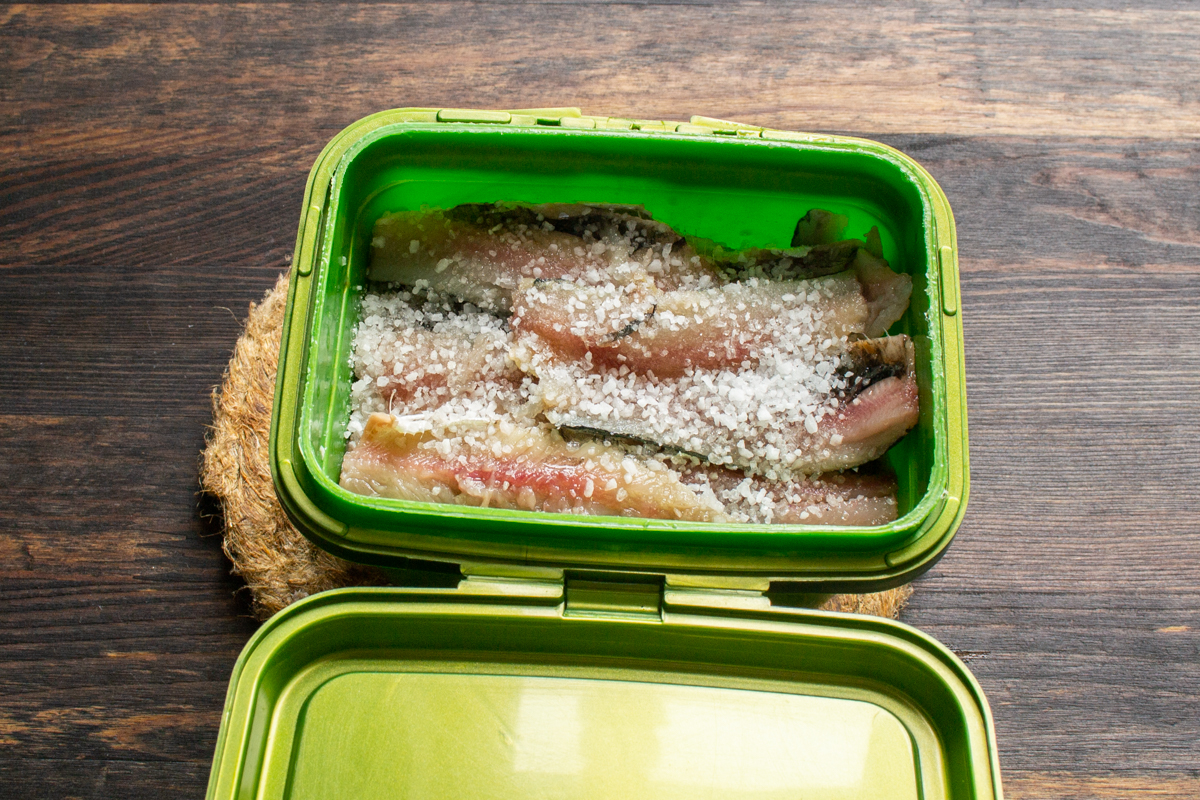
A tightly sealed container ensures the proper curing process.
After 72 hours, the fish is ready to eat. The salt extracts the moisture, leaving the fillets submerged in their own brine. You can leave them exactly like this; the salted herring will keep for several months in the fridge.
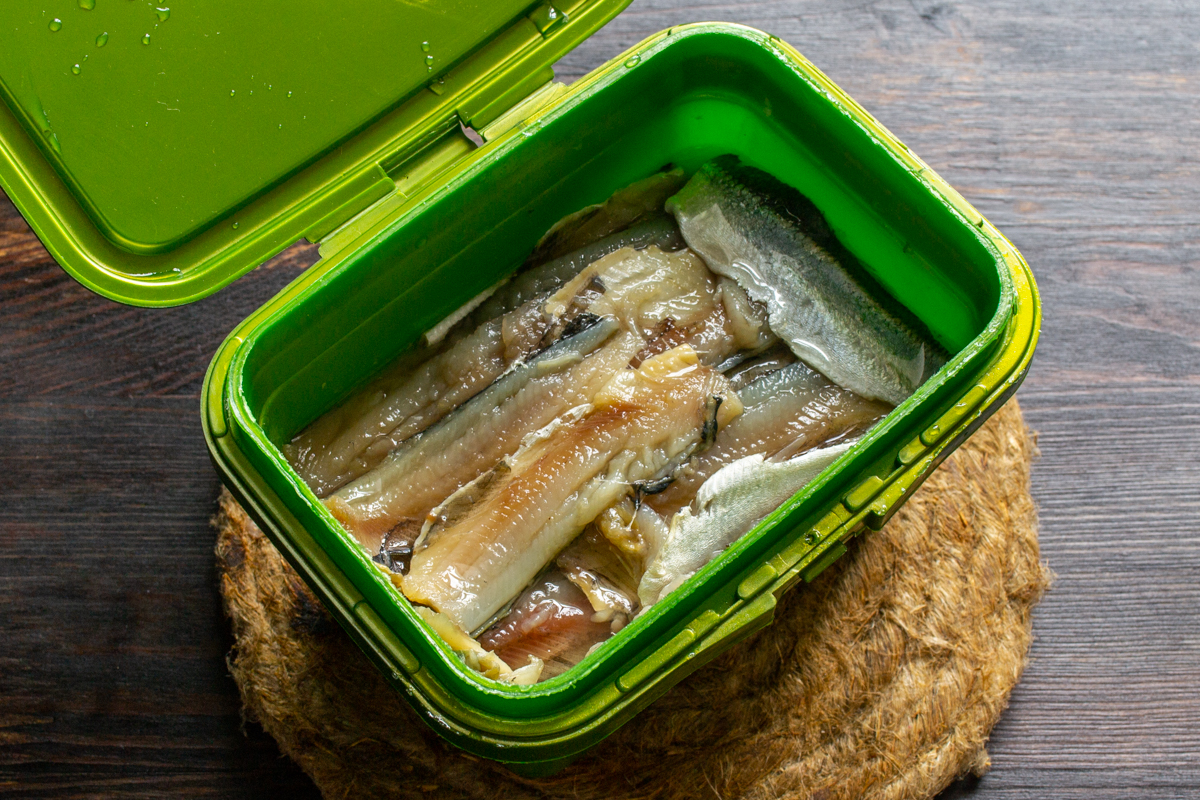
After 72 hours, the fish will release its juices and absorb the salt. It can be stored like this for several months.
Alternatively, you can prepare an olive oil appetizer with the cured fish. After about a week, remove the fillets from the brine, place them on paper towels, and pat them completely dry.
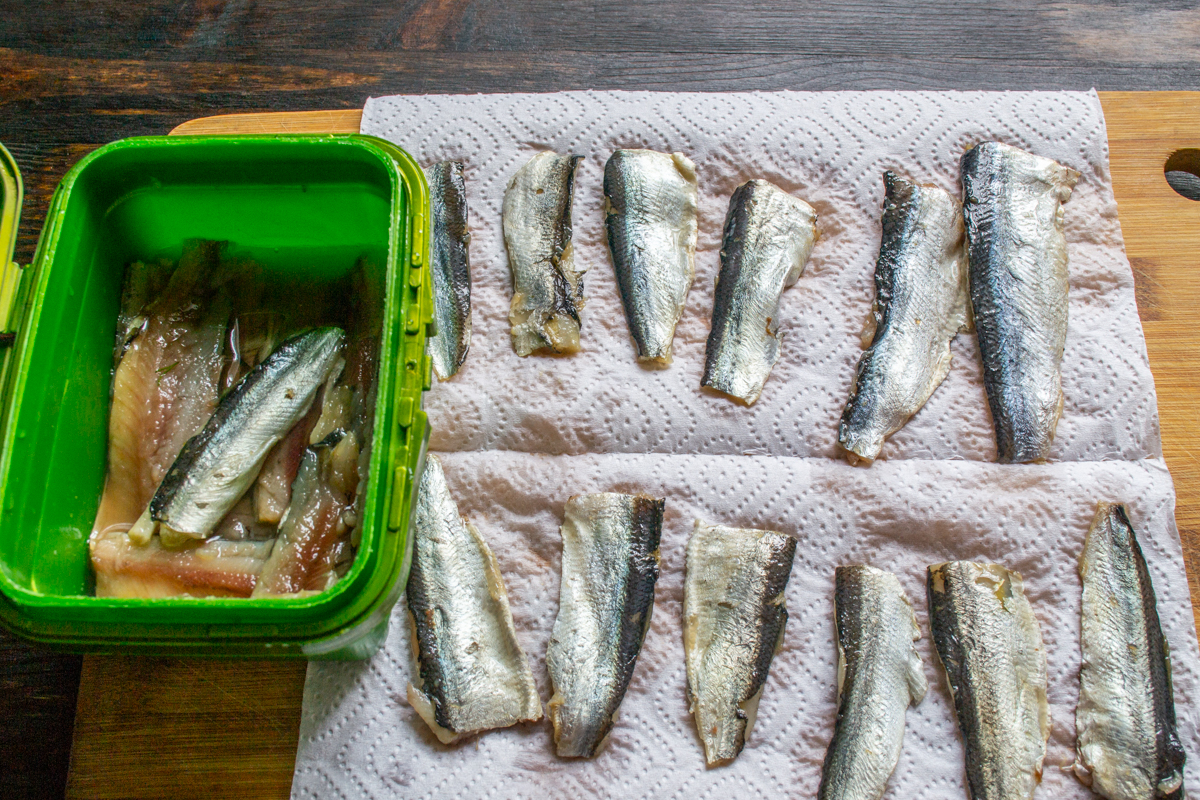
Before submerging the fish in oil, make sure to pat dry any excess moisture with paper towels.
Submerge the dried fillets in high-quality cold-pressed extra virgin olive oil. Pack them into a jar with an airtight lid and pour the oil over the top until completely covered. Store in the refrigerator.
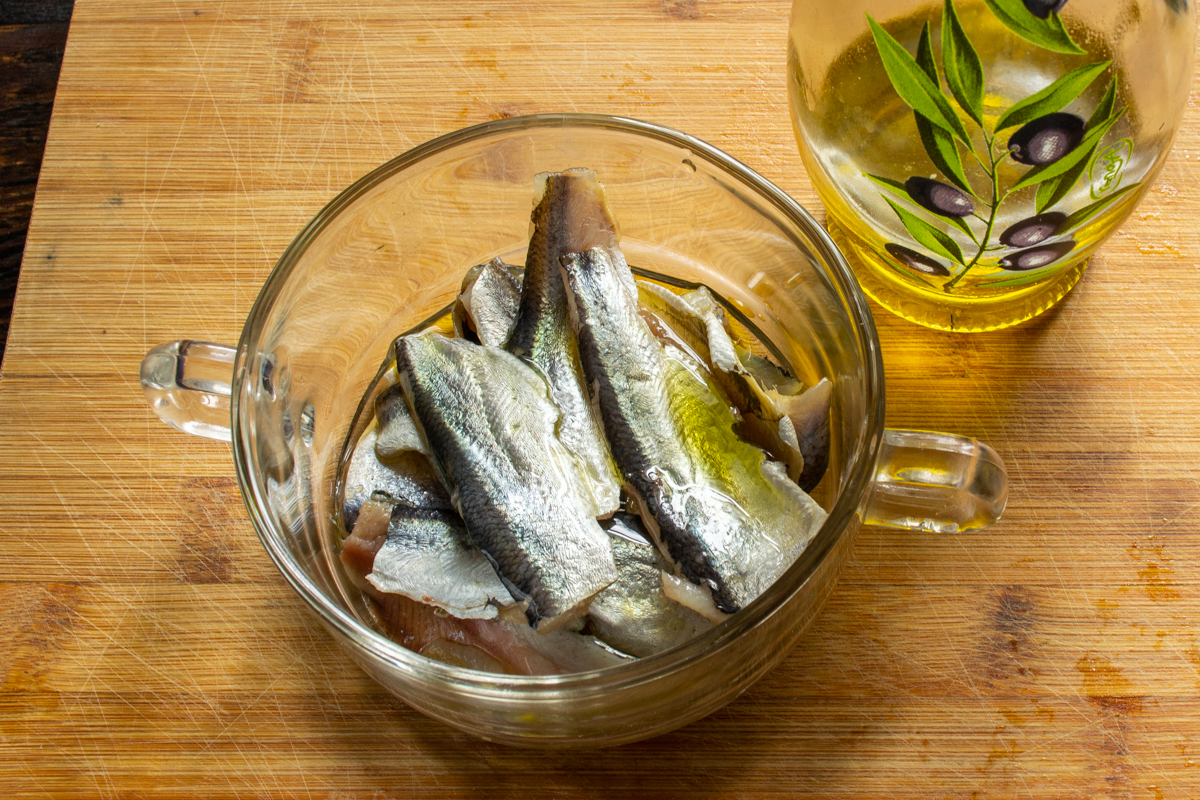
High-quality cold-pressed extra virgin olive oil gives the salted herring a refined flavor.
Here is a classic fish sandwich recipe: spread a thin layer of mustard on slices of rye bread. Pipe a light lattice of mayonnaise over it. Sprinkle with finely chopped hard-boiled egg. Lay the salted Baltic herring fillets over the egg. Top with thin rings of red onion and slices of fresh cucumber. Garnish with a hard-boiled egg half, and finish with fresh dill and freshly ground black pepper.

Add red onion rings and a touch of black pepper to give your fish sandwich an extra kick.
Once your salted Baltic herring is ready, try serving it on a toasted slice of dark rye bread, spread with a touch of spicy mustard or a thin layer of butter. The combination of the salty fillet with crisp fresh cucumber and red onion rings creates a classic flavor balance that highlights the nobility of this humble fish. For a more striking presentation, use quail eggs and sprigs of fresh dill, elevating a simple sandwich to a restaurant-quality appetizer. If you have prepared a large batch, remember that salted herring keeps perfectly in its own brine for several months. However, for a softer, silkier taste, you can pat the fillets dry and submerge them in high-quality cold-pressed olive oil. The oil not only extends the shelf life but also becomes an excellent base for salad dressings once infused with the delicate fish aroma. Store your preserve in a tightly sealed glass container in the coldest part of your refrigerator.
0 comments