
Let's make minestrone, the classic Italian soup brimming with seasonal vegetables and pasta. In this recipe, I will show you how to turn simple pantry and fridge staples into a comforting, flavorful meal. In Italy, minestrone is a beloved everyday staple, rivaling even pizza in popularity. The secret to a great minestrone lies in slowly sweating the aromatic base so the vegetables gently release their sweetness and depth of flavor. No minestrone is complete without the classic trio of celery, carrot, and onion—after that, you can toss in almost any vegetables you have in the refrigerator.
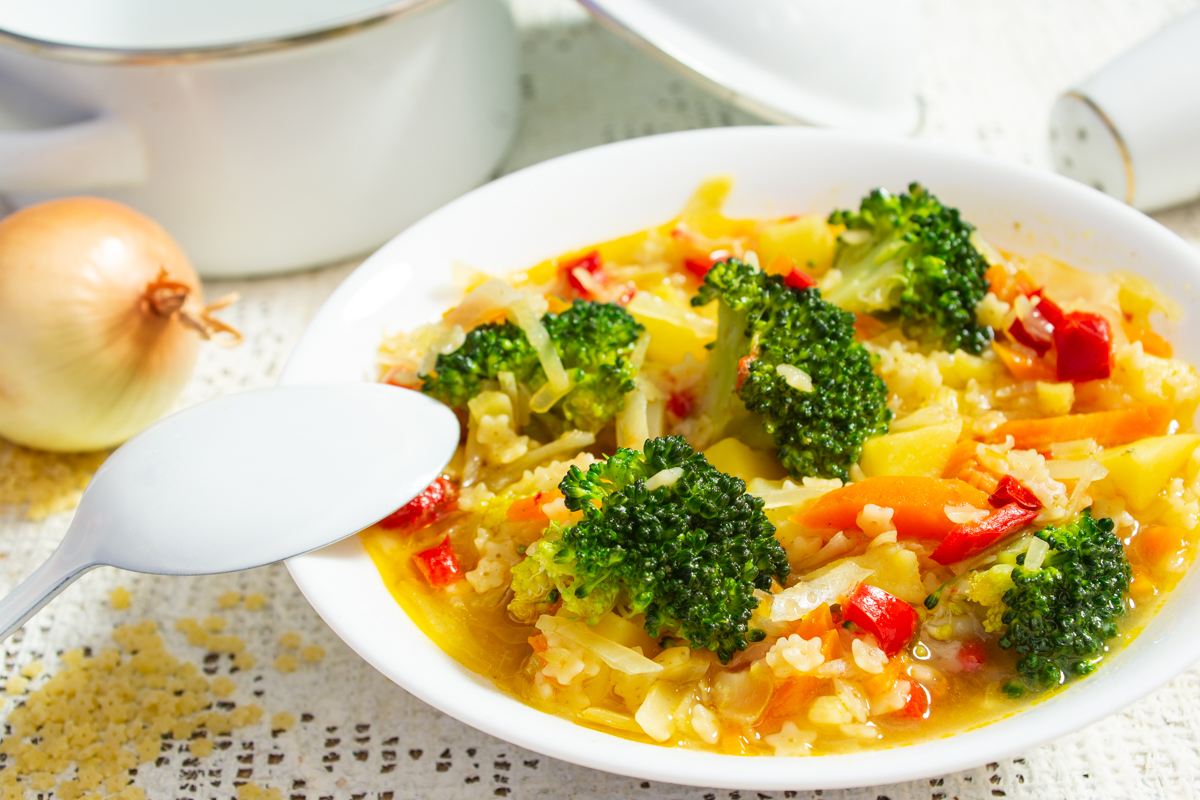
Classic Italian minestrone—a vibrant, fragrant, and hearty seasonal vegetable soup.
Ingredients:
- 150 g (5.3 oz) celery stalks
- 100 g (3.5 oz) yellow onion
- 100 g (3.5 oz) carrots
- 100 g (3.5 oz) red bell pepper
- 200 g (7 oz) green (white) cabbage
- 200 g (7 oz) broccoli
- 150 g (5.3 oz) potatoes
- 70 g (2.5 oz) small soup pasta (such as ditalini, small elbows, or stelline/stars)
- 1.5 L (6 cups) vegetable broth
- 1 tsp dried Mediterranean herbs
- 30 g (2 tbsp) olive oil
- Salt and freshly ground black pepper, to taste
Instructions
Finely dice the onion and celery stalks. Peel the carrot, then slice it into thin matchsticks or grate it on the large holes of a box grater. Pour the olive oil into a heavy-bottomed pot and add the celery, onion, and carrot. Gently sauté the vegetables over low heat for 15 minutes until tender and fragrant. Toward the end of sautéing, stir in the dried Mediterranean herbs—thyme, rosemary, and oregano. This aromatic soup base is known as soffritto; with slight variations in ingredients, you will find a similar flavor foundation in almost every Mediterranean cuisine.
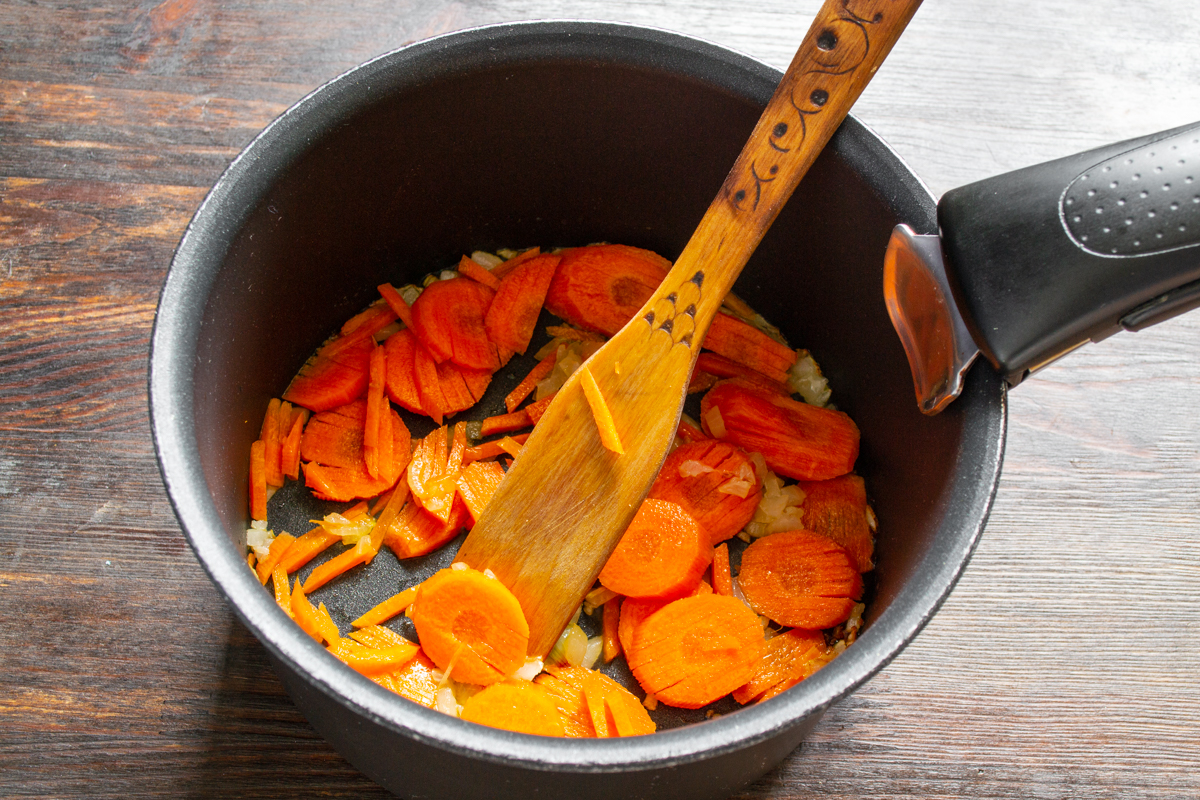
Sweat the aromatic vegetables in olive oil until tender—this forms the flavor foundation of the soup.
Halve the red bell pepper, remove the seeds, and finely dice the flesh. Stir the diced pepper into the sautéed vegetables.
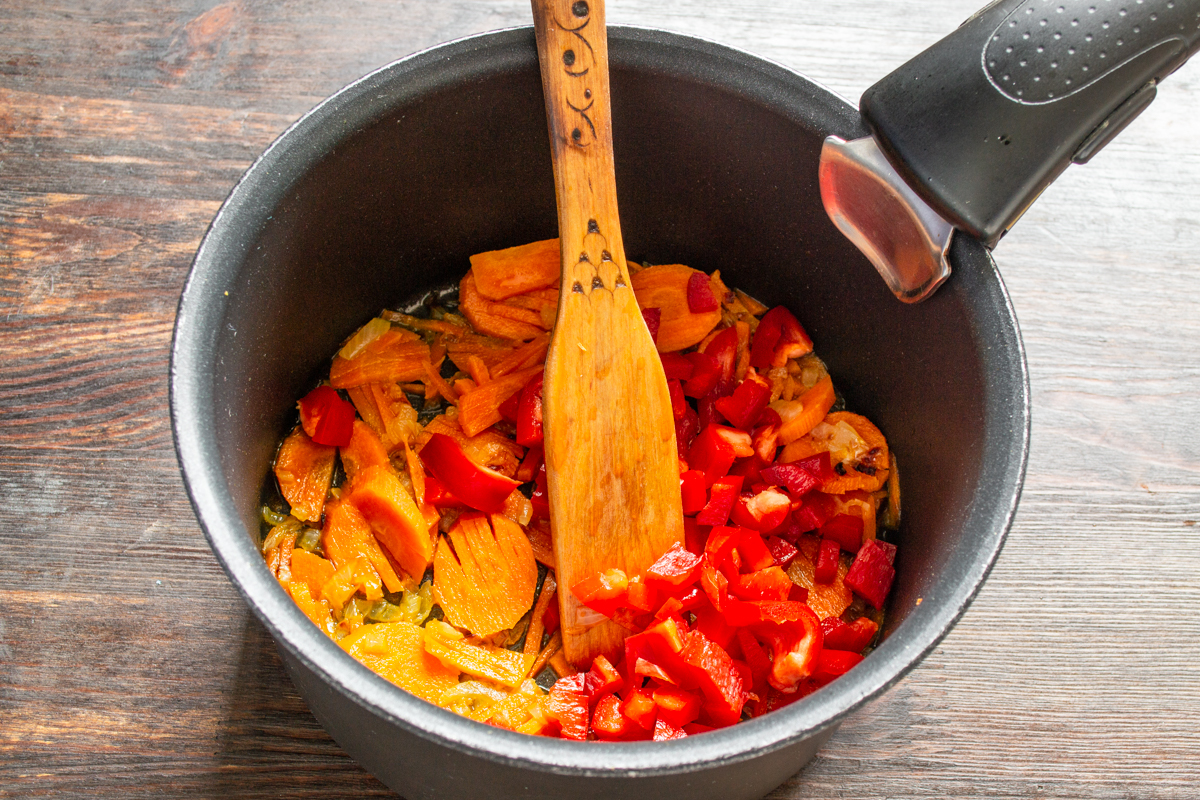
Sweet red bell pepper brings pleasant texture, vibrant color, and gentle sweetness to the minestrone.
Peel the potatoes and cut them into cubes. Add the cubed potatoes to the pot and sauté everything together for another 5–7 minutes.
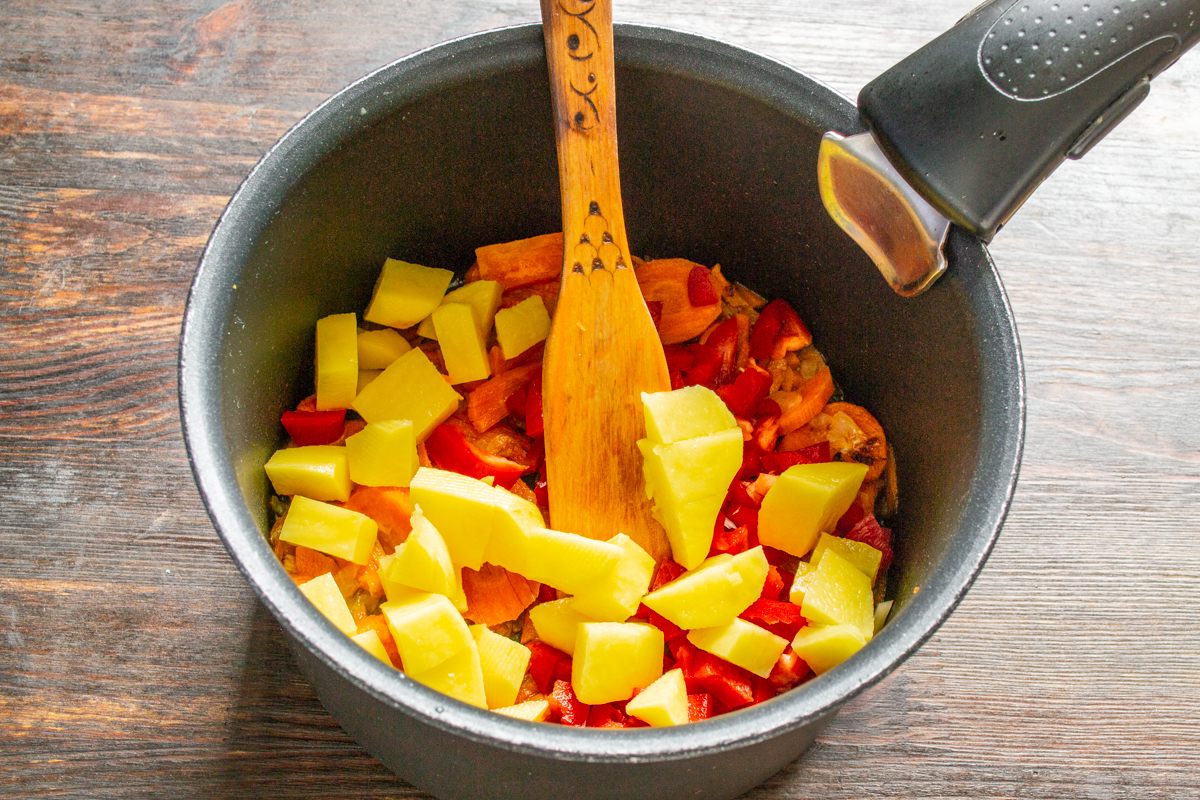
Potatoes make the vegetable soup extra hearty. Lightly sauté them together with the rest of the vegetables.
Shred the green cabbage into thin strips and add it to the pot.
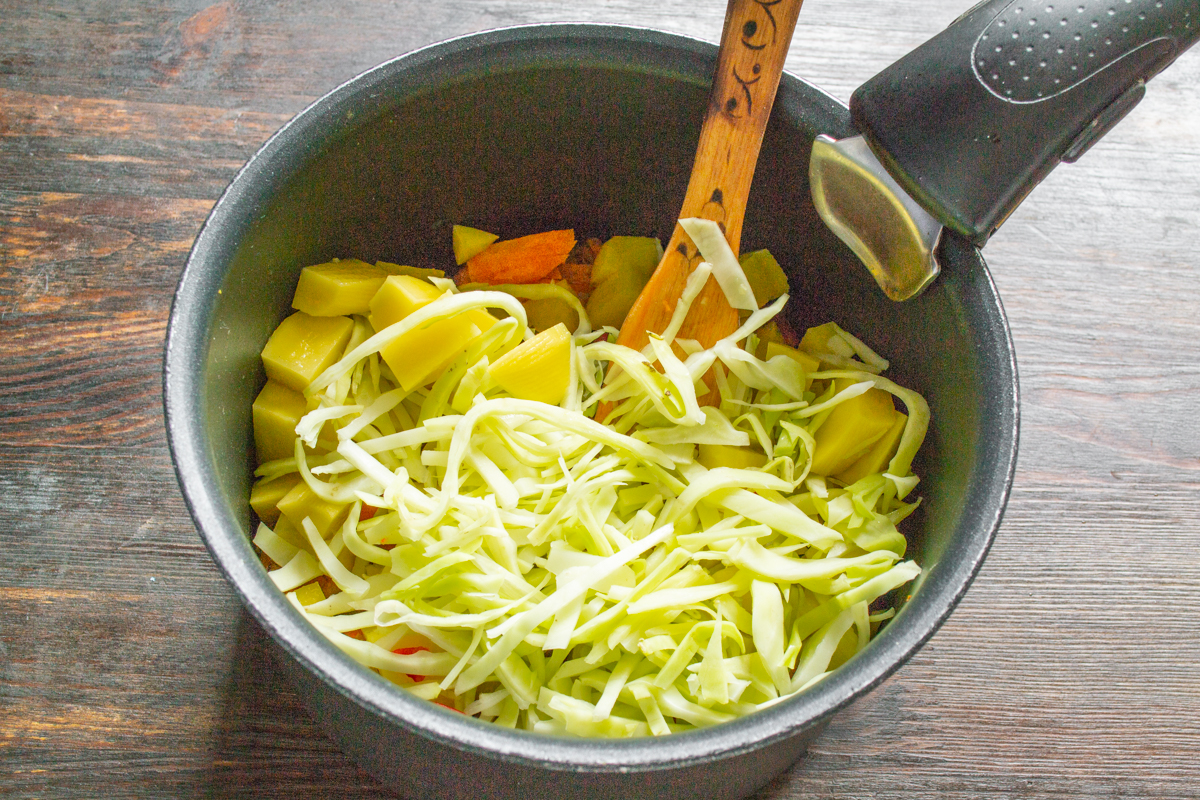
Shred the cabbage into thin strips and add it to the vegetables right before pouring in the broth.
Pour in the vegetable broth. If you are not making this for a vegan, vegetarian, or Lenten menu, feel free to swap the vegetable broth for chicken or meat broth.
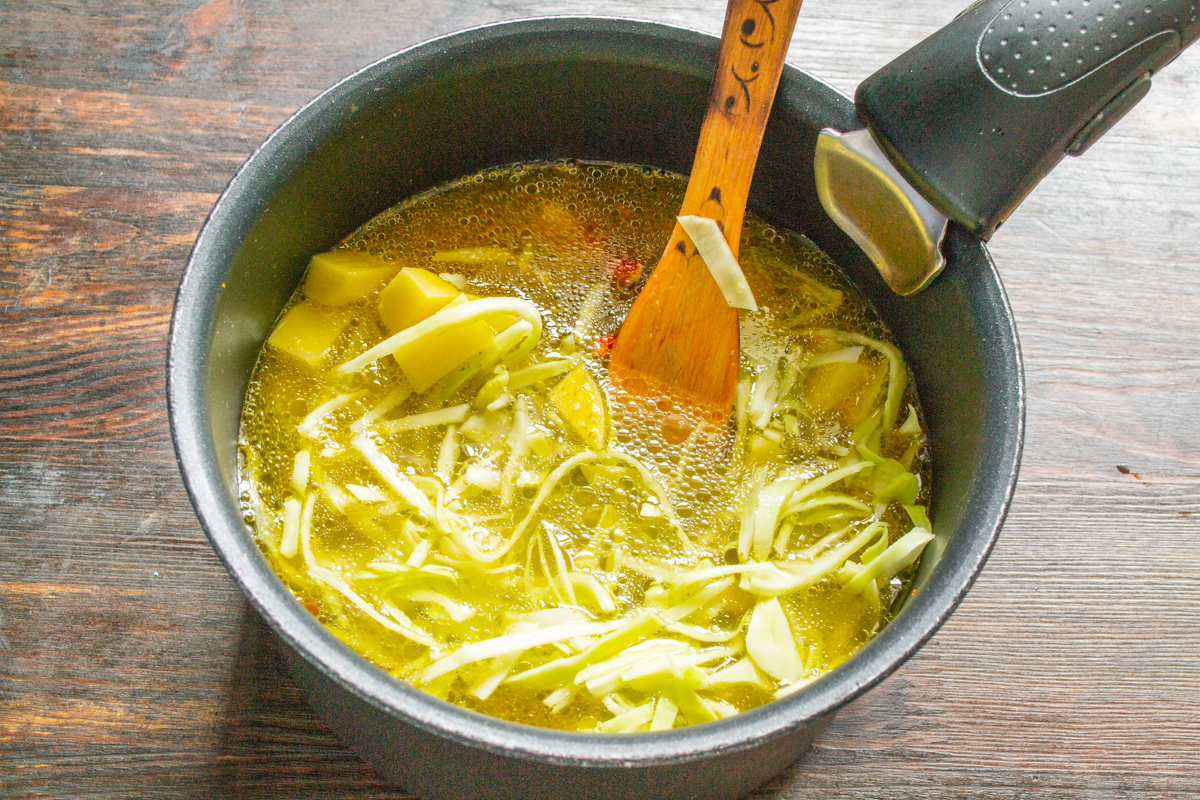
Pour hot broth over the vegetables. For a non-vegetarian version, chicken broth works wonderfully.
Bring the soup to a boil and season with salt to taste. Partially cover the pot with a lid to prevent the broth from evaporating, reduce the heat to low, and simmer for 15 minutes.
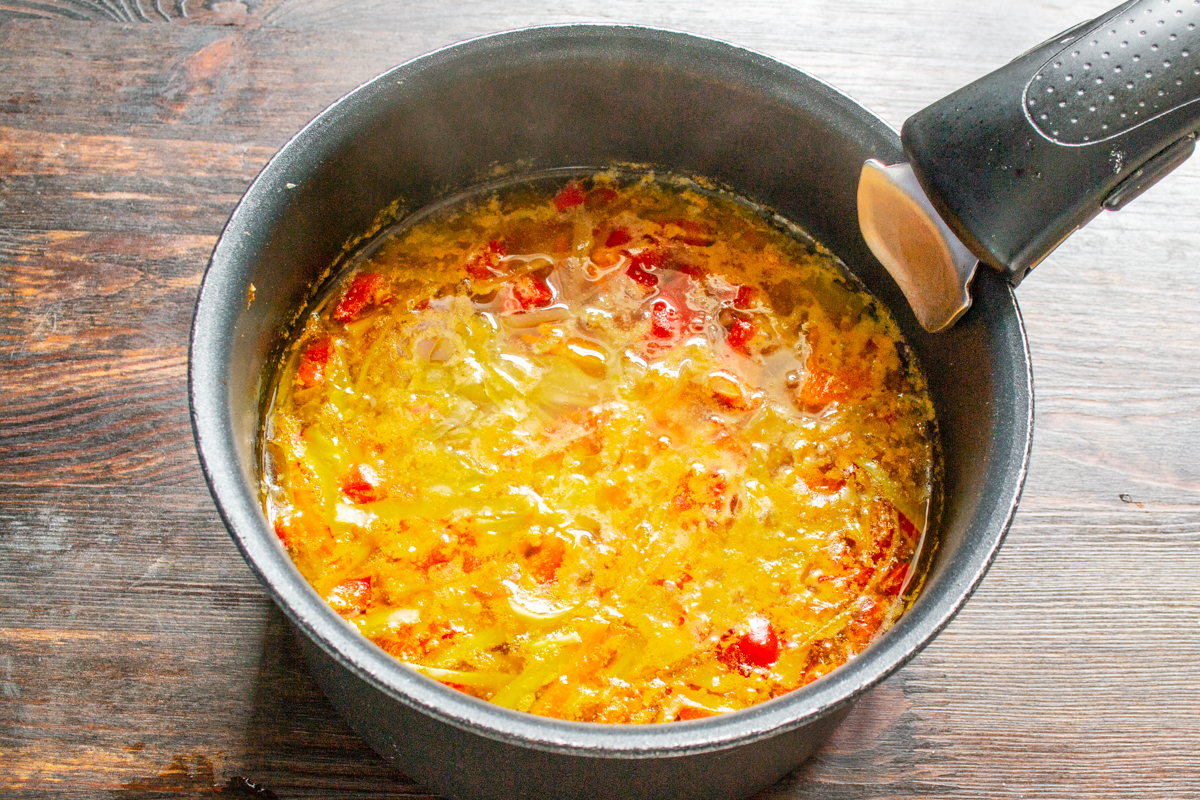
Simmer the soup gently under a lid so the vegetables soften and meld their flavors.
After 15 minutes, stir in the small soup pasta, such as stelline (little stars). If you don’t have tiny pasta on hand, simply break regular spaghetti into tiny pieces.
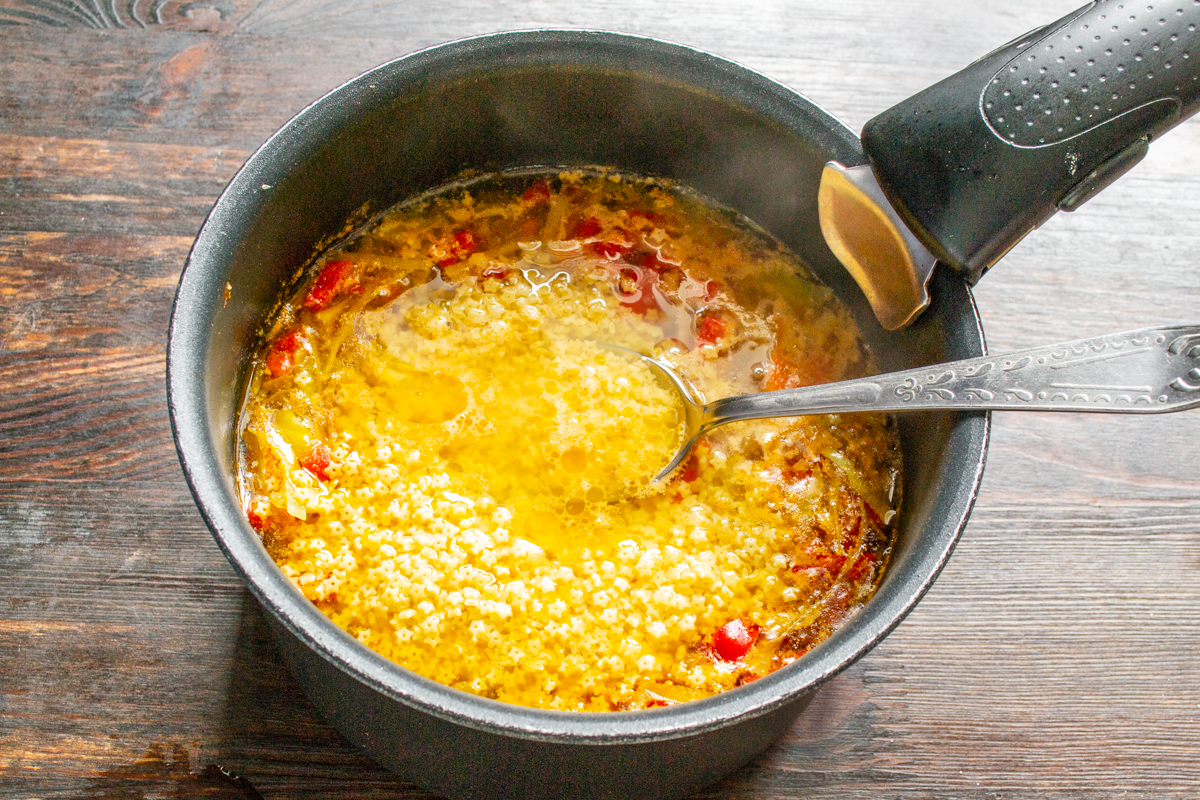
Stir in the tiny star pasta. It cooks quickly and gives the soup its classic Italian look.
Cut the broccoli florets from the stalk and add them to the pot right after the pasta.
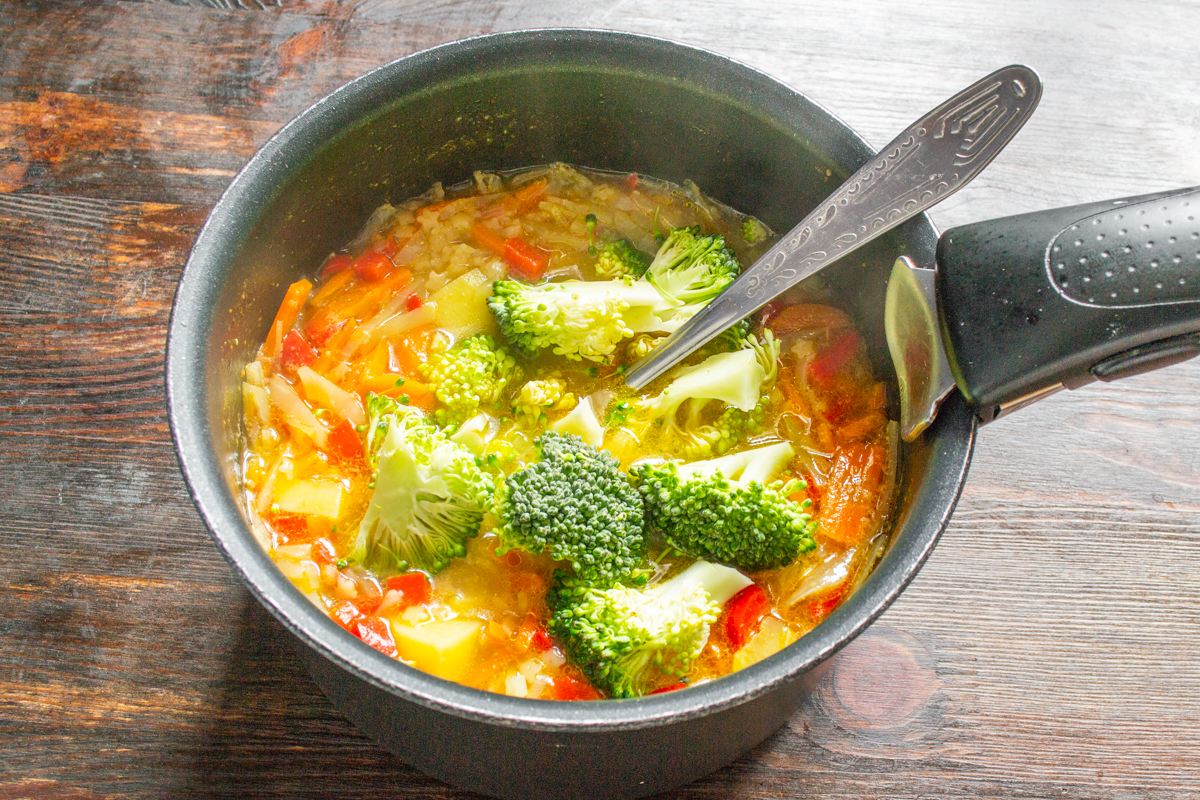
Add the bright broccoli florets at the very end of cooking so they keep their vibrant green color.
Tiny pasta and broccoli florets cook quickly—simmer for just 5–7 minutes, and your minestrone is ready.
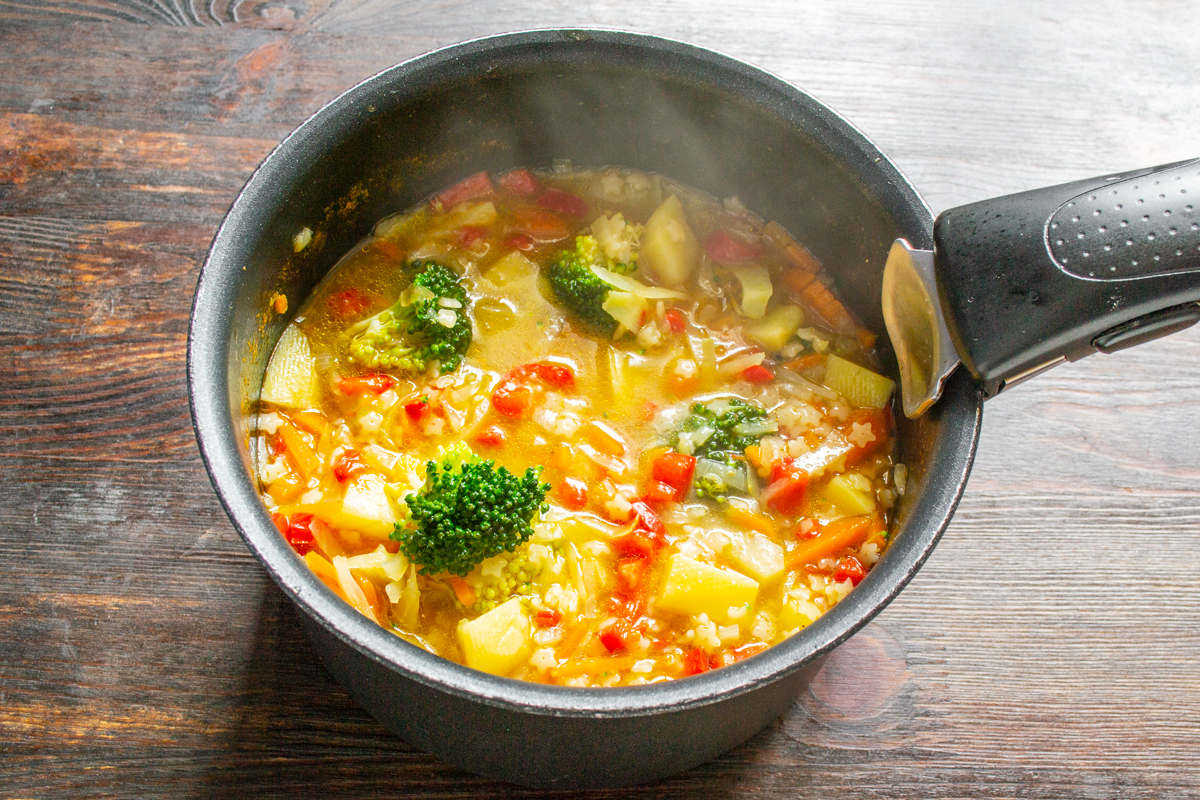
Our fragrant Italian soup is ready. Let it rest for a couple of minutes before serving.
Ladle the hot minestrone into bowls. Finish with freshly ground black pepper and a drizzle of extra-virgin olive oil, then serve immediately. This soup is wonderful alongside warm ciabatta or a crisp, fresh baguette. Enjoy!
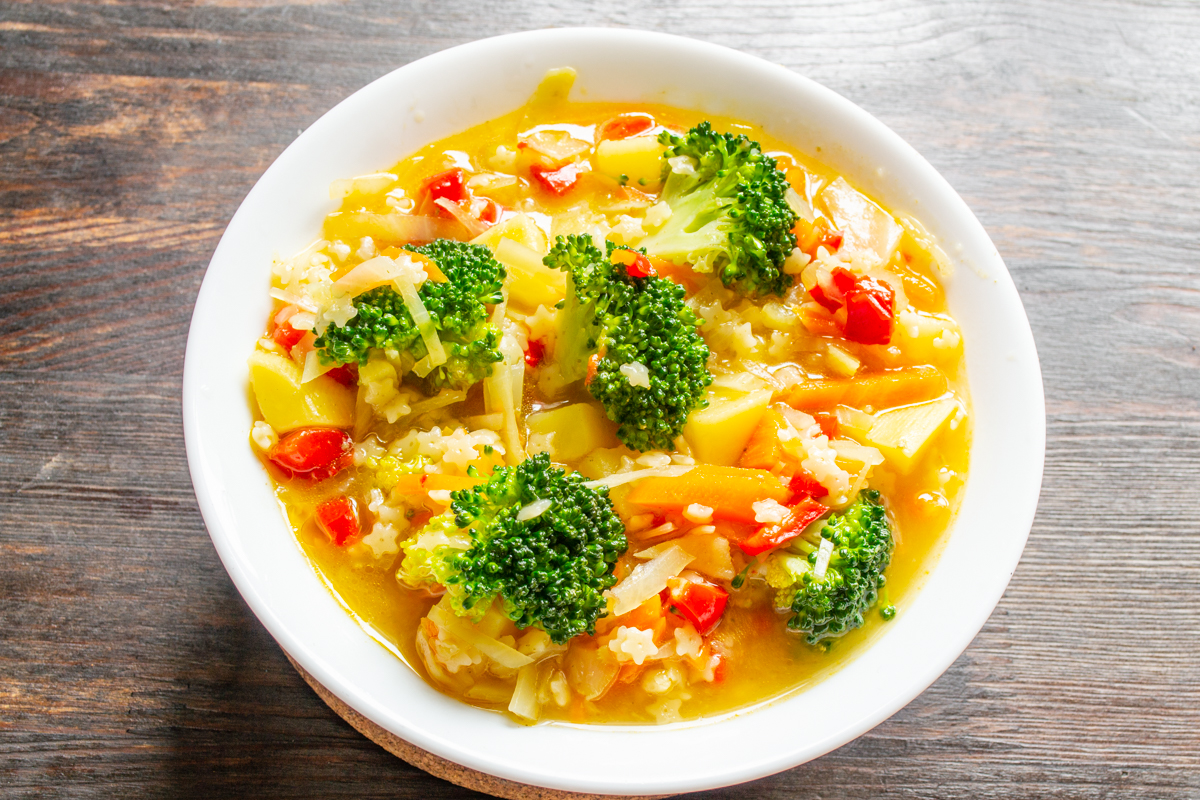
Serve minestrone piping hot, drizzled with good extra-virgin olive oil and topped with freshly cracked black pepper.
Nutritious and hearty, minestrone freezes beautifully. Portion it into airtight containers and store it in the freezer for busy days—it keeps its flavor wonderfully. When reheating on the stove, simply add a splash of hot water or broth if the pasta has absorbed too much liquid in storage. For the ultimate Italian serving, top each bowl with grated Parmesan and a generous spoonful of pesto right at the table. Warm, crusty ciabatta rubbed with a garlic clove and drizzled with olive oil makes an unbeatable companion to this satisfying lunch.
0 comments