
Mackerel with horseradish is more than just food; it is a true ode to Northern culinary traditions, where fatty sea fish meets the natural, earthy heat of roots. In Russian culinary heritage, pairing fish with spicy roots has always been the gold standard, as horseradish not only enhances the flavor but also aids digestion. For this recipe, we will prepare a signature sauce: vibrant boiled beets give it a deep ruby color and mild sweetness, while lemon juice and buckwheat honey (a dark, rich honey) tie the heat and tenderness together. The aroma of freshly scraped root instantly awakens the appetite, bringing to mind authentic family feasts where every ingredient is chosen with care.
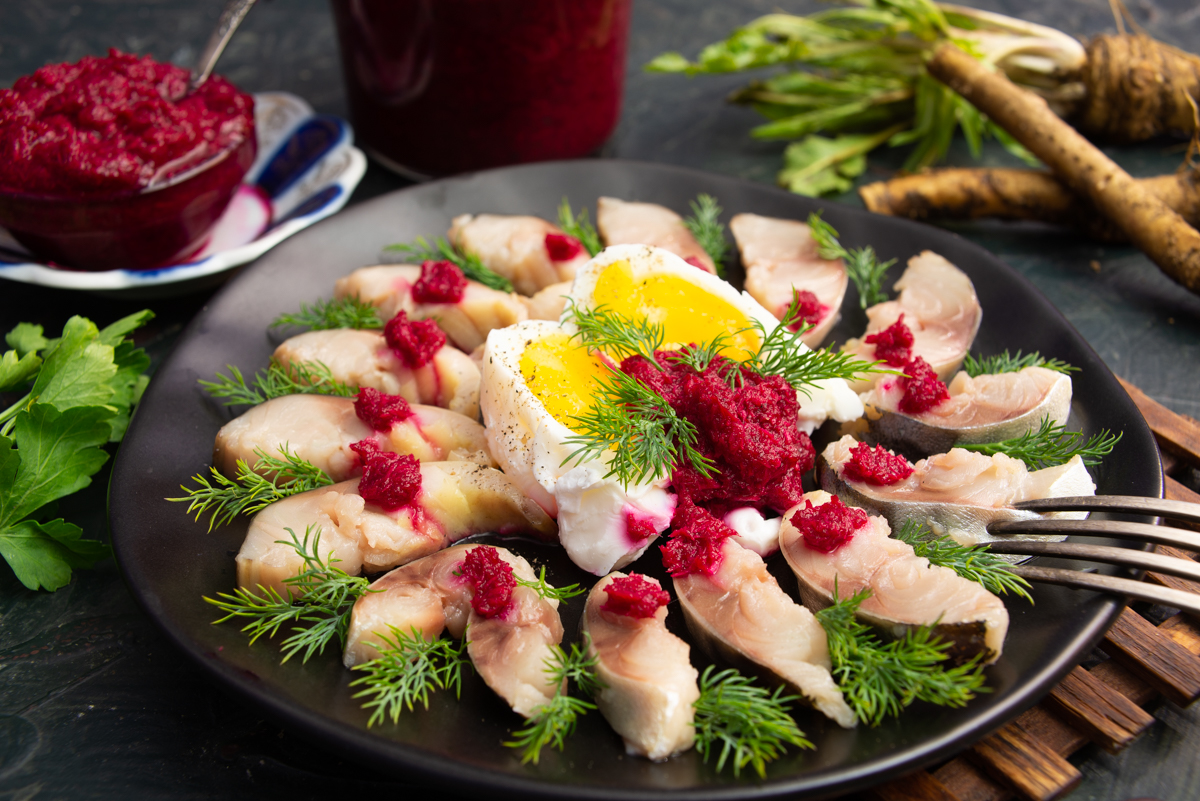
A finished appetizer of tender mackerel paired with spicy homemade beet horseradish and a vibrant poached egg.
Ingredients
- 1 lightly salted mackerel (cured mackerel)
- 1 chicken egg
- Small bunch of fresh dill
- 50 g (1.7 oz) grated fresh horseradish
- 50 g (1.7 oz) boiled beets
- 1/2 lemon
- 1 tsp buckwheat honey (or other dark honey)
- 1/2 tsp sea salt
- Black pepper to taste
Instructions
To make this appetizer taste truly homemade, you’ll need fresh horseradish roots. Scrape the roots clean and grind them through a meat grinder. You can freeze this prepared base and use it as needed in salads and sauces.
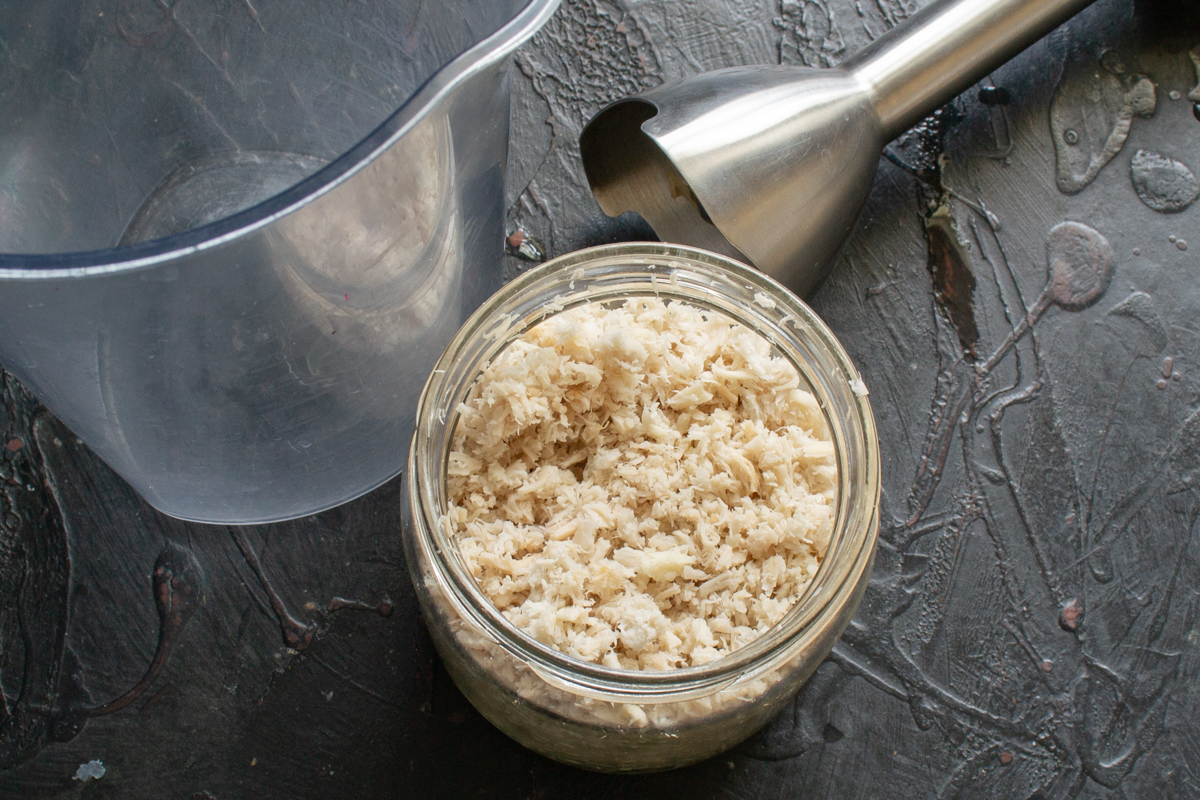
Freshly scraped and ground horseradish root is the aromatic flavor foundation of our homemade appetizer.
Transfer the ground horseradish to a tall blender cup. Dice the boiled beets into small cubes and add them to the horseradish.
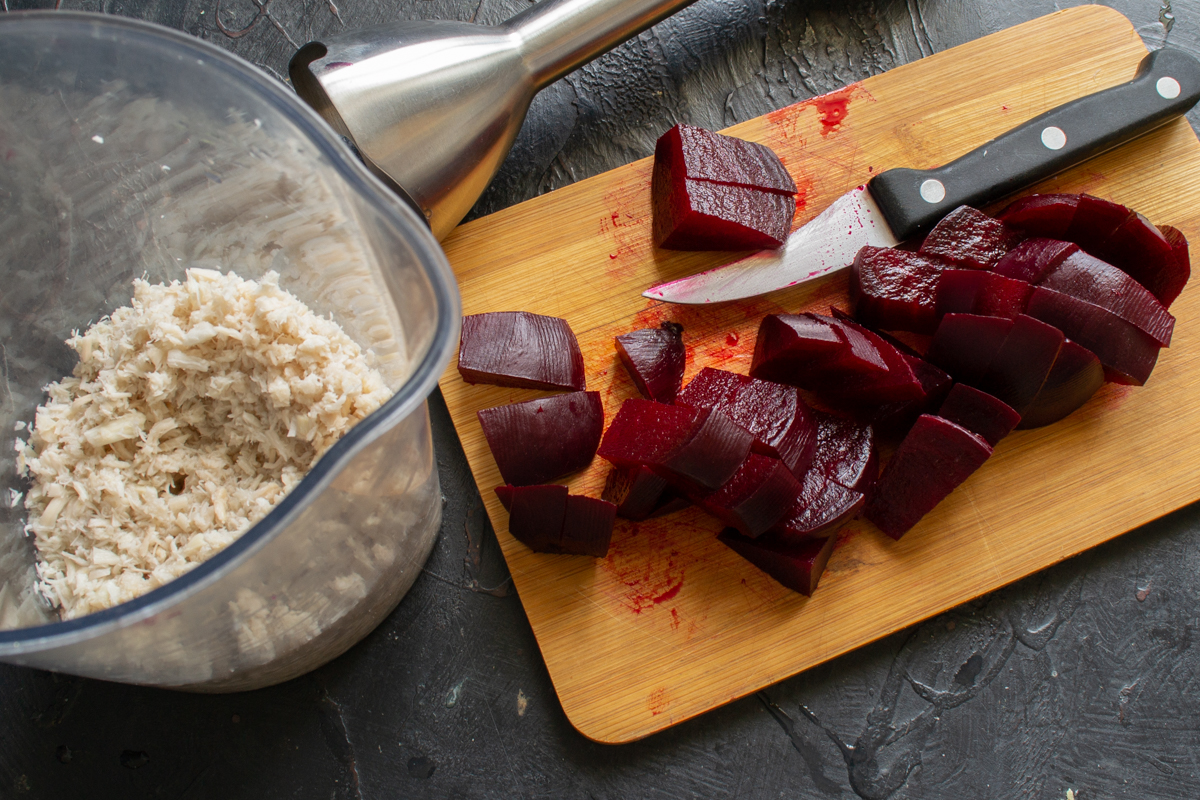
Boiled beets will give the horseradish not only a magnificent ruby color but also a pleasant, mild sweetness.
Squeeze the juice from half a lemon and strain it through a sieve to remove any seeds. Pour the strained juice over the horseradish and beets.
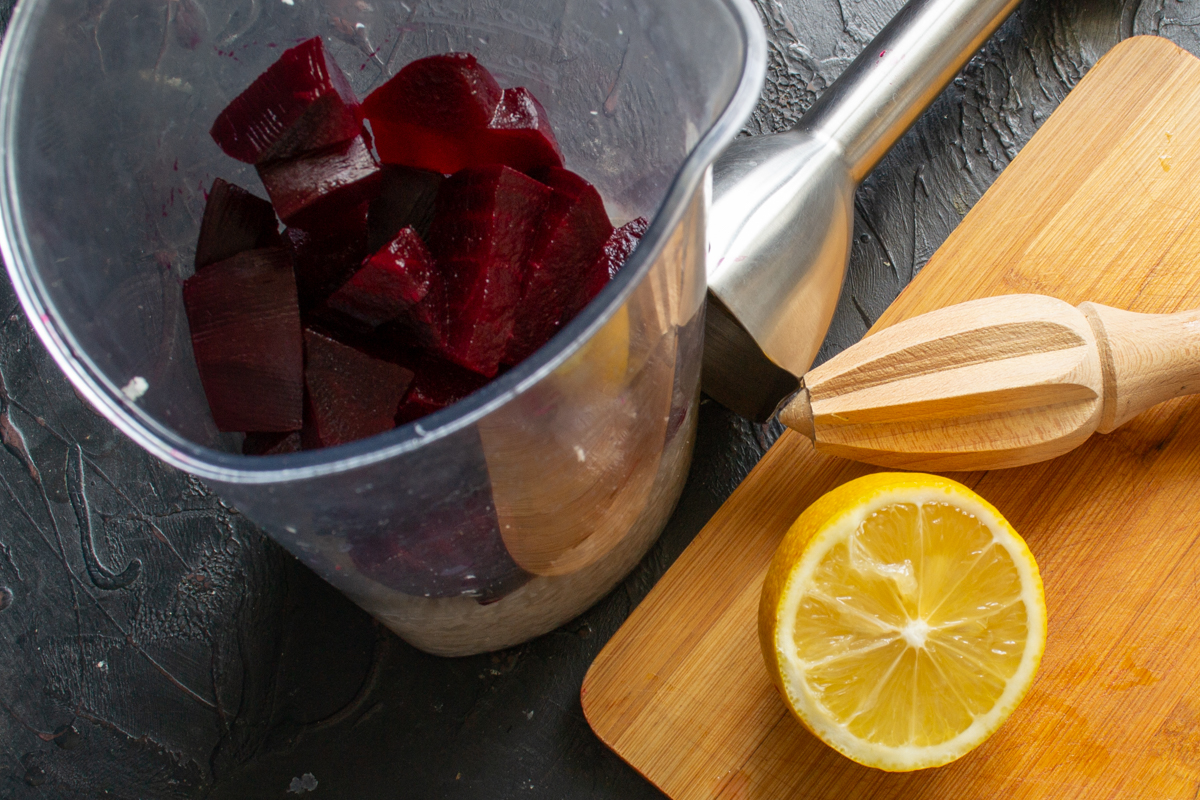
Strained lemon juice will add the necessary acidity to the sauce and help preserve its bright color.
Add the buckwheat honey (a dark, robust honey) and sprinkle with sea salt.
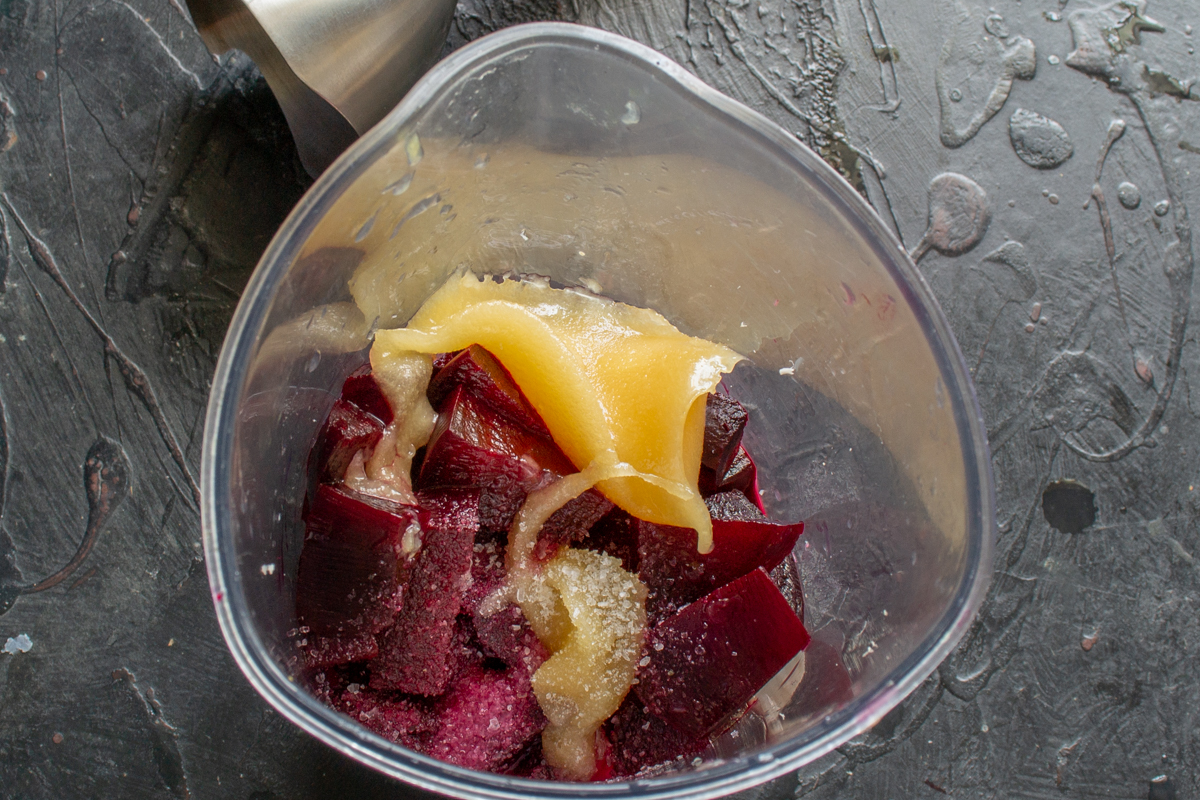
Buckwheat honey and sea salt perfectly complement the sharpness of the horseradish, creating a balanced flavor.
Blend the sauce with a powerful immersion blender for a few minutes. Once the consistency becomes creamy, you can stop. If the horseradish is dry and the beets aren’t very juicy, pour in a splash of cold boiled water to help the blender along. Let the horseradish rest and develop its flavor in the refrigerator for 2-3 hours. You can store the finished beet horseradish in an airtight jar in the fridge for several days.
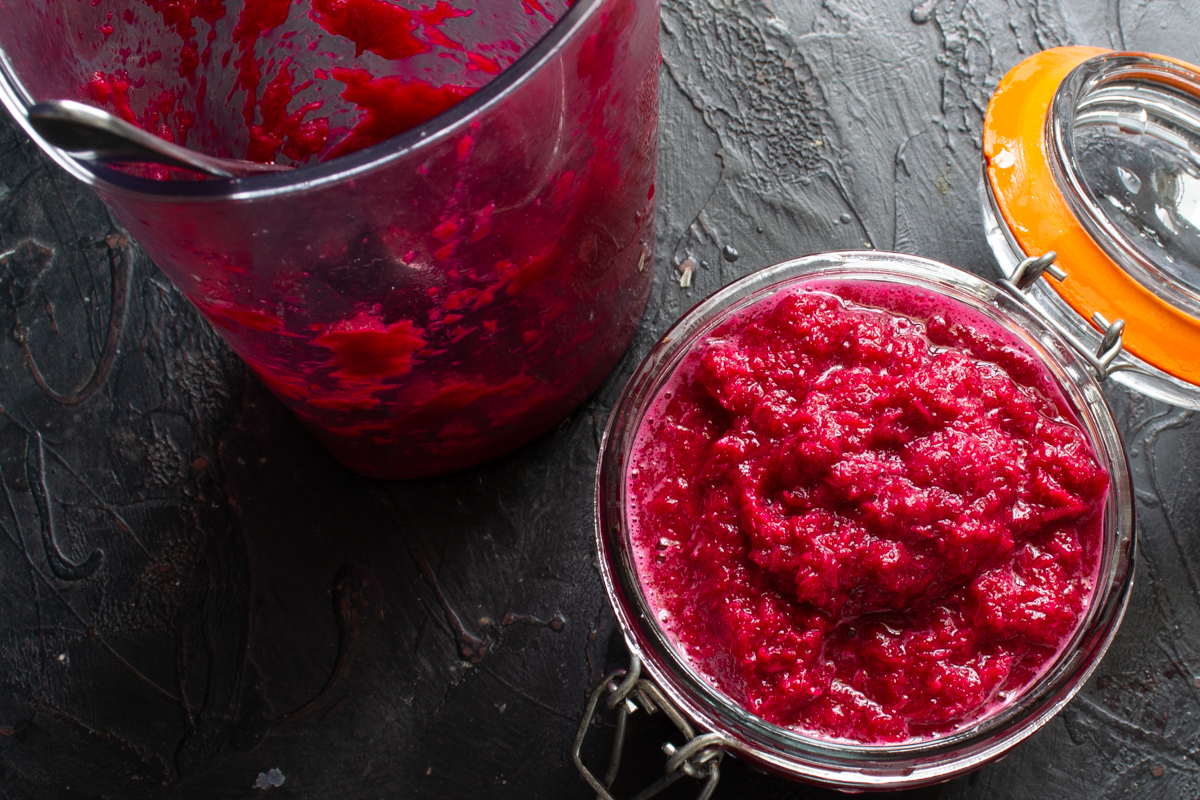
After blending, let the sauce rest in the refrigerator so all the flavors meld together perfectly.
Clean the lightly salted mackerel (cured mackerel): make a shallow incision along the spine, carefully peel off the thin skin, gently separate the fillets from the bone, and pull out any visible pin bones. Slice the cleaned fillets into thin pieces using a sharp knife.
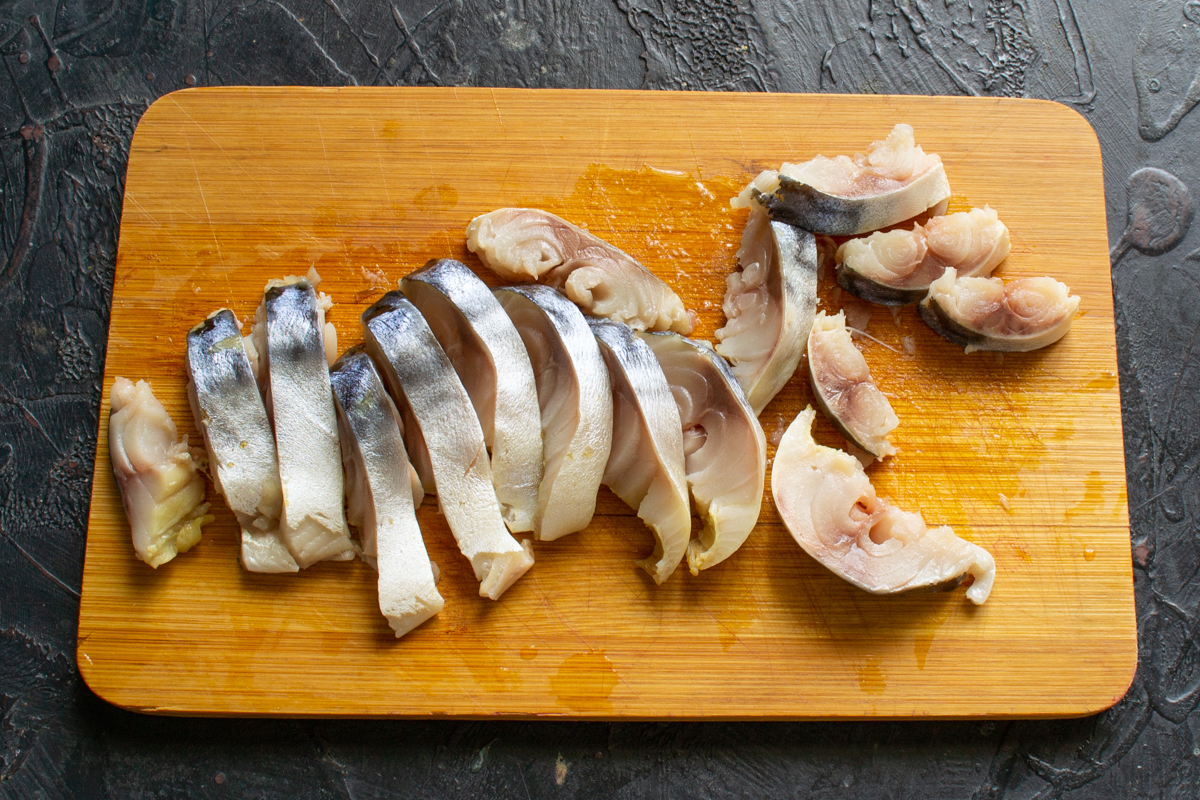
Carefully remove the pin bones and slice the lightly salted mackerel into neat, thin pieces.
Arrange the lightly salted mackerel fillets beautifully on a serving plate.
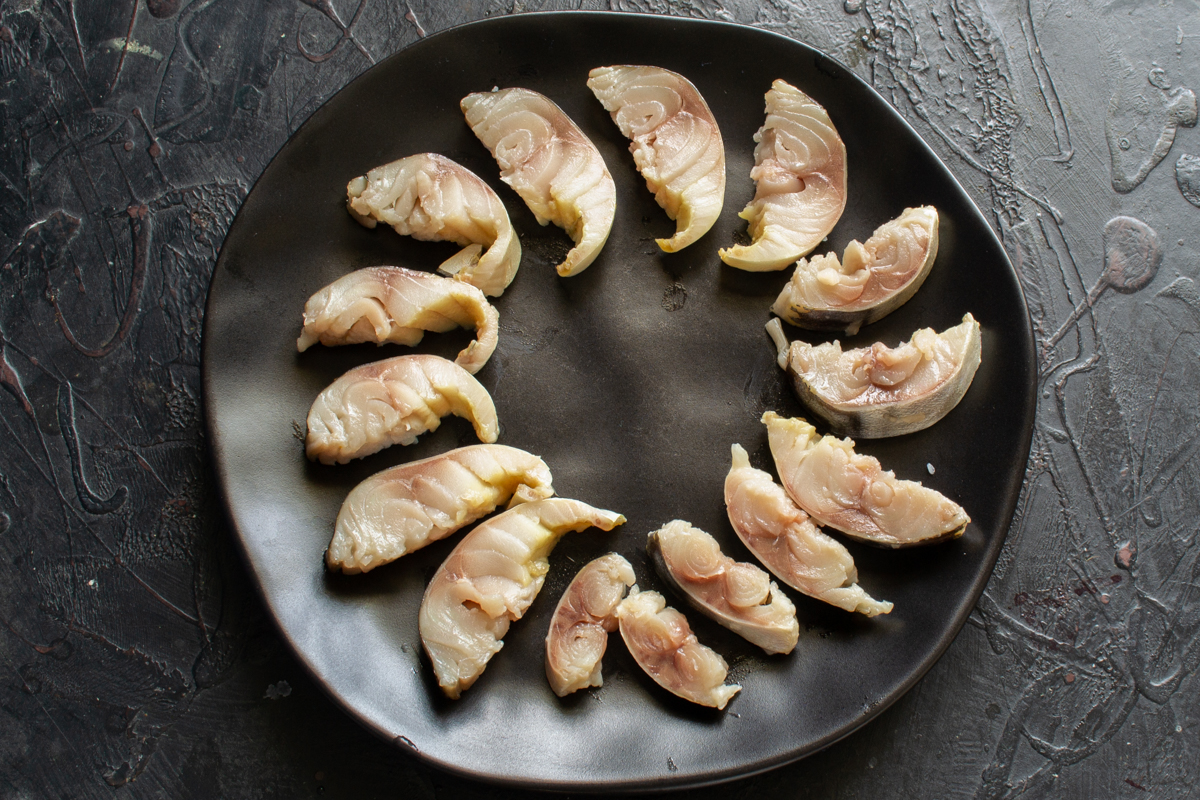
Neatly arrange the fish pieces in a circle, preparing the dish for its final assembly and presentation.
Prepare a poached egg. Fill a saucepan with water, add a splash of vinegar, and bring to a boil. Crack the egg into the boiling water. Cook for 2 minutes, then carefully remove it to a cutting board. Cooking the egg this way ensures the yolk remains soft and vibrant. Cut the poached egg in half and place it in the center of the plate.
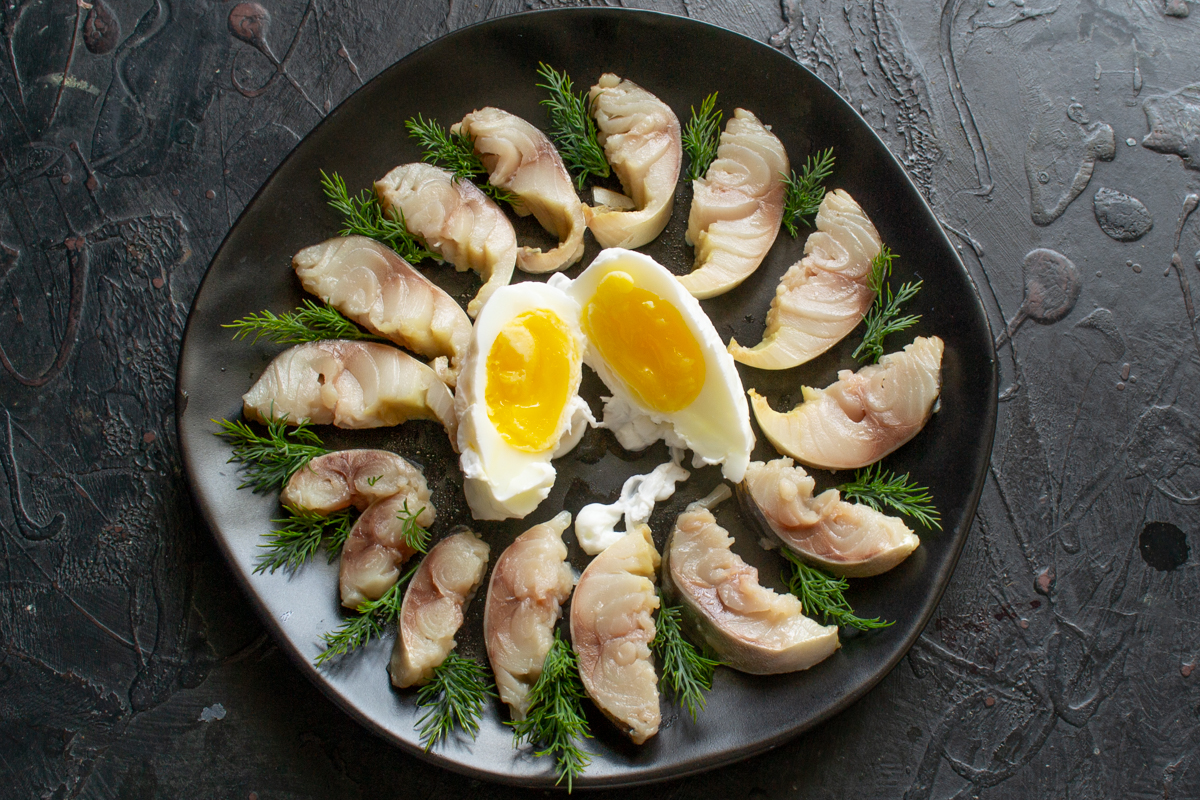
A poached egg with a delicate, runny yolk makes a magnificent addition to the savory salted mackerel.
Top each slice of mackerel with a small spoonful of the beet horseradish and garnish with a tiny sprig of dill. Add a touch of horseradish to the egg as well, and season with freshly ground black pepper to taste. Bon appétit!
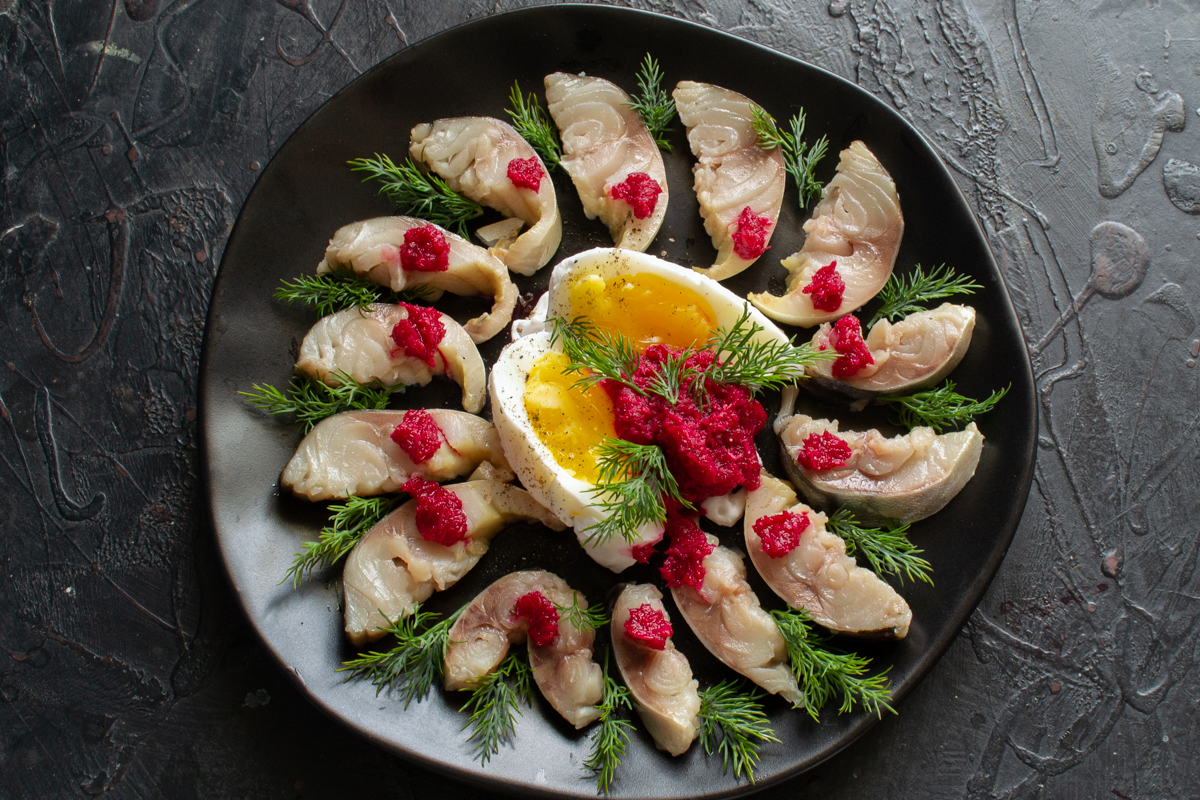
Finishing the dish: place a spoonful of horseradish on each piece of mackerel and garnish with fresh dill.
To make your mackerel and horseradish presentation look flawless, use contrasting dishware, such as black or dark gray ceramics—the ruby sauce and golden fish look especially striking against them. If you want to add new textures to the dish, try serving it on slices of toasted Borodinsky bread (traditional dark rye coriander bread) or with crispy rye chips. As for a beverage, chilled mors (a traditional Northern berry drink) made from lingonberries or cranberries perfectly complements this savory appetizer, highlighting the freshness of the fish and the sharp spice of the condiment. Beyond culinary delight, mackerel with horseradish brings significant health benefits thanks to the high omega-3 fatty acids in the fish and phytoncides in the fresh root. If you have any leftover beet horseradish, don't rush to hide it away: it keeps perfectly in a tightly closed glass jar for up to five days and makes an excellent addition to kholodets (meat aspic) or roasted meats. The main secret to success here lies in the quality of your ingredients—the fresher the horseradish root, the brighter and more powerful your appetizer will be.
0 comments