
Korean-style grilled pork is more than just a meal; it's a true gastronomic journey that brings the vibe of Asian barbecue right into your home. In Korean culinary tradition, the marinade plays a key role: the combination of soy sauce, ginger, and cane sugar not only tenderizes the meat fibers but also creates that legendary caramelized crust. If you are eager for a picnic but stuck in the urban jungle, a standard grill pan will be your best ally. Cooking a juicy steak up to 4 centimeters (1.5 inches) thick takes just a few minutes, and the aroma of fresh lime and rosemary will instantly gather the whole family around the table.
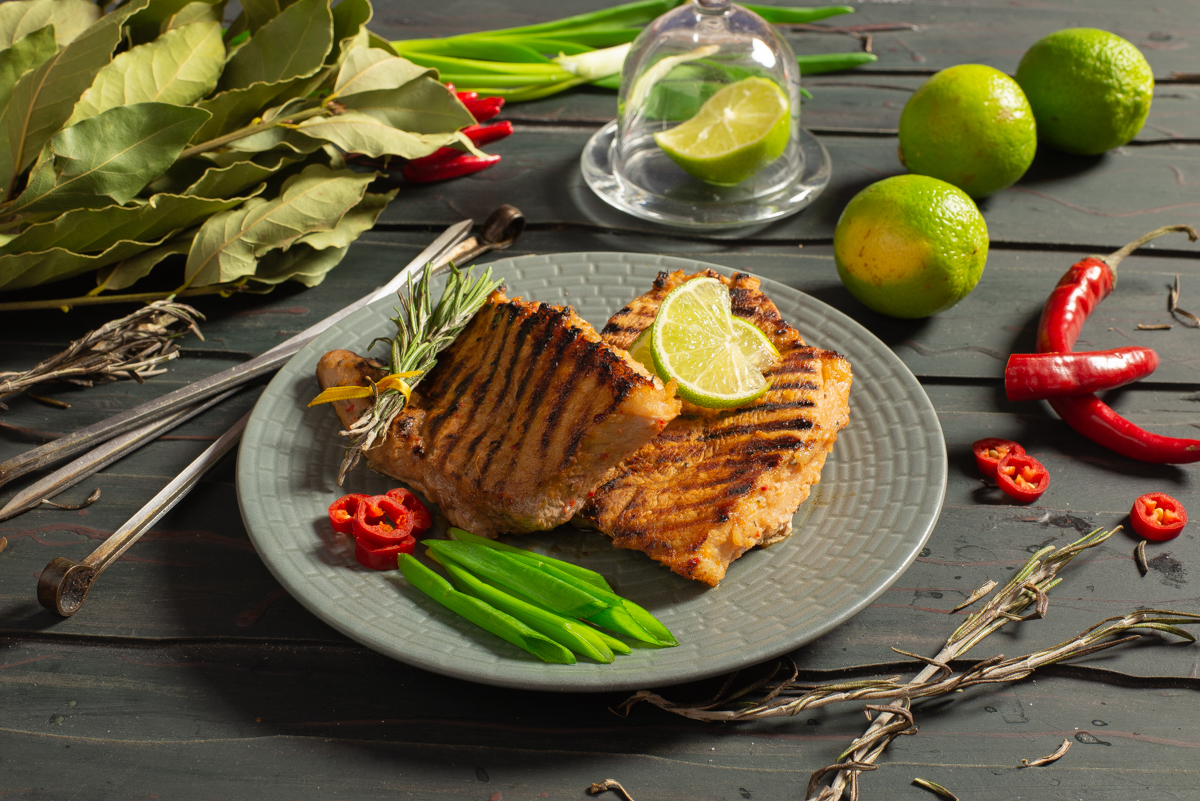
Appetizing Korean-style grilled pork ready to serve. Lime and fresh herbs perfectly complement the rich flavor of the meat.
Ingredients
- 400 g (14 oz) lean pork
- 1 onion
- 2 cloves garlic
- 1 chili pepper
- 3 cm (1 inch) fresh ginger root
- 1 sprig rosemary
- 2 tsp cane sugar
- 2 tbsp soy sauce
- 1 lime
- 2 tbsp olive or sesame oil
- Salt, black pepper, and paprika to taste
How to Make Korean-Style Grilled Pork
Basically, any cut works for grilled pork, depending on your preference. Leaving a little fat is ideal for juiciness. Slice the meat across the grain into pieces 2.5 to 4 centimeters (1 to 1.5 inches) thick; no need to pound them.
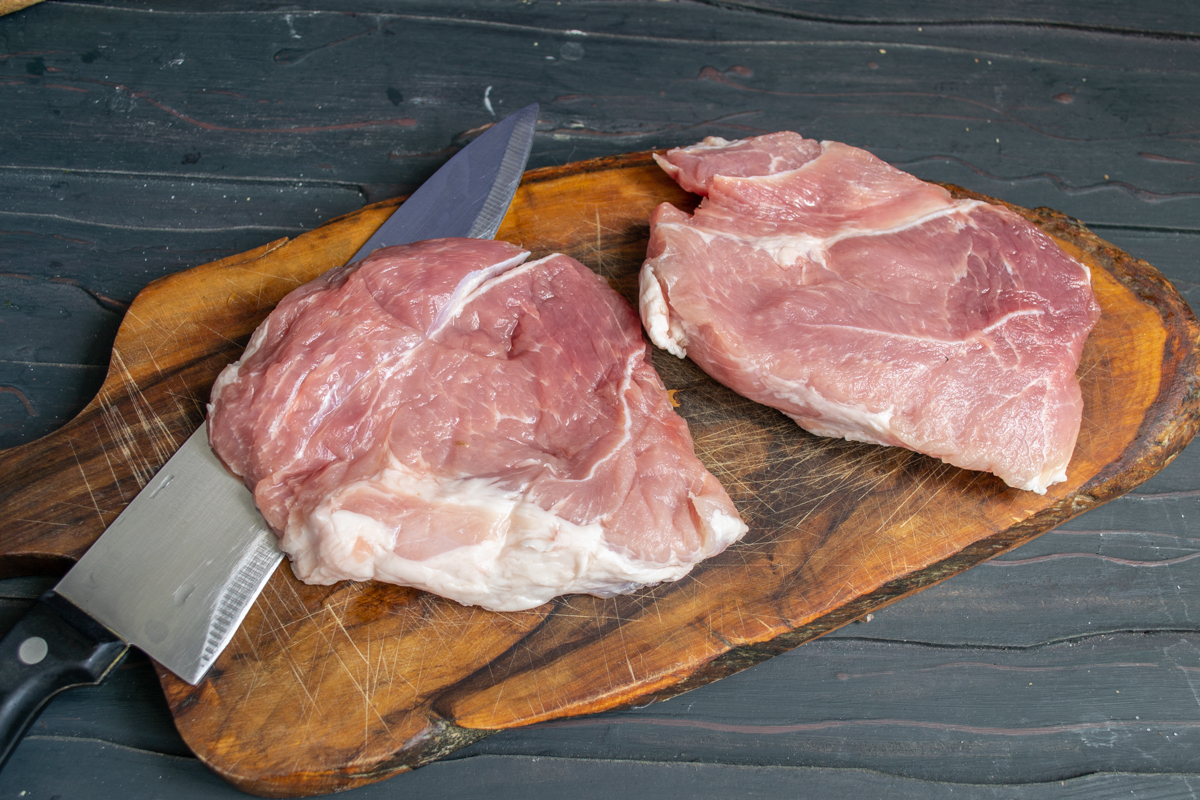
For this recipe, it is best to slice the pork across the grain into pieces 2.5 to 4 centimeters (1 to 1.5 inches) thick.
Make the marinade. Roughly chop a small onion, then add the garlic and fresh ginger root.
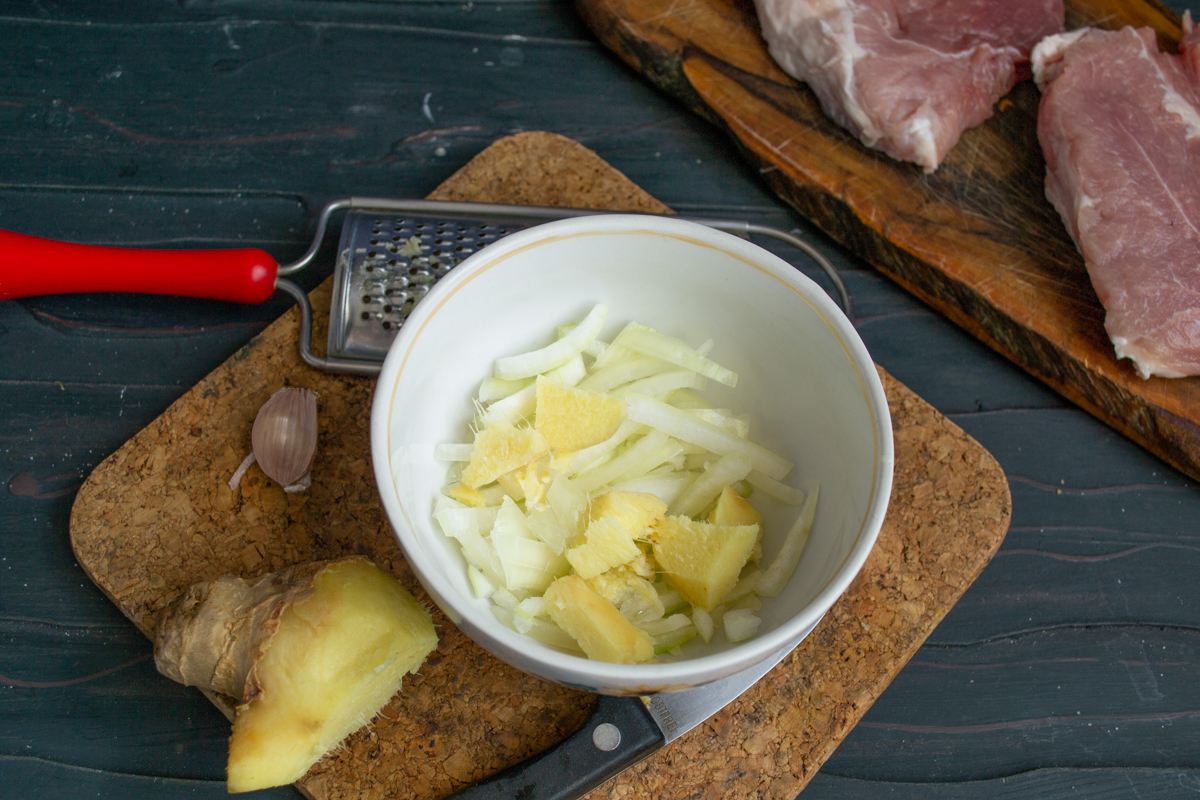
Fresh ginger and onion are key components that give the meat its signature Asian aroma.
Seed the chili pepper and slice it into strips. Strip the leaves from the rosemary sprig. Add the chili and rosemary to the bowl.
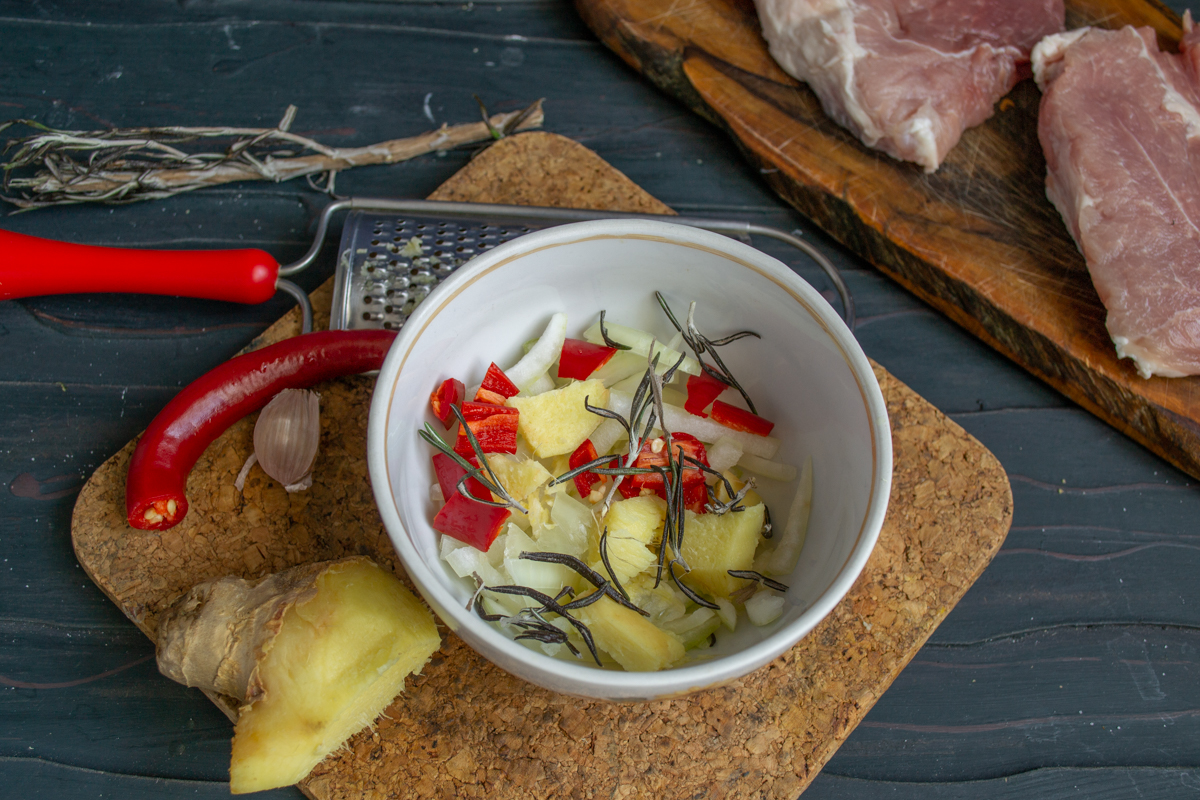
Chili adds heat, while rosemary infuses the pork with subtle pine notes.
Pour in the cane sugar and soy sauce, then season to taste with salt, freshly ground black pepper, and paprika.
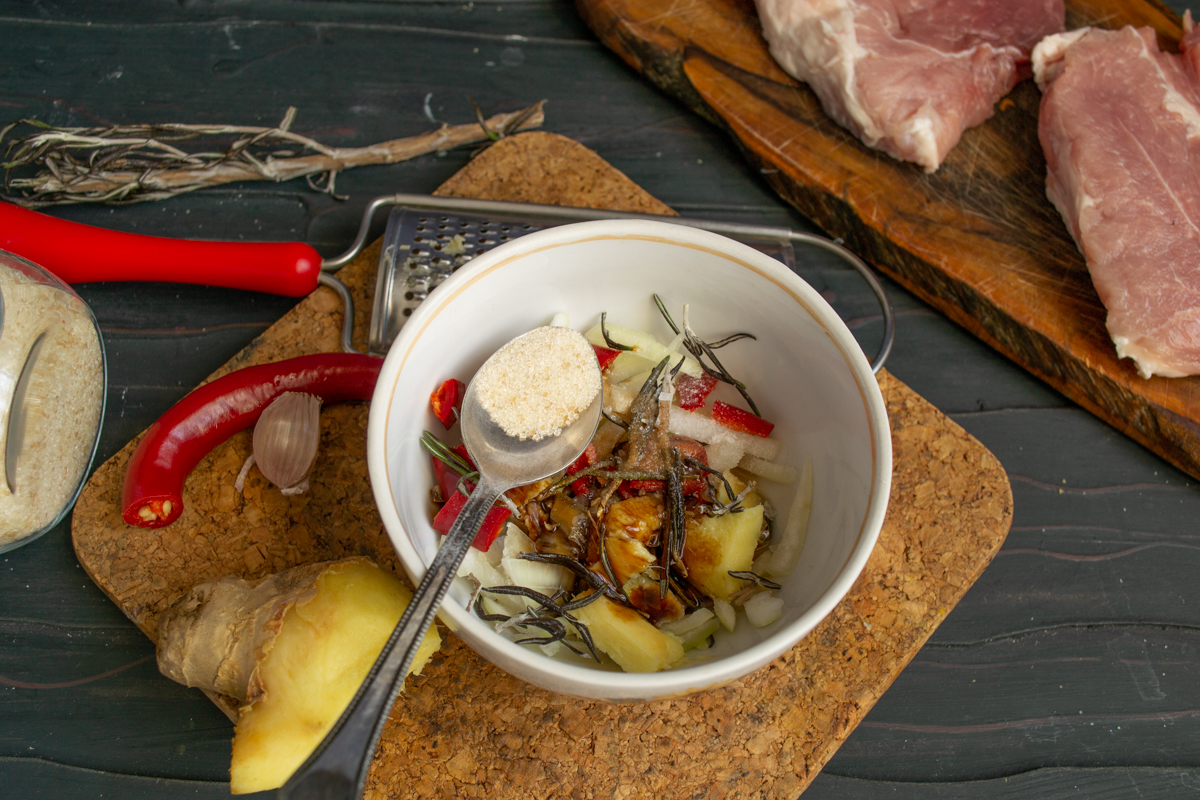
Cane sugar not only balances the flavor but also helps create a beautiful crust when grilling.
Squeeze the juice from a whole lime. You can replace lime juice with lemon juice or rice vinegar. Blend all the marinade ingredients until the mixture becomes a smooth, thick paste.
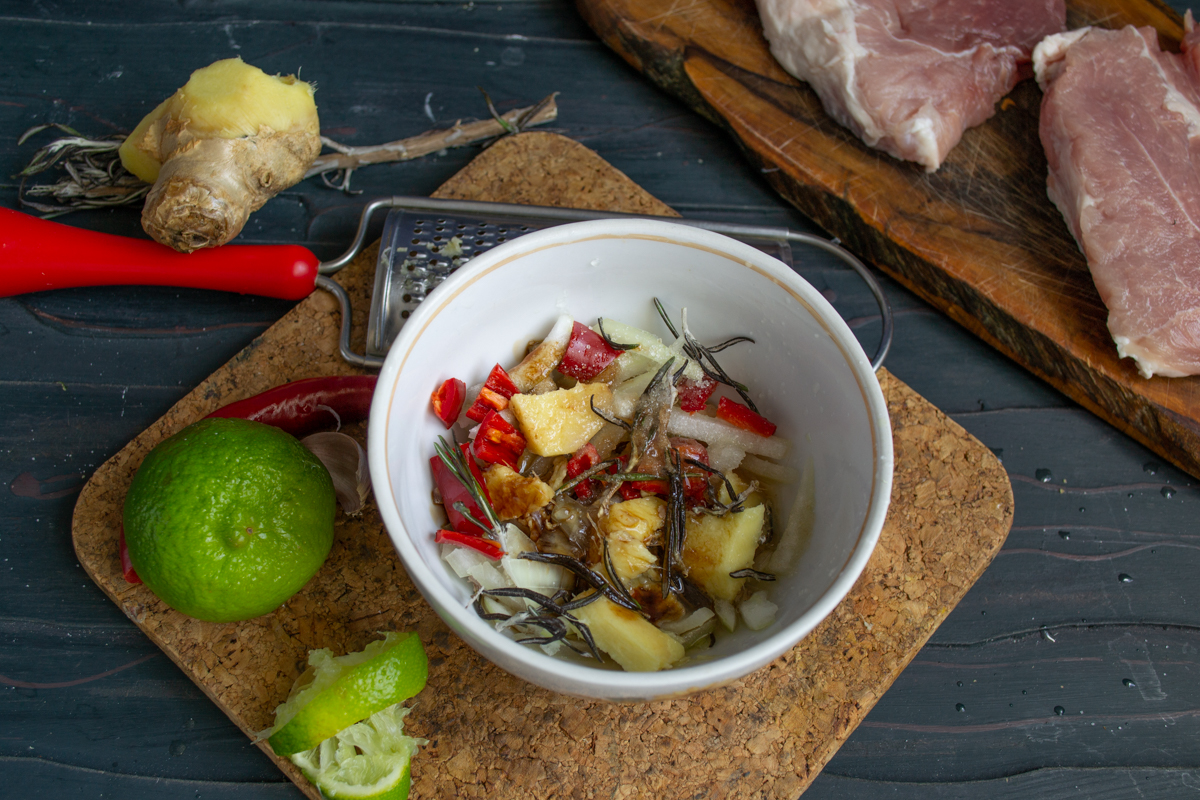
Lime juice acts as a natural tenderizer, making the pork fibers softer and more delicate.
Place the meat in a glass, stainless steel, or plastic bowl. Pour in the marinade and massage it into the pork with your hands, rubbing it well. Cover the bowl with plastic wrap and chill in the refrigerator for a few hours, or preferably overnight.
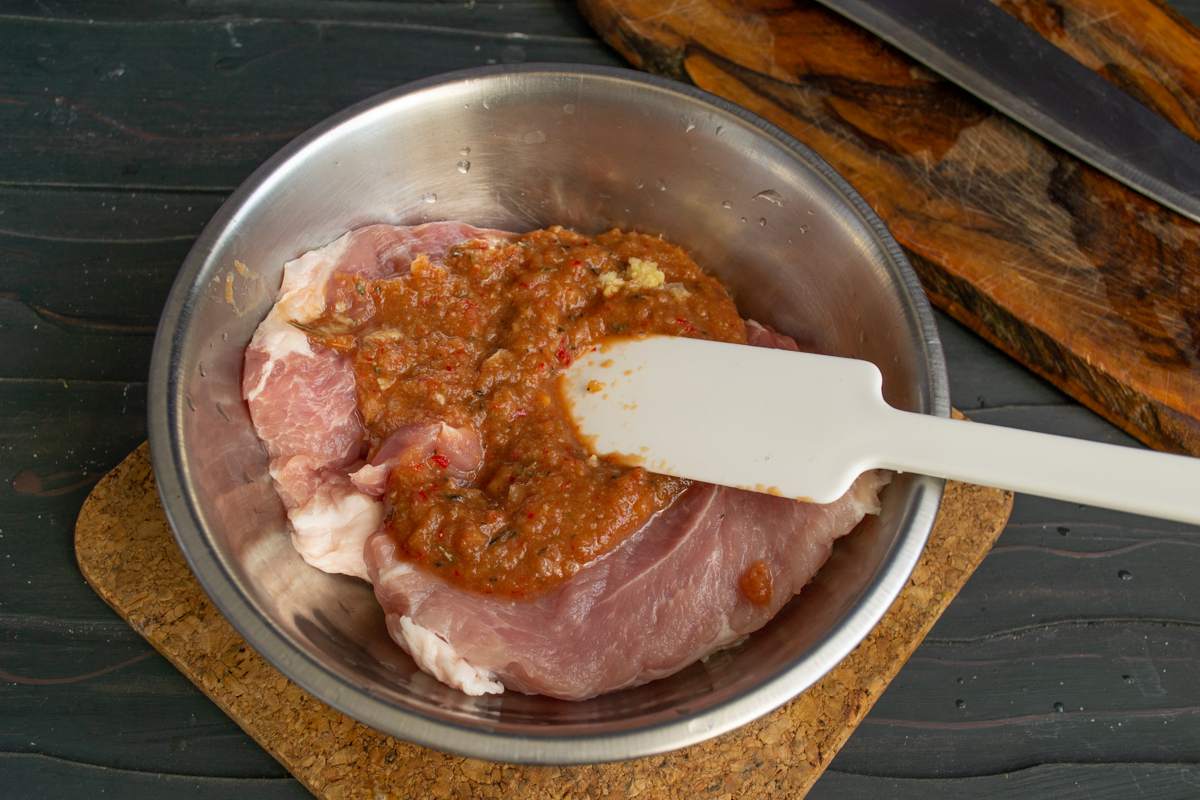
Thoroughly massage the marinade into the meat. Chill the pork in the refrigerator for at least a few hours for the best results.
After marinating, pat off the excess marinade with a paper towel and brush the pieces on both sides with olive or sesame oil.
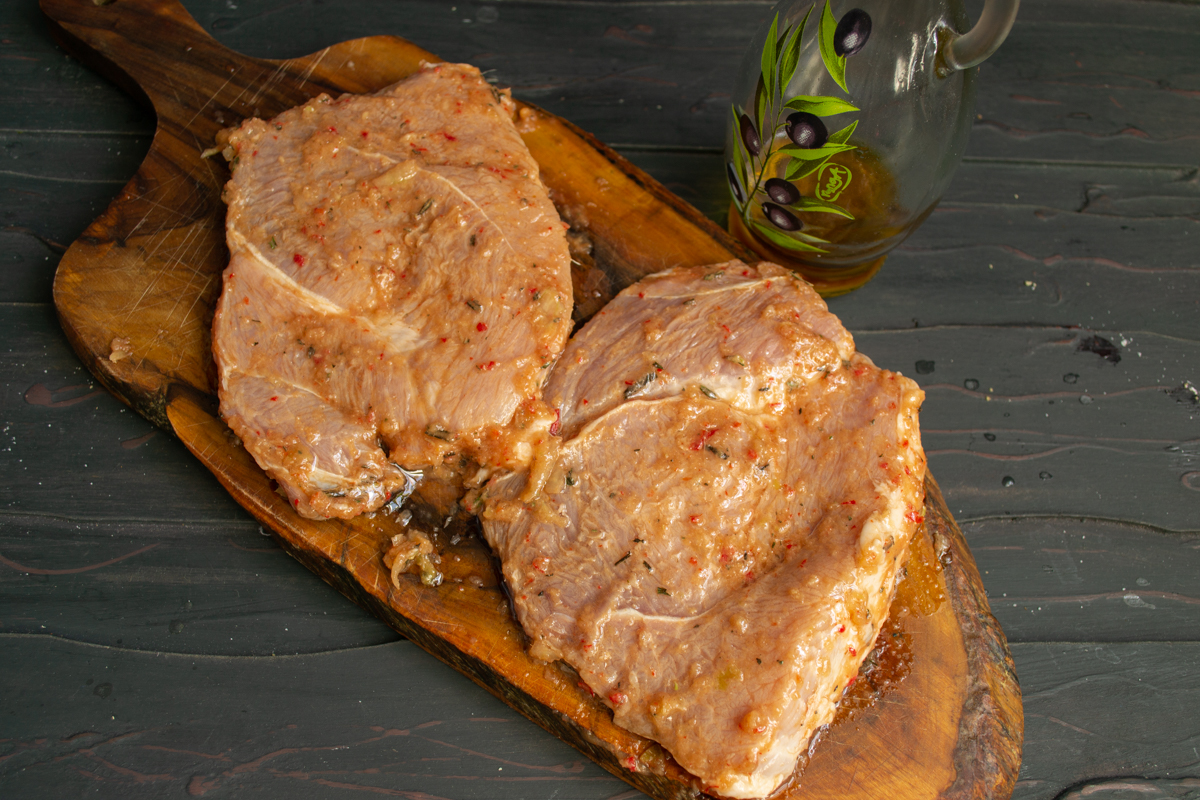
Before hitting the grill, pat away any excess moisture and brush the pieces with oil.
Place a ridged grill pan on the stove and heat it over high heat for about 7 minutes until the first wisps of smoke appear. Do not oil the pan! Place the pork on the smoking-hot grill and cook for 4 minutes.
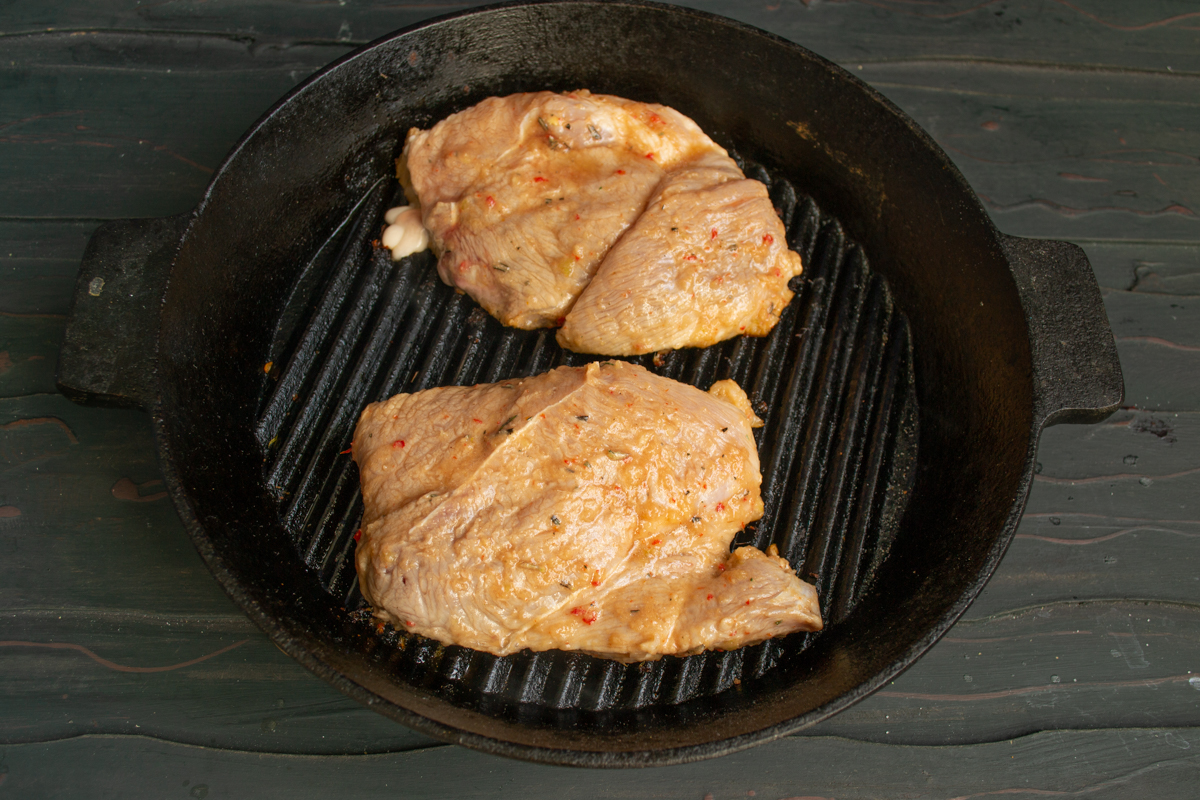
Sear the meat on a smoking-hot grill pan without extra oil to achieve perfect grill marks.
Flip the meat and cook for another 4 minutes. It is crucial not to touch the pieces while they cook—do not lift or move them. Keep it strict: sear on one side, flip, sear on the other.
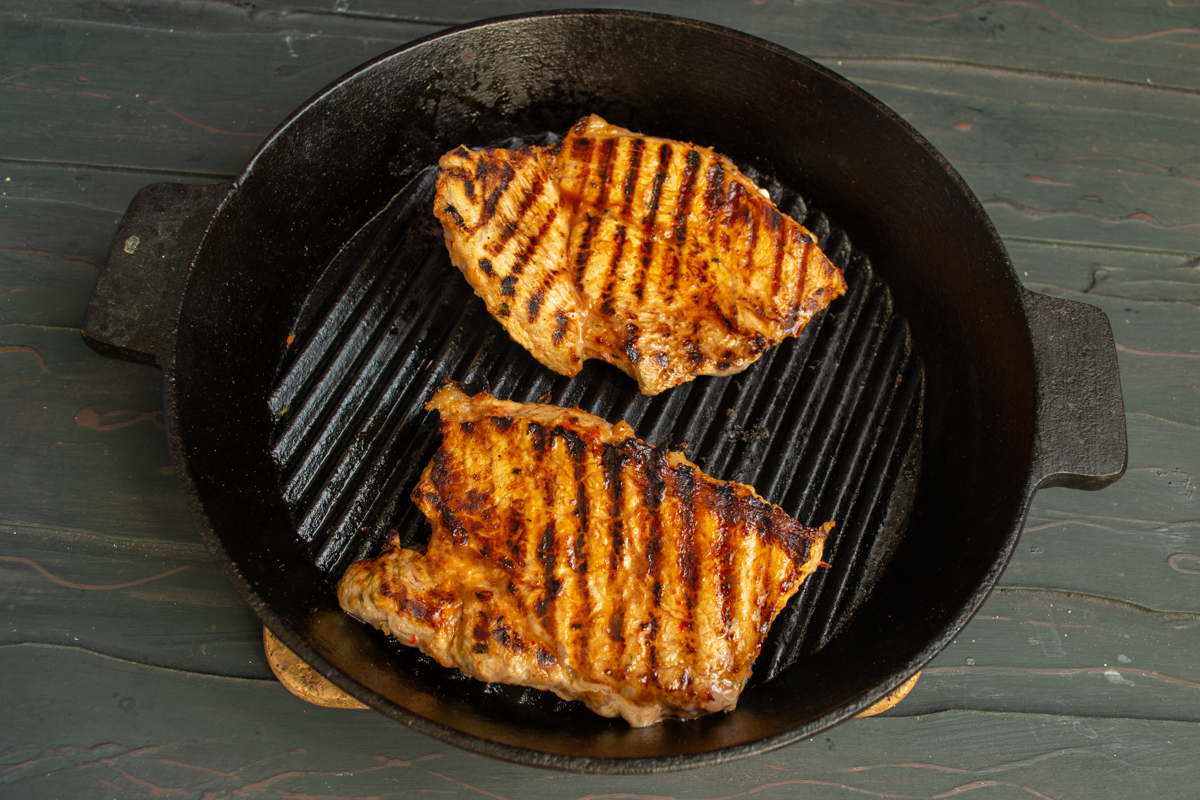
Do not move the meat while cooking to ensure crisp and beautiful grill marks.
Remove the pork from the grill and transfer it to a plate. Let it rest for 5 minutes, drizzle with lime juice, and serve with fresh vegetables and herbs. Enjoy your meal.
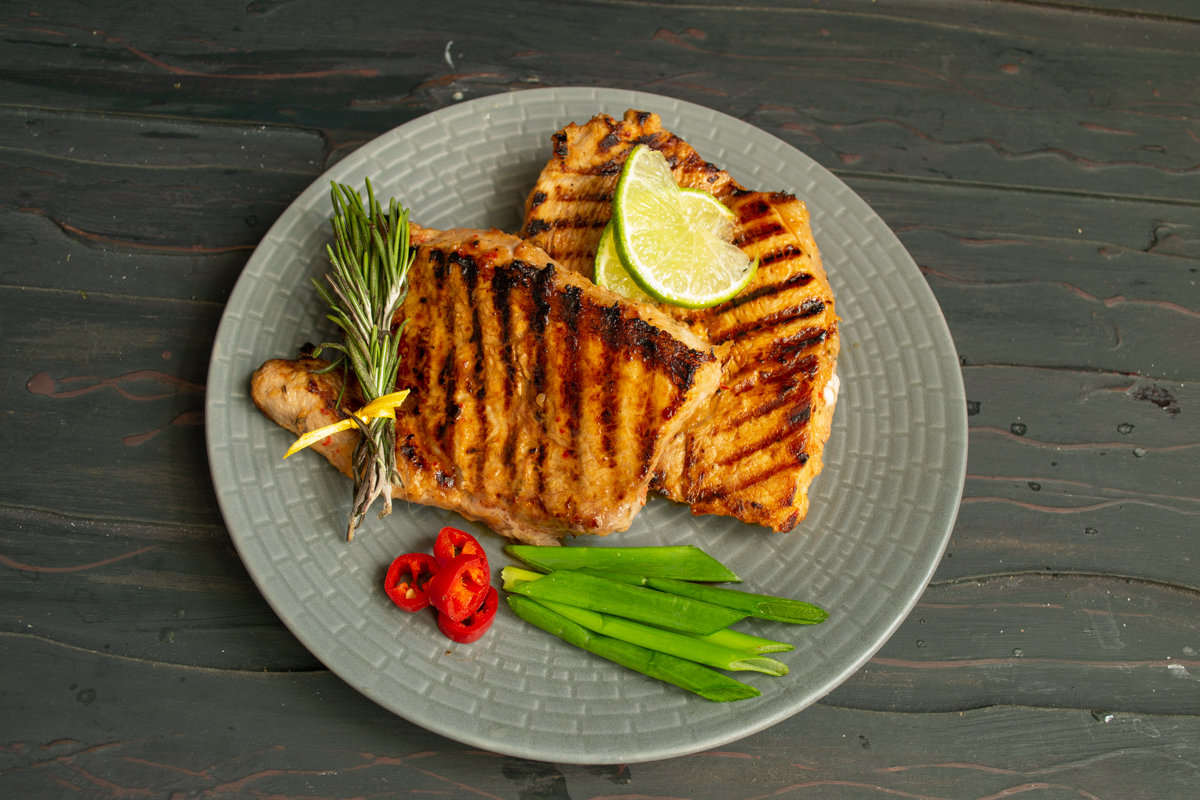
Let the meat rest for 5 minutes after grilling—this locks in all the juices for maximum succulence.
For a flawless Korean-style grilled pork experience every time, try serving it the traditional Eastern way: wrap pieces of the hot meat in fresh lettuce leaves with a little rice and spicy paste. Pickled vegetables, fresh cucumbers with sesame oil, or kimchi also make excellent side dishes. If you have leftovers, they make a fantastic base for a hearty sandwich or a savory addition to an Asian salad the next day.
As for equipment care, remember an important culinary secret: it is best not to wash a cast-iron or ridged grill pan with harsh chemical detergents. Simply rinse it thoroughly with very hot water and wipe it dry. Over time, a natural protective layer will form on the surface, giving the meat that unique smoky aroma and preventing sticking during every future cook.
0 comments