
Still buying store-bought mustard that so often disappoints in quality? I am sharing my recipe for making homemade mustard from mustard powder—you will get a magnificent honey mustard completely free of preservatives and artificial additives. There isn't even any vinegar in it; we use fresh lemon juice instead. Few people realize that the heat of this condiment depends directly on the water temperature: boiling water deactivates the pungent enzymes for a milder flavor, while cold water lets the mustard unleash its full, fiery punch. This homemade version turns out incredibly fragrant, with a delicate citrus note and the rich sweetness of natural honey.
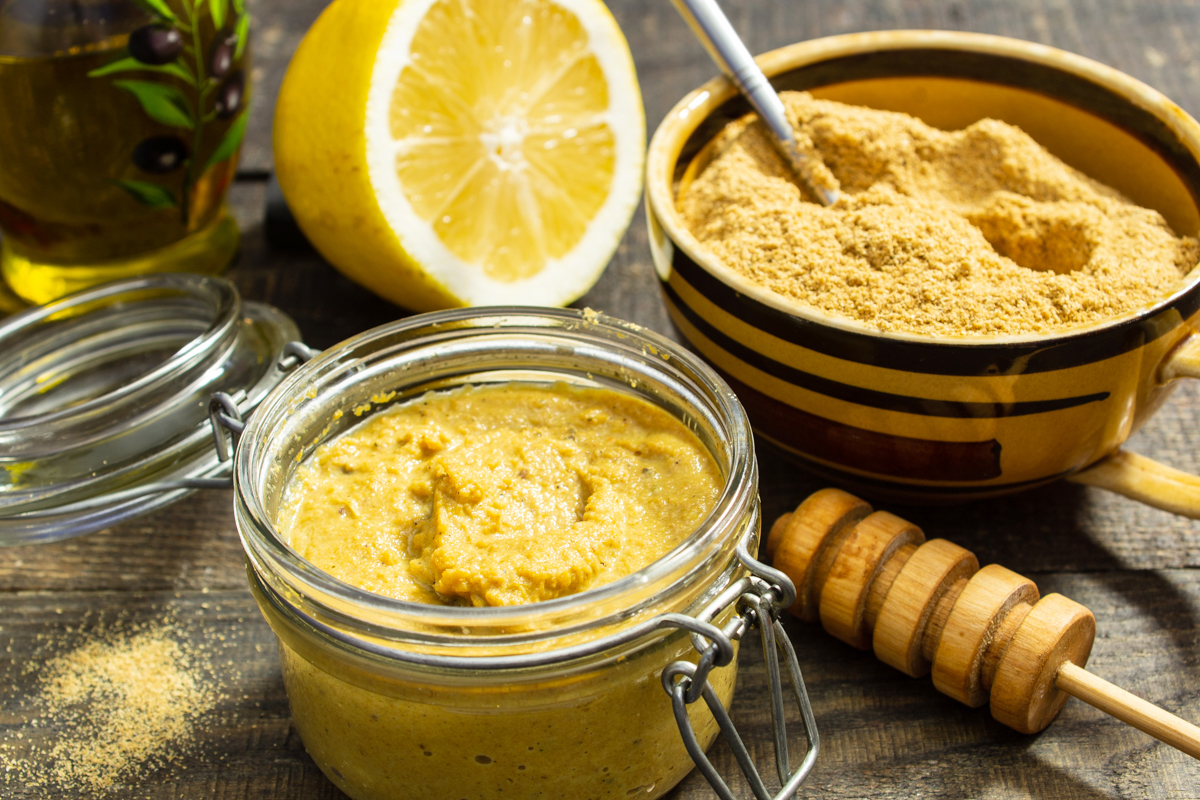
Fragrant, moderately spicy homemade mustard made from natural ingredients using a simple recipe.
Ingredients
- 100 g (3.5 oz) mustard powder
- 30 g (1 oz) honey
- 8 g (about 1 1/2 tsp) sea salt
- 30 g (2 tbsp) extra virgin olive oil
- 1/2 lemon
- hot pepper and aromatic herbs, optional
- 200 ml (approx. 3/4 cup + 1 tbsp) water
How to Make Homemade Mustard from Mustard Powder
Boil the water and let it cool down to about 70°C (158°F). Dissolve the sea salt and honey into the hot water.
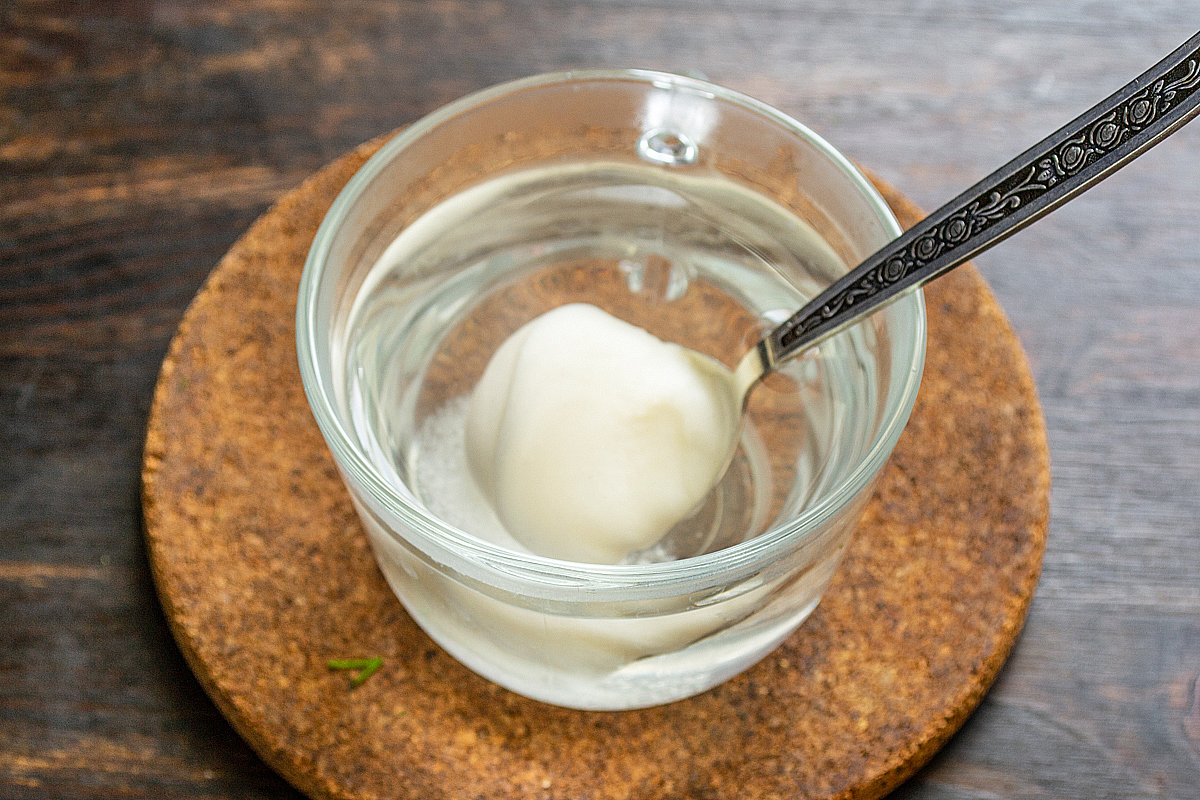
First, prepare the base by dissolving sea salt and natural honey in hot water to balance the flavor.
Measure out the mustard powder. From my own mustard-making experience, I can tell you that powders vary from brand to brand in how finely they are ground. The hotter the water you pour over the powder, the milder your finished mustard will be. The colder the water, the fiercer and sharper the heat.
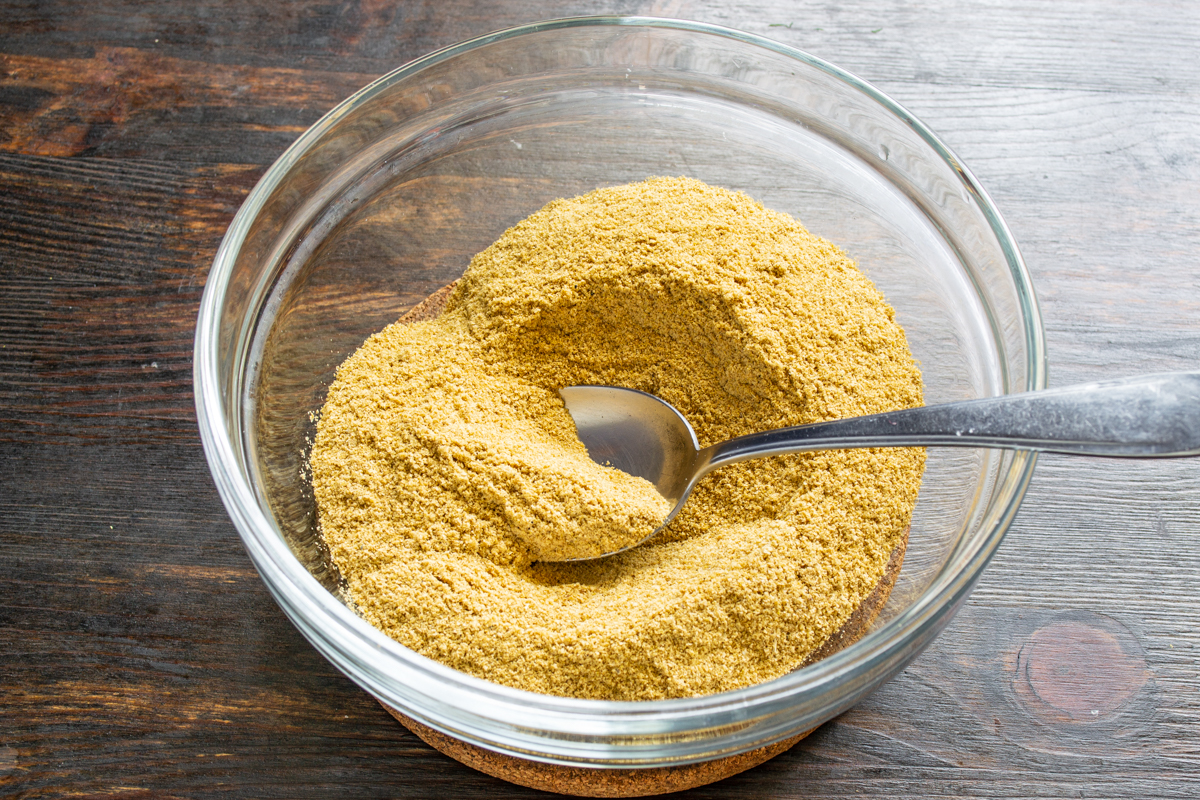
The quality of the powder directly affects the final taste, so choose a finely milled, pure product.
Pour the salted honey water into the bowl of mustard powder in small increments.
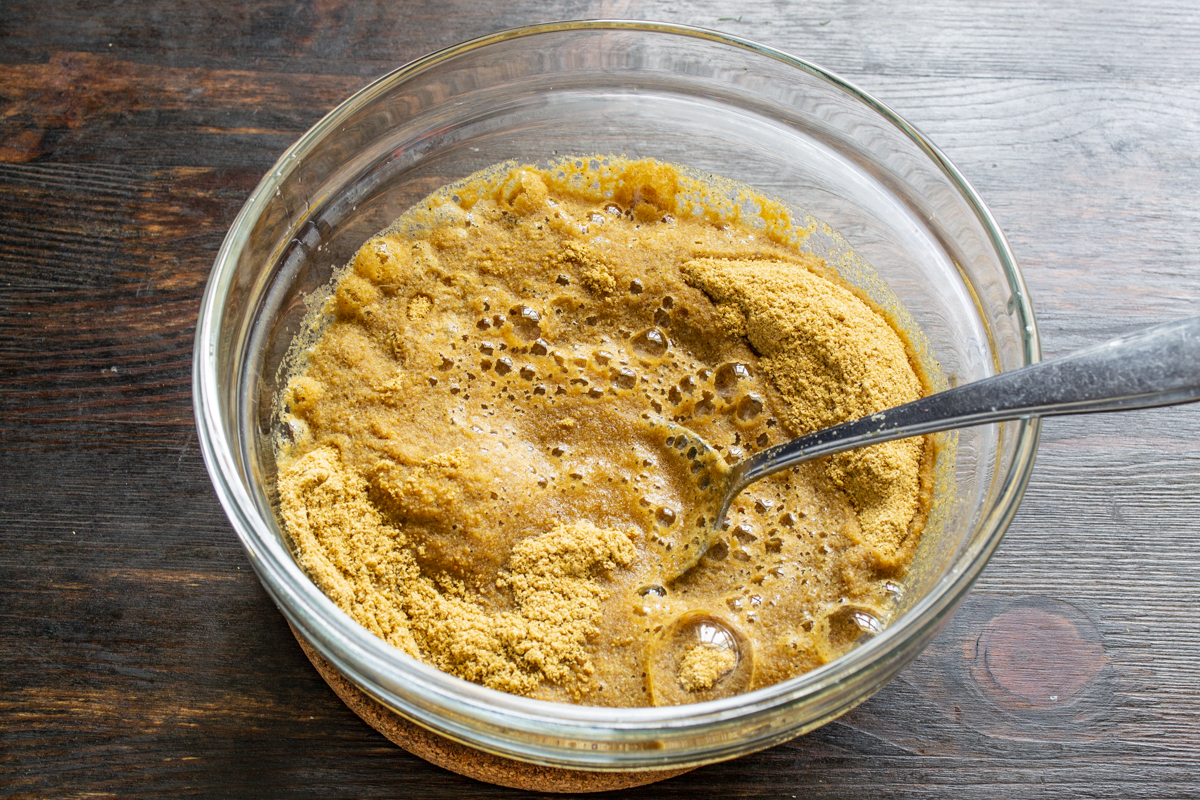
Pour the prepared water in small increments to easily control the thickness and prevent lumps.
Stir thoroughly. At this stage, you are in complete control of the consistency. If you prefer a looser, more pourable mustard, simply add a bit more water.
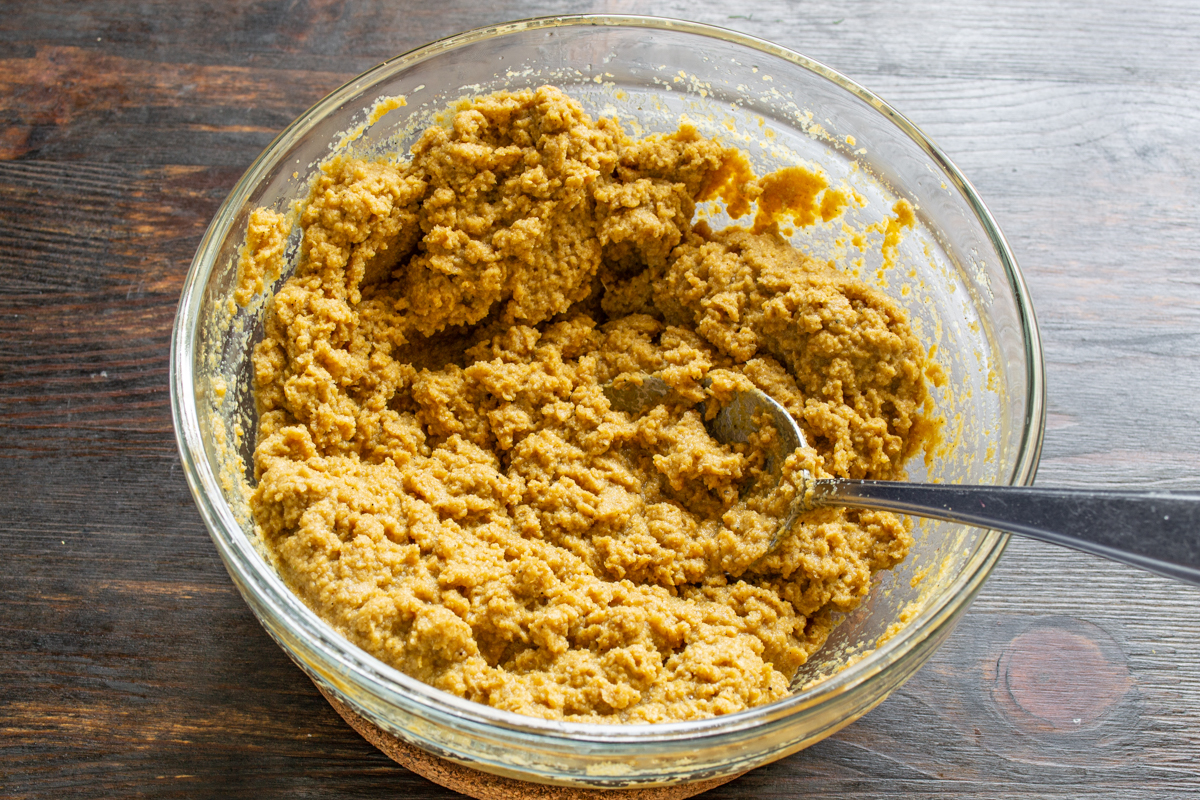
Stir the mixture thoroughly. At this stage, you can adjust the sauce to your desired consistency.
Pour in the extra virgin olive oil. Its natural peppery bitterness works wonderfully here, plus olive oil is healthy and rich in fatty acids. If you like, you can add a pinch of hot red pepper, a touch of aromatic herbs, or a teaspoon of ground turmeric for a more vibrant, appetizing color.
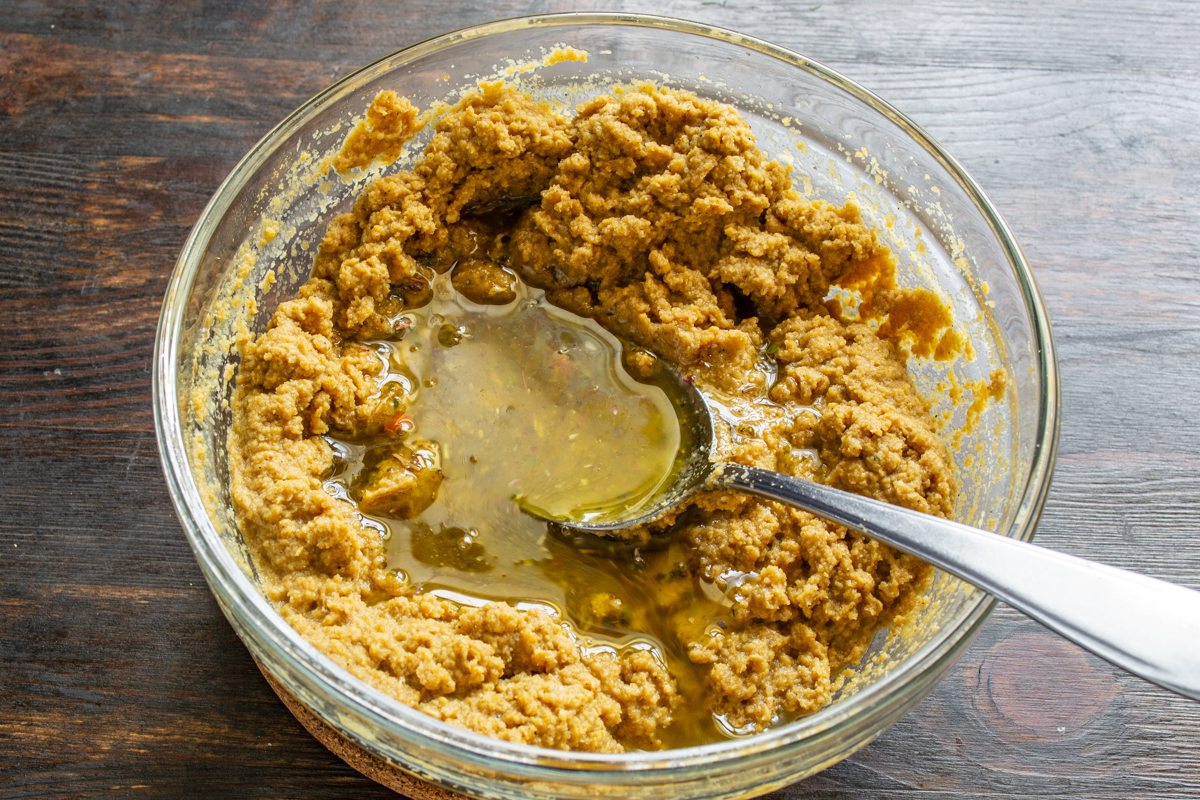
Olive oil gives the mustard a pleasant, silky texture and enriches it with healthy fatty acids.
Squeeze the juice from half a lemon and strain it to catch any seeds. Alternatively, if you are blending the mixture, you can peel the lemon, remove the seeds, and toss the whole segments right into the bowl.
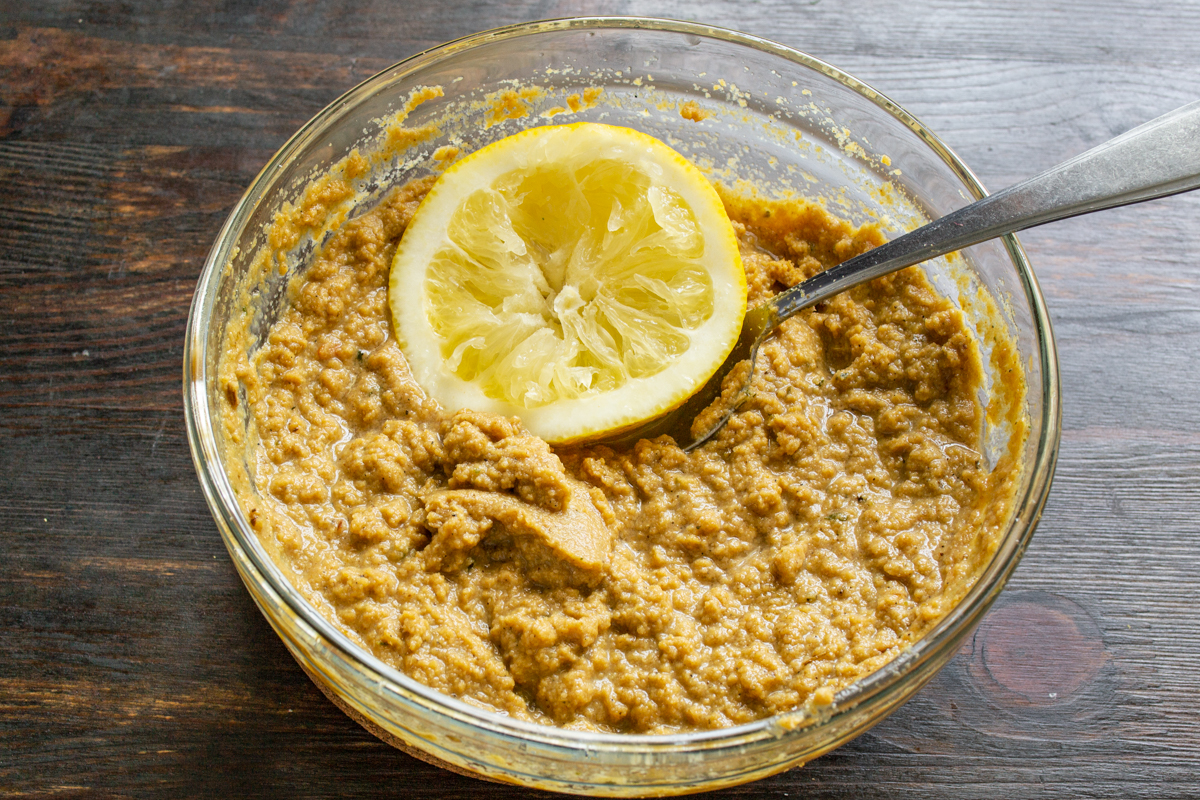
Freshly squeezed lemon juice balances the heat of the mustard and adds a bright, fruity acidity.
Blend the mixture with an immersion blender for a few minutes until smooth and creamy. Whipping it this way makes the mustard wonderfully light and fluffy.
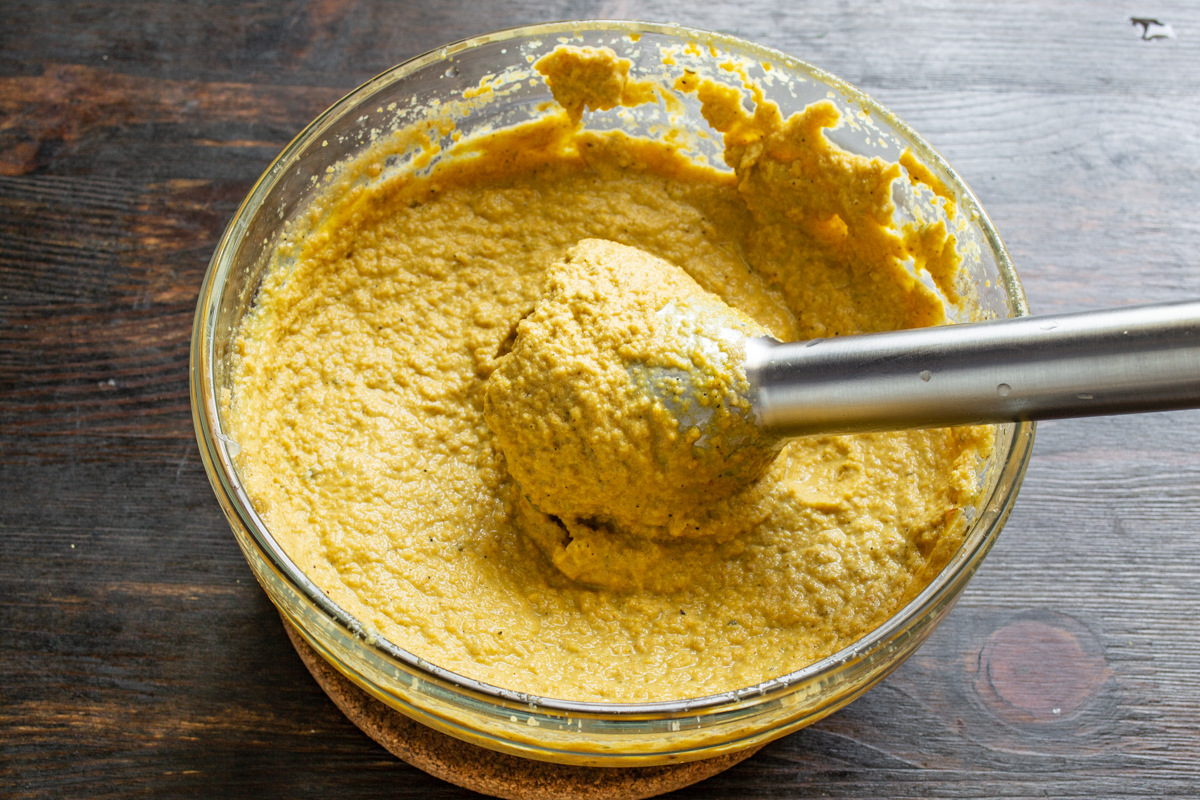
Using an immersion blender makes the mustard texture truly creamy, delicate, and airy.
Give it a taste. Testing for heat right now won’t tell you much, as the mustard needs time to mature. Freshly mixed mustard tastes noticeably bitter at first, though you can already adjust the balance of sweet, salty, and sour to suit your palate.
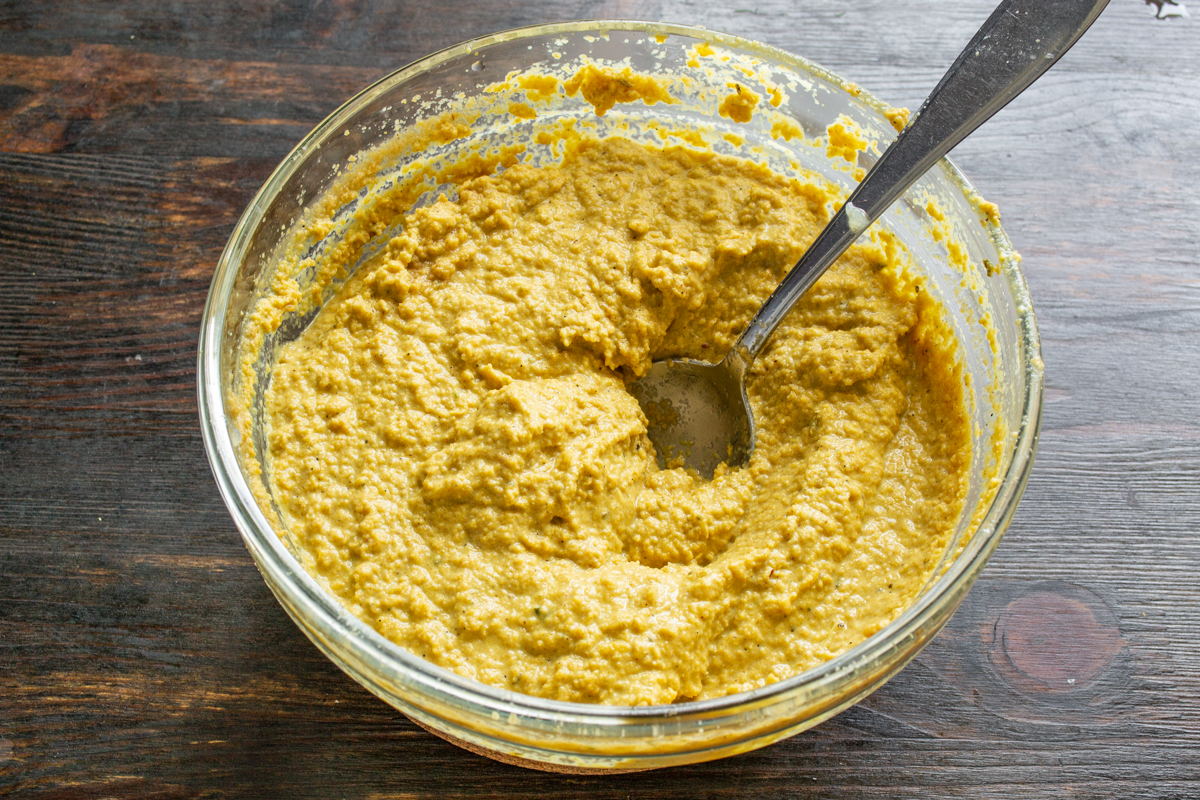
After blending, the mustard takes on an appetizing look and a perfectly smooth, lump-free texture.
There is no need to sterilize the storage jars, as mustard is a fantastic natural preservative. Thanks to its antibacterial properties, mold and bacteria won’t grow in it—simply wash the jars in warm water with baking soda and rinse them with boiling water. Spoon the finished mustard into dry jars.
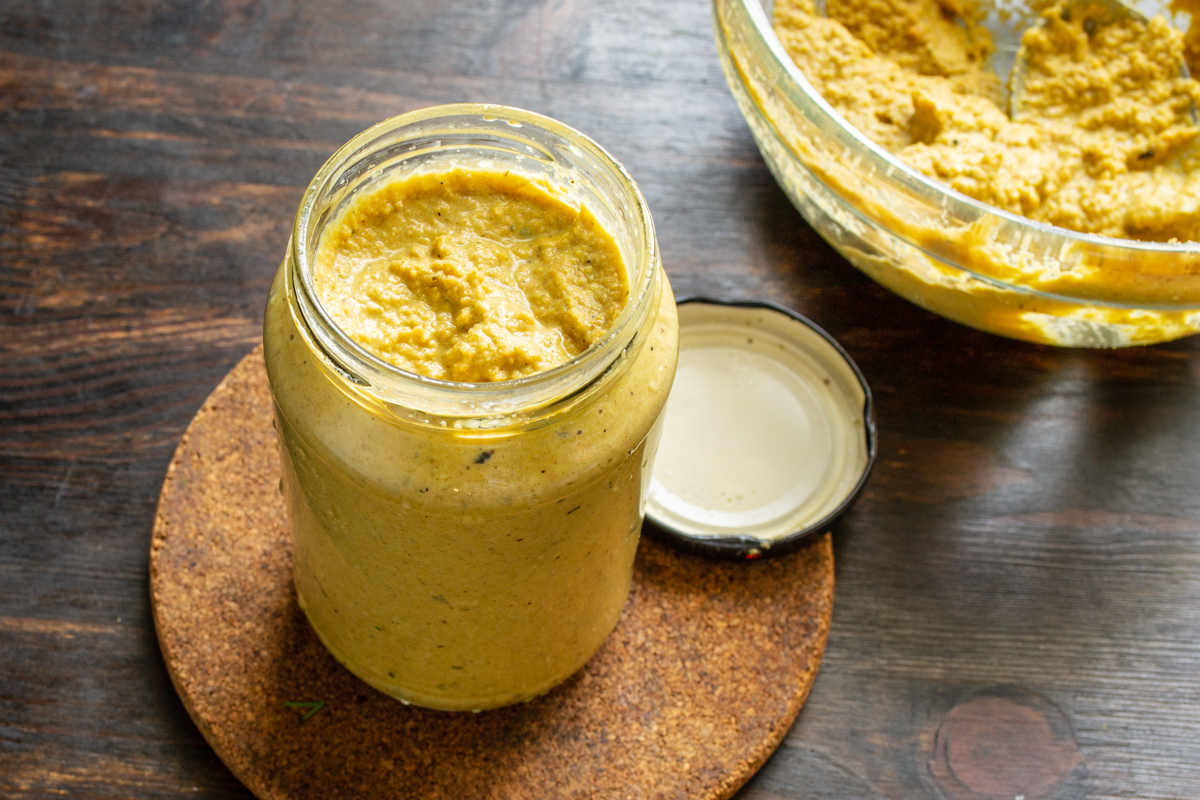
Mustard is an excellent natural preservative on its own, so using a clean, dry jar is all you need.
Screw the dry lids on tightly. Leave the jars in the refrigerator for 1 to 3 days so the mustard can, as they say, build up its punch! The pungent heat develops gradually, and the final flavor will depend on the quality of your mustard powder, the variety of seeds used (yellow, black, or brown Sarepta mustard), and the extra seasonings you added along the way.
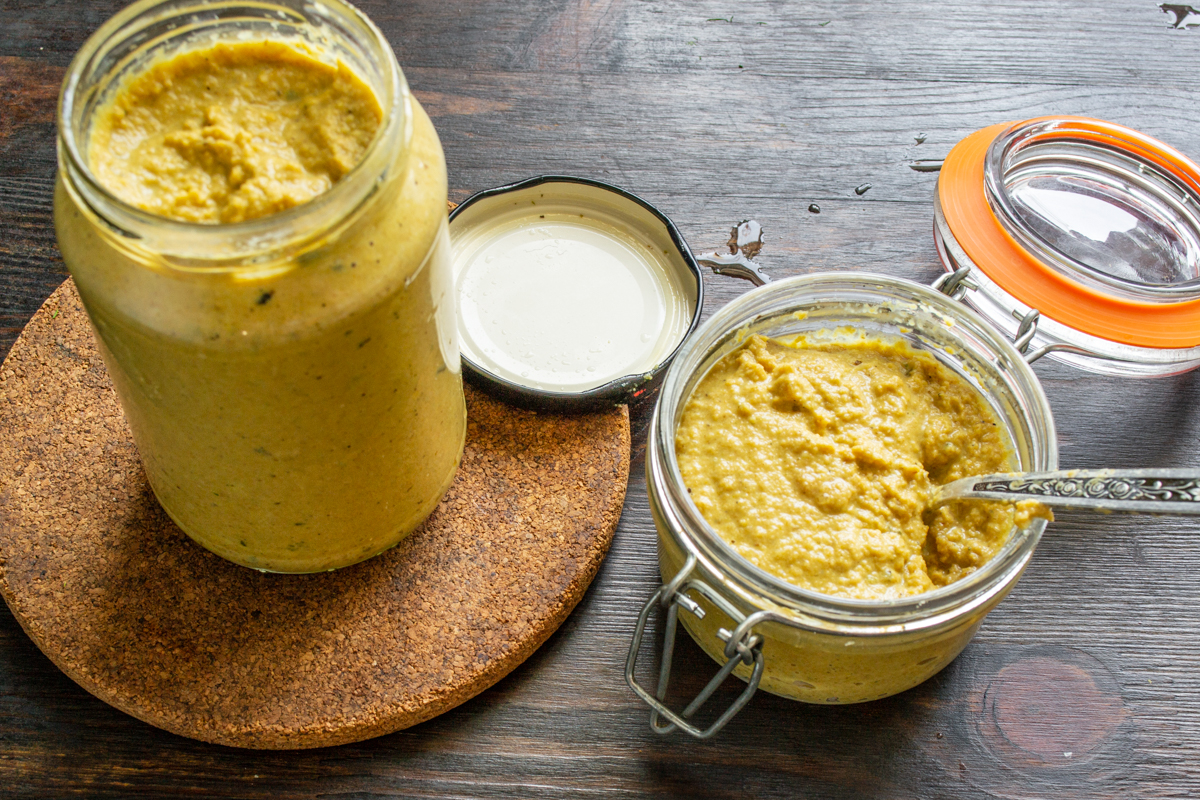
Seal the jars tightly and leave them in the fridge for 1–3 days to let the flavors fully develop.
Mustard has been used since time immemorial and is loved everywhere from Europe to China. Dijon, France, is widely considered the mustard capital of the world—hence the famous Dijon mustard. There are countless varieties out there; French mustard tends to be milder, whereas I make mine somewhere in the middle—spicy enough to have a real kick, but not so fierce that it brings tears to your eyes.
Finished homemade mustard is the perfect companion for roasted meats, kholodets (traditional savory meat aspic), or as a bold base for tangy salad dressings. If you feel like experimenting, try adding a pinch of turmeric for a golden hue or dried thyme for a Provençal aroma. Keep in mind that the sauce needs time to mature in the refrigerator—it is during those first forty-eight hours that the magic happens, melding all the ingredients into a unified, harmonious flavor profile.
It is best to store this condiment in small glass jars with tight-fitting lids so the essential oils don't evaporate. Since the recipe uses no vinegar, the lemon juice and the natural antiseptic properties of the mustard seed take care of preserving it. If your homemade mustard thickens too much over time, simply stir in a teaspoon of boiled water or olive oil until smooth.
0 comments