
Homemade whole grain rye noodles can transform even the simplest chicken broth into an exquisite and hearty dish. Rye flour, unlike traditional wheat, has a lower glycemic index and is packed with fiber, making this soup an excellent choice for a health-conscious diet. The texture of the rye dough is denser and more robust, while its deep, slightly earthy aroma pairs flawlessly with tender new potatoes and fresh herbs. The tradition of making hand-rolled noodles is rooted in the past, when every homemaker knew the secrets of the perfect knead, and today we are reviving this comforting ritual in the modern kitchen.
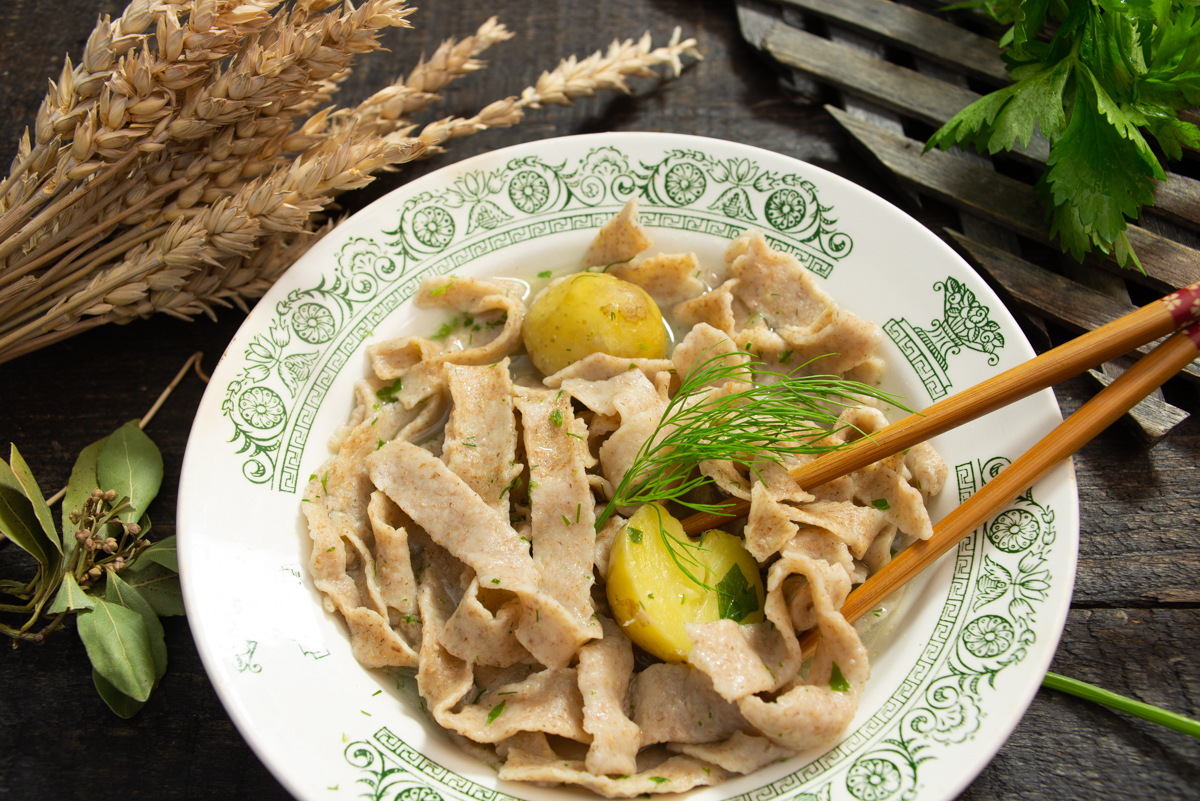
Wholesome homemade rye noodles served with potatoes and aromatic broth. The perfect dish for a healthy lunch.
Noodle Ingredients
- 50 g (1/4 cup) whole grain rye flour
- 50 g (1/4 cup) wheat flour
- 1 large egg
- 2 tablespoons cold water
Soup Ingredients
- 1 liter (4 cups) chicken broth
- 150 g (5 oz) new potatoes
- A few sprigs of fresh celery leaves
How to Make Homemade Whole Grain Rye Noodles
Let’s make some wholesome homemade noodles. Pour the whole grain rye and wheat flour into a deep bowl or mound it on a cutting board, then mix well. For the best texture, use durum wheat flour for this dough.
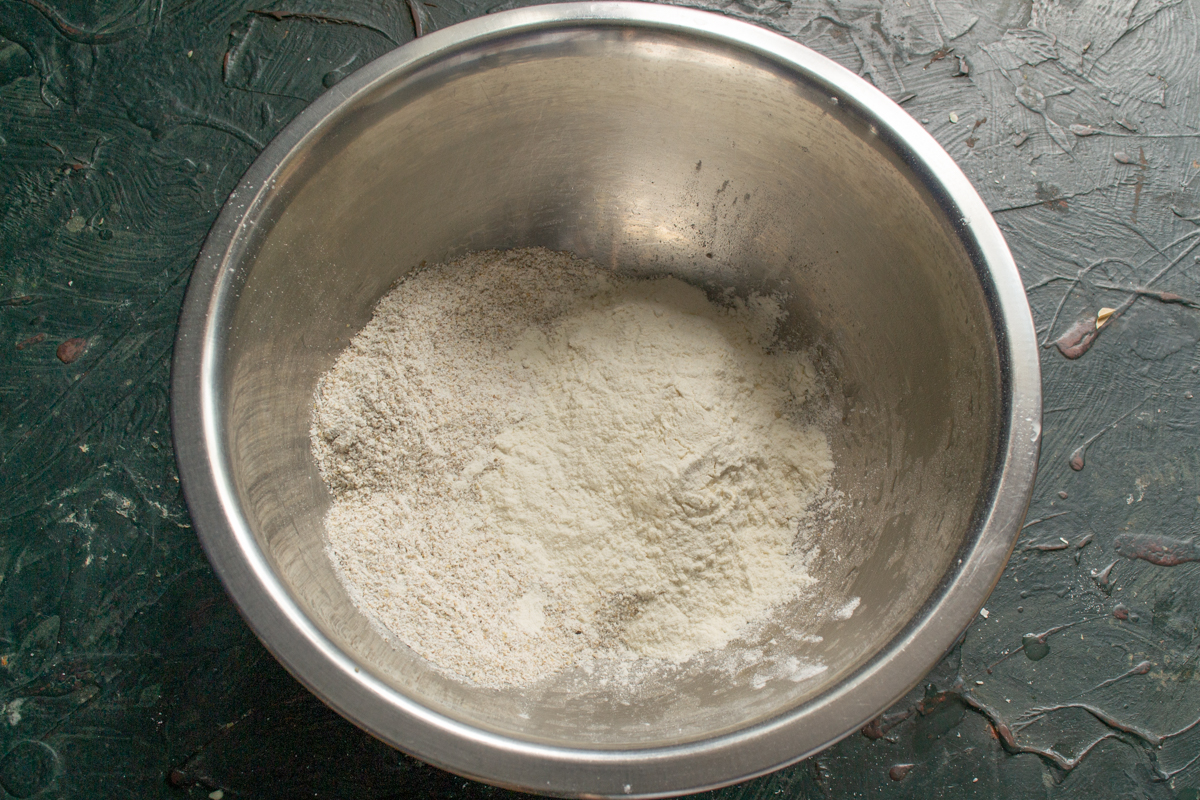
Whisk the two types of flour together. For the best texture, use durum wheat flour.
Make a well in the center of the flour. Crack a large egg into the well. Pour in two tablespoons of cold water.
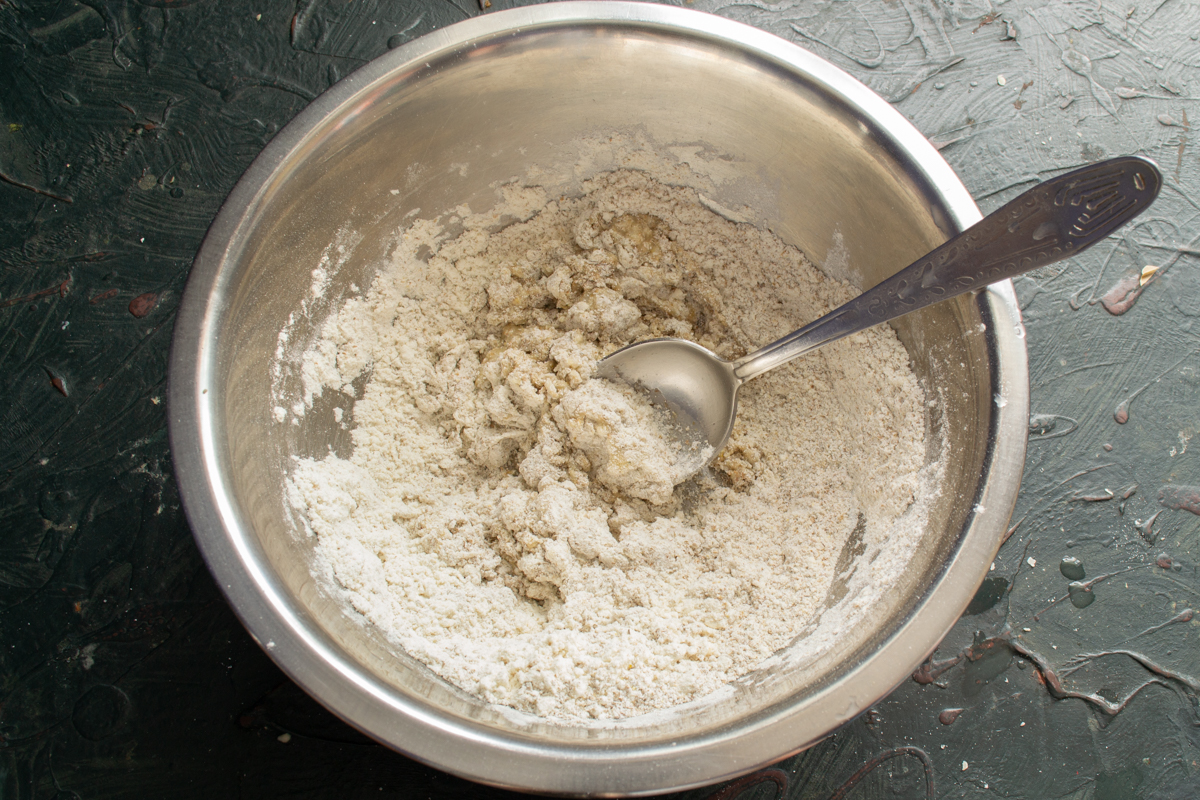
Make a well in the center of the flour mixture, then add a large egg and a splash of cold water for elasticity.
Mix the dough in the bowl first, then transfer it to a board and knead by hand. Unlike traditional pasta or dumpling dough, rye dough is stickier and doesn’t require a long kneading time.
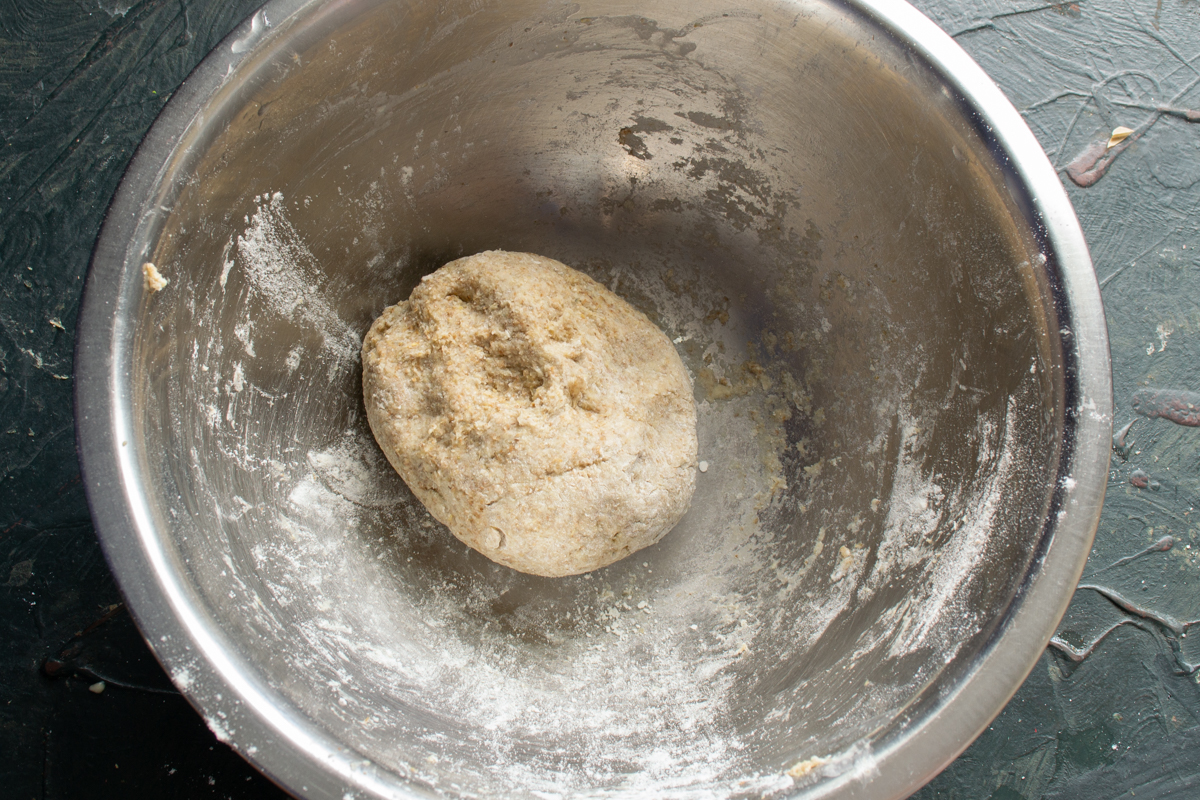
Rye dough turns out stickier than standard wheat dough. It does not need to be kneaded for very long.
Wrap the finished dough tightly in plastic wrap. Let it rest for 30 minutes to 1 hour. A well-rested dough rolls out effortlessly and won’t shrink back. You can also store the wrapped dough in the refrigerator for a few days.
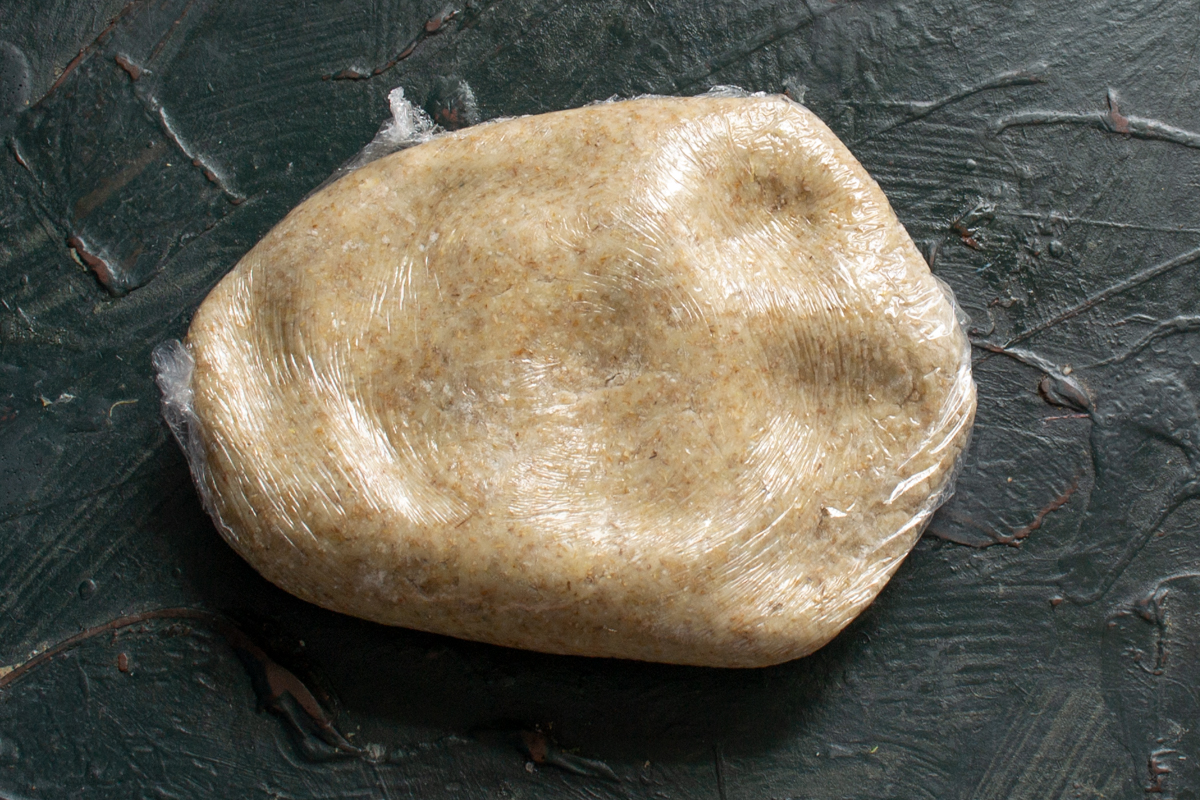
Let the dough rest tightly wrapped in plastic for about an hour. This will make it much easier to roll out.
A delicious soup needs a great homemade broth. Chicken or beef broth works perfectly; for this recipe, I used a chicken broth simmered with aromatic herbs and garlic scapes.
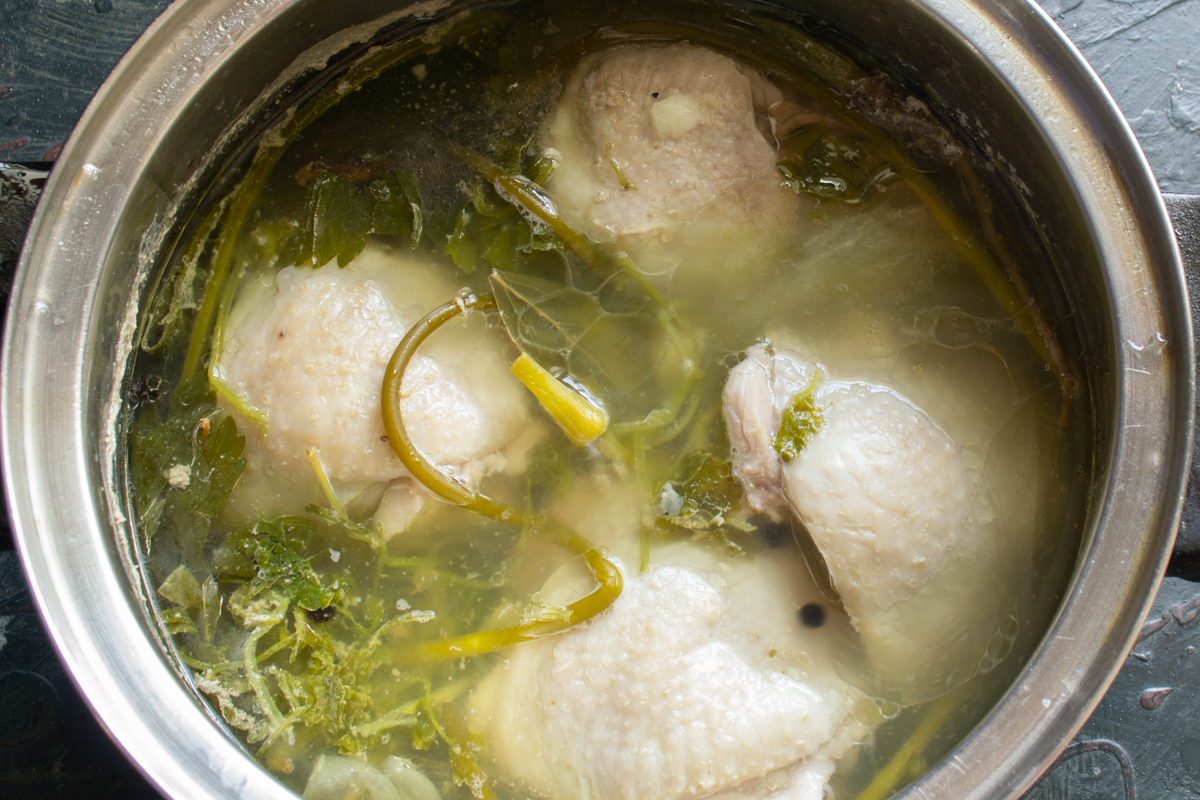
A rich homemade broth simmered with aromatic herbs is the absolute best base for rye noodle soup.
Strain the finished broth and skim off any solidified fat from the chilled surface.
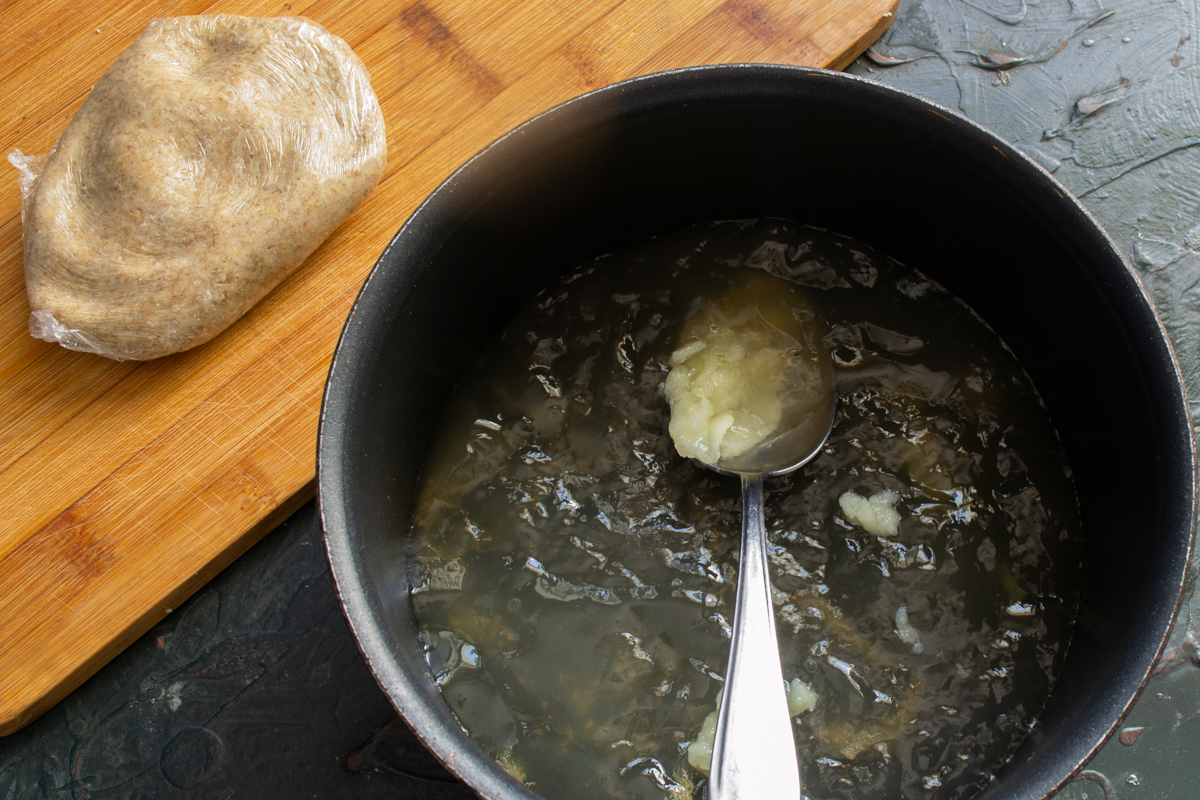
Strain the finished broth and carefully skim off any solidified fat to keep the soup light and clean.
Scrub the new potatoes and cut the smaller ones in half. Drop the potatoes into the gently boiling broth and cook until tender.
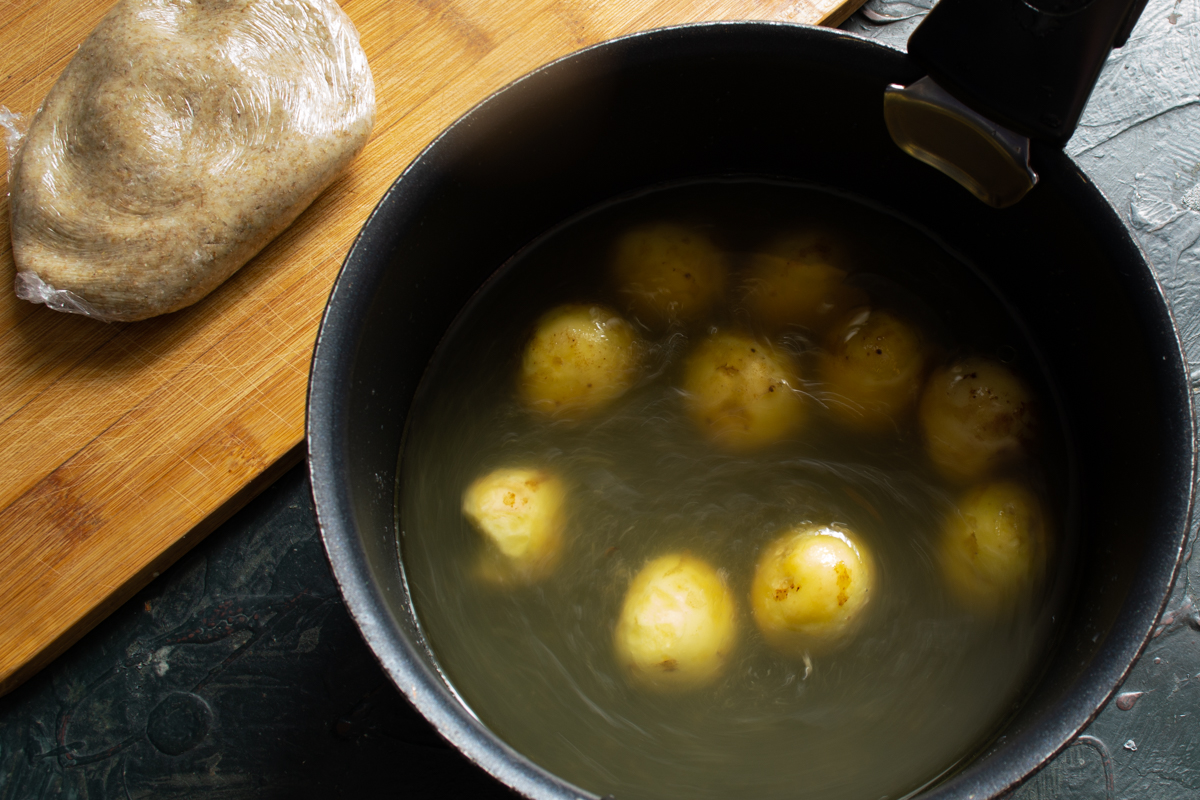
Drop the scrubbed new potatoes into the gently boiling broth and cook them until tender.
Dust your cutting board with flour. Roll out the dough with a rolling pin. Dust the rolled sheet with flour, flip it over, and roll again. Always work the rolling pin in one direction.
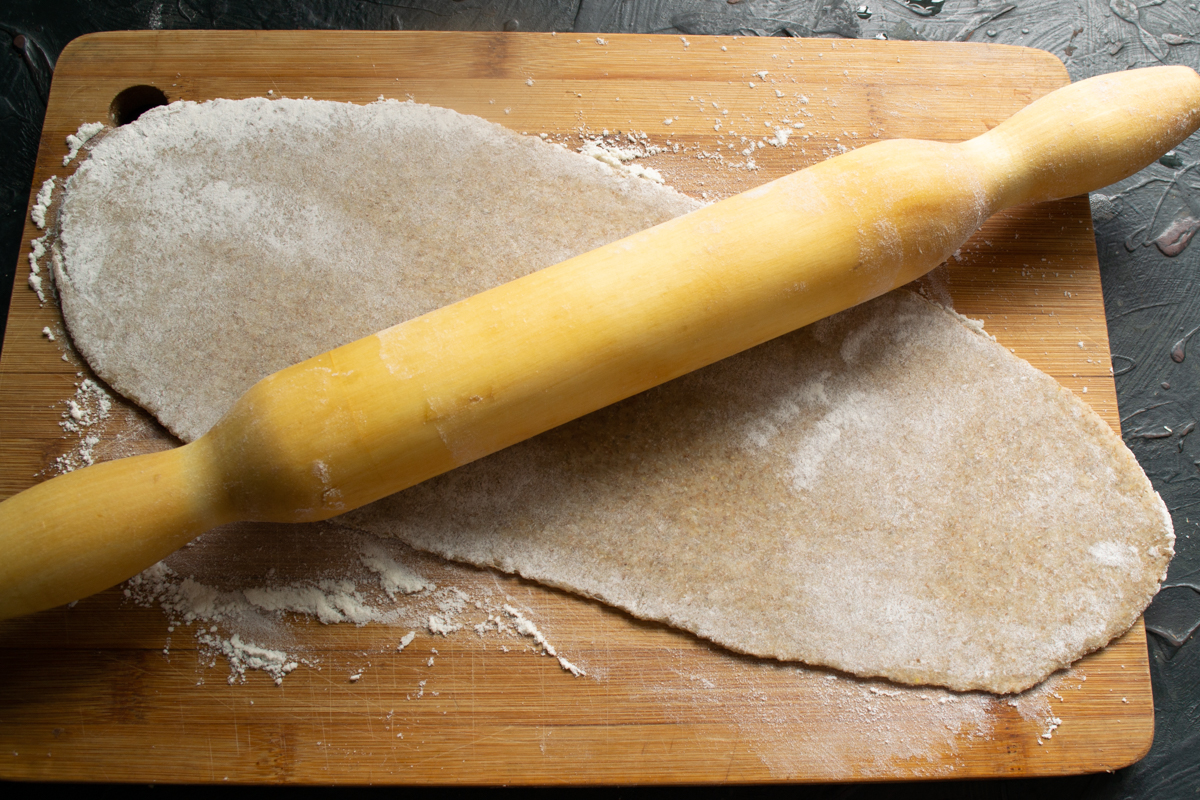
Roll the dough out thinly on a floured board, making sure to work the rolling pin in a single direction.
Repeat this process several times: dust with flour, roll, and flip. The goal is to roll the noodle dough quite thin, no thicker than a millimeter (about 1/32 inch).
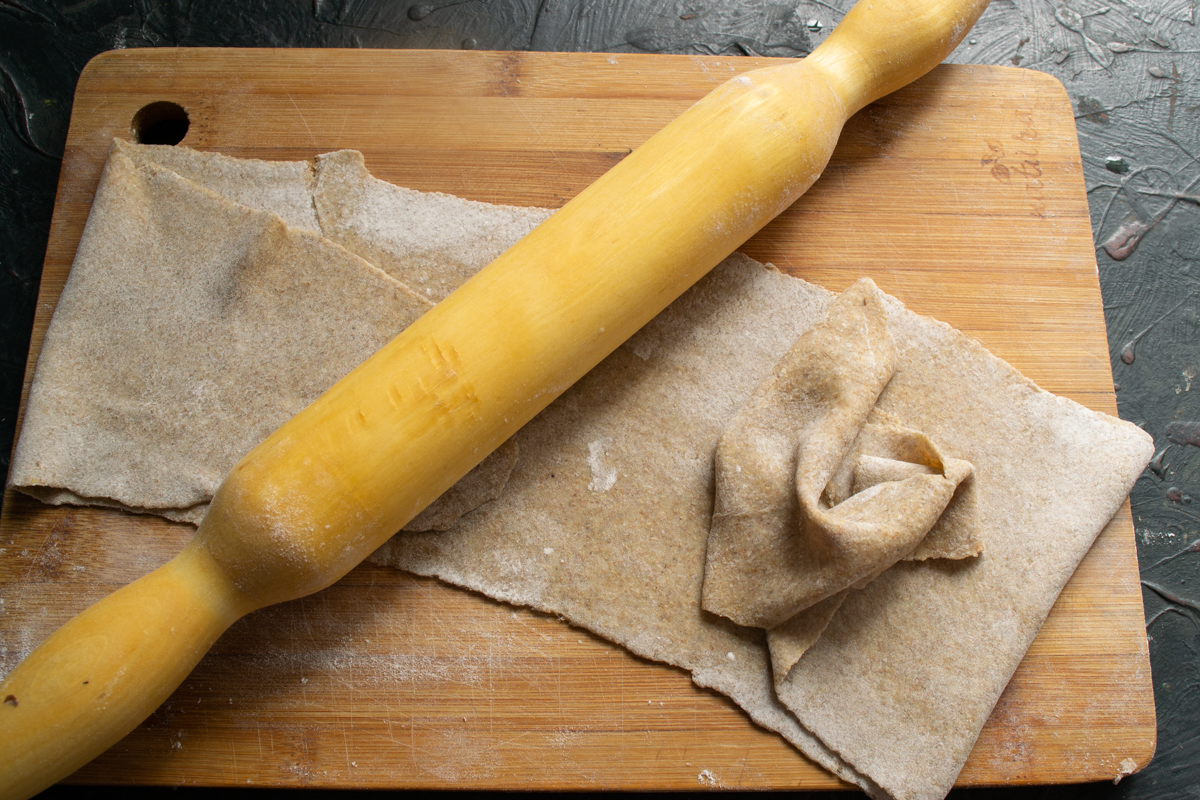
Keep rolling until the sheet is thinner than a millimeter. Dust it generously with flour to prevent sticking.
Roll the thin dough sheet into a loose cylinder, then use a sharp knife to cut it into slices just under a centimeter (about 3/8 inch) wide. Unfurl the slices to reveal beautiful, long ribbons of homemade rye noodles.
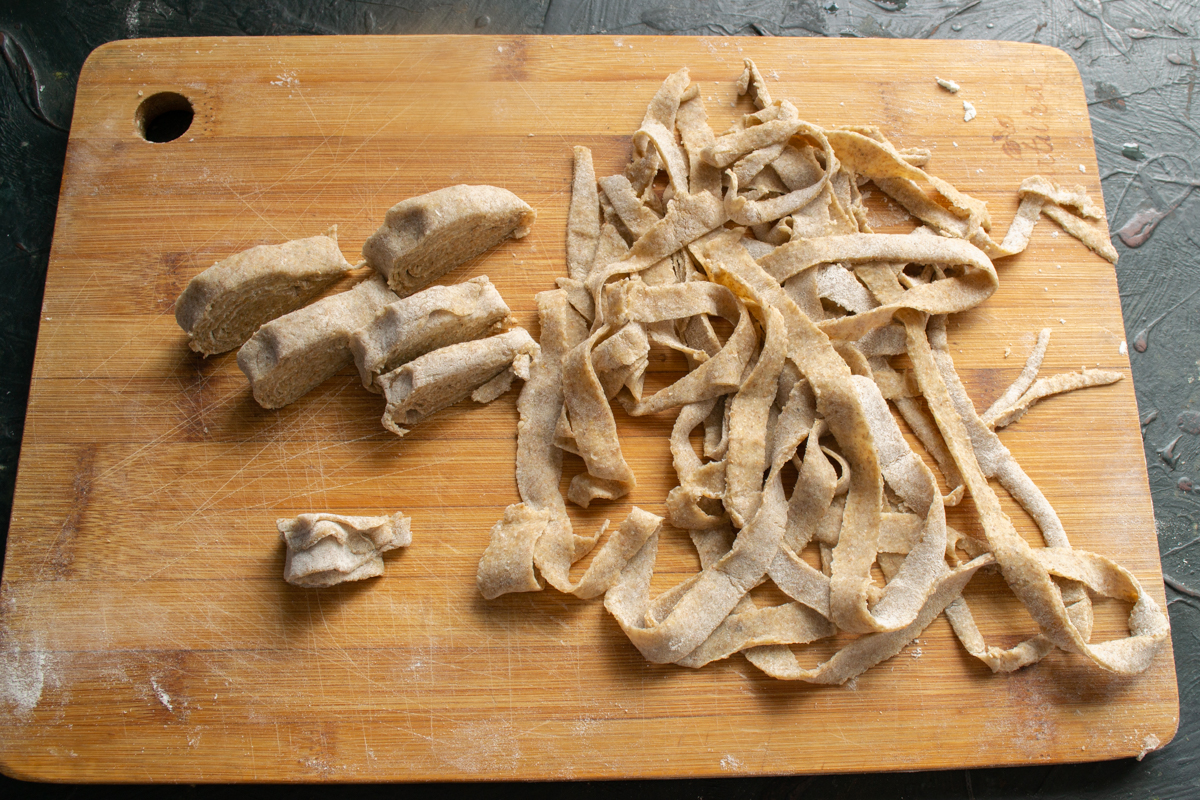
Roll the dough into a loose cylinder and slice it into strips. Unfurl them to reveal your long homemade noodles.
Drop the rye noodles into the boiling soup. Cook over low heat for 5 to 7 minutes after it returns to a boil. The exact cooking time will depend on how thinly you rolled the dough.
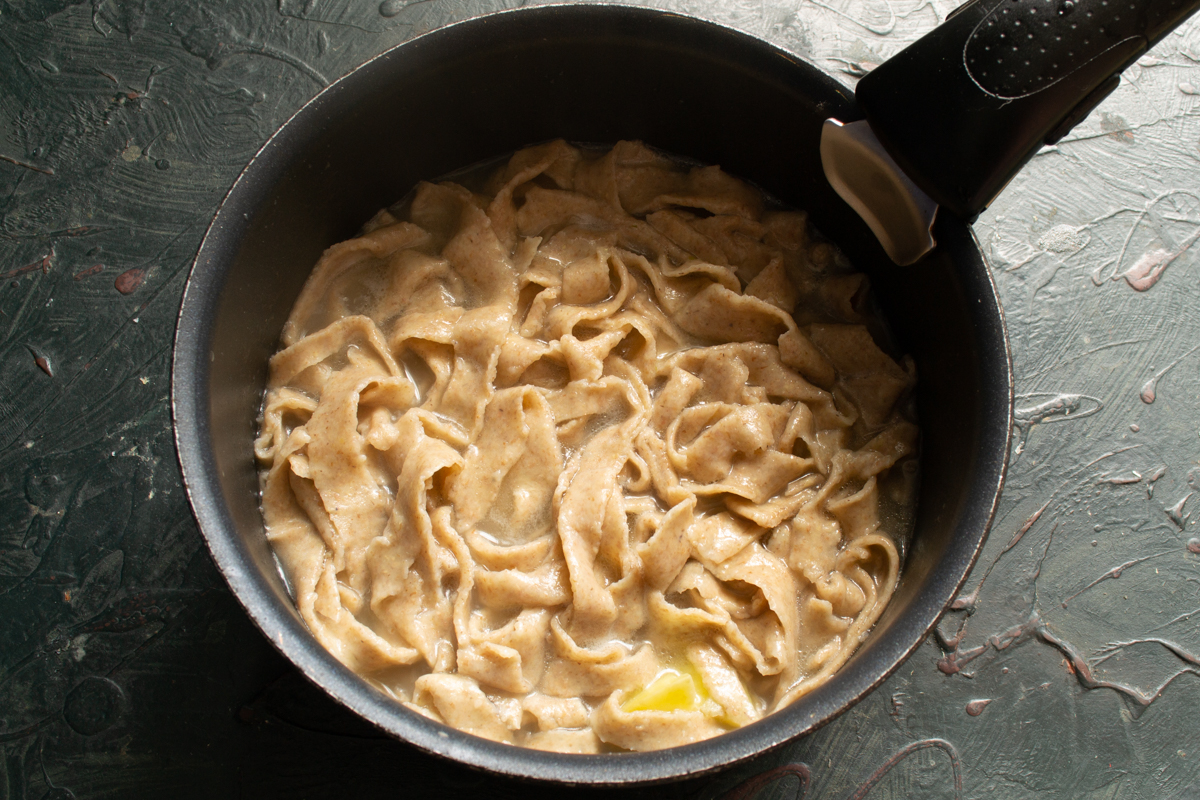
Simmer the noodles in the soup for 5 to 7 minutes. Do not overcook them, so they retain their satisfying, chewy texture.
One minute before the soup is done, stir in finely chopped celery leaves. You can substitute the celery with fresh parsley or cilantro—choose the herbs that best suit your palate.
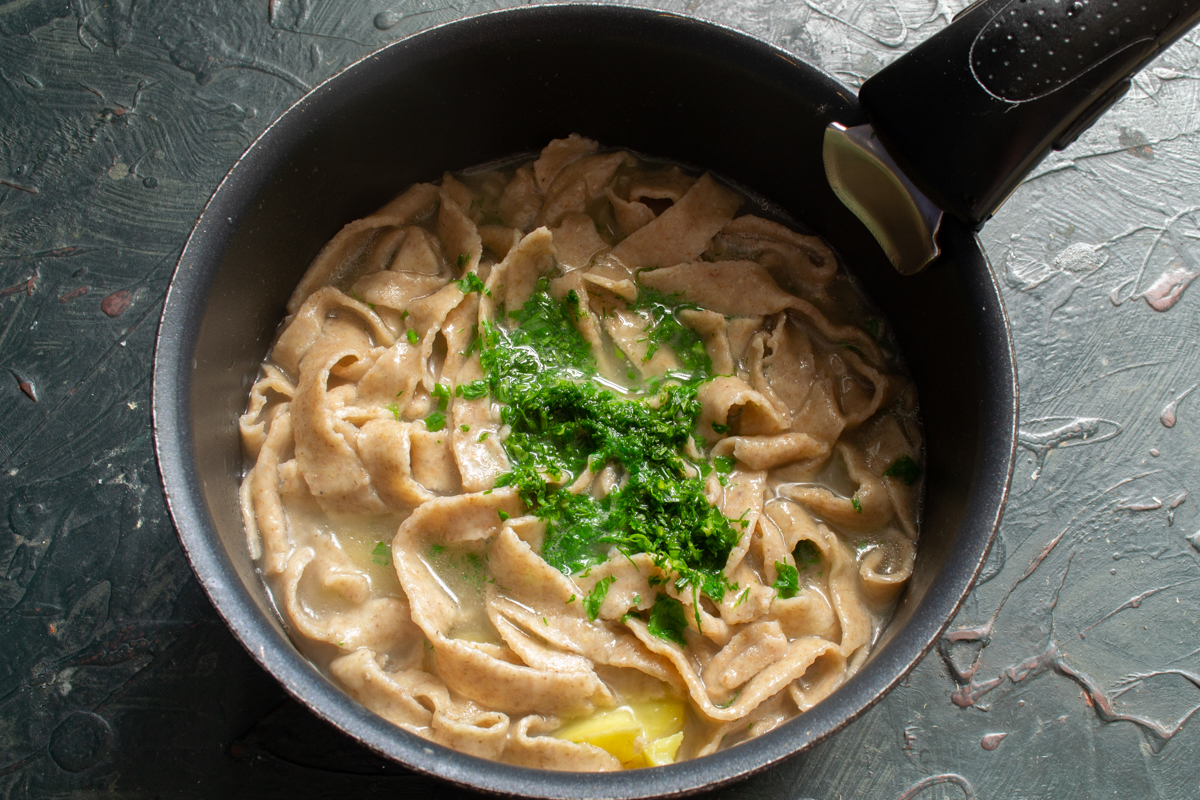
Stir in finely chopped celery or parsley one minute before turning off the heat for a burst of fresh flavor.
Ladle a hearty portion of rye noodles and a few potatoes into a bowl, then pour the rich broth over the top. Serve the soup hot or warm; it’s even sturdy enough to be eaten with chopsticks.
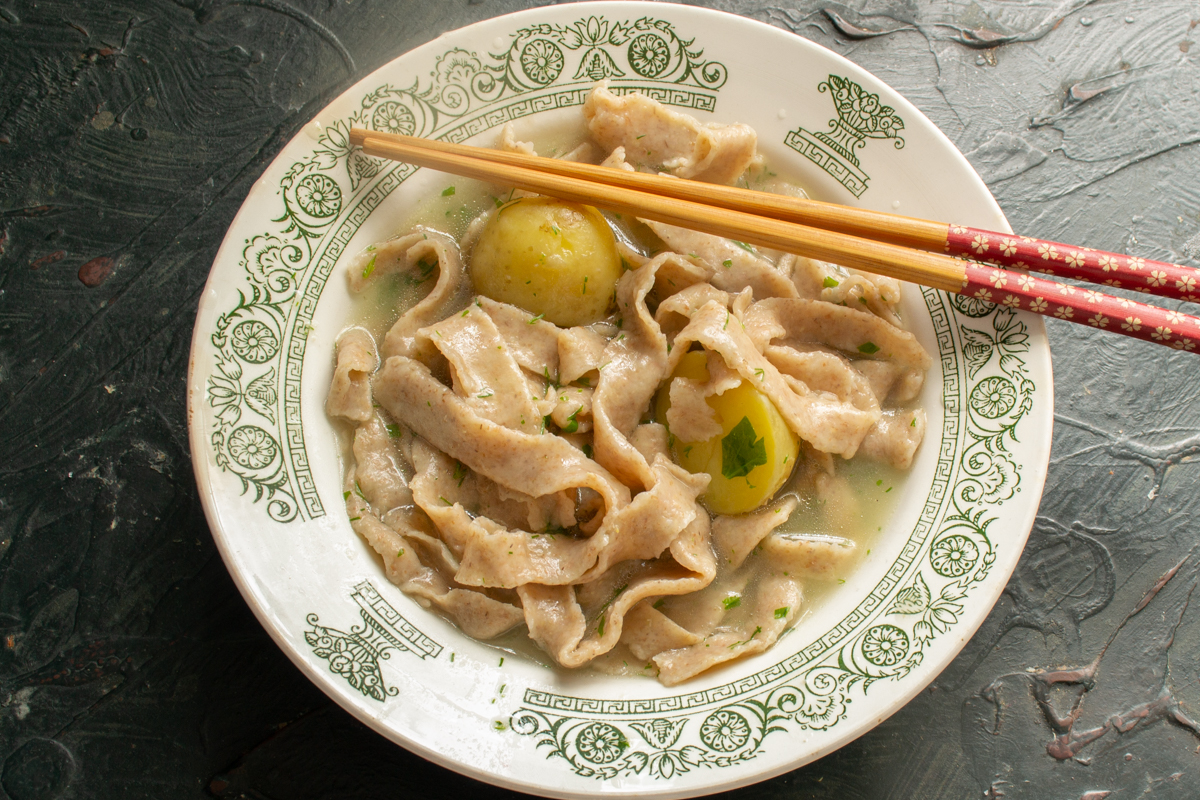
Place the noodles and potatoes in a bowl, then pour the steaming hot broth over them. Bon appétit!
To get the most out of your homemade whole grain rye noodles, serve them with a generous tablespoon of rich smetana (sour cream) or sprinkle them with finely minced garlic for a spicy kick. If you want to experiment, try folding dried dill or a pinch of turmeric into the dough—this gives the noodles a vibrant color and exciting new flavor notes. A slice of freshly baked Borodinsky bread (traditional Russian dark sourdough rye) makes the perfect side for this soup.
Any leftover raw noodles can easily be saved for later. Simply spread the dough ribbons out on a flat surface in a well-ventilated area and let them dry completely. Once fully dry, transfer the noodles to a glass jar or paper bag and store them in your kitchen pantry just like regular pasta. It is a fantastic way to always have a quick, wholesome homemade dinner base on hand.
0 comments