
This recipe is for a classic savory compound butter—or pâté-style spread—perfect for hearty snacks. In this traditional version, delicate herring butter is made from prized salted herring milt (soft roe), sweet carrots, and high-quality butter. There are no unnecessary additives here, just pure, balanced flavor! To achieve that ideal velvety consistency, all you need is a standard immersion blender or a meat grinder fitted with a fine grinding plate.
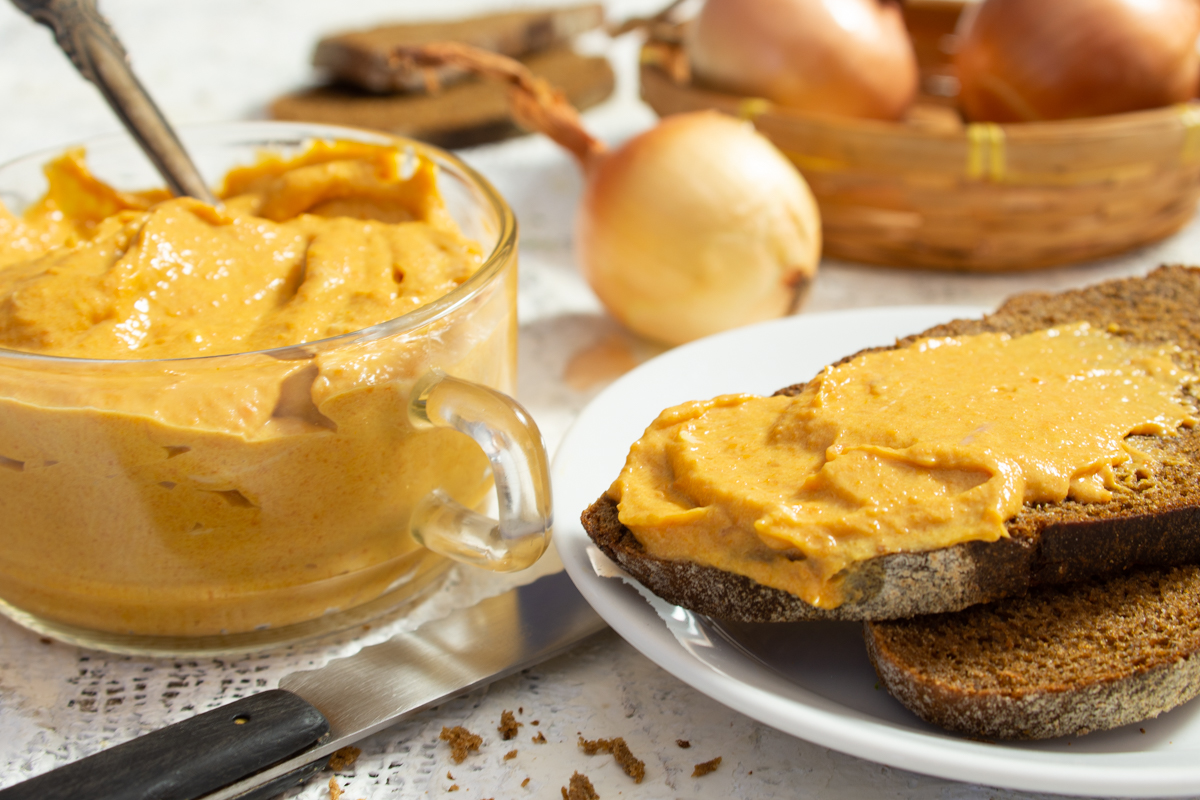
Appetizing open-faced sandwiches topped with delicate herring butter on dark rye bread.
Ingredients:
- 100 g (3.5 oz) unsalted butter (at least 82% fat, European-style is best)
- 100 g (3.5 oz) carrots
- 100 g (3.5 oz) salted herring milt (moloki / soft roe, or salted herring fillet)
- 150 ml (2/3 cup) milk
- salt to taste
How to Make Herring Butter for Sandwiches
Scrub the carrots thoroughly with a vegetable brush and peel them. Slice the peeled carrots into rounds and place them in a saucepan. Pour in boiling water and add a pinch of salt. Cook over medium heat for 7–8 minutes until the carrots are just tender—do not overcook them into mush!
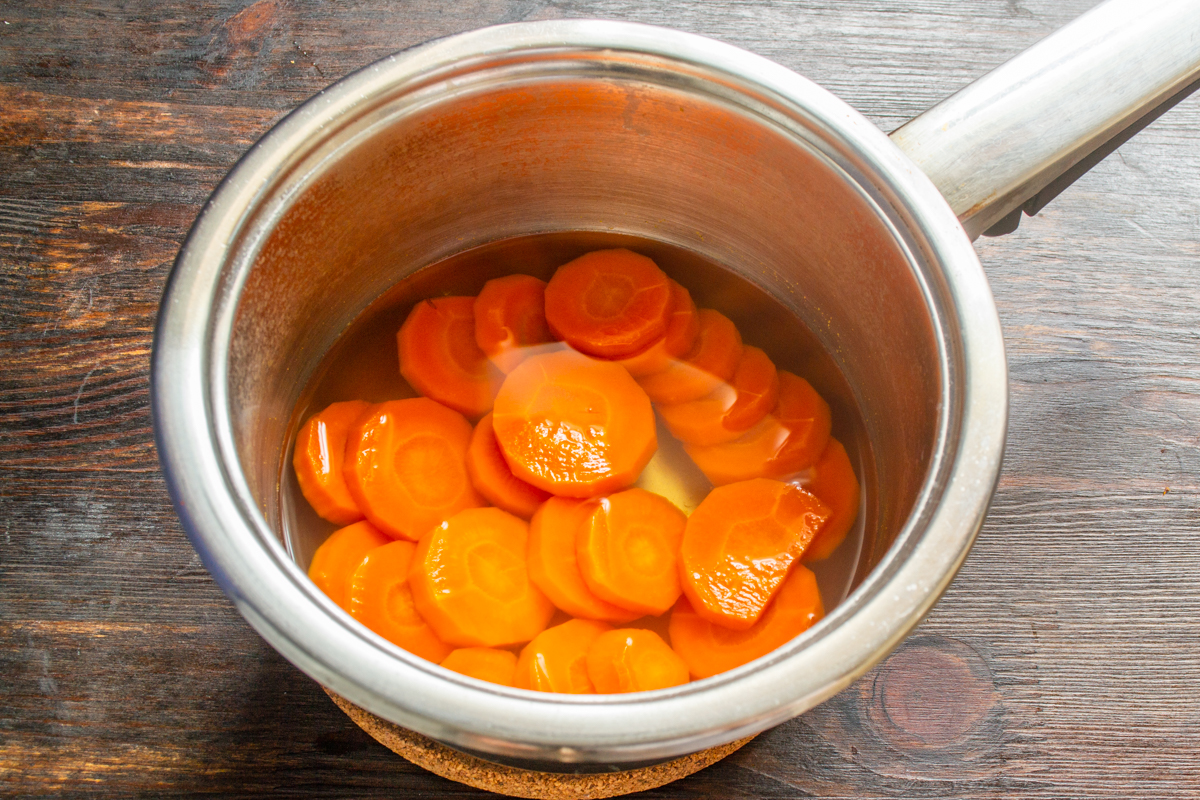
Simmer the carrots until just tender for the herring butter.
Drain the boiled carrots in a colander. Once the water has drained off, transfer them to a cutting board and finely chop them with a knife. This helps the cooked carrots cool down to room temperature much faster.
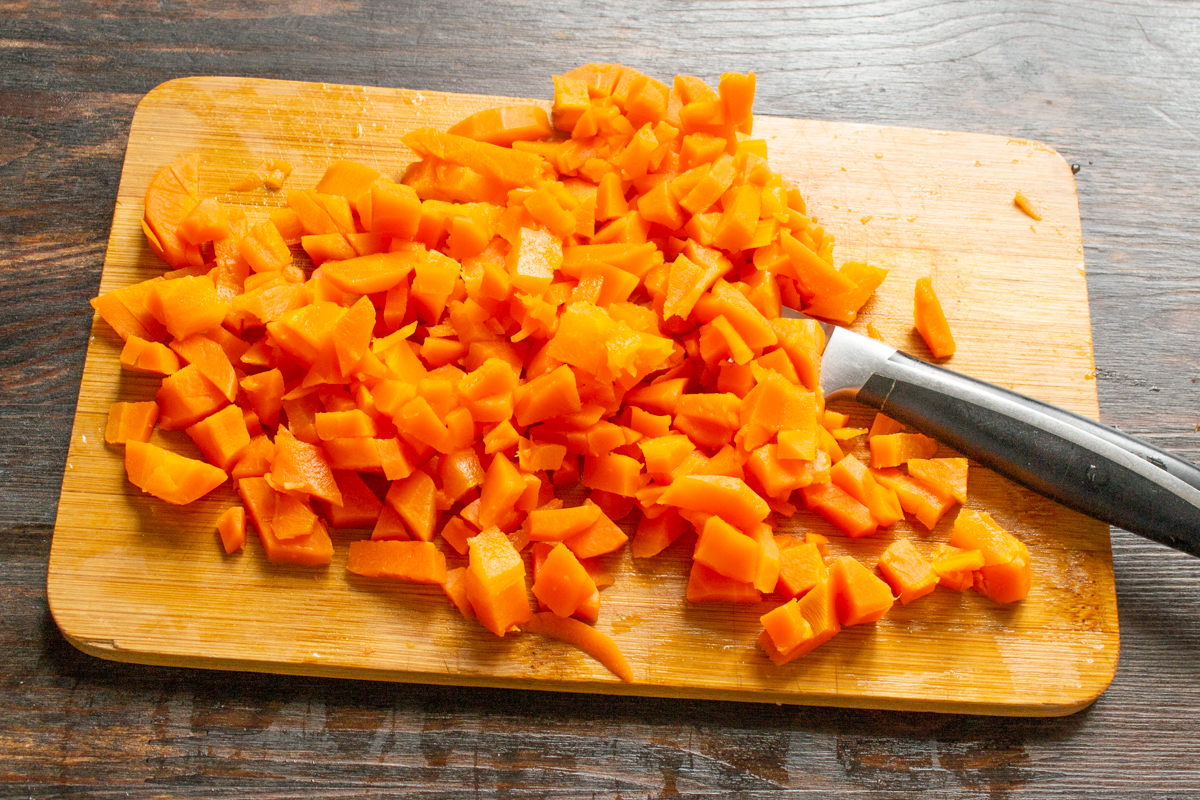
Finely chop the cooled carrots to ensure a smooth texture in the finished spread.
Prepare the salted herring milt (moloki, the delicate soft roe of male herring) in advance. You can soak it in milk and leave it in the refrigerator overnight. First, rinse the herring milt thoroughly under cold running water. Milt is a prized, nutrient-rich seafood delicacy that should never be thrown away. While you can certainly make herring butter using herring fillets, using milt yields a much silkier texture and a rich flavor reminiscent of red caviar.
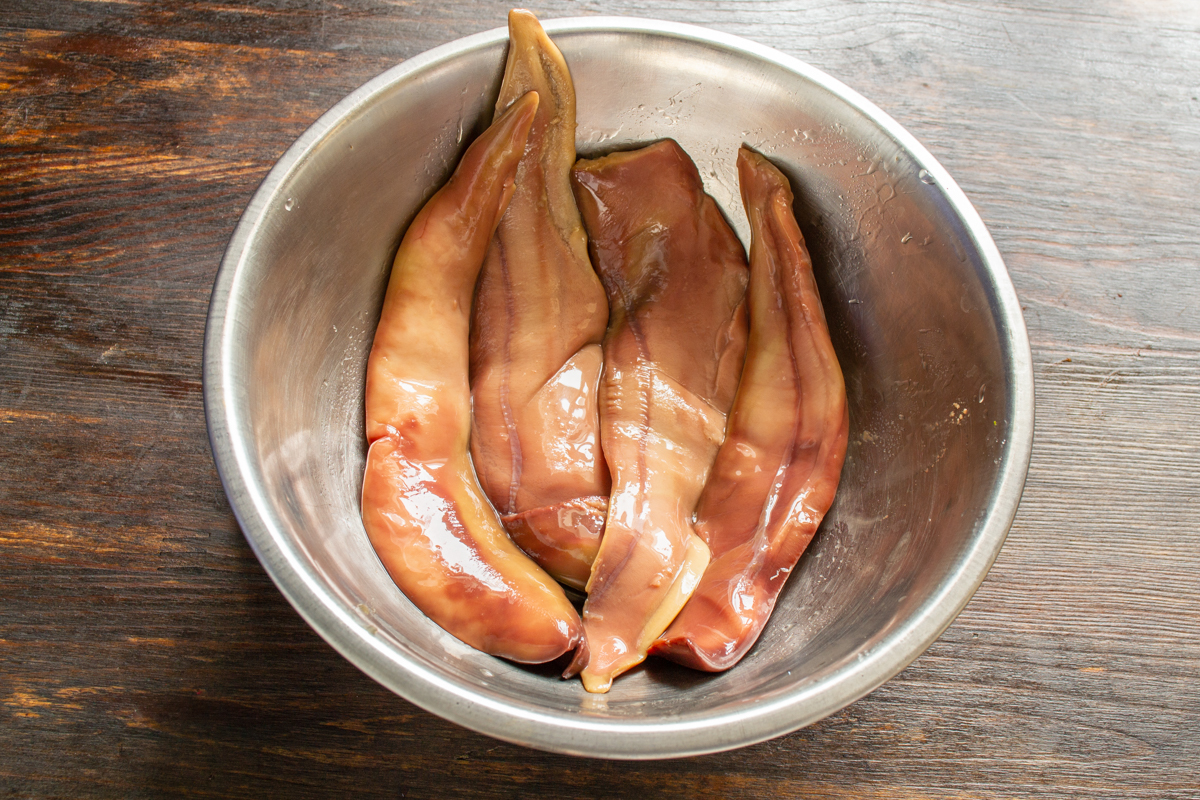
Rinse the salted herring milt thoroughly before soaking.
Pour cold milk over the rinsed milt and let it soak for 1–2 hours. Both herring fillets and milt are traditionally soaked in milk to mellow and improve their flavor.
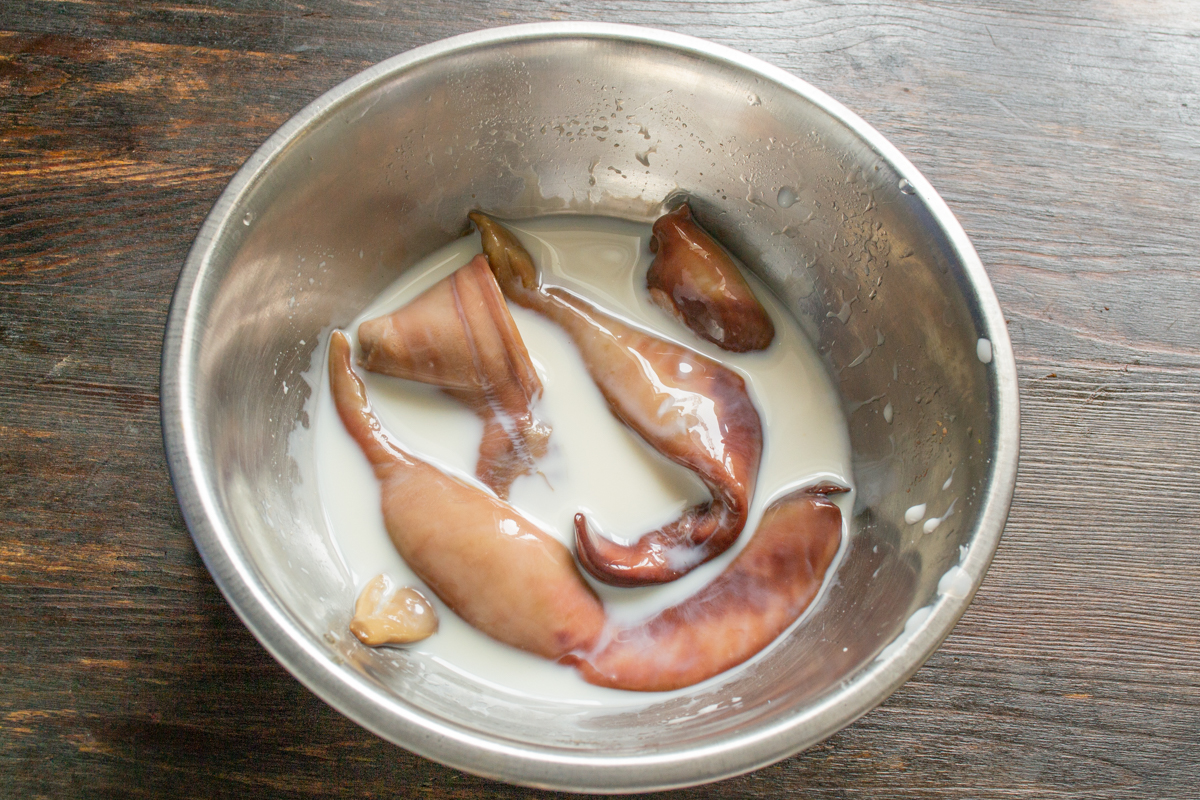
Soak the herring milt in cold milk to draw out excess salt.
Leave the milt whole while soaking, or cut it into smaller pieces—which is especially helpful if the fish is heavily salted. The milk draws out excess salt and makes the milt wonderfully tender.
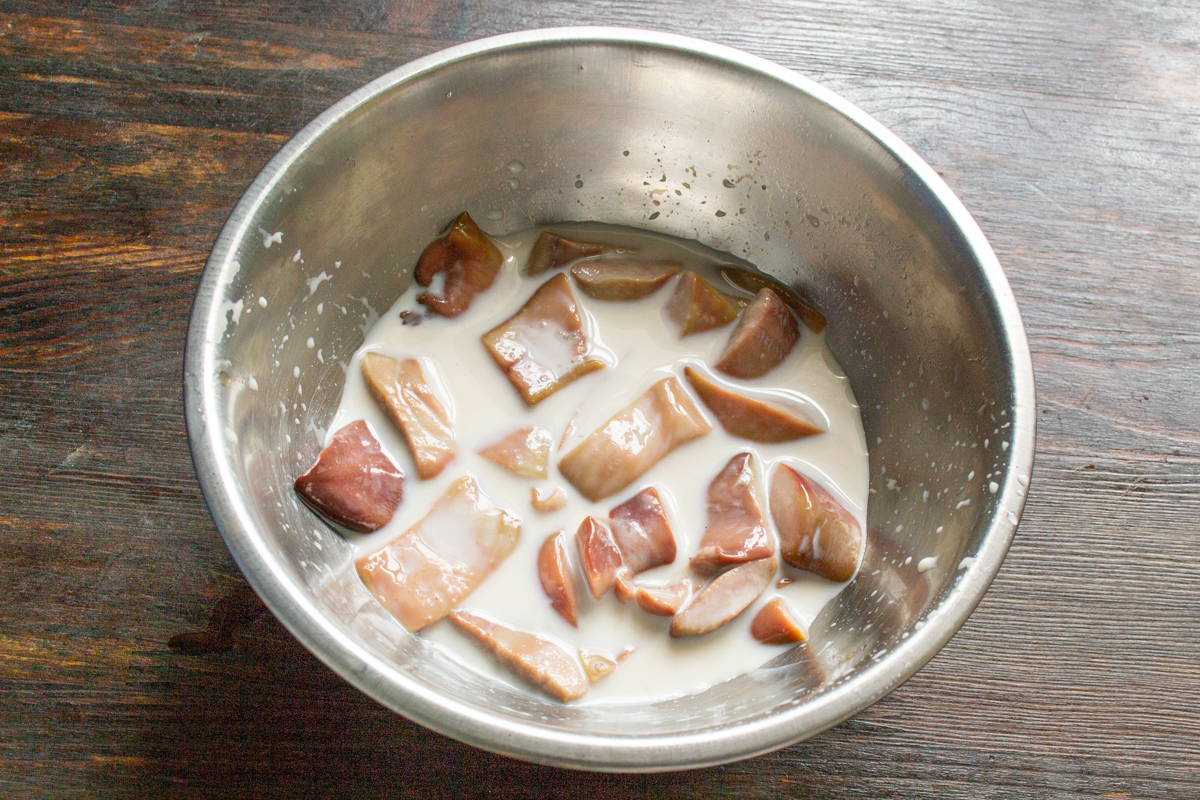
Cutting the milt into smaller pieces speeds up and improves the soaking process.
Take high-fat unsalted butter (at least 82% butterfat, European-style) out of the refrigerator 30 minutes in advance and leave it at room temperature to soften. You can also soften it quickly in the microwave or set the bowl of butter in warm water for a few minutes.
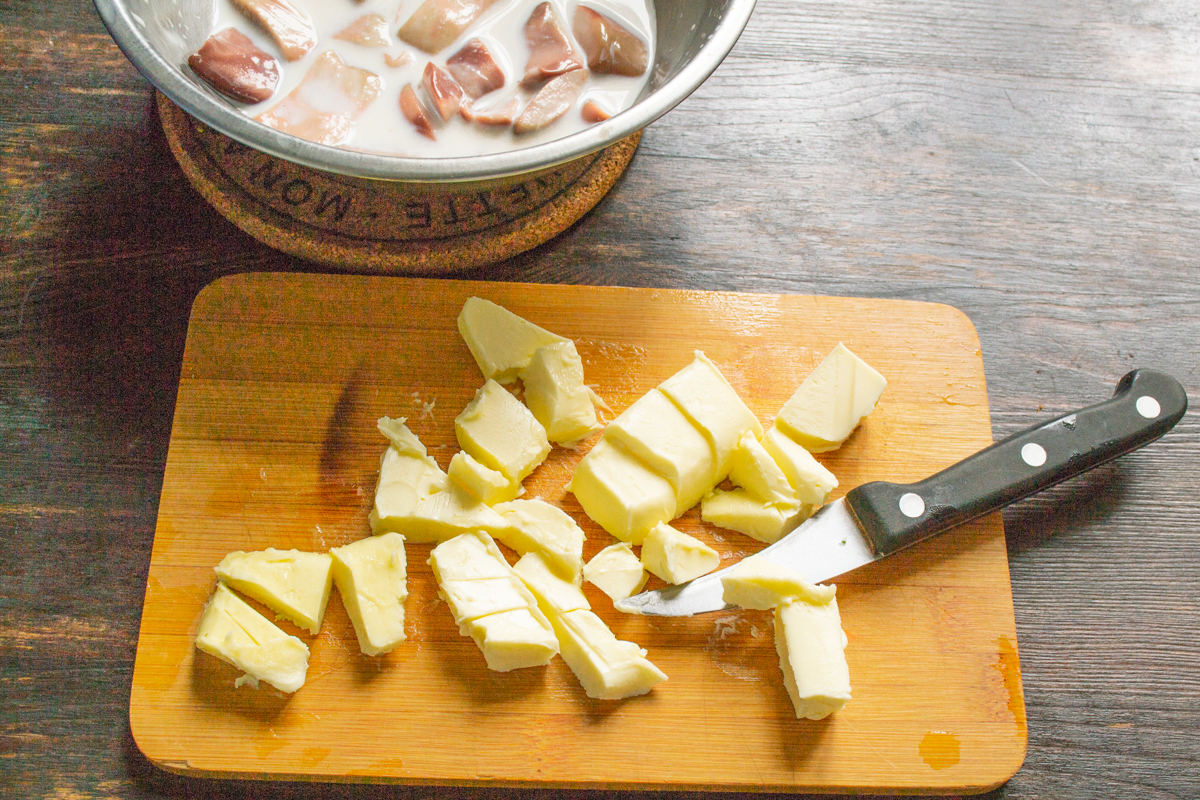
Cut the softened butter into small cubes.
Combine the herring butter ingredients in a bowl. Start by adding the cubed butter, softened to the consistency of smetana (thick sour cream). The butter must not be melted, just very soft!
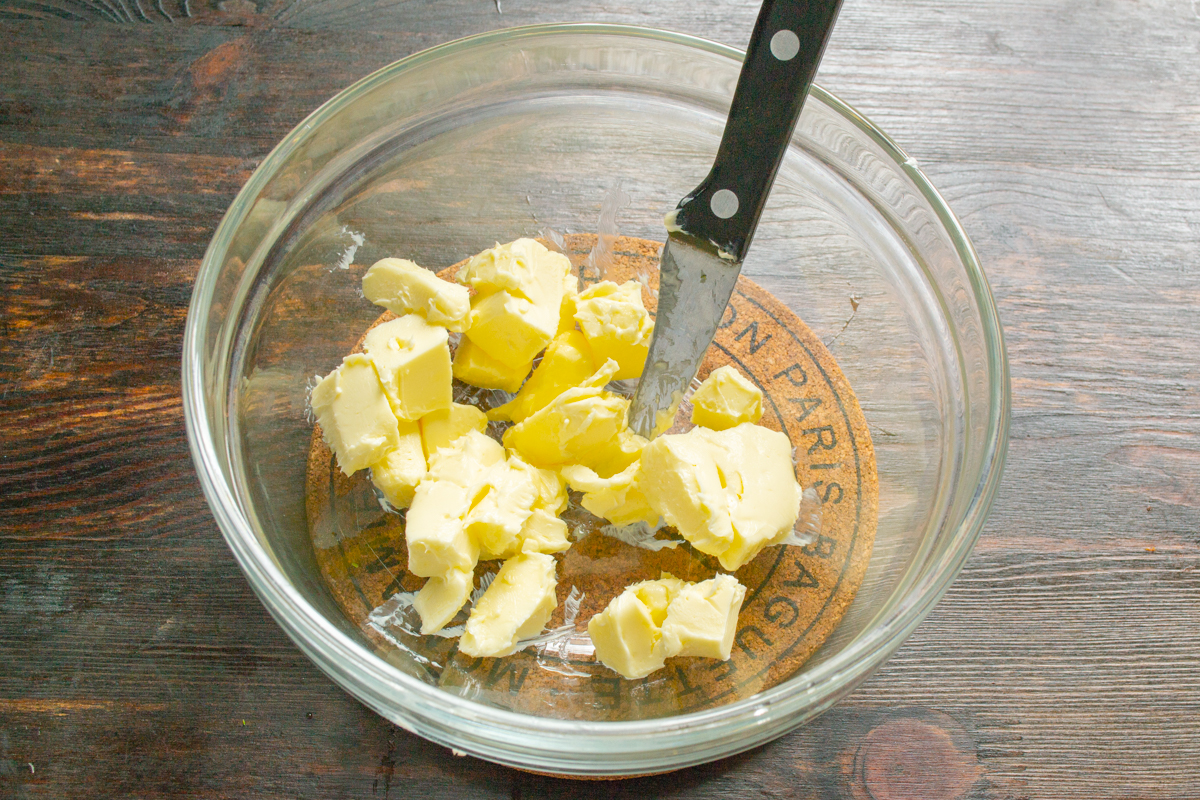
Let the butter become very soft at room temperature.
Drain the soaked milt in a fine-mesh sieve and pat it dry. Add the chopped milt to the bowl with the softened butter.
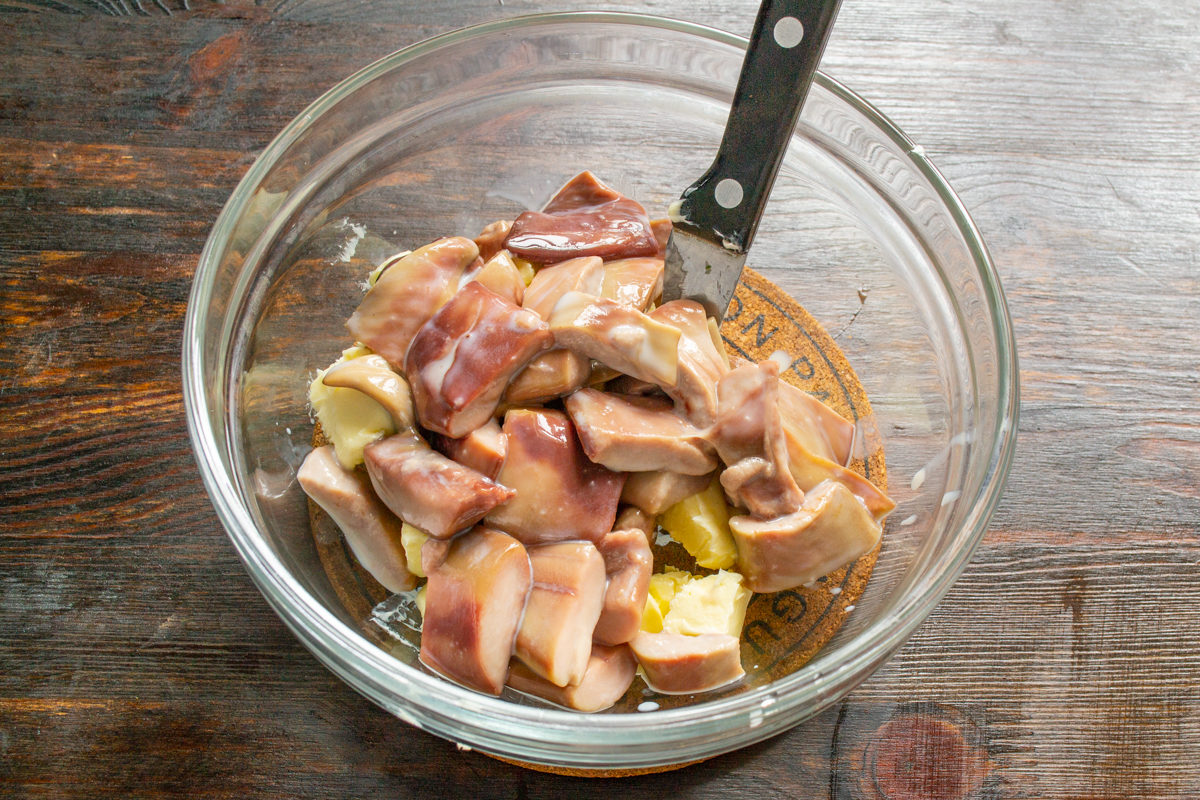
Add the patted-dry pieces of soaked milt to the softened butter.
Add the cooled boiled carrots to the rest of the ingredients. This classic herring butter recipe relies on just three core ingredients: butter, carrots, and salted herring milt.
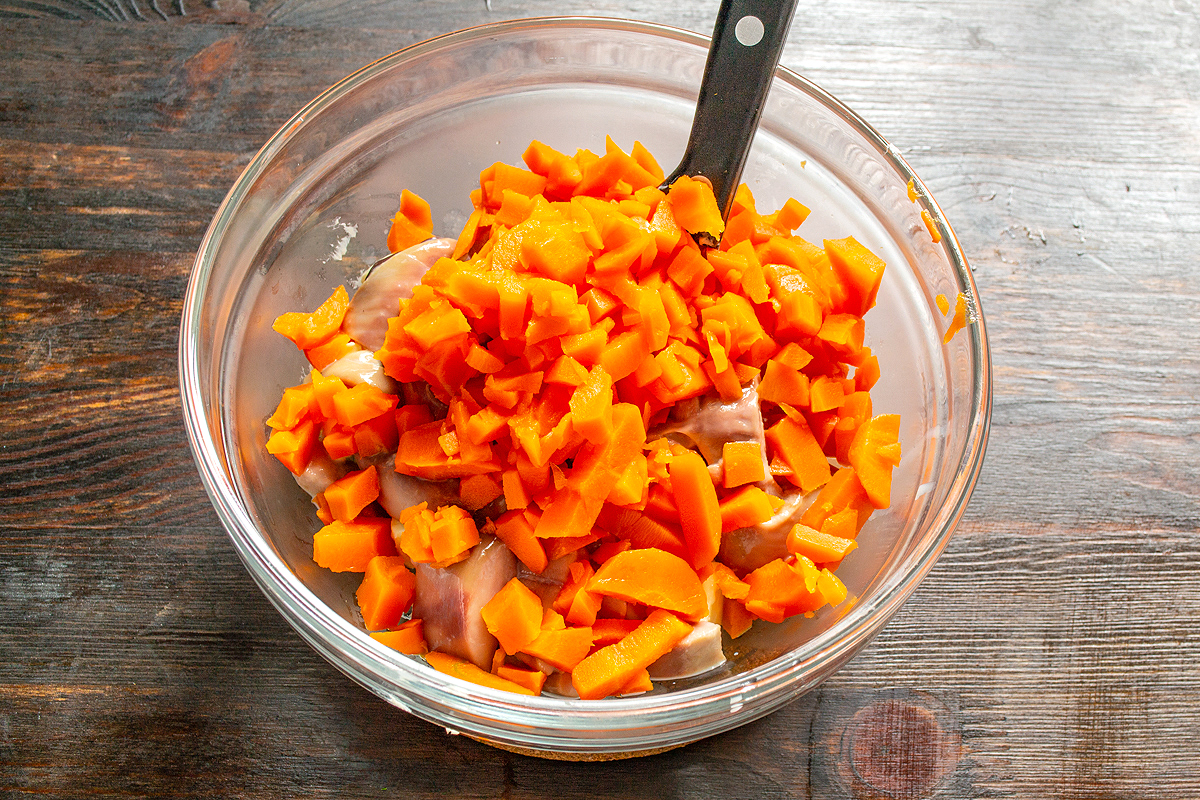
All three main ingredients are combined in a bowl and ready for blending.
Blend the mixture with an immersion blender for a few minutes until it reaches a smooth, creamy consistency, and it’s ready. If you are using a meat grinder, the process changes slightly: pass the milt and cooked carrots through the grinder fitted with a fine plate, whip the softened butter with a whisk until fluffy, and then gently fold the ground milt and carrot mixture into the whipped butter. The texture will be slightly more rustic than the blended version, though the flavor will be identical.
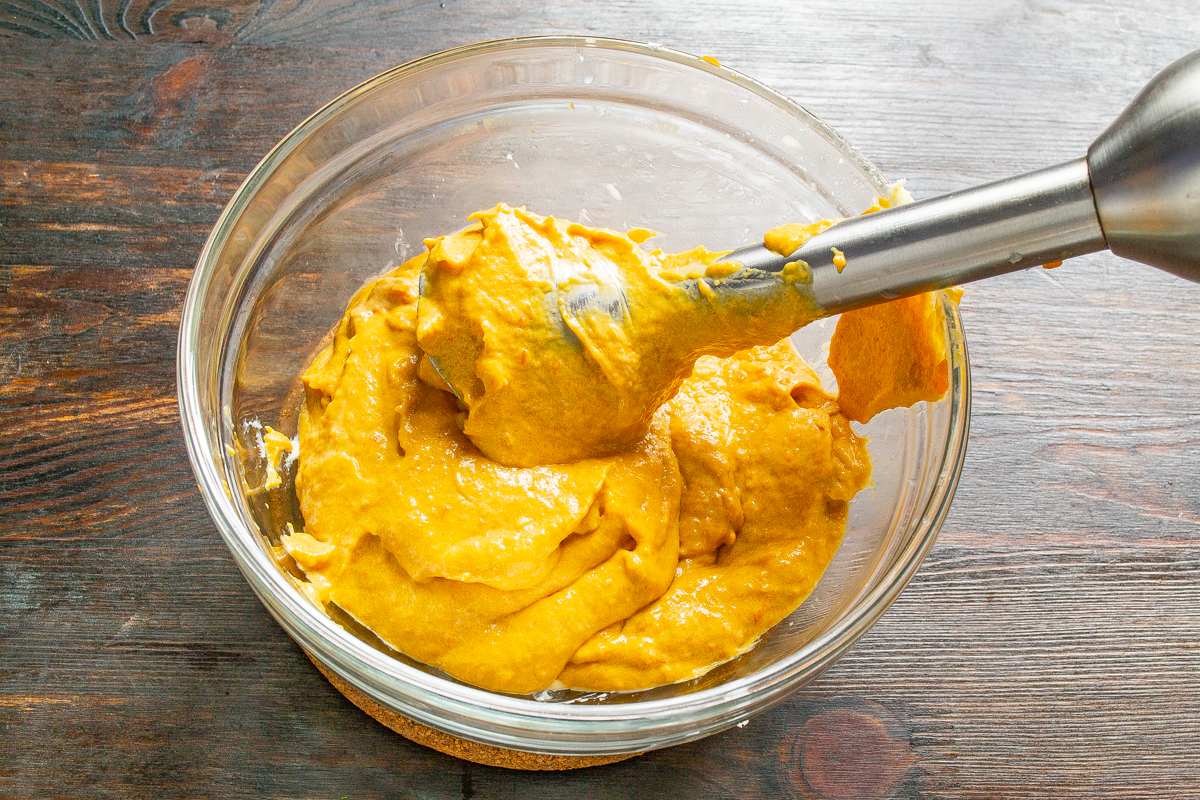
Blend the mixture with an immersion blender until smooth and creamy.
Chill the finished herring butter in the refrigerator for a couple of hours until firm.
Appetizing open-faced sandwiches topped with delicate herring butter on dark rye bread.
Serve the finished herring butter on slices of lightly toasted rye, whole-grain, or Borodinsky bread (a traditional dark, slightly sweet sourdough rye flavored with coriander and malt). For a festive presentation, pipe the spread into mini tartlet shells using a pastry bag fitted with a star tip, and garnish with fresh dill sprigs, thin ribbons of green onion, or a couple of capers. This savory appetizer pairs wonderfully with hot sweet tea and makes an excellent addition to a holiday buffet table. Store this homemade spread in a tightly sealed glass container or ceramic butter dish in the refrigerator for up to 3–4 days. If you make a large batch, portion the butter and wrap it tightly in plastic wrap to freeze—once thawed gently on the bottom shelf of the refrigerator, it will fully retain its silky texture and savory aroma.
0 comments