
Hamburger pickles are not just an addition, but a crucial flavor accent responsible for that perfect balance between a juicy patty and a soft bun. The secret to their mass-market popularity lies in a special combination of sugar and vinegar, which transforms an ordinary vegetable into a bright, crunchy topping. Thin slices exactly three millimeters thick allow the marinade to instantly penetrate the flesh while preserving the firm texture of the skin. This preserve will save the day not only when assembling burgers, but will also become an excellent companion to sandwiches or homemade hot dogs at any time of the year.
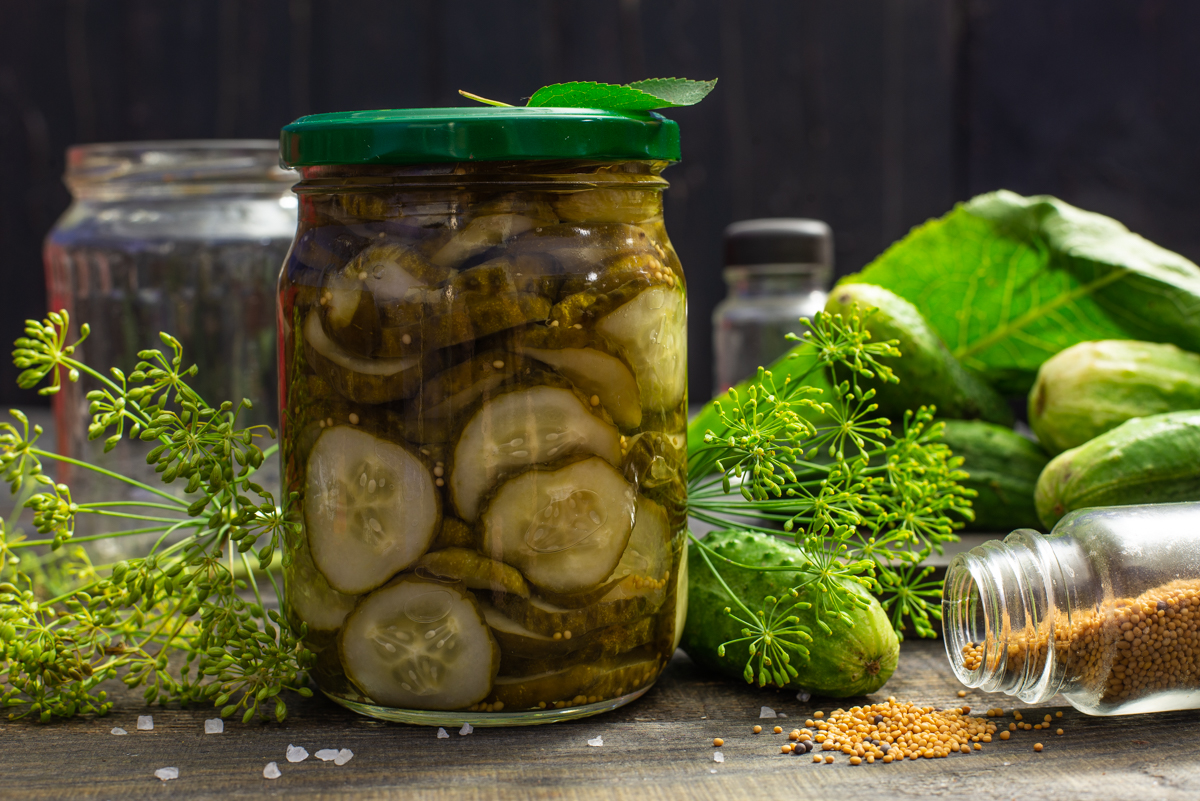
Appetizing sliced pickles are the perfect addition to homemade burgers and sandwiches.
Ingredients
- 1 kg fresh cucumbers
- 18 g salt
Marinade Ingredients per 500 ml Jar
- filtered water
- 15 g sugar (3 teaspoons)
- 10 g 9% white vinegar (2 teaspoons)
- mustard seeds, optional
How to Make Hamburger Pickles
Prepare the cucumbers. It is recommended to process the harvest on the same day. Wash the cucumbers thoroughly and trim both ends.
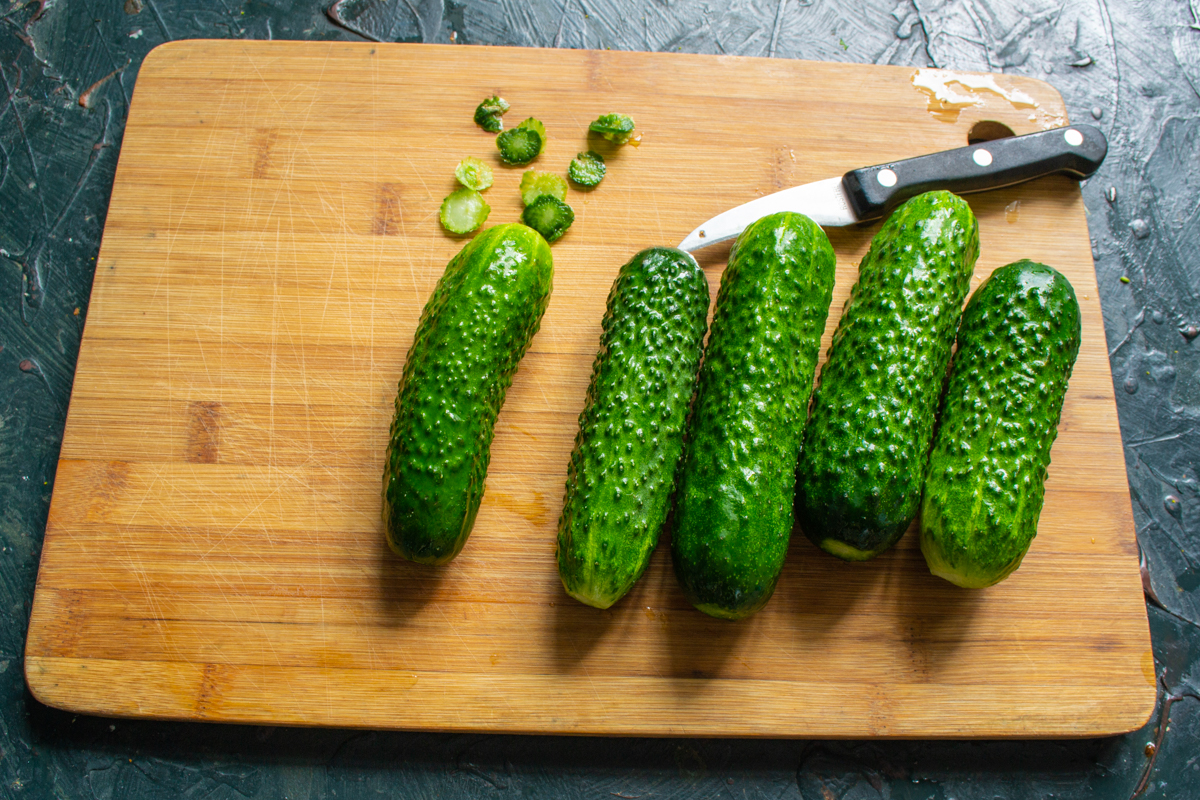
Choose small, firm cucumbers. Wash them thoroughly and be sure to trim the ends on both sides.
For slicing, it is convenient to use a mandoline slicer, so the slices will be an even thickness of about 3 millimeters. Even if you are a virtuoso with a knife, a slicer will save you time.
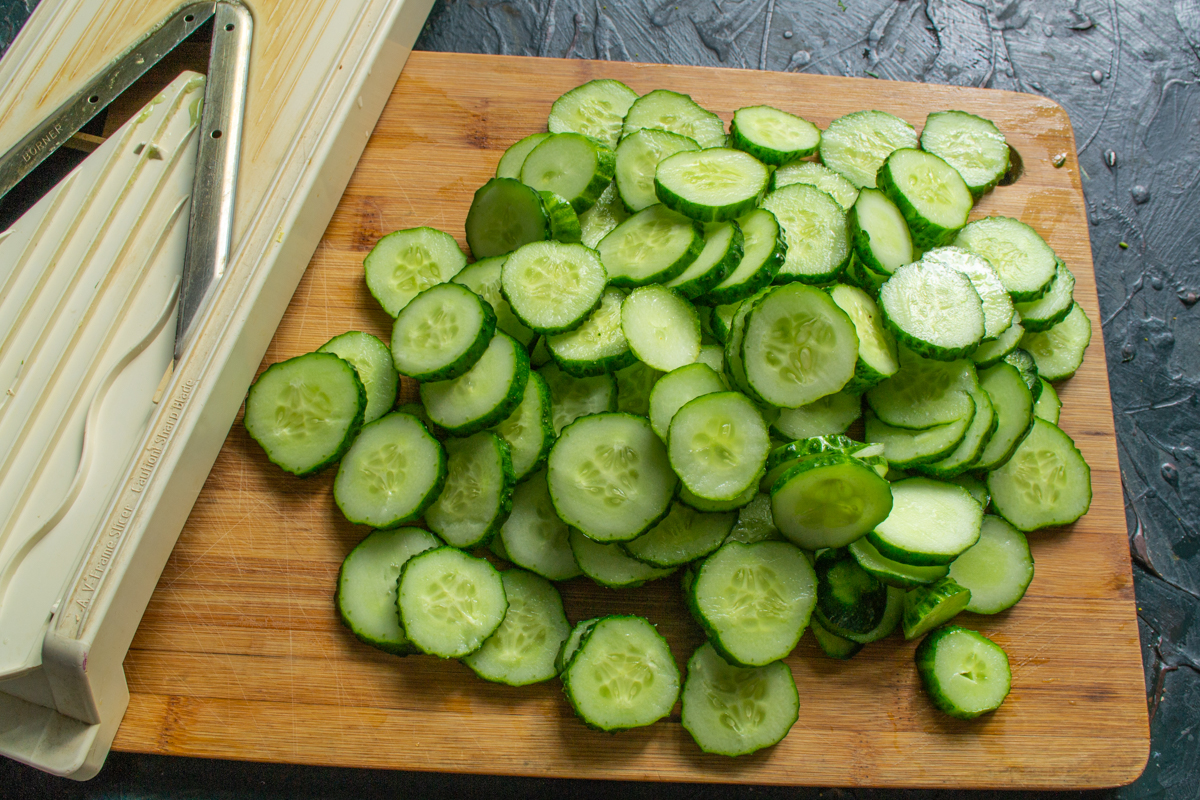
Using a mandoline slicer guarantees an even slice thickness of 3 mm, which is important for uniform pickling.
Place the sliced cucumbers in a bowl and sprinkle with salt at a ratio of 15-20 g per 1 kg of cucumbers. If you like them very salty, add a little more salt.
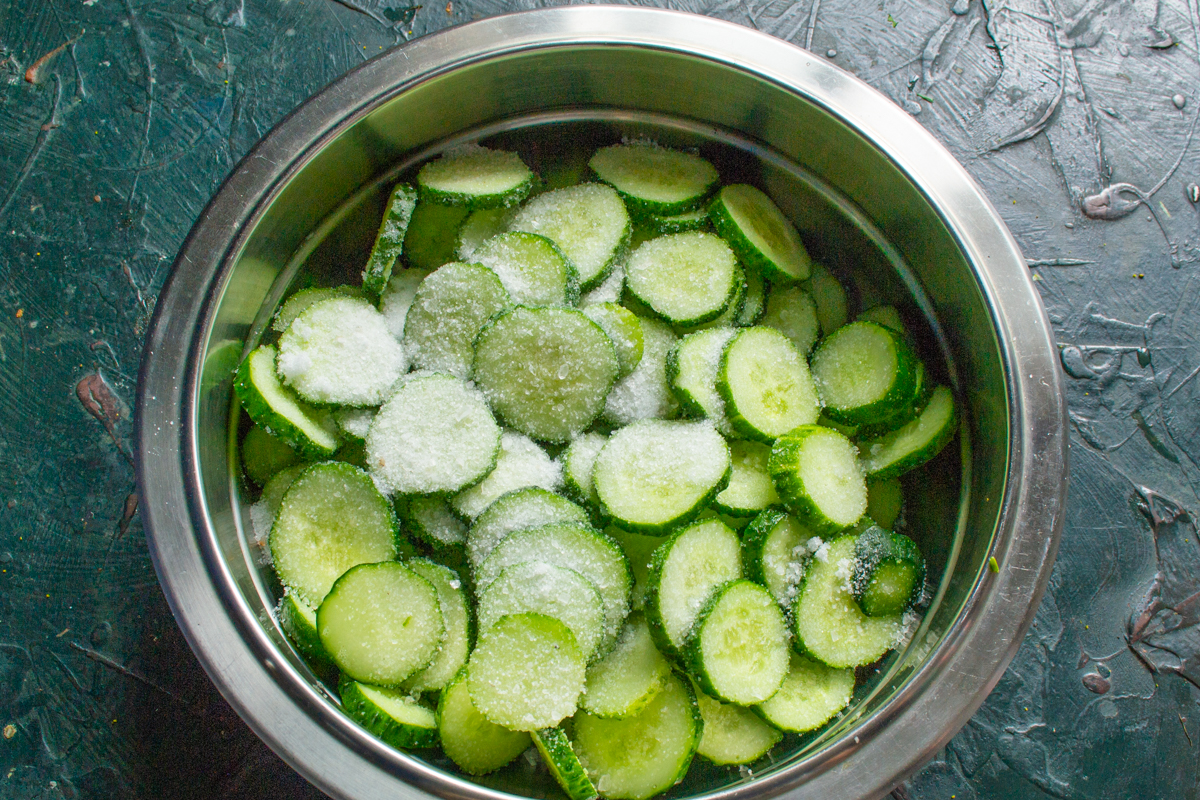
Sprinkle the sliced cucumbers with salt. This will help them release their juices and become more tender and pliable.
Toss the sliced cucumbers with the salt, and cover the bowl tightly with plastic wrap. Leave the cucumbers with salt for a few hours; 3-4 hours is enough, but you can also leave them in the refrigerator overnight.
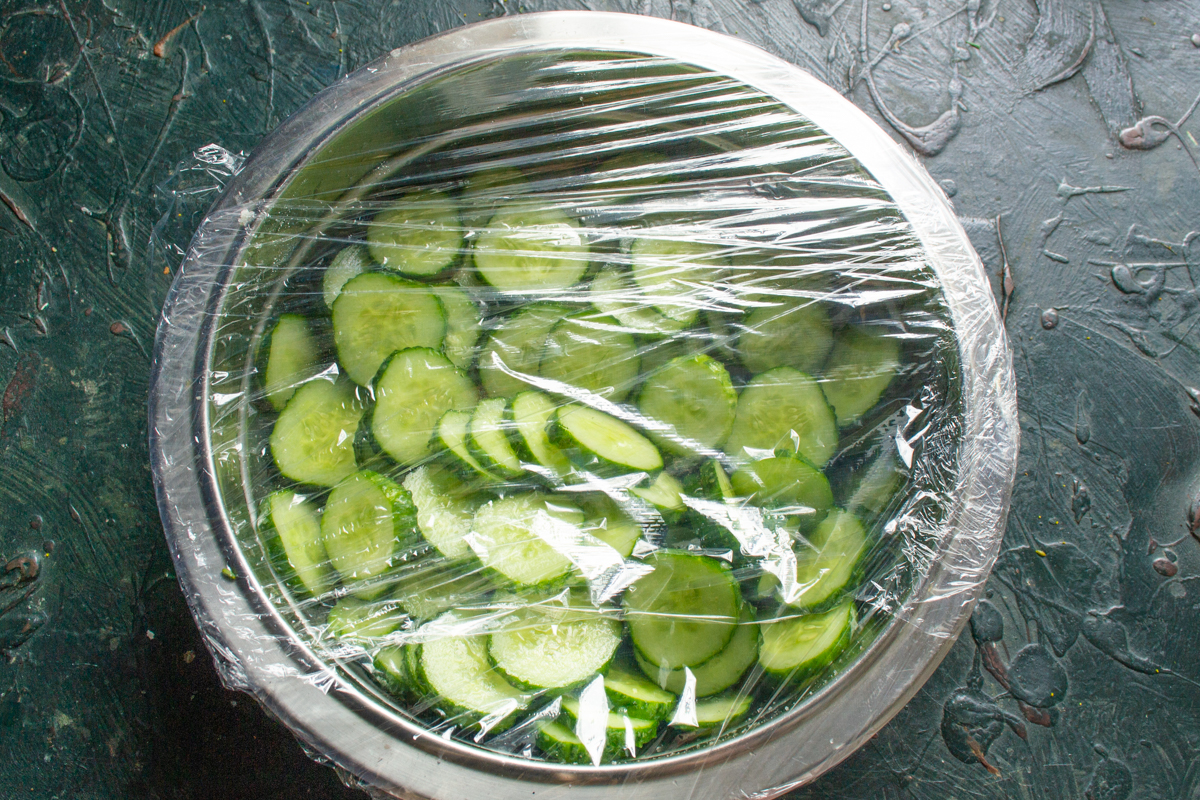
Cover the bowl tightly with plastic wrap and leave for a few hours so the salt draws out excess moisture.
After a few hours, the cucumbers will absorb the salt, become soft, and release their liquid.
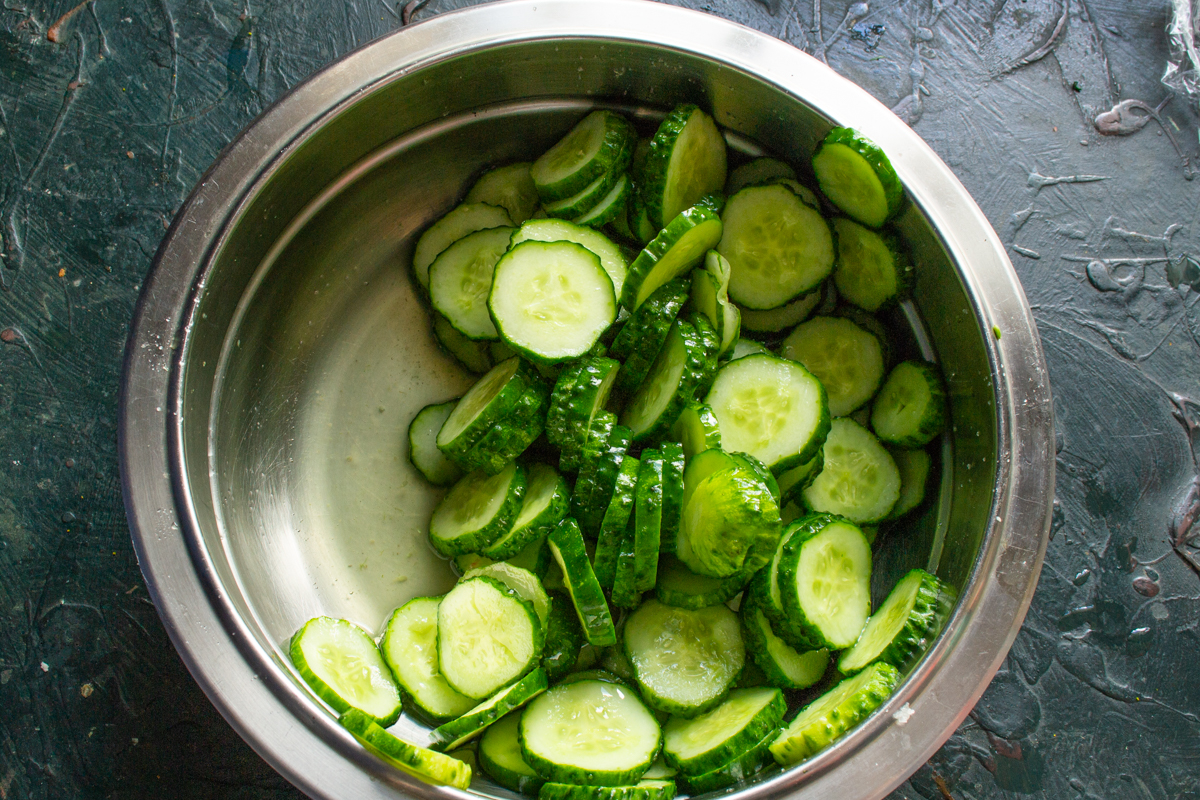
After 3-4 hours, the cucumbers will become soft and release plenty of liquid, signaling they are ready for the next step.
Drain the cucumbers in a colander and rinse thoroughly under running water to wash away the excess salt. If you taste a cucumber at this stage, it will be quite salty, which is exactly how it should be.
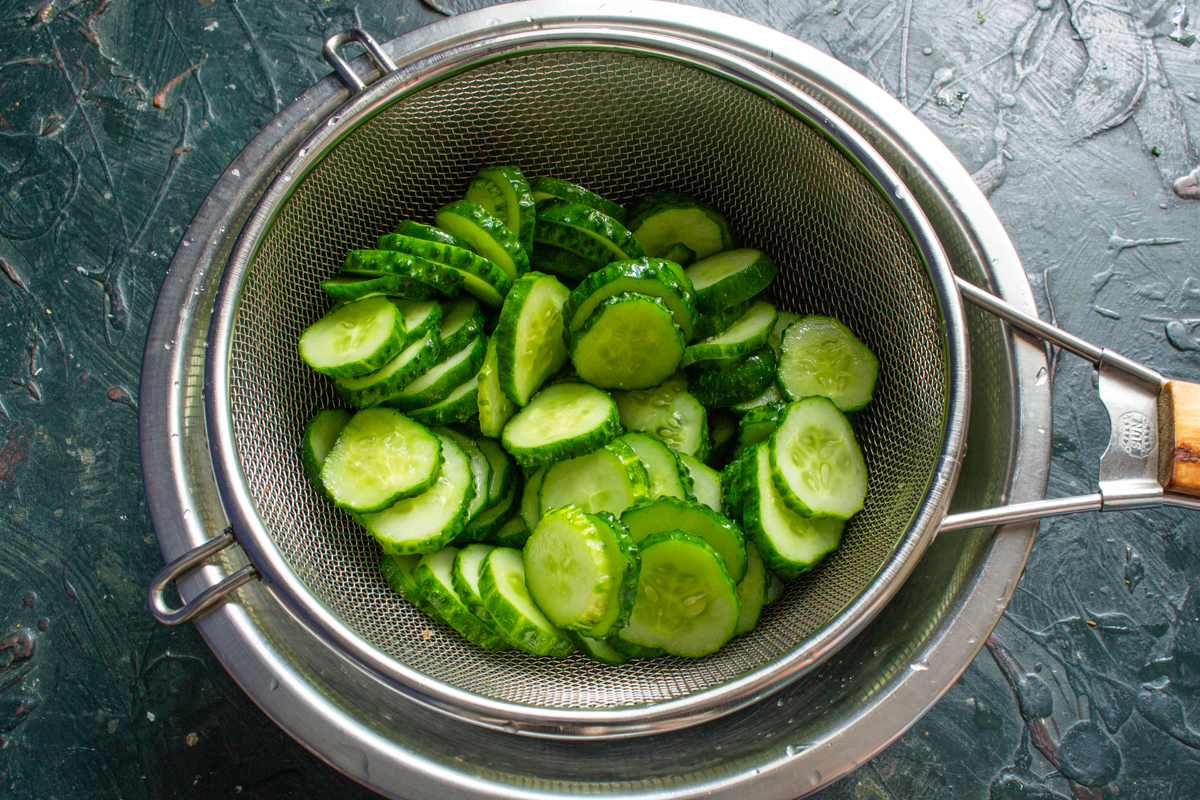
Drain the cucumbers in a colander and rinse them thoroughly under running water to remove excess salt.
Thoroughly wash your canning jars with baking soda or dish soap. Rinse with hot water and sterilize over steam (or dry in the sun or oven). Pack the rinsed cucumber slices into the jar; the slices are soft, so there is no need to tamp them down too hard.
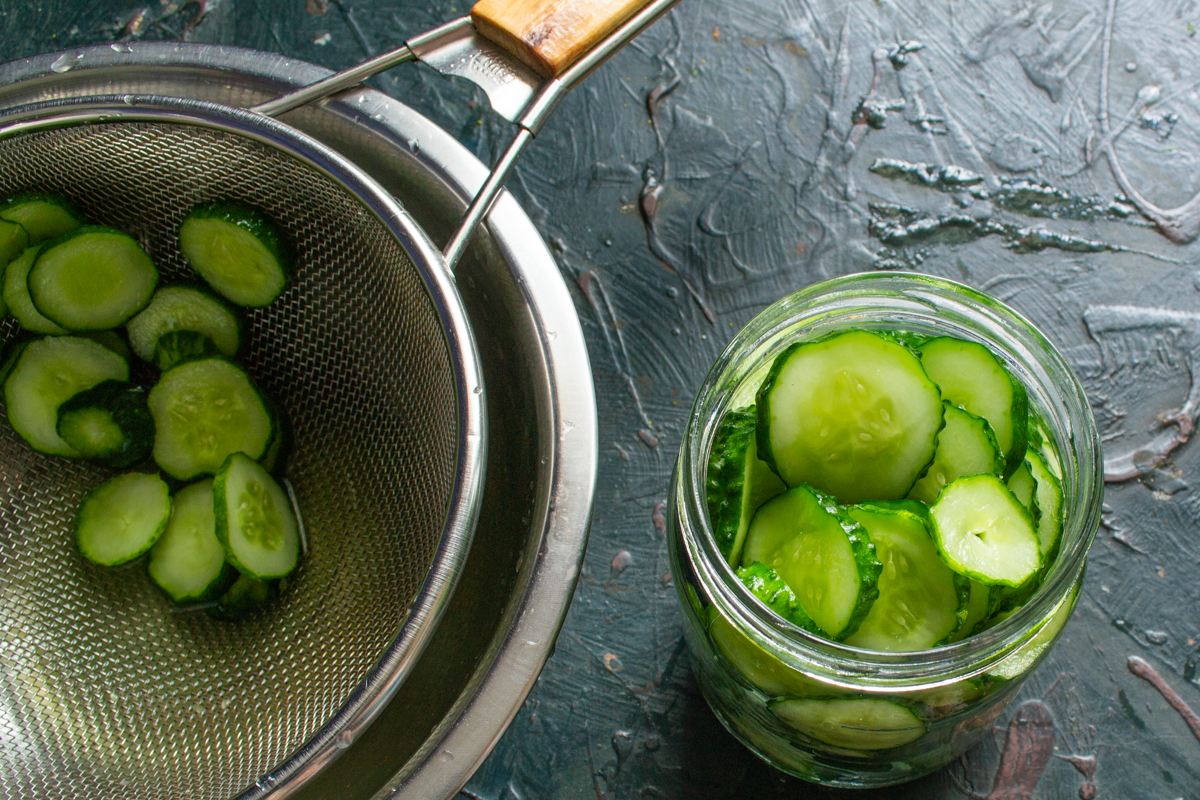
Tightly but carefully pack the rinsed slices into sterilized jars, taking care not to crush them.
Pour boiling water into the jars over the cucumbers and leave for a couple of minutes. Then, drain the water back into a saucepan through a perforated lid.
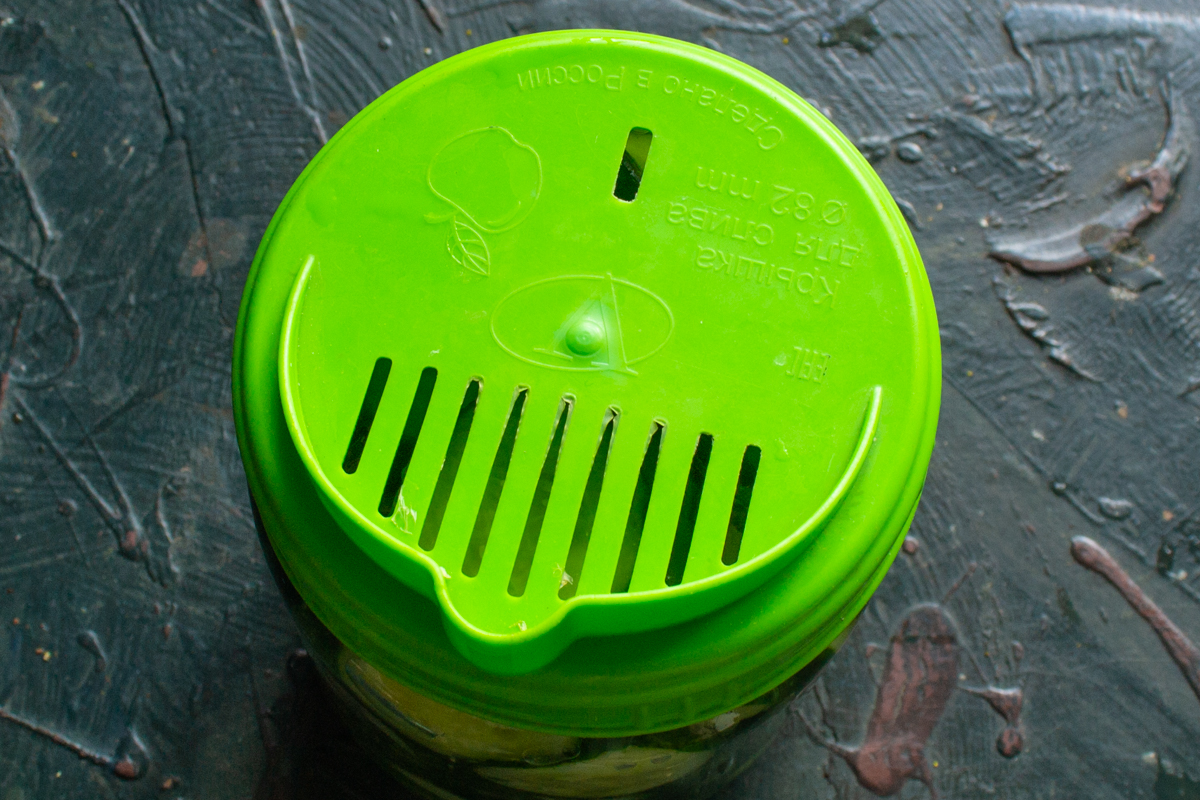
After pouring boiling water into the jar, drain it back into the saucepan through a perforated lid to prepare the marinade.
Add granulated sugar to the water, calculating 2-3 teaspoons of sugar per 500 ml jar. Bring the marinade to a boil and simmer for 2-3 minutes. If desired, you can add a few mustard seeds to give the marinade a spicy kick.
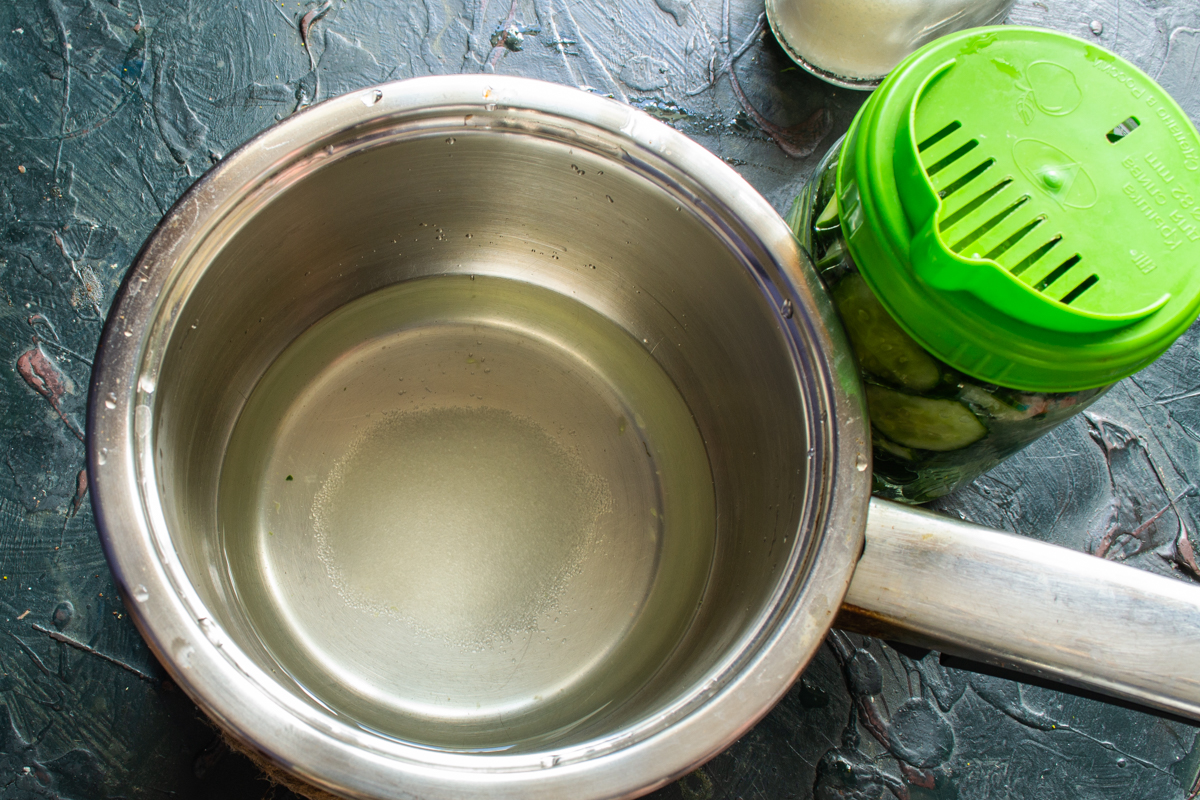
Add sugar to the water and bring to a boil. For extra flavor, you can add mustard seeds, which will give the marinade a spicy kick.
Pour 2 teaspoons (10 g) of 9% white vinegar into the 500 ml jar of cucumbers.
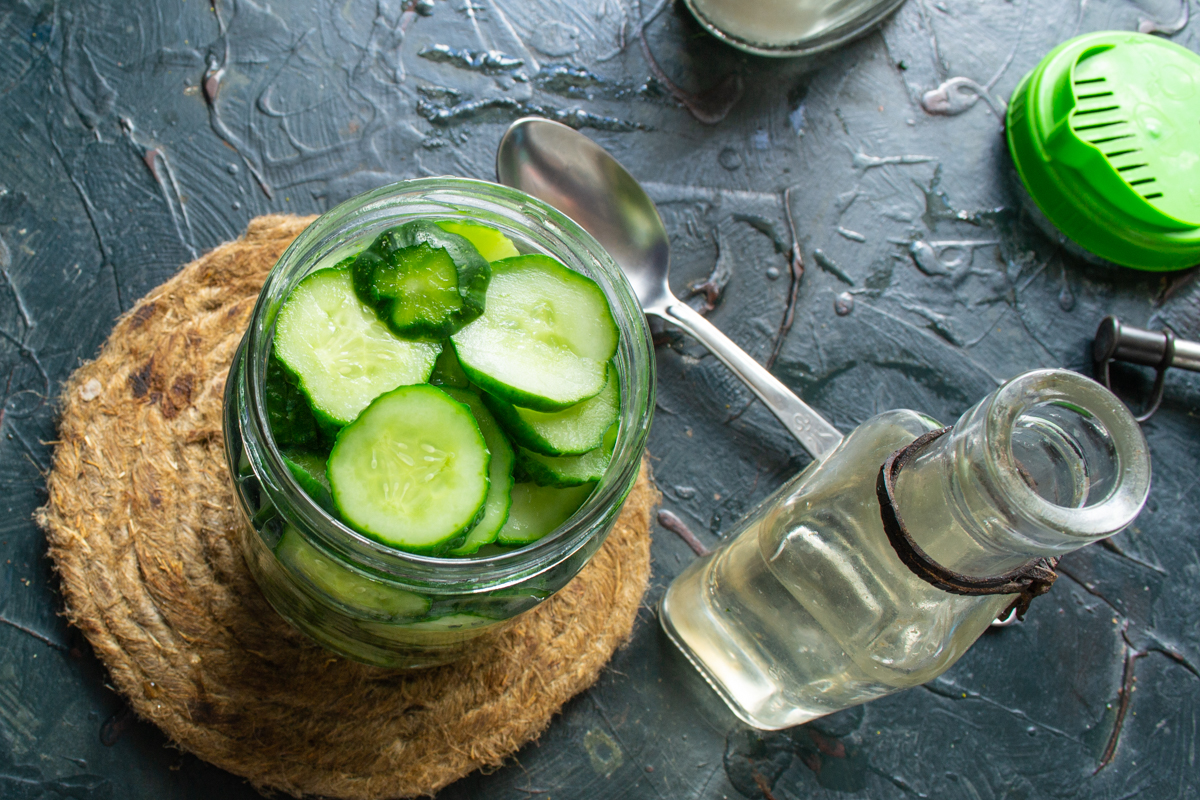
Pour the required amount of vinegar directly into the jar before the final pouring of the hot marinade.
Pour the boiling marinade into the jar so that it completely covers the cucumbers.
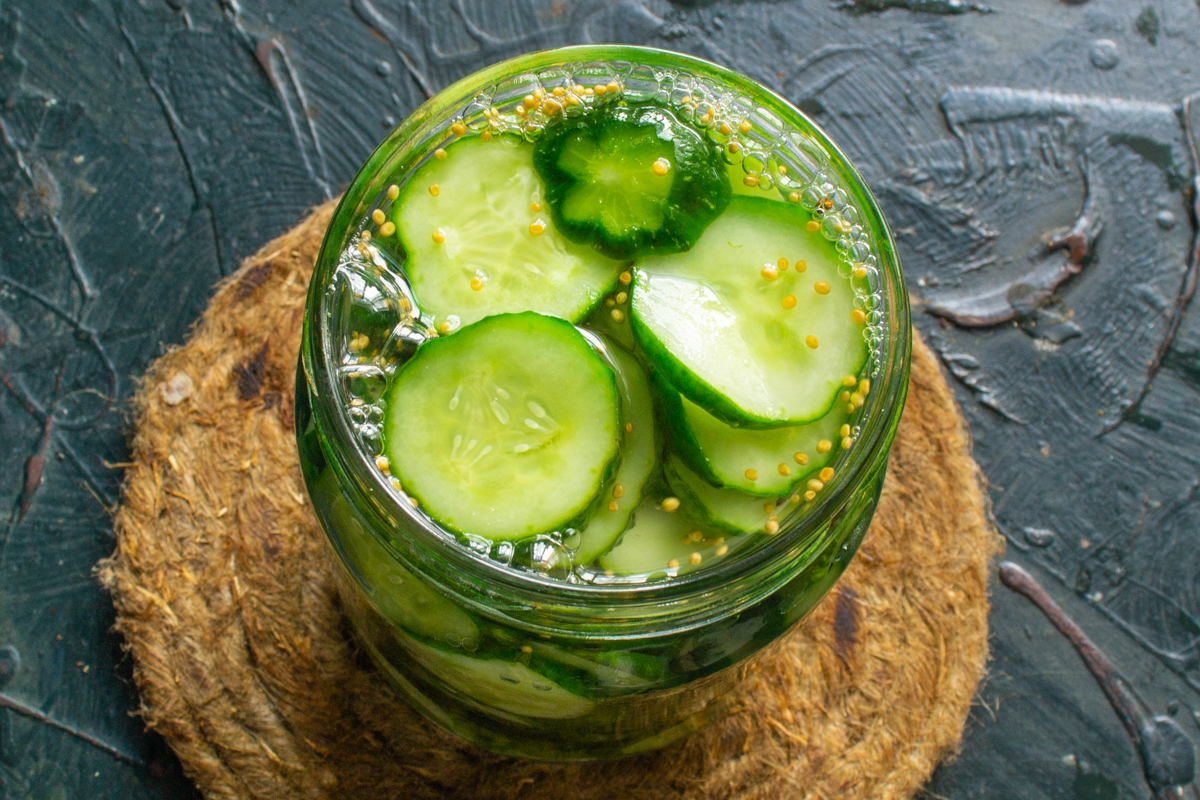
Pour the boiling marinade over the cucumbers so that it completely covers all the slices to the very top.
Screw on a sterilized lid tightly. Pasteurize the 500 ml jars for 10 minutes at a temperature of 85 degrees Celsius (185 degrees Fahrenheit). Alternatively, you can wrap the jars in a thick blanket and leave them to cool down—this method works well if you have many jars, the marinade is boiling, and the blanket is thick, retaining heat for a long time.
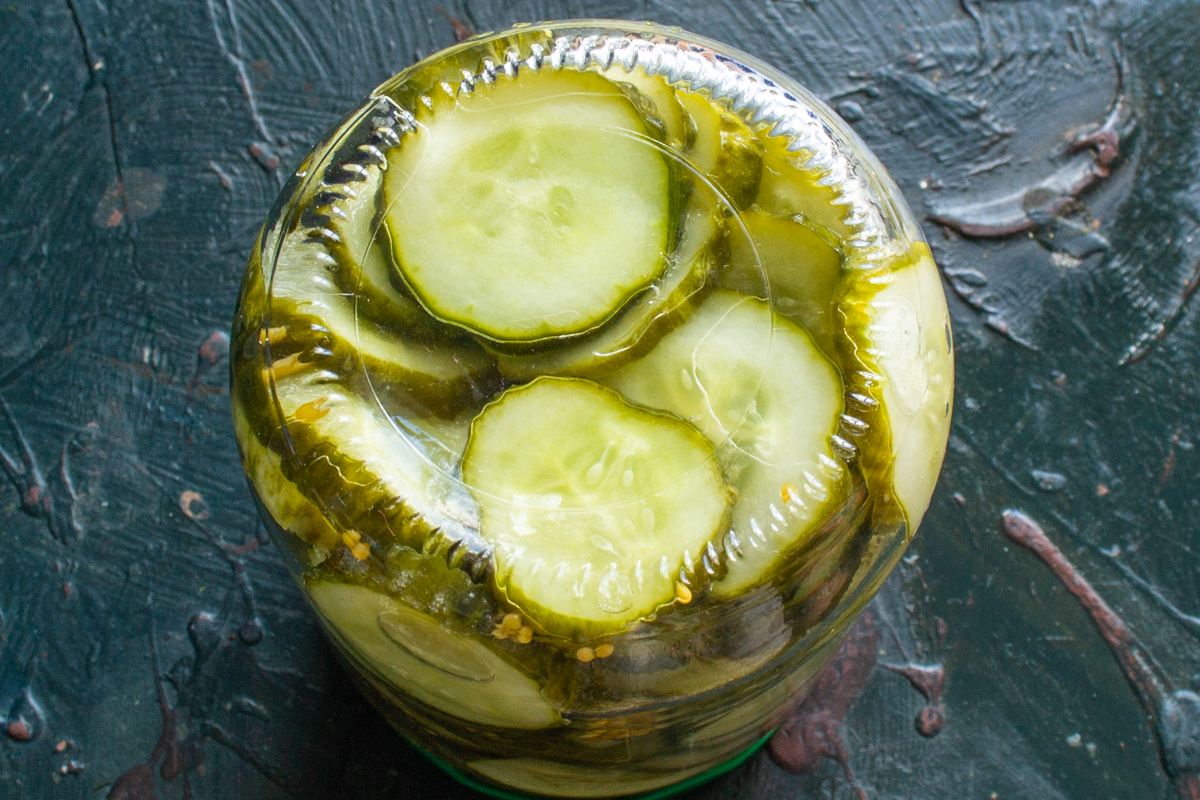
Seal the jar tightly and pasteurize it. Once cooled, the pickles are ready for long-term storage and serving with burgers.
Hamburger pickles do perfectly fine in a regular pantry or kitchen cabinet at room temperature, provided you have strictly followed the jar sterilization rules. Before serving, I recommend keeping the jar in the refrigerator for at least a couple of hours—when chilled, the pickles crunch much more effectively and offer a better contrast to the hot meat. If you want to experiment, add a little celery seed or hot pepper flakes to the marinade to create a spicier, more craft flavor. These golden slices can also be used as a base for tartar sauce or finely chopped into a classic salad. Remember that the brine left over after using the pickles is an excellent base for marinating chicken fillets, which will turn out incredibly tender after such treatment. May your pantry always delight you with variety, and your home-cooked meals bring joy to the whole family.
0 comments