
Golubtsy, or stuffed cabbage rolls, are a beloved comfort food classic across Eastern Europe. But what if we told you there's a way to make them lighter, fresher, and even more delicious? This recipe swaps traditional cabbage for delicate, tender Napa cabbage leaves and features a juicy chicken, rice, and leek filling. Instead of stewing, we bake them in the oven, allowing them to cook perfectly in their own flavorful juices. Get ready to fall in love with this modern, healthy, and incredibly simple take on golubtsy!
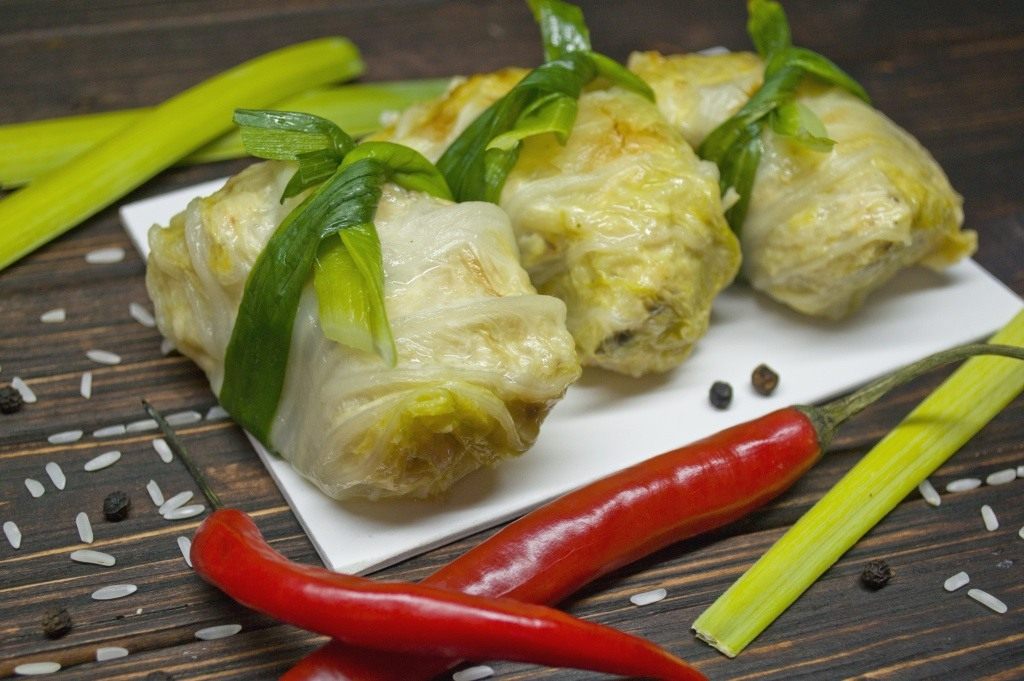
Golubtsy in Napa Cabbage
Ingredients for Golubtsy in Napa Cabbage
- 1 head of Napa cabbage with large leaves
- 350 g chicken fillet
- 130 g rice
- 2 onions
- 1 leek stalk
- 1 chili pepper pod
- dried curry leaves, black pepper, paprika flakes, lemon
How to Make Golubtsy in Napa Cabbage
Finely chop the chicken fillet with a sharp knife, add 1-2 grated onions and salt. If you find grating onions to be a tearful process, you can simply put the ingredients in a food processor and pulse until minced.
Finely chop the light part of the leek and a fresh chili pepper pod, squeeze out a tablespoon of lemon juice, season the filling, and mix for 3-4 minutes. Just like dough, the filling benefits from being worked well.
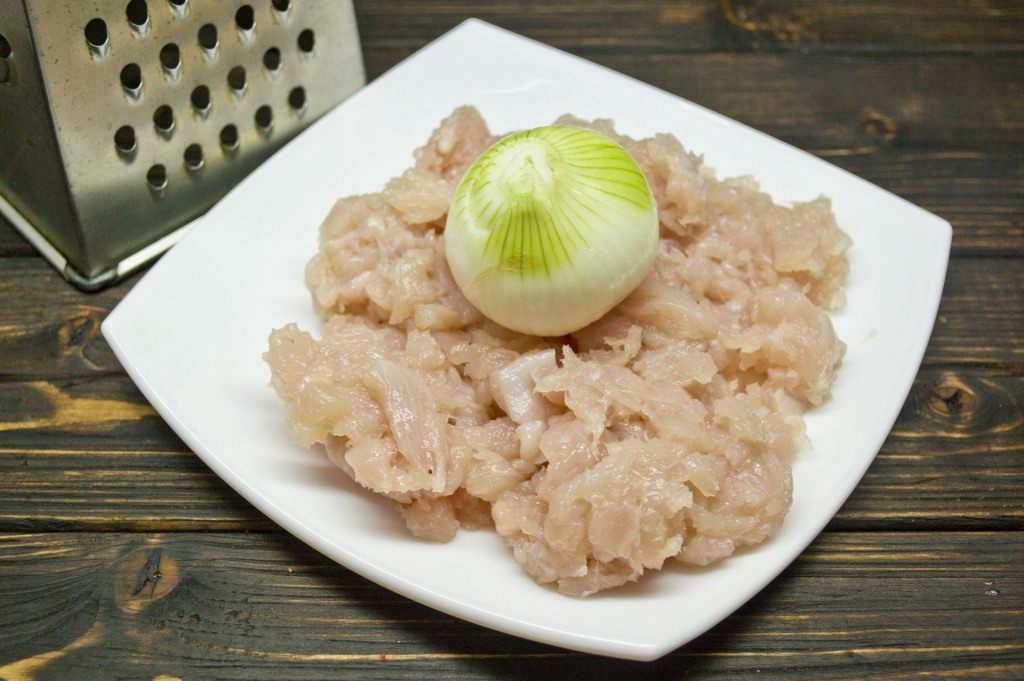
Finely chop the chicken fillet, add grated onion
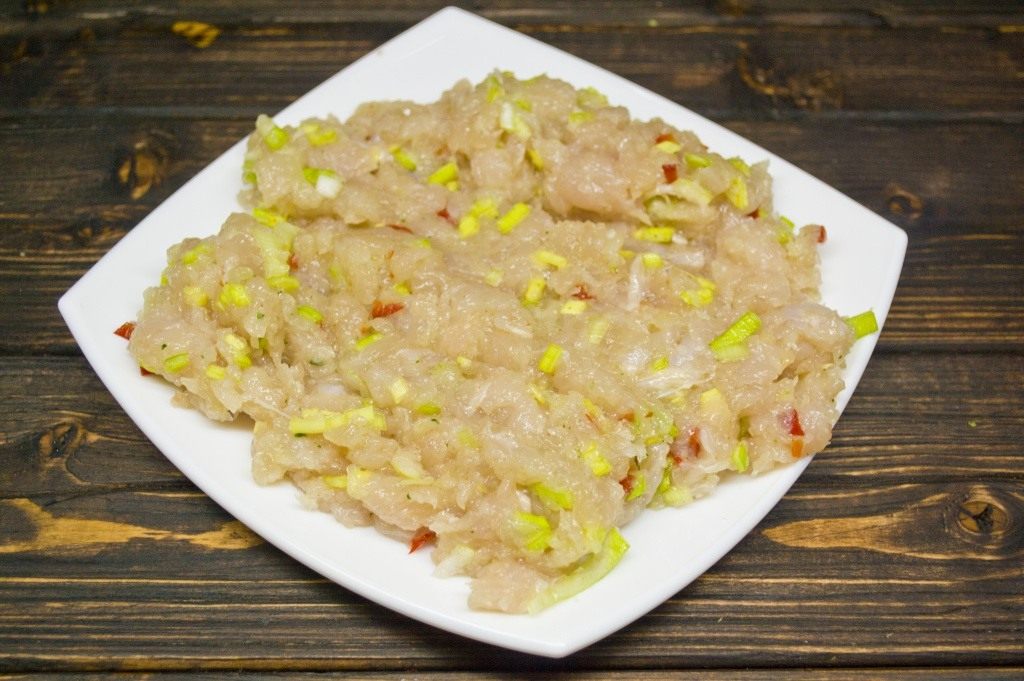
Chop the light part of the leek and a fresh chili pepper pod
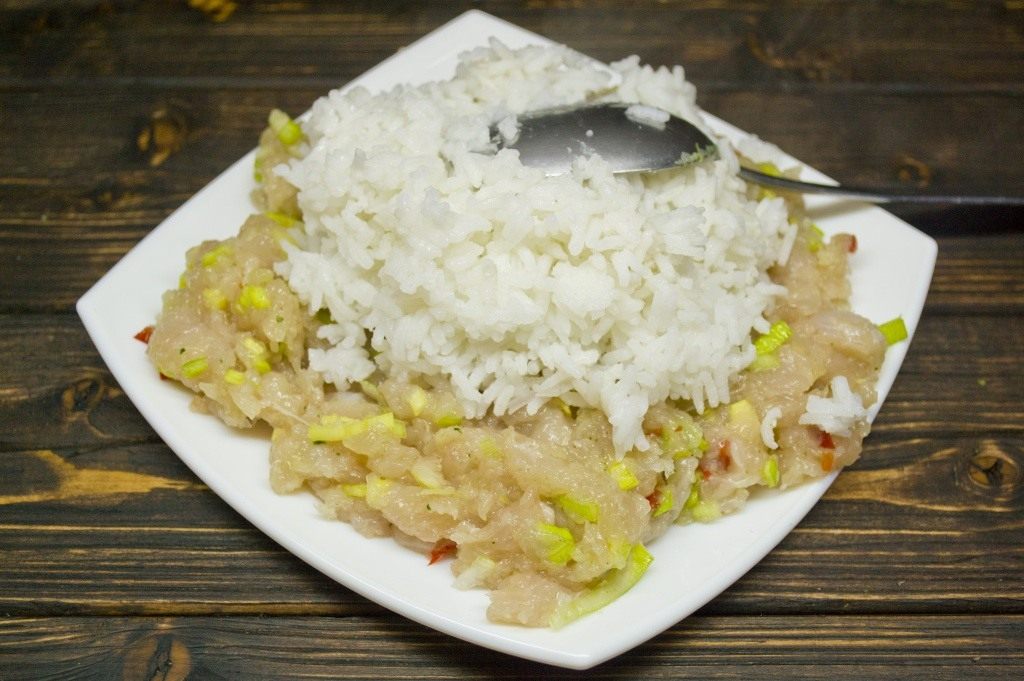
Add cooked rice, curry leaves, paprika flakes, and ground black pepper to the minced chicken
Cook the rice (use two parts water and half a teaspoon of salt for one part rice). Once the rice has cooled, add it to the chicken filling, along with dried curry leaves, paprika flakes, and ground black pepper.
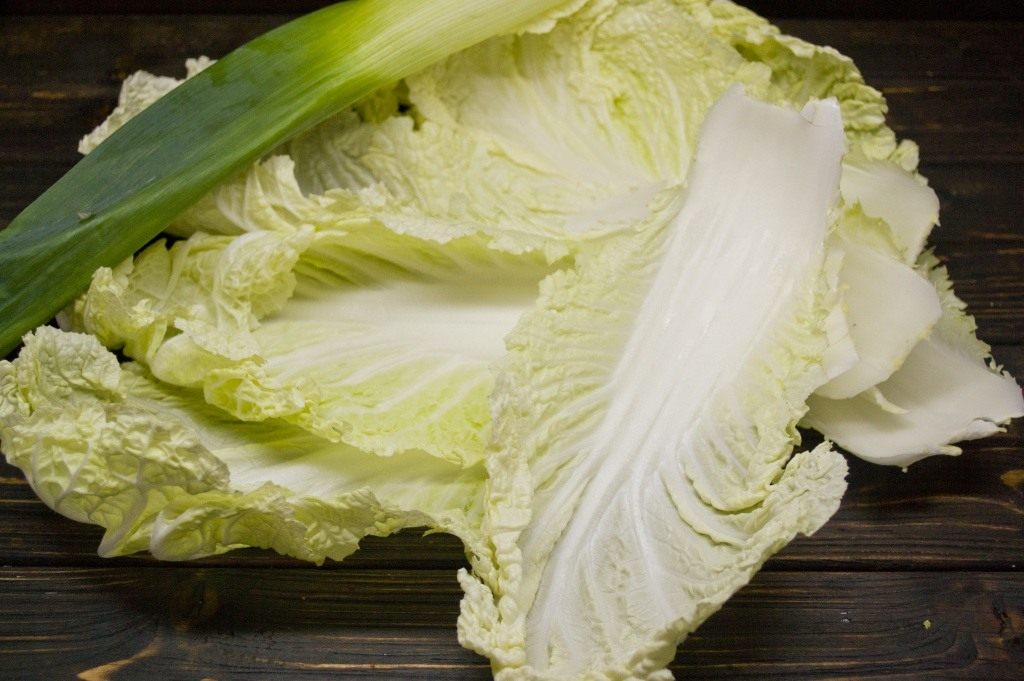
Preparing the Napa cabbage leaves for the golubtsy
Prepare the Napa cabbage leaves for the golubtsy (stuffed cabbage rolls). Bring 2 liters of water to a boil, add salt, and have a bowl of cold water nearby. Place the cabbage leaves one by one into the boiling water for 1-2 minutes, then immediately transfer them to the cold water. Also, blanch a few green leek leaves in the boiling water; you’ll need them to garnish the golubtsy.
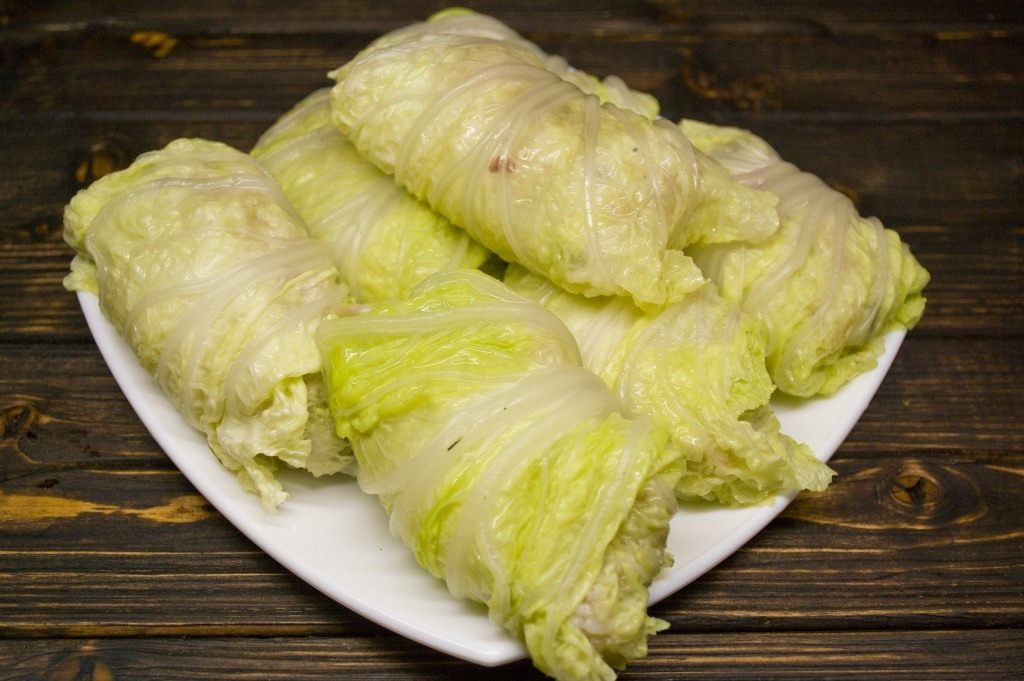
Wrap a portion of the minced meat and rice filling in a boiled Napa cabbage leaf
Shake the excess water from the Napa cabbage leaves, cut off the thick part of the stem (don’t throw it away, it will come in handy!), and wrap a portion of the filling in each leaf.
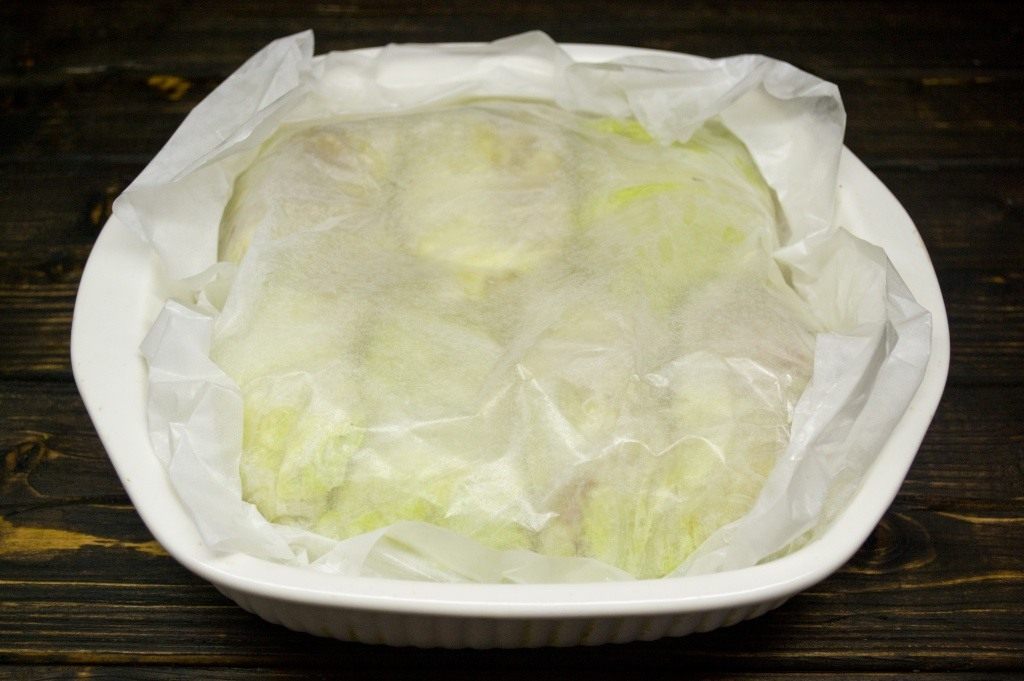
Place the golubtsy tightly in an ovenproof dish, cover everything with a sheet of oiled parchment paper
Pour a little vegetable oil into the bottom of a flat, ovenproof dish. Place the thick, cut-off pieces of the cabbage leaves on the bottom, then arrange the golubtsy tightly on top. Cover everything with a sheet of oiled parchment paper. The cabbage pieces will prevent the rolls from burning, and the parchment paper will trap the moisture, allowing the dish to cook in its own juices.
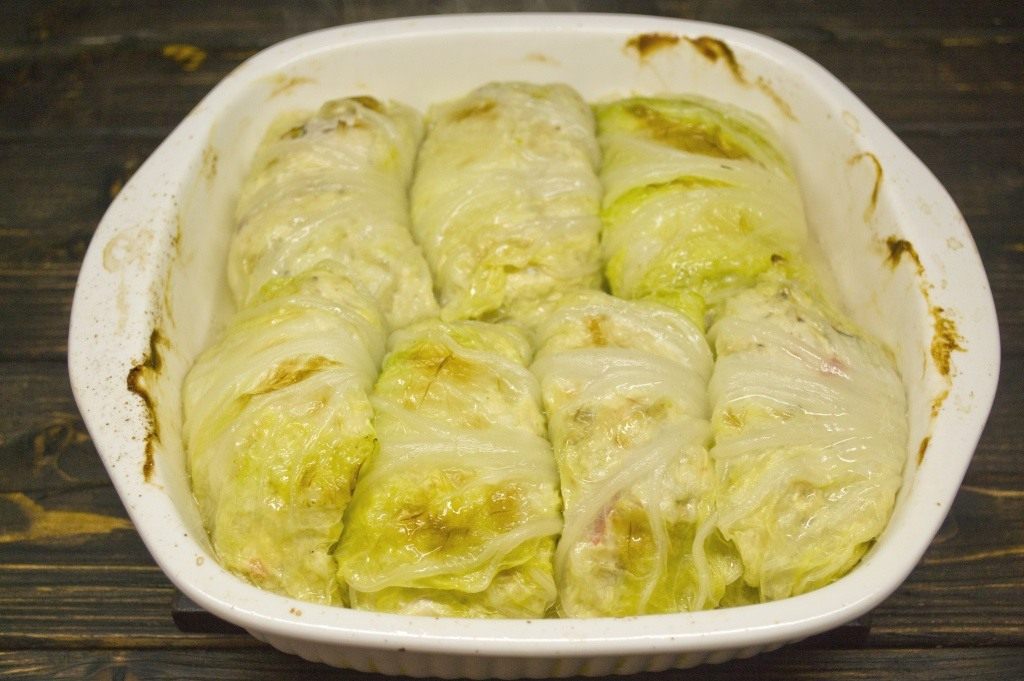
Bake in the oven at 180 degrees for 30 minutes
Preheat the oven to 180°C (350°F) and bake for 30 minutes.
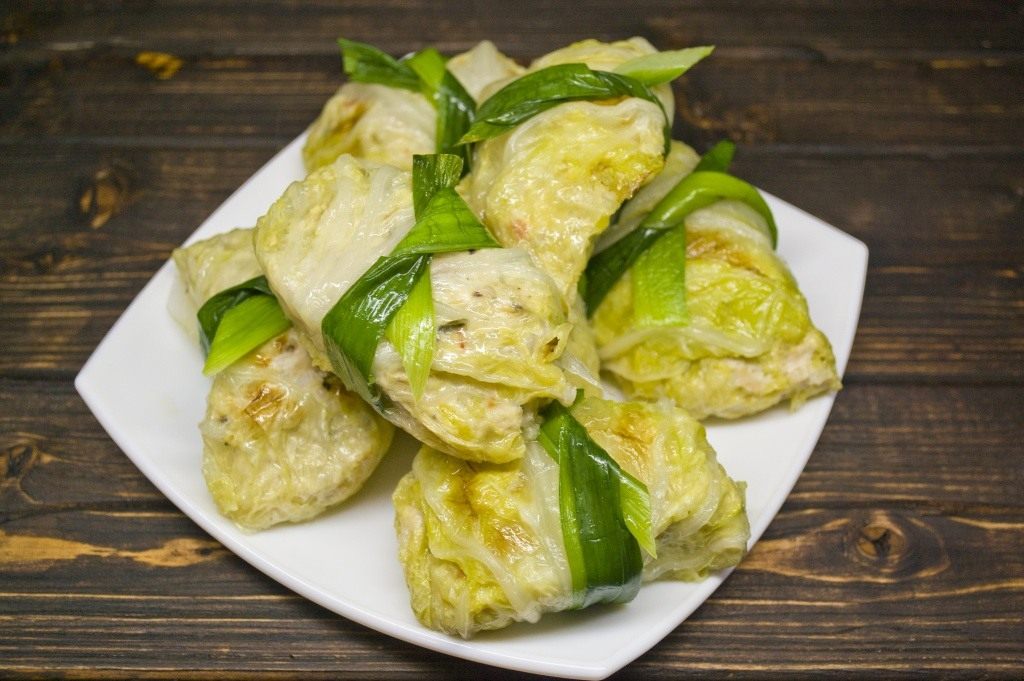
Tie each cabbage roll crosswise with a green leek ribbon
And there you have it – beautiful, aromatic, and wonderfully tender golubtsy, fresh from the oven! This dish is perfect for a cozy family dinner and proves that classic recipes can be reinvented in a light and healthy way. Serve them warm, perhaps with a dollop of sour cream or Greek yogurt for a traditional touch. We hope you enjoy this fresh take on a beloved classic. Happy cooking!
0 comments