
Fish soup with egg and zucchini is the epitome of lightness and freshness in a single bowl, making it a perfect fit for a balanced diet. The secret to its appeal lies in a crystal-clear broth made from lean saltwater fish, such as cod or hake, which is simmered without a drop of extra fat or sautéing the vegetables beforehand. When beaten egg is whisked into the boiling liquid, it forms delicate protein threads resembling intricate lace, adding not only extra nutrition but also an elegant visual touch. The combination of tender zucchini, which instantly absorbs the oceanic aromas, and vibrant tomatoes creates a harmonious medley of textures. It makes this wholesome soup an excellent choice for anyone keeping an eye on their figure without sacrificing culinary pleasure.

A fragrant and delicate fish soup is an excellent choice for a light and healthy family lunch.
Ingredients
- 500 g (about 1.1 lbs) hake or pollock
- 2 large eggs
- 1 bunch of fresh parsley
- 1 small zucchini
- 2 medium potatoes
- 1 carrot
- 1 onion
- 1 tomato
- Salt and freshly ground black pepper to taste
- 1 onion, bay leaf, and black peppercorns (for the broth)
How to Make Fish Soup with Egg and Zucchini
Clean the fish, remove the dark inner membrane, and trim the fins and tail. Rinse the cleaned fish thoroughly under cold running water.
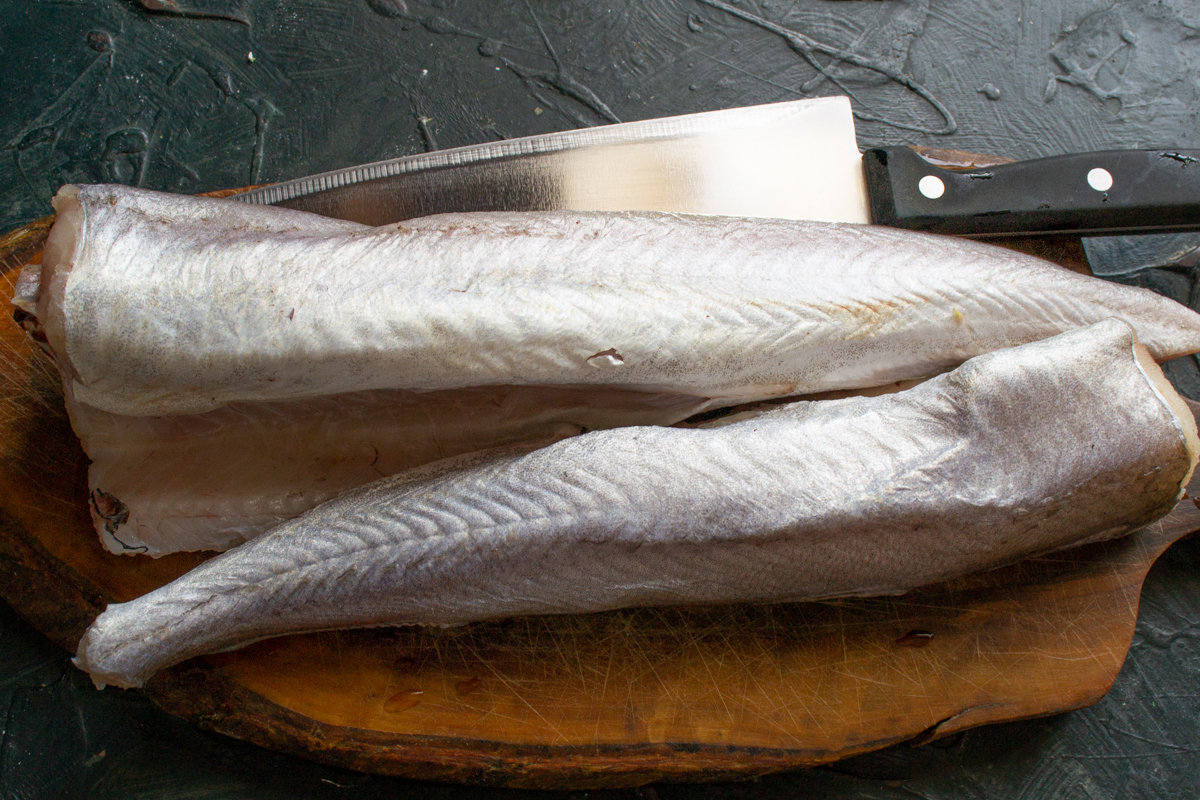
For a high-quality broth, the fish must be thoroughly cleaned and rinsed under running water.
Cut the fish into large pieces. Add a halved onion, a few bay leaves, a teaspoon of black peppercorns, and several sprigs of parsley. Pour in 1 liter (about 4 cups) of cold water and season with salt to taste.
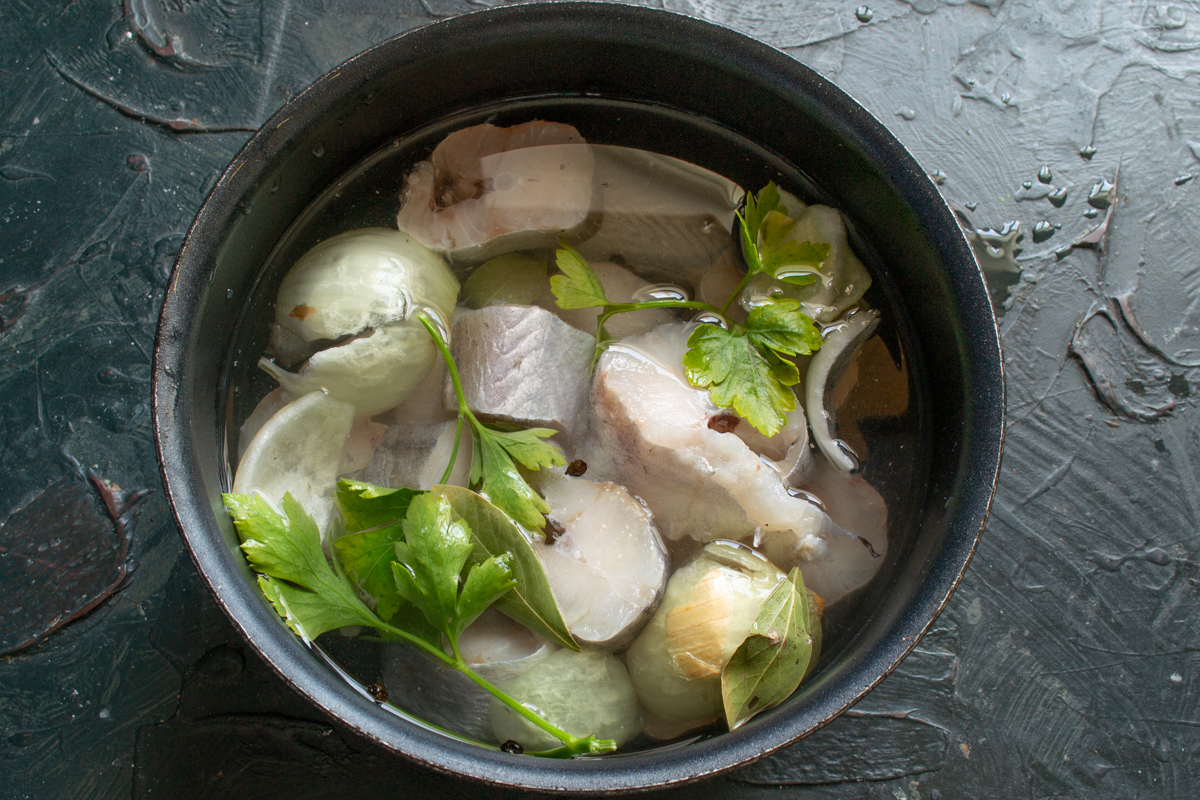
Root vegetables and spices added to the fish at the beginning of cooking create a rich and aromatic base.
Bring to a boil, skim off the foam with a slotted spoon, and simmer the fish broth over low heat for about 30 minutes. Strain the finished broth through a fine-mesh sieve. Transfer the fish to a plate, let it cool, and carefully remove all the bones.
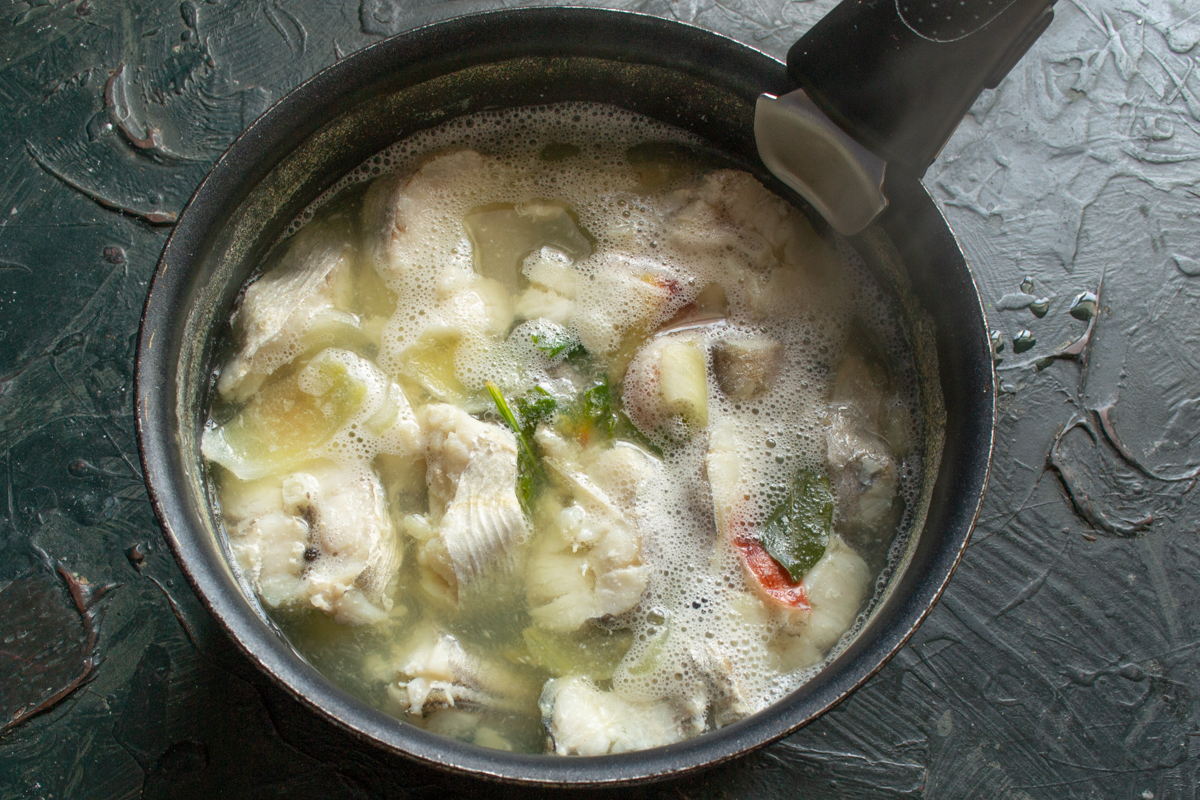
Simmer the broth gently and remember to skim the foam to keep the liquid perfectly clear.
Dice the potatoes into small cubes and place them in a pot. Even on the strictest diet, there’s no need to give up potatoes entirely. While fried potatoes might not benefit your waistline, a small amount of boiled potatoes provides essential trace elements your body needs.
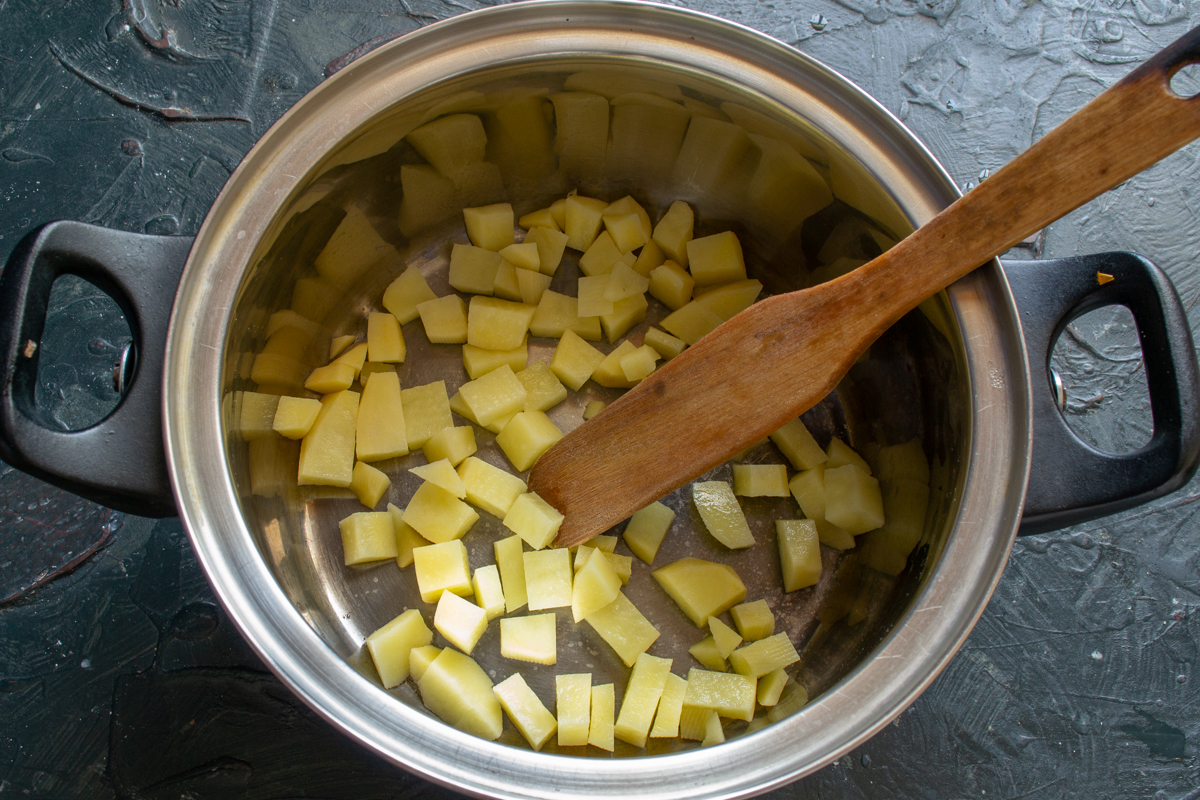
Dice the potatoes into small cubes so they cook quickly and blend seamlessly with the other vegetables.
Add finely grated carrots to the potatoes so they cook faster.

Finely grating the carrots allows them to release their color and flavor into the vegetable broth much faster.
Stir in finely chopped onion. If you prefer, you can substitute the regular onion with leeks for a milder flavor.

Onions add a subtle sweetness to the soup. If desired, you can swap them for milder leeks.
Peel the zucchini. Blanch the tomato in boiling water, plunge it into cold water, and peel off the skin. Dice both the zucchini and tomato, and add them to the rest of the ingredients.

Zucchini and peeled tomatoes add a burst of freshness and give the soup a more interesting texture.
Pour the strained fish broth into the pot with the vegetables.

Combine the strained fish broth with the prepped vegetables to continue the cooking process.
Bring to a boil and adjust the salt to taste, keeping in mind that the broth is already salted. Cook over medium heat for 15-20 minutes until the vegetables are completely tender.
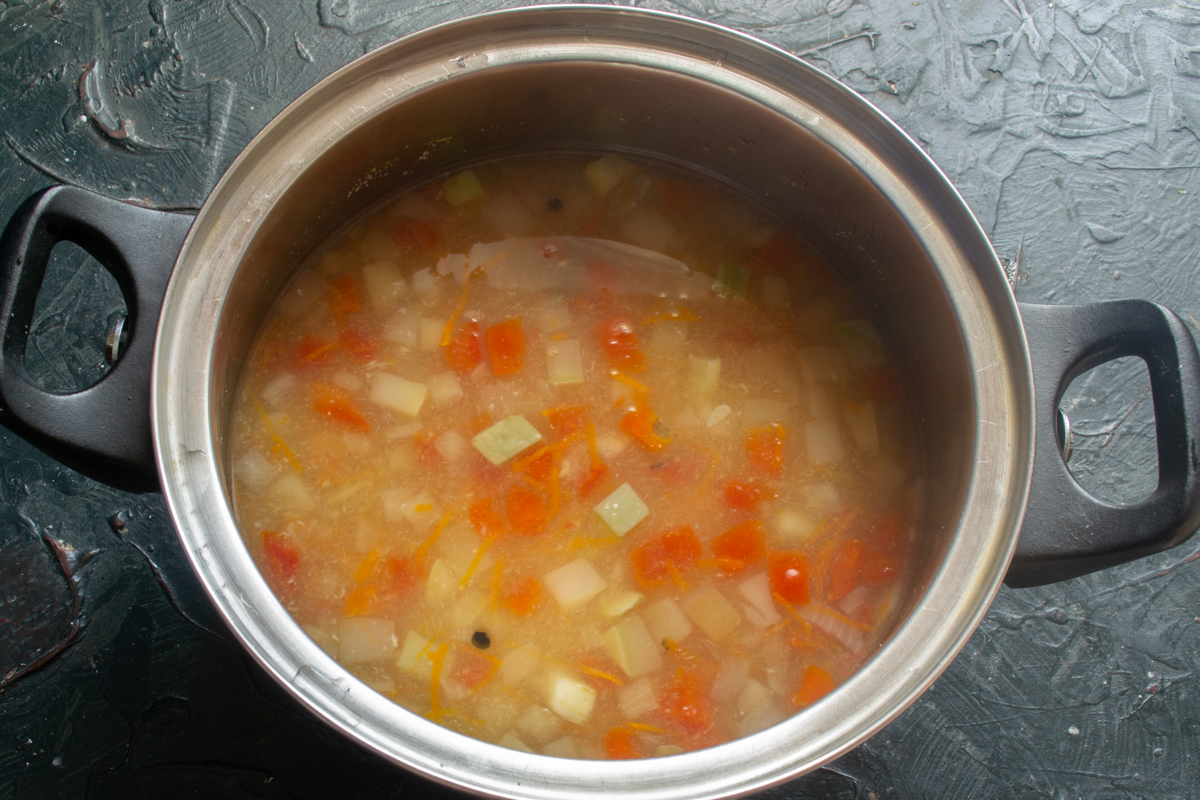
Allow the vegetables to soften completely so they soak up all the rich flavors of the fish broth.
Crack the fresh eggs into a small bowl and whisk them lightly with a fork.

Lightly beat the eggs with a fork until smooth before stirring them into the boiling soup.
Pour the beaten eggs into the boiling soup in a thin stream, stirring constantly, and bring back to a boil. The whisked eggs will cook instantly, forming delicate white threads. Let the soup boil briefly to ensure it is fully cooked and safe to eat.

It’s crucial to stir the soup constantly as you pour in the egg to form beautiful, delicate ribbons.
Finely chop the fresh parsley—you will need about 2 tablespoons. Stir the parsley into the soup and season with freshly ground black pepper.

Fresh parsley and black pepper highlight the flavor of the fish and add vibrant color to the dish.
Place the cooked, boneless pieces of fish into serving bowls. Ladle the hot fish soup with egg and zucchini over the fish and serve immediately. Bon appétit!

Before serving, make sure to place pieces of cooked, boneless fish into each bowl.
To give this fish soup with egg and zucchini an extra dimension of flavor, serve it with a slice of whole-grain bread or homemade croutons rubbed with garlic. If you want to add a Mediterranean twist, try finishing it with a squeeze of fresh lemon juice or a pinch of dried thyme right at the end of cooking. For an even richer taste, experiment with different fish varieties—mixing a white fish with a small amount of salmon, for instance, adds remarkable depth and aroma to the broth.
Regularly including saltwater fish in your diet is a simple path to longevity and a strong immune system, as it is packed with easily digestible protein and vital trace minerals. This soup is incredibly versatile and easy to adapt to the seasons: in winter, add a bit of celery root for a warming, earthy note; in summer, generously increase the amount of fresh herbs. The ultimate secret to success here is carefully straining the broth—it’s this one detail that elevates an everyday homemade soup to an elegant, restaurant-quality dish.
0 comments