
A simple Classic Cornmeal Cake is a true staple of home comfort that comes together in under an hour. Cornmeal, a gift from the Americas to global cuisine, gives baked goods not only a signature sunny hue but also a delightful, slightly granular texture that food lovers truly appreciate.
Even a novice baker can pull off this recipe: the ingredients are incredibly accessible, and the process requires no fancy equipment. As it bakes, a warm, sweet aroma reminiscent of summer and golden fields will fill your kitchen. I recommend serving this dessert with whipped cream, honey butter, vanilla ice cream, or maple syrup—each topping highlights the cake's flavor in a unique way.
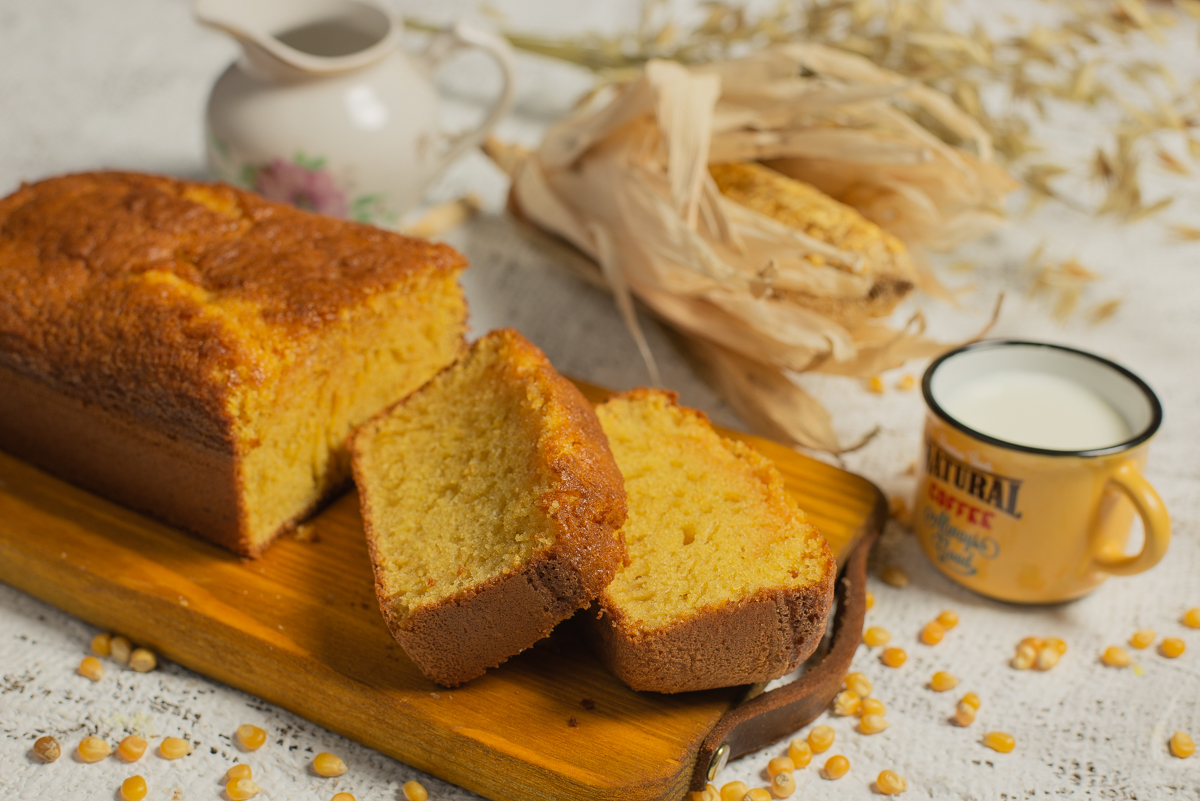
A fragrant cornmeal cake featuring a vibrant color and a beautifully porous crumb. It pairs perfectly with milk, honey, or fresh berries.
Ingredients
- 4 large eggs
- 150 g (5.3 oz) butter
- 175 g (6.2 oz) granulated sugar
- 130 g (4.6 oz) all-purpose flour
- 100 g (3.5 oz) fine cornmeal
- 1 packet vanilla sugar
- 1 tsp baking powder
- Pinch of salt
How to Make Cornmeal Cake
Separate the eggs, placing the yolks and whites into two distinct bowls. Beat the yolks with half of the sugar for a few minutes until the mixture turns pale and fluffy.
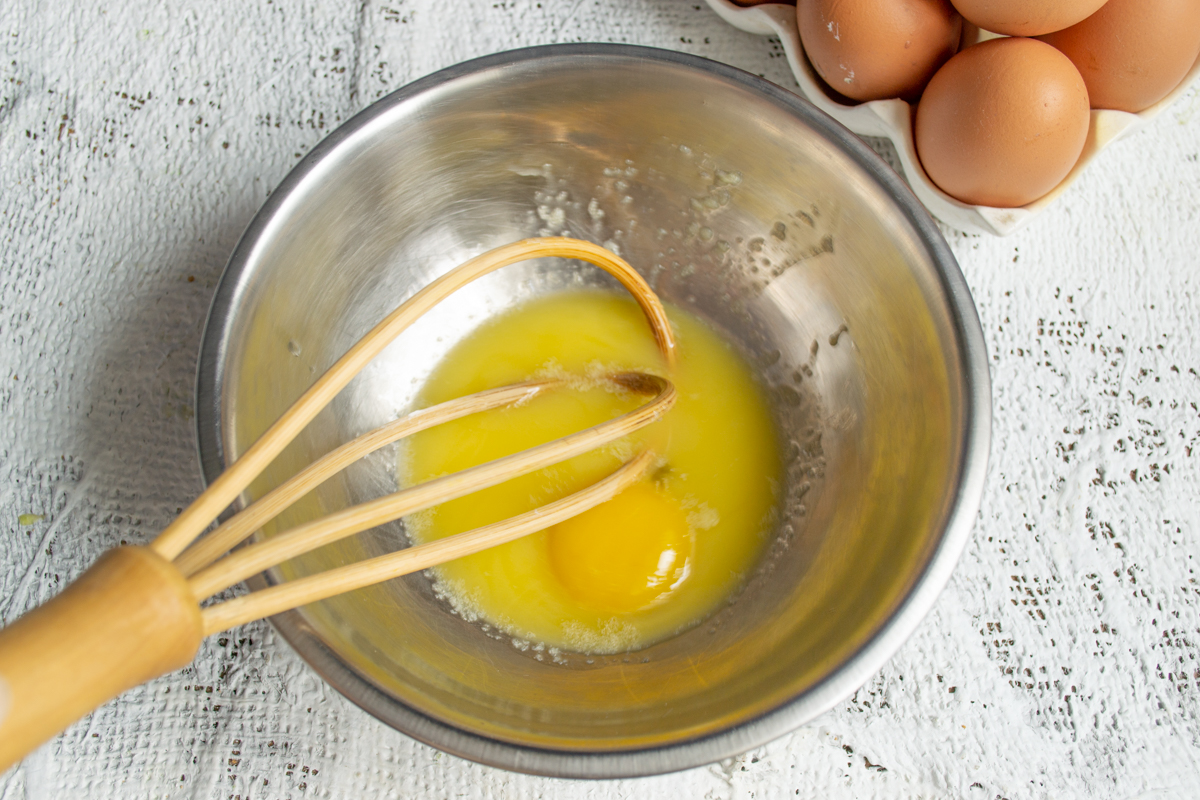
Beat the egg yolks with sugar for a few minutes until the mixture turns noticeably pale and fluffy.
In a separate bowl, whisk together the fine cornmeal, vanilla sugar, baking powder, and a pinch of salt.
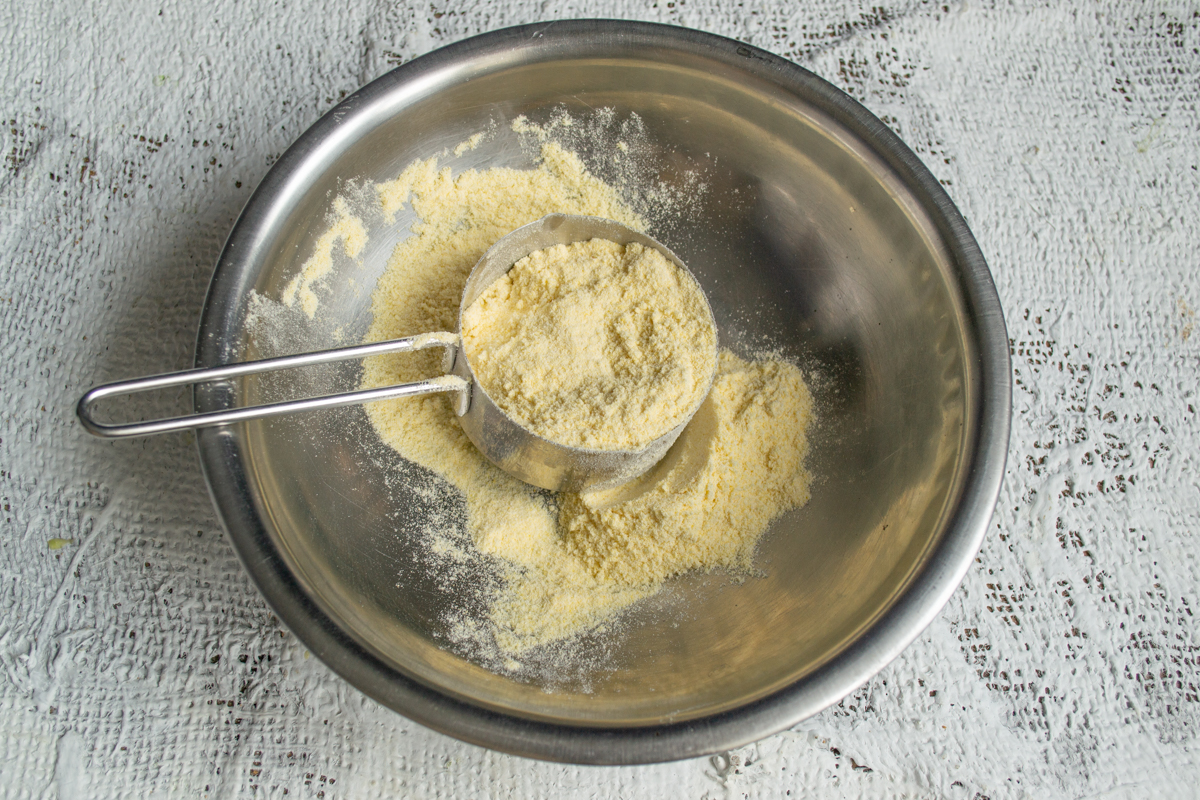
The foundation of this recipe is cornmeal, which gives the bake its unique flavor and sunny yellow shade.
Add the all-purpose flour to the cornmeal mixture. Without wheat flour, the batter will not rise properly, leaving the baked cake dense and tough.
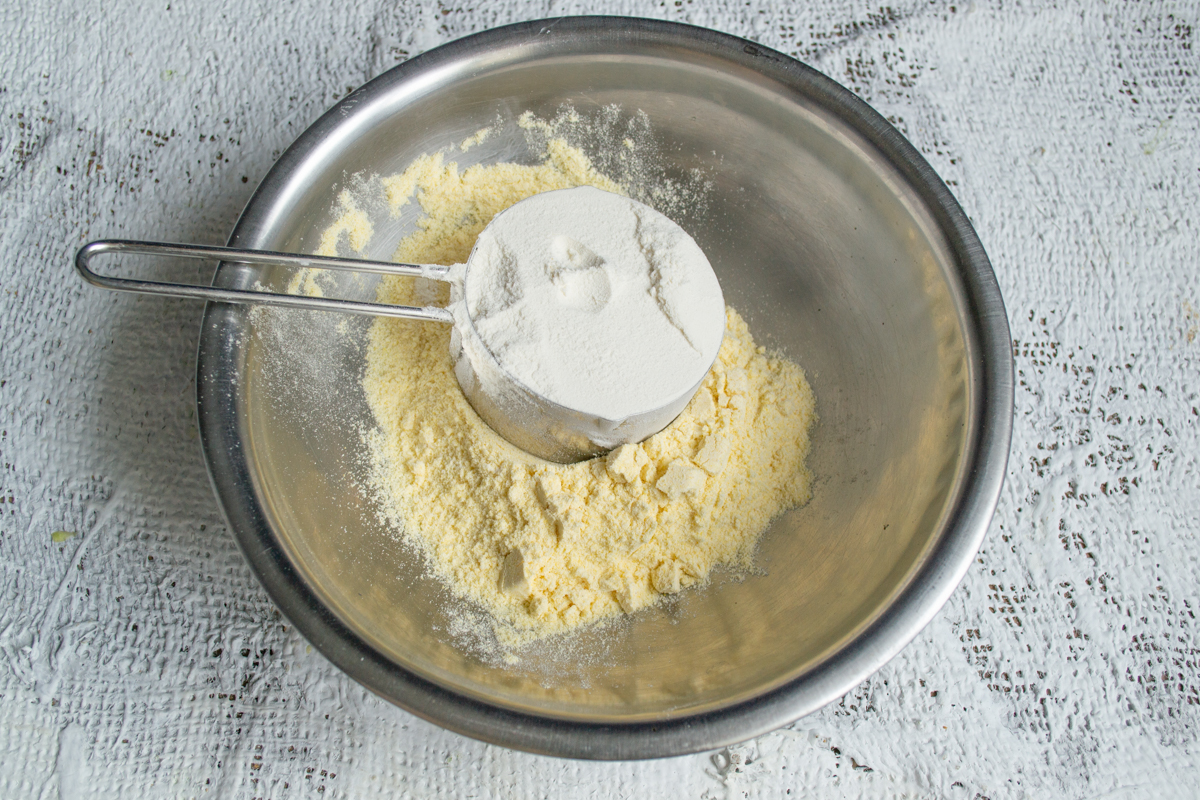
Adding all-purpose flour is essential to ensure the cake stays soft and rises properly in the oven.
Stir the remaining granulated sugar into the bowl with the dry ingredients.
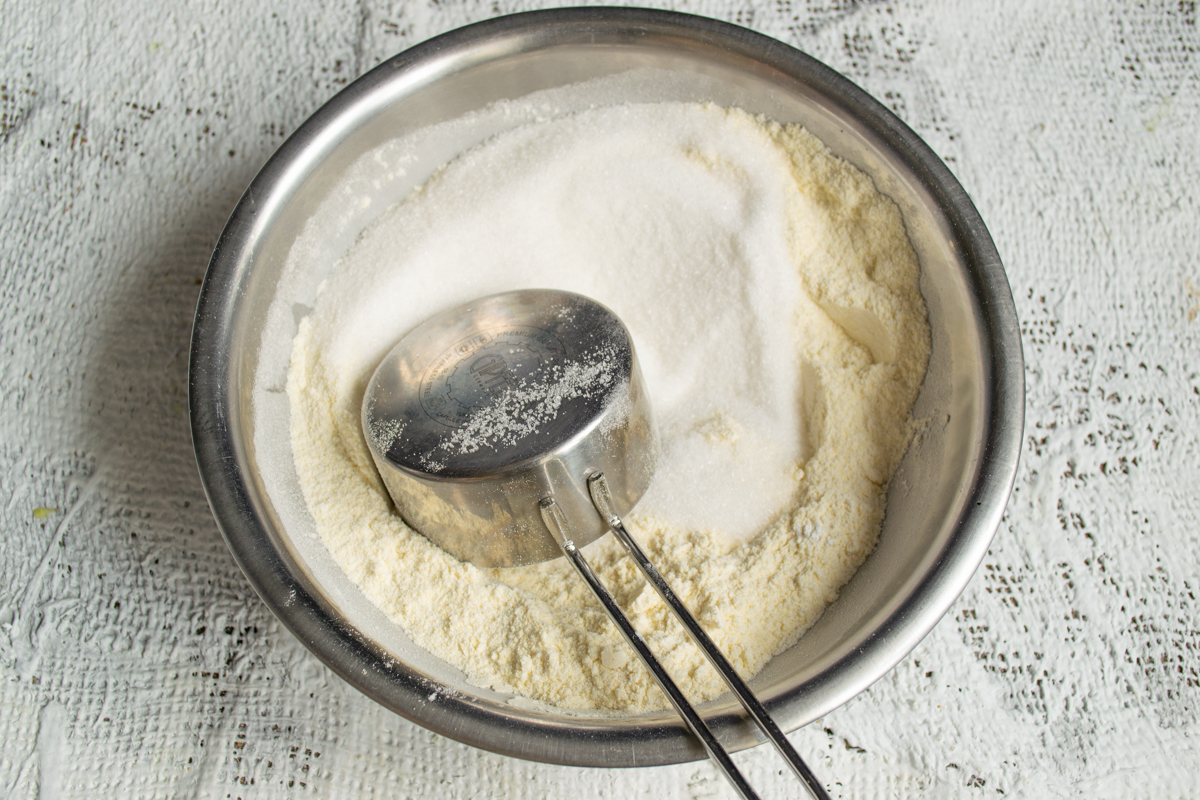
Stir all the dry components together so they distribute evenly throughout the batter.
Melt the butter, let it cool slightly, then whisk it into the beaten egg yolks. Next, fold the dry ingredients into this yolk mixture until thoroughly combined. In a separate bowl, whip the egg whites until stiff and fluffy. Gently fold the whipped whites into the batter in small batches. Adding the egg whites gradually ensures you do not deflate the airy structure and preserves those precious air bubbles.
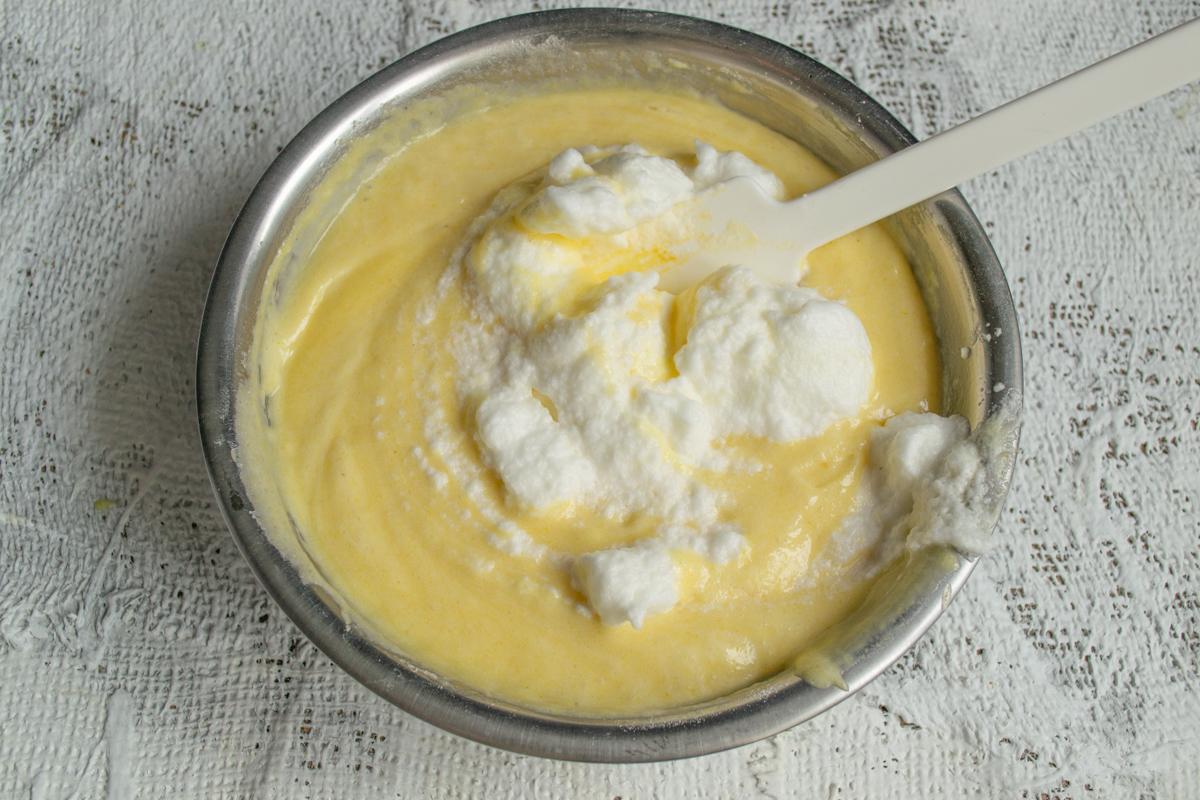
Gently fold the whipped egg whites into the batter in small batches to preserve its airy texture.
Let the batter rest at room temperature for 10 minutes. Meanwhile, preheat your oven to 200°C (400°F).
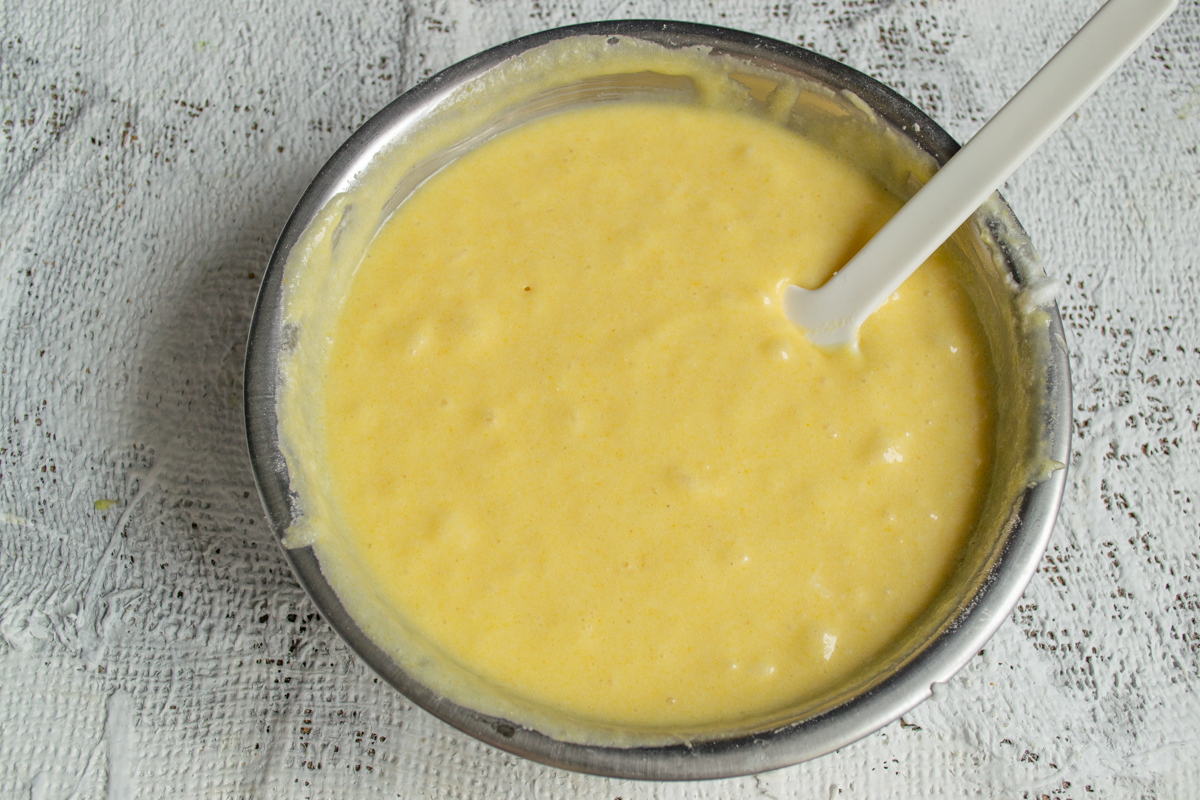
Let the batter rest for 10 minutes, allowing the cornmeal to hydrate slightly before baking.
Grease a rectangular loaf pan with softened butter and dust it with cornmeal or corn grits. Prepping your pan this way guarantees a rich, buttery, and crispy crust. Pour the batter into the prepared pan and bake in the preheated oven for about 40 minutes. The exact baking time will depend on your oven’s quirks and the exact dimensions of your pan.
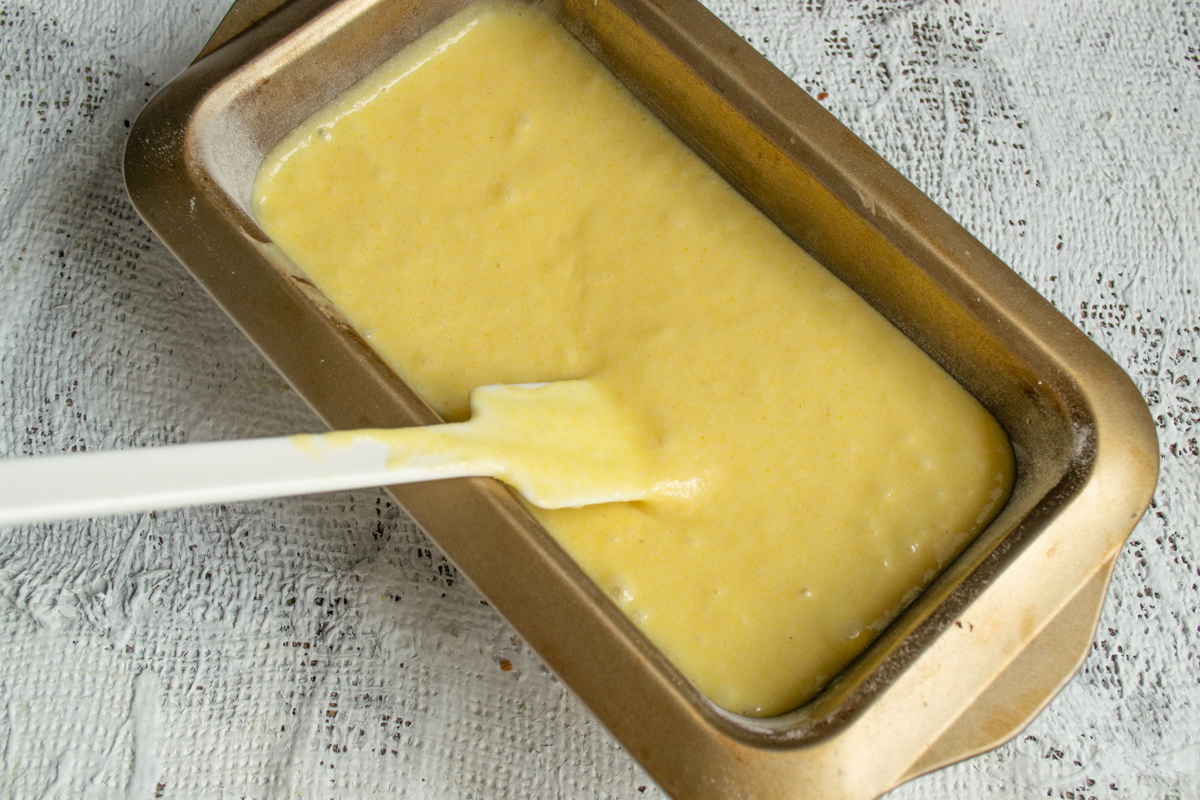
Grease the pan with butter and dust with cornmeal—this guarantees a mouthwatering crispy crust.
Once the top turns a deep golden brown, develops a characteristic crack, and a wooden skewer inserted into the center comes out clean (with no raw batter clinging to it), take the pan out of the oven.
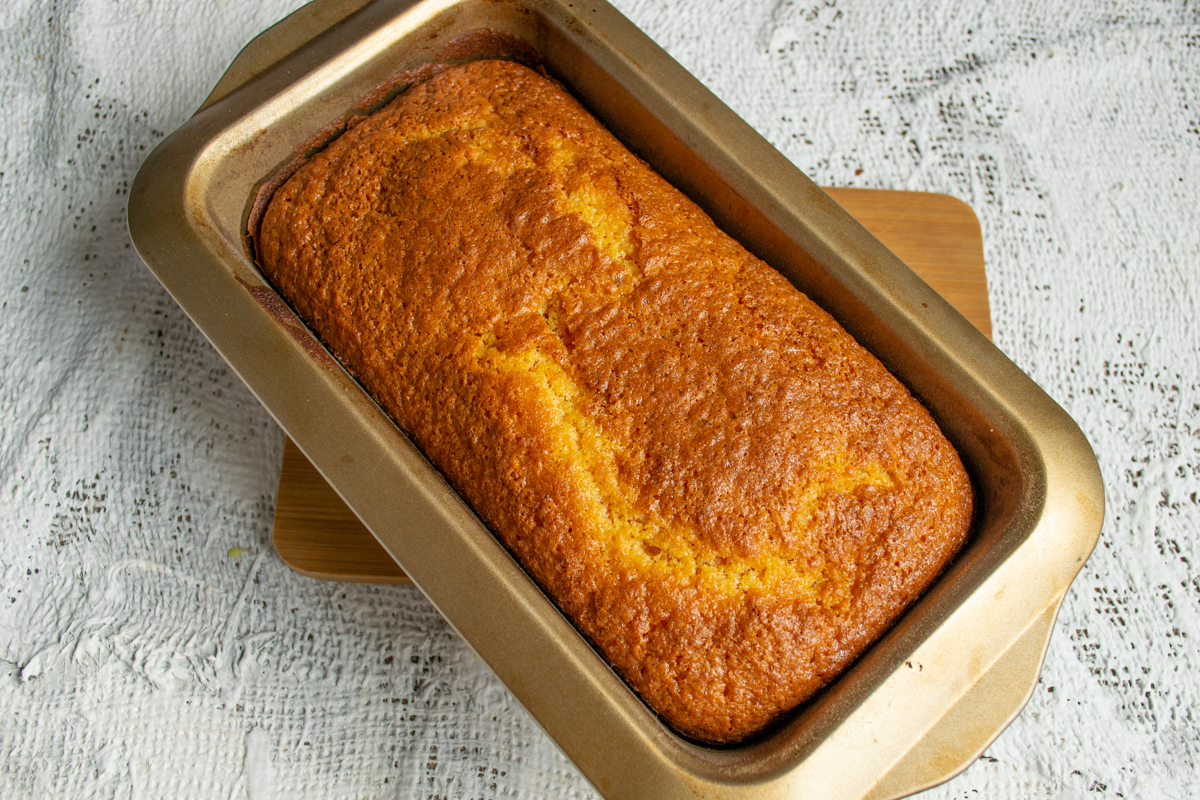
Test for doneness with a wooden skewer: it should come out of the center completely clean and dry.
Remove the baked cake from the pan immediately and let it cool on a wire rack. If you leave it to cool in the pan, steam will build up, and you will lose that perfectly crispy crust on the bottom and sides.
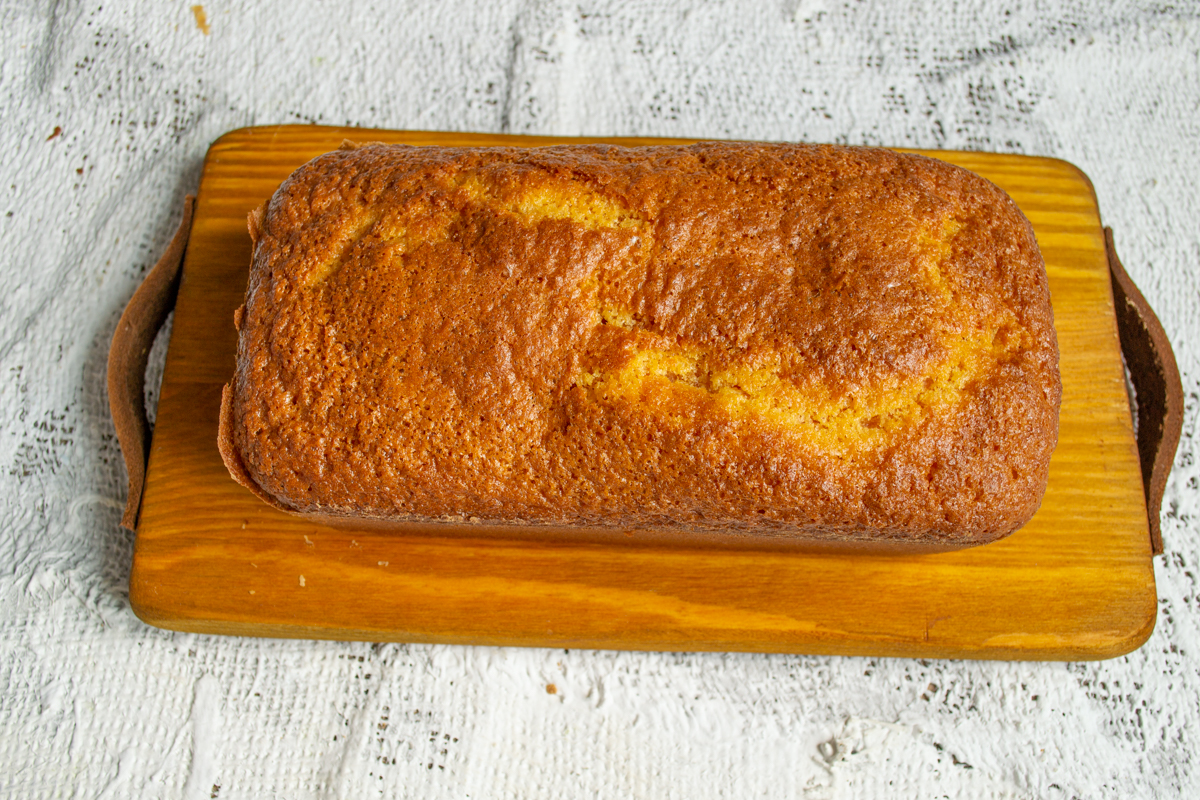
Remove the cake from the pan immediately after baking so the sides stay crisp and do not turn soggy.
Slice the warm cake into pieces about a centimeter (½ inch) thick and serve with tea. Honey butter—softened butter whipped with honey—makes an ideal accompaniment for this dessert. I recommend spreading a slice with butter and topping it with a few fresh berries or thin slices of fresh fruit. Serving it with maple syrup or a drizzle of runny honey alongside a scoop of vanilla ice cream creates an entirely different, equally delightful experience.
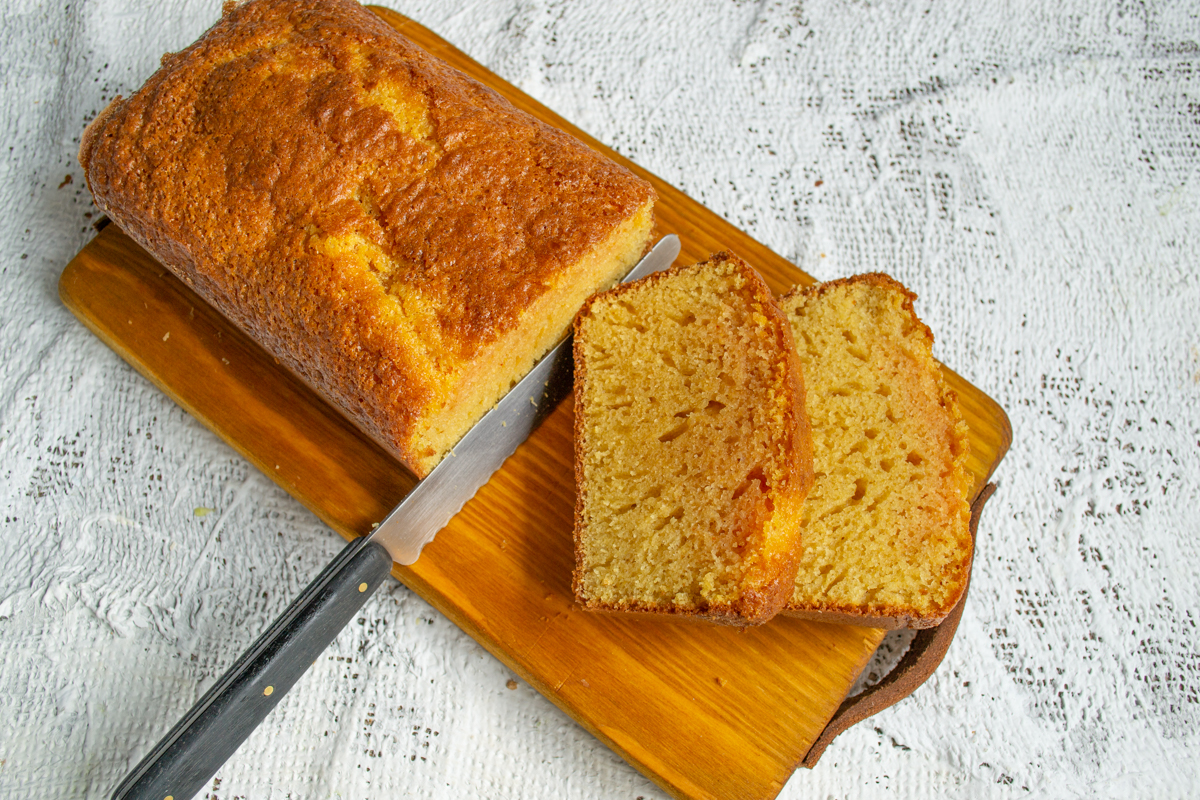
Slice the cake into pieces about 1 cm (½ inch) thick. It is equally delicious served warm or cold.
To make your Classic Cornmeal Cake a true centerpiece, try serving it warm, paired with a scoop of chilled ice cream or a dollop of thick Greek yogurt and fresh berries. If you enjoy more complex flavor profiles, fold some lemon zest or a handful of dried cranberries into the batter—this adds a bright acidity that perfectly balances the sweetness of the corn. If you are after the crunchiest possible crust, make sure to generously grease your pan and dust it specifically with coarse cornmeal or grits, just as the recipe suggests.
Store any leftovers in an airtight container at room temperature; this keeps the texture perfect for 1 to 2 days. Should the cake dry out slightly, lightly toast the slices in a toaster or on a dry skillet—this simple trick restores its softness and intensifies the rich butter aroma. Keep in mind that blending cornmeal with all-purpose flour is the ultimate secret here: the wheat flour provides the necessary lift and elasticity, preventing the dessert from becoming overly dense or tough.
0 comments