
Effortless, no-knead homemade wheat bread is every home baker's dream, made entirely possible by modern kitchen technology. Baking sourdough bread in a bread machine turns a complex fermentation process into a simple, rewarding routine. That crisp golden crust and airy, chewy crumb come from live cultures that give the dough an unmistakable character and a subtle, noble tang. Nothing feels cozier than the aroma of fresh baking filling the house with warmth and calm. The magic of sourdough not only deepens the flavor but also makes the loaf gentler on digestion, turning an everyday meal into a true culinary ritual.
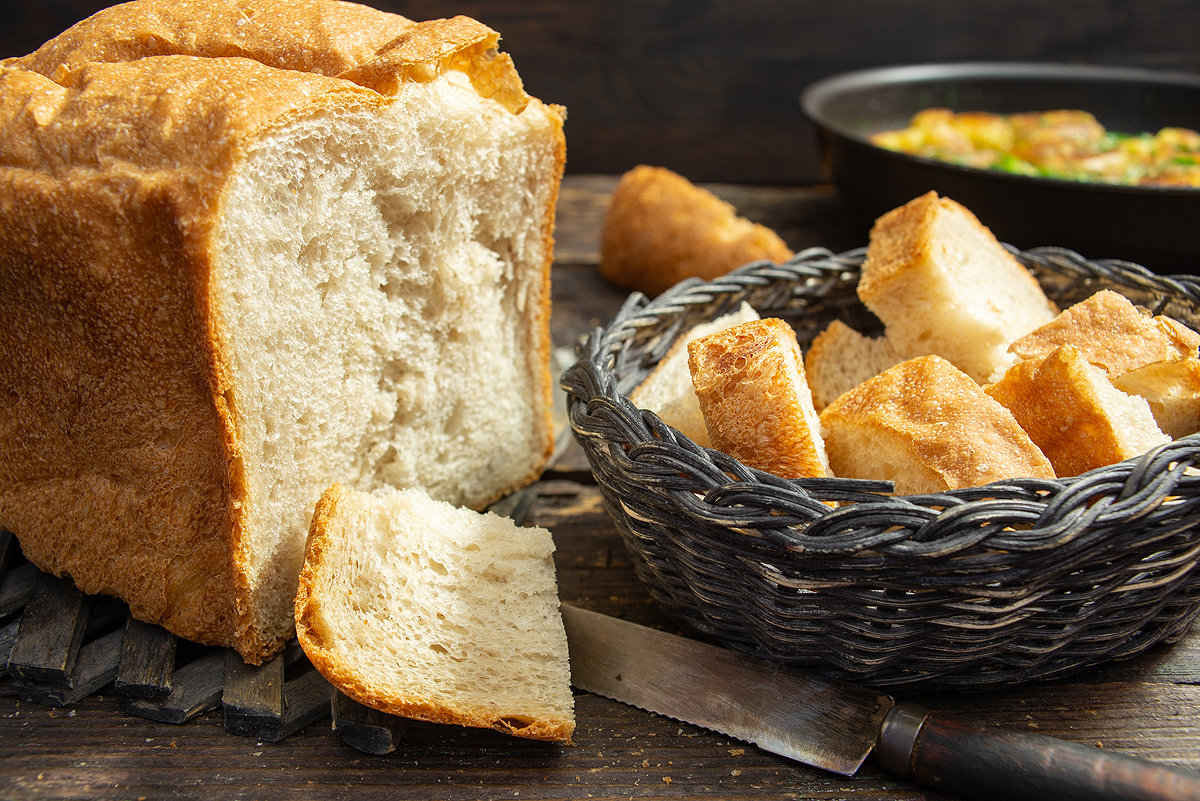
Homemade sourdough bread turns out incredibly fragrant and wholesome. Using a bread machine makes the baking process effortless.
Ingredients
- 70 g (2.5 oz) active wheat sourdough starter
- 365 g (12.9 oz) wheat bread flour
- 245 g (8.6 oz) filtered water
- 1 tsp sea salt
- 2 tsp honey
- 1 tbsp extra virgin olive oil
- 1/8 tsp active dry yeast (optional, for extra lift if your starter is young )
How to Make Sourdough Bread in a Bread Machine
Start the process based on how you store your sourdough starter. Mine lives in the refrigerator, so I take it out 3 hours before baking and leave it in a warm spot. Depending on the room temperature, it reaches peak activity in 2–3 hours. Once the starter is vigorously bubbling and smells pleasantly tangy, you are ready to mix the dough.
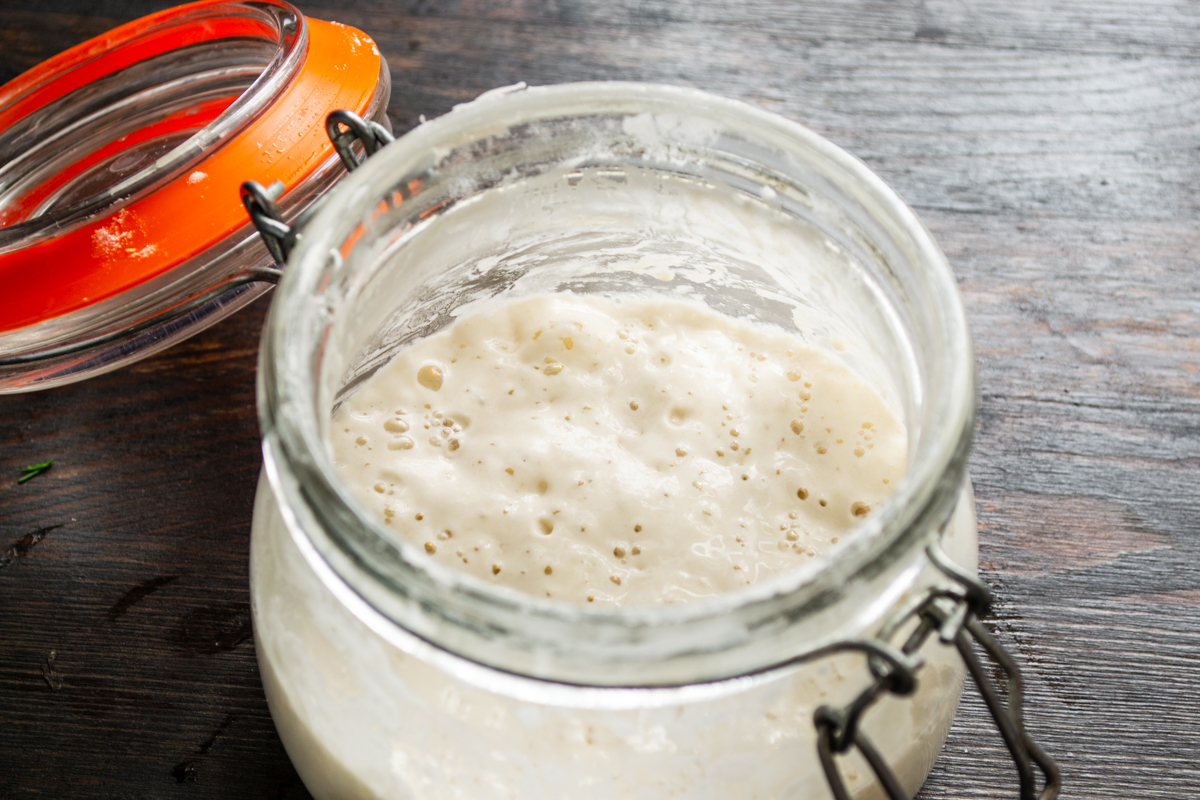
Before you begin, make sure your starter is lively and filled with air bubbles—this is the key to a great rise.
Place 70 g (2.5 oz) of active sourdough starter into a bowl. Pour in 70 g (2.5 oz) of filtered water and stir to dissolve the starter. Next, add 70 g (2.5 oz) of wheat bread flour. If you aren’t completely confident in your starter’s strength, sprinkle a tiny pinch of active dry yeast—just the tip of a teaspoon—over the flour at this stage.
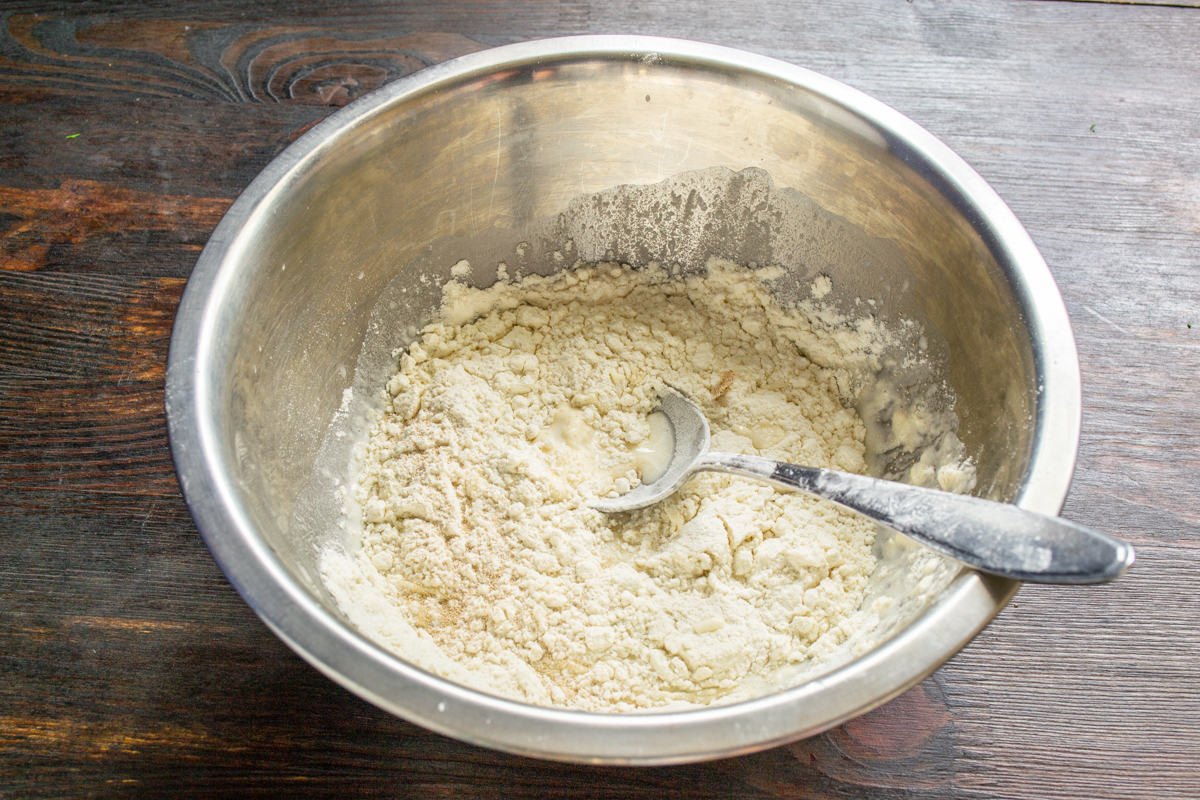
In the first step, we build the foundation—the levain. Mix the ingredients thoroughly until smooth.
Mix the starter, water, and flour thoroughly to create a levain (a fermented pre-dough). Don’t forget to feed the remaining starter in your jar for your next bake—just add equal parts flour and water; the residue clinging to the sides of the jar is plenty to get it going.
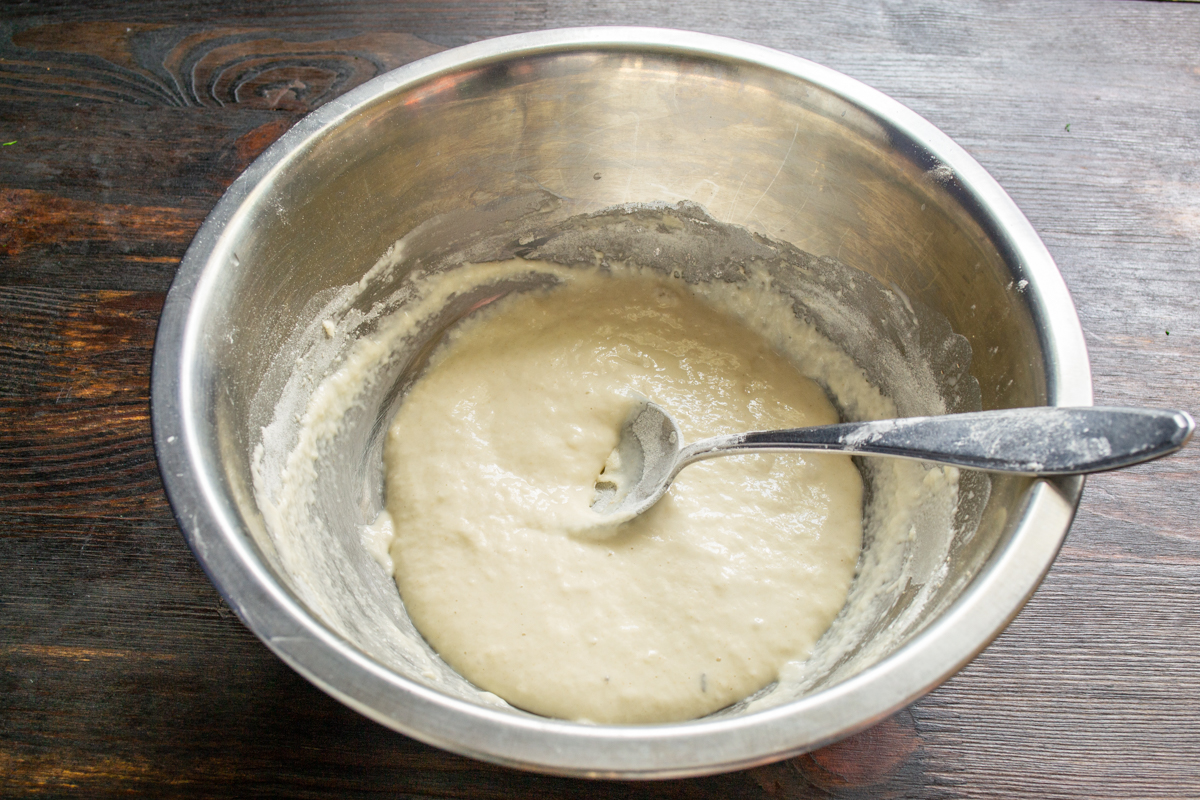
Don't forget to leave a little starter in the jar and feed it for your future baking projects.
Cover the bowl with plastic wrap or a lid. Leave it in a warm, draft-free spot for 3 hours. During this time, the levain will rise and become bubbly on top.
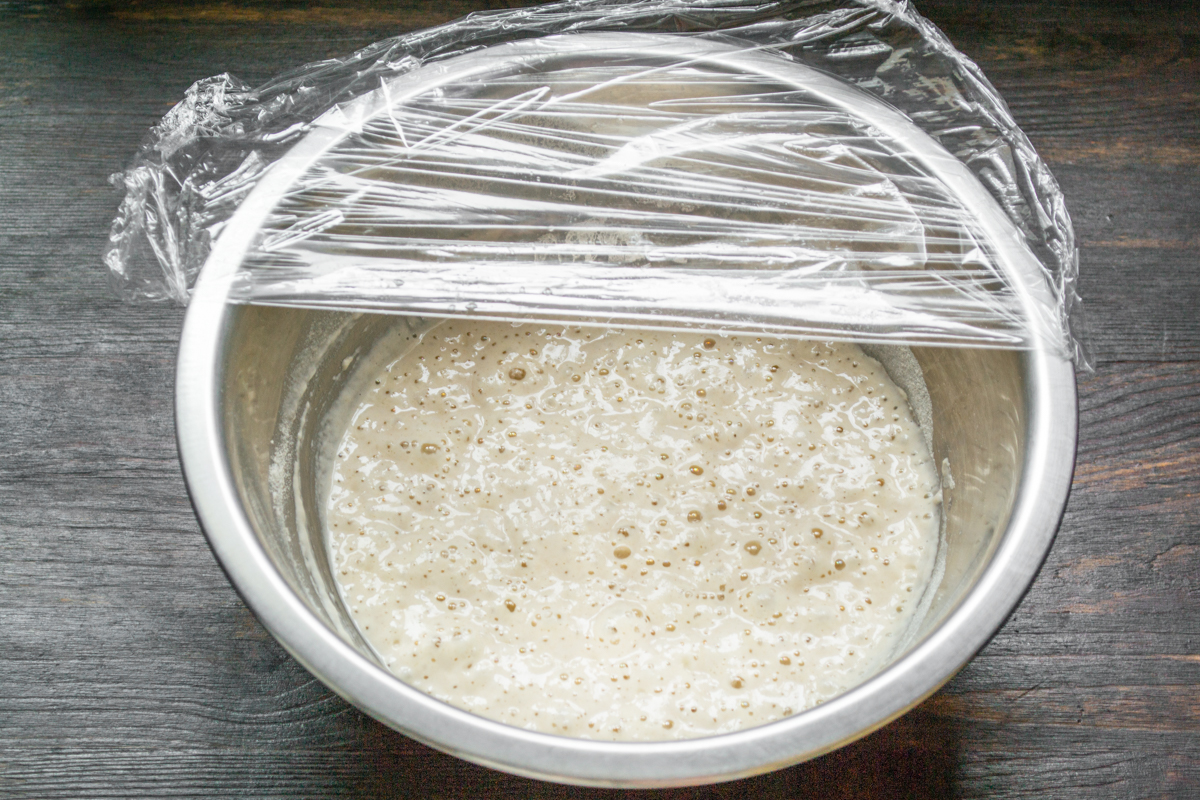
The levain needs time to mature. In a warm spot, it will expand and turn airy and bubbly.
Assemble the bread dough. Add 295 g (10.4 oz) of wheat bread flour to the bread machine pan. Measure out 175 g (6.2 oz) of filtered water, then stir in the sea salt and honey until dissolved. Pour this sweet and salty water into the pan, followed by the extra virgin olive oil.
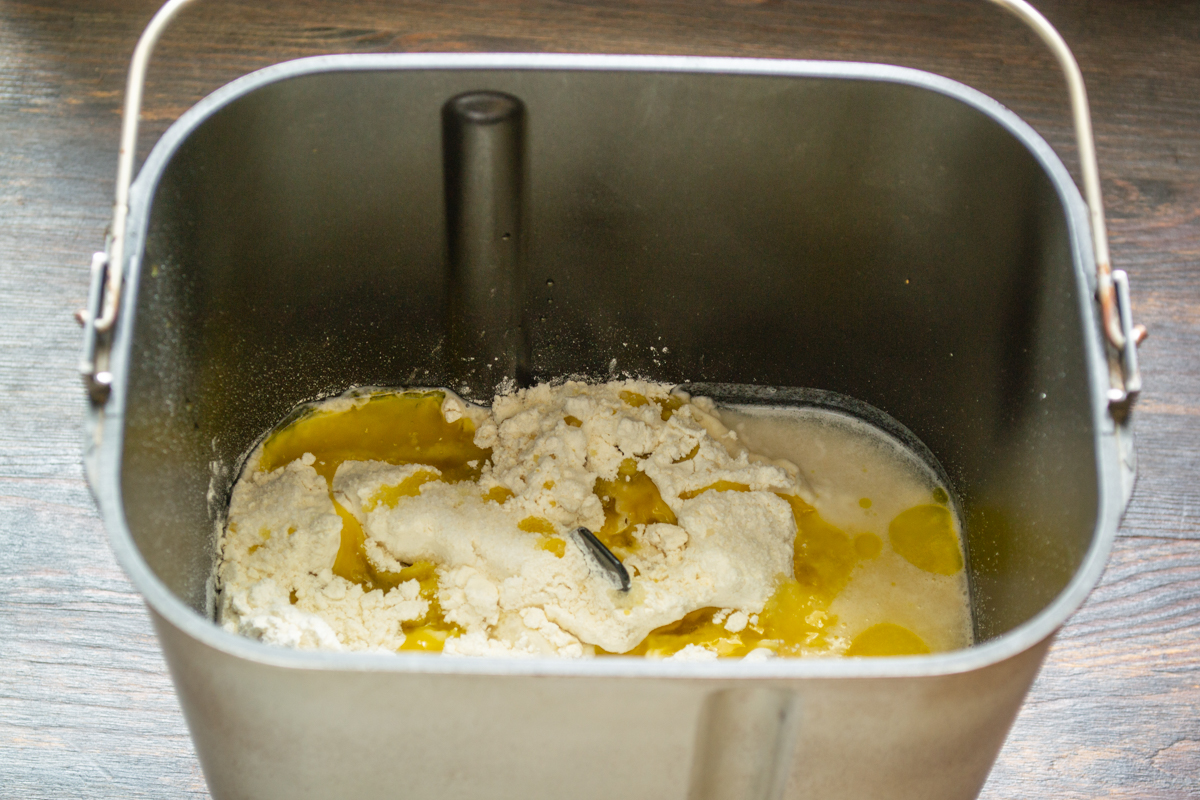
First, add the base ingredients to the pan: flour, water dissolved with salt and honey, and olive oil.
Spoon the fermented levain into the bread pan. There is no need to mix anything by hand—the bread machine will take over from here to knead, shape, and bake the loaf.
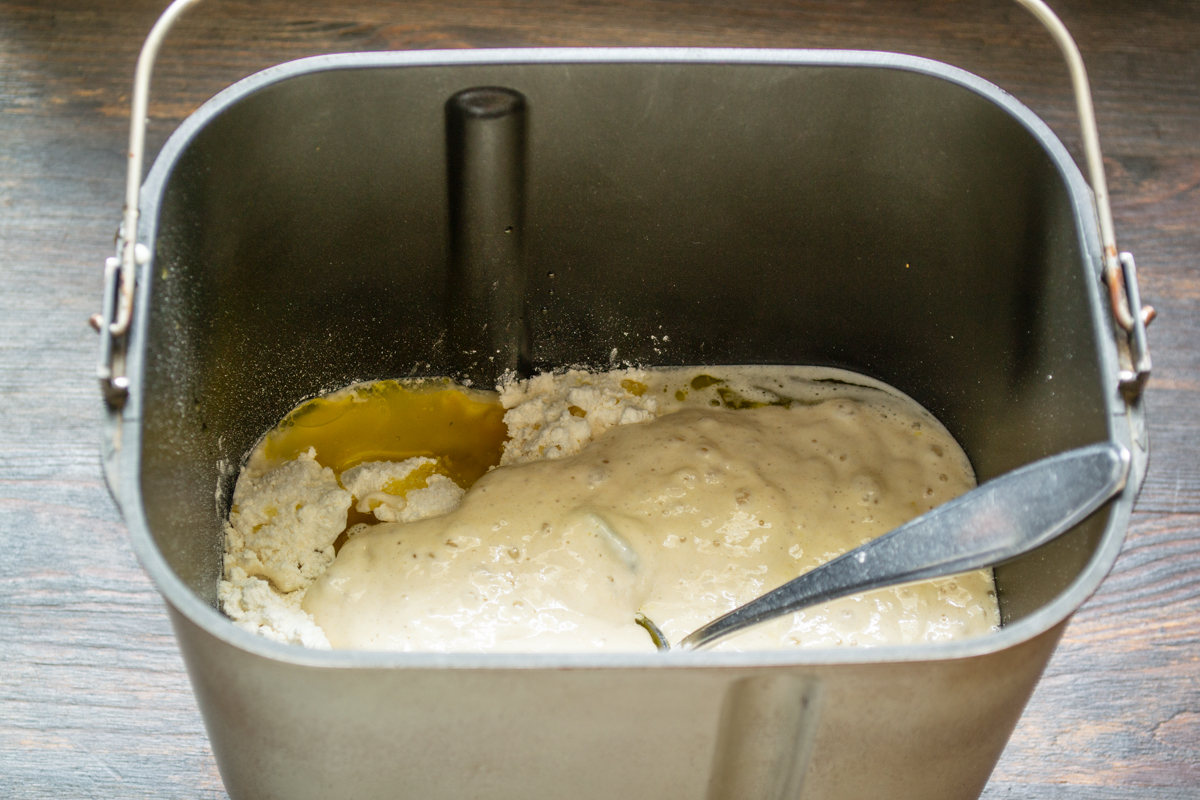
Spoon the ripe levain right on top of the other ingredients. Now the machine will handle all the heavy kneading.
Lock the pan into the bread machine and close the lid. The key difference from a standard recipe is that you do not add any commercial yeast at this point! Select the “M” (Medium) loaf size and the “Dark Crust” setting. Choose a baking cycle that runs for about 5–6 hours. Programs vary depending on the brand of your machine, so simply pick one that matches this timeframe—usually the “French Bread” or “Artisan/Low-Yeast” setting.
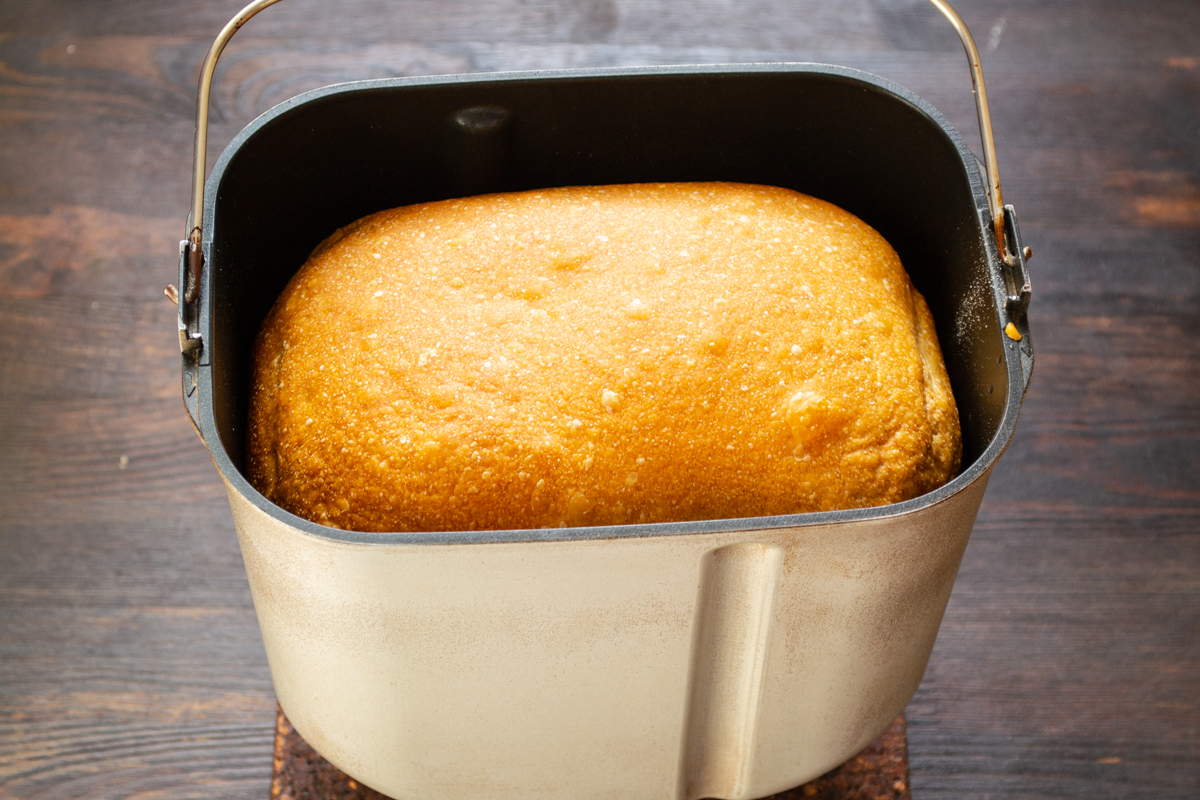
Long cycles like "French Bread" are ideal for sourdough, giving the dough plenty of time to rise properly.
Remove the baked loaf from the pan, transfer it to a wire cooling rack, and drape a linen towel over it. Let it rest for 2–3 hours until completely cool. Resist the temptation to slice off the heel right away, as the interior is still setting after baking. Cutting into the hot crust releases trapped steam and ruins the structure of the crumb!
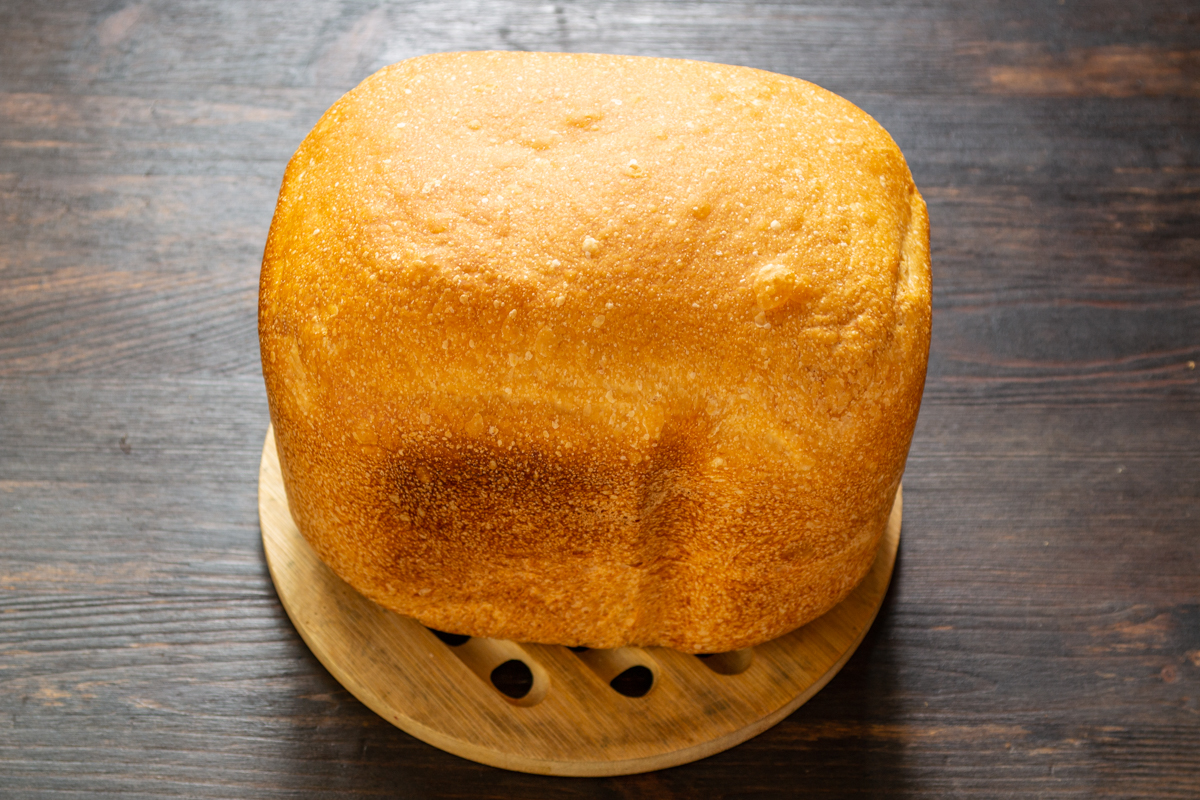
It is crucial to let the bread cool completely on a wire rack for a few hours. This ensures the crumb sets properly.
Sourdough bread baked in a bread machine stands apart from standard yeast loaves thanks to its deep flavor and open, porous crumb. First, it boasts a complex aroma that unfolds gradually and a signature chew that rapid proofing simply cannot replicate. Second, a sourdough loaf stays fresh much longer without going stale, remaining soft inside for several days. Above all, the quality of your flour matters most—take the time to find high-protein bread flour or experiment by blending in some whole wheat flour, as each variety brings its own unique nuances to the bake.
Serve your finished sourdough with good butter and aged hard cheeses, or use it as the base for vibrant tomato and basil bruschetta. If you have leftovers the next day, lightly toast the slices to revive their crunch and bring out the nutty notes in the crust. Store the loaf in a linen bag or a wooden bread box so it can breathe, avoiding plastic bags that trap moisture and soften its crisp, sturdy crust.
0 comments