
This apricot and ricotta tart is an incredibly simple homemade cheesecake-style dessert that swaps out traditional cream cheese for delicate ricotta, giving the bake a light, Mediterranean charm. Using ricotta in baking is a long-standing Italian tradition that creates desserts with a less greasy but wonderfully creamy texture. It is crucial to choose the sweetest and ripest fruit possible, as the baking process really coaxes out the apricots' deep aroma and turns them meltingly honey-like. The golden shortcrust pastry, combined with the bright fruit halves, makes this tart a true centerpiece for any table and the perfect companion to a hot cup of aromatic tea.
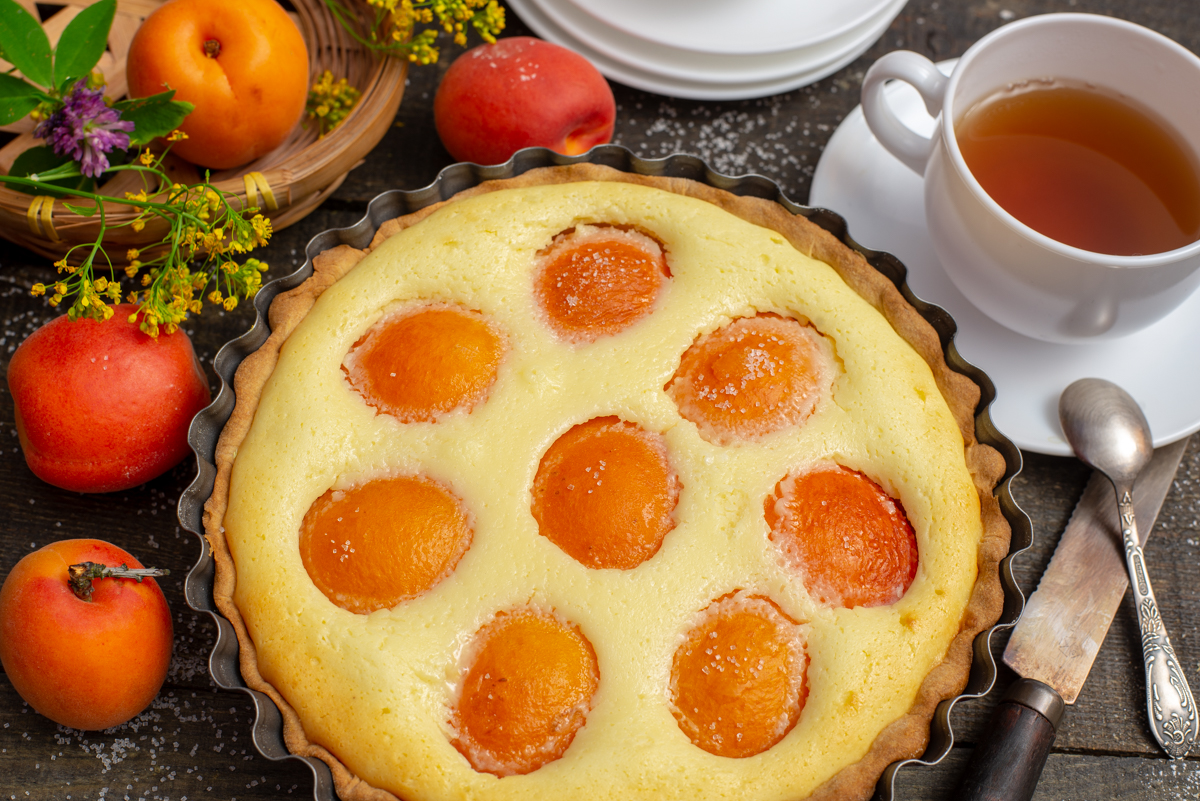
The aromatic tart with apricots and delicate ricotta is ready. The perfect addition to your afternoon tea!
Dough ingredients
- 180 g all-purpose flour (approx. 1 1/2 cups)
- 40 g powdered sugar
- 90 g butter (approx. 6 1/2 tbsp)
- 2-3 tbsp ice water
- 1/3 tsp baking powder
- pinch of salt
Filling ingredients
- 250 g ricotta cheese
- 120 g granulated sugar
- 2 eggs
- 35 g cornstarch (approx. 4 1/2 tbsp)
- vanilla extract
- 4-5 large apricots
How to make the apricot and ricotta tart
Prepare the dough. Sift the all-purpose flour into a large bowl. Add the baking powder and powdered sugar. Whisk the dry ingredients together, then add the diced butter. Rub the butter into the flour with your fingertips until the mixture resembles coarse crumbs. Dissolve a pinch of salt in cold water and add the liquid to the dough. Depending on the flour’s moisture content, you may need 2 or 3 tablespoons of water. Pour the water in gradually!
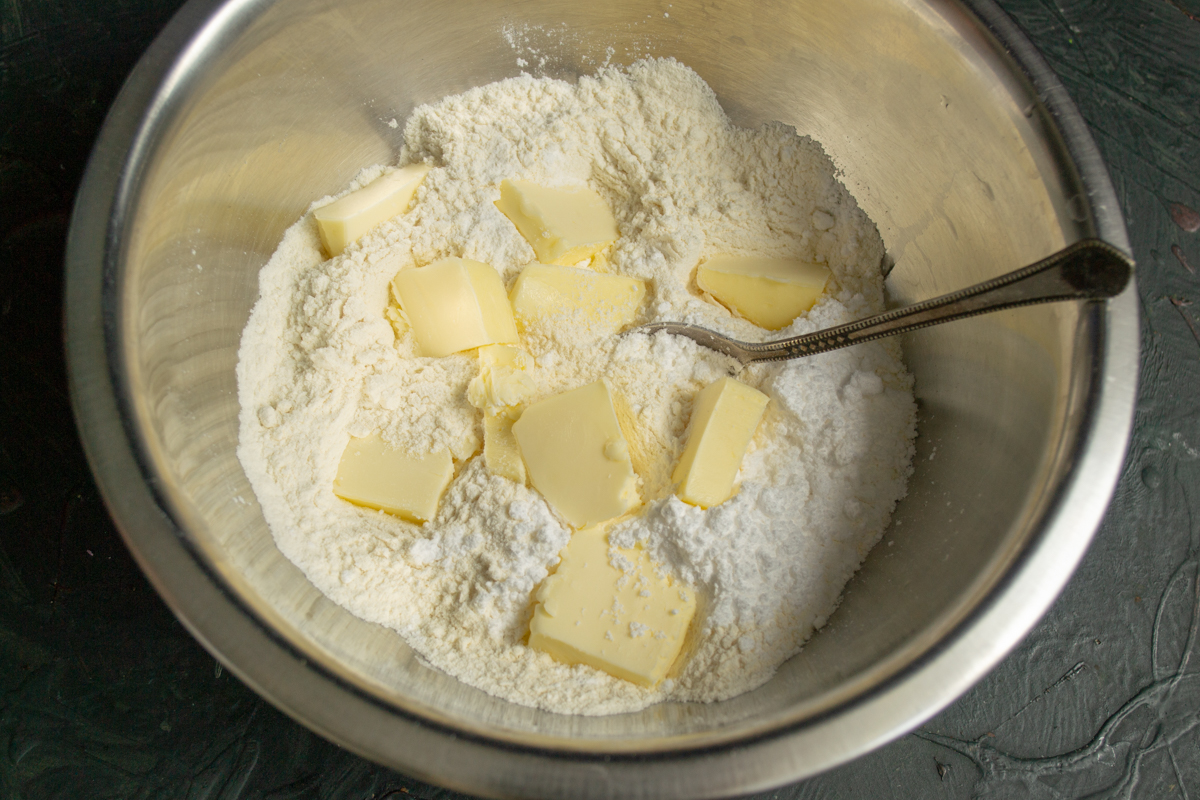
Rub the cold butter into the flour until it resembles fine crumbs—this is the foundation of our shortcrust pastry.
Turn the dough out onto your work surface and quickly knead it with your hands just until it comes together. Form it into a disc, wrap it tightly in plastic wrap, and let it rest in the refrigerator for 15 to 20 minutes.
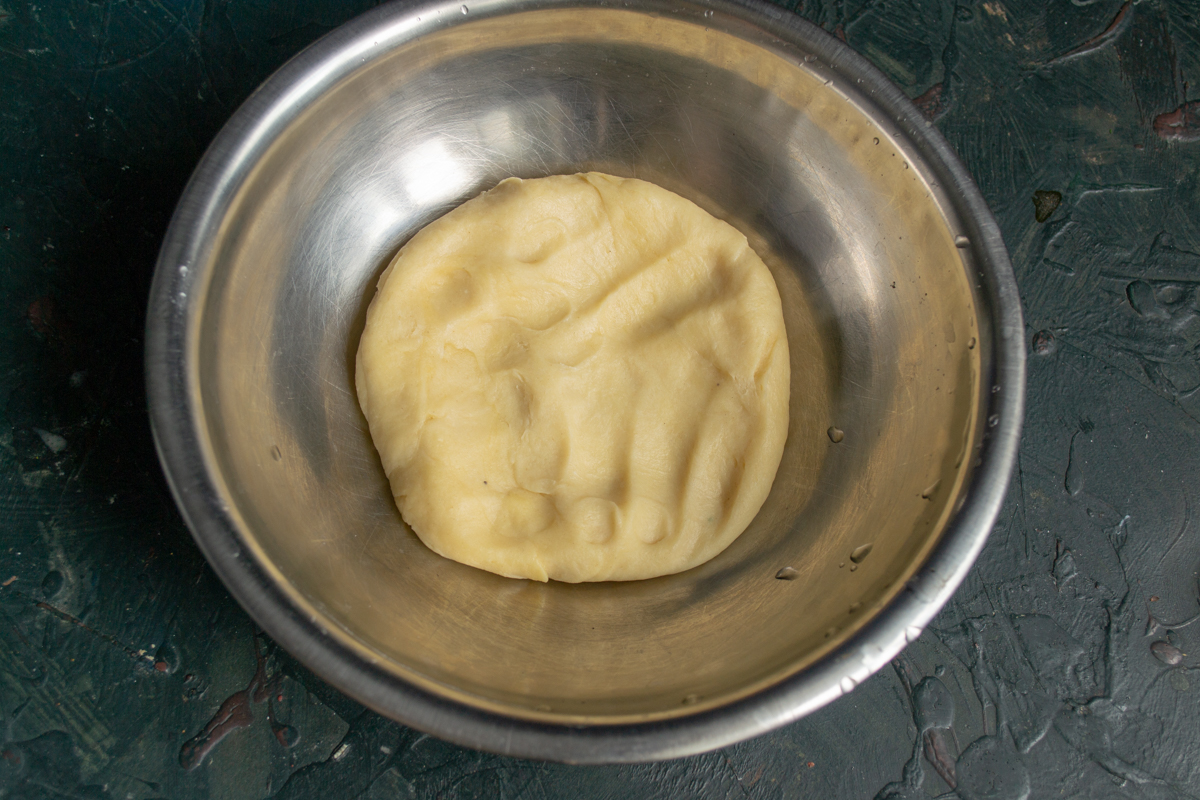
Quickly bring the dough together into a ball. It is important not to overwork or overheat it with your hands to keep the crust flaky.
Lightly dust your cutting board and rolling pin with flour. Place the chilled dough on the board and roll it out into a thin, even circle.
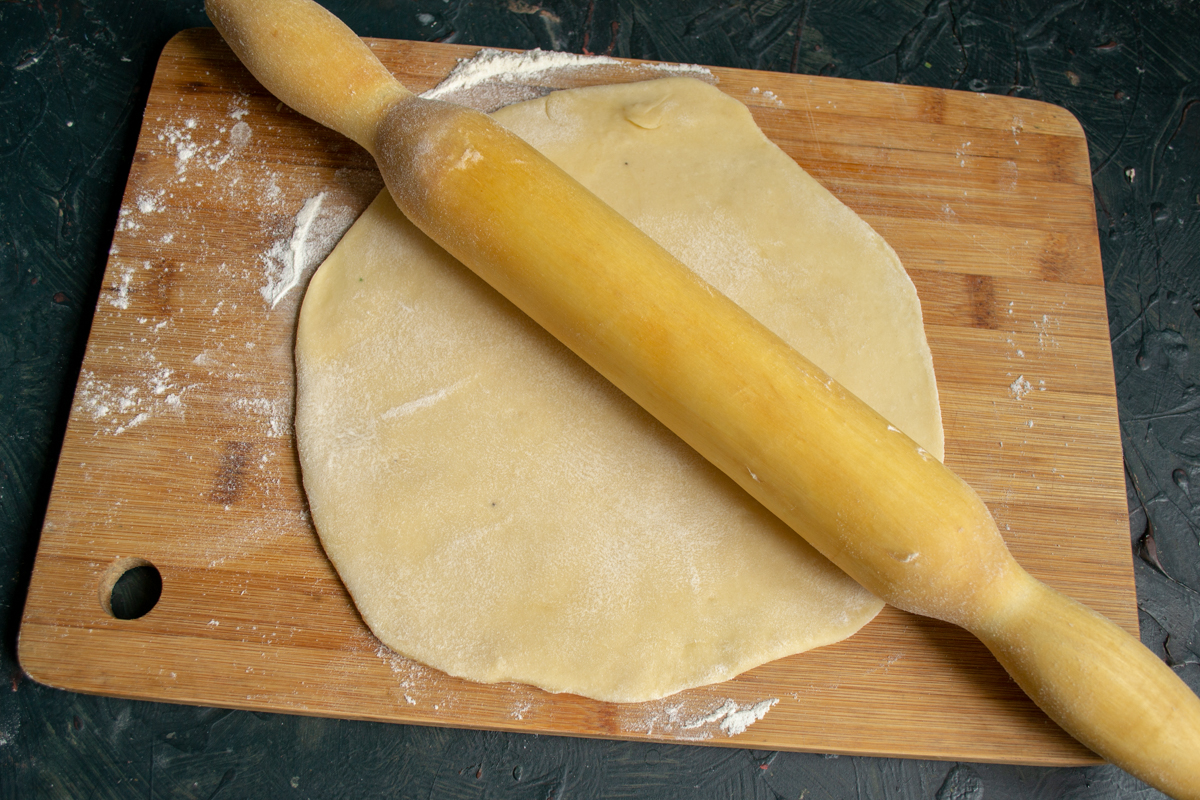
Roll the dough out into a circular sheet. Use flour for dusting so the dough doesn't stick to the rolling pin.
Gently transfer the dough using the rolling pin into a shallow metal tart pan with fluted edges. Press the dough firmly into the bottom and up the sides to form the crust. Chill the prepared base in the refrigerator. Meanwhile, preheat your oven to 180°C (350°F) and start making the filling.
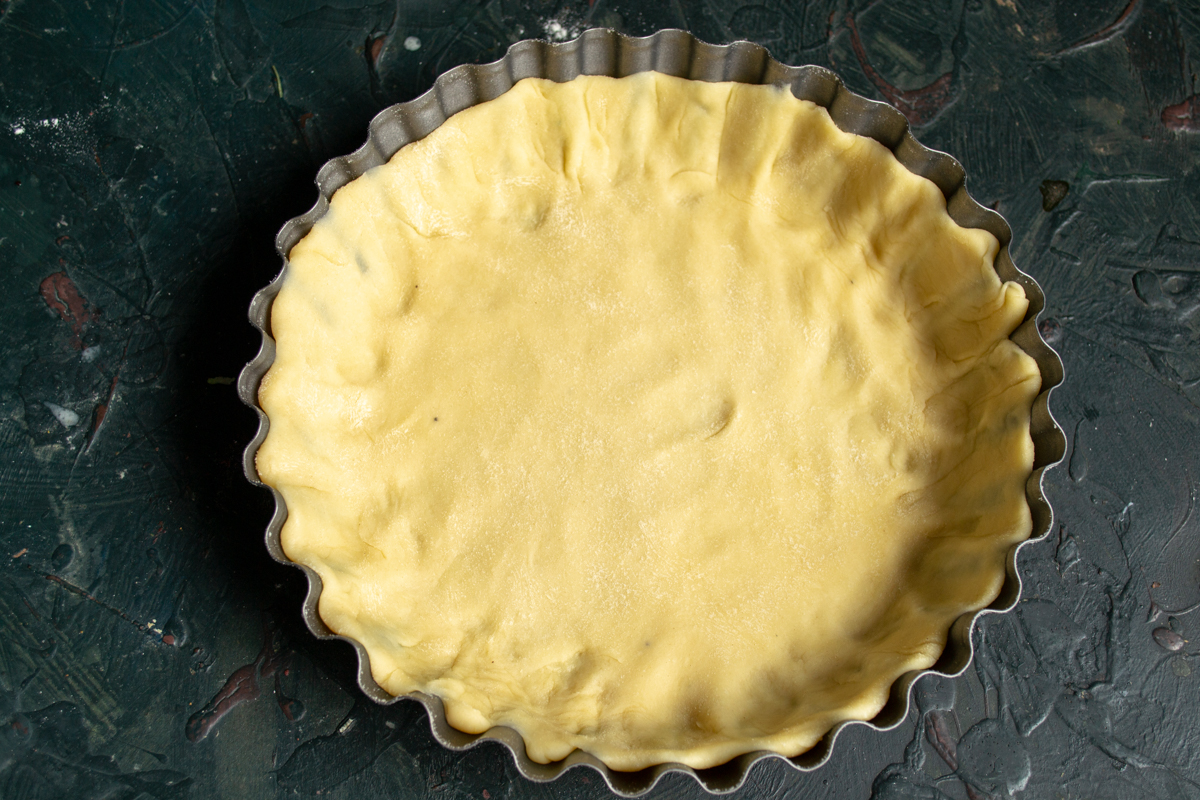
Transfer the dough into the pan and form neat edges. After this, the crust must be chilled.
Make the filling. Combine the ricotta with granulated or powdered sugar in a mixing bowl, and stir in a teaspoon of vanilla extract.
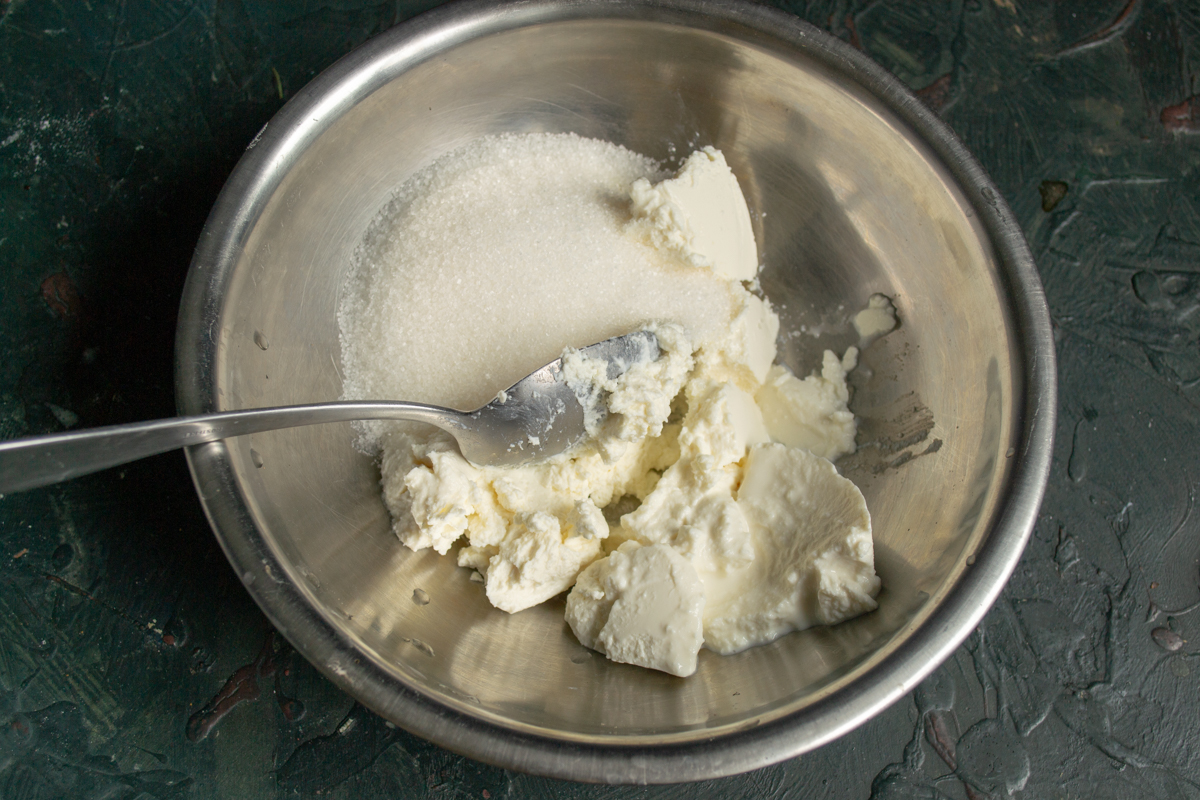
Combine the ricotta and sugar for the filling. The ricotta will give the tart a delicate, creamy texture.
Crack in the eggs.
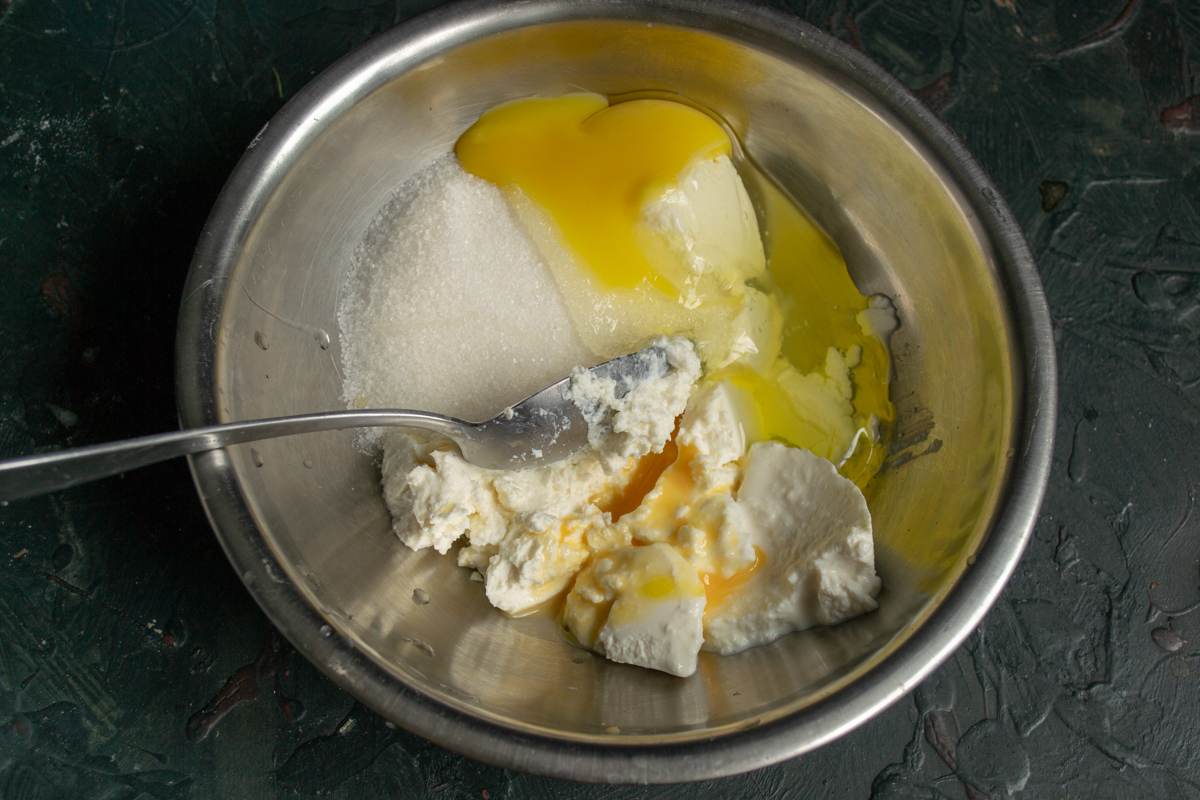
Mix the eggs into the filling. They will help the cream set properly during baking.
Sprinkle in the cornstarch. To perfectly balance the sweetness, you can also add a pinch of fine sea salt at this stage.
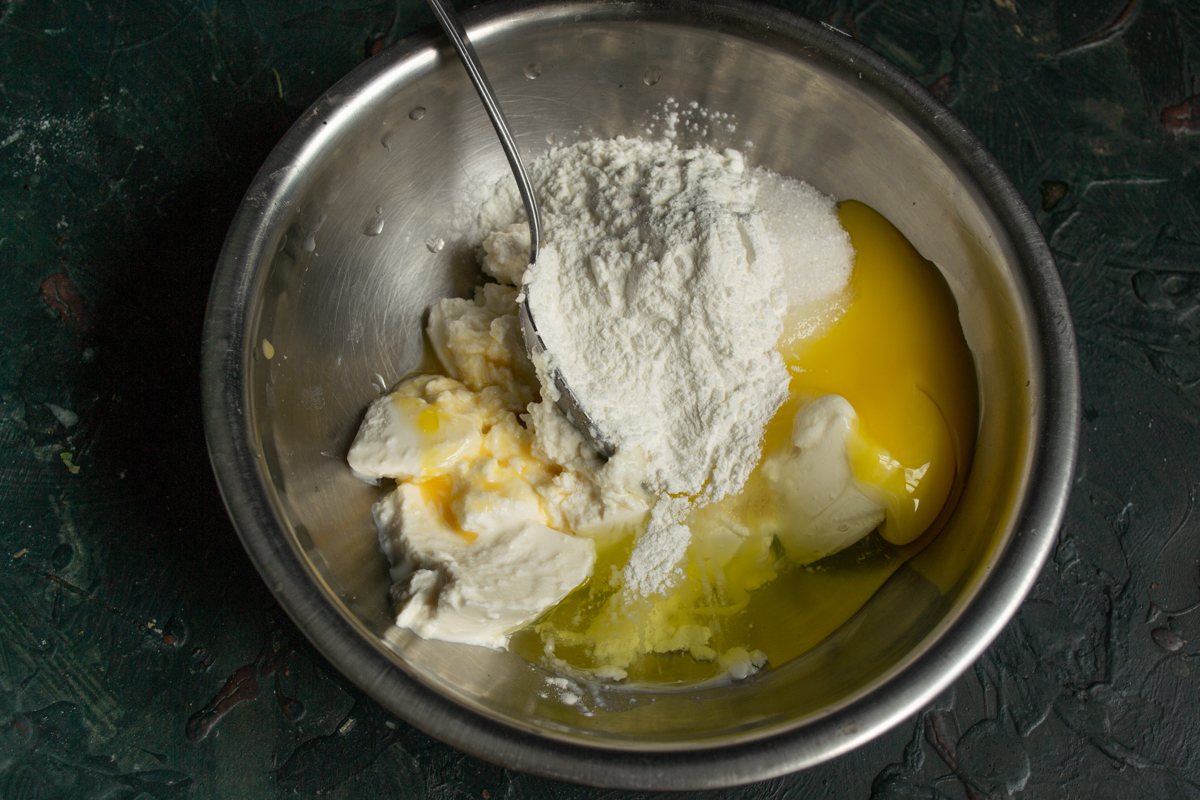
Cornstarch is an essential ingredient that will thicken the filling and make it hold its shape when sliced.
Blend the ricotta mixture with an immersion blender until completely smooth and velvety. The filling will be quite runny at this point—that is exactly how it should be.
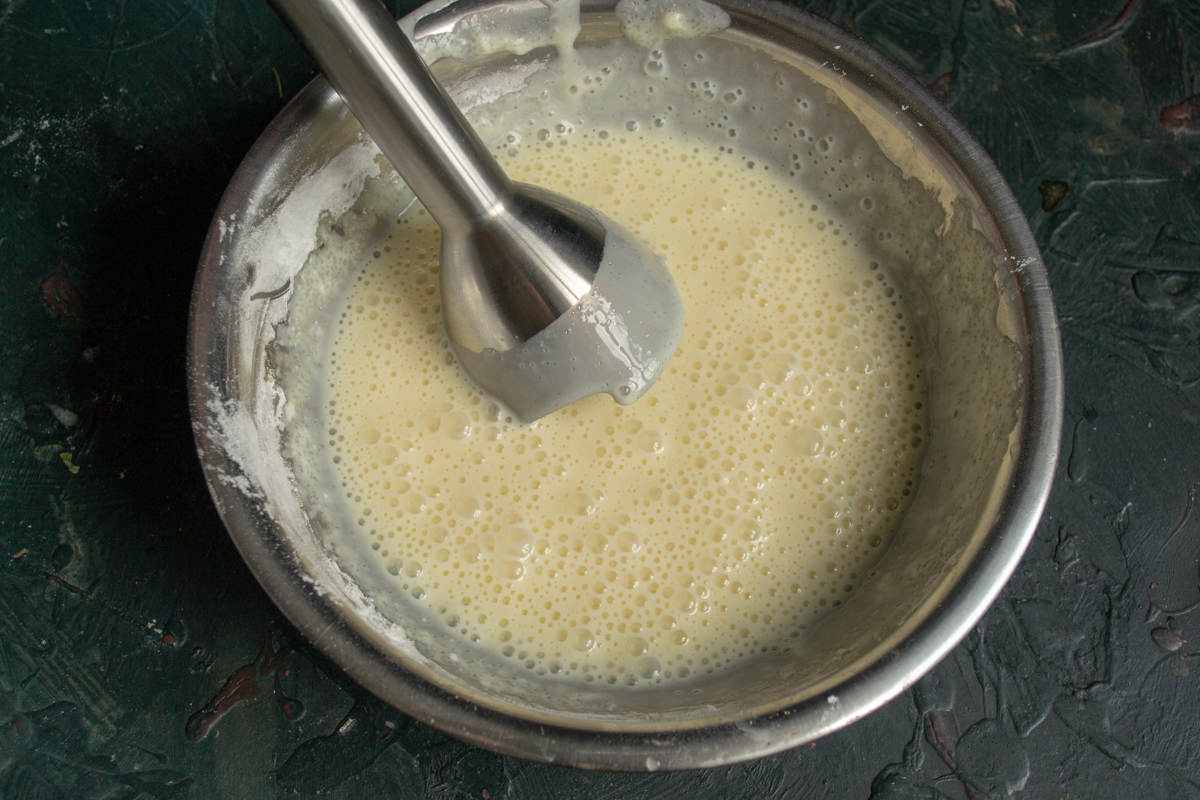
Process the mixture with an immersion blender until completely smooth to ensure there are no lumps in the filling.
Remove the chilled crust from the refrigerator and pour the liquid filling right into the pan.
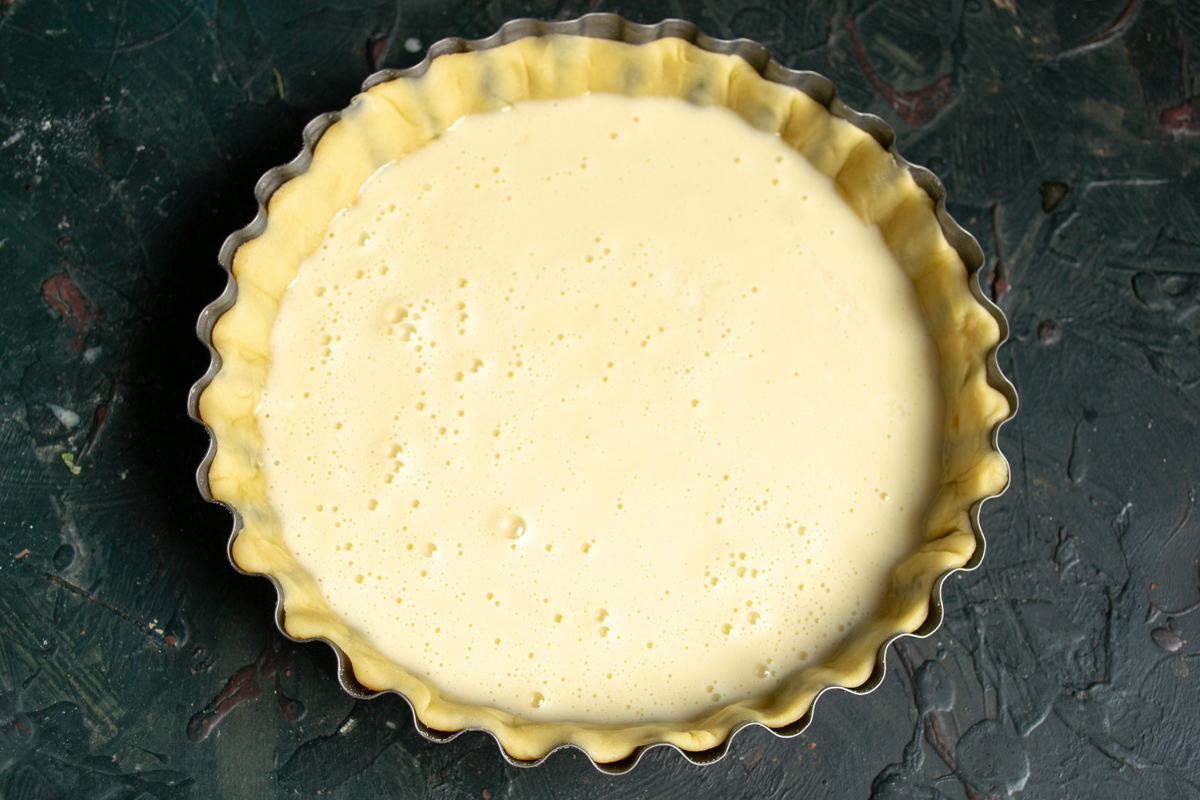
Carefully pour the resulting liquid filling into the chilled pastry crust.
Halve the ripe, sweet apricots and remove the pits. Arrange the apricot halves cut-side down into the filling. Ensure your tart pan is shallow; otherwise, the fruit will sink to the bottom and disappear. While it won’t affect the taste, the final presentation will suffer.
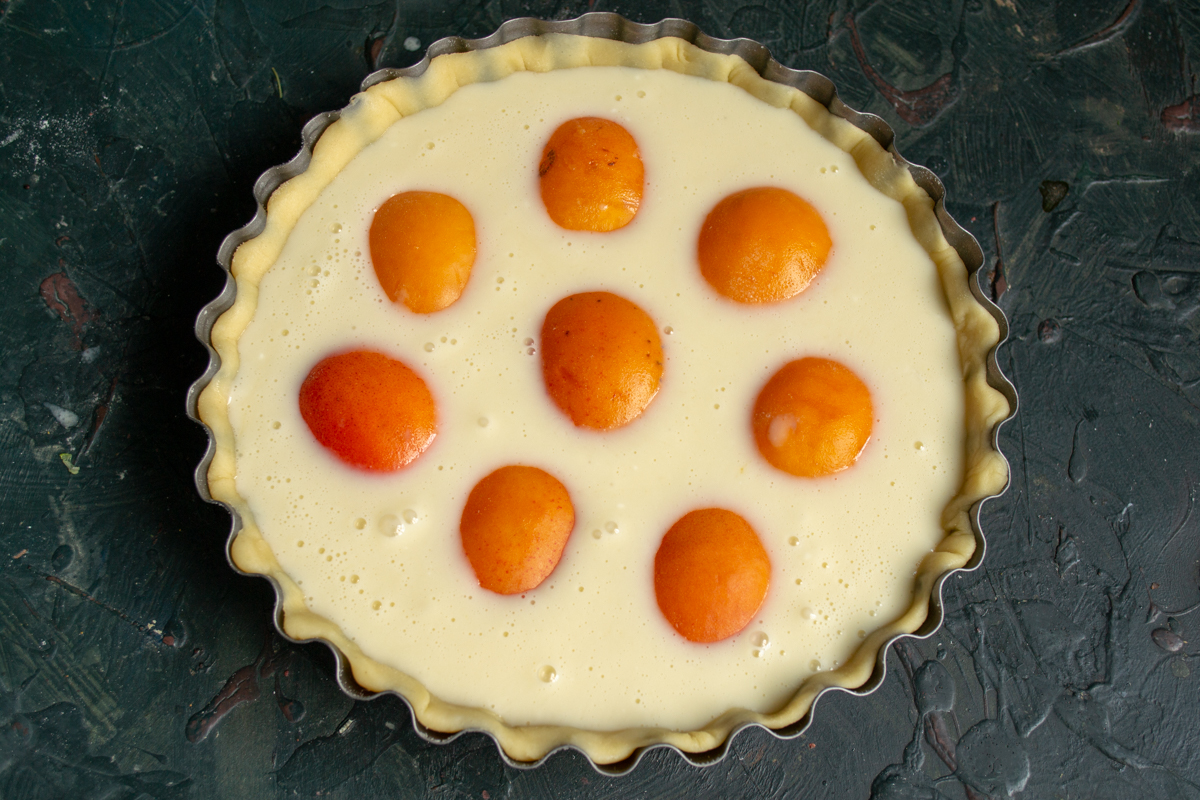
Arrange the apricot halves cut-side down. Use a shallow pan so the fruit stays visibly on the surface.
Brush the exposed apricot halves with a tiny drop of water and sprinkle them with granulated sugar.
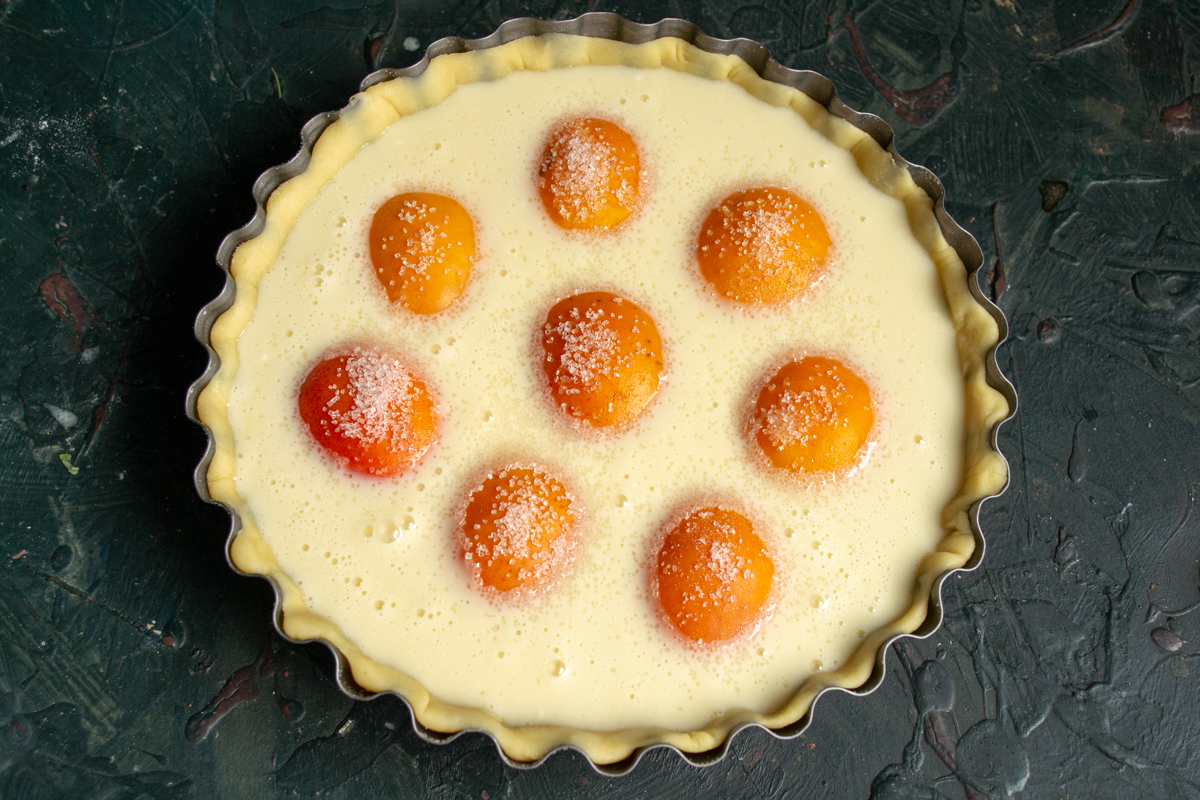
Sprinkle the apricots with sugar to create a pleasant caramelized note and highlight the fruit's natural flavor.
Place the tart in the thoroughly preheated oven. Bake on the middle rack for approximately 35 minutes, until the crust turns a beautiful golden brown and the top of the filling is set! The exact baking time depends on your specific oven and the depth of your pan, so it may vary slightly from what is indicated.
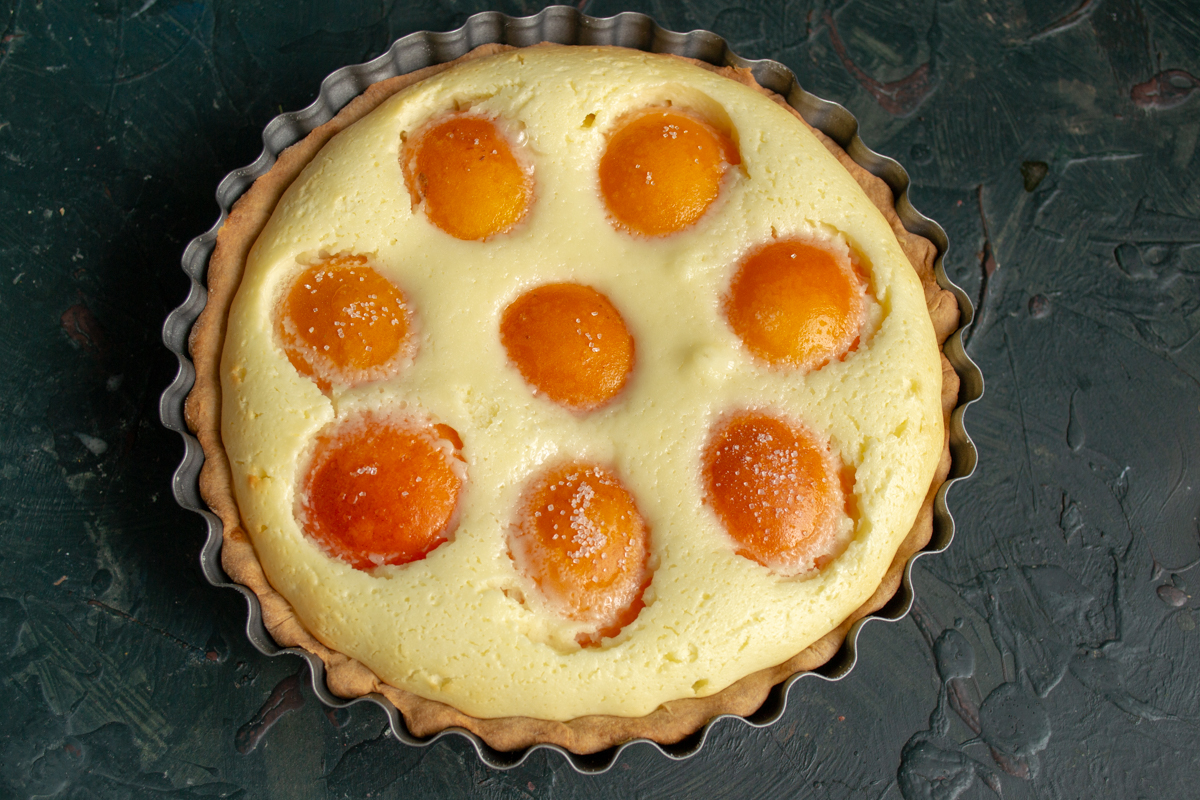
The tart is done when the edges are golden and the center of the filling is set. Let it cool slightly before serving.
Once you take the finished apricot and ricotta tart out of the oven, let it cool in the pan for about 15 to 20 minutes—this gives the filling time to fully set and firm up. For a more elegant presentation, dust the dessert lightly with powdered sugar or serve it alongside a scoop of vanilla ice cream to highlight the warmth of the fresh bake. If you feel like experimenting, try substituting some of the apricots with peaches, or adding a little lemon zest to the filling for a bright citrus note.
It is best to store the apricot and ricotta tart in the refrigerator, tightly covered so the delicate filling doesn't absorb any unwanted odors. It actually tastes even better the next day, as the shortcrust base soaks up the fruit juices. The secret to a perfect result is simple: do not overbake the dough; it should remain delicately golden and crumbly. Bon appétit, and enjoy every single bite!
0 comments