
A persistent myth suggests that a real celebration begins on December 30, with the host boiling beets, rolling out puff pastry, and hating everyone—including the Olivier (traditional Russian potato salad)—by midnight. I respect that heroism, yet I refuse to share it. Guests never see who boiled the beets. They only notice the overcooked fish, the salad chopped in frustration, and an exhausted host with an ashen face sprinting between the kitchen and the dining room all evening.
Prepared convenience foods on a holiday table simply eliminate the grunt work. Letting the grocery store handle the peeling, boiling, and freezing makes sense. A store-bought base replaces a tedious task, while the sauce, the filling, and the final assembly remain entirely in your hands.
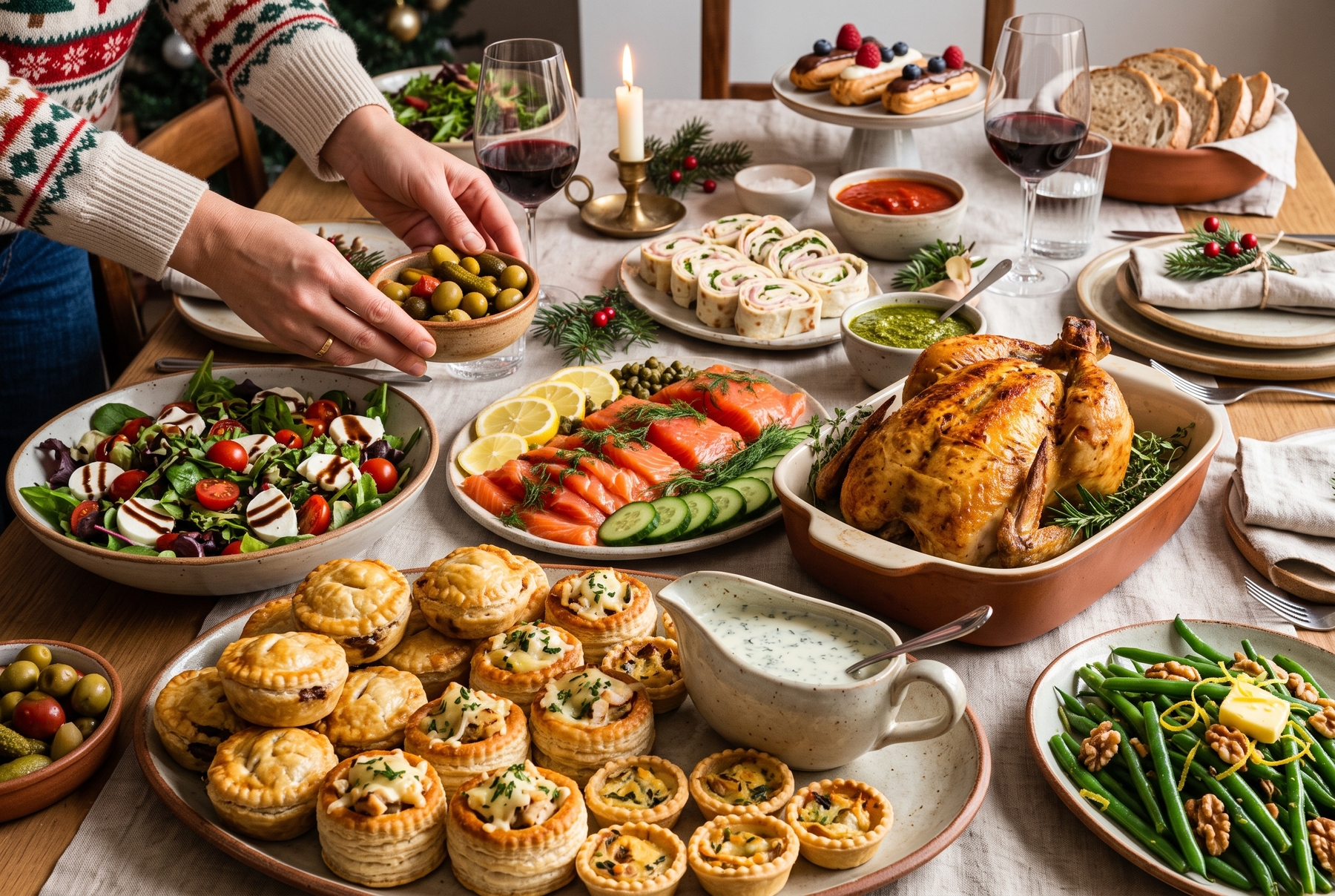
High-quality convenience foods handle the kitchen prep work and help you set a stunning holiday table in a fraction of the time.
Table of Contents
For a holiday feast, buying pre-made versions of ingredients that are time-consuming, messy, or pointless to make from scratch the day before is the smartest strategy. Elevating a store-bought base takes minimal effort: adding a homemade filling or sauce, scattering fresh herbs, introducing a splash of acid, and serving the dish at the right temperature transforms it completely. At my own dinner parties, this approach has always succeeded, and no one has ever asked who boiled the beets.
Pastries and Appetizers
Store-Bought Puff Pastry: The Ultimate Foolproof Base
Home cooks rarely make puff pastry from scratch because laminating butter and chilling the dough takes hours. For turnovers, hand pies, and other quick holiday appetizers, a commercial sheet works beautifully. Vol-au-vents, mini savory pies, cheese straws, turnovers stuffed with mushrooms, chicken, or spinach, and salad tartlets all come together in just a few hours.
Two main risks exist here: excess moisture in the filling and an underheated oven. Sautéing mushrooms and onions beforehand evaporates their liquid; otherwise, a soggy puddle forms underneath the crust. Baking at 200 °C (400 °F) ensures the layers puff dramatically while the edges brown to the shade of burnt caramel. A properly baked puff pastry boasts a dry underside and shatters with a crisp rustle when broken.
Yeast Dough: An Occasional Evening Lifesaver
Store-bought yeast dough proves trickier because different brands behave unpredictably. Still, for baked pirozhki (stuffed buns), rasstegai (traditional open-topped savory pies), and cabbage or meat rolls, commercial dough performs admirably. Allowing the dough to warm up and proof for about 30 minutes is essential. Shaping the pies with a cooled filling, brushing them with egg wash, scattering sesame seeds on top, and baking until an even, golden-brown crust develops yields bakery-worthy results.
Lavash and Tortillas: No Need to Disguise
Guests will recognize store-bought lavash (thin unleavened flatbread), and that is completely fine. The lavash pinwheel roll has long been a culinary genre of its own, carrying zero shame. Classic combinations include cured salmon with cream cheese and dill, shredded chicken with herbs, or a garlicky cheese spread. Precision matters most here: rolling the flatbread tightly, chilling it in plastic wrap for a couple of hours, and slicing it with a razor-sharp knife makes all the difference. A clean, neat cross-section matters far more than the origin of the flatbread.
Tartlet Shells: Skip the Cheapest Boxes
Shortcrust tartlet shells are denser and hold wet fillings well, whereas wafer shells feel lighter but turn soggy in minutes. Cheap shells betray themselves with the aroma of industrial margarine right through the packaging—sniffing them before buying is genuinely wise. Great fillings include cod liver mashed with egg, savory cheese spreads, chicken and mushroom ragout, or roasted beets with goat cheese and walnuts. Filling the shells right before serving preserves their crunch.
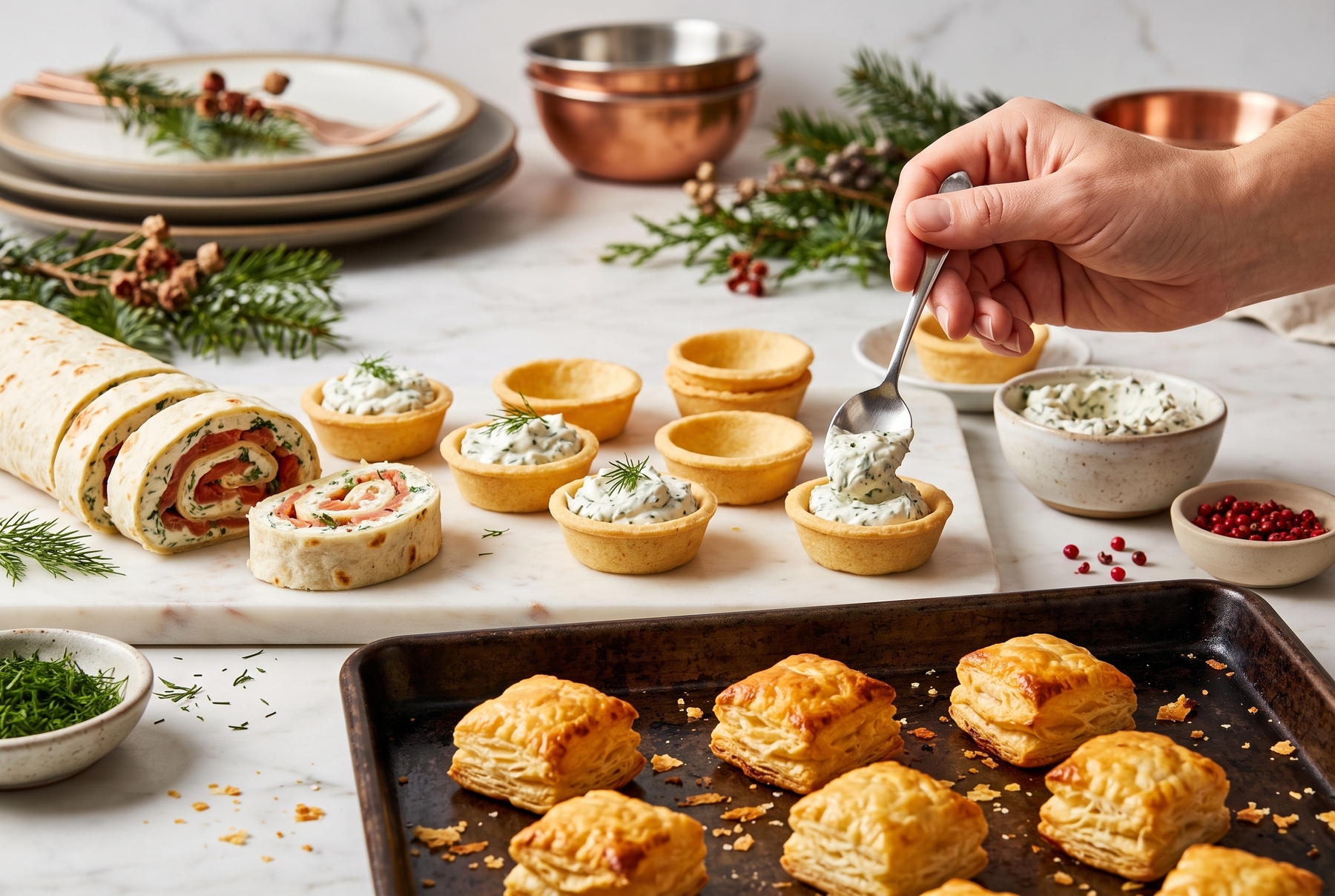
Store-bought dough, crisp tartlet shells, and thin lavash flatbread let you assemble impressive appetizers in half an hour.
Salads
Vacuum-Packed Cooked Beets: Skip the Stained Pots and Pink Hands
Vacuum-sealed beets save roughly an hour of cooking time and spare you a pot ringed with magenta stains. In Dressed Herring (a layered beet and cured fish salad known as *Shuba*), Vinegret (a tangy diced root vegetable salad), or a beet salad with prunes and cheese, the difference is virtually undetectable. Patting the beets dry with a paper towel after opening the pack prevents a watery salad and keeps the beet juice from bleeding into the other ingredients.
Pre-Cooked Potatoes and Carrots: Check the Texture
For Olivier, Vinegret, and other classic holiday salads, structural integrity is paramount. A good vegetable cube springs back and holds its shape, while a bad one collapses into mush and smells like the inside of a refrigerator. Waterlogged vegetables quickly turn a festive salad into porridge. Checking the expiration date and squeezing the package helps you select firm vegetables without cloudy liquid pooling at the bottom.
Herring Fillets: The Smart Choice for Layered Salads and Forshmak
Not everyone knows how to butcher a whole salted herring at home, and doing so right before a party leaves a lingering fishy aroma throughout the kitchen. Selecting whole fillets in a mild brine beats buying pre-sliced pieces in oil with onions, as oil masks the fish’s texture and freshness. Patting the fillet dry and dicing it yourself gives you full control. When making Forshmak (a traditional Ashkenazi chopped herring pate), incorporating a tart apple, onion, and hard-boiled egg balances the saltiness so the brine never overwhelms the palate.
Canned Peas, Corn, and Beans: Unapologetic Classics
Canned green peas have anchored Olivier salad since the Soviet era, and for many, the dish feels incomplete without them. Draining the liquid completely, rinsing the beans, and selecting small, sweet “brain-seeded” (wrinkled) varieties of peas ensures the best texture, as larger peas often turn starchy.
Korean-Style Carrots and Croutons: Use as Accents, Not Bases
Morkovcha (spicy pickled julienned carrots known as Korean-style carrots) packs a sharp, unmistakable punch. Adding too much drowns out every other ingredient on the plate. Restraint works best: a small handful inside a lavash roll or a light scattering in a layered appetizer adds just enough zing. Tossing croutons into a salad right before serving keeps them crisp, and choosing plain toasted bread over artificial “smoky bacon” varieties prevents aggressive chemical flavorings from hijacking the dish.
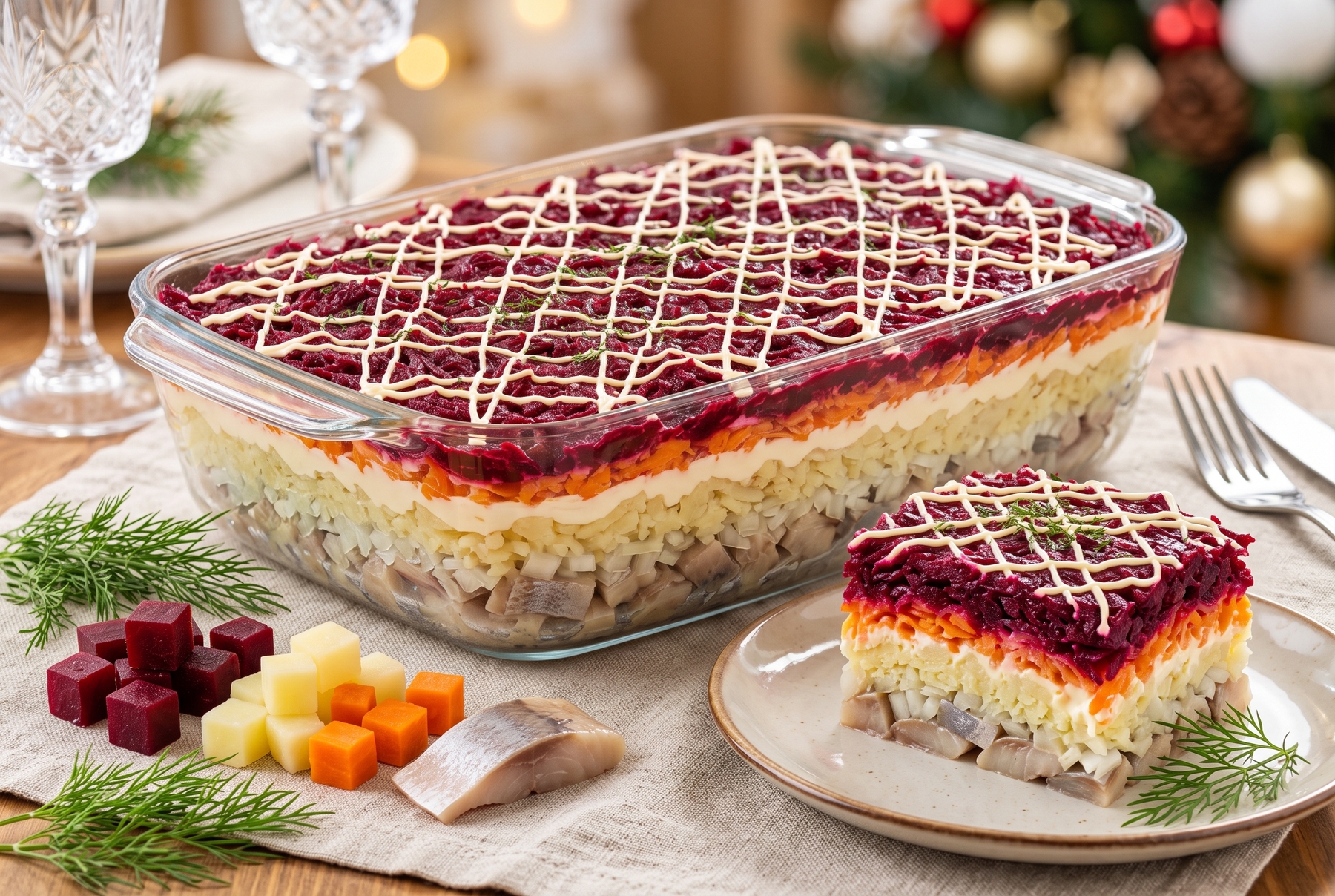
Vacuum-packed cooked beets and brined herring fillets eliminate messy prep work when assembling classic holiday salads.
Fish and Seafood
Peeled Shrimp: Warm Gently, Never Boil into Rubber
Cooked-and-frozen shrimp arrive fully cooked and only require gentle warming. Boiling them for ten minutes turns them into pencil erasers. Thawing the shrimp, patting them dry, and tossing them into a hot skillet with butter and garlic for just two minutes, finished with lemon juice and herbs, yields tender results. The aroma alone draws guests into the kitchen before the platter even hits the table.
Skinless, Boneless Fish Fillets: Showcase the Dish, Not the Butchery
Ready-to-cook fillets of cod, pike-perch (zander), trout, or salmon eliminate the mess of scales, fins, and pin bones. Dryness poses the main threat here. Topping the fillets with a rich sauce or a blanket of vegetables locks in moisture. Fish reaches perfection the moment its flesh flakes into opaque ribbons under the gentle pressure of a fork, not when a mandatory 40-minute timer rings.
Lightly Salted Salmon: Store-Bought Base, Homemade Presentation
Store-bought cured fish usually betrays itself through lazy plating: the slices sit on the platter in the exact rigid formation of their plastic tray. Arranging the ribbons loosely, scattering fresh dill, lemon zest, and capers over the top, and serving cream cheese and cucumber ribbons alongside breaks the supermarket illusion. The platter instantly looks thoughtfully composed.
Imitation Crab Sticks: Embrace Them for What They Are
Pretending surimi sticks are real Kamchatka crab fools no one. Yet for retro crab salads, savory rolls, and tartlets, they perform their specific role well. Choosing chilled sticks over frozen ones guarantees a firmer bite and less watery weeping after dicing.
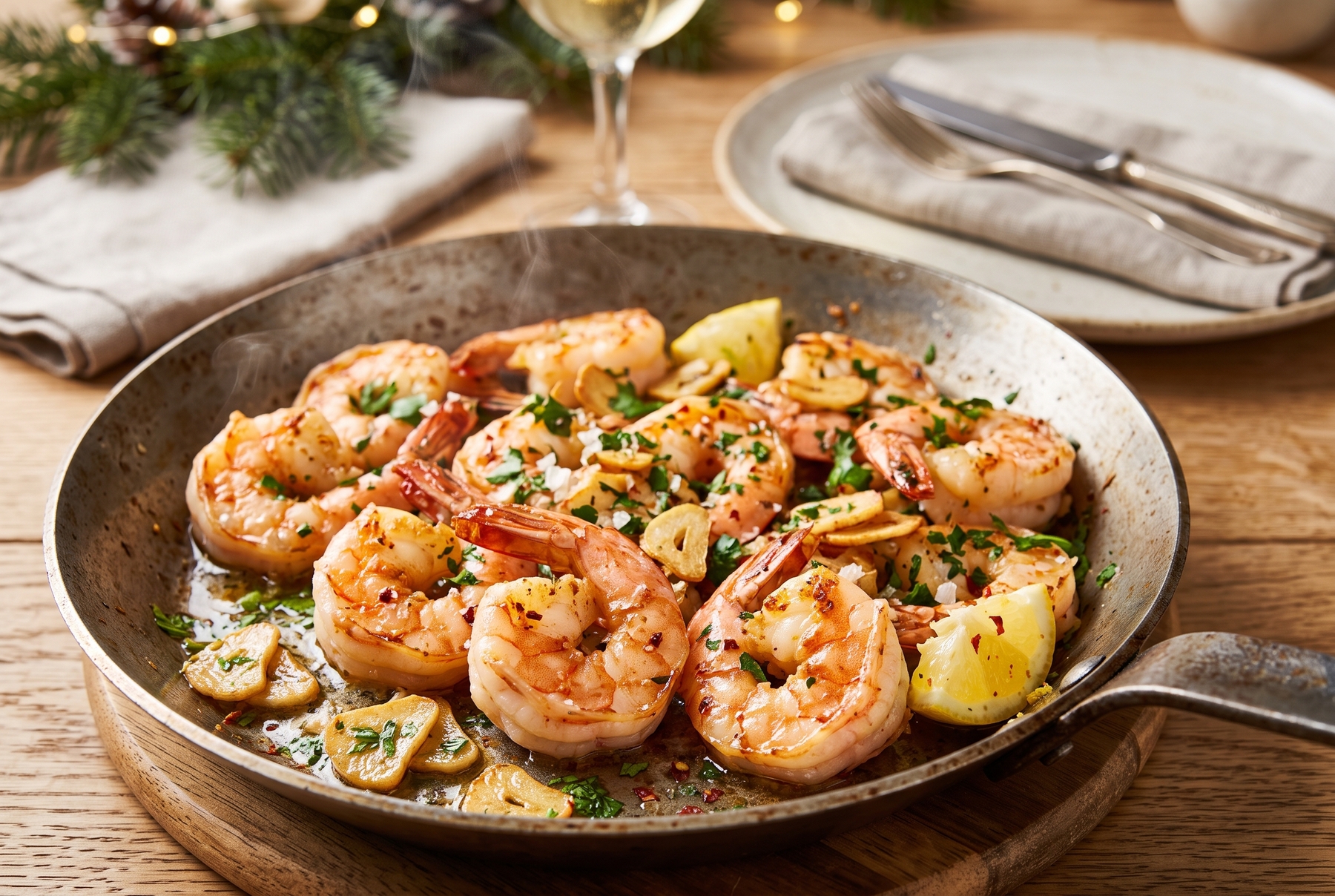
Pre-cooked frozen shrimp require no boiling; a quick two-minute sear in garlic butter brings them to life.
Meat and Poultry
Boneless Chicken Thighs: The Foolproof Main Course
Chicken thighs resist overcooking far better than breasts; their natural fat and connective tissue retain juices even if the roast stays in the oven a bit too long. Pre-trimmed boneless thigh fillets save thirty minutes of tedious knife work. Whether rolled around cheese and mushrooms, threaded onto skewers for oven roasting, or baked alongside potatoes, thigh meat stays reliably succulent.
Ground Meat: Buy Fresh and Season Generously
Inspecting store-bought ground meat requires a critical eye: look for an even color free of gray patches and a clean, neutral scent. Upgrading the base with sautéed onions, garlic, fresh herbs, and either panade (milk-soaked bread) or a splash of heavy cream transforms the texture. The aromatics build flavor, while the bread or cream locks in moisture.
Bacon, Pork Belly, and Ham: Flavor Enhancers, Not Headliners
Wrapping a strip of bacon around a stuffed chicken roulade, tucking diced pork belly into roasted potatoes, or folding julienned ham into a creamy mushroom cocotte adds instant smoky depth. Using these cured meats sparingly is key. If a block of ham glistens with artificial moisture and smells aggressively of liquid smoke before slicing, it will overpower everything else in the pan.
Pre-Marinated Meat in Plastic Buckets: A Last Resort
Industrial marinades heavy on vinegar, salt, and raw onion exist to mask inferior cuts of meat, which is why I steer clear of those supermarket buckets. If one already sits in your fridge, skipping the grill or broiler is wise. Braising or baking the meat alongside potatoes and root vegetables—or chopping it for a pie filling—allows the natural vegetable juices to mellow the harsh acidity of the commercial marinade.
Pre-Made Cutlets and Nuggets: Almost Always Obvious
Honestly, pre-formed commercial cutlets make a weak showing on an adult holiday table. Their dense, bready interiors and uniform factory breading give them away at first bite. Keeping a bag in the freezer makes sense strictly as a backup for picky kids or unexpected late-night hunger.
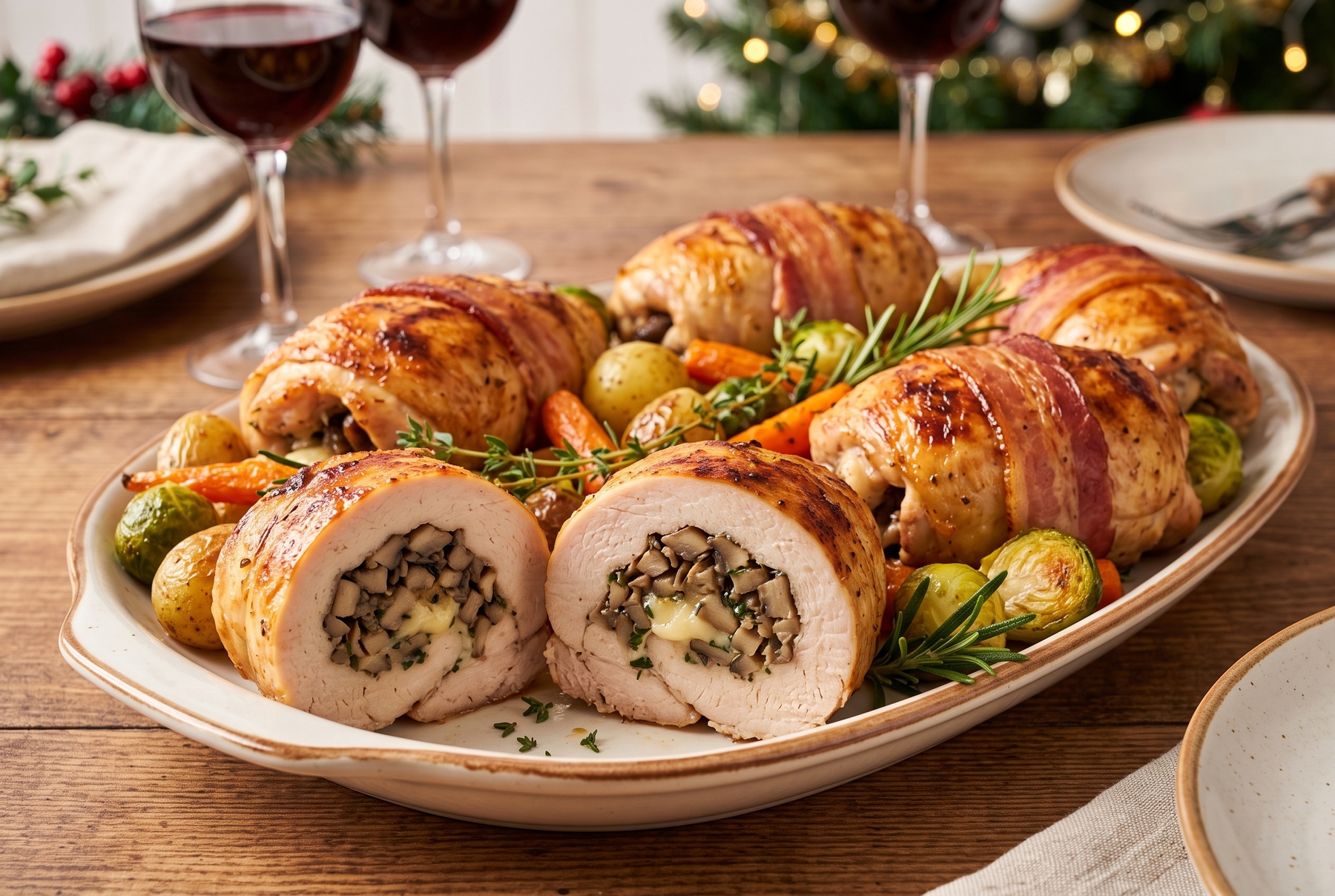
Boneless chicken thigh fillets and smoky bacon team up for a juicy holiday main course without tedious butchery.
Sides and Vegetables
Frozen Green Beans: A Vibrant Side in 10 Minutes
Boiling green beans until they turn olive-drab and limp ruins their appeal. Tossing frozen pods directly into a hot skillet with butter and garlic for three to four minutes, then finishing with flaky salt, lemon juice, and sesame seeds or crushed nuts, preserves their snap. The beans stay emerald-green and pleasantly crisp-tender.
Frozen Broccoli and Vegetable Medleys: Escaping the Cafeteria Vibe
Plain boiled frozen vegetables look depressing and smell like a school cafeteria. Tucking them into a gratin, baking them in a casserole, or blanketing them in a cheese sauce creates a blistered, golden crust on top while keeping the florets tender yet intact underneath.
Pre-Sliced Button Mushrooms: A Small, Welcome Time-Saver
For julienne (baked mushrooms in sour cream and cheese), tartlets, or savory pie fillings—anywhere large volumes of mushrooms are required—pre-sliced packages save twenty minutes of repetitive chopping. One caveat applies: cut mushroom surfaces oxidize and spoil rapidly, so cooking them on the day of purchase is essential.
Frozen Wild Mushrooms: Evaporate the Water First
Frozen forest mushrooms release a flood of liquid as they thaw. Dumping them onto a dry, scorching-hot skillet first allows that moisture to evaporate until the mushrooms begin to sizzle quietly. Adding butter, onions, and cream only after the pan dries out ensures proper browning. Pouring fat into the pan from the start merely stews the mushrooms in a gray puddle.
Bagged Salad Mixes: A Foundation, Not a Finished Dish
A bag of washed greens dumped into a bowl looks exactly like a bag of greens dumped into a bowl. Tossing in halved cherry tomatoes, crumbled cheese, toasted nuts, and a quick emulsion of olive oil, Dijon mustard, and lemon juice elevates the leaves into a real side dish. Dressing the greens right before serving prevents them from wilting into a soggy mess within thirty minutes.
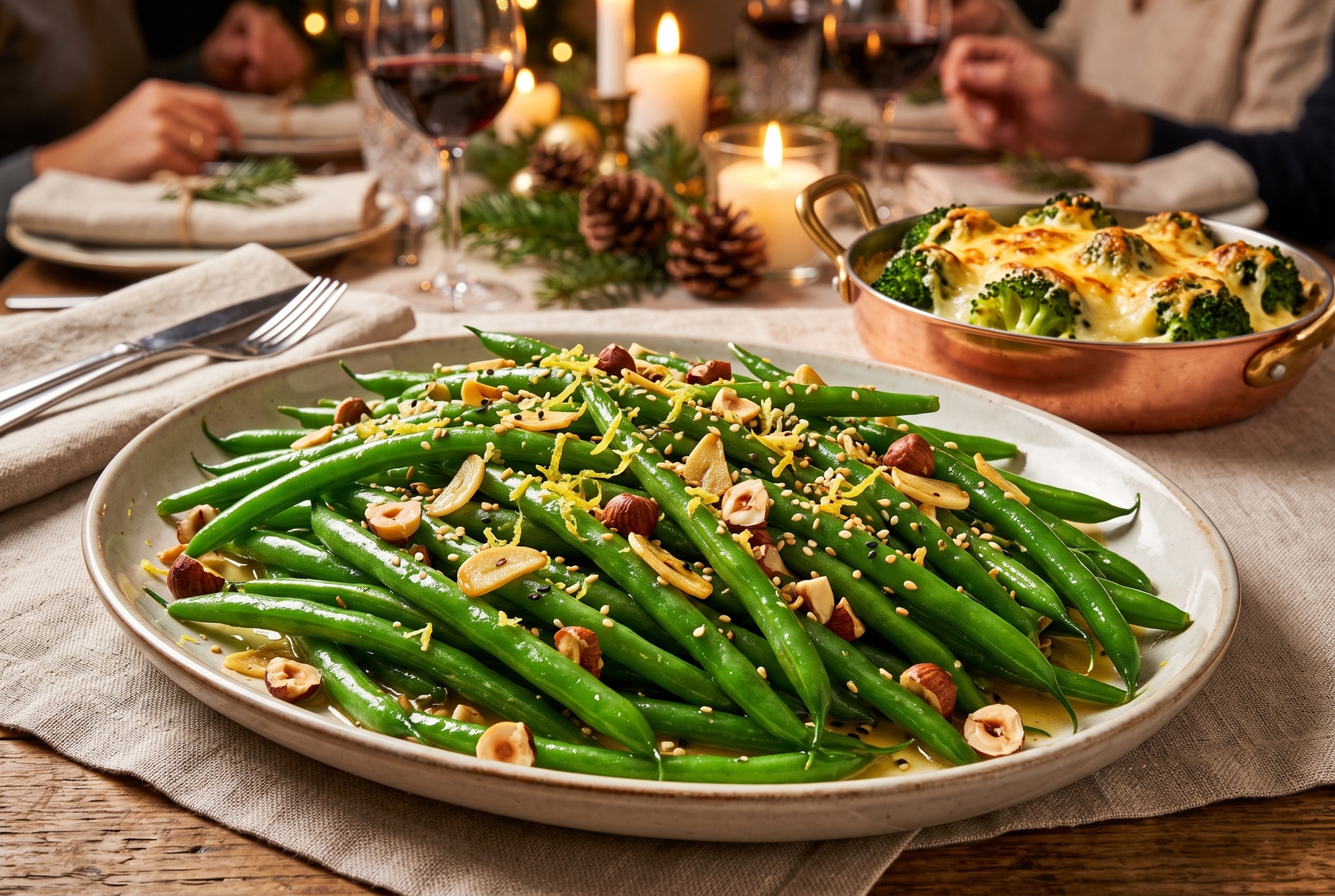
Frozen green beans and broccoli florets transform into vibrant side dishes when properly seared or baked in a gratin.
Sauces and Pantry Bases
Mayonnaise: The Cultural Standard, Not a Compromise
Whipping up homemade mayonnaise from scratch at midnight before a major feast is pointless martyrdom. Cutting the vegetables into uniform dice, dressing the salad with a light hand, and letting the Olivier meld in the fridge for a couple of hours matters far more. Good technique improves the salad infinitely more than a heroic homemade emulsion.
Mustard, Horseradish, and Adjika: Small Jars That Pack a Punch
Stirring prepared mustard, grated horseradish, or adjika (a fiery Caucasian chili-garlic paste) into sour cream or Greek yogurt, then brightening the mix with lemon juice and chopped herbs, creates an instant condiment. This quick sauce pairs wonderfully with kholodets (savory meat aspic), roast beef, or poultry, and doubles as a zesty spread for canapés.
Passata and Canned Whole Tomatoes: Superior Winter Sauce Bases
Sweating onions and garlic in olive oil, adding canned tomatoes in their own juice along with dried herbs, and simmering the mixture for thirty minutes yields a rich, velvety sauce. The slow reduction thickens the texture and rounds out the sharp tinny acidity. In the dead of winter, pale supermarket tomatoes contribute far more water than actual flavor.
Jarred Pesto: Delicious, But Demands Restraint
Commercial basil pesto announces itself from the very first bite, making moderation crucial: a thin ribbon inside a pinwheel roll, a dab beneath melted mozzarella, or a spoonful tossed with warm chicken is plenty. Serving three separate pesto-laced dishes on the same table turns a holiday feast into a monotonous single-sauce tasting.
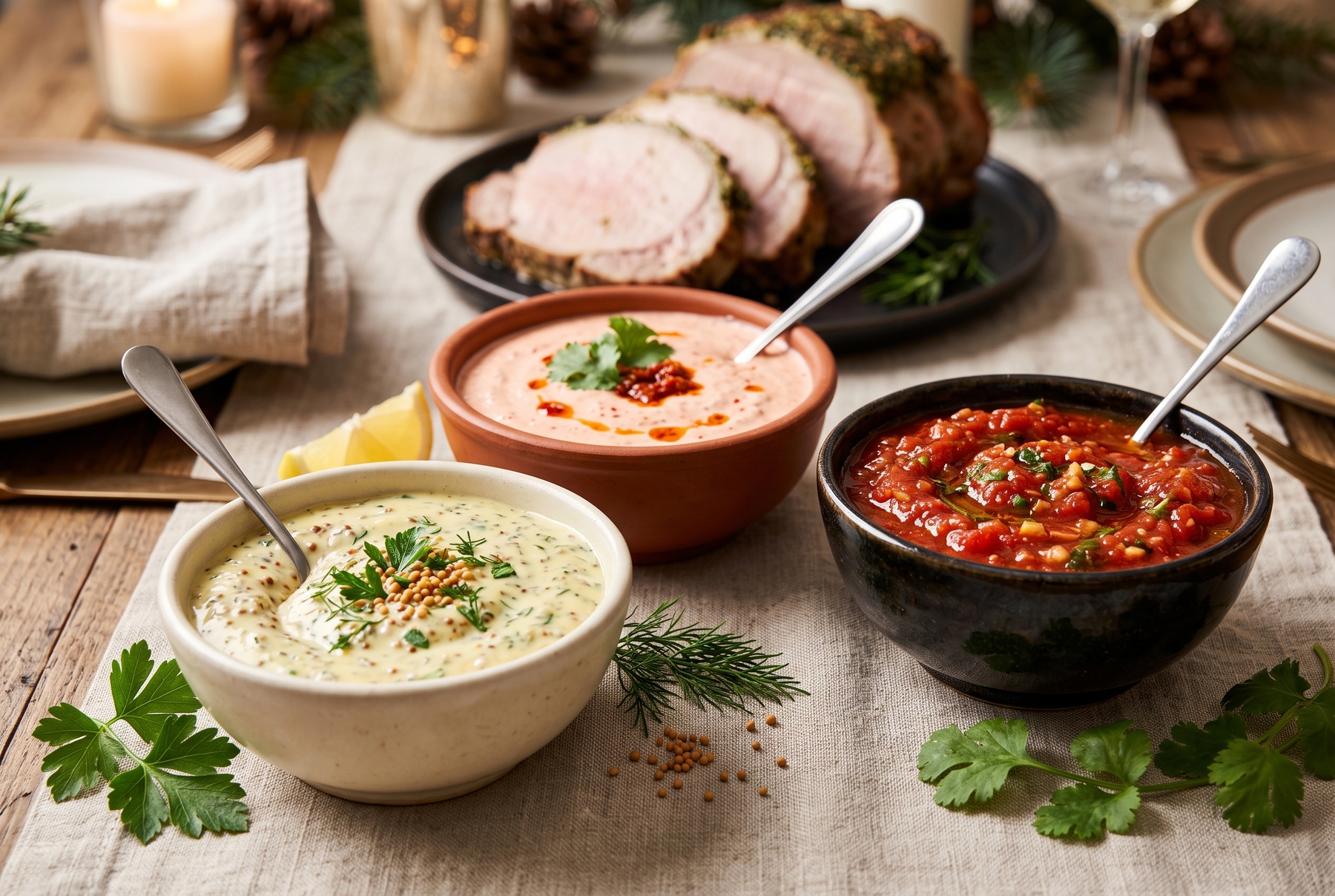
Jarred adjika, mustard, and tomato passata serve as effortless foundations for signature meat and poultry sauces.
Desserts
Frozen Berries: A Glossy Hot Compote in 10 Minutes
Simmering frozen berries with sugar and a squeeze of lemon juice, then thickening the juices with a pinch of cornstarch dissolved in cold water, produces a vibrant sauce. Within ten minutes, the compote turns glossy and coats the back of a spoon. Pouring it warm over vanilla ice cream, drizzling it across a slice of pie, or spreading it between cake layers adds bright fruit acidity.
Ice Cream: Assemble a Composed Sundae
Scooping rich plombir (traditional creamy custard-style ice cream) into a chilled glass coupe, ladling hot berry compote over the top, and scattering toasted nuts creates instant restaurant drama. The hot sauce melts the outer layer of cream while the nuts provide crunch—all in three minutes flat.
Store-Bought Sponge Cake Layers: Controversial, Yet Occasionally Useful
Cheap supermarket sponge layers often taste dry and carry a faint cardboard aroma—no illusions there. Brushing them generously with simple syrup, espresso, or fruit liqueur, spreading a rich cream between the tiers, and letting the assembled cake rest in the fridge overnight works wonders. By morning, the sponge absorbs the moisture, softens completely, and slices without crumbling.
Pre-Baked Napoleon and Medovik Layers: Give Them a Night with the Cream
Rolling and baking twelve paper-thin pastry sheets from scratch eats up half a day. Layering store-bought puff or honey-cake sheets with homemade pastry cream or sweetened sour cream and refrigerating the cake overnight yields remarkable results. By the next day, the knife glides through the tiers without loud crunching or flying crumbs. Folding citrus zest, fresh berries, or toasted walnuts into the cream erases any trace of the store-bought shortcut.
Bakery Pastries: Focus on the Plating
Store-bought éclairs from a pastry case will never pass for homemade, nor do they need to. Arranging them thoughtfully on a porcelain dessert plate alongside a few fresh berries and a swoop of warm berry sauce makes them feel entirely celebratory.
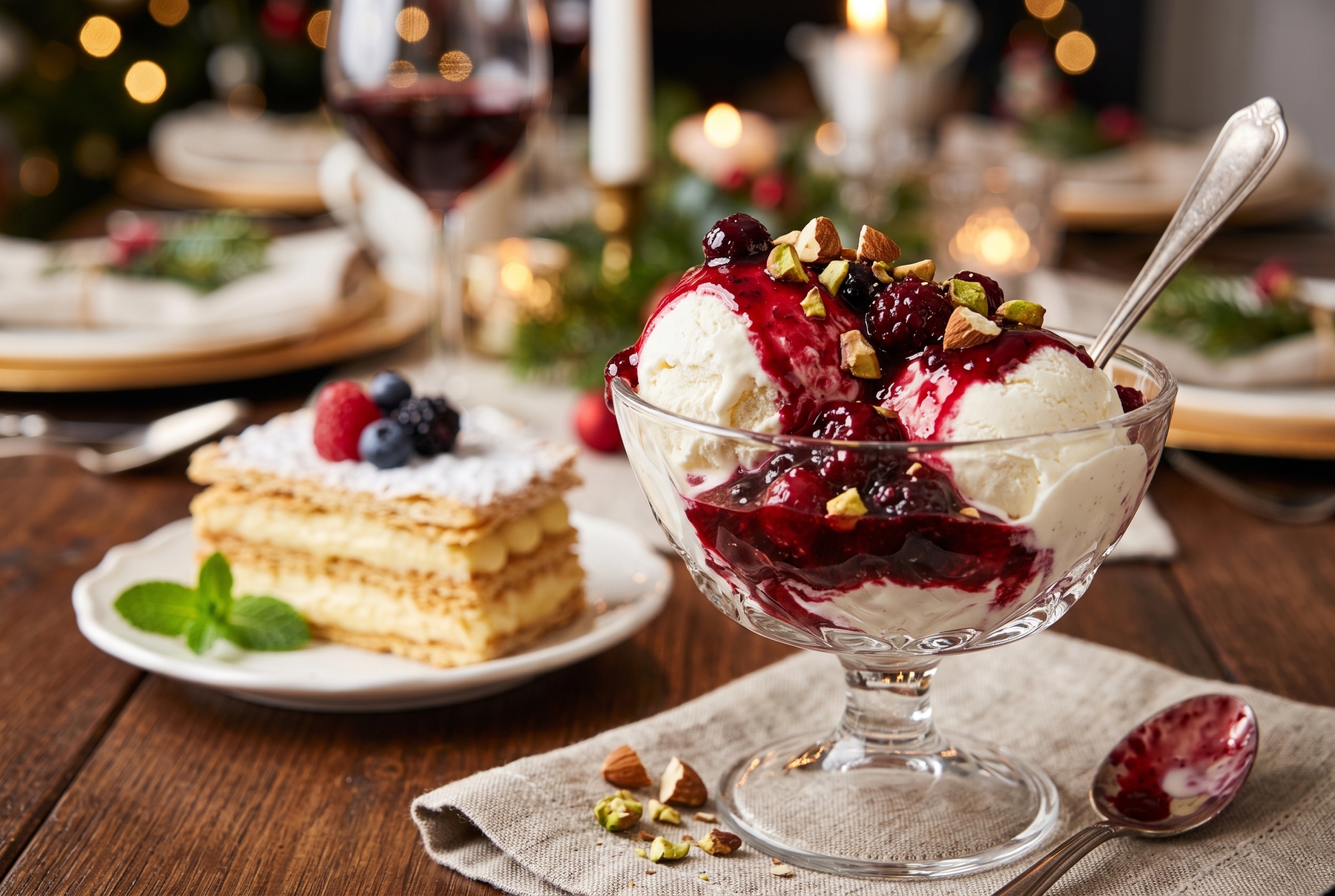
Rich vanilla ice cream topped with a quick frozen-berry compote and plated bakery pastries make an effortless dessert spread.
What to Skip If You Want a Homemade Vibe
Pre-made deli counter salads immediately betray themselves through machine-diced vegetables and a heavy-handed flood of cheap mayonnaise. Supermarket kholodets (meat aspic) usually relies on industrial gelatin, bouncing on the plate like a rubber ball. Fully cooked stuffed whole fish or rotisserie birds from the grocery case almost always taste dry and stringy inside. Frozen pelmeni (dumplings) and french fries carry an unmistakable weeknight convenience format; they belong at a casual Tuesday dinner, not at the center of a holiday banquet. Demonizing them is unfair—they have saved many busy evenings. Yet for a festive table, they remain emergency rations rather than part of a thoughtful menu.
Suddenly, it is December 31 at ten o’clock at night. By this hour, the kitchen counters gleam, the warm aroma of garlic and flaky puff pastry drifts from the oven, and your hands aren’t trembling from exhaustion. Only a couple of empty wrappers sit in the trash bin. Not a single beet peel is in sight.
0 comments