
A saucepan does not produce vitamins. No skillet has ever added a single microgram of beta-carotene to a carrot: the exact amount grown in the soil is what remains inside, and some is even lost during heating. However, stewed carrots often provide the body with more carotenoids than the same carrot eaten raw, as the remaining nutrients become more accessible for absorption. There is no contradiction here when looking at the ingredient from a scientific perspective.
Heating naturally causes the loss of certain compounds. Vitamin C is sensitive to heat, oxygen, and water. Folates and certain B vitamins leach into the cooking liquid. Simultaneously, a different process occurs: cell walls rupture, protein molecules unfold, starches swell, and the activity of compounds that hinder digestion or are outright dangerous decreases. Some elements become less accessible, while others become more available. It is a biological trade-off.
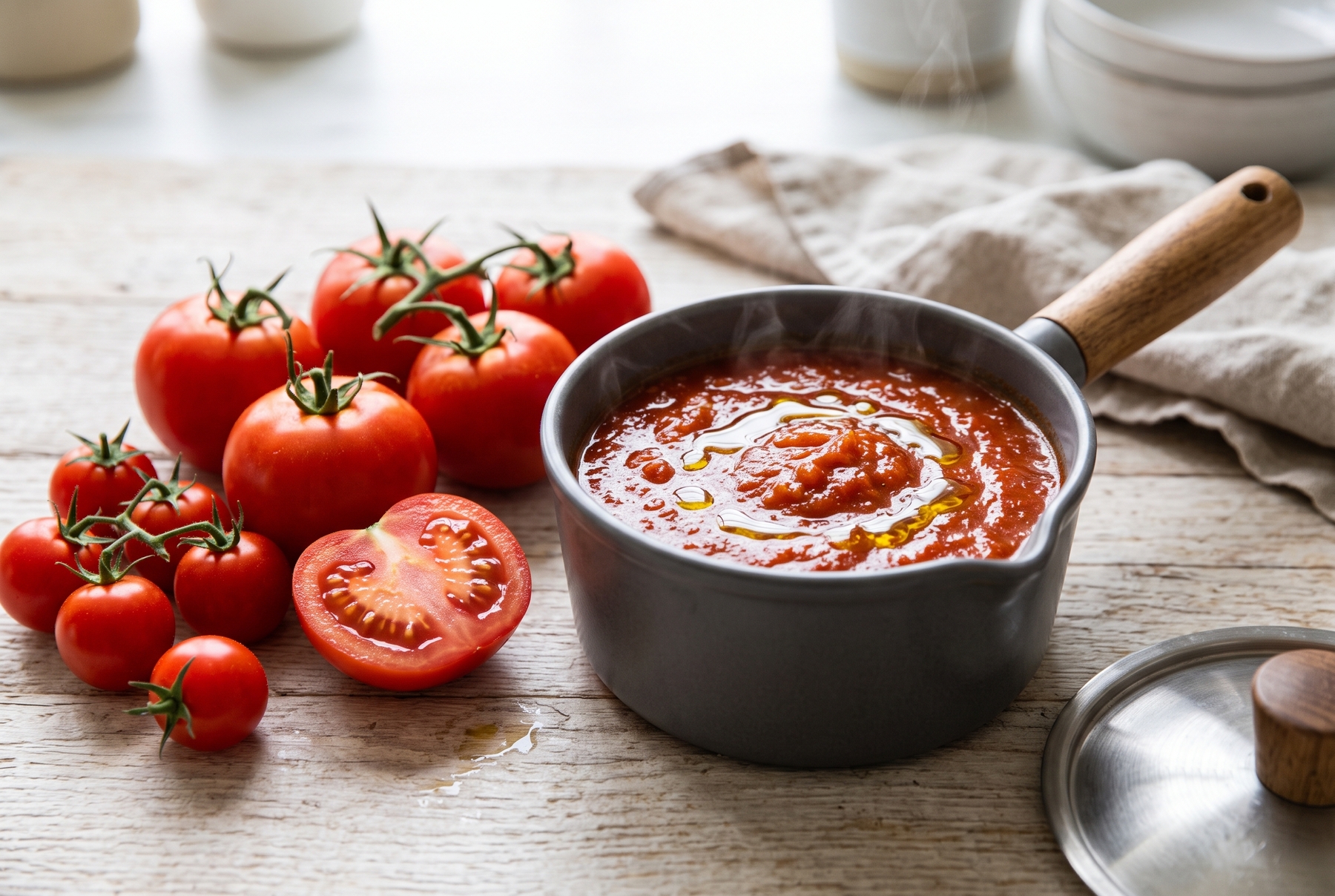
During cooking, lycopene from tomatoes is released and absorbed much more efficiently than from the raw vegetables.
Table of Contents
- What It Means for a Food to Become Healthier
- Exactly What the Stove Does to an Ingredient
- Red and Orange Vegetables
- Leafy Greens and Mushrooms
- When Cooking Makes Food Safer
- Starch: The Refrigerator Is Just as Important as the Stove
- Cheat Sheet for the 10 Foods
- Where the "Cooked Is Healthier" Concept Turns Into a Myth
- How to Integrate This Principle Into Your Diet
What It Means for a Food to Become Healthier
Nutrient Content and Bioavailability Are Different Concepts
Reference books list the exact amount of a substance inside an ingredient. The human body deals with what it actually manages to extract, rather than a reference book. A plant cell is surrounded by a cellulose wall that human enzymes cannot break down. Pigments like beta-carotene and lycopene reside within dense structures inside these cells, and chewing alone reveals only a fraction of them.
After cooking, an ingredient might contain less vitamin C according to nutritional tables, yet remain a far more efficient source of carotenoids. These metrics are entirely different. Bioavailability indicates the percentage of vitamins, minerals, or other beneficial substances the body can liberate and absorb. The initial quantity is a separate figure.
Why a “Raw Versus Cooked” Ranking Does Not Exist
Any attempt to compile such a list inevitably encounters a core question: which specific nutrient’s availability are we measuring? A fresh tomato provides more vitamin C, while a reduced sauce delivers more lycopene. Raw spinach retains folates better, but lightly wilting it allows a person to consume three times the volume in a single sitting. Every cooking method requires a compromise.
In my childhood, no one in our home kitchen initiated debates on this topic: a bowl of fresh vegetables sat alongside a pot of stew or a baked casserole, and all of it was considered wholesome food. I believe this remains the most sensible approach today.
What Determines the Result
Everything comes down to a specific set of variables: temperature, cooking time, water volume, degree of chopping, the presence of fat in the dish, the initial freshness of the ingredient, and what happens to the food after it leaves the stove. Cooling and storage alter the nutritional profile far more significantly than most people realize.
Exactly What the Stove Does to an Ingredient
Heat Softens Cell Walls
A raw carrot snaps and crunches under a knife. A braised carrot slices smoothly because the structural matrix supporting the tissue has weakened. A roughly similar process happens at the cellular level: heating combined with mechanical breakdown ruptures protective membranes and releases the internal contents. Carotenoids from carrots, pumpkins, and tomatoes are absorbed significantly better after cooking compared to eating dense, raw plant tissue.
This principle does not apply universally to all compounds. Vitamin C and folates degrade under heat, while certain polyphenols behave differently depending on the specific vegetable and cooking method. The statement that antioxidants are better absorbed after boiling is only accurate for specific substances in specific vegetables.
Why Fat Helps the Absorption of Fat-Soluble Vitamins and Carotenoids
Carotenoids dissolve in fat rather than water. Without a fat component in the dish, a significant portion of them simply passes through the digestive tract unabsorbed. We are talking about modest amounts: a spoonful of oil, a dollop of sour cream, or a handful of nuts or seeds in a dish is sufficient to activate this mechanism.
There is no real benefit to increasing the fat dosage further: a small quantity is typically enough for a practical effect, and beyond that, the outcome depends heavily on the overall composition of the dish and the specific carotenoids involved. A carrot salad drenched in a pool of oil will not become twice as nutritious as a carrot salad lightly dressed with vinaigrette.
What Happens to Protein, Starch, and Interfering Compounds
Proteins denature when heated: long molecular chains unfold, lose their original shape, and become more accessible to digestive enzymes. This is exactly why a cooked egg is absorbed far more efficiently than a raw one. Starch behaves differently: in hot water, the granules swell and transform into a viscous mass (gelatinization), which turns a raw, inedible potato into nourishing food.
There are also compounds that plants produce for their own defense. Enzyme inhibitors, lectins, and oxalates either reduce their activity or partially leach into the cooking water during thermal processing. For red kidney beans, this step transitions from being merely recommended to strictly mandatory, which I will cover in more detail below.
Water Alternately Helps and Washes Away Nutrients
Water-soluble vitamins and minerals naturally transfer into the cooking liquid. If that liquid remains part of the dish—such as in a soup, a slow braise with minimal water, or a sauce—nutrient leaching is no longer an issue. However, if the water is poured down the drain, everything that managed to dissolve goes straight down with it.
If the goal is to preserve the maximum nutritional value of vegetables, a rather clear hierarchy emerges. Steaming and roasting involve almost no contact with water, braising retains the flavorful juices within the dish, and quick stir-frying wins by minimizing cooking time. The worst possible method is prolonged boiling in a large pot, especially if the cooking liquid is subsequently discarded.
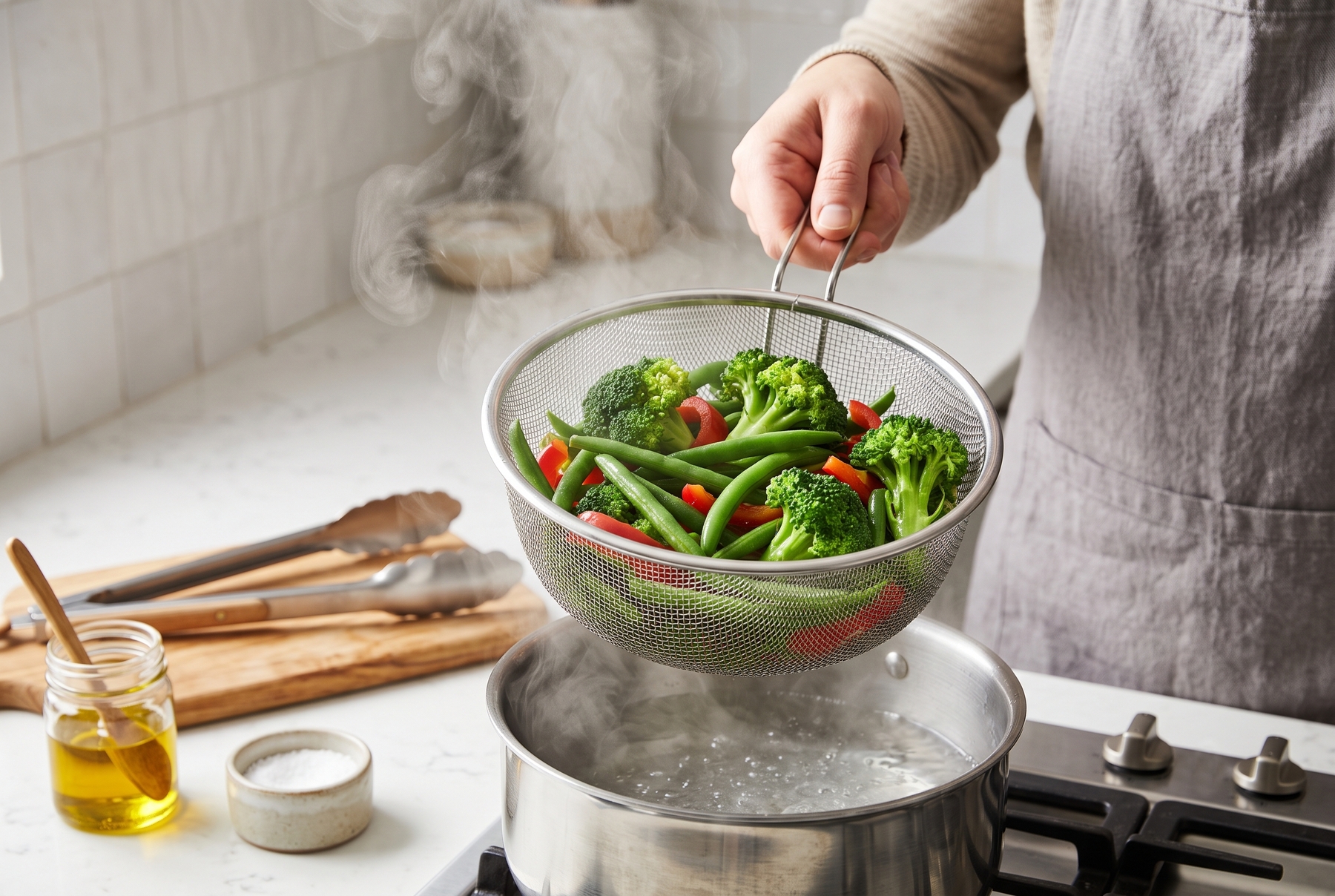
Steaming helps preserve the maximum amount of beneficial nutrients and prevents vitamins from leaching into the cooking liquid.
Red and Orange Vegetables
1. Tomatoes: Fresh Salads and Sauces Serve Different Purposes
Lycopene, which gives tomatoes their vibrant red color, is locked inside a rigid cellular structure. Heating and crushing release it, converting a portion into a chemical form that the body absorbs much more willingly. Adding a small amount of fat amplifies this effect. Therefore, a reduced homemade sauce, strained tomatoes, and high-quality tomato paste function as concentrated sources of lycopene.
A sautéed tomato base for soup, winter-preserved tomatoes in their own juice, a spoonful of paste in a stew, or a pasta sauce that simmers over low heat for 20 to 30 minutes all smell completely different by the end than they did at the beginning. Meanwhile, the vitamin C content drops, meaning you cannot entirely replace fresh tomatoes with sauce.
It is also worth checking the ingredient lists of commercial products. A proper tomato paste should contain only tomatoes, whereas commercial ketchup usually hides alarming amounts of added sugar and salt that would give even a non-specialist pause.
2. Carrots: A Whole Root Vegetable and a Soft Puree Behave Differently
Three factors converge here: chopping, heating, and fat. A raw, whole carrot yields its beta-carotene reluctantly; a grated carrot does a much better job, while a carrot braised with a spoonful of oil performs best. A properly cooked carrot yields to a knife and fork but retains some structural integrity. If it is boiled to a watery mush and loses its aroma, a significant portion of its flavor and soluble nutrients has been left behind in the pot.
The absolute worst method is boiling carrots in a massive pot and draining the water. Roasting in the oven, braising in their own juices, adding them to a soup where the broth remains in the bowl, or steaming them for a side dish yield far superior results. In the traditional cuisines of Russia and the CIS, this principle naturally occurs: carrots in a soup base, in plov (a traditional rice pilaf), in stews, or in vegetable casseroles are always paired with fat and almost never subjected to drained boiling water.
There is no practical reason to turn every meal into a carrot puree just to chase minor percentage gains. A crunchy grated carrot salad remains an excellent food, offering hydration, fiber, and a pleasant texture.
3. Pumpkin and Winter Squash: Dense Flesh That Begs to Be Softened
Few home cooks eat raw pumpkin, and not solely because of the taste. The flesh is notoriously dense, yields reluctantly to a knife, and presents an even greater challenge to the human digestive system. Roasting, braising, and pureeing solve both the culinary and nutritional challenges simultaneously.
The worst approach is submerging pumpkin in water and boiling it. It surrenders its juices, becomes bland, and forces you to compensate with heavy doses of sugar. A much better technique is roasting wedges on a baking sheet until the edges darken and the surface turns slightly sticky from caramelized sugars. Spices like thyme, coriander, or smoked paprika, along with a moderate amount of fat, handle the rest.
Pumpkin puree behaves beautifully in soups, porridges, sauces, and baked goods. However, it is essential to distinguish the pumpkin itself from the medium it is suspended in: a heavy cream-based soup remains a heavy cream-based soup, regardless of how much squash it contains.
4. Corn: A Case Where Laboratory Numbers Require Careful Translation
A portion of the phenolic compounds in corn is bound to the cell walls, and heat releases them. Laboratory experiments on boiled kernels recorded a spike in antioxidant activity alongside a simultaneous drop in vitamin C. While this sounds impressive, translating it into direct health promises like disease prevention is scientifically inaccurate. Test-tube activity and proven human health outcomes are entirely different realms, measured by completely different standards.
In the kitchen, the difference between preparation methods ultimately comes down to processing and ingredient composition. A boiled cob is fantastic if you pull it off the heat while the kernels still pop under your teeth, rather than turning into a mealy paste. Frozen corn is nutritionally quite close to fresh and highly convenient for stews and soups. For canned corn, always read the label: it should ideally contain only corn, water, and salt, with no added sugars. The sodium content in commercial cans is often unpleasantly surprising.
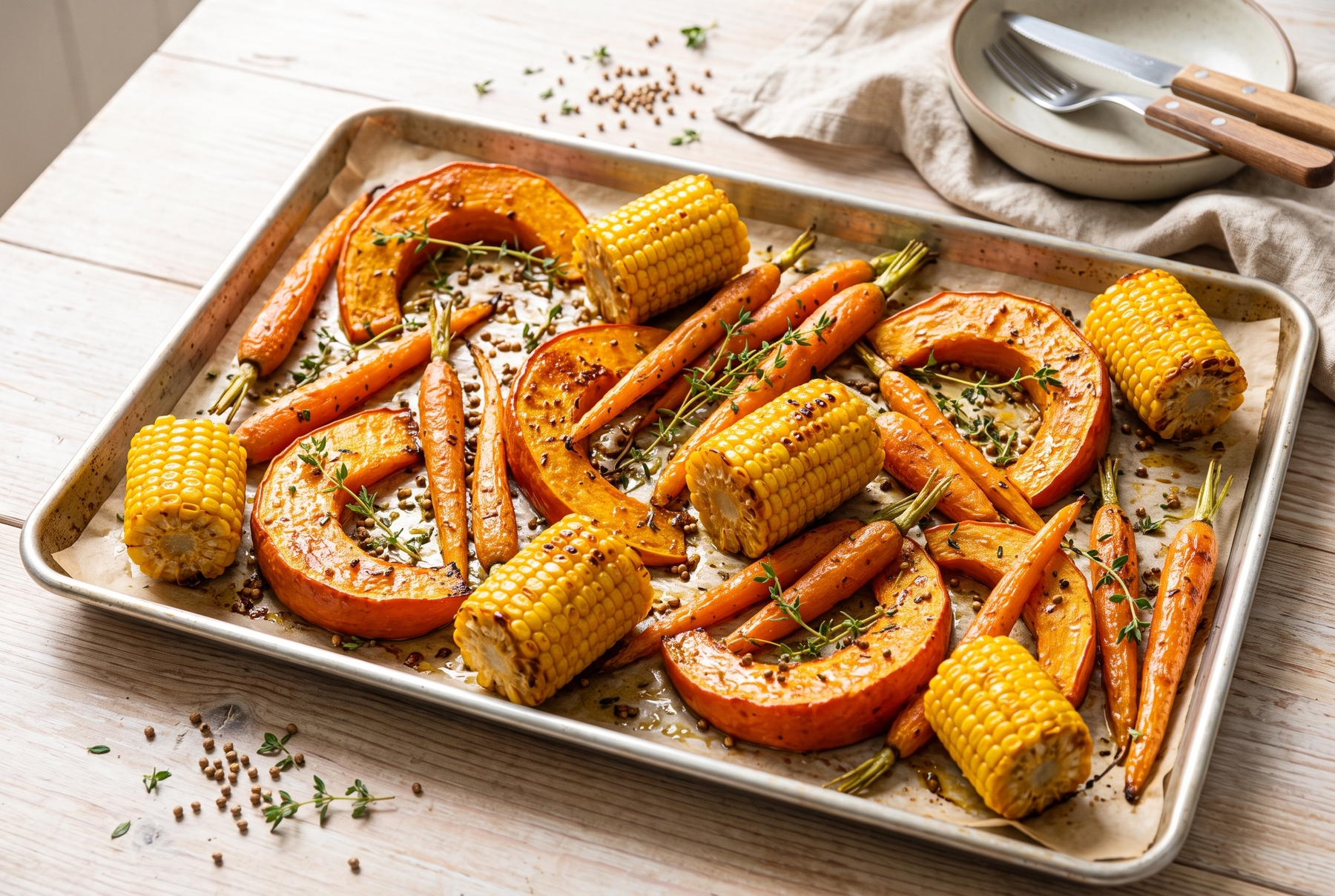
Roasting pumpkin and carrots softens cell walls and significantly increases the bioavailability of carotenoids.
Leafy Greens and Mushrooms
5. Spinach: Less Volume, A Different Set of Compromises
A massive bowl of raw leaves cooks down to just a couple of spoonfuls after a minute in a hot skillet. Consuming a large portion of spinach is simply much easier physically when it is cooked.
From there, the nutritional trade-offs begin. Boiling causes a portion of the soluble oxalates to leach into the water, and if you drain it, the leaves retain fewer of them. Simultaneously, vitamin C and folates wash away. Promising that boiled spinach is universally “better” is factually incorrect; it is merely different.
It is easiest to strike a middle ground: lightly wilt the greens, steam them, or fold the leaves into an omelet, soup, or savory filling right at the very end of cooking. The leaves should collapse and soften while retaining a deep, vibrant green color. The moment the mass turns a dull olive-gray and starts smelling like a damp rag, the spinach is overcooked.
6. Mushrooms: Heat Dictates Texture, Digestion, and Safety
Mushroom cell walls consist of chitin, a fibrous substance that human enzymes cannot digest. Because of this, a raw button mushroom in a salad sits heavily in some stomachs. Cooking fundamentally transforms the texture, deepens the flavor profile, and enhances the bioavailability of certain nutrients.
This entire discussion assumes you are dealing with undeniably edible, correctly identified mushrooms. Thermal processing does not magically transform a poisonous species into a safe one, and certain toxic varieties remain deadly regardless of the cooking method.
A practical note on button mushrooms and oyster mushrooms: they consist of about 90% water. If you crowd them into a skillet in a dense layer, they will simply steam in their own juices. The proper technique is placing them in a hot dry skillet, allowing them to release their moisture, waiting for it to evaporate completely, and only then adding a bit of oil to brown them until they develop golden-brown, caramelized edges. At this exact moment, the aroma completely shifts from raw and earthy to deeply nutty.
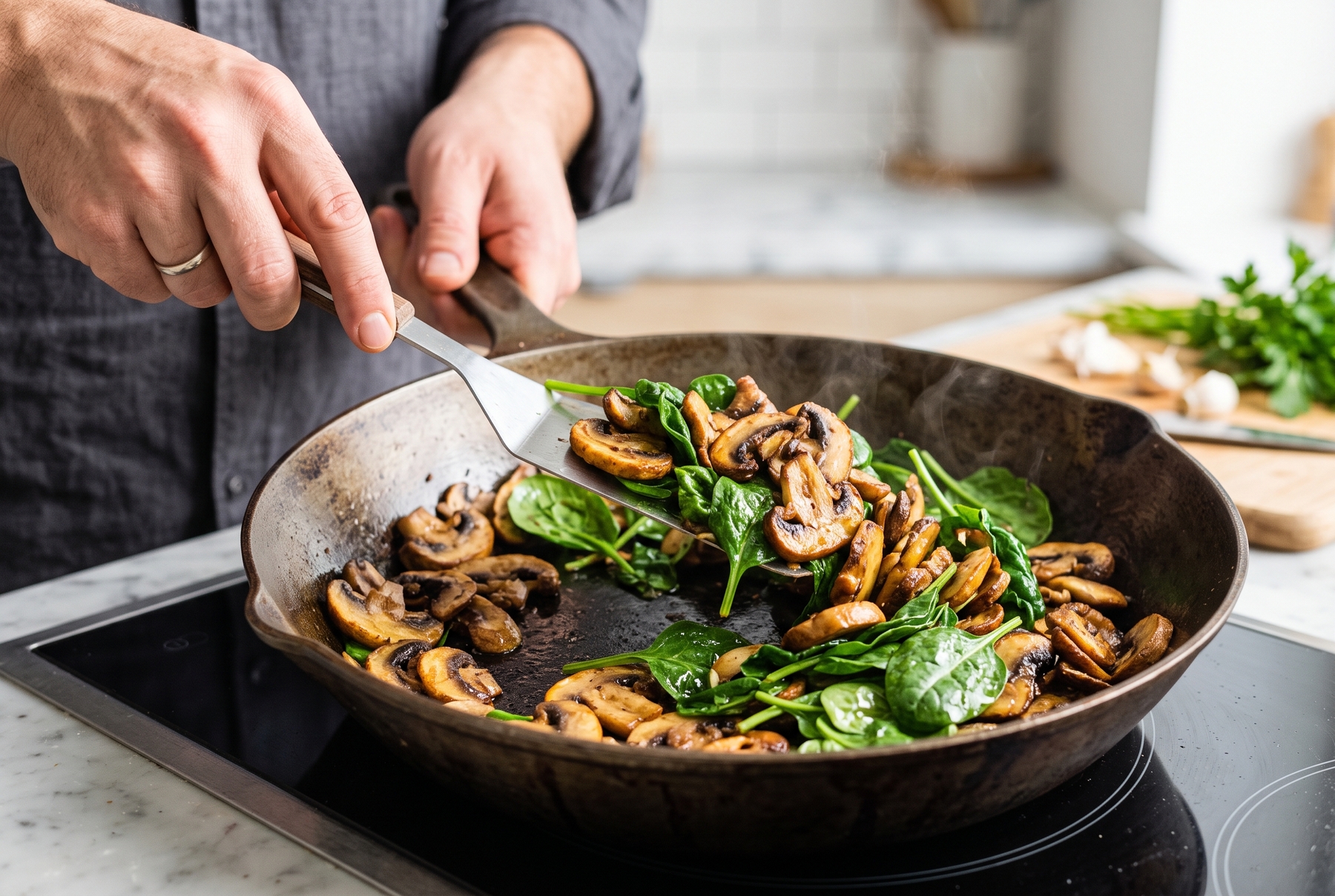
Thermal processing breaks down the chitin in mushrooms and wilts the spinach, drastically improving nutrient absorption.
When Cooking Makes Food Safer
7. Red Kidney Beans: Undercooking Is More Dangerous Than Overcooking
In this case, the benefits of heat treatment have absolutely nothing to do with unlocking antioxidants. Raw and undercooked red kidney beans contain the lectin phytohaemagglutinin in quantities high enough to trigger acute food poisoning. Consuming just four or five improperly boiled beans is enough to induce severe vomiting and diarrhea within a few hours.
Soaking alone does not neutralize the beans. The correct safety protocol is as follows:
- Soak the dry beans in water for at least 5 hours, or ideally overnight.
- Drain and discard the soaking water.
- Cover the beans with fresh water and bring them to a vigorous rolling boil.
- Boil continuously for at least 30 minutes. This must be a hard, active boil, not a gentle simmer.
- Finish cooking them until tender using your preferred method.
While laboratory experiments show that ten minutes at 100 °C (212 °F) destroys the toxin, consumer safety guidelines are more conservative. A full half-hour ensures the entire mass of beans reaches the necessary temperature, not just the ones touching the bottom of the pot.
Slow cookers and multi-cookers operating on low-heat settings are entirely unsuitable for raw red kidney beans, as the temperature may never climb high enough to destroy the lectins. If you want to slow-braise beans, you must first boil them on the stovetop following the protocol above. Canned beans have already undergone rigorous industrial thermal processing, so repeating this procedure is completely unnecessary.
8. Eggs: The Body Uses Cooked Protein Differently
The human body digests roughly half the protein from a raw egg, whereas cooked egg protein boasts an absorption rate exceeding 90 percent. Heat unfolds the protein molecules, opening them up to digestive enzymes. It simultaneously denatures avidin, a compound in raw egg whites that binds to biotin and inhibits its absorption.
This absolutely does not mean that boiling an egg longer makes it better. A chalky, overcooked yolk surrounded by a grayish-green sulfur ring gains no nutritional advantage, yet completely ruins the texture and flavor. Soft-boiled, hard-boiled, poached, or scrambled—you should choose the method based on the culinary requirements of the dish, rather than some mythical scale of healthiness.
Furthermore, raw and softly cooked eggs carry a slight risk of Salmonella. This risk is particularly undesirable during pregnancy, or for young children, the elderly, and immunocompromised individuals. For these groups, it is significantly wiser to cook eggs until both the white and yolk are completely firm. In recipes where raw eggs are structurally required—such as homemade mayonnaise, tiramisu, or eggnog—using commercially pasteurized eggs is the safest approach.
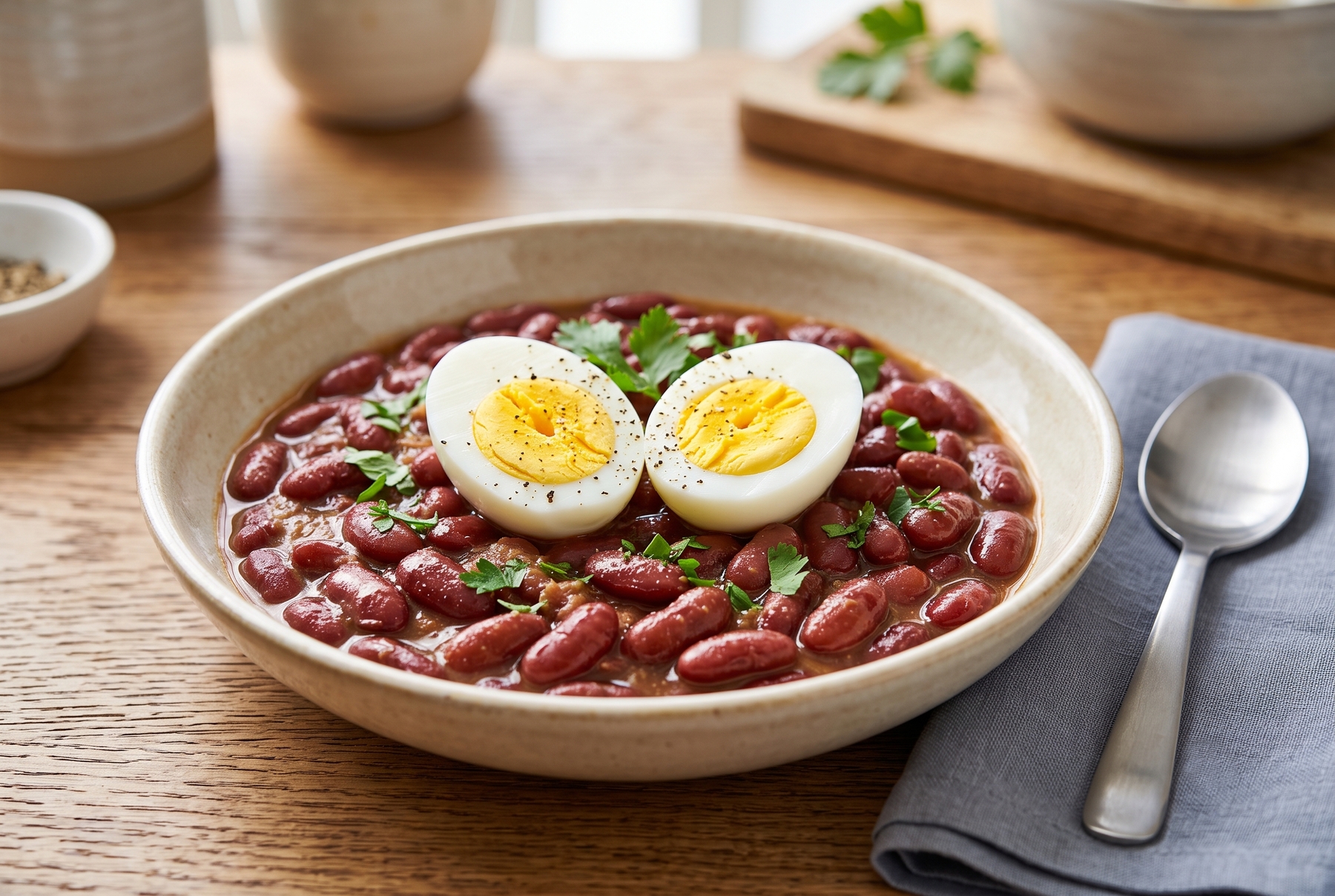
Prolonged boiling destroys dangerous lectins in beans, while heating egg whites increases their protein digestibility to 90%.
Starch: The Refrigerator Is Just as Important as the Stove
9. Potatoes: Starch Opens Up, Then Partially Restructures
During boiling and roasting, starch granules swell and gelatinize, after which the human body breaks them down swiftly and eagerly. If cooked potatoes are subsequently cooled, a fraction of the starch molecules retrogrades back into a denser crystalline structure. This creates resistant starch, which digests poorly in the small intestine and functions much more like dietary fiber.
It is crucial to manage expectations here. Only a modest percentage of the starch becomes resistant, not half the meal. Cold potatoes are neither a miraculous weight-loss cure nor a method to drastically slash the caloric density of your dinner plate. The overall nutritional picture still heavily depends on portion sizes, the volume of added oil, and whatever sauces are poured on top.
Nevertheless, there is genuine practical value in this mechanism, and leveraging it is incredibly easy. Boil potatoes ahead of time and chill them for a potato salad, use leftover boiled potatoes for roasting the next day, or simply let a portion of your cooked potatoes cool down. Interestingly, reheating the potatoes preserves a portion of this newly formed resistant starch.
10. Rice: The Same Mechanism and Far Stricter Storage Rules
Rice undergoes a very similar process: gelatinization during boiling, followed by a partial restructuring of the starch upon cooling. However, rice introduces a unique safety hazard that completely overshadows any minor nutritional gains if handled incorrectly.
Raw rice grains can harbor spores of Bacillus cereus, a bacterium that easily survives the boiling process. If cooked rice sits at room temperature for an extended period, the spores germinate, and the multiplying bacteria produce potent toxins. These toxins are highly heat-resistant, meaning that reheating the food will not destroy them. Since they do not alter the smell or appearance of the dish, you cannot detect the danger simply by looking at it.
Food safety authorities recommend a strict protocol:
- Cool cooked rice rapidly, ideally within an hour of cooking, by spreading it out in a thin layer on a wide tray.
- Transfer it immediately to the refrigerator. Do not leave it sitting in the saucepan or rice cooker to cool down on its own.
- Store it for a strictly limited time—usually no more than 24 hours before reheating.
- Reheat the rice exactly once, ensuring the entire dish is steaming hot all the way through.
- Discard any rice that has been left out at room temperature for several hours.
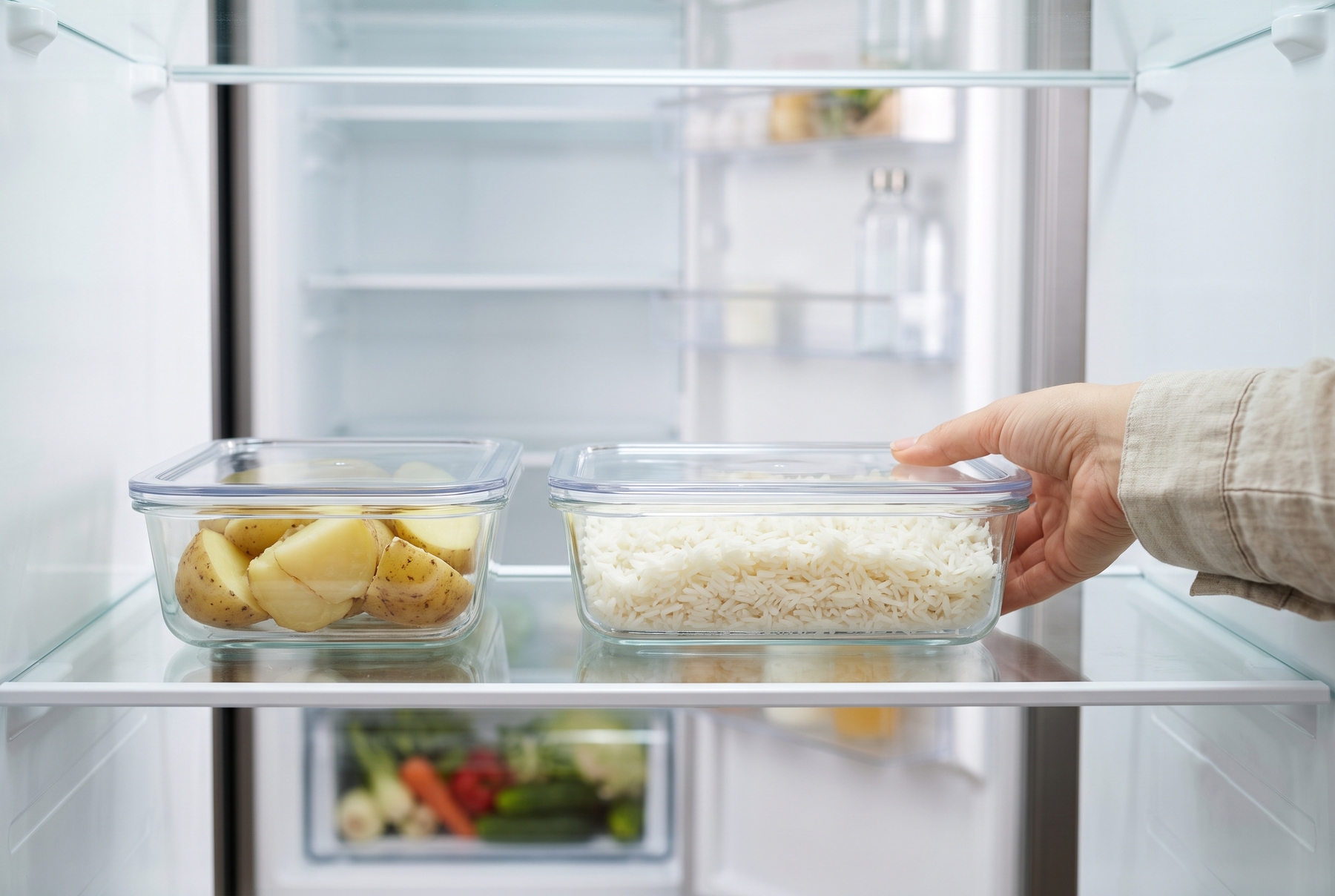
Cooling boiled potatoes and rice creates resistant starch and ensures proper food safety.
Cheat Sheet for the 10 Foods
| Ingredient | What Improves | Preferred Cooking Method | How to Ruin It |
|---|---|---|---|
| Tomatoes | Lycopene bioavailability | Reducing, sauces, paste with a drop of oil | Loss of vitamin C; commercial sauces packed with sugar and salt |
| Carrots | Beta-carotene bioavailability | Braising, roasting, soup, steaming with a bit of fat | Prolonged boiling in large volumes of water that is later drained |
| Pumpkin | Carotenoid bioavailability, texture | Roasting in wedges, braising, pureeing | Adding excess water, drowning it in heavy cream and syrup |
| Corn | Release of phenolic compounds | Brief boiling, freezing, adding to stews | Overcooking kernels to mush; salt and sugar in canned varieties |
| Spinach | Compact serving size, reduced soluble oxalates | Brief wilting, steaming, adding to omelets and soups | Prolonged boiling, significant loss of folates and vitamin C |
| Mushrooms | Digestibility, texture, depth of flavor | Evaporating moisture first, then browning | Eating raw; consuming unidentified species |
| Red Kidney Beans | Safety, edibility | Soaking, draining, followed by 30 minutes of rolling boil | Using slow cookers on low heat; eating undercooked beans |
| Eggs | Protein absorption, avidin inactivation | Soft-boiled, poached, hard-boiled, scrambled | Chalky overcooked yolks; raw eggs for vulnerable risk groups |
| Potatoes | Gelatinization, resistant starch formation upon cooling | Roasting, boiling, chilling for salads | Expecting weight loss miracles; drowning them in oil and sauces |
| Rice | Resistant starch formation upon cooling | Rapid chilling, refrigeration, reheating until steaming | Storing at room temperature; multiple reheating cycles |
The general approach boils down to a few basic principles: chop the ingredients, choose gentle cooking methods, incorporate a small amount of fat when necessary, avoid boiling longer than absolutely required, cool leftovers rapidly, and strictly adhere to food storage guidelines.
Where the “Cooked Is Healthier” Concept Turns Into a Myth
- Believing that heat physically creates more vitamins. Heat merely alters the accessibility of certain compounds while simultaneously reducing the quantities of others.
- Boiling vegetables endlessly in a massive pot of water and tossing the broth. A significant portion of soluble nutrients washes right down the drain, with the exact loss depending on the vegetable and method.
- Pouring oil generously “so the carotenoids absorb better.” A very modest amount is usually sufficient; anything beyond that depends entirely on the recipe and the specific chemical compounds involved.
- Abandoning fresh, raw vegetables entirely in favor of cooked ones. The human body still deeply requires vitamin C, hydration, dietary fiber, and satisfying raw textures.
- Projecting laboratory antioxidant test numbers onto sweeping promises of disease prevention. A test tube and a complex human metabolism operate under entirely different biological rules.
A home kitchen does not need to operate like a clinical laboratory. Carrots will perform perfectly well without multi-stage scientific processing just to extract the final theoretical percentage of beta-carotene—especially since that extra percentage offers no benefit if it sits abandoned on an unappetizing plate.
How to Integrate This Principle Into Your Diet
It is far easier to keep a few simple pairings in mind, allowing raw and cooked foods to complement each other.
- Fresh tomatoes in a lunch salad, followed by a rich tomato pasta sauce for dinner.
- Grated carrots with a drizzle of oil in a salad today, and roasted carrot wedges as a side dish tomorrow.
- Crisp fresh greens tossed over a plate, and a handful of lightly wilted spinach folded into your morning omelet.
- Warm, freshly roasted potatoes one evening, and pre-boiled, chilled potatoes sliced into a salad the next.
Rotating your cooking methods is far more practical than endlessly searching for the single “perfect” iteration of every ingredient. Furthermore, the vast majority of our traditional, familiar dishes—a bowl of rich borscht, a hearty vegetable stew, plov, or baked casseroles—are already structured intelligently, requiring no agonizing over scientific charts.
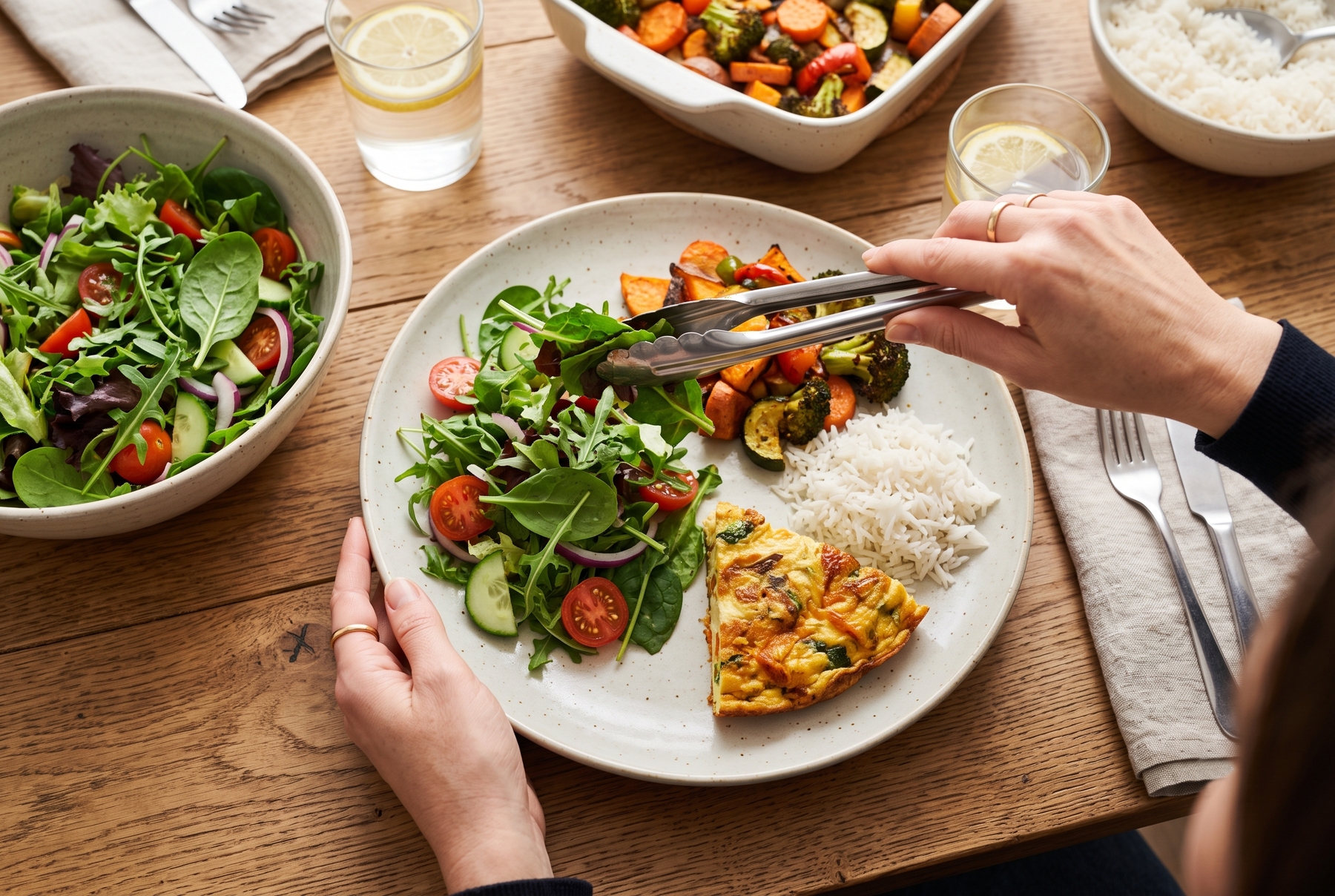
A balanced diet harmoniously combines fresh vegetables with properly prepared hot dishes.
Returning to the original point, the stovetop neither synthesizes vitamins from thin air nor eradicates nutritional value completely. It merely reshuffles the deck of benefits: subtracting some while unlocking others. The most robust, healthy diet relies neither on a raw food cult nor on boiling everything to oblivion. Instead, it thrives on a natural rotation of fresh, roasted, braised, steamed, and properly chilled ingredients.
Asking “which single form of this ingredient is objectively the healthiest” is an unanswerable question. Conversely, asking “which nutrient do I need right now, how can I best extract it, and what will I sacrifice in the process” is a practical culinary decision you can make in the minute it takes to slice a carrot while the oven preheats to 200 °C (400 °F).
0 comments