
Starch is often labeled ‘almost sugar,’ which makes the question of its harm increasingly common. It sounds like a verdict. However, this formula is merely convenient and explains almost nothing.
The same foods behave differently. A plate of buckwheat (a traditional Eastern European roasted grain) with vegetables and a slice of white bread with jam both technically feature starch, yet the body reacts entirely differently. The secret lies in the processing, the portion size, the accompanying foods on the plate, and the daily repetition.
Growing up in Bologna meant pasta was not considered ‘harmful carbs’ but rather a lunch enjoyed calmly and without guilt. Meanwhile, Eastern European porridges, potatoes, and dense bread were always present at home. Consequently, the idea that pasta itself is the enemy brings a smile to my face. The real issue almost always lies in the entire plate.
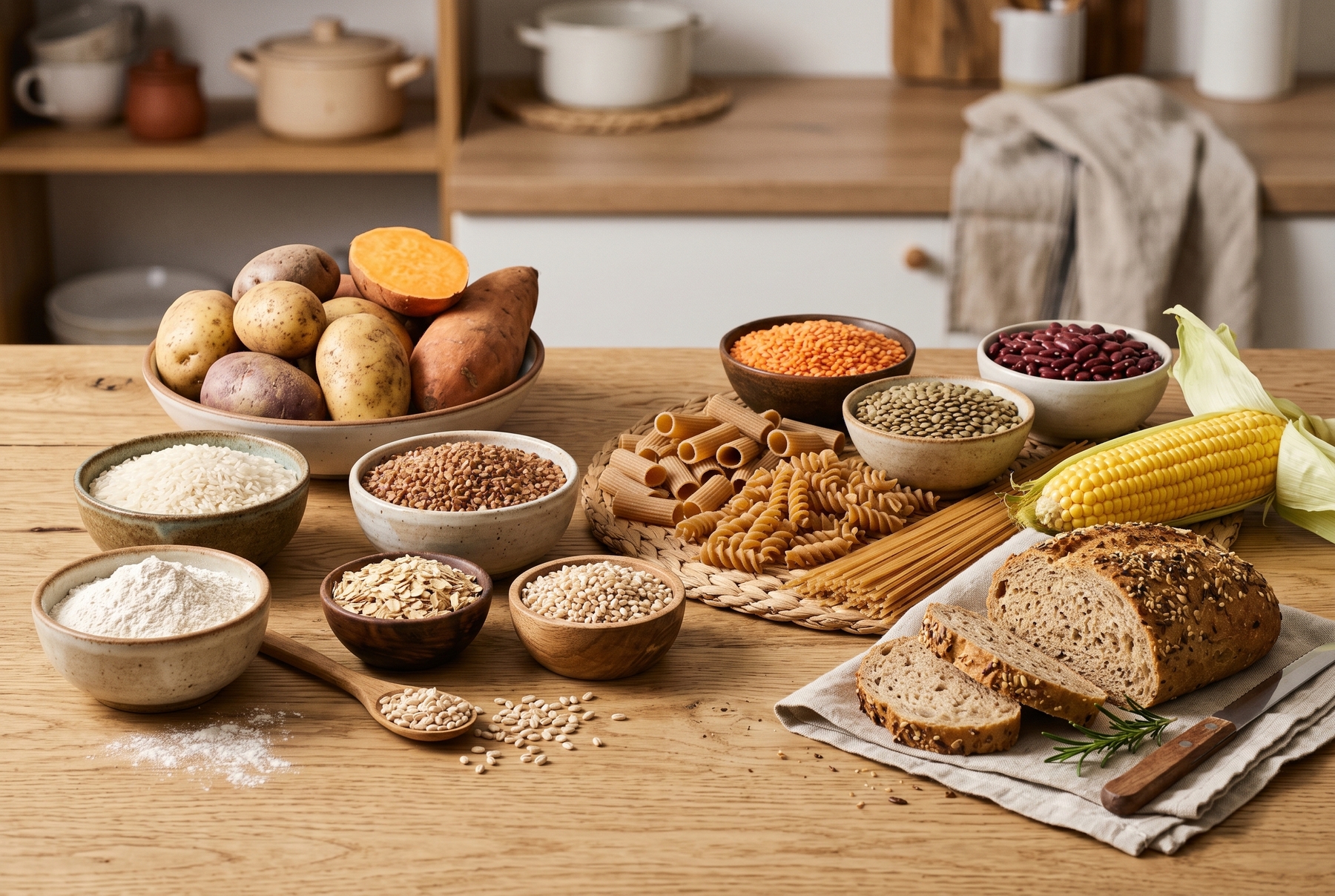
Starch is found in a wide variety of foods, from everyday potatoes and bread to legumes and various types of grains.
Table of Contents
- What Is Starch Beyond the Textbook Definition
- Why Starch Became the Enemy
- When Starch Actually Interferes
- Why Starch Is Not the Enemy After All
- Resistant Starch: Why Yesterday's Potato Behaves Differently
- What Determines the 'Danger' of Starch on a Plate
- How to Choose Starchy Foods Calmly
- How to Cook So Starch Works for You
- 3 Common Mistakes
- A Quick Cheat Sheet: When Starch Is Fine and When to Be Cautious
- The Bottom Line
What Is Starch Beyond the Textbook Definition
Why Plants Store Energy This Way
Starch is a complex carbohydrate acting as a plant’s energy pantry. A potato tuber, a wheat grain, rice, and corn all represent reserves that give a future sprout the strength to start. For humans, starch remains a complex carbohydrate, a long chain of glucose molecules tightly twisted together.
Understanding the difference between starch, sugar, and fiber is simpler than it seems. Sugar is short and digests rapidly. Starch is longer, requiring the body to break it down into parts first. Fiber is also a carbohydrate, but the human body barely digests it; it passes through and feeds gut bacteria. Whole grains contain all three components together, which explains why whole-grain bread and a sweet pastry behave differently.
Where Starch Hides in an Ordinary Kitchen
In short, starchy foods make up almost any weekday lunch. Potatoes, rice, buckwheat, wheat in all forms of bread and pasta, corn, oatmeal, and legumes all fall into this category. This list includes mashed potatoes, porridges, kissel (a traditional thickened fruit drink), dumplings, crepes, and pancakes. Starch also serves as a thickener in sauces and gravies.
A significant amount hides in unexpected places, such as store-bought sauces, breading, cheap sausages, and instant noodle flavor packets. A person can avoid eating specifically ‘starchy’ foods and still consume a substantial amount.
Why Starch Became the Enemy
‘Turns Into Sugar’: Separating Truth from Exaggeration
The truth is that starch does break down into glucose, meaning the connection between starch and sugar did not appear out of thin air. Enzymes in saliva and the intestines dismantle long chains into simple sugars, allowing glucose to enter the bloodstream. This is where the honest part ends.
The speed of this process depends on a dozen factors, including how finely the product is milled, its fiber content, the presence of protein and fat, the portion size, and an individual’s health and metabolism. Glucose from lentils and glucose from soda look identical in a textbook. In a real meal, they behave entirely differently.
The Fear of Carbohydrates and the ‘Starch-Free’ Promise
The fear of starch rarely exists in isolation; people usually question carbohydrates as a whole. This fear is part of a larger trend where all carbs suddenly fall under suspicion. First, society feared fat, then sugar, and now starch.
A ‘starch-free’ label on packaging says nothing about health benefits. A product might lack starch yet be packed with sugar, cheap fats, and salt. This label sells peace of mind while staying silent about the actual ingredients. Everything that matters is printed in fine print on the back.
When Starch Actually Interferes
Large Portions and Refined Foods
Comparing two plates reveals a lot. The first holds buckwheat, stewed vegetables, and a piece of fish. The second features a white roll with jam and sweet tea. Both contain starch. However, the first plate provides lasting satiety, while the second spikes and crashes energy levels within a couple of hours.
Refined flour, sweet pastries, chips, snacks, and other processed starchy foods lack almost everything that slows digestion. Manufacturers remove the fiber, grind the structure into dust, and add sugar and fat for flavor. This type of starch rushes into the bloodstream rapidly, allowing a person to eat a lot without feeling full. Whole grains or a bowl of lentils do not work this way; their heavy, voluminous nature physically prevents overeating.
Sudden Hunger, Drowsiness, and Sugar Cravings
The scenario is familiar: eating fast carbohydrates for lunch causes drowsiness an hour later, and another hour later, a hand reaches for a cookie.
This happens when a plate consists primarily of refined starch without protein or fiber. Glucose spikes sharply, then drops just as sharply, leaving the body begging for a refill. Claiming this happens to everyone would be dishonest. Individual reactions vary based on metabolism, activity levels, sleep, and even what a person ate the day before. A large portion of pasta might make one person sleepy while leaving another energetic. This is a normal variation.
A Separate Conversation: Diabetes, Insulin Resistance, and Gastrointestinal Issues
Wearing my nutritionist hat, I must speak directly here. If someone has a diagnosis of diabetes, insulin resistance, or gastrointestinal diseases, general internet articles (including this one) do not replace a doctor.
Medical professionals tailor the amount and type of carbohydrates individually in these cases, sometimes pairing them with medication and blood sugar monitoring. What works for a healthy person might not work for someone with a condition, and vice versa. There is no need for panic, but discussing this with an attending physician or dietitian who understands your test results is essential. The following sections apply to an average person without medical restrictions.
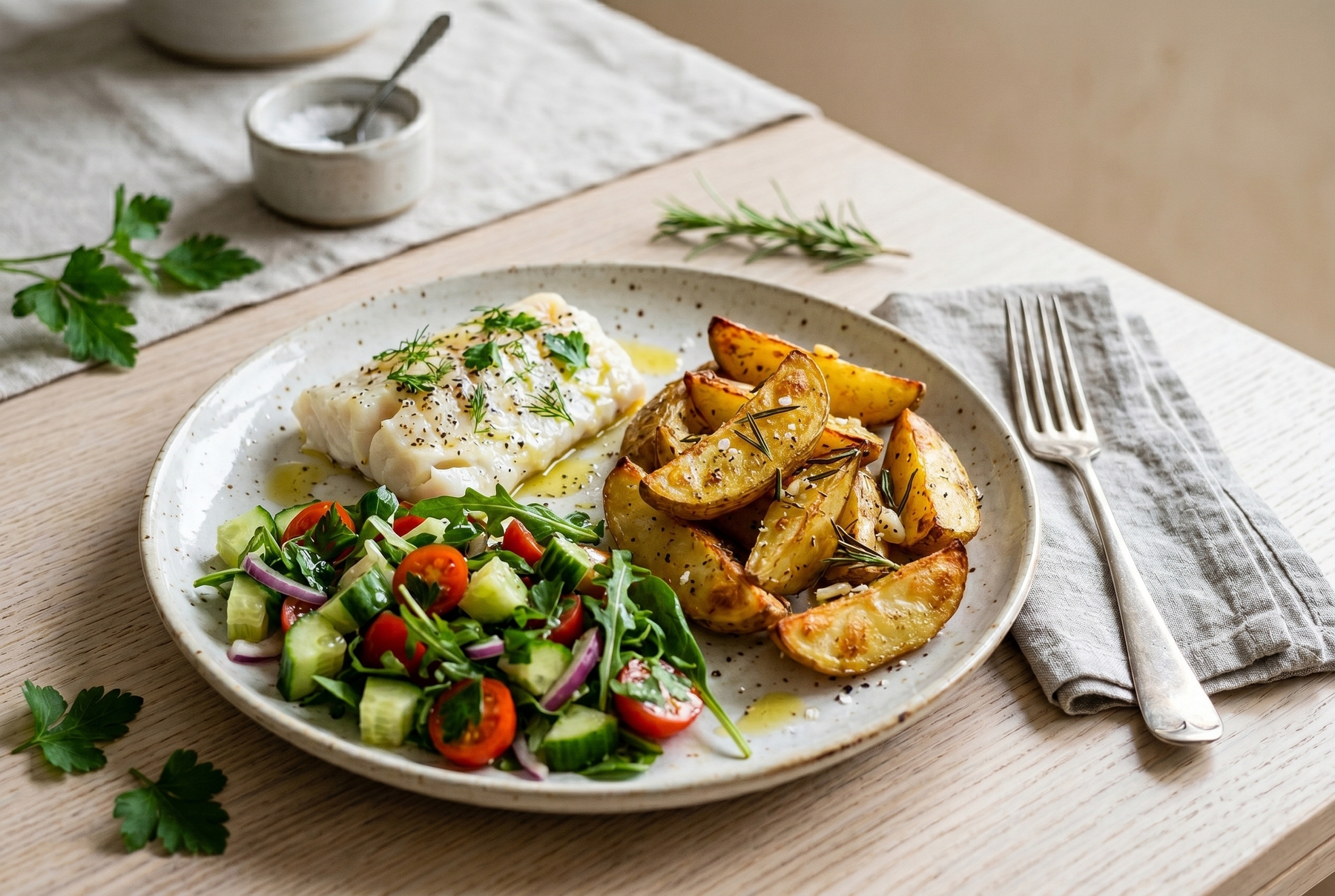
An example of a proper plate combines a starchy side dish with high-quality protein and fiber, which slows carbohydrate absorption.
Why Starch Is Not the Enemy After All
Energy, Satiety, and Basic Human Comfort
Grains, potatoes, whole-grain bread, durum wheat pasta, and legumes represent normal food that provides energy and maintains satiety. The brain operates primarily on glucose, muscles require replenishment after exercise, and a warm bowl of porridge provides comfort in winter cold.
Restoring context to foods holds more importance than crossing them off a list. No one encourages justifying a second helping of mashed potatoes drenched in a rich sauce. However, fearing a regular slice of bread is unnecessary.
Fiber, Minerals, and Food Structure
A whole food and a refined powder behave differently, even if they contain equal amounts of starch.
Oatmeal versus a sweet cookie illustrates this perfectly: the former provides fiber, protein, and slow digestion, while the latter offers sugar, fat, and empty calories. Comparing a baked potato with the skin to potato snacks shows that one retains fiber in its peel, while the other is deep-fried into crispy, salty flakes. Lentils versus white bread demonstrate how legumes slow digestion thanks to fiber and protein. Structure decides almost everything.
Resistant Starch: Why Yesterday’s Potato Behaves Differently
What Happens During Cooling
Cooking and then cooling a starchy food changes its structure, making a portion of the starch less available for rapid digestion. Experts call this resistant starch. It behaves much like fiber, digesting slower and partially feeding gut bacteria.
Enthusiasm requires moderation. Eating buckets of potatoes will not lead to weight loss. The effect remains modest, and overestimating it is a mistake. Yesterday’s cold rice does not transform into a diet food; it simply triggers a slightly gentler metabolic response than hot rice straight from the pot.
How to Use This in the Kitchen
In practice, this process happens naturally without special effort. Examples include potato salad made from cooled potatoes, cold rice in a bowl or sushi rolls, next-day pasta salad, and pre-cooked grains from the fridge.
Food safety takes absolute priority here. Cooked rice and grains attract the bacterium Bacillus cereus, which survives boiling and multiplies at room temperature. Therefore, cooling cooked food quickly (within 1-2 hours), storing it in the refrigerator in a clean, covered container, and consuming it within a day or two is crucial. Reheating the same portion five times is not recommended. Leaving rice on the stove overnight at room temperature poses a significant risk.
What Determines the ‘Danger’ of Starch on a Plate
Degree of Processing
Processing exerts the strongest influence on the outcome. The finer the milling and the more components removed, the easier it becomes to overeat and the faster everything digests. Flour is finer than whole grain. Instant oatmeal flakes are almost fully cooked for the consumer. Powdered mashed potatoes are closer to dust than to a real potato. Starch hidden in a sauce or snack slips by unnoticed, leading to higher consumption than intended.
Plate Companions: Protein, Vegetables, and Fat
A simple, effective formula exists without weighing grams. It includes a starchy base, protein, vegetables, and a little fat or sauce. A potato paired with fish and a salad dressed with olive oil behaves more calmly than that same potato eaten alone.
Visual cues work best. Allocating roughly half the plate to vegetables, a quarter to protein, and a quarter to the starchy component provides a reliable guide. These figures remain approximate, serving as a convenient visual estimate. Adding acidity and fat (a spoonful of oil, lemon juice, yogurt) further slows digestion while making the meal more flavorful.
Portion Size and Frequency Matter More Than Panic
A potato in a lunch with meat and vegetables behaves calmly. An entire plate of fried potatoes drenched in mayonnaise, eaten every day, presents a completely different story.
Monotony and excess cause the most harm. The word ‘starch’ itself has almost nothing to do with it. One day of eating dumplings solves nothing. A month where the diet consists entirely of white bread, sweet pastries, and snacks changes everything. Looking at dietary patterns over a week proves more effective than analyzing a single plate.
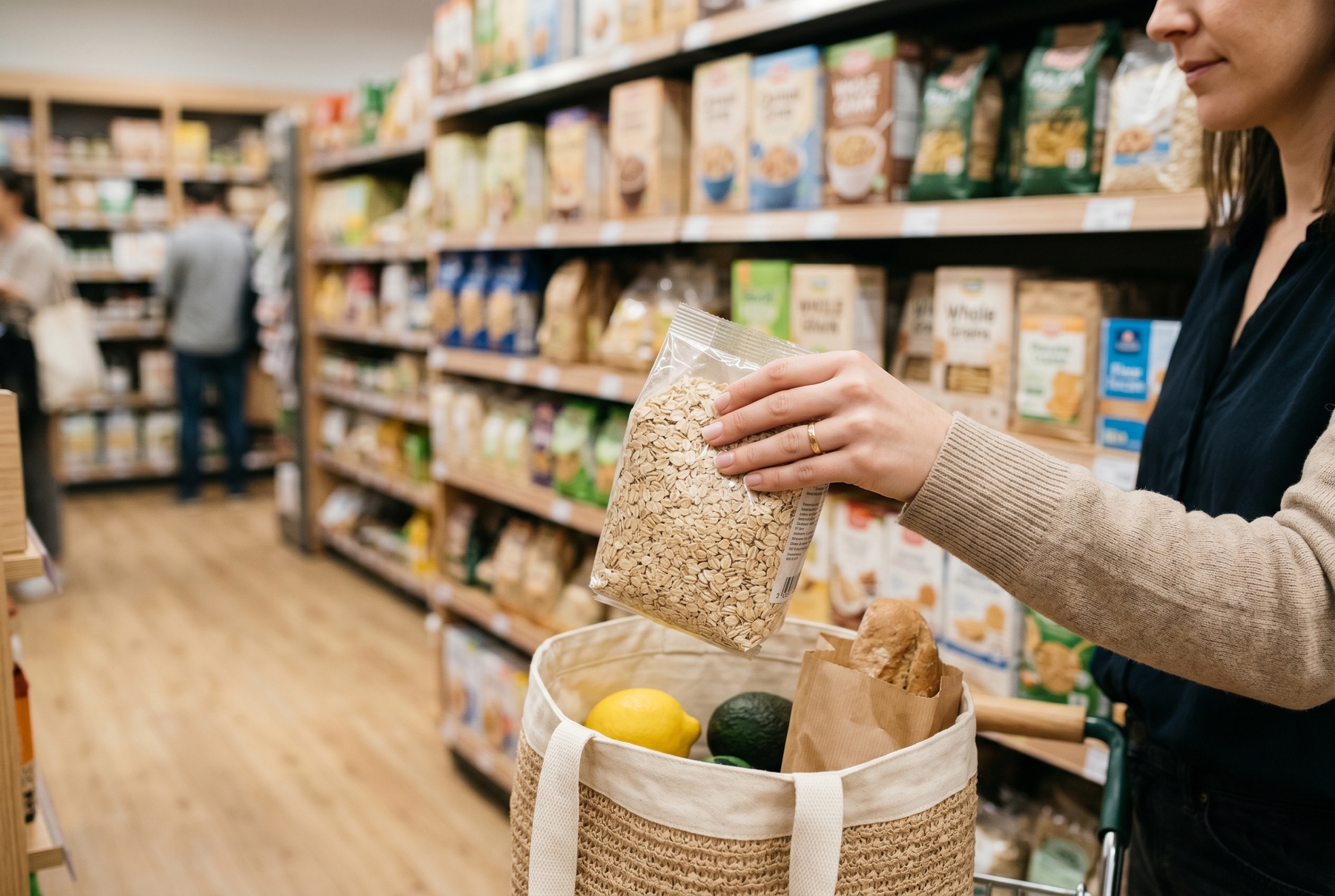
Paying attention to the degree of processing when shopping is important; whole grains always outweigh refined flakes.
How to Choose Starchy Foods Calmly
Selecting Foods with Starch in the Store
A few guidelines help navigate choices without a lecture on reading labels:
- Ingredients: A shorter list with understandable words is better.
- Sugar per 100 g (3.5 oz): Bread and cereal often contain more than expected.
- Flour type: Whole-grain and unrefined flours provide more fiber than refined white flours.
- Cereal density: Rolled oats digest slower than puffed cereal pillows.
- Portion size on the package: Sometimes a ‘healthy’ bar hides two servings in one wrapper.
These rules provide enough guidance to make an informed choice at the shelf in just a minute.
What to Keep at Home
The list is basic and functional: buckwheat, oatmeal, pearl barley, rice (brown or regular, without creating a cult around it), potatoes, legumes, durum wheat pasta, and whole-grain bread.
An ordinary product does not need to be a superfood to be a sensible choice. Pearl barley does not cure illnesses, and buckwheat does not burn fat. They simply provide filling meals that are easy to purchase. That is entirely sufficient.
How to Cook So Starch Works for You
Avoid Boiling Everything to a Mush
Texture noticeably influences eating speed and satiety. Pasta cooked al dente, offering slight resistance to the teeth, digests slower than mushy pasta. Fluffy buckwheat, where grains remain distinct, outperforms a sticky clump. Eating potatoes in chunks rather than as a mountain of mash forces chewing instead of swallowing.
Overcooked food absorbs faster because the cell walls break down, making the starch immediately available. Sometimes this is necessary, such as for young children or individuals with specific gastrointestinal issues. However, for pasta, grains, and potatoes, slightly undercooked is generally better than boiled to dust. Legumes require the exact opposite approach; bringing them to full tenderness is essential, especially dried beans. Undercooked beans remain tough and resist proper digestion.
Adding Flavor, Not Just Volume
Transforming a boring grain into a desirable lunch takes little effort. Acidity, like lemon, vinegar, or pickled vegetables, works wonders. A handful of fresh herbs, spices, and roasted vegetables elevate the dish. Adding a spoonful of legumes boosts the protein. Choosing a yogurt or tomato sauce over mayonnaise makes a difference. Baking instead of deep-frying transforms the meal.
A potato roasted with rosemary and garlic until a crispy crust forms yields a vastly different result than a potato submerged in deep-fryer oil, despite starting from the same raw ingredient.
3 Common Mistakes
Eliminating Starch Completely, Then Bingeing
A strict ban rarely lasts long. A heroic refusal of bread and grains often leads to a late-night binge on a whole pack of cookies, followed by intense guilt. This pendulum swings harder and exhausts people more than calmly enjoying a piece of bread at lunch. The stricter the rule, the louder the rebound. Putting aside diagnoses and psychology, this approach simply fails for most people.
Trusting the ‘Sugar-Free’ Label
‘Sugar-free’ does not mean ‘healthy,’ nor does it grant permission to eat unlimited amounts. Such products often contain ample starch, fat, and artificial sweeteners. A dietary label does not erase the ingredient list or the calorie count. Flipping the package over is essential.
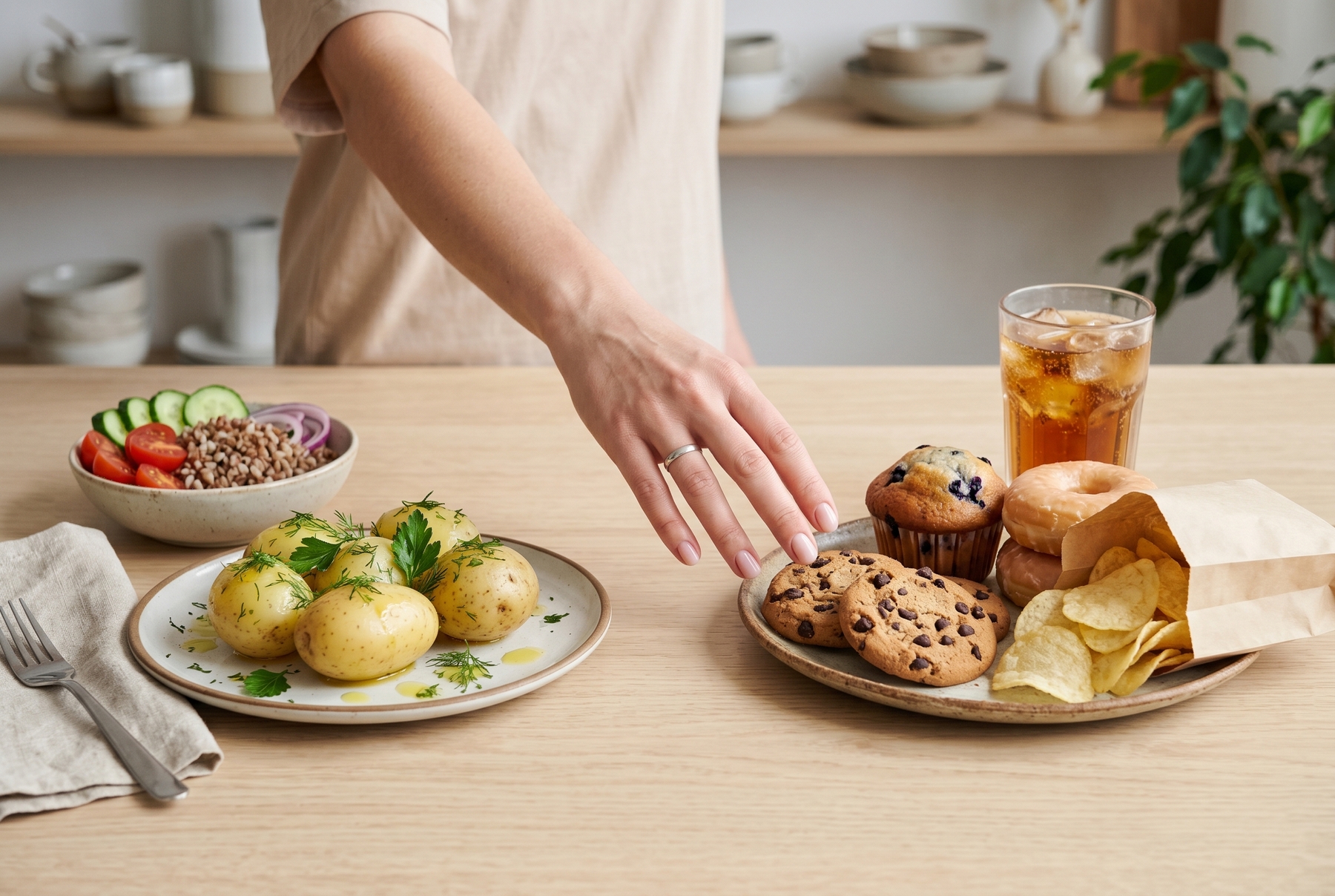
Distinguishing between complex carbohydrates from whole foods and empty calories from refined snacks and sweets remains crucial.
Fearing Potatoes While Ignoring Cookies
It is amusing how frequently a boiled potato in a soup falls under suspicion, while a bag of ‘something for tea’ disappears in an evening without a single question. The humble homemade potato takes the blame for all dietary sins, while snacks, sugary drinks, and store-bought pastries rest quietly nearby. Honest tracking requires holding everything accountable.
A Quick Cheat Sheet: When Starch Is Fine and When to Be Cautious
Perfectly Fine:
- Whole grains, potatoes, legumes, and pasta as part of a complete plate.
- Moderate portions accompanied by vegetables and protein.
- Meals that maintain satiety for several hours.
Worth Reconsidering:
- Large portions of refined products.
- Sweet pastries and snacks replacing proper meals.
- Constant drowsiness and hunger shortly after eating.
- Medical restrictions noted by a doctor.
The Bottom Line
Starch is neither a poison nor a secret source of harm lurking in the kitchen; it is not inherently dangerous. Its presence in a potato or bread does not cause problems on its own. The real issue stems from a combination of circumstances: large portions, heavy processing, a sedentary lifestyle, inadequate protein and fiber intake, and any underlying medical context.
Building a balanced plate remains straightforward: half vegetables, a quarter protein, a quarter grains or potatoes, finished with a spoonful of oil or an acidic dressing. As for that buckwheat cooked in the morning, letting it cool in the refrigerator by dinner will ensure its metabolic response becomes just a bit calmer than when it was piping hot.
0 comments