
This Moist Poppy Seed and Apricot Cake is the epitome of cozy home baking, filling your kitchen with the irresistible aroma of vanilla and fruit. Using vegetable oil instead of butter makes the crumb of this dessert exceptionally tender, moist, and long-lasting, while the addition of poppy seeds creates a pleasant texture with a slight crunch. The apricots, sinking into the airy batter, turn into a delicate jam during baking, creating the perfect balance of sweetness and tartness. This dish is perfect for summer tea parties on the porch, but it is equally delightful in the colder months if you replace fresh fruit with canned fruit, bringing back memories of sunny days.
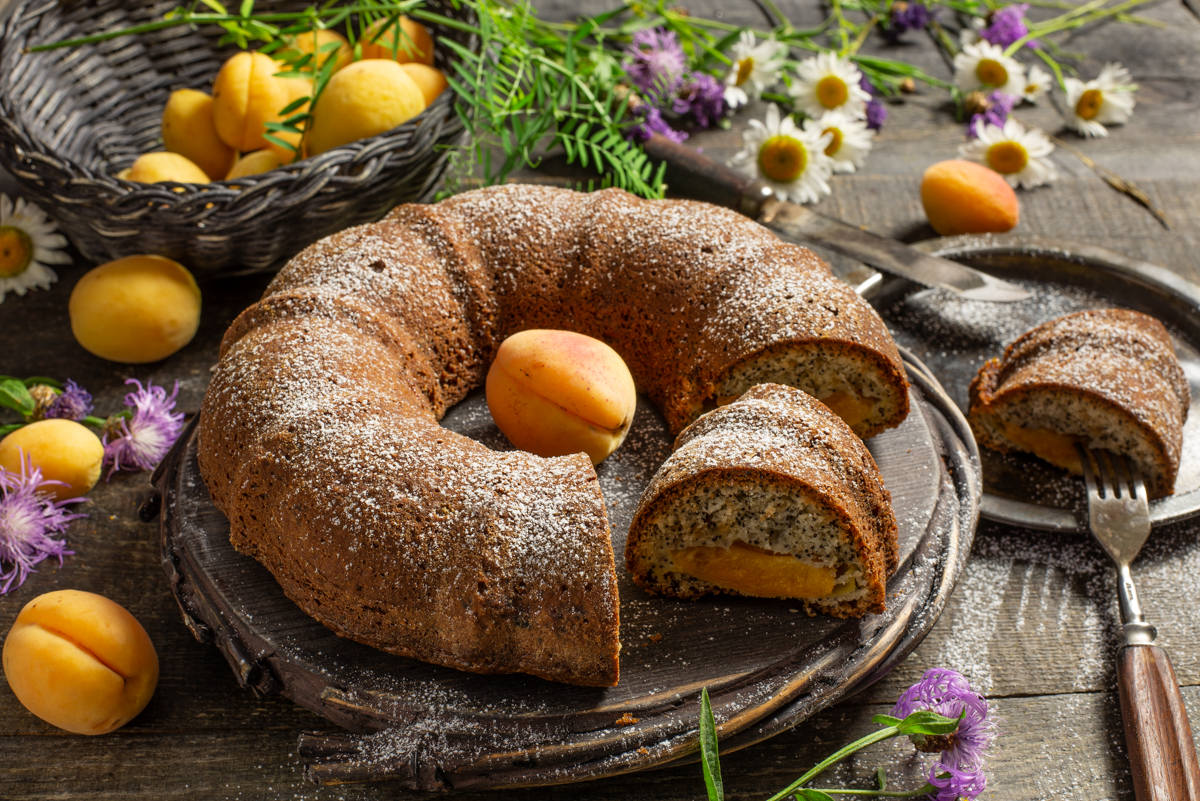
The finished cake turns out incredibly tender and aromatic. The combination of poppy seeds and apricots makes it taste truly like summer.
Ingredients
- 50 g (1.7 oz) prepared poppy seed filling for baking
- 250 g (8.8 oz) fresh apricots
- 100 g (3.5 oz) kefir (cultured milk)
- 70 g (2.4 oz) sour cream
- 1 egg
- 200 g (7 oz) sugar
- 40 g (1.4 oz) vegetable oil
- 185 g (6.5 oz) all-purpose flour
- 1 teaspoon baking powder
- A pinch of salt
- Butter or margarine for greasing the pan
- A pinch of vanilla powder or 1 packet of vanilla sugar
- Powdered sugar for dusting
How to make the poppy seed and apricot cake
Whisk together the kefir and sour cream, add a pinch of fine table salt, and crack in a large egg. Beat the ingredients well with a whisk.
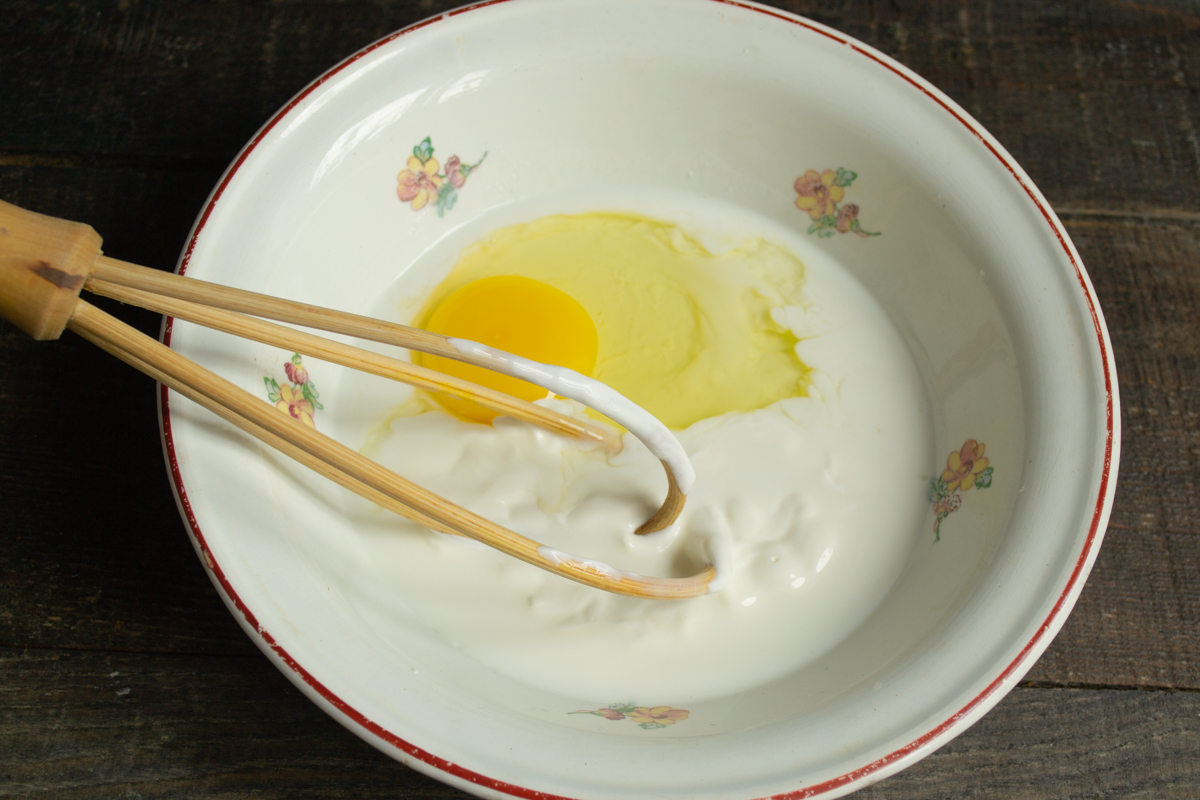
First, combine the kefir, sour cream, salt, and egg. Whisk everything together until you get a smooth mixture.
Pour in the granulated sugar and add vanilla sugar or vanilla powder. If you have pure vanilla extract, use that instead.
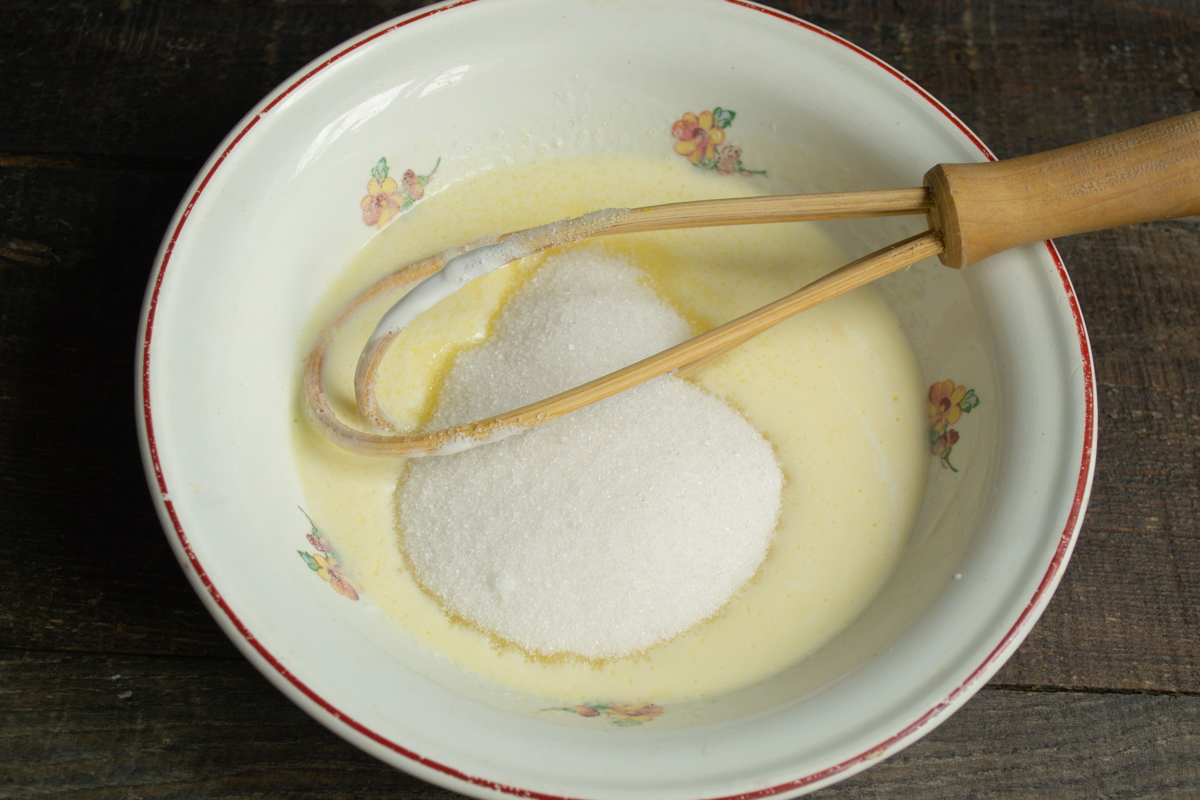
Pour in the granulated sugar and vanilla. You can use vanilla sugar or extract for a deeper flavor.
Whisk the liquid ingredients until the sugar crystals are completely dissolved. Pour in the vegetable oil and mix everything thoroughly once more.
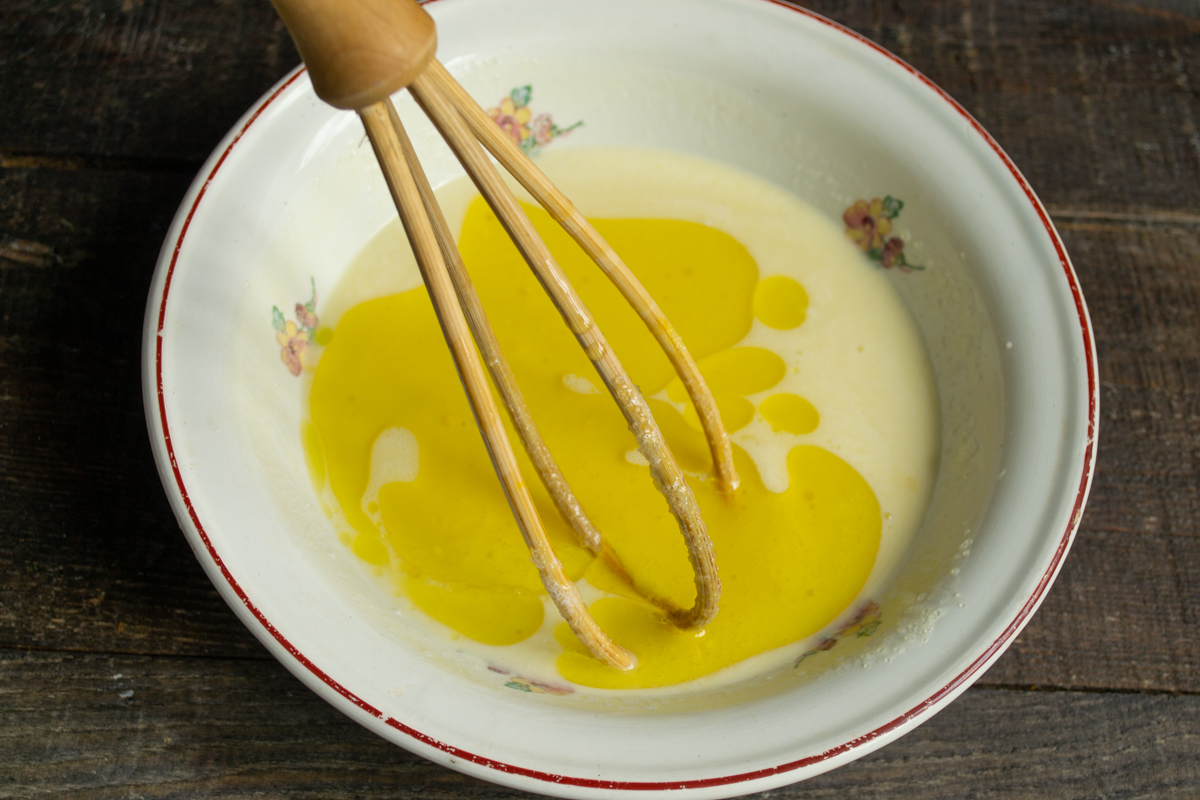
Vegetable oil makes the cake texture moist and porous. Mix all the liquid ingredients thoroughly.
Fold in the all-purpose flour mixed with baking powder. If your kefir and sour cream are a few days old, I recommend adding 1/3 teaspoon of baking soda—it will neutralize the acidity and give the batter an extra lift.
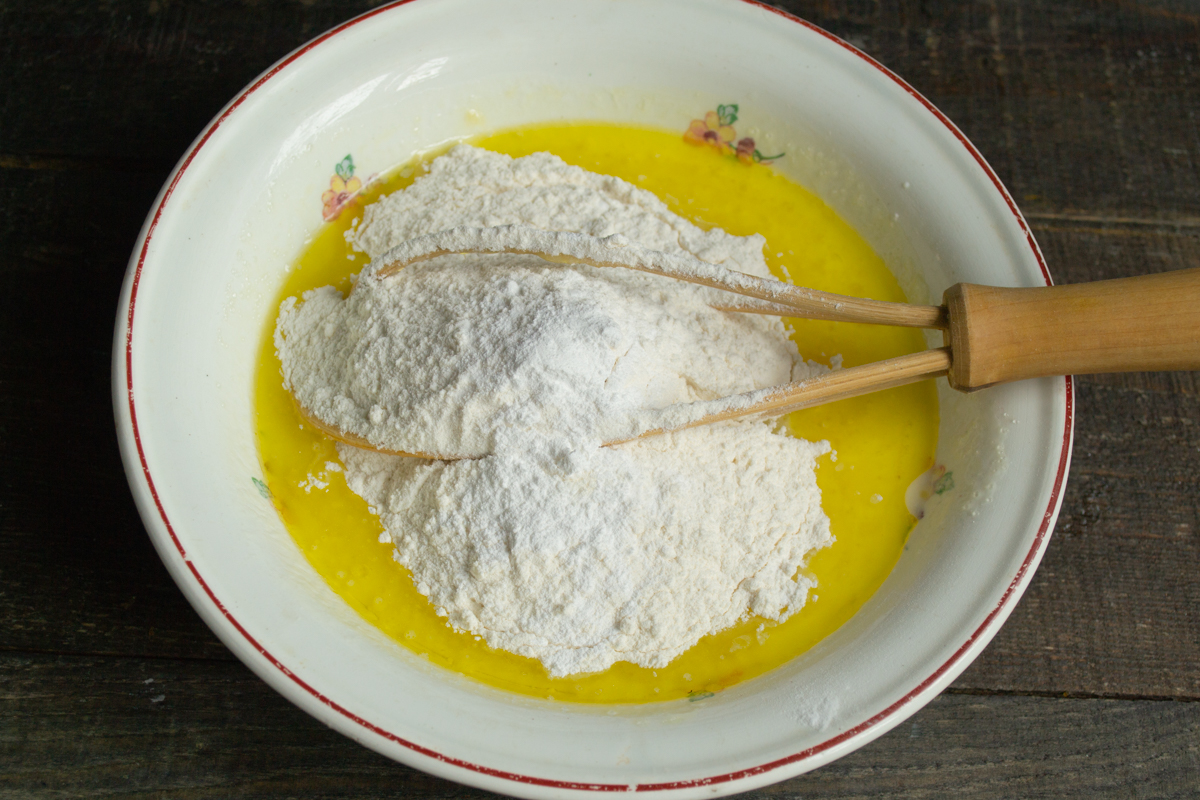
Gradually fold in the all-purpose flour. If the kefir is very tart, a little baking soda will help the batter rise better.
Gently fold the flour into the wet ingredients, then fold in the poppy seed filling. At this stage, preheat your oven to 180 degrees Celsius (350°F).
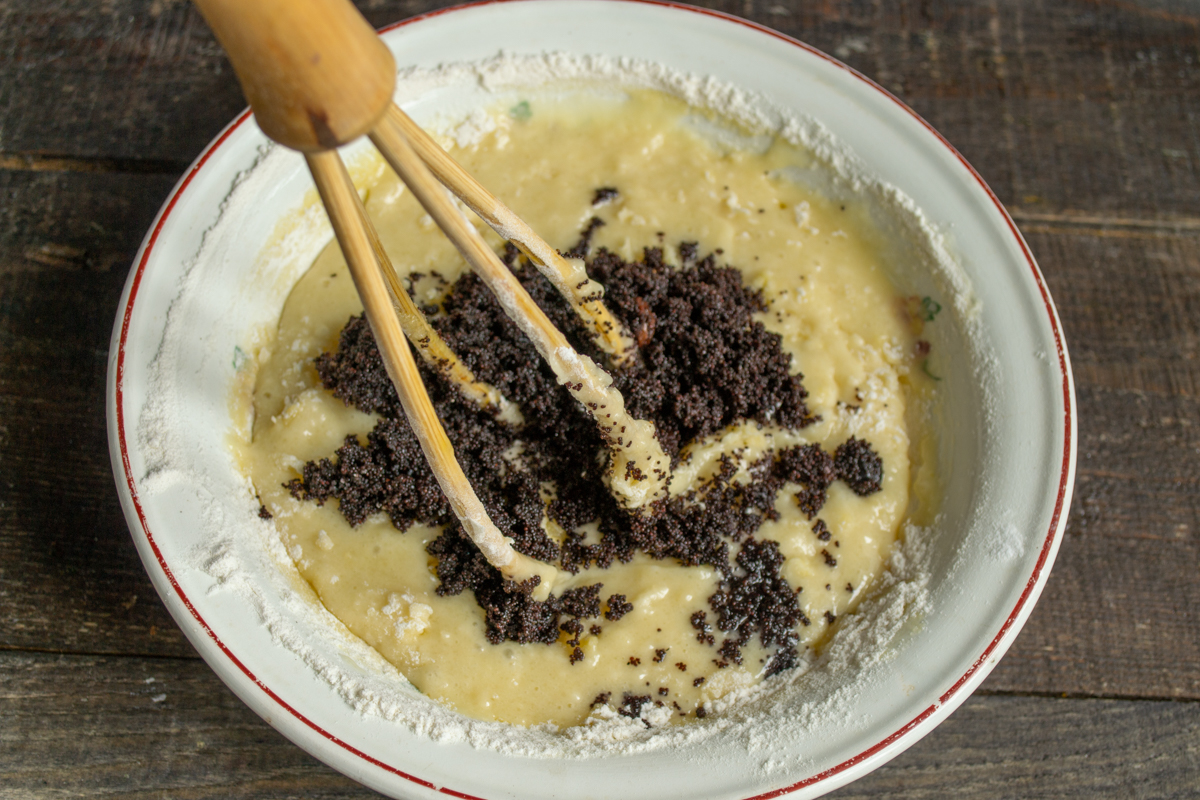
Stir in the poppy seed filling. At this point, you can start preheating your oven to 180 degrees Celsius (350°F).
The finished batter will be quite thick. Mix it thoroughly, but do not overmix.
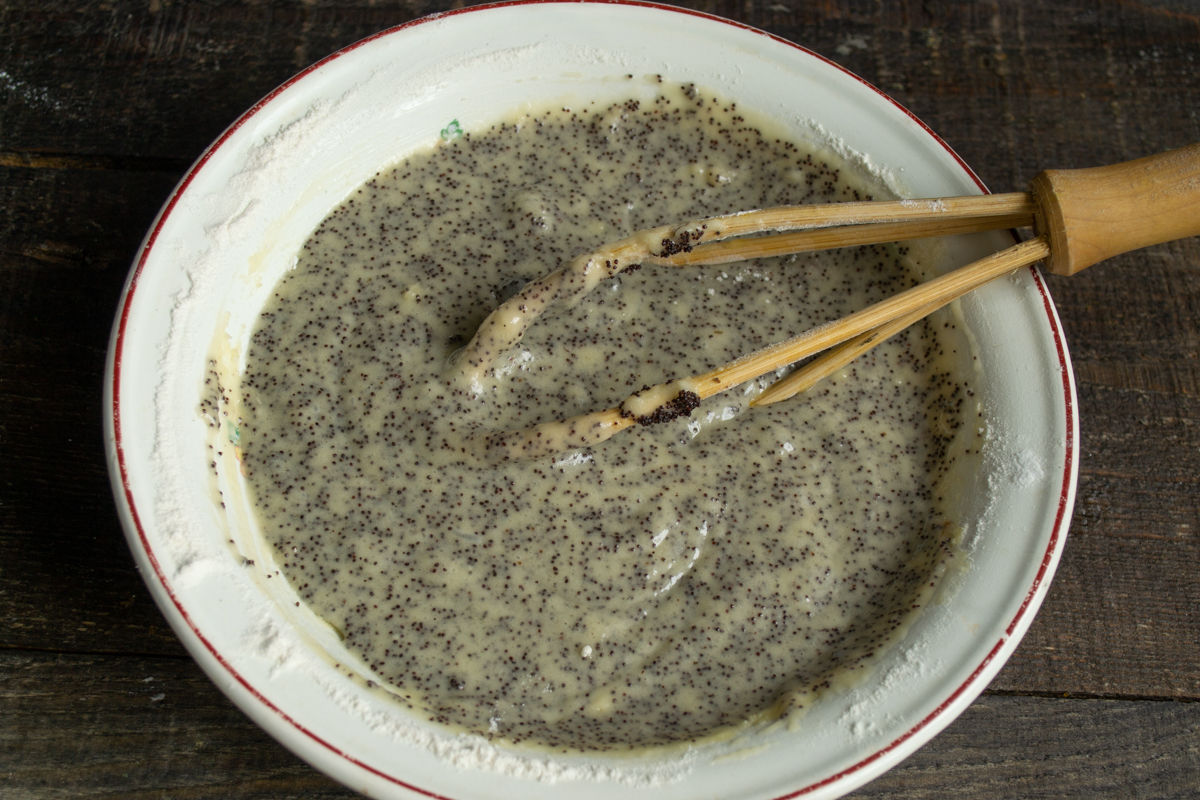
The batter should turn out quite thick. Mix it gently to keep it light and airy.
Grease a bundt pan or a regular cake pan with a hole in the center using butter or margarine, then dust it with flour. I advise against using vegetable oil for greasing, as the cake might stick and burn. Spread half of the batter evenly into the pan.
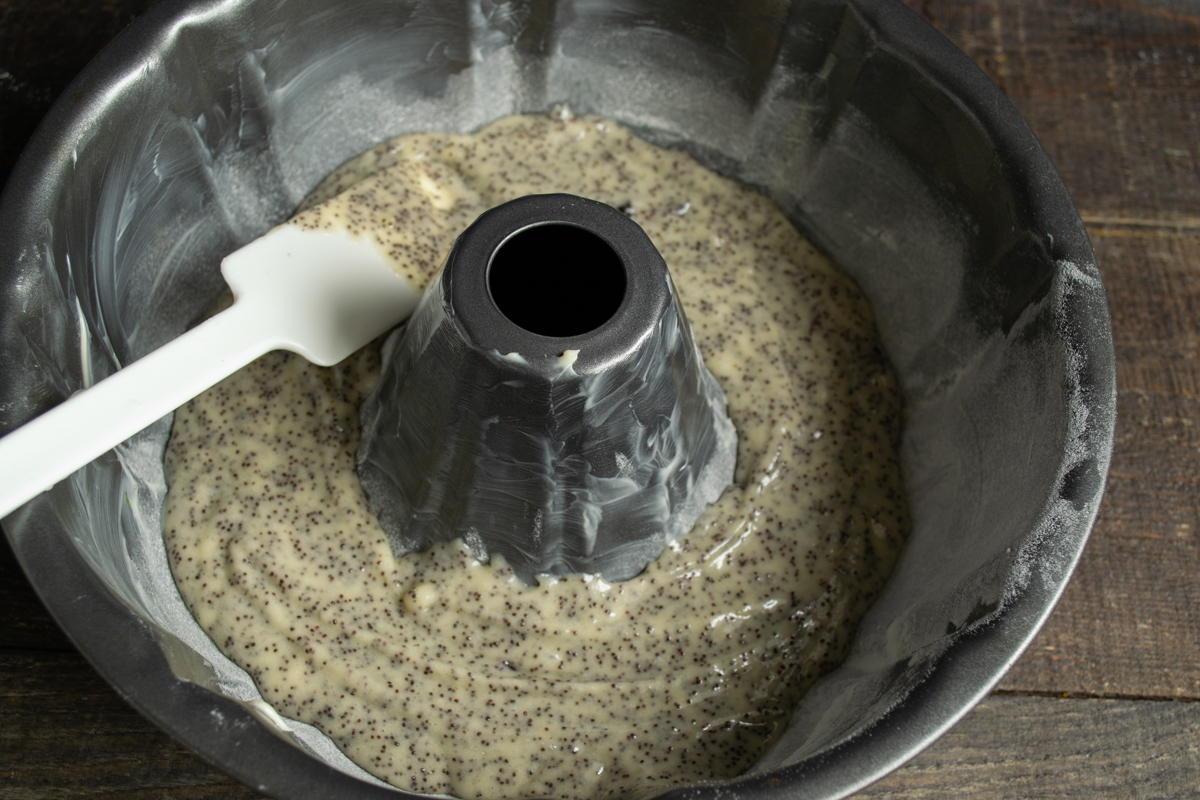
Use a bundt pan for even baking. Grease it with butter and dust it with flour.
Wash and dry the fresh apricots, halve them, and remove the pits. Arrange the apricot halves snugly on top of the batter in a single layer. If using canned fruit, drain it well in a sieve first so the syrup drips off, then proceed with the recipe.
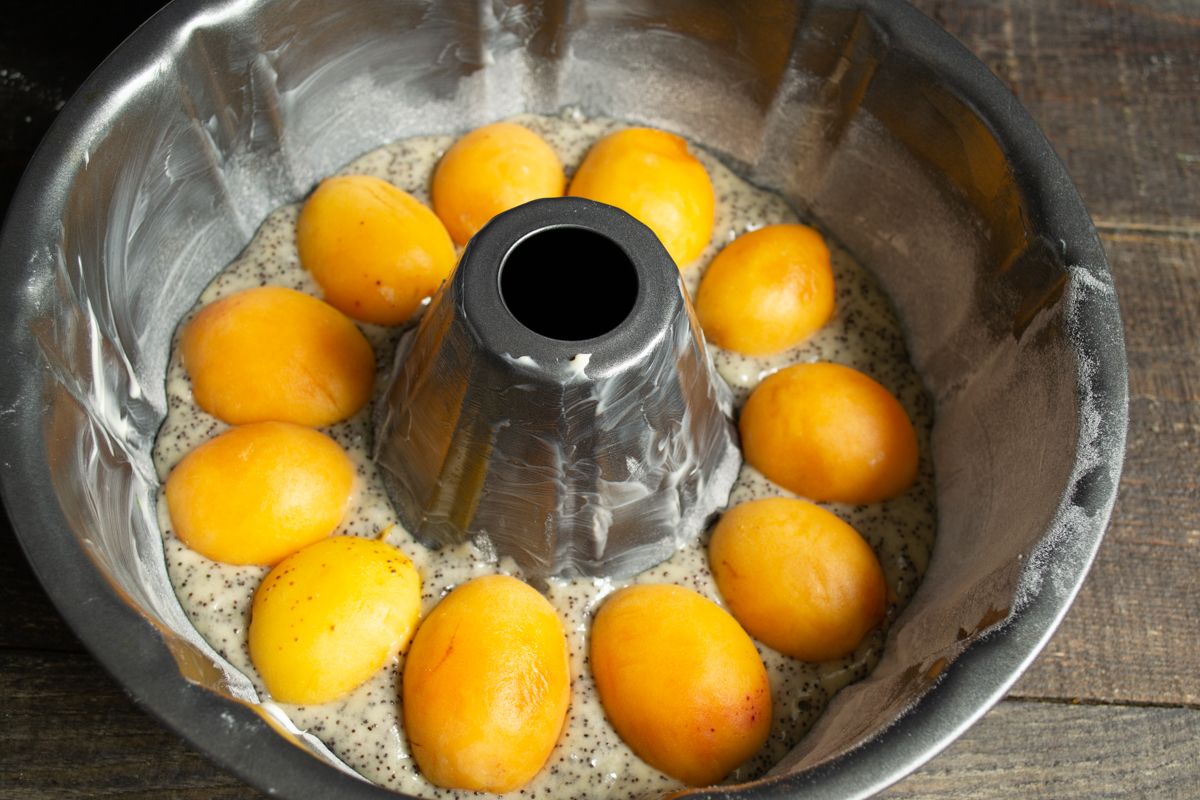
Place the apricot halves cut-side down. This will create a juicy fruit layer inside the cake.
Cover the apricots with the remaining batter, spreading it into an even layer to ensure the fruit is completely hidden. For this recipe, I used a round 22-centimeter (8.6-inch) pan.
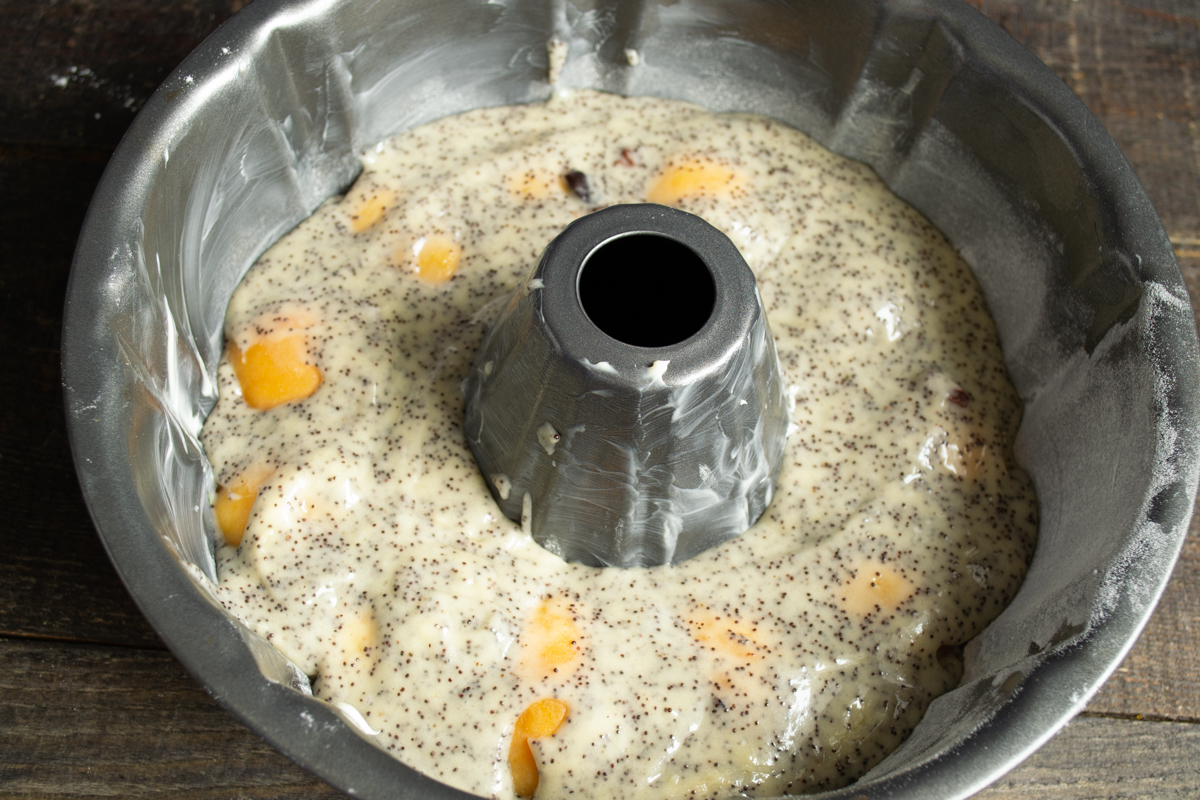
Spread the remaining batter over the fruit so that the apricots are completely covered.
Transfer the pan to the preheated oven for 40 to 45 minutes. Check for doneness by inserting a wooden skewer into the thickest part; if it comes out clean and dry, the cake is ready to be taken out of the oven.
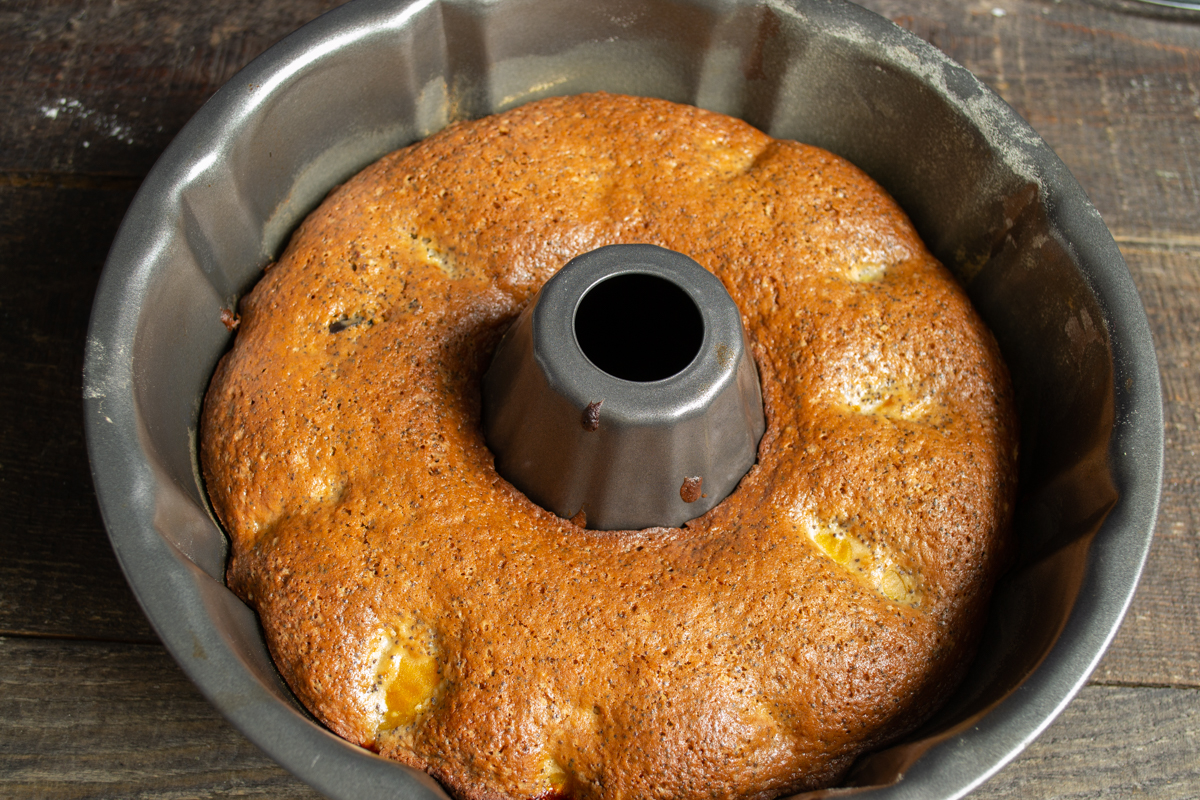
Bake for about 45 minutes. Check for doneness with a wooden skewer—it should come out completely dry.
Invert the pan and let the cake cool completely on a wire rack. If you cool it on a porcelain or glass plate, the bottom will become soggy from condensation.
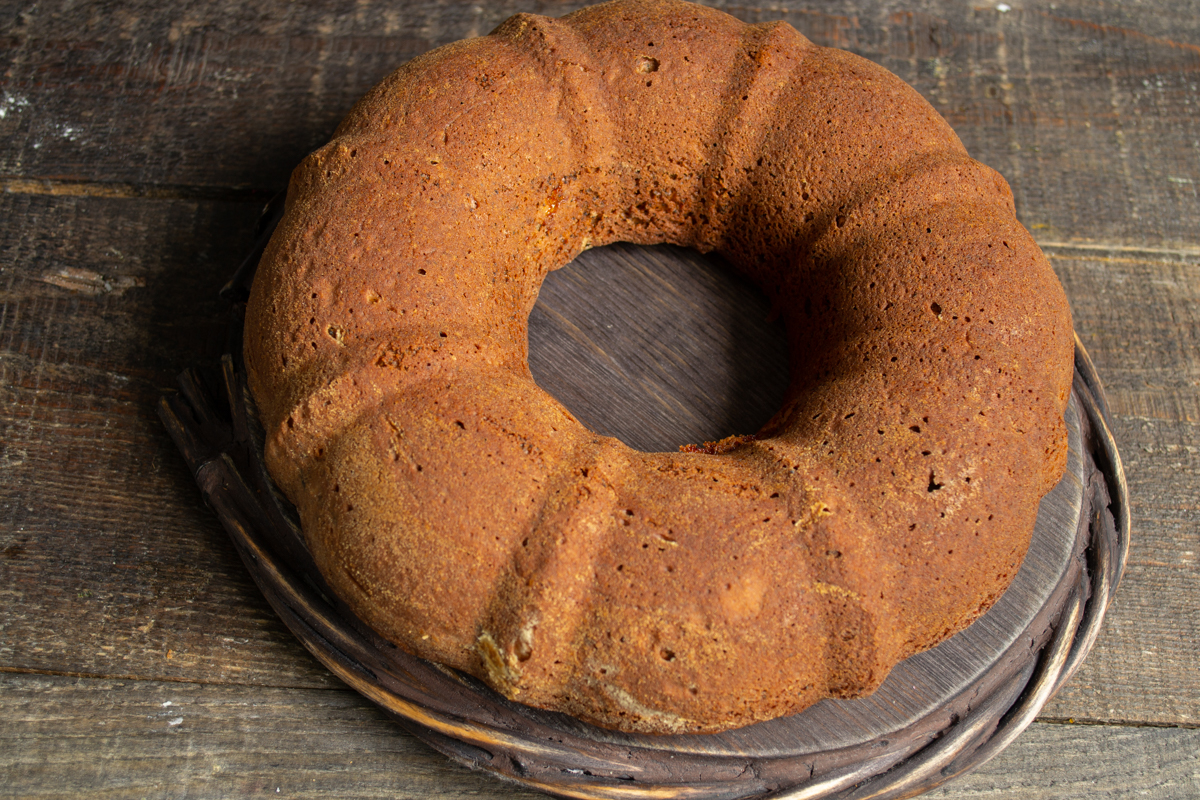
Always cool the cake on a wire rack to prevent the bottom from becoming soggy due to condensation.
Dust the cooled poppy seed and apricot cake generously with powdered sugar and serve with a warm cup of tea.
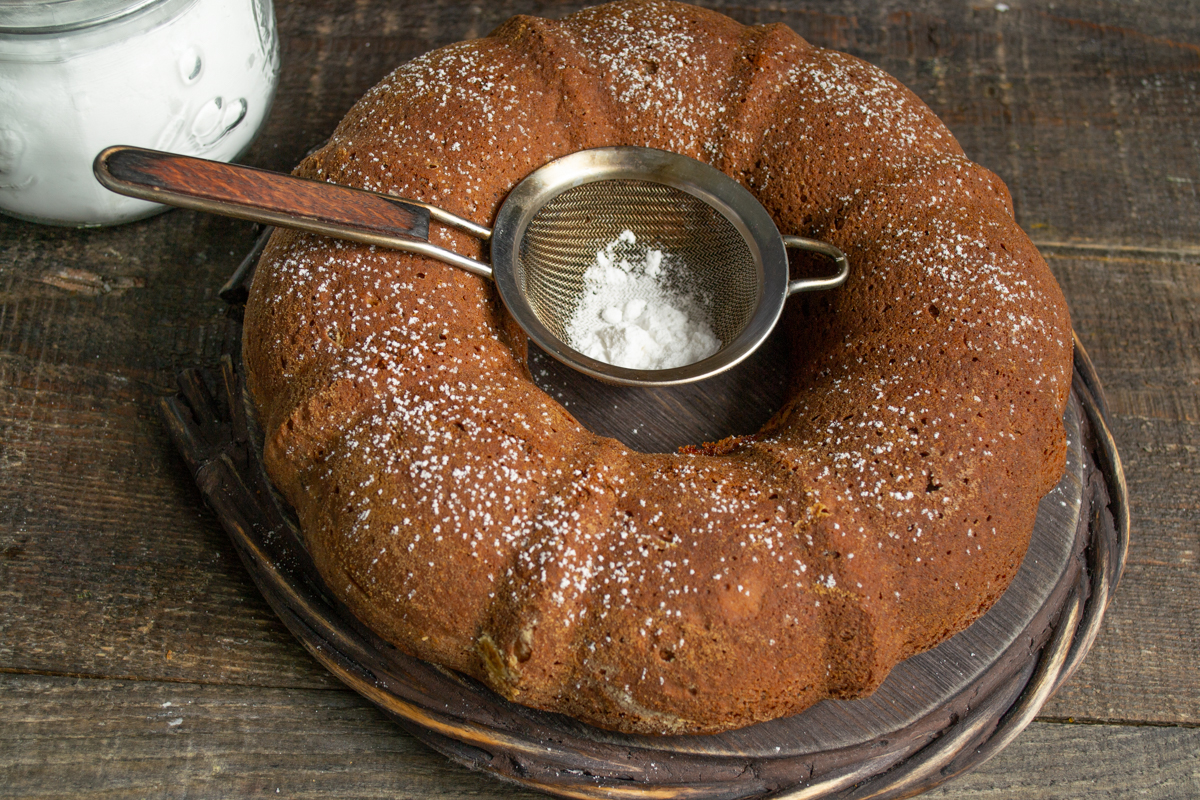
The final touch is powdered sugar. It gives the cake a festive look and adds extra sweetness.
This Moist Poppy Seed and Apricot Cake is best served completely cooled, when the fruit juices stabilize and the poppy seed aroma fully develops. For a festive presentation, you can top each slice with a scoop of vanilla ice cream or a dollop of thick whipped cream, which will perfectly complement the velvety texture of the crumb. If you want to experiment, try replacing the apricots with peaches or nectarines—the result will be just as impressive.
To keep your baked goods fresh, store the cake under a glass dome or in an airtight container at room temperature for up to two days. If you decide to keep it longer, place the dessert in the refrigerator. A little culinary secret: before serving the next day, lightly warm the slice in the microwave—this will return the original softness to the crumb and enhance the aroma of the apricot filling.
0 comments