
Standing in front of the cheese case, one might hesitate between a premium artisanal burrata and standard mozzarella. Is it for a Caprese salad? A pizza? Or perhaps just to enjoy with some wine and friends? It seems logical that because burrata is more expensive, it must be the superior choice for any occasion. Yet, after you return home to make a hot panini, slicing into the cheese reveals a watery puddle with curdled clumps. Conversely, buying mozzarella for a bruschetta might result in a rubbery, bland texture, falling short of expectations.
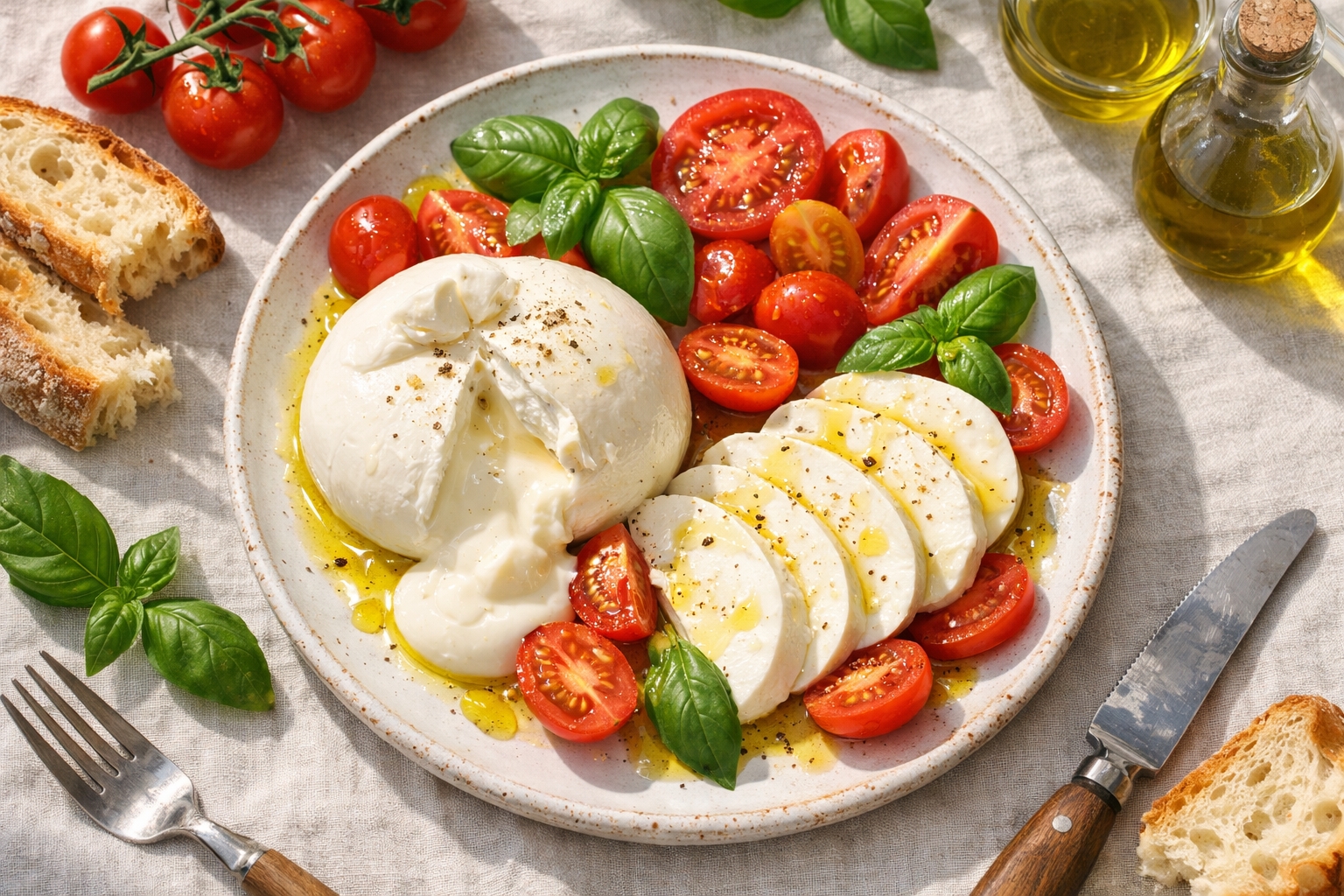
Why burrata flows and mozzarella stretches: a clear guide to fresh cheeses.
The issue does not lie in the quality of the cheese. Rather, these two products behave entirely differently under different conditions. Without understanding their underlying culinary physics, it is easy to ruin an expensive purchase and end up with disappointment instead of delight.
Table of Contents
- The Genetics of Pasta Filata: Why Mozzarella Stretches
- Inside Burrata: Anatomy of a Cream-Filled Pouch
- Mozzarella: Not All Varieties Are Created Equal
- Serving Temperature: Why Cold Burrata Remains Muted
- Proper Storage: Lifespans and Best Practices
- Smart Substitutions: What to Use in a Pinch
- Tomatoes, Basil, and pH Balance: The Science of Synergy
- How to Judge Burrata Quality (Even at a Restaurant)
- How to Slice Burrata to Let the Filling Become a Sauce
- Creative Ways to Use Leftover Brine
- Properties and Culinary Applications of Fresh Cheeses
The Genetics of Pasta Filata: Why Mozzarella Stretches
All fresh Italian cheeses of this style share a single foundation. The technique is known as pasta filata (a traditional Italian method of stretching cheese curds), which literally translates to “stretched curd.” In this process, the cheese curd is heated to 60–80°C (140–176°F) and then stretched, folded, and stretched again. Under the influence of heat, casein proteins—the primary proteins in milk—realign their structure, transforming from chaotic clumps into parallel fibers. It is much like taking tangled wool and combing it neatly in one direction.
This method, known as thermoplasticization, aligns the protein chains to form an elastic network. This very network is what allows mozzarella to stretch so beautifully. When heated on a pizza, the protein fibers soften without breaking. They slide past one another, creating those iconic, molten threads that stretch from the slice to the mouth.
Burrata shares this identical foundation. Its outer pouch is crafted using the pasta filata technique, making it firm and capable of holding its shape. However, the interior tells a completely different story.
Inside Burrata: Anatomy of a Cream-Filled Pouch
Burrata is constructed like a pouch. The exterior is a thin shell of mozzarella, while the inside is filled with stracciatella (shredded mozzarella threads mixed with rich, heavy cream). The filling undergoes no thermoplasticization; its fibers remain short, irregular, and suspended in a lipid emulsion. Consequently, burrata does not stretch; it flows.
The cream, which is a rich emulsion, coats the protein particles and lends a luscious, velvety texture. Depending on the producer, the fat content of this filling can reach 60–70%, which is two to three times higher than that of standard fior di latte mozzarella, which typically contains 25–30% fat.
Because of this delicate structure, burrata must never be heated. At temperatures exceeding 40°C (104°F), the cream begins to separate from the protein, causing the filling to split into liquid fat and curdled clumps, destroying its signature creaminess. Therefore, burrata is meant to be enjoyed in only one state: fresh, uncooked, and served at room temperature.
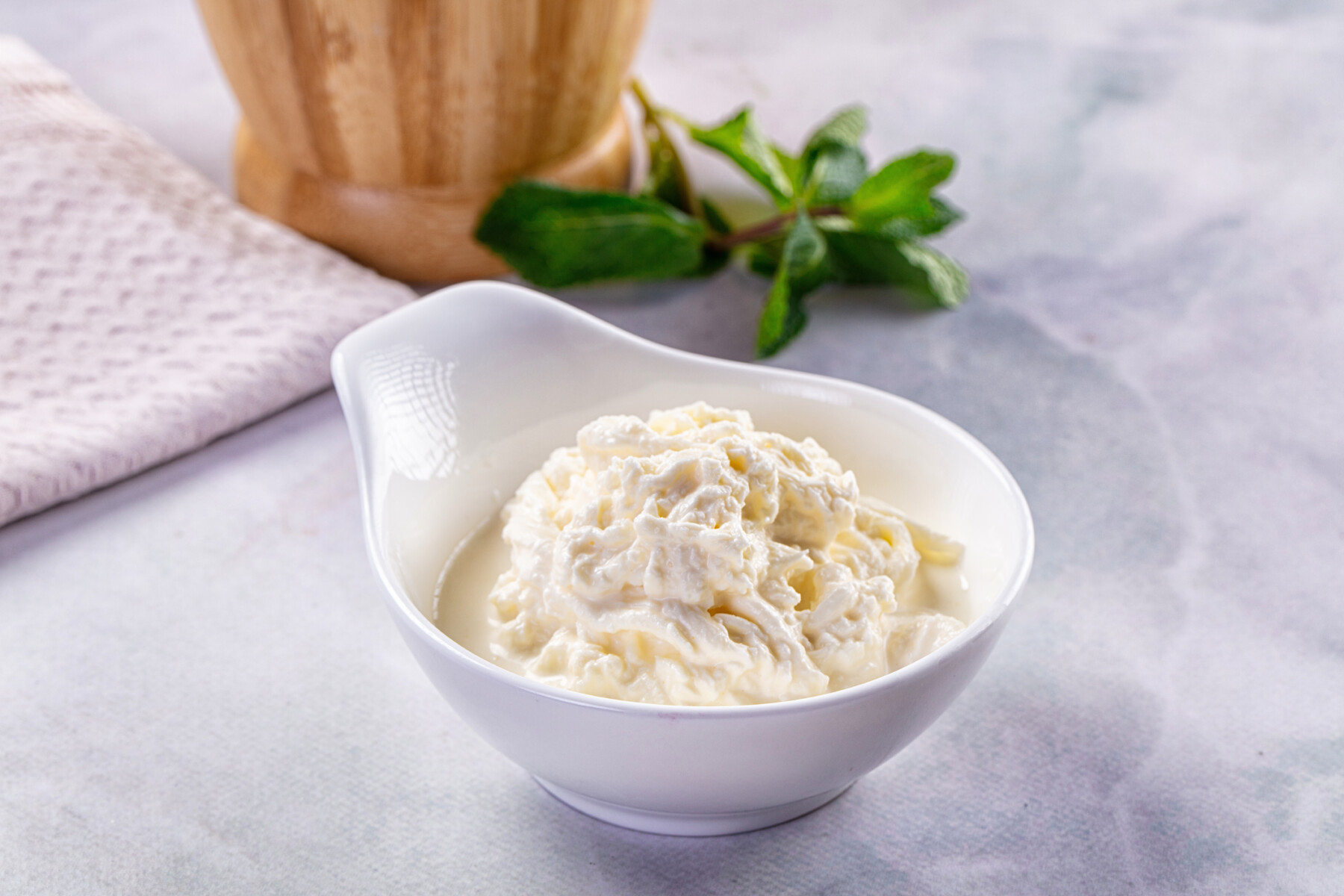
Fresh Italian stracciatella, a soft and creamy cheese.
Mozzarella: Not All Varieties Are Created Equal
The term “mozzarella” can refer to vastly different products. There are three primary styles:
Fior di latte: The classic mozzarella made from cow’s milk. Firm, moderately moist, and highly versatile, it keeps in its brine for up to a week unopened. Once opened, it should be consumed within 24 hours before it begins to sour. This variety is ideal for pizzas, salads, and hot sandwiches.
Mozzarella di bufala: Crafted from water buffalo milk, this cheese is richer, softer, and possesses a delicate tang. Its texture is more delicate and porous than that of fior di latte, meaning it releases more moisture when heated. If used too generously on a pizza, it can make the crust soggy. In Italy, it is traditionally enjoyed simply on its own, accompanied by crusty bread and ripe tomatoes.
Low-moisture mozzarella: Featuring a significantly reduced water content, this style is widely popular in the United States. It is firmer, drier, and melts beautifully without releasing excess liquid. This is the quintessential cheese for American-style pizza, yielding an even, golden layer without pooling. It boasts a longer shelf life because less water means a less hospitable environment for bacteria.
For warm culinary applications, fior di latte or low-moisture mozzarella is the most logical choice. Buffalo mozzarella is far more delicate and expensive; its nuanced qualities are largely lost during high-heat cooking.
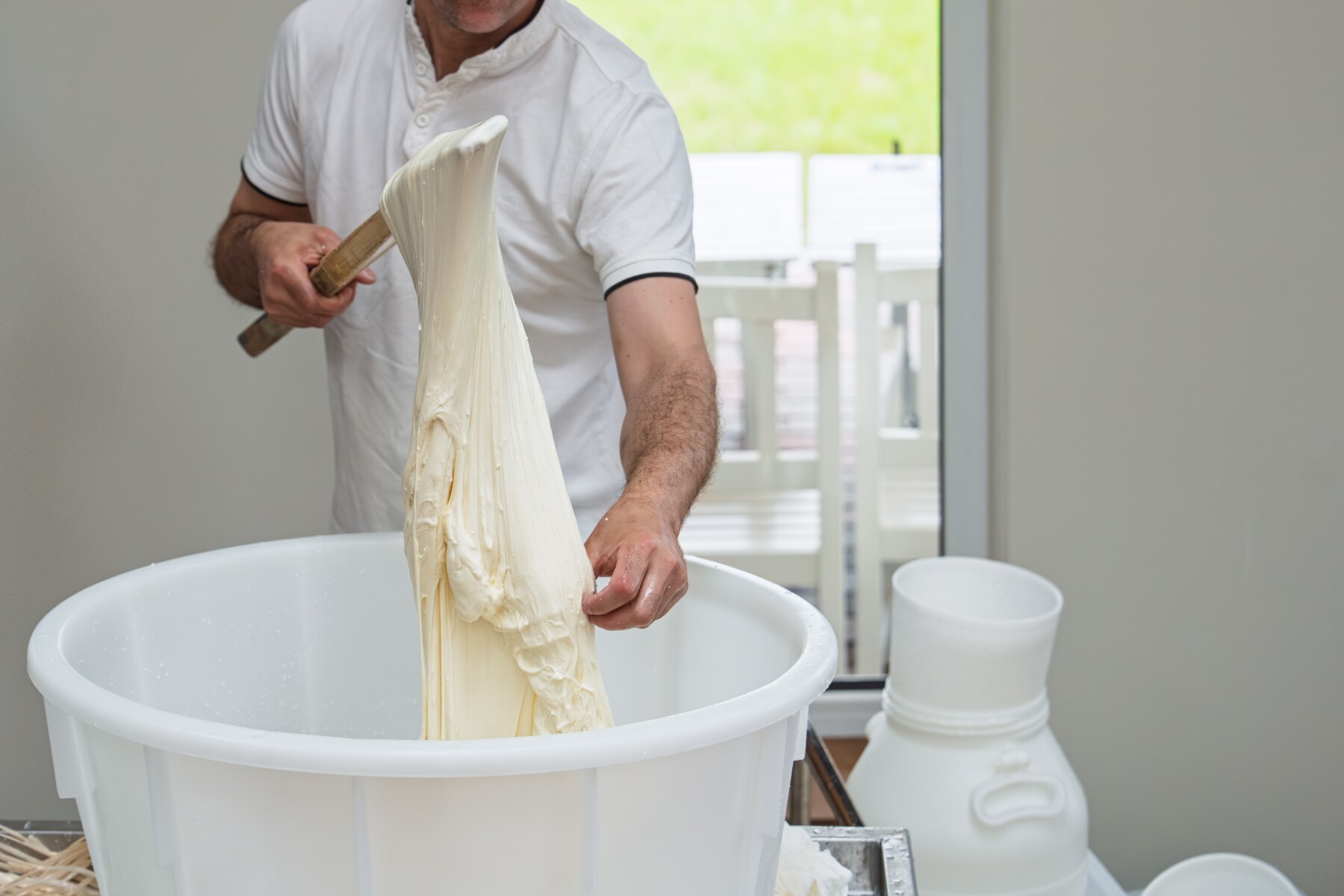
Artisanal mozzarella production: the heated curd is stretched and kneaded to create its characteristic fibrous structure.
Serving Temperature: Why Cold Burrata Remains Muted
Fresh cheeses express their full flavor profile at room temperature. Serving burrata straight from the refrigerator results in a flat, muted taste. Cold temperatures solidify the fats, preventing the aromatic molecules from evaporating and leaving the palate unable to register the rich, milky notes.
The optimal temperature range for burrata is 18–22°C (64–72°F). To achieve this, letting the cheese rest on the counter for 20 to 30 minutes before serving is highly recommended. This allows the filling to become beautifully fluid and creamy, maximizing its rich dairy flavor. This practice is rooted in the physics of fat perception, rather than mere culinary snobbery.
The same rule applies to mozzarella. When cold, it is merely springy and bland, but allowing it to reach room temperature coaxes out a delicate sweetness characteristic of fresh milk.
Conversely, heating burrata is strictly out of the question. At a mere 40–45°C (104–113°F), the cream emulsion begins to split, and by 60°C (140°F), it devolves into curdled clumps floating in liquid fat. Mozzarella, on the other hand, easily withstands heating up to 80–90°C (176–194°F), where its protein fibers soften beautifully while retaining their structural integrity.
Proper Storage: Lifespans and Best Practices
Burrata is an incredibly perishable product, with a peak lifespan of just 48 hours from the time of production. Beyond this, the filling begins to sour, and the cream develops an off-odor. Supermarket options are often sold near this threshold, making it crucial to check the production date. If the expiration date is less than 24 hours away, it is best to leave it on the shelf.
It must be stored strictly in the refrigerator, submerged in its original brine. If the brine has leaked or is unavailable, a simple substitute can be made by dissolving 1 teaspoon of salt in a cup of water. Without liquid, the outer shell quickly dries out and turns rubbery.
For mozzarella, storage guidelines depend entirely on the style. Fior di latte keeps for 5 to 7 days in an unopened container of brine, but should be consumed within 24 to 48 hours once opened. Buffalo mozzarella is even more delicate; its higher fat content gives it a shorter shelf life of 3 to 5 days, and opened containers should be finished within a single day. Low-moisture mozzarella, thanks to its dry nature, can be kept for several weeks; when sold in vacuum-sealed packaging, it remains fresh for 5 to 7 days after opening if wrapped tightly in parchment or plastic wrap.
Universal signs of spoilage in any fresh cheese include a sour aroma, a slimy texture, or cloudy brine. If the cheese feels sticky to the touch or shows any signs of mold, it should be discarded immediately.
Can these cheeses be frozen? While technically possible, it is rarely advisable. Freezing causes water to crystallize, which ruptures the delicate protein fibers. Consequently, defrosted mozzarella becomes crumbly, and burrata splits entirely. If frozen mozzarella must be used, it is best reserved for pizzas or baked pasta dishes where texture is less critical, whereas frozen burrata should be avoided altogether.
Smart Substitutions: What to Use in a Pinch
Replacing mozzarella in hot dishes: Sulguni (a traditional Georgian semi-soft cheese with a layered texture) makes an excellent alternative. Produced using a similar pasta filata technique, it features a comparable fibrous structure; while slightly saltier and firmer, it stretches beautifully. For home-baked pizzas, high-quality semi-hard cheeses with low moisture, such as Gouda or mild Cheddar, can easily replace specific Italian varieties like provolone or caciocavallo, offering a reliable melt without releasing excess water.
Replacing burrata: Tear fresh mozzarella into small pieces by hand, submerge them in whipping cream or heavy cream (33–35% fat), and let the mixture sit for 10 to 15 minutes. While not identical, this successfully mimics the luxurious texture of stracciatella. Alternatively, whipped ricotta mixed with a splash of heavy cream and a pinch of salt creates a luscious spread that closely approximates burrata’s filling, albeit with a slightly different flavor profile.
Replacing buffalo mozzarella: Standard fior di latte works beautifully. While there is a subtle difference in richness, it is negligible, especially when tossed in a salad with vibrant ingredients like ripe tomatoes, fresh basil, and extra-virgin olive oil.
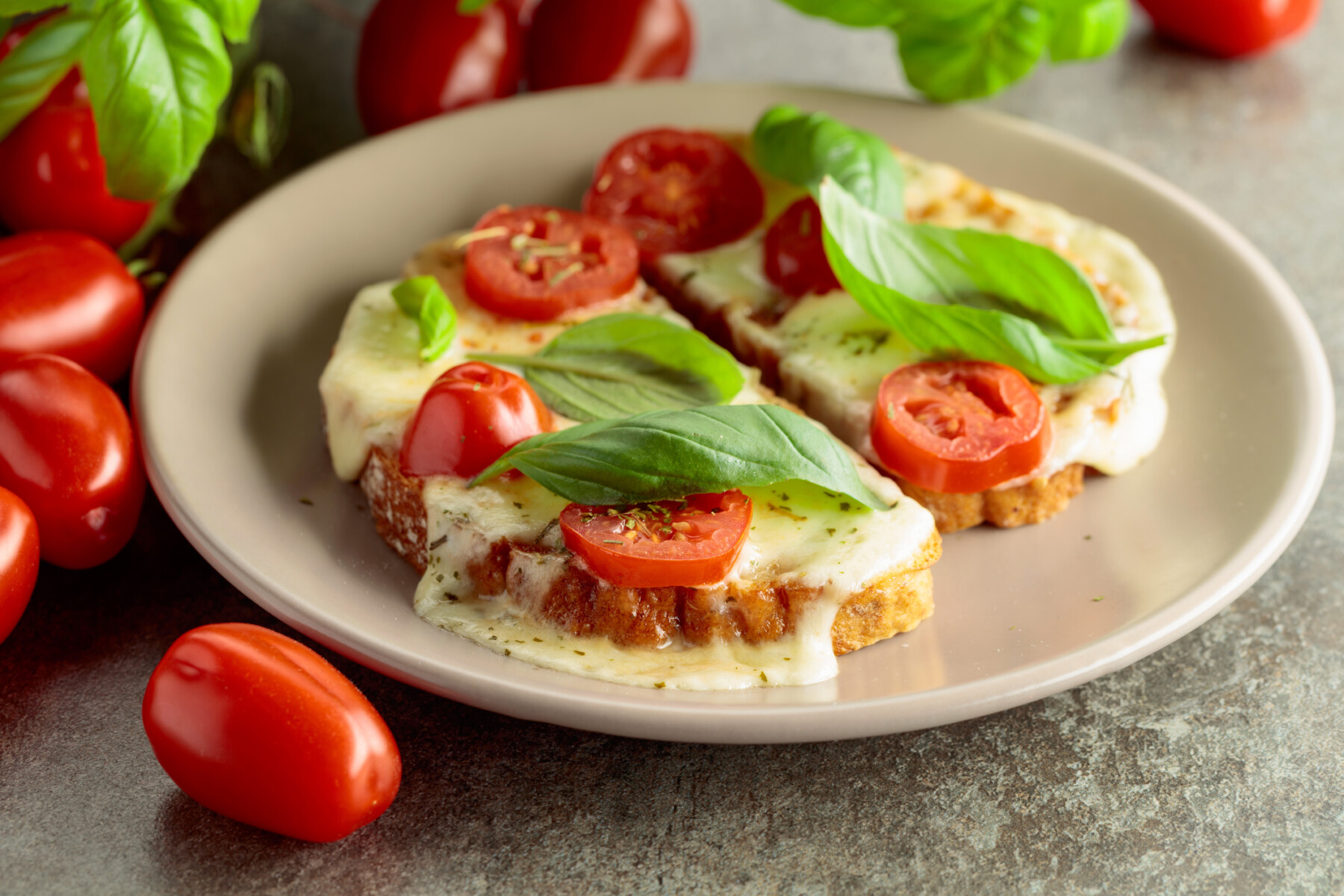
Mozzarella, on the other hand, easily withstands temperatures of 80–90°C (176–194°F), where its protein fibers soften but hold their structure.
Tomatoes, Basil, and pH Balance: The Science of Synergy
The timeless pairing of fresh mozzarella or burrata with tomatoes and basil is rooted in scientific balance rather than mere tradition. It represents a perfect harmony of acidity and fat. Fresh cheeses have a pH of approximately 5.2 to 5.5 (slightly acidic), while tomatoes range from 4.3 to 4.9 (more acidic). When eaten together, the bright acidity of the tomatoes cuts through the rich fat of the cheese, heightening its flavor profile.
Basil contributes volatile aromatic oils, such as eugenol and linalool, which amplify the perception of freshness. Extra-virgin olive oil acts as a flavor carrier, as fat-soluble aromatic compounds unfold far more dynamically in the presence of lipids.
Rather than culinary magic, this is fundamental flavor chemistry. It explains why a Caprese salad or burrata paired with sweet cherry tomatoes resonates so perfectly on the palate.
How to Judge Burrata Quality (Even at a Restaurant)
First, the filling must flow. If cutting into a burrata reveals a firm, static interior, the cheese is either past its prime or made with insufficient cream. An excellent stracciatella should look and behave almost like a thick, luxurious sauce.
Second, pay attention to the aroma. Fresh burrata should smell cleanly of milk and sweet cream. Sour notes reminiscent of buttermilk or yogurt indicate that the cheese is on the verge of spoiling or already has. If dining out, a quick sniff before tasting is always wise; do not hesitate to send it back if the aroma seems off.
Third, the outer pouch should not be rubbery. If the cheese has been stored without brine or kept too long, its exterior hardens. A properly crafted shell yields easily to a knife and shows a slight springiness, but should never pull like chewing gum.
How to Slice Burrata to Let the Filling Become a Sauce
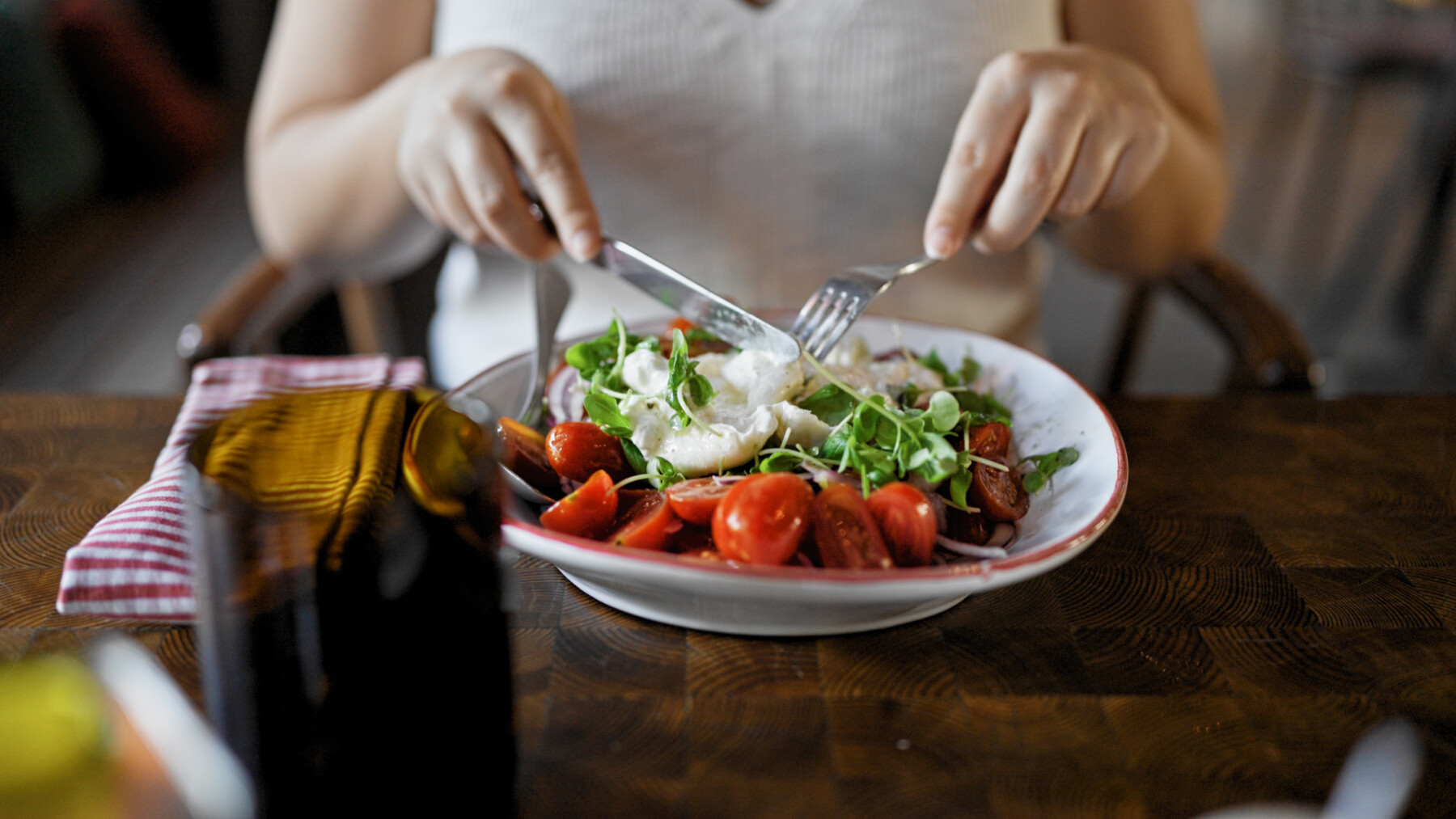
A common misstep is slicing a burrata straight down the middle. This causes the filling to rush out in one direction, leaving a puddle on the plate and dry cheese on the other side. A more elegant approach is to make a crosswise incision on top and gently pull the corners apart. This allows the stracciatella to flow evenly, making it easy to scoop up with accompanying ingredients like crusty bread, ripe tomatoes, and fresh greens.
When serving burrata with crusty bread, skipping the knife entirely is a wonderful option. Simply tear the outer pouch open with your hands, using a spoon or a piece of warm baguette to scoop the creamy interior directly from the center, keeping the luscious filling on the bread rather than lost on the plate.
A common mistake is cutting burrata in half. Instead, make a crosswise incision on top and pull the edges apart to let the stracciatella flow evenly.
Creative Ways to Use Leftover Brine
The leftover brine from mozzarella or burrata is far more than just salted water; it is rich in lactic acid, enzymes, and trace whey proteins. It serves as an exceptional base for marinades. Simply add garlic, fresh herbs, and olive oil to create a tenderizing marinade for chicken or fish, as the lactic acid breaks down muscle fibers in much the same way yogurt or buttermilk does.
Alternatively, leftover brine can replace a portion of the water in bread or focaccia dough. The active enzymes improve the dough’s elasticity and result in a lighter, more airy crumb. A ratio of approximately one part brine to three parts water works beautifully.
If the brine is intensely salty, diluting it with water makes it an excellent liquid for boiling pasta, imparting a subtle, pleasant milkiness to the pasta as it cooks.
Properties and Culinary Applications of Fresh Cheeses
| Property | Fior di Latte Mozzarella | Burrata |
| Texture | Firm, fibrous, and layered | Creamy filling enclosed in a delicate shell |
| Shelf Life | Up to 5–7 days in brine (24 hours once opened) | Maximum of 48 hours from production |
| Culinary Use | Pizzas, baked dishes, and fresh salads | Strictly raw, served at room temperature |
| Best Substitutes | Sulguni (for hot dishes), provolone | Torn mozzarella with heavy cream (33% fat), or whipped ricotta with cream |
Choosing between burrata and mozzarella is not a matter of prestige; it is a matter of purpose. For a dish that requires a beautiful, melting stretch, mozzarella is the undisputed choice. For a cold presentation where a rich, velvety texture is desired, burrata is unmatched. Understanding their unique culinary roles ensures that every dish is executed to perfection without ever risking the separation of what was designed to flow.
0 comments