
Welcome to a taste of Eastern European comfort! Today, we're baking Vatrushki, beloved sweet buns that are a staple in many Slavic kitchens. Imagine a soft, pillowy yeast dough cradling a sweet, creamy filling made from tvorog, a fresh farmer's cheese. They are the perfect combination of simple ingredients and heartwarming flavor. But this recipe has a wonderful twist: with the same batch of dough, we'll also bake a rustic baguette! It’s a brilliant way to prepare a sweet treat for tea time and fresh bread for your meal all at once. Let's get baking!
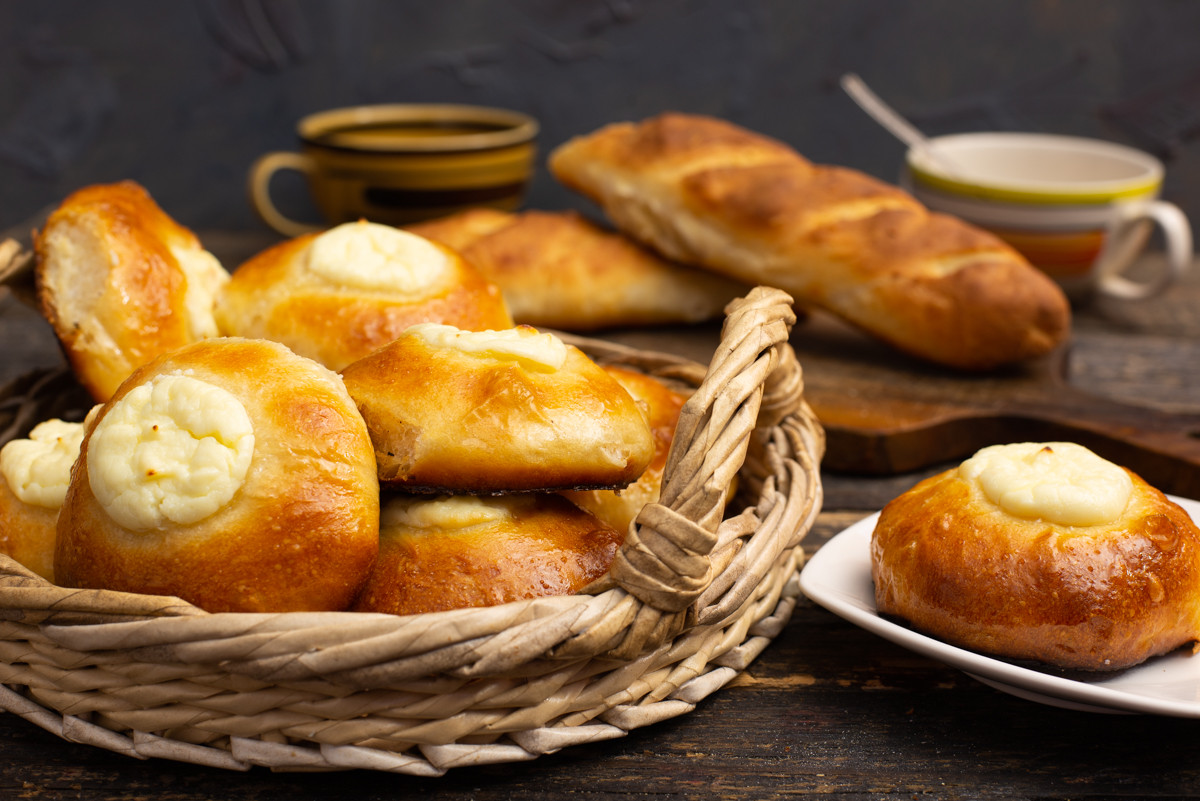
Vatrushki with tvorog and a bonus baguette
Ingredients for the Dough
- 450 g all-purpose flour
- 300 g milk
- 35 g canola oil
- 20 g sugar
- 4 g salt
- 1.5 tsp dry yeast
- egg, sugar, water for the glaze
Ingredients for the Filling
- 150 g tvorog (farmer's cheese or quark)
- 50 g sgushchenka (sweetened condensed milk)
- sugar to taste
How to Make Vatrushki with Tvorog
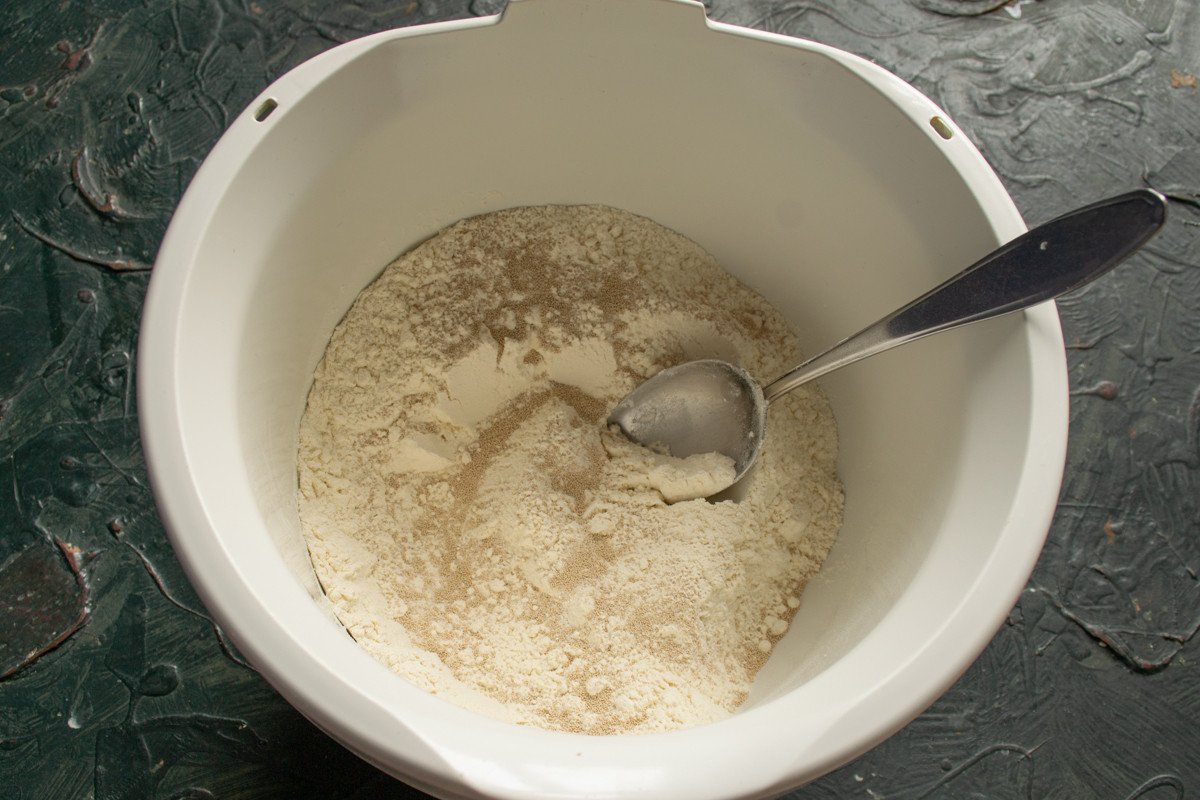
Sift high-grade wheat flour into a bowl.
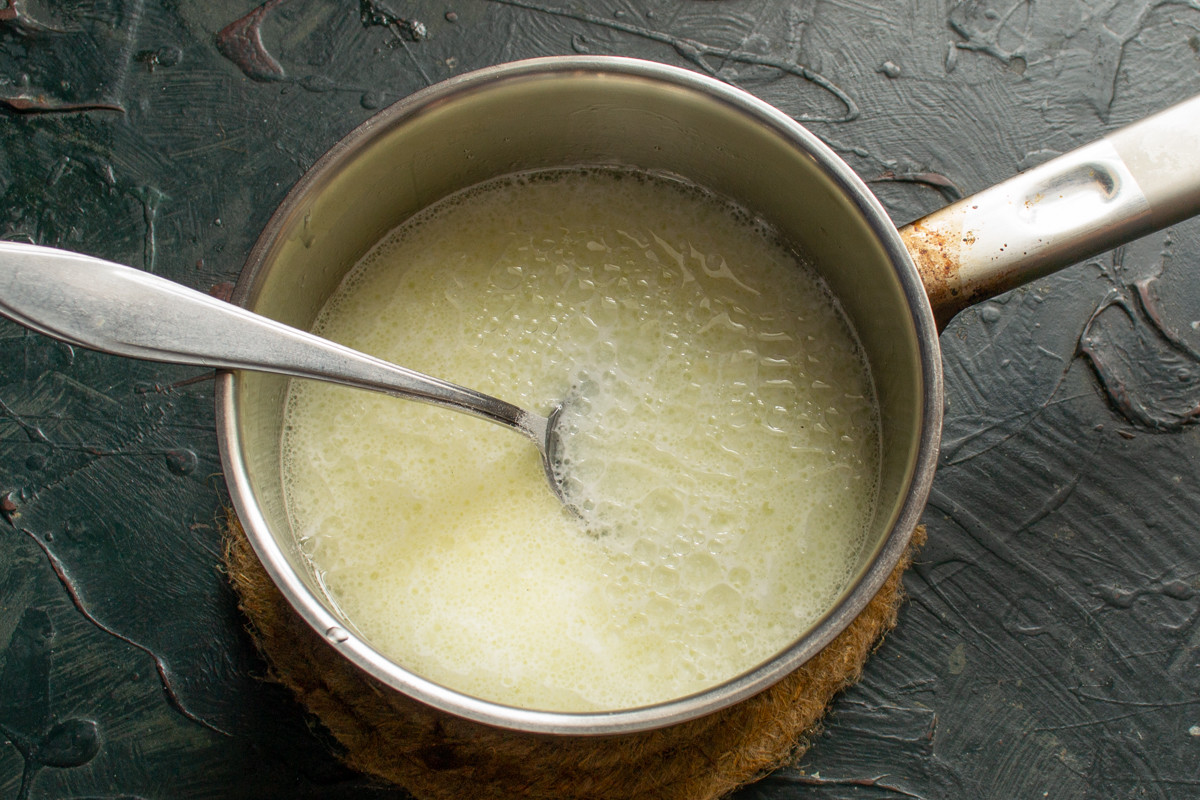
Heat the liquid ingredients to 30 degrees Celsius.
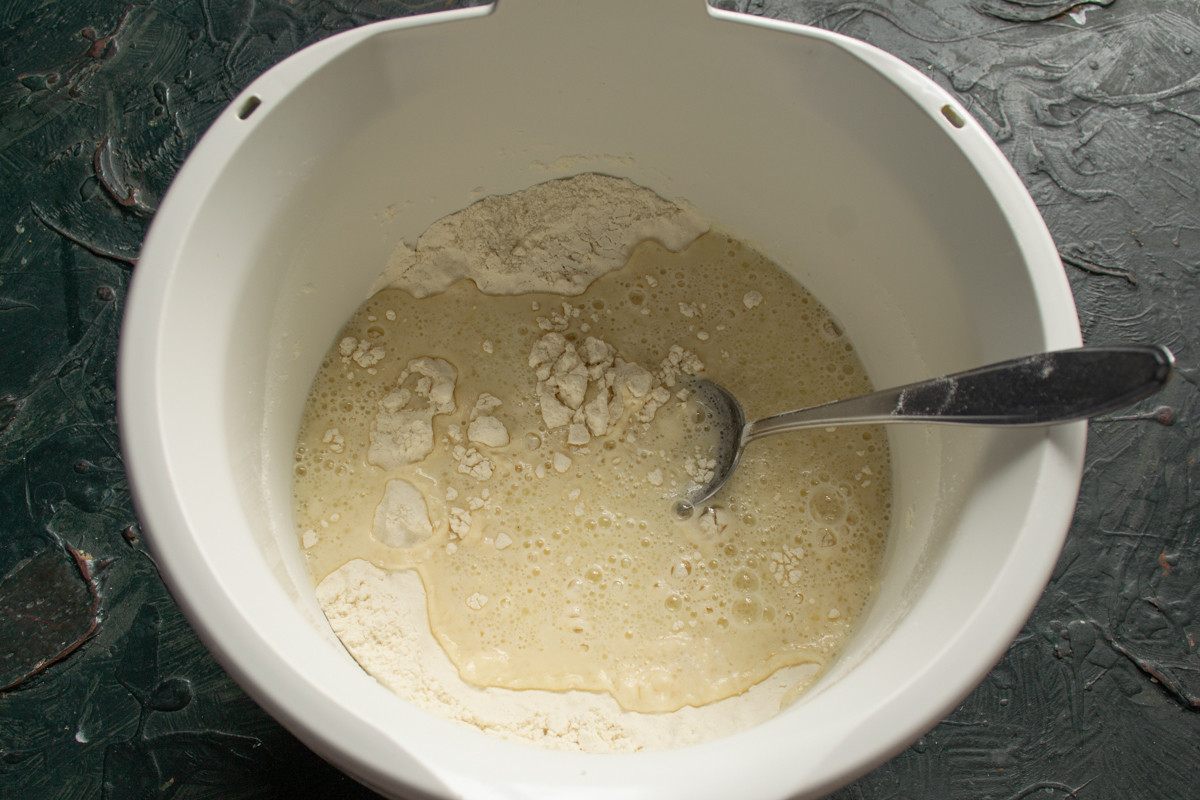
Combine the dry and wet ingredients for the dough.
Sift the high-grade wheat flour into a mixing bowl. Add the instant/activated dry yeast to the flour. If you are using regular active dry yeast, warm 100 ml of milk to 30°C (86°F). Dissolve the yeast in the milk, let it sit for 20-30 minutes, then add the mixture to the flour and proceed with the recipe.
Pour the milk into a small saucepan. Add the salt and sugar. Add canola oil or any other neutral vegetable oil. Heat the liquid ingredients to 30°C (86°F).
Combine the dry and wet ingredients for the dough.
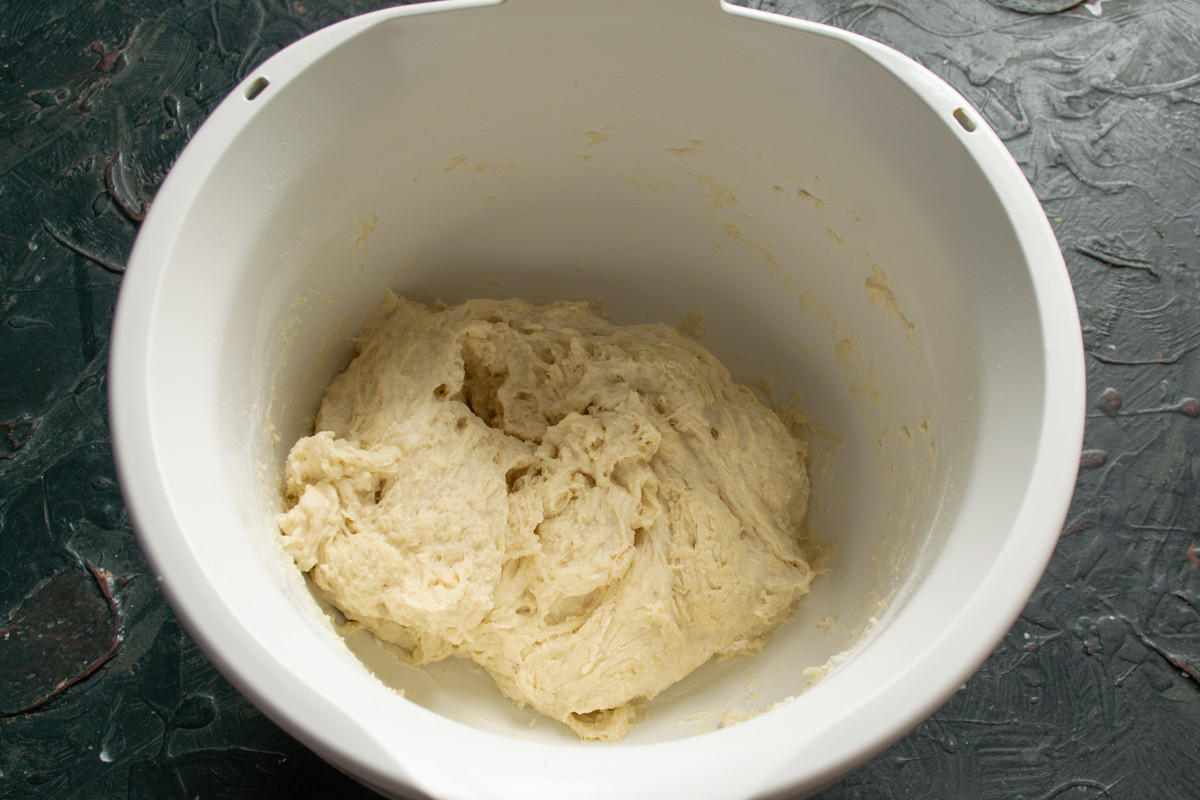
Mix the dough with the hook attachment and let it rest for 5 minutes.
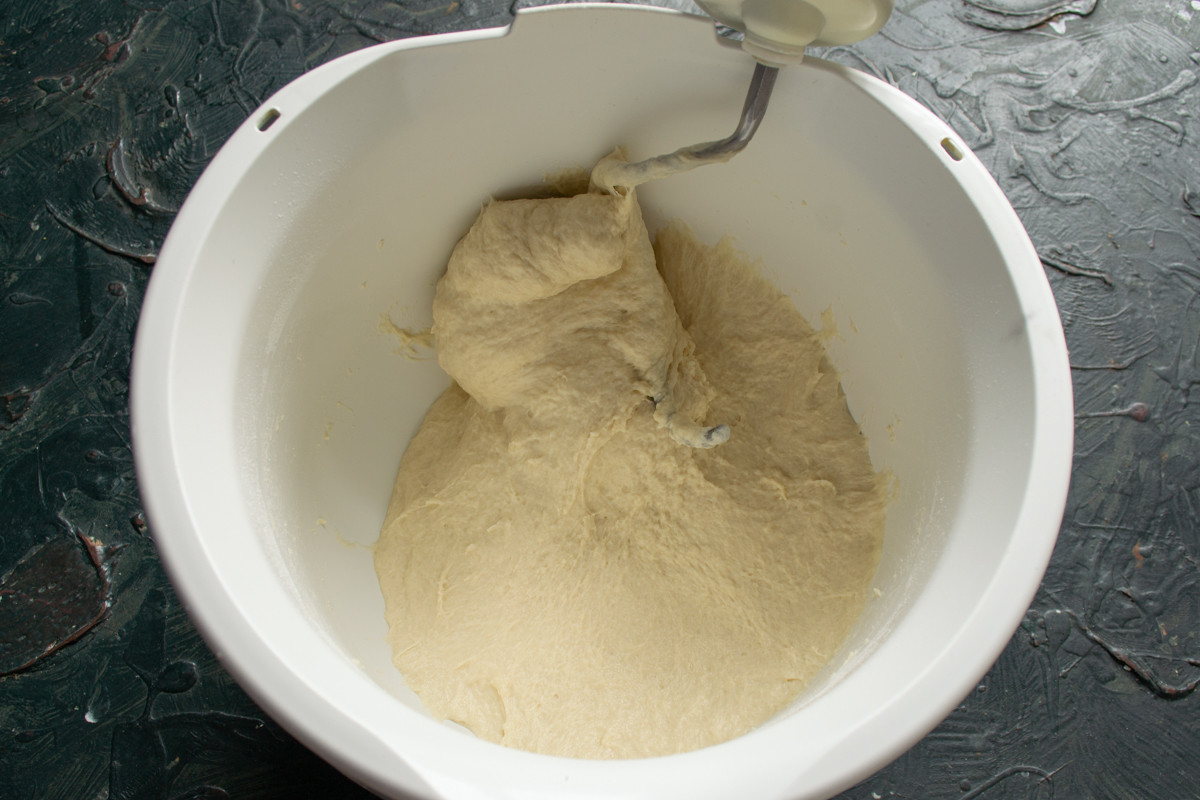
After 5 minutes, turn the mixer back on and knead the dough for about 15 minutes.
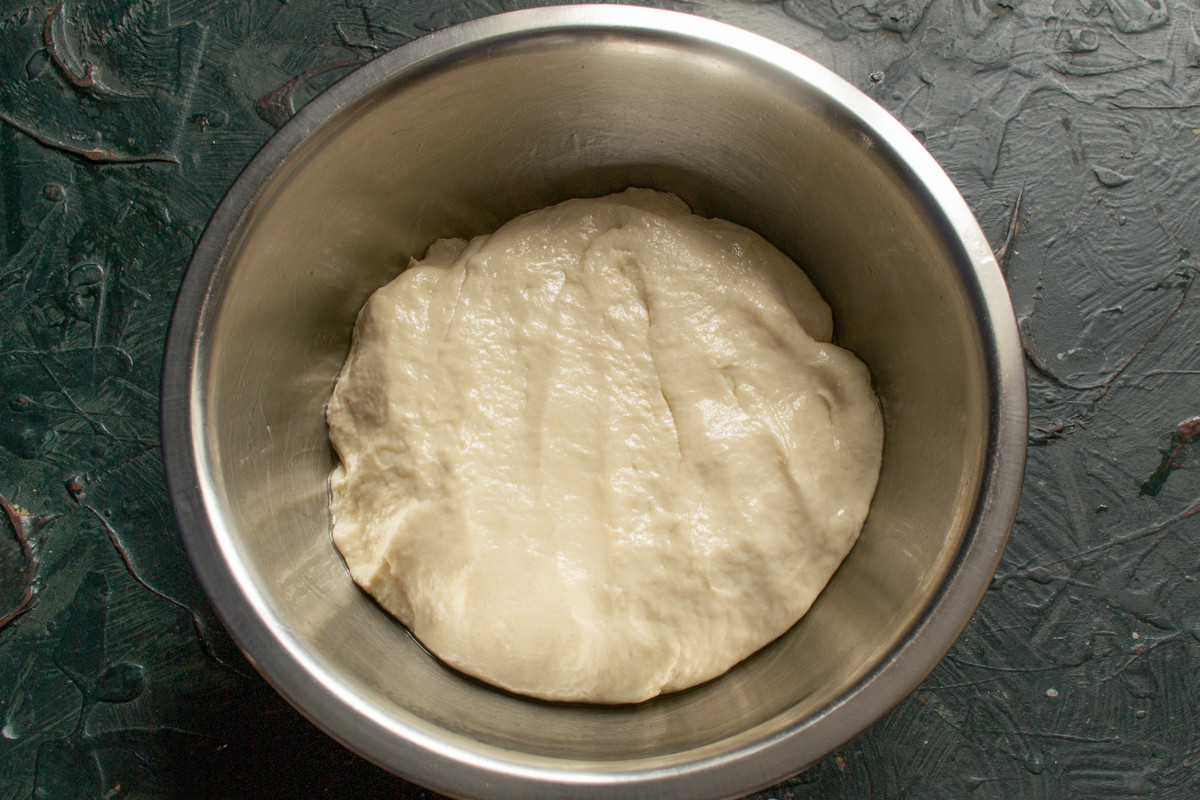
Grease a deep bowl with a drop of vegetable oil. Place the dough in the bowl.
Using a dough hook attachment, mix the dough and let it rest for 5 minutes.
After 5 minutes, turn the stand mixer back on and knead the dough for about 15 minutes. It should become smooth, pliable, and not stick to the sides of the bowl.
Grease a deep bowl with a drop of vegetable oil. Place the dough in the bowl. Cover the bowl with plastic wrap and leave it in a warm place for 1 hour. The ideal temperature for the dough to rise is 24-26°C (75-79°F).
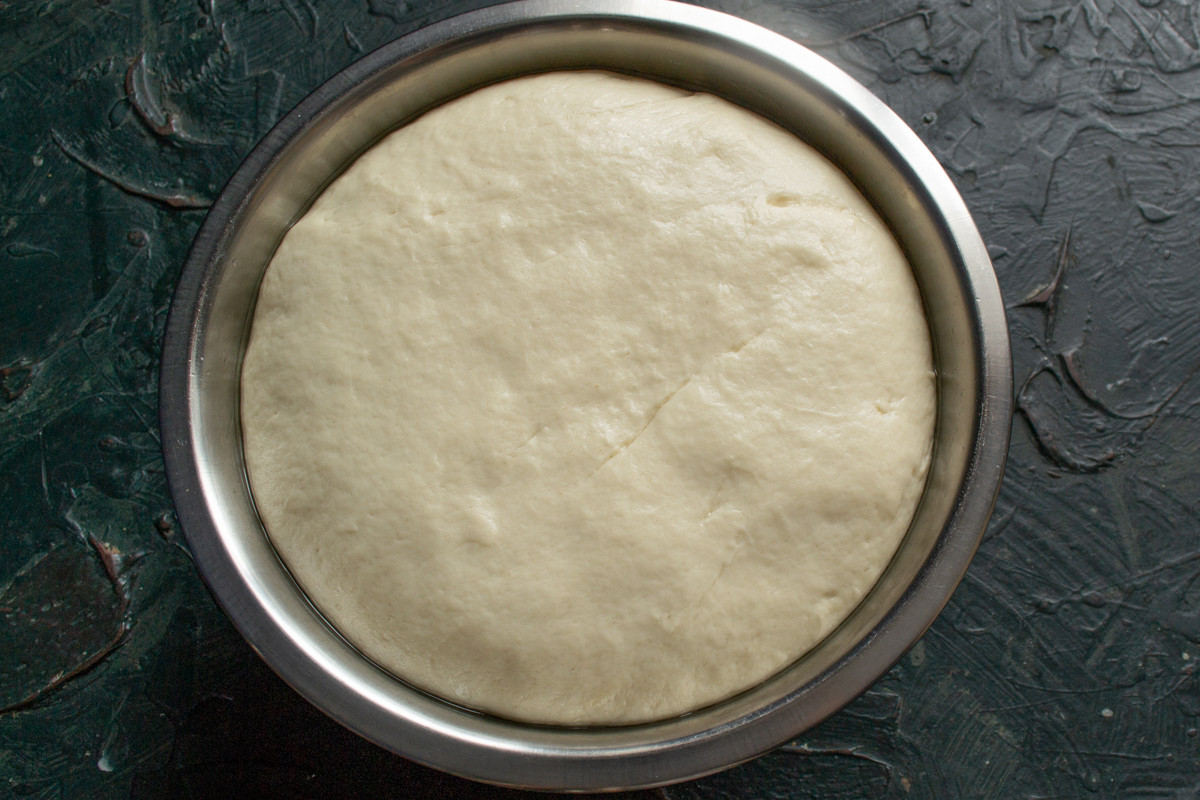
After an hour, the dough will increase in size by 2-3 times.
After an hour, the dough will have increased in size by 2-3 times.
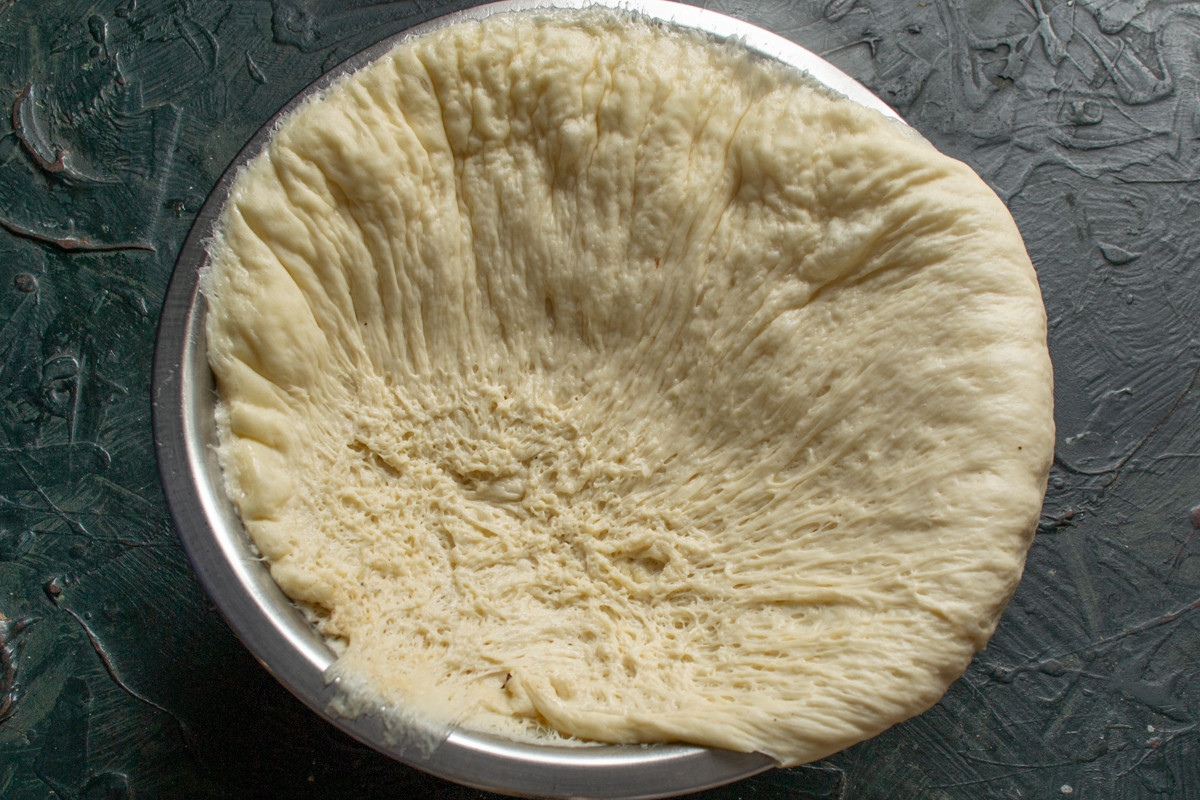
Punch down the dough to release the air, returning it to its original size.
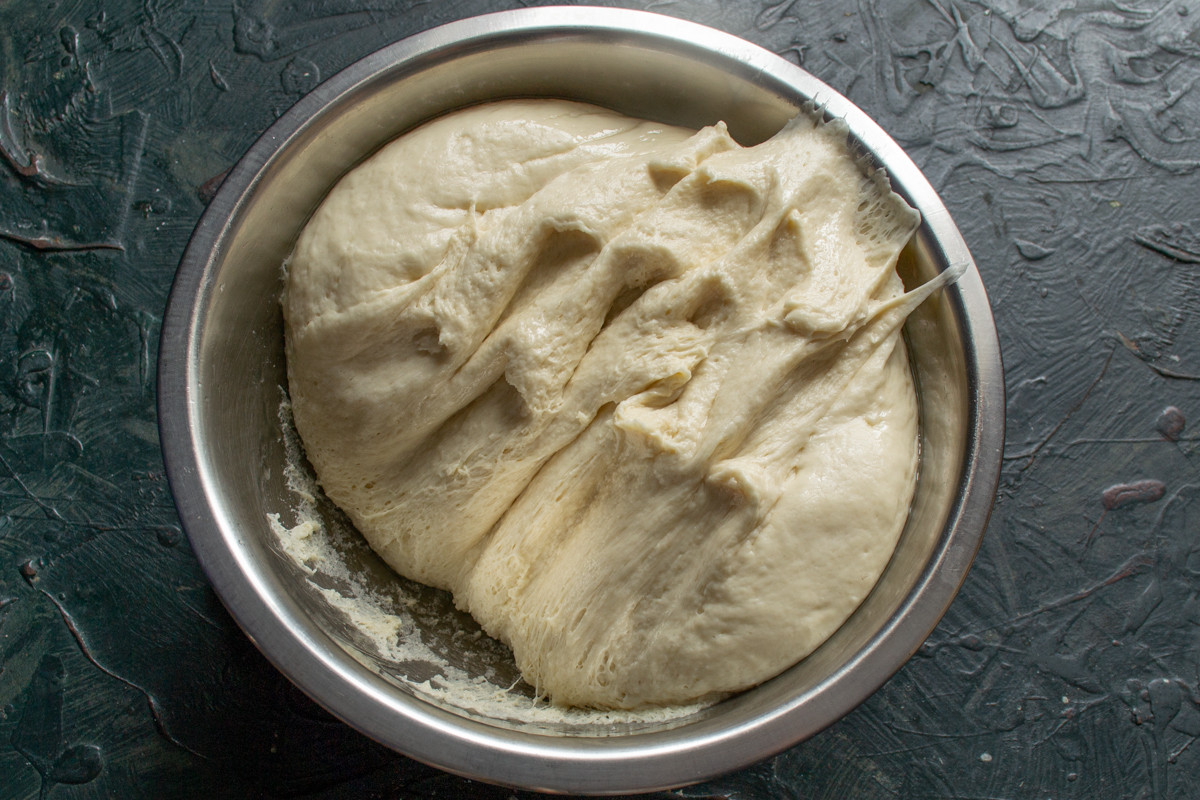
Cover the bowl with plastic wrap again and leave it in a warm place for another hour.
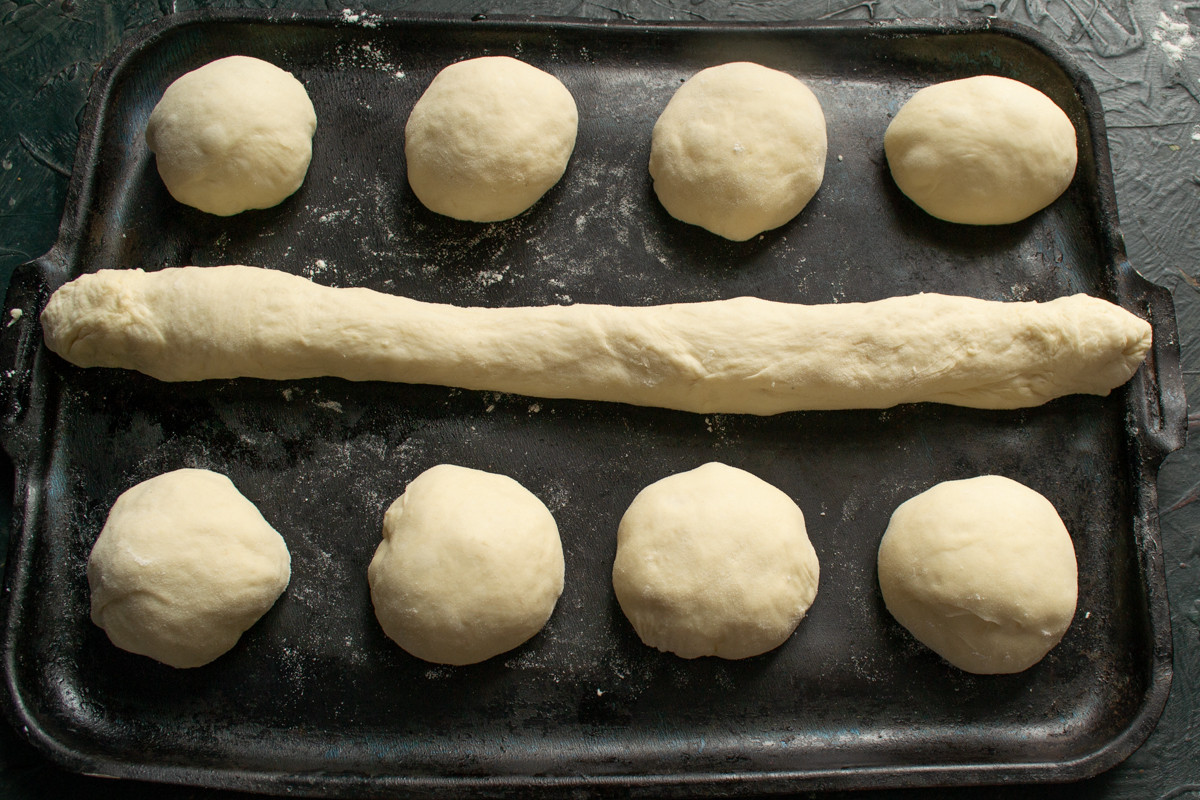
Place the buns and the baguette on a baking sheet, leaving space between them.
Punch down the dough to release the air, returning it to its original size.
Cover the bowl with plastic wrap again and let it rise in a warm place for another hour.
Sprinkle your work surface with flour. Divide the dough into approximately 4 parts. Form round buns, each weighing about 70g. From one part of the dough, form a narrow baguette. Place the buns and the baguette on a baking sheet, leaving space between them. Place the baking sheet inside a large plastic bag. Let them proof in a warm place for 40 minutes. This proofing stage is essential for any yeast-based pastry.
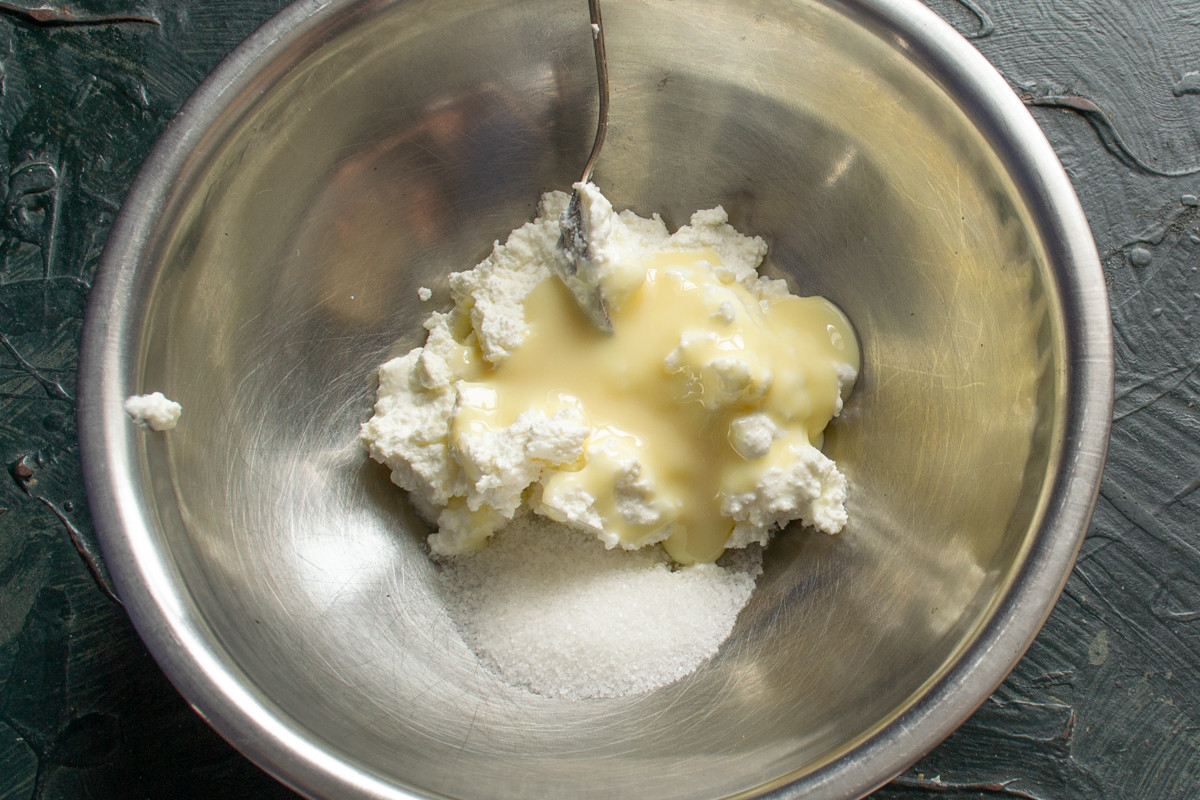
For the filling, mix the tvorog and thick sweet sgushchenka. Add sugar to taste.
For the filling, mix the tvorog (a type of farmer’s cheese or quark) and the thick, sweet sgushchenka (sweetened condensed milk). Add sugar to taste.
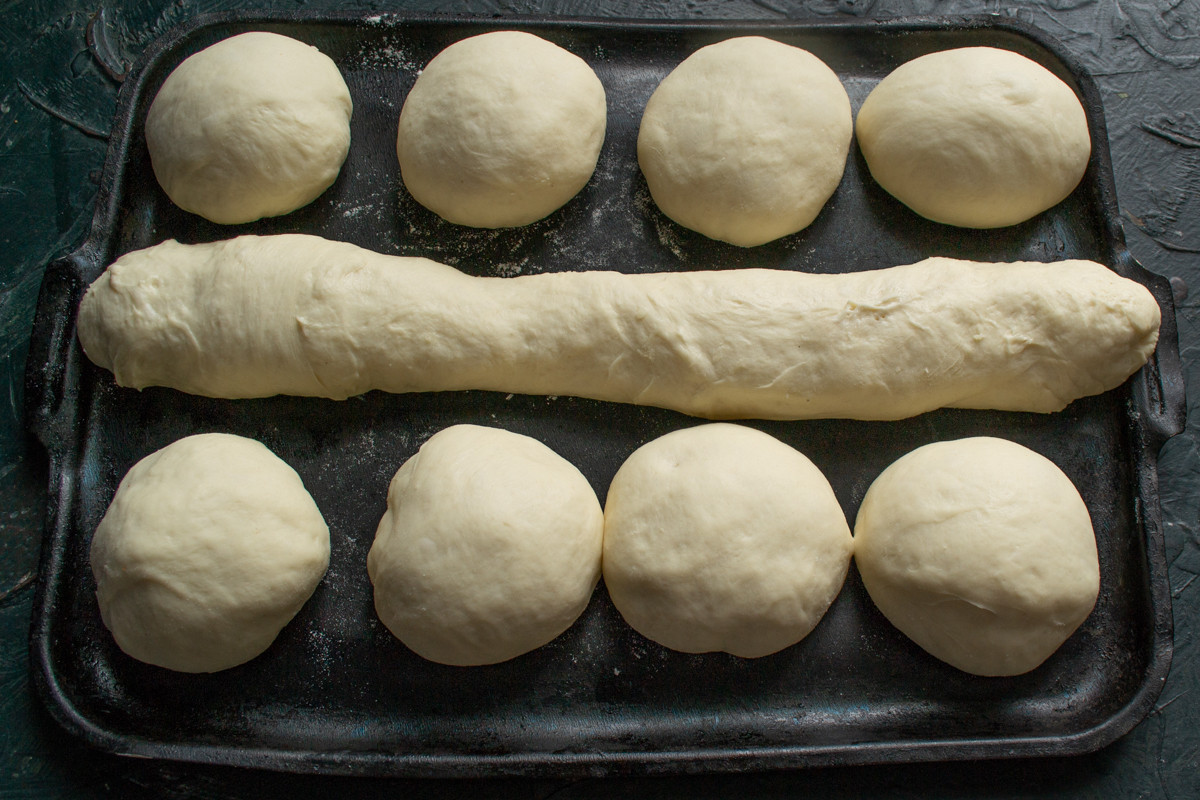
After 40 minutes of proofing in a warm place, the dough will increase in size again.
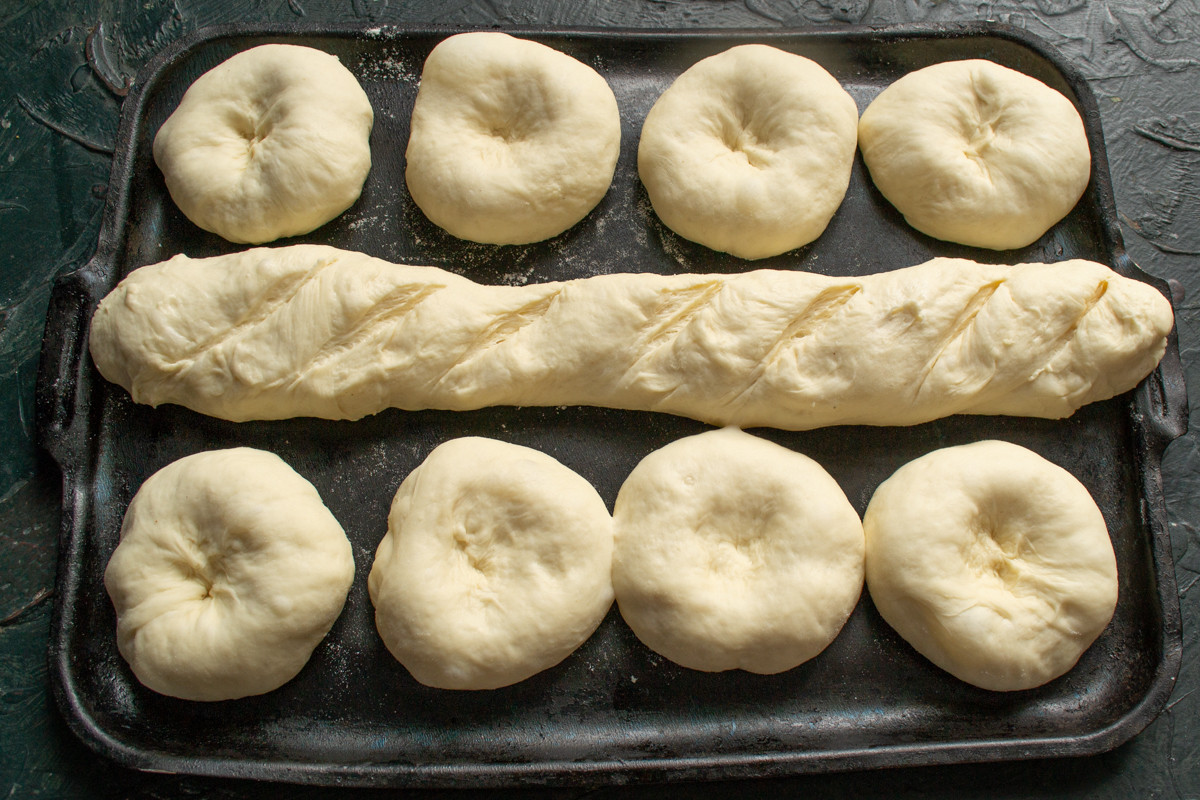
Make indentations in the center of each vatrushka, and score the baguette in several places with a sharp knife.
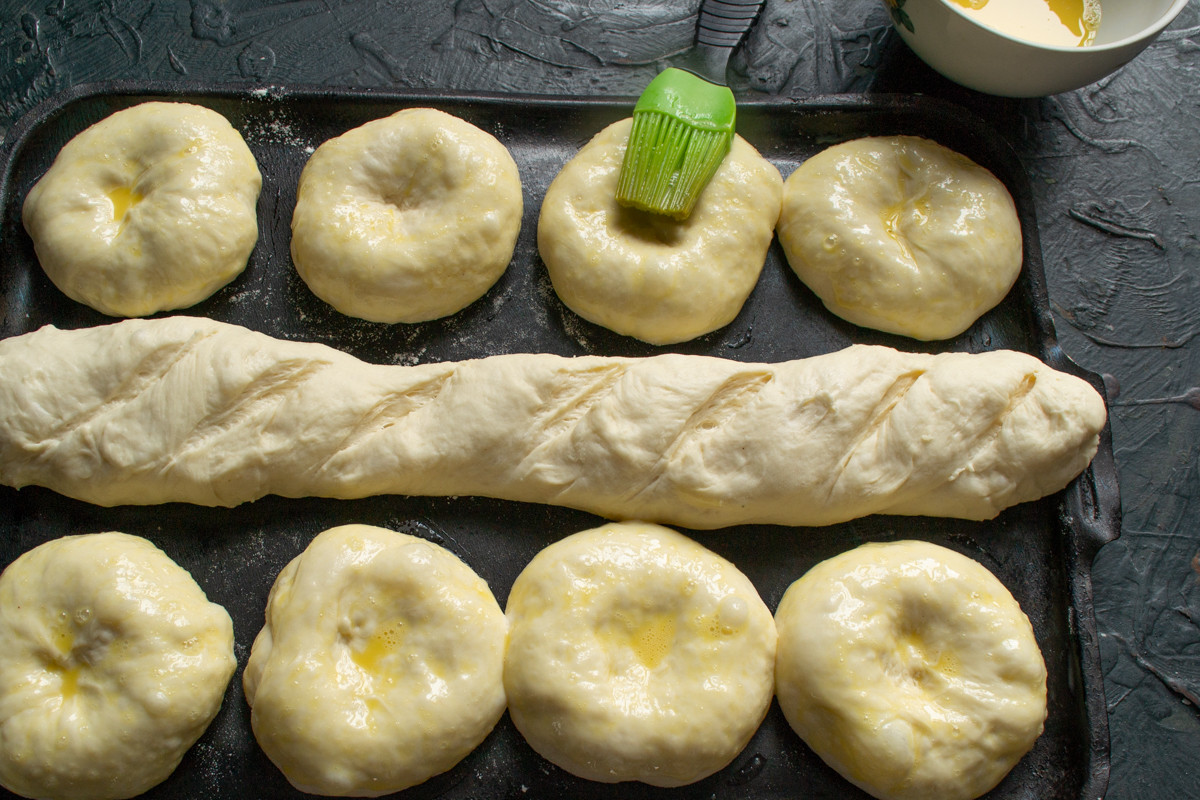
Brush the vatrushki with egg wash; the baguette does not need to be brushed!
After 40 minutes of proofing in a warm place, the dough will have increased in size again.
Make an indentation in the center of each vatrushka (a traditional Eastern European sweet bun), and score the baguette in several places with a sharp knife.
Crack an egg into a bowl and beat it. Brush the vatrushki with the egg wash; the baguette does not need to be brushed!
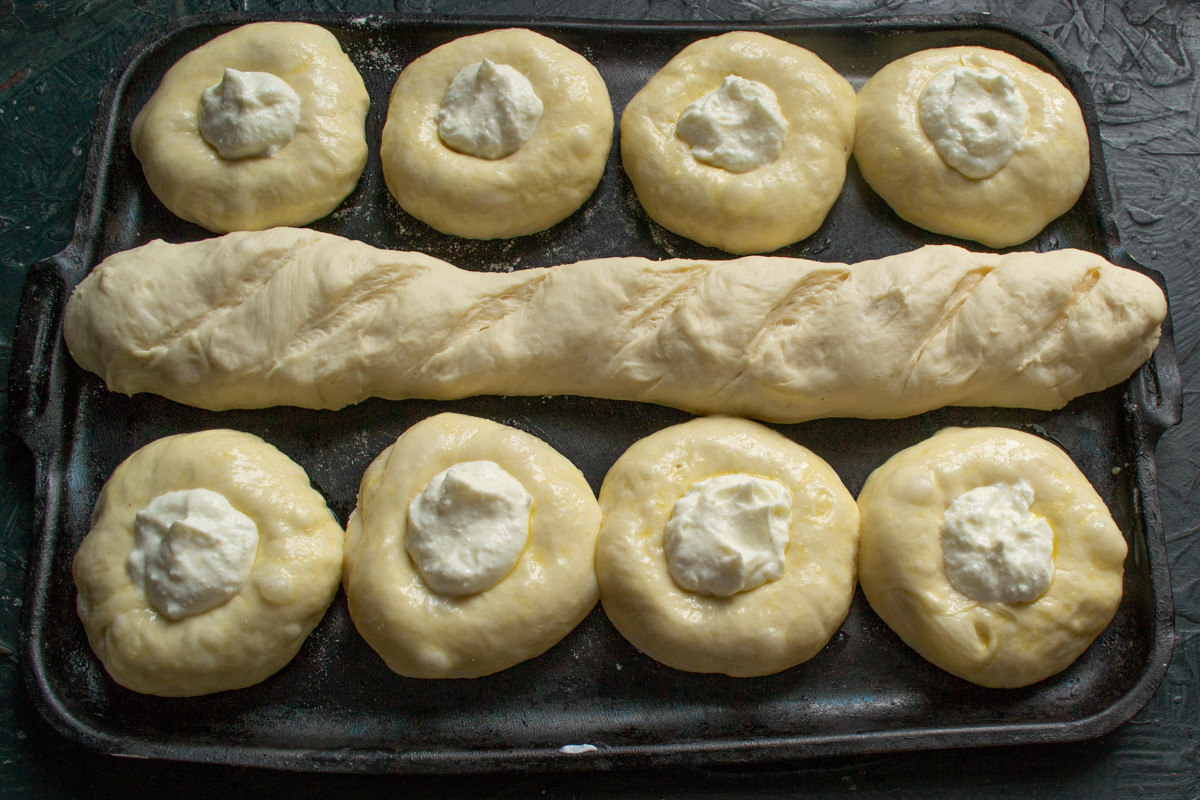
Place the tvorog filling into the indentations of the vatrushki.
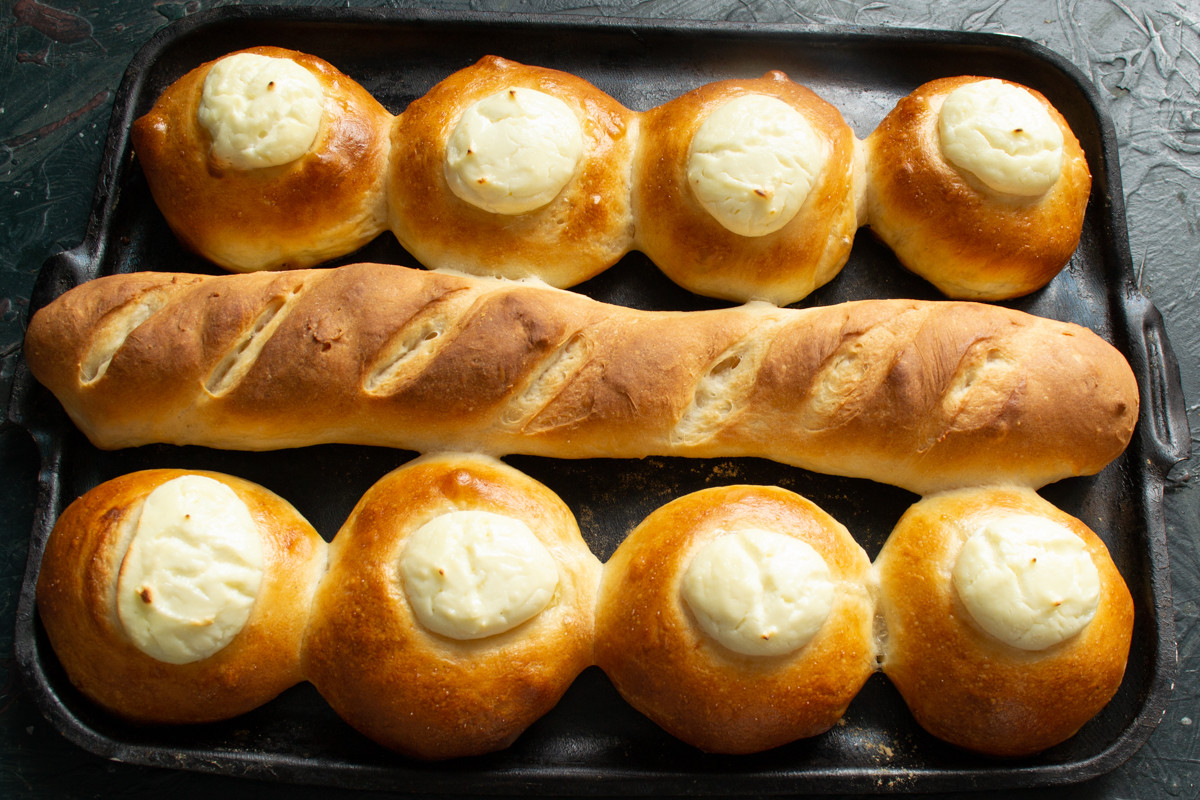
Bake for 22-25 minutes.
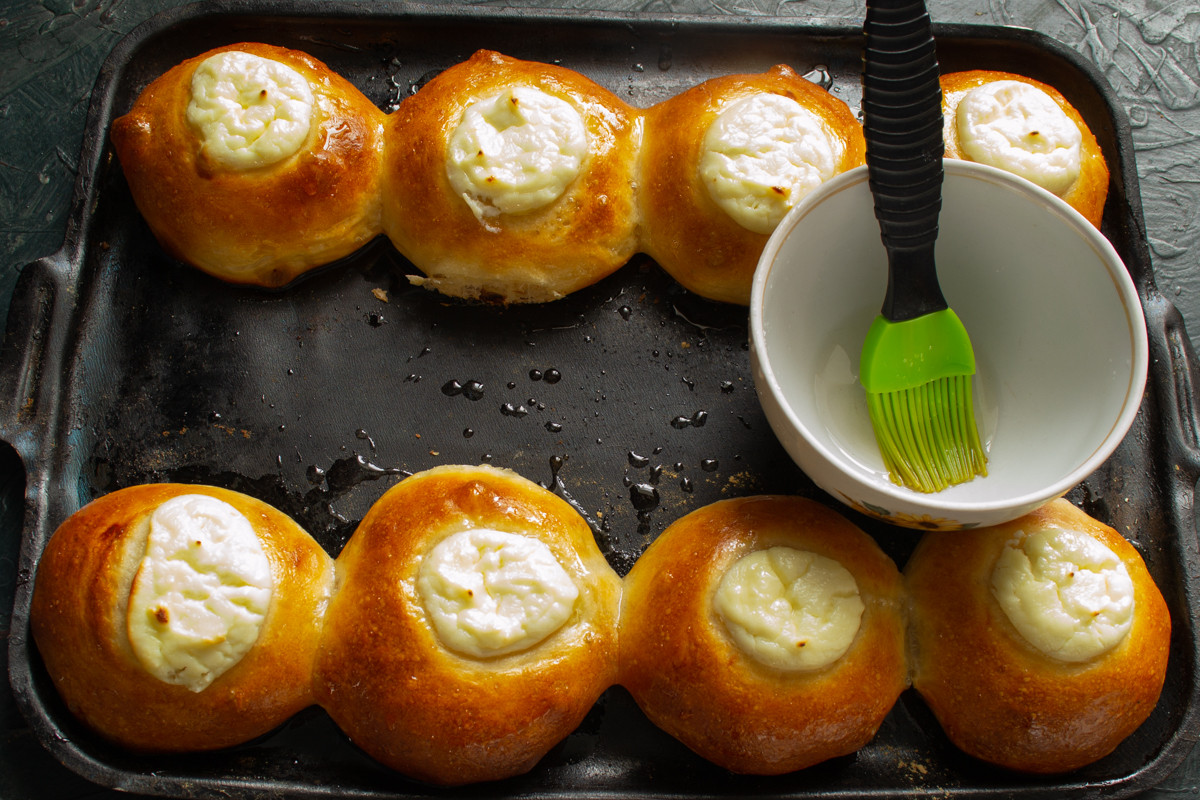
Brush the hot vatrushki with sugar syrup.
Place the tvorog filling into the indentations of the vatrushki.
Preheat the oven to 200°C (400°F). Place the baking sheet on the middle rack of the preheated oven. Bake for 22-25 minutes.
Remove the baguette from the baking sheet. Mix sugar in hot water (in a 1:1 ratio). Brush the hot vatrushki with the sugar syrup.
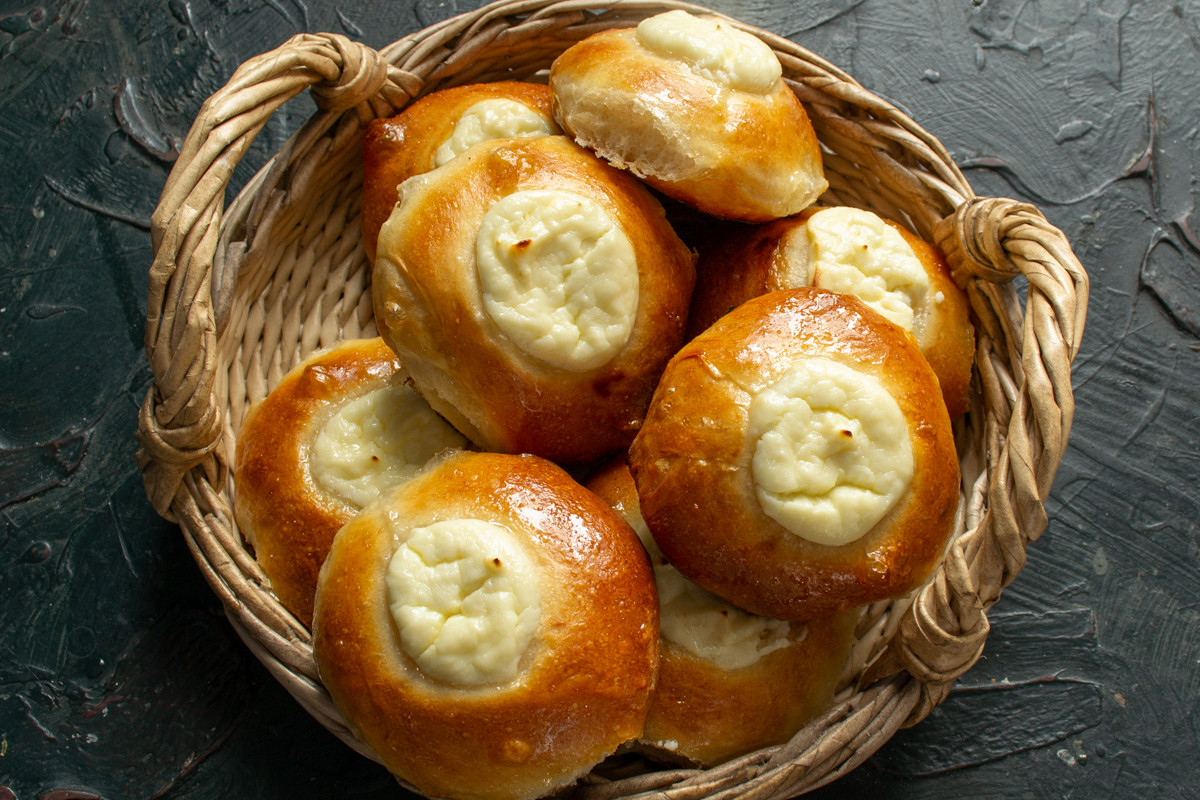
Vatrushki with tvorog are delicious eaten warm with a cup of hot tea or cold milk.
Vatrushki with tvorog are delicious eaten warm with a cup of hot tea or cold milk.
And there you have it—golden, fragrant Vatrushki and a beautiful crusty baguette, fresh from your oven! The soft, sweet buns are a true delight, especially when enjoyed warm with a cup of tea or a glass of cold milk. They bring a sense of coziness and tradition to any table. Don't forget to enjoy your homemade baguette, perfect for sandwiches or dipping in soup. We hope this recipe brings a little piece of Eastern European warmth into your home. Happy baking!
0 comments