
Welcome to a taste of classic British comfort food with a modern twist! Kidney Pudding is a traditional, hearty dish known for its rich, savory flavor. While the classic recipe involves hours of steaming, our version is a simple, baked pudding that delivers the same satisfying taste in much less time. It's similar to a Yorkshire pudding filled with a delicious mixture of beef kidneys and onions. This recipe is perfect for a cozy weekend dinner and a wonderful way to explore the depths of British cuisine.
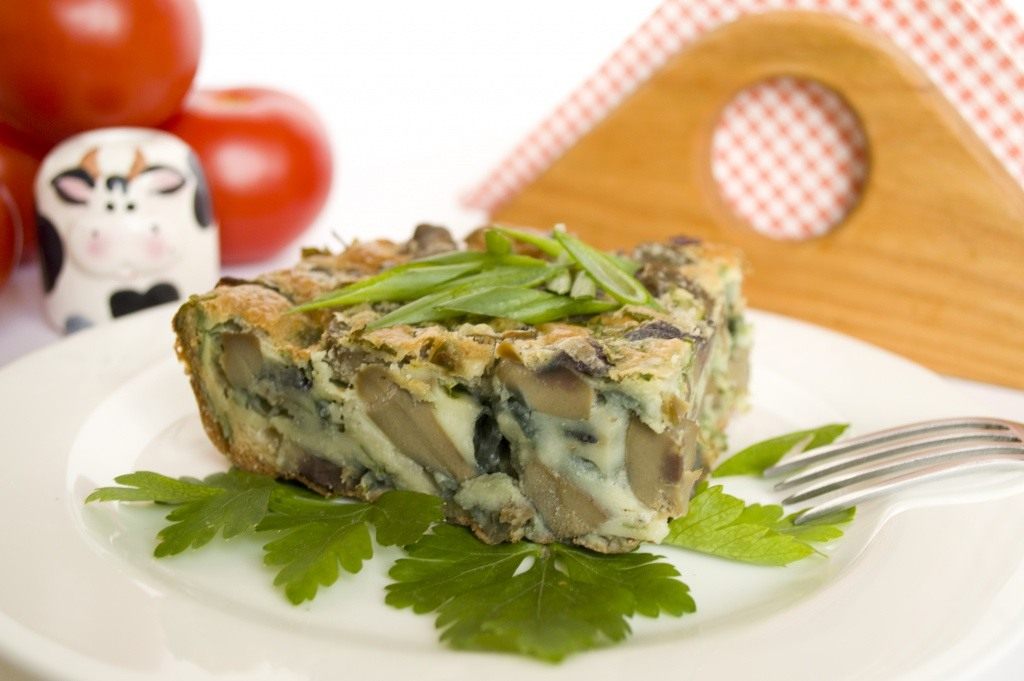
Kidney Pudding
Ingredients for Kidney Pudding
- 1 kg beef kidneys
- 2 red onions
- 3 tablespoons finely chopped parsley
- 2 eggs
- 30 g all-purpose flour
- 1 tablespoon cornstarch
- 150 ml milk
How to Make Kidney Pudding
A fairly large beef kidney weighs about a kilogram. Rinse the kidney under running water. Place it in a pot with fresh, cold water. Change the water periodically. Soak for 2 hours.
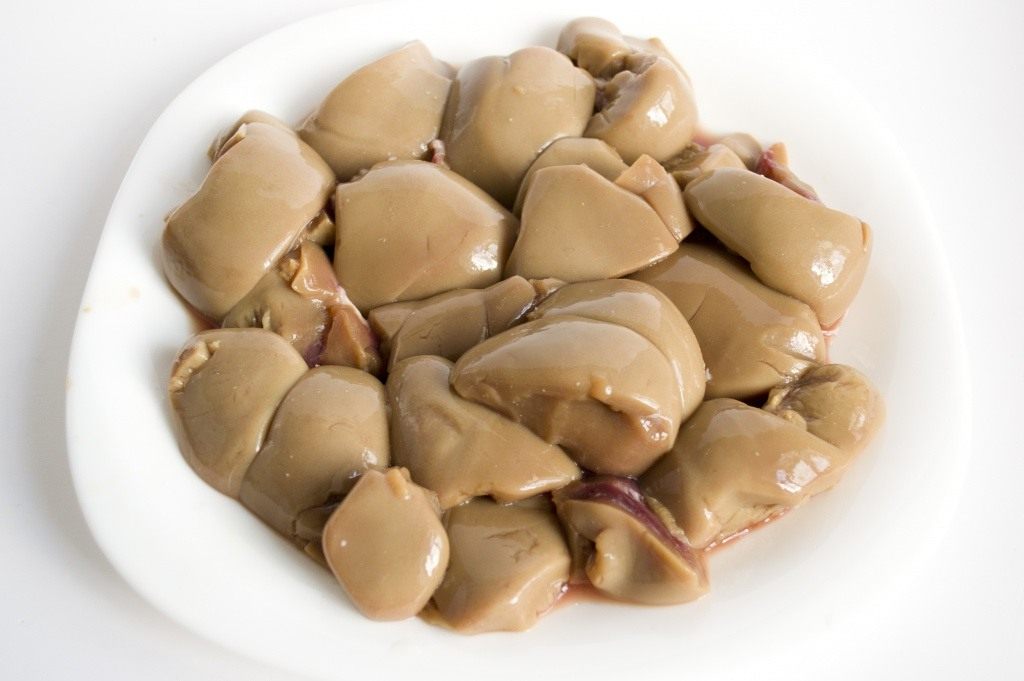
Soaking and preparing the beef kidney
Separate the soaked kidneys into lobes. In the middle of the kidney, you will find quite large deposits of kidney fat and ducts. The fat needs to be carefully trimmed off; it will be useful. Of course, you could use butter instead of kidney fat to make the pudding, but the taste won’t be the same.
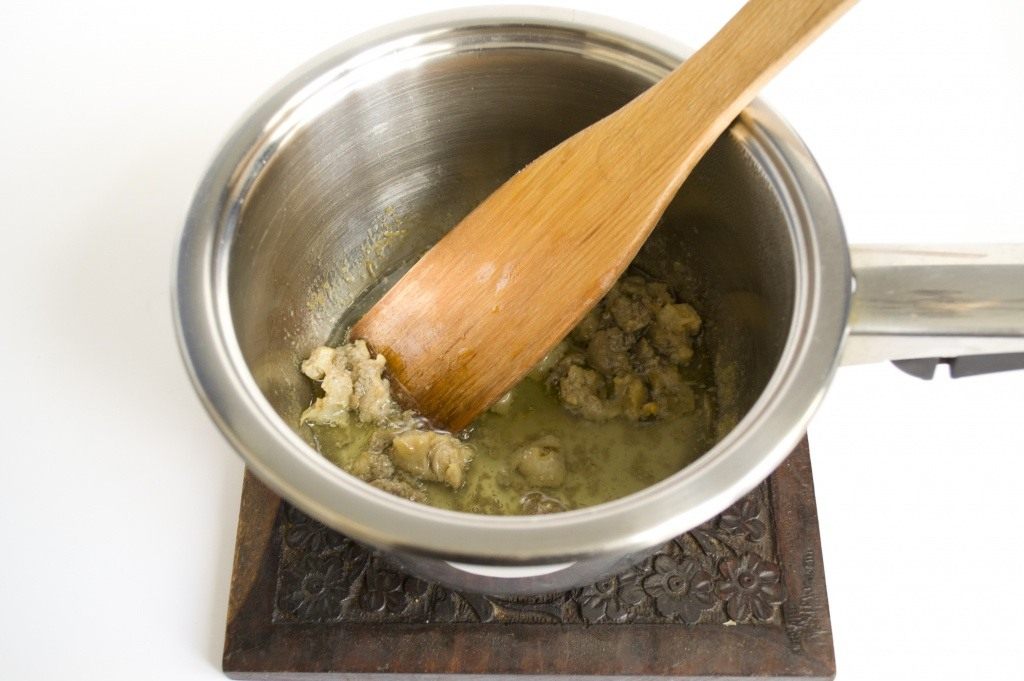
Rendering the kidney fat
Cut the kidney fat into small cubes and place it in a greased sauté pan. Render the fat over the lowest heat. This will yield about 60-70 grams of pure fat, which, once cooled, will be used for the batter. This rendered fat is also known as suet.
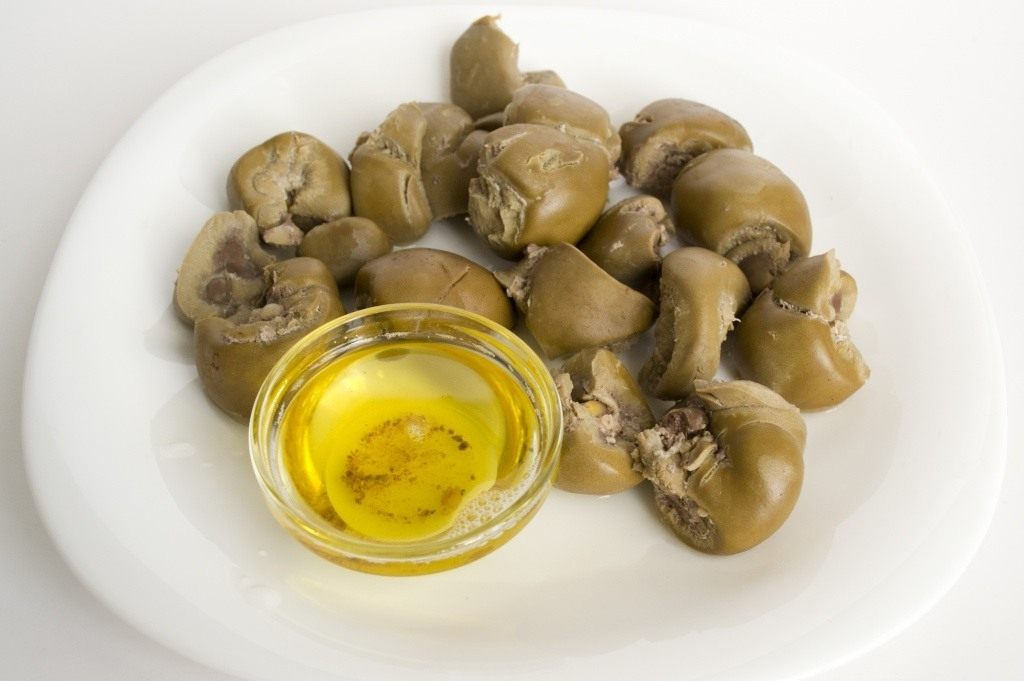
Boiling the kidneys and straining the rendered fat
Place the separated kidney lobes in cold water, add any spices you like: garlic, herbs, pepper, bay leaf, and salt (important: always cook offal in a large amount of water). Boil the kidneys for 10 minutes after the water comes to a boil, then drain them in a colander and rinse with cold water. Strain the kidney fat to remove the shkvarki (cracklings). Now, the semi-prepared ingredients for our pudding are ready.
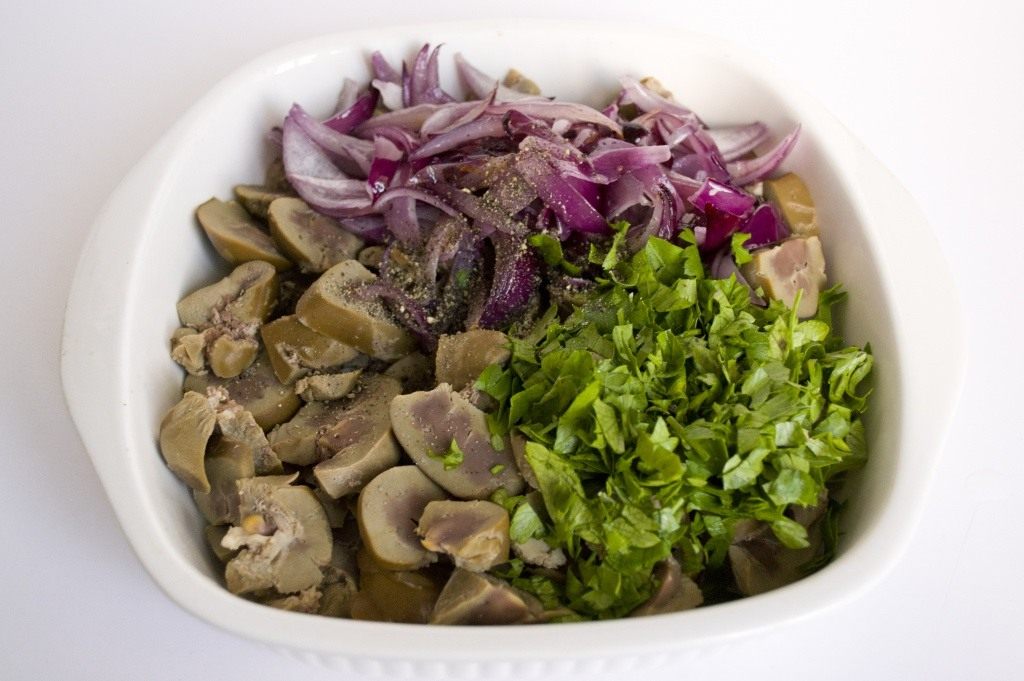
Sautéing red onion, chopping kidneys, adding spices and herbs
In a tablespoon of kidney fat, sauté the red onion. Cut the kidneys into small pieces. Place the kidneys, onion, and parsley in a baking dish greased with kidney fat.
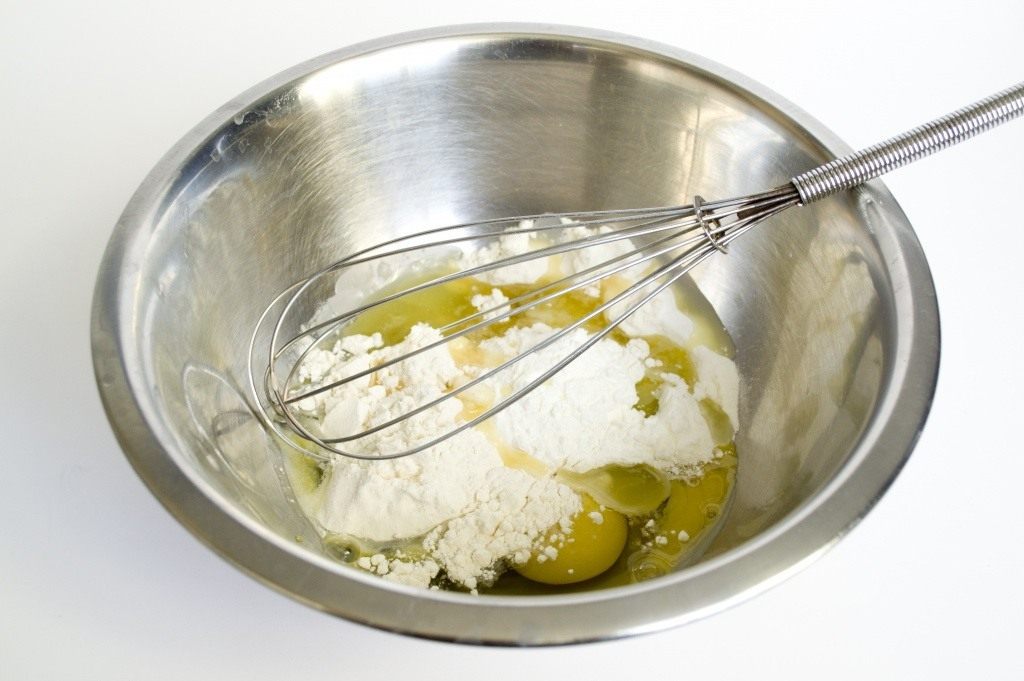
Preparing the batter
Prepare the batter. Mix two raw eggs and the remaining kidney fat, then add the flour, salt, cornstarch, and milk. The batter will be quite thin; mix it thoroughly to eliminate any small lumps.
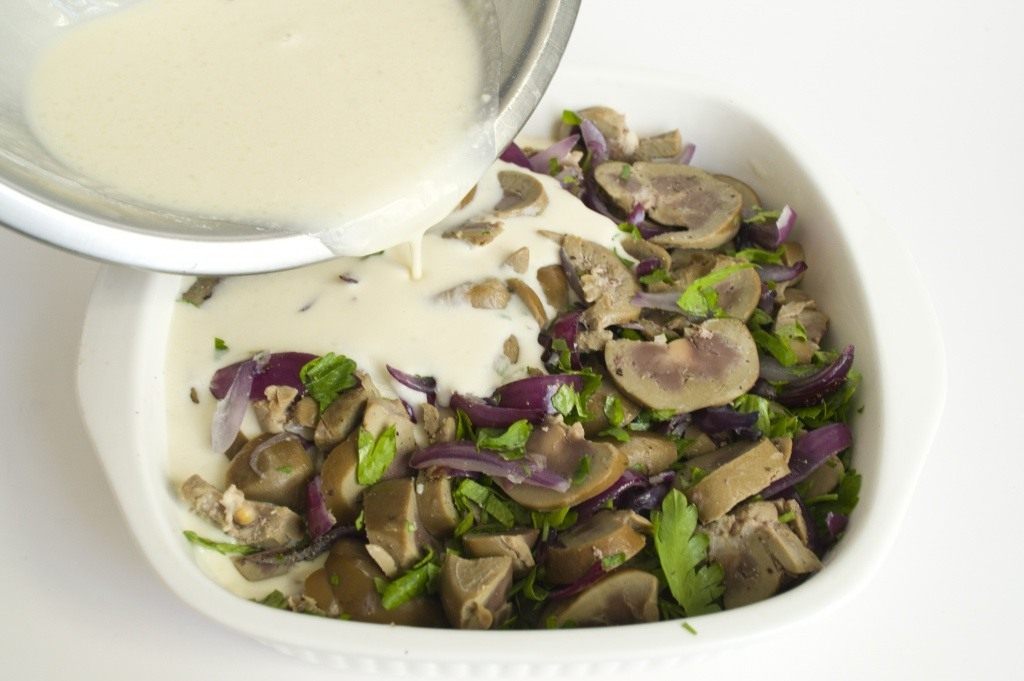
Pouring the liquid batter over the kidneys
Pour the thin batter over the kidneys. Make sure the dish is not filled to the brim, as the pudding will rise in the oven and might overflow.
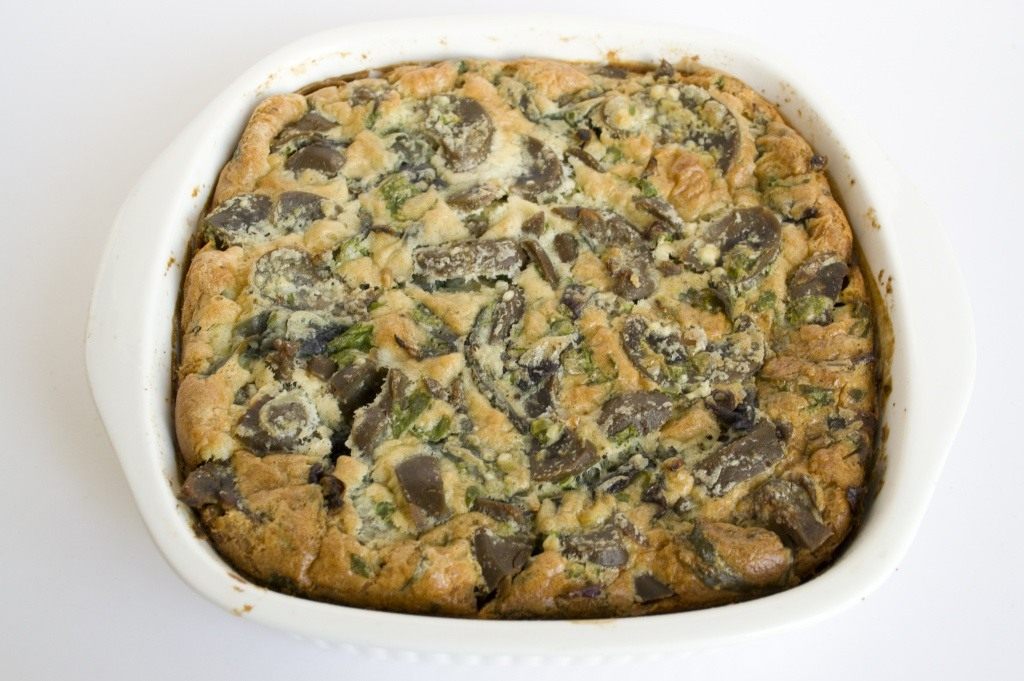
Baking the kidney pudding in the oven for about 20-25 minutes
Preheat the oven to 160°C (320°F) and bake the kidney pudding for about 20-25 minutes on the middle rack.
Kidney Pudding
And there you have it—a beautifully risen, golden-brown Kidney Pudding, ready to be enjoyed! This dish is best served hot, straight from the oven. It pairs wonderfully with a rich gravy, creamy mashed potatoes, and some simple green peas or steamed vegetables. Don't be afraid to experiment with herbs; adding a bit of thyme or rosemary to the filling can introduce a lovely new dimension of flavor. We hope you enjoy this hearty and soulful taste of Britain!
0 comments