
Welcome to the ultimate guide to a classic comfort food: perfect mashed potatoes! This beloved side dish is a staple on tables around the world for a reason—it's simple, satisfying, and incredibly versatile. Our recipe, featuring milk and butter, will walk you through creating the creamiest, smoothest, and most flavorful mashed potatoes you've ever had. We've even included a secret ingredient—a hint of garlic—to elevate the taste from great to absolutely unforgettable. Say goodbye to lumpy or bland potatoes forever!
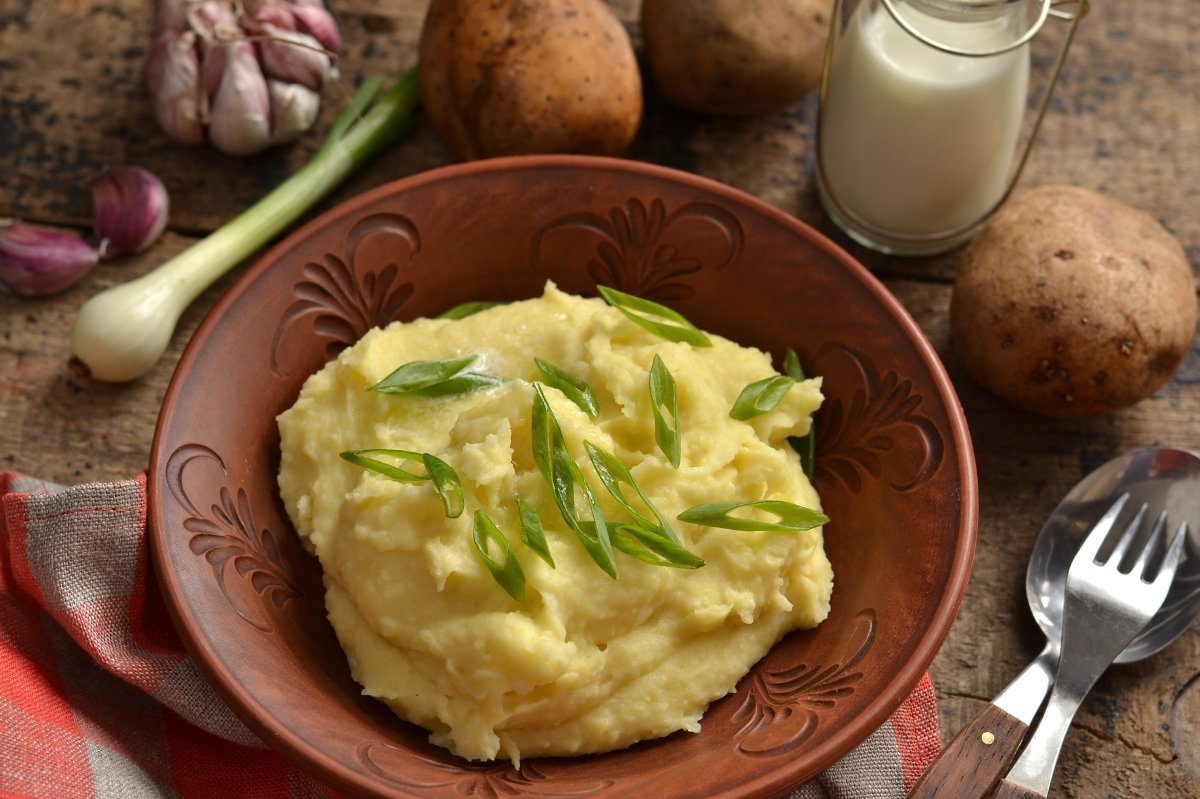
Mashed potatoes - recipe with milk and butter
Ingredients for Mashed Potatoes with Milk and Butter
- 600 g raw potatoes
- 50 g butter
- 120 ml milk
- 2 cloves of garlic
- salt, water
- a pat of butter and green onions for serving
How to Make Mashed Potatoes with Milk and Butter
Peel the potatoes and place them in a bowl of cold water to prevent the peeled tubers from browning.
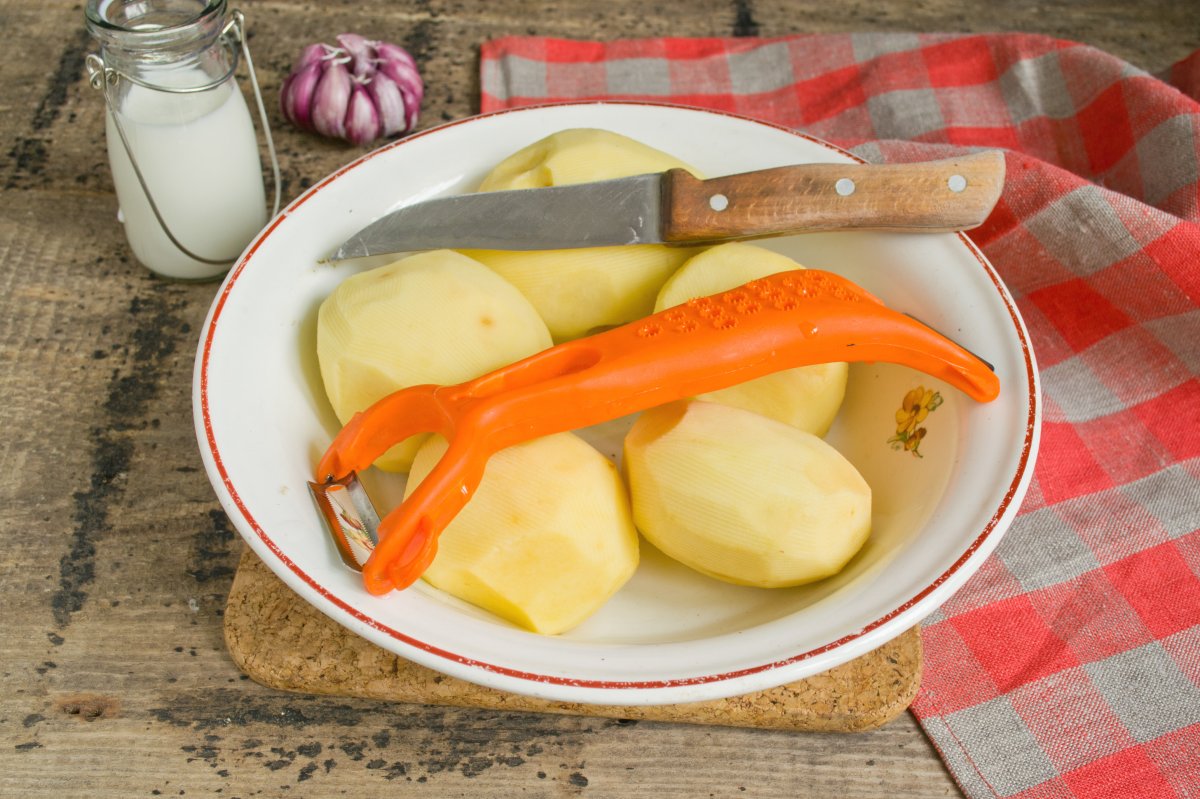
Peeling the potatoes
Cut the tubers into thick round slices; this will help the potatoes cook faster. It’s important to cut the slices to a uniform thickness so they cook evenly. Then, add the secret ingredient – garlic cloves. Believe me, two small cloves will transform your side dish into something magical!
Place the sliced potatoes and garlic cloves in a pot, and pour in enough cold water to completely cover the vegetables. Put the pot on the stove, bring to a boil, and cook for 15 minutes until tender. If you pierce a cooked potato with a skewer, it will go in very easily.
Drain the cooked potatoes in a sieve, letting all the water run off.
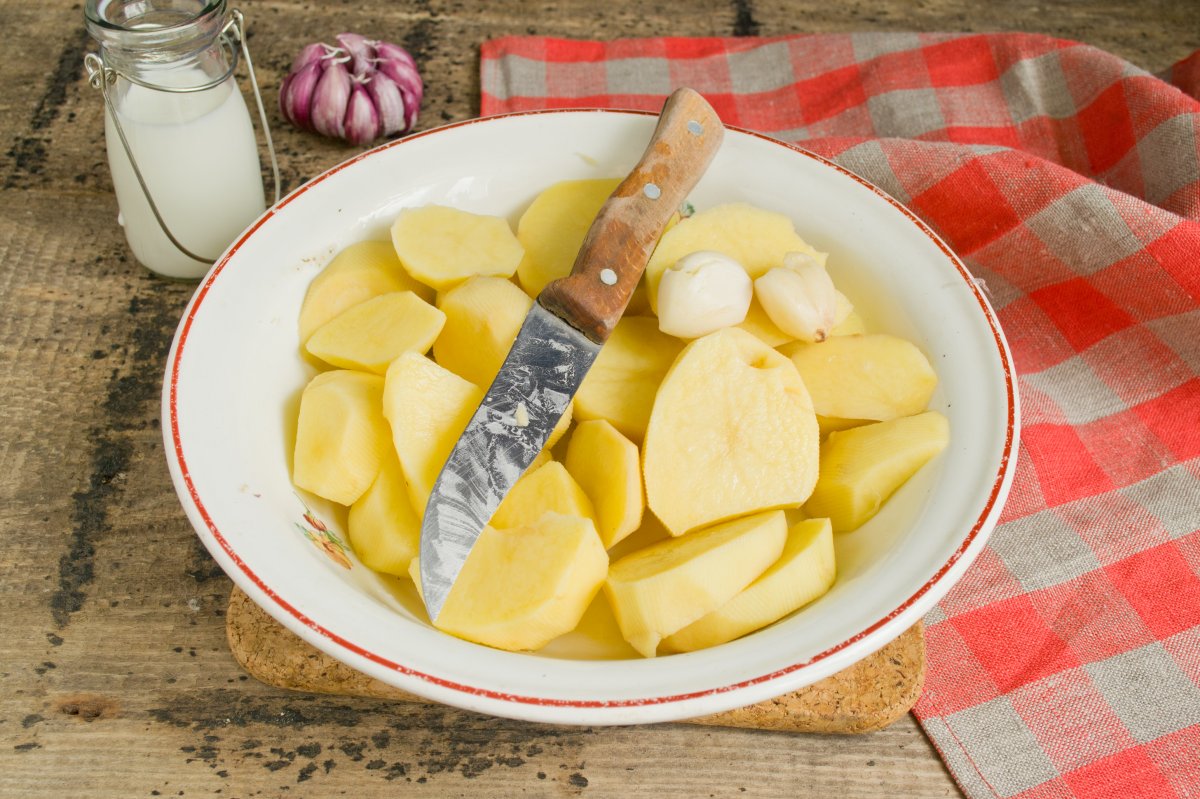
Slicing the tubers into thick round slices and peeling the garlic
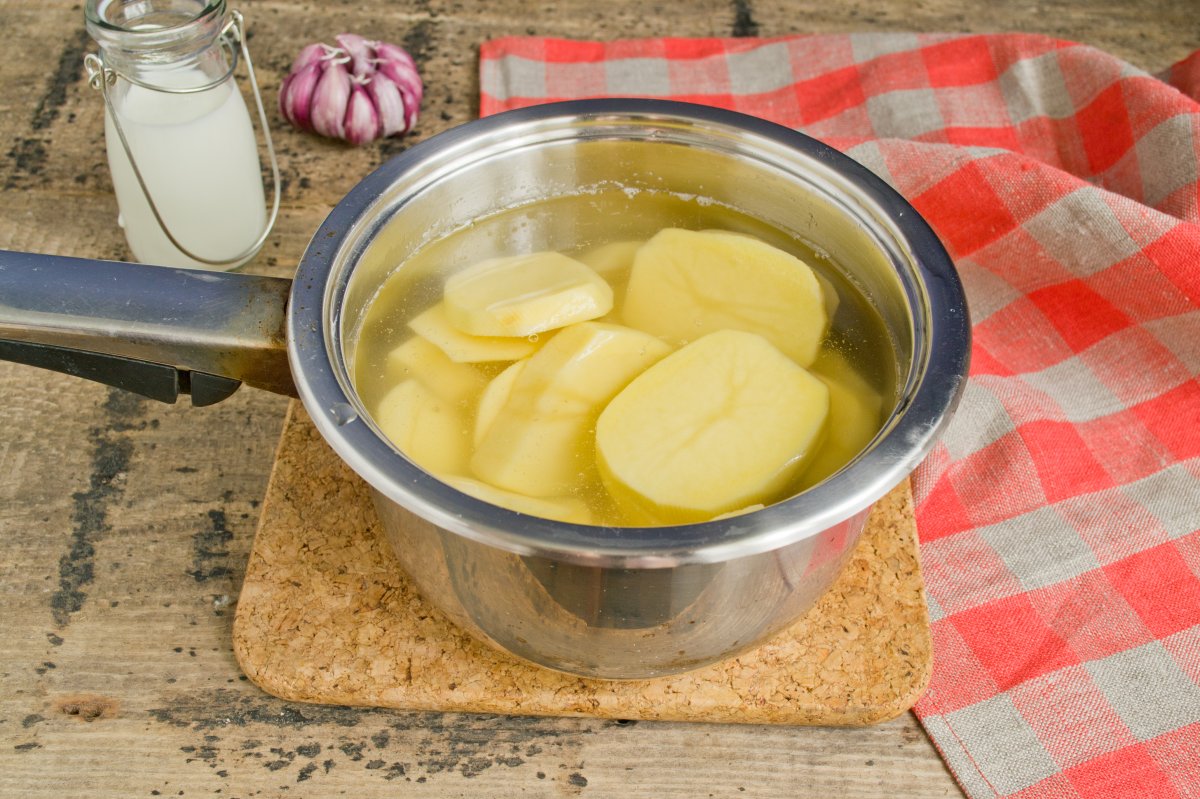
Boiling the potatoes and garlic for 15 minutes
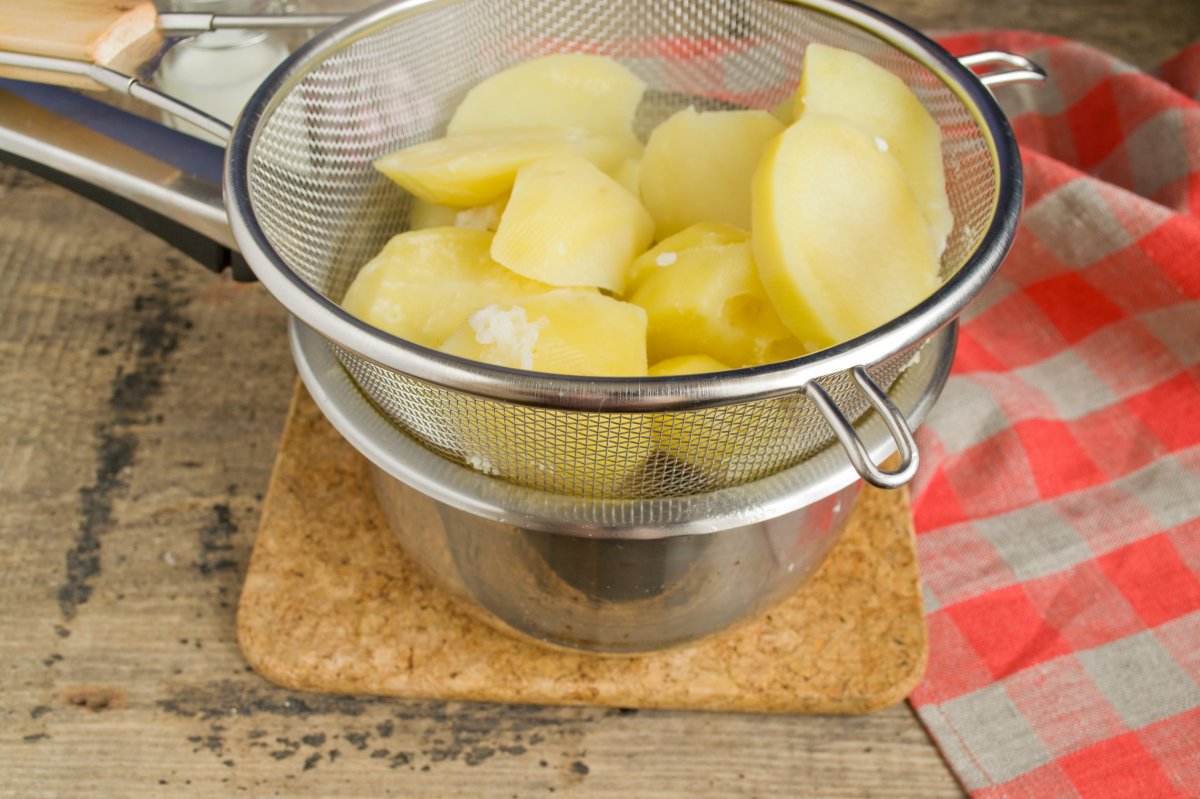
Draining the cooked potatoes in a sieve
Next, take a tablespoon and press the vegetables through the sieve. This process is a bit tedious, but it guarantees there will be no lumps in your mashed potatoes with milk and butter. You can achieve the same result with a potato ricer.
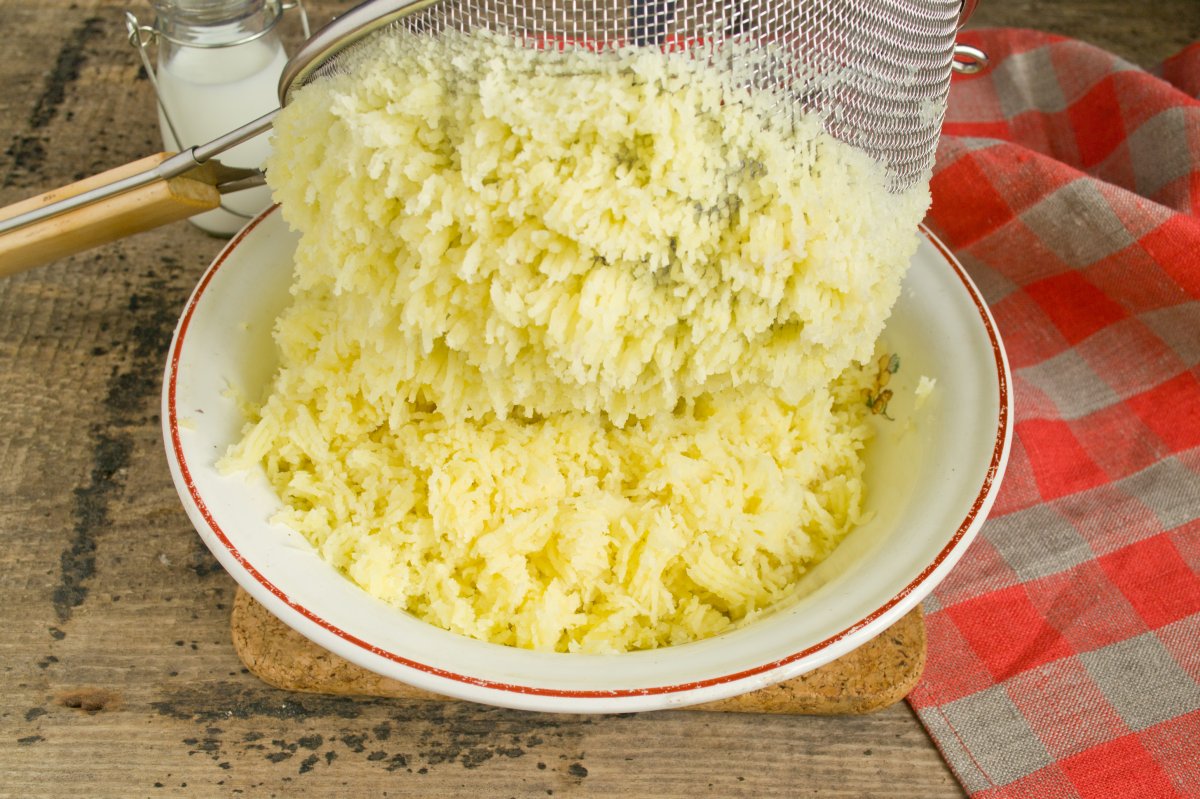
Pressing the potatoes through a sieve with a spoon
At this stage, add butter and salt to taste to the riced potatoes. For this quantity of ingredients, you’ll need just under a teaspoon of table salt. It’s important to salt the potatoes after they are cooked. Firstly, you’ll use less salt, which is healthier. Secondly, salt interacts with potato starch, making the potatoes denser and harder to mash.
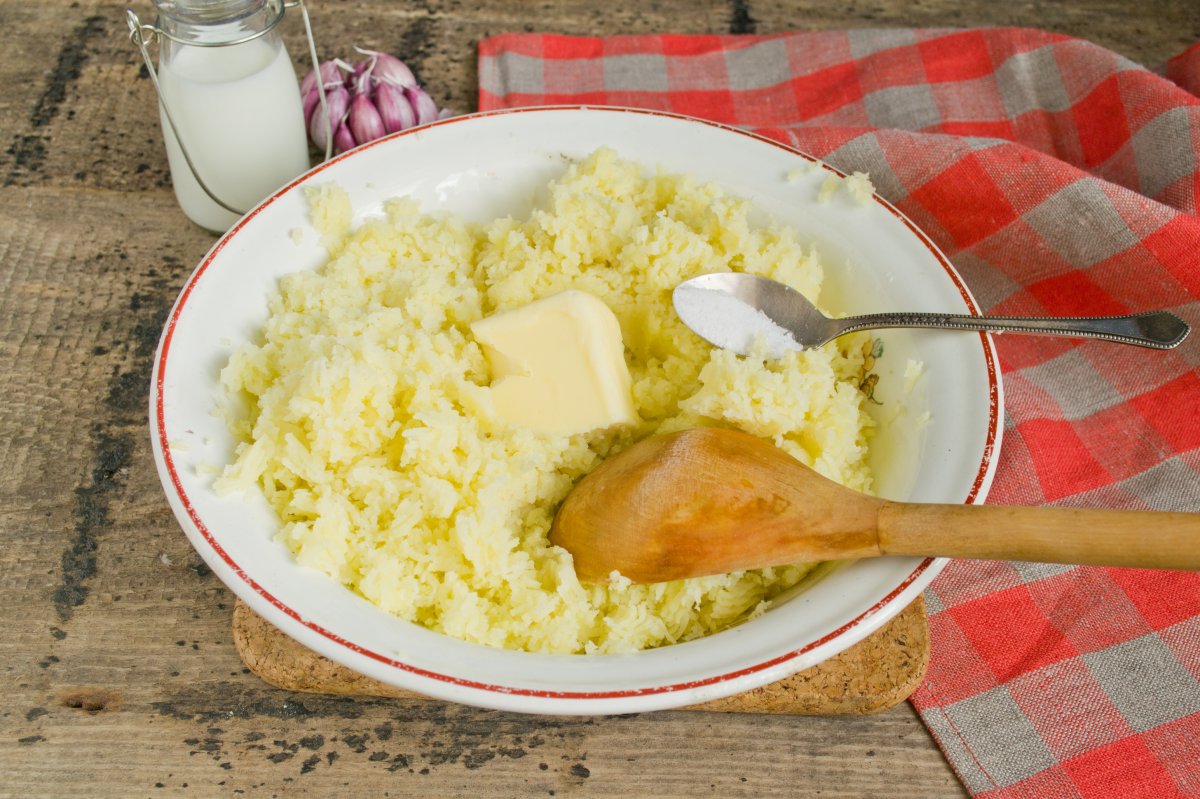
Adding butter and salt
Pour the milk or cream into a saucepan and bring it to a boil. Never make mashed potatoes with cold milk; always heat it! If you add cold milk to the potatoes, they might turn a grayish color.
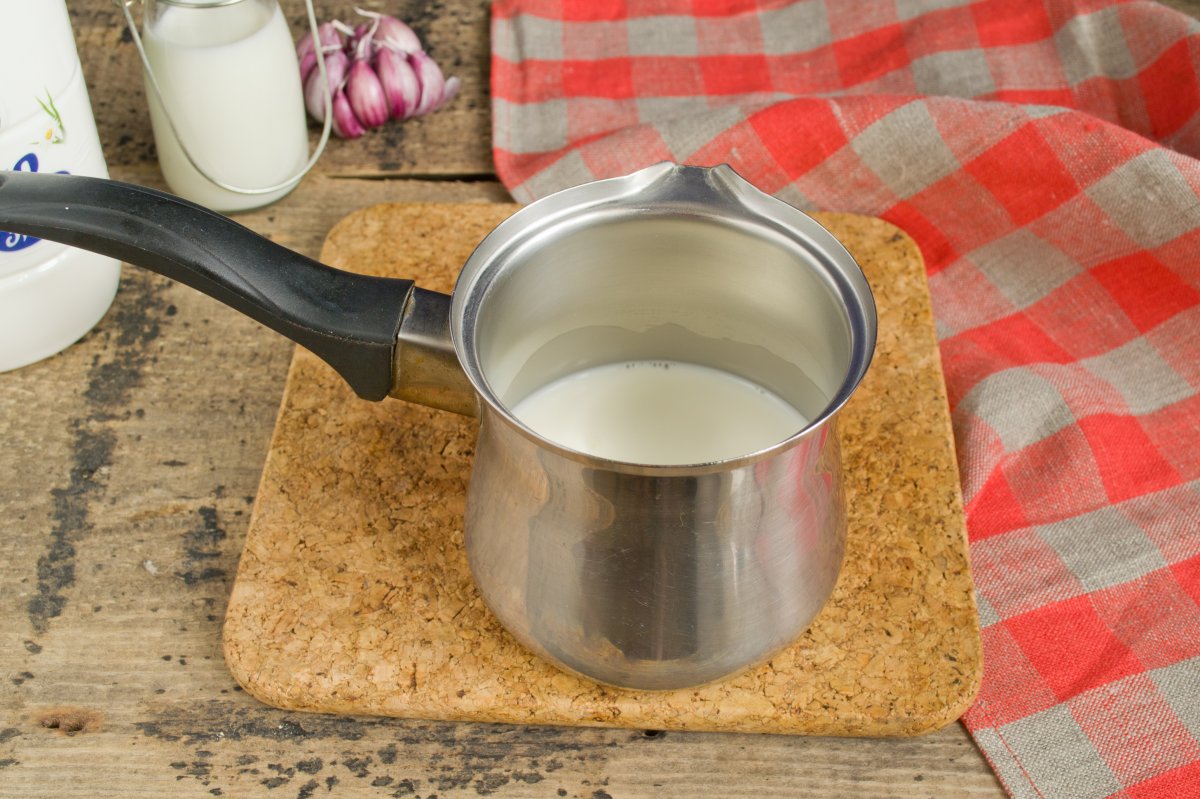
Bringing the milk to a boil
Pour the hot, boiled milk into the bowl in small portions, stirring continuously.
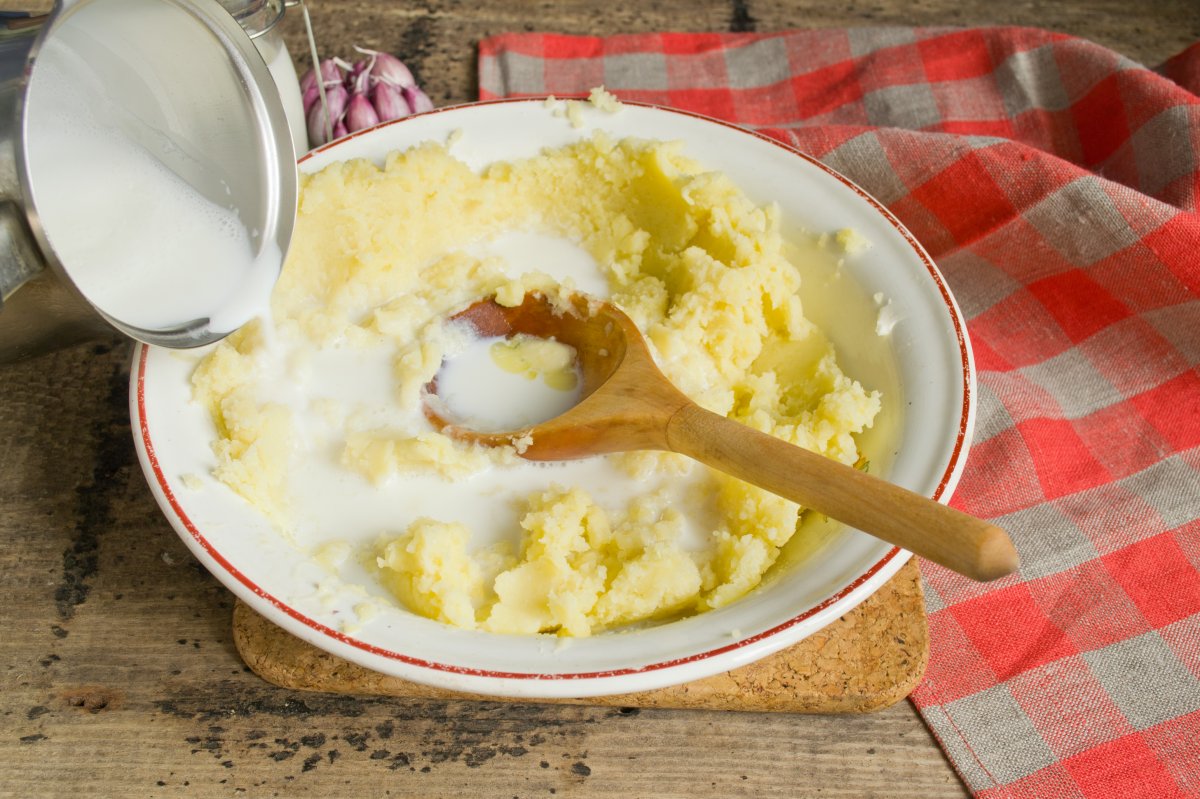
Adding milk to the puree
Lightly whip the mixture with a spoon to make it a bit fluffy.
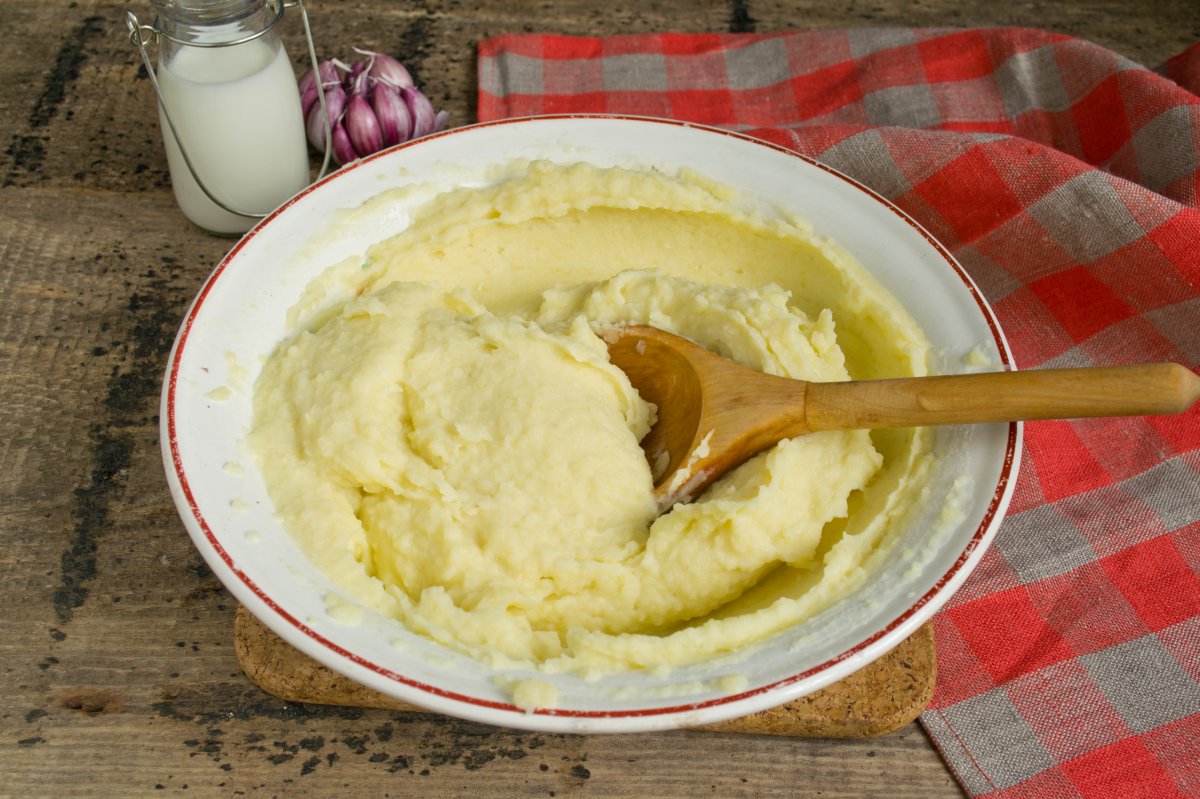
Whipping the potato mixture with a spoon
Spoon the mashed potatoes with milk and butter onto a plate, top with a pat of butter, and sprinkle with finely chopped green onions.
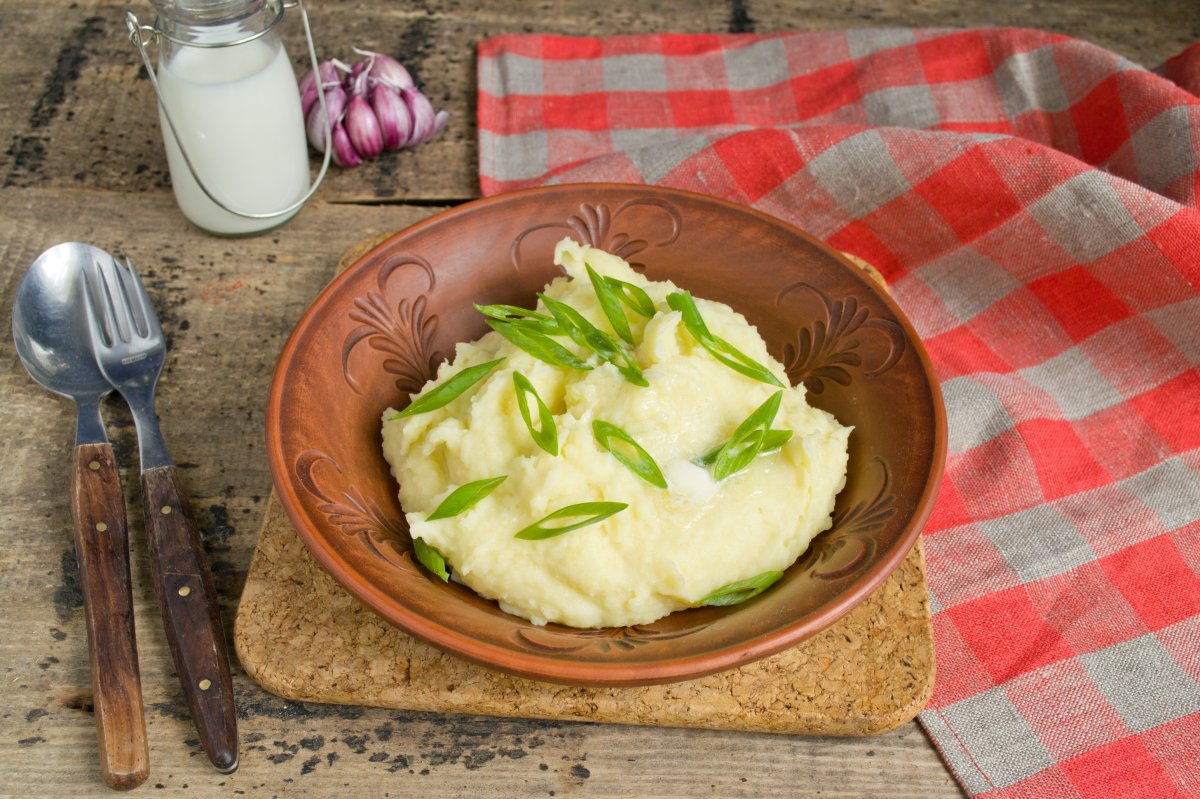
Mashed potatoes with milk and butter are ready!
And there you have it—a bowl of perfectly creamy and fluffy mashed potatoes, ready to grace your dinner table. This dish is more than just a side; it's a warm hug in a bowl, perfect for family gatherings, holiday feasts, or a simple weeknight meal. Feel free to customize it by adding fresh herbs like chives or parsley, or even a sprinkle of cheese. Serve it hot alongside your favorite main course and watch it disappear. We hope this recipe becomes a cherished favorite in your home!
0 comments