
Making a genuinely good non-alcoholic wine requires making a regular wine first. It demands yeast, fermentation, and a character that takes months to develop. Winemakers harvest, crush, ferment, and refine the grapes. Only when a finished wine rests in the tank do they carefully extract the alcohol—the very component that holds half the structure together.
On paper, this looks like an engineering challenge, yet for the wine itself, it feels almost cruel. The alcohol percentage is the least interesting part of this story to me. What fascinates me is how much actual wine remains in the glass after the procedure.
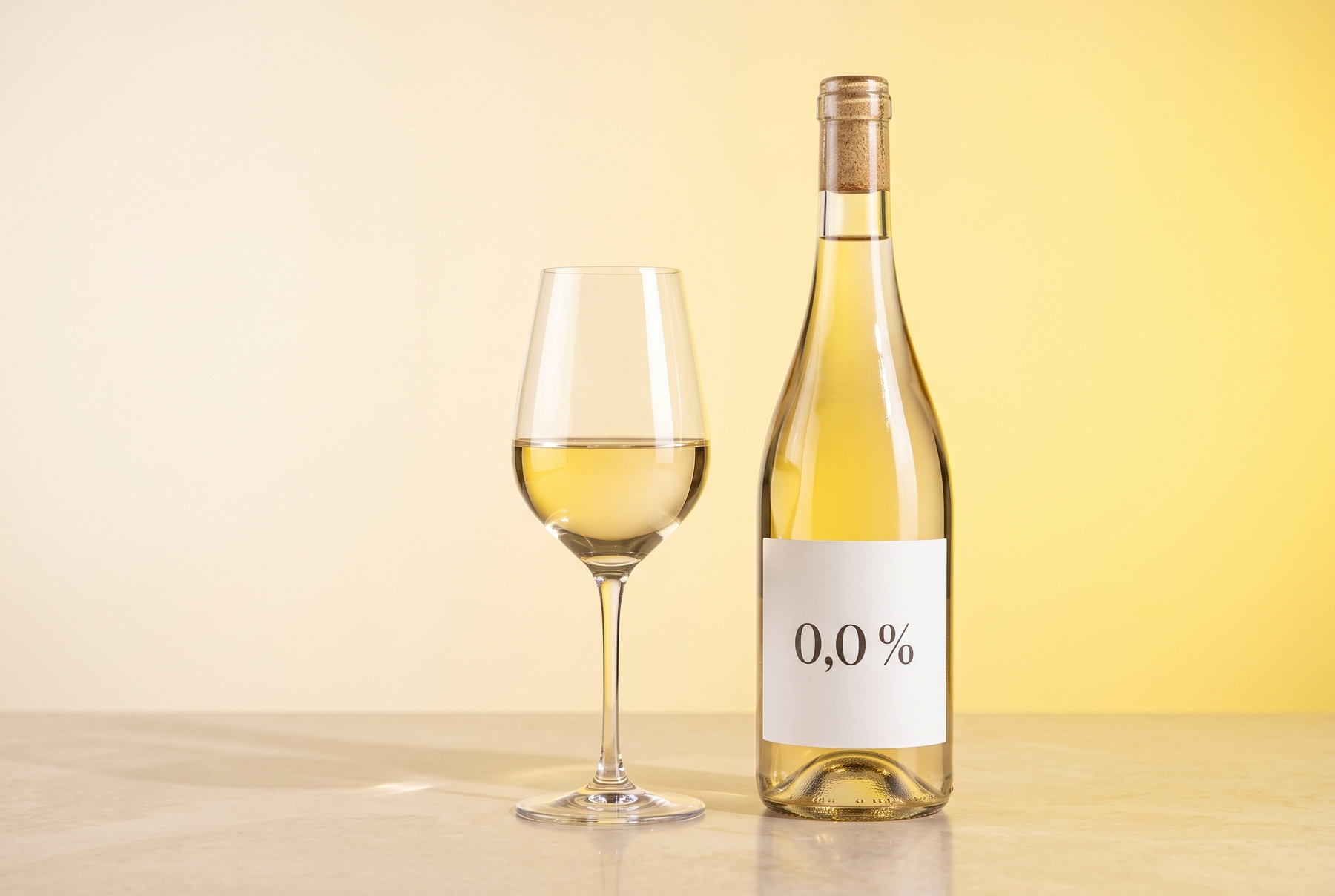
Quality non-alcoholic wine begins its life as a traditional, fully fermented wine.
Table of Contents
- Juice, Yeast, and Everything Born Alongside Alcohol
- Every Country Decides for Itself What Counts as Non-Alcoholic Wine
- Three Ways to Extract Ethanol Without Dismantling the Wine
- Ethanol Has a Flavor, Even If You Cannot Taste It
- Why Bubbles Rescue a Wine Better Than Tannins
- The Second-Sip Test
- Why the World Suddenly Wanted Wine Without the Buzz
- Why We Open a Bottle in the First Place
- What Non-Alcoholic Wine Gets Right
- Polyphenols Without the Medical Promises
- How to Read the Label in the Wine Aisle
- Serving Temperature Matters More Than You Think
- So, Is There Still Wine in the Glass?
Juice, Yeast, and Everything Born Alongside Alcohol
Grape juice is sweet and predictable. It smells simply of grapes. Yet after two weeks of yeast activity, the same vessel holds a liquid fragrant with citrus zest, freshly cut grass, peach pit, leather, or wet stone—even though none of those ingredients ever touched the tank.
Yeast consumes sugar and releases ethanol and carbon dioxide. Along the way, it generates dozens of secondary compounds: esters, higher alcohols, aldehydes, and acids. Esters bring the fruit notes, higher alcohols provide density and volume, and acids hold the structural frame. The final bouquet draws from several sources: varietal compounds and their precursors come straight from the grape, another layer emerges during fermentation, and aged wines develop tertiary notes over time. Fermentation does more than supplement the original profile; it rebuilds and enriches it beyond recognition. That is why a properly crafted non-alcoholic wine begins in the exact same place as a conventional one: with juice handed over to yeast.
At this stage, the liquid itself makes complete sense. The real confusion begins when we try to name what is left after the alcohol is gone.
Every Country Decides for Itself What Counts as Non-Alcoholic Wine
There is no single global definition.
The European Union currently uses two terms. “Dealcoholized” (or dealcoholised) means an alcohol by volume (ABV) of no more than 0.5%. “Partially dealcoholized” covers anything above that mark but below the minimum threshold for its standard wine category. Adding water or artificially boosting the sugar content of the must is strictly prohibited. Starting September 19, 2027, the terminology will become more consumer-friendly: beverages up to 0.5% ABV will carry the label “alcohol-free,” while the “0.0%” claim will apply only to wines containing no more than 0.05% ABV.
In the United States, wine falls into the non-alcoholic category if its strength stays below 0.5% ABV. Regulations require a clear statement near the name indicating that the bottle contains less than 0.5% alcohol by volume, while putting “dealcoholized” or “alcohol-removed” on a stronger beverage is considered misleading to the buyer.
The United Kingdom enforces the strictest rules among major markets: “alcohol-free” applies only up to 0.05% ABV, and “dealcoholized” covers up to 0.5% ABV. Meanwhile, Australia and New Zealand ban the term “non-alcoholic” altogether if the beverage contains any trace of alcohol whatsoever. Technically, this means most of the world’s non-alcoholic wines cannot be sold as non-alcoholic there.
Listing further regulations serves little purpose. One thing is clear: the world still cannot agree on where wine ends and something else begins.
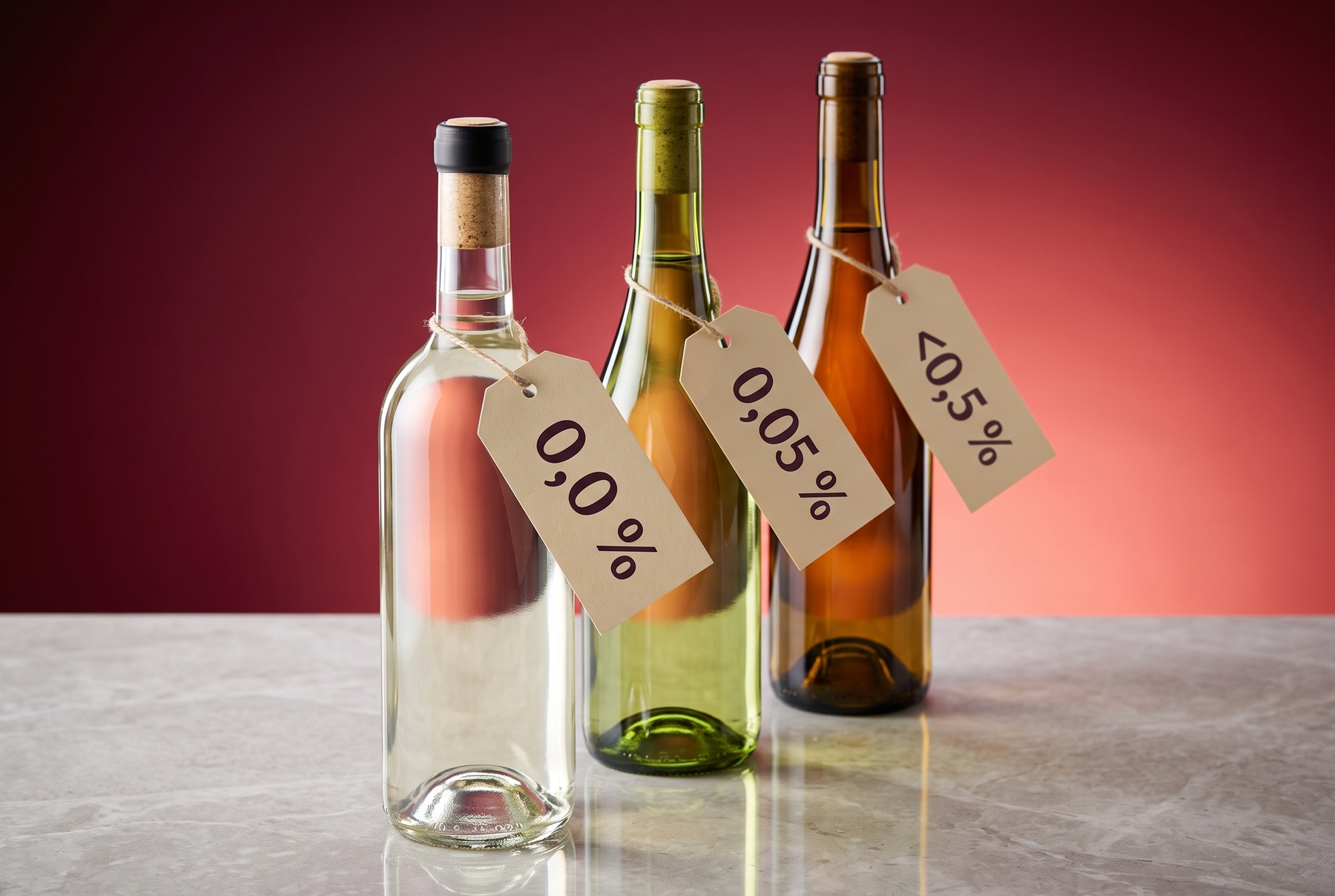
Legal definitions and ABV thresholds for non-alcoholic wines vary significantly from country to country.
Three Ways to Extract Ethanol Without Dismantling the Wine
From a purely technical standpoint, removing alcohol from wine is straightforward. The catch is that ethanol does not sit in a neat little puddle at the bottom of the tank. It acts as both solvent and carrier: it holds volatile compounds, delivers them to your nose, creates that warming sensation in the throat, softens harsh acidity, and lends viscosity to the body. Removing it without disturbing everything else is physically impossible. Winemakers can only minimize the collateral damage.
Vacuum Instead of a Boiling Pot
Ethanol boils at 78 °C (172 °F). Heating wine to that temperature turns it into stewed fruit compote: delicate esters evaporate first, leaving behind baked fruit notes and flat sweetness.
Lowering the pressure drops the boiling point of alcohol closer to room temperature, a range where wine can survive vacuum distillation without thermal damage. The trouble comes from another direction. Volatile aromatics escape right alongside the alcohol, and the most prized fractions are the most eager to flee. Research consistently shows that reducing alcohol strength causes a sharp drop in higher alcohols, acetaldehyde, and esters: the chemical profile shifts noticeably, taking aromatic depth down with it.
Capture the Aroma First, Remove the Alcohol Second
This dilemma inspired a clever workaround: strip out the aromatic fraction first, and deal with the alcohol later. A spinning cone column has a straightforward design: a vertical cylinder housing alternating rotating and stationary cones. Under vacuum, wine flows down the cones in a thin film while steam rises to meet it. Developed by Australia’s national science agency (CSIRO), the technology has been commercialized since 1987 by Flavourtech.
The system operates in two passes: the first, at around 28 °C (82 °F), gently lifts off the aromatic fraction; the second, at about 38 °C (100 °F), strips away the alcohol. The liquid spends mere seconds inside the column. Finally, the captured aroma is blended back into the dealcoholized base.
Yet recovering every last drop of aroma without loss remains elusive. In practice, not everything makes it back into the bottle: a study comparing spinning cone columns with low-temperature vacuum distillation on Tempranillo and Chardonnay showed that the column lost more isoamyl acetate and ethyl octanoate, while the vacuum-treated samples scored higher for fruity and floral descriptors.
Can Alcohol Simply Be Filtered Out?
Reverse osmosis takes a different route. High pressure forces the wine through a semipermeable membrane with pores measuring roughly 0.1 to 1 nanometers. Larger molecules stay behind on one side: polyphenols, color pigments, and part of the aromatic profile. Water and alcohol slip through to the other side; the ethanol is then distilled out of this permeate (the liquid that passed through the membrane), and the water is returned to the concentrated wine.
Here, the bulk of the wine never faces heat at all. However, the membrane separates alcohol and water from the rest of the wine, rather than isolating alcohol from flavor: some volatile compounds inevitably slip into the permeate, making them difficult to recapture.
Modern facilities rarely rely on a single method; instead, they combine techniques and tailor settings to specific grape varieties. The industry has mastered the art of removing alcohol. Preserving aroma, body, and finish is where the real struggle lies.
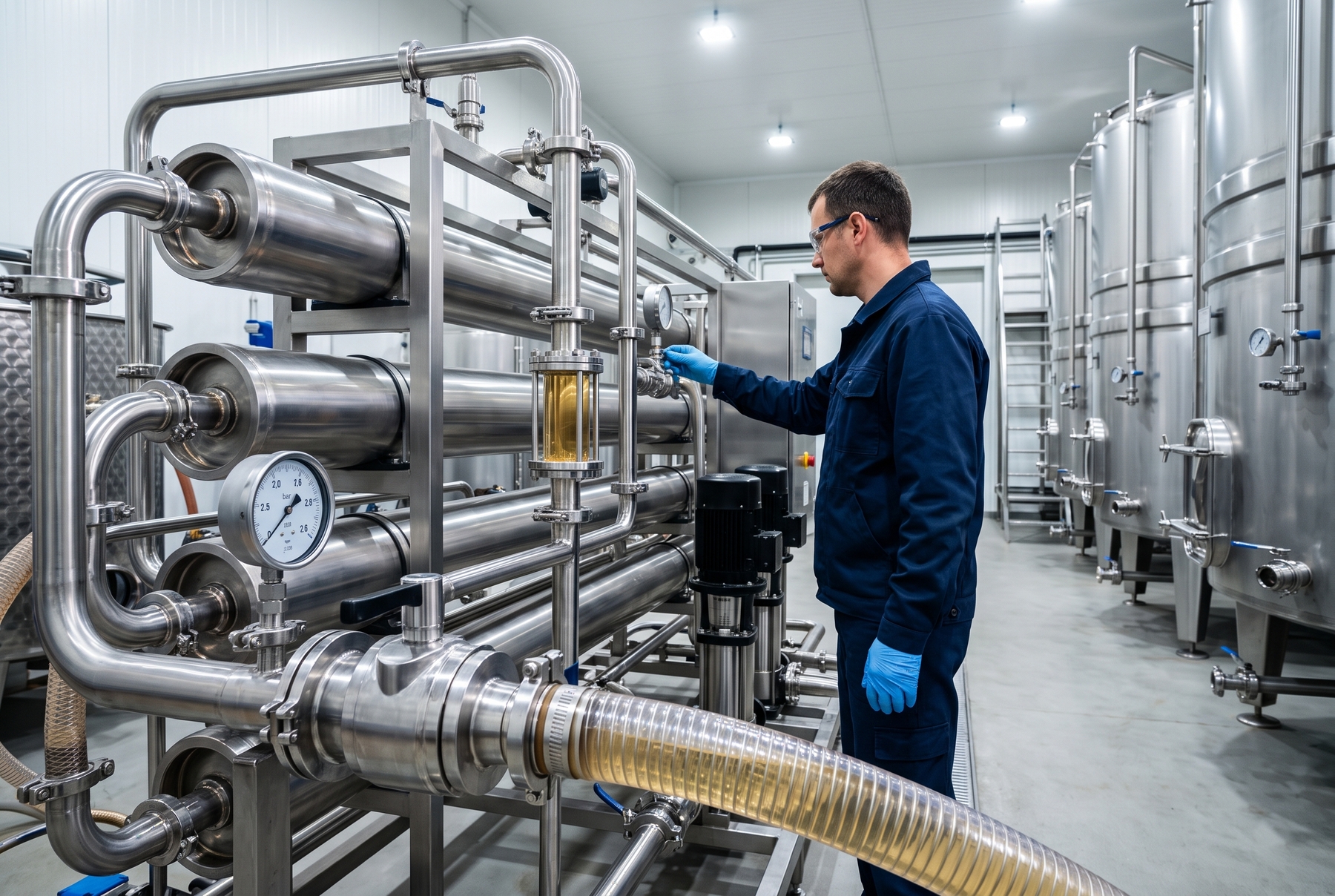
Removing ethanol gently requires advanced methods such as vacuum distillation and reverse osmosis.
Ethanol Has a Flavor, Even If You Cannot Taste It
Nobody tastes pure alcohol in isolation, yet everyone notices the moment it disappears.
Strip away the alcohol, and the beverage loses its weight. Acidity, once cushioned by ethanol, suddenly feels sharper and more aggressive. The body thins out, the wine stops clinging to the sides of the glass or coating the palate, and the finish drops off abruptly right where it used to linger for several seconds. Even the way aromas rise from the glass changes. Some volatile compounds vanish with the alcohol during production, while the drop in ethanol concentration alters the solubility of the remaining volatiles and shifts the equilibrium between the liquid and the air above the glass—fundamentally changing how aromas release. This shift plays out unevenly: after the procedure, certain notes recede into the background while others step boldly to the front.
A flawed bottle gives itself away instantly. It tastes either watery and sour, like diluted lime juice, or cloyingly sweet because the producer panicked over the hollowness and dumped sugar back in. The second scenario happens far more often and annoys me much more, because sweetness merely masks the structural failure instead of fixing it. The final straw for me recently was a supermarket rosé labeled “dry” on the back: in the mouth, it tasted like boxed fruit punch, with zero acidity to pull it together.
A successful bottle greets you on the very first inhale with genuine vinous aromatics: white currant, green apple, citrus peel. It offers crisp acidity with rounded edges and evolves from the first sip to the third. The body still feels lighter than regular wine, yet that lightness reads as a deliberate stylistic choice.
Every producer has to rebalance the wine after dealcoholization. Some tweak residual sugar, some adjust acidity, and others reintegrate captured aromatic fractions. The New Zealand winery Giesen openly adds a splash of grape juice to restore roundness. Every market enforces its own rules: in the EU, for instance, adding water or artificially sweetening the must is strictly off-limits.
There is also a technical side that producers rarely mention. Once alcohol is gone, wine becomes far more microbiologically vulnerable than its traditional counterpart, requiring stabilization through sterile filtration, sulfur dioxide, pasteurization, aseptic bottling, or a combination tailored to the wine’s style and bottling line. It is no coincidence that European regulations require dealcoholized wines to display a minimum durability date.
Why Bubbles Rescue a Wine Better Than Tannins
Carbonation restores much of what was lost almost for free. Bubbles provide a tactile prickle and add the sense of volume that vanishes along with the alcohol. They lift aromas out of the glass and make the acidity feel brisk and refreshing rather than starkly exposed.
That is why non-alcoholic sparkling wines consistently outperform other styles: the gas does half the heavy lifting. Unsurprisingly, bubbly holds the largest share of the entire category.
Still whites come in second. Aromatic varieties with naturally high acidity survive the procedure better than most: Sauvignon Blanc, Riesling, and Muscat lead the pack. Their personality relies on volatile aromatics and bright acid rather than heavy weight. Rosés generally handle dealcoholization in a similarly graceful way.
Reds present the toughest challenge. Their architecture rests on three pillars: acidity, tannins, and alcoholic weight. Knock out the third pillar, and the tannins—stripped of their plush cushion—begin to parch the mouth and scrape the gums. Density vanishes, taking any sense of gravitas with it. This explains the classic affliction of non-alcoholic reds: a watery mid-palate, an astringent finish, and a faint note of stewed raisins. The best examples lean into bright juiciness and keep tannins modest.
Consequently, recreating a big, full-bodied red after dealcoholization remains extraordinarily difficult.
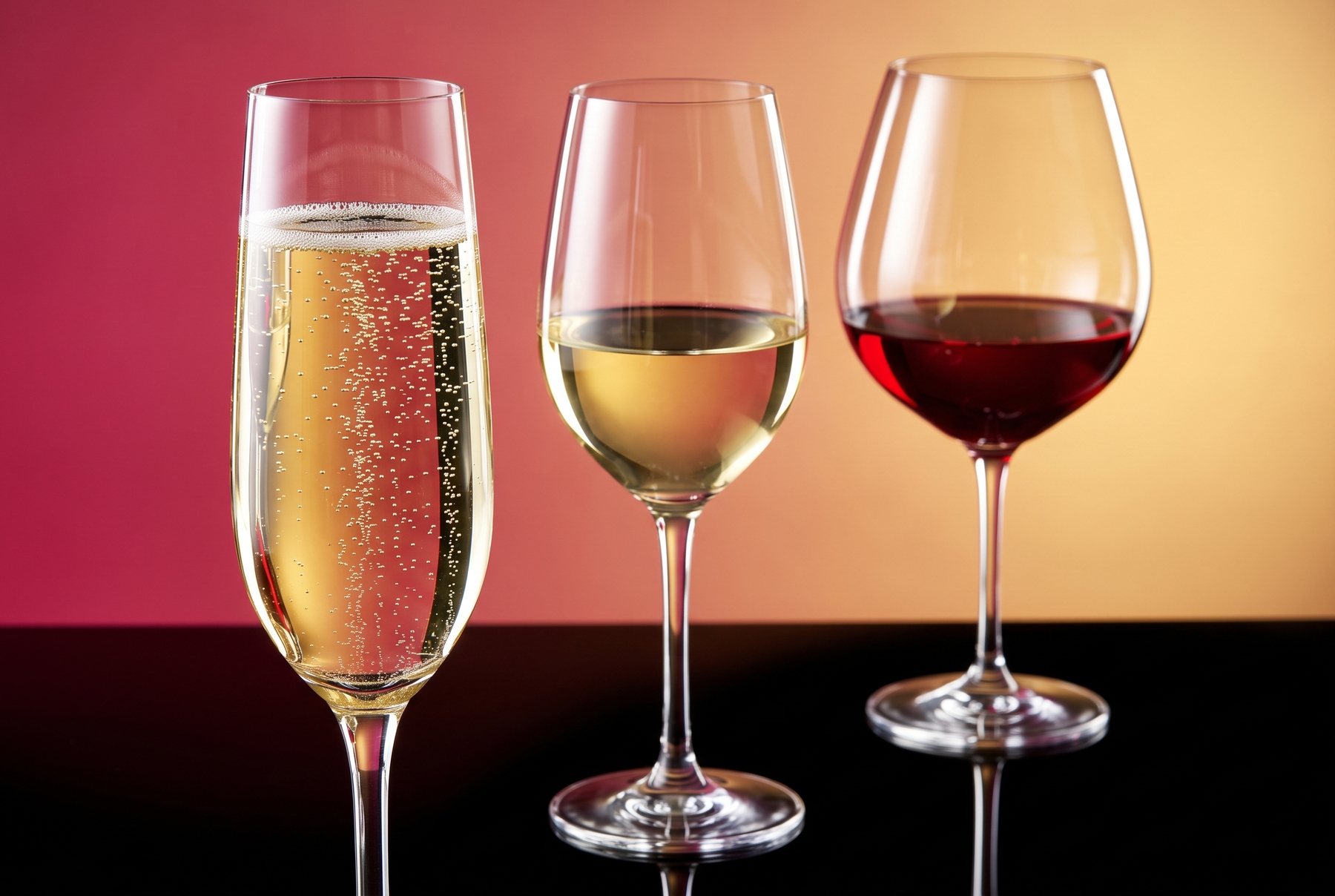
Carbonation and bright acidity help sparkling and white non-alcoholic wines maintain their structural balance.
The Second-Sip Test
Ultimately, a bottle gets judged at the dinner table, not beside a factory column.
My personal criterion is simple—unscientific, perhaps, yet reliable. Forget the “non-alcoholic” label on the front. Is the drink compelling on its own merits? Does it offer an aroma worth unpacking? Does it evolve in the glass after 10 minutes? Does it beg for food? Most importantly, does your hand reach for a second sip without a conscious effort?
For decades, critics judged this category as a mere imitation, and an imitation always loses to the original, reducing the entire conversation to how closely it mimicked real wine. I find it much more rewarding to evaluate it as a distinct beverage in its own right—one that still carries varietal character, acidity, and an affinity for food.
Even so, I refuse to grade on a curve just because the alcohol is missing. If the liquid in the glass tastes flat and cloying, philosophical speeches about an independent category will not save it.
Why the World Suddenly Wanted Wine Without the Buzz
According to IWSR, the global drinks market intelligence agency, worldwide volumes of no-alcohol alternatives—spanning beer, wine, spirits, and ready-to-drink cocktails—grew by roughly 9% in 2025, with forecasts projecting a 36% volume surge by 2029, surpassing 18 billion servings annually.
Looking specifically at wine reveals an even more telling picture. Across the eight major markets tracked by the agency, non-alcoholic wine grew in volume everywhere between 2019 and 2024, albeit at wildly different speeds: France (+4%), Spain (+6%), and Germany (+9%) trailed far behind the compound annual growth rates of the United States (+23%), Japan (+26%), and Canada (+27%).
This gap reflects market maturity rather than reluctance. Where wine is woven into the fabric of everyday lunch, the category expands slowly and steadily. Conversely, in countries where wine is mostly an evening option competing against a dozen other beverages, the non-alcoholic version goes head-to-head not with traditional wine, but with soda and juice—easily beating both in flavor complexity.
Consumer motivations vary just as widely. Among buyers of non-alcoholic wine and spirits, 40% cite a healthier lifestyle as their primary driver. Yet health is far from the only factor: some people are driving, some have early morning meetings, some are observing religious fasts or dietary laws where even trace alcohol matters, and others simply want to stay sharp through the end of dinner without dropping out of the conversation.
In recent years, the tone in restaurants has shifted noticeably. Diners used to order non-alcoholic options with an apologetic murmur: I’m driving tonight, I’m on antibiotics. Nowadays, a very different exchange takes place. Last winter, the guy sitting next to me at a bar pushed aside the regular wine list, ordered a non-alcoholic sparkling wine with his oysters, and asked the bartender what grape it was made from. To me, that moment captured the entire cultural shift: people have stopped explaining why they aren’t drinking and started asking about grape varieties. On bar lists in London, Melbourne, and New York, this transition is already complete; in Germany and Spain, it is unfolding right now; in restaurants across Argentina, Chile, and Eastern Europe, it is just beginning, carried mostly on the shoulders of sparkling wines.
Why We Open a Bottle in the First Place
The pleasure of a bottle of wine comes from a constellation of details.
Aroma. Flavor and how it unfolds. Acidity that cuts through rich fat. Food pairings where the drink and the dish transform each other. Complexity worth following across an evening. The ritual itself: cutting the foil, twisting the corkscrew, the pop of the cork, the first pour. The weight of a good stem in your hand. The communal gesture of setting a bottle in the center of the table to share. And standing completely apart from all of these is the pharmacological effect of ethanol.
Non-alcoholic wine cannot replicate that final element at all. Everything else it can preserve to varying degrees, depending entirely on the bottle in front of you. For some drinkers, that is more than enough; for others, it falls short, and both reactions are completely valid.
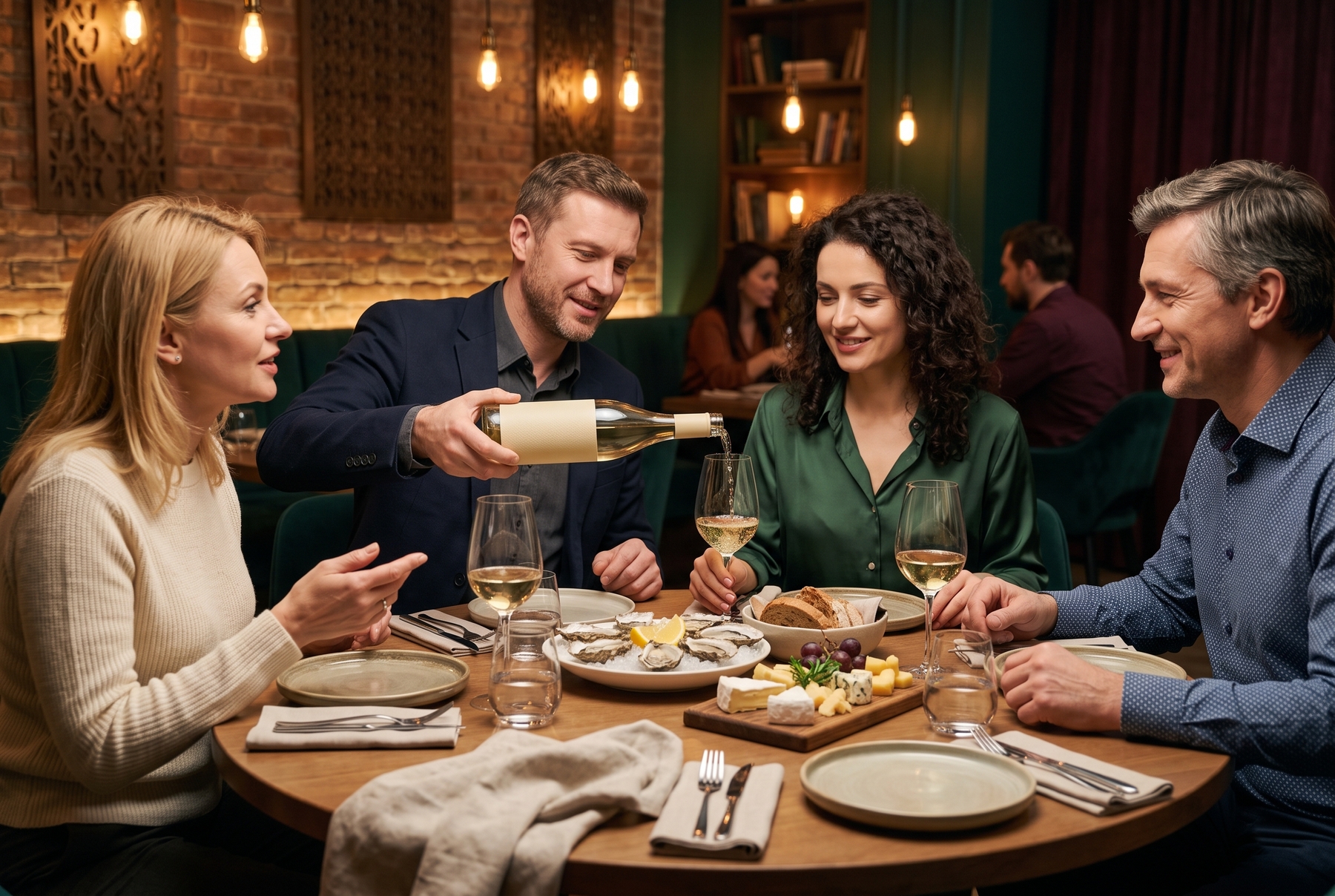
Non-alcoholic wine preserves the aesthetics and shared ritual of dinner without disrupting the next morning.
What Non-Alcoholic Wine Gets Right
It delivers zero or drastically reduced alcohol, depending on the category and local laws. It preserves the social ritual of wine in moments where regular alcohol is off the table. And it offers a sophisticated culinary alternative to sugary juices and sodas at dinner, since fruit juice almost always lacks the acidity and structure required to stand up to savory food.
However, “alcohol-free” does not automatically mean “healthy.” Calorie counts vary wildly from bottle to bottle because they depend on residual sugar, an ingredient producers frequently add back in generous amounts. Claims of low calories can only be verified by checking the nutrition panel on a specific bottle.
Moreover, the 0.5% ABV threshold remains a regulatory boundary rather than a guarantee of absolute zero. For pregnancy, public health guidelines are unequivocal: avoid alcohol entirely, as no safe level has been established. For those taking medication, managing certain medical conditions, or navigating recovery from alcohol dependency, the decision belongs in a doctor’s office—beyond trace ethanol, sensory triggers like aroma, flavor, and ritual can easily spark cravings. One sobering detail worth noting: a 2010 study of 45 beverages labeled as non-alcoholic found that 29% contained more ethanol than stated on the label. Oversight has tightened considerably since then, yet the habit of reading the actual numbers rather than marketing slogans remains wise.
Polyphenols Without the Medical Promises
Many of the grape’s phenolic compounds survive both fermentation and dealcoholization, leaving noticeable amounts behind in red styles. For a chemist, that is a fascinating detail.
Among these compounds is resveratrol, the famous molecule that launched a thousand headlines about red wine and heart health. Here, caution should outweigh enthusiasm. Convincing clinical evidence supporting its benefits in humans remains lacking, European regulators have approved zero official health claims for it, and the popular narratives about cardiovascular perks and antioxidants live mostly in marketing departments. A beverage’s chemical composition and its proven medical impact are two very different things; conflating them does no favors to the category.
How to Read the Label in the Wine Aisle
Start with the grape variety or blend. Sauvignon Blanc, Riesling, Muscat, and Gewürztraminer promise robust aromatics that survive dealcoholization far better than others. Neutral varieties often lose their entire personality during the process.
Next, check the producer. An established winery that crafts traditional wines and has added a non-alcoholic line usually starts with respectable base material. A brand without its own vineyards typically assembles its product from bulk wine bought on the open market—not an automatic dealbreaker, yet hardly a mark of distinction.
Look at the ABV. A “0.0%” stamp tells you only about alcohol strength and nothing about flavor quality. For anyone who must avoid trace amounts strictly, that number is crucial; for everyone else, it offers zero guidance on taste.
Scan the sugar content and calorie count whenever listed. Note the dealcoholization method if the producer discloses it. And check the best-before date—mandatory in the EU and helpful everywhere else.
When exploring non-alcoholic wine for the first time, starting with sparkling styles makes the most sense: they carry the lowest risk of disappointment. Just skip the cheapest bottles on the bottom shelf, where producers usually dump in extra sugar to hide flaws. For crisp refreshment and aperitif duty, reach for high-acid whites. For dinner, look for fuller-bodied whites or structured rosés. Save the reds for later in your journey, favoring bright, juicy bottles over anything promising heavy oak or massive power.
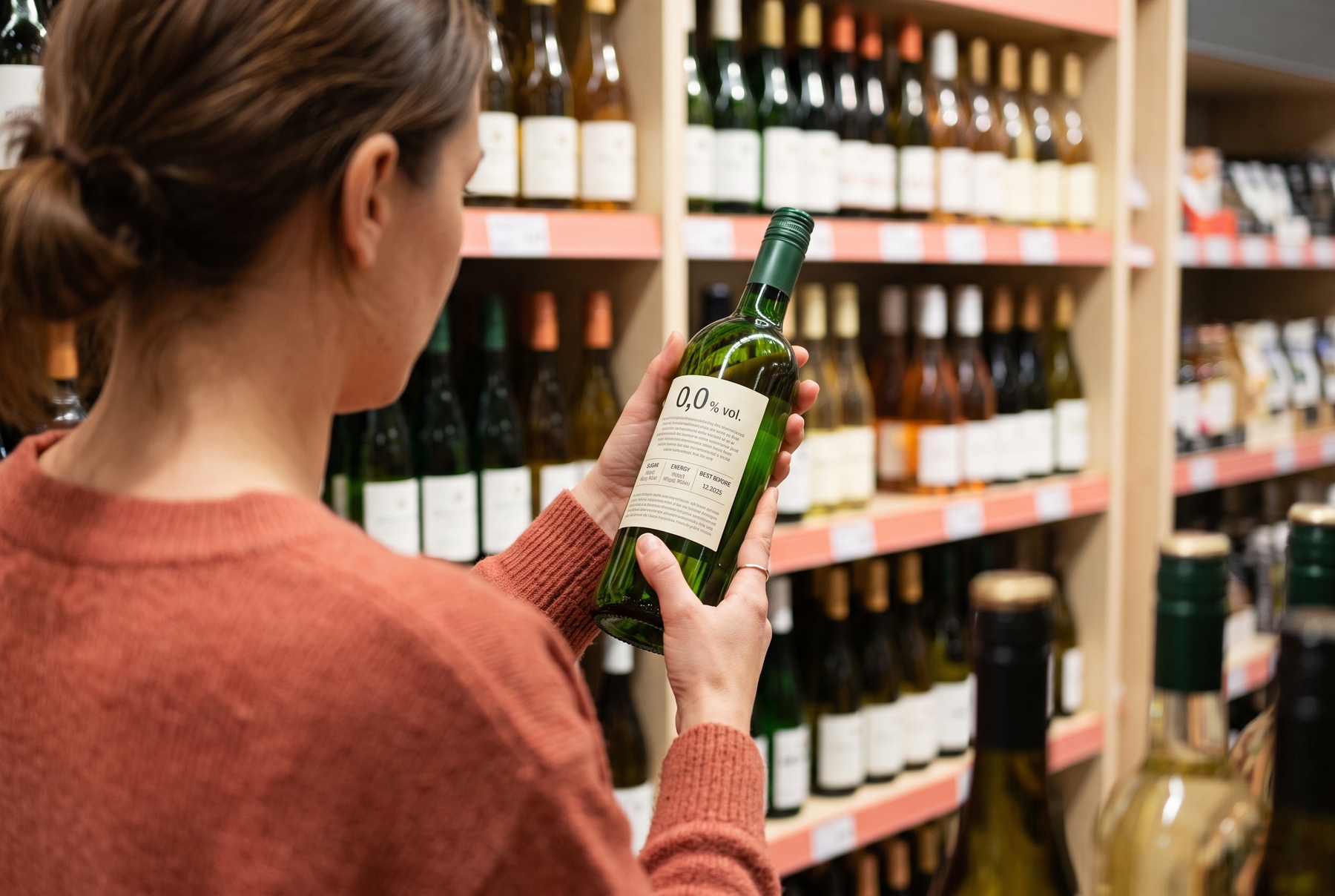
Checking the grape variety, sugar content, and producer on the back label is essential when choosing a bottle.
Serving Temperature Matters More Than You Think
Without alcohol to buffer the palate, balance becomes fragile, and temperature acts like a magnifying glass. Serving a glass too warm pushes residual sugar to the forefront and makes the drink cloying; serving it too cold mutes aromatics that are already quieter than usual.
Serve whites and rosés well chilled, around 8–10 °C (46–50 °F). Pour sparkling wines even colder. Serve reds not at room temperature, but lightly chilled to about 14–16 °C (57–61 °F): that touch of coolness tightens the body and pulls a loose structure together.
Use a proper wine glass with a generous bowl. Because the aromas are more delicate here, they need headspace to gather and concentrate.
Store any open bottle of non-alcoholic wine in the refrigerator, reds included. Still styles hold their shape for roughly 2 to 5 days, while sparkling versions lose their fizz within 1 to 3 days, after which the flavor flattens rapidly.
At the table, rely on structural principles rather than rigid pairing rules. Acidity cuts through fat, making crisp whites natural partners for cheese and cream sauces. A fruity rosé stands up nicely to chili-laced Asian dishes. Bubbles counter salt, so pair sparkling bottles with olives and anchovies. Fuller-bodied styles demand substantial main courses rather than plain green salads.
So, Is There Still Wine in the Glass?
By lineage, the connection is undeniable: the same grapes, the same fermentation, the same winemaking craft right up to the moment of extraction. By law, the answer depends on which border you cross. By sensory standards, the honest answer goes like this: some aroma, weight, and length are always lost, and the quality of what remains hinges on the base wine, the extraction technology, and the producer’s skill in rebuilding balance.
Ultimately, I prefer to frame the final question in personal terms rather than legal ones. Does the glass still hold what you personally pour wine for?
If you are looking for the buzz of ethanol, the answer is no, and pretending otherwise is pointless. Yet if you come to the table for complex aromatics, bright acidity, evolving flavors, food synergy, a proper stem in your hand, and the feeling of a complete, grown-up drink with dinner, a well-made modern bottle preserves a remarkably generous share of the experience.
0 comments