
We have a habit of measuring a holiday feast by the hours spent standing at the stove: the more exhausted the host, the more successful the dinner. This kind of culinary math drives me crazy. In a professional kitchen, that approach wouldn’t survive a single day. You cannot build a banquet for a hundred people from scratch three hours before the guests arrive, and no chef would ever try.
In a restaurant, everything that can be prepped the day before is done the day before. Sauces rest under plastic wrap in the walk-in cooler, beef braises overnight and cools in its own juices, pâté sets beneath a golden layer of clarified butter, and quiche dough relaxes directly inside its tart ring. When service begins, the cook simply finishes, reheats, assembles, and plates. That rigorous preparation is the only reason service runs smoothly.
The exact same principle applies at home: you can prepare most of your holiday menu in advance, just on a smaller scale. And there is a wonderful bonus to this method. Many festive dishes actually taste significantly better after a night in the refrigerator than they do an hour out of the oven. Sauces thicken and coat the back of a spoon, spices bloom and distribute evenly, and roasted meats hold onto their juices, slicing into paper-thin ribbons without ragged edges.
This guide covers the ultimate holiday dishes you can make a day or two ahead of time—recipes that handle refrigeration and reheating with grace. It also includes a strict list of foods you should never prep in advance under any circumstances.
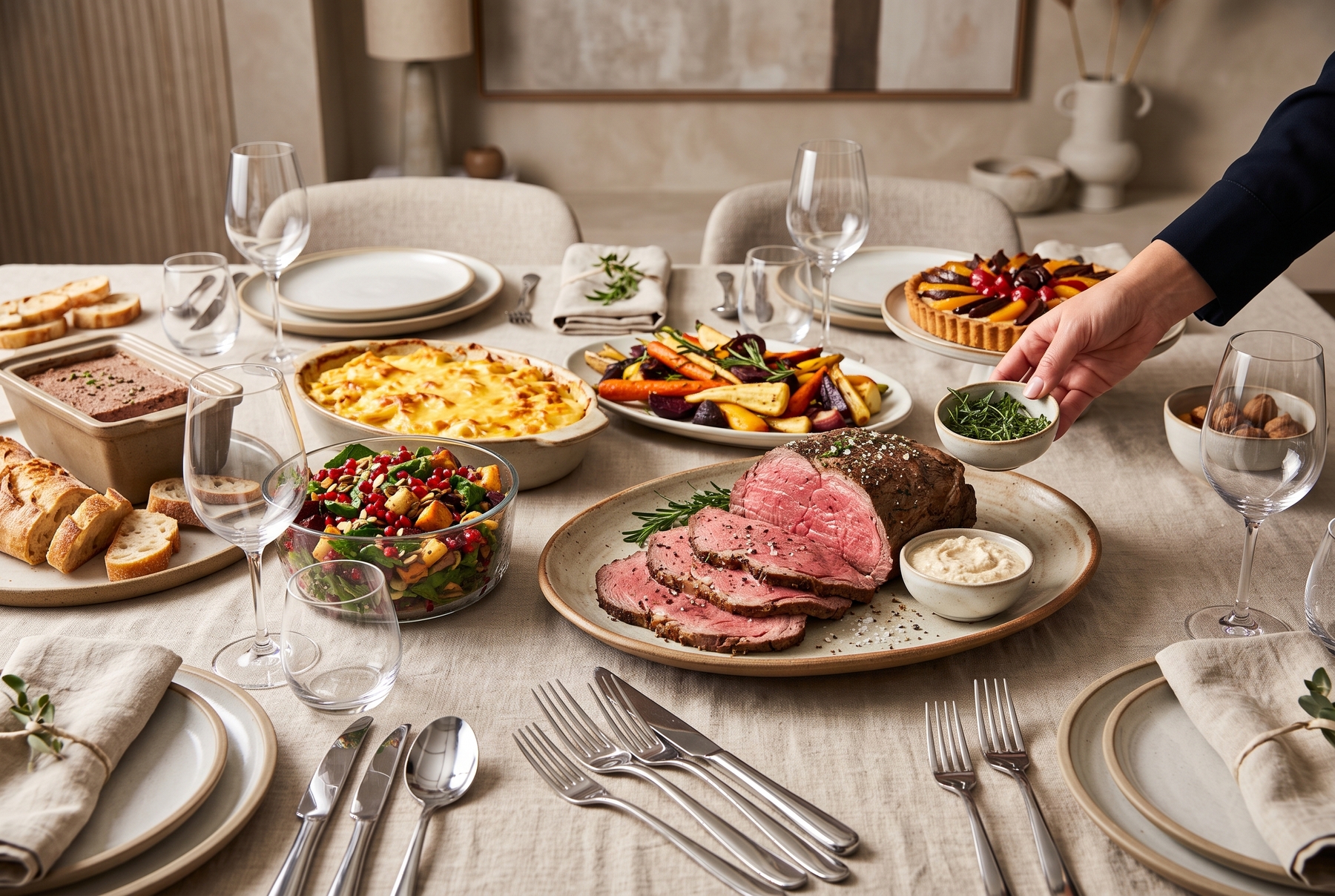
Preparing dishes in advance lets you set a generous holiday table without the last-minute rush.
Table of Contents
- What Happens to Food Overnight in the Fridge
- 7 Dishes You Should Never Make Ahead
- Holiday Appetizers: 6 Starters to Prep in Advance
- Make-Ahead Salads: Three Distinct Strategies
- Holiday Mains: 5 Centerpieces That Improve Overnight
- Side Dishes: 2 Accompaniments That Survive Reheating
- Baking and Desserts: 4 Dishes That Need Overnight Rest
- How to Plan a Make-Ahead Menu Without Bottlenecks
- The Countdown: 48 Hours, 24 Hours, Morning Of, and 1 Hour Before
- Professional Storage Rules to Protect Flavor
- The Science of Why Stews, Pâtés, and Layered Salads Peak on Day Two
- 7 Mistakes That Ruin Make-Ahead Prep
- The Ultimate Make-Ahead Cheat Sheet
What Happens to Food Overnight in the Fridge
Over the course of 12 to 18 hours in the cold, cooked food undergoes remarkable physical and chemical changes.
First, the flavors harmonize. Fat acts as a natural solvent for the aromatic molecules in garlic, black pepper, paprika, bay leaves, and wine. Immediately after cooking, those elements can feel disjointed, hitting the palate in isolated bursts, especially in a thick stew. Overnight, these compounds diffuse evenly throughout the sauce, trading sharp edges for a rounded, cohesive depth.
Next, moisture redistributes. Meat releases a portion of its juices back into the surrounding gravy, salad vegetables weep into their dressing, and pie fillings transfer dampness into the crust. For a braised stew, this is a triumph. For a crisp-bottomed tart, it is a death sentence.
Starches are trickier because their molecular structure shifts in the cold—a process known as retrogradation. Potatoes, rice, bread, and flour-thickened sauces grow firmer, drier, and slightly grainy overnight. Reheating partially softens those starches again, though the original cloud-like texture rarely returns in full.
This gives us a simple filter. Dishes rich in sauce or fat with a dense structure—foods that do not rely on crispness—thrive overnight. Conversely, delicate greens, crunchy crusts, unstable emulsions, and tender seafood suffer terribly in the fridge.
7 Dishes You Should Never Make Ahead
I make zero compromises here. Everything on this list has a lifespan measured in minutes, not hours.
- Leafy green salads. Arugula, spinach, and romaine wilt within 20 minutes of meeting vinaigrette. By morning, you will find limp greens sitting in a puddle of tinted water.
- Breaded and fried foods. A crispy crust pulls moisture outward from the filling and turns soggy from the inside. Even a hot oven only restores a fraction of that initial crunch.
- Shrimp, squid, and scallops. Delicate marine proteins tighten a second time when reheated, turning bounce into rubber. Squid is especially unforgiving.
- Warm emulsions. Hollandaise, béarnaise, and butter-mounted egg yolk sauces split when chilled and refuse to come back together when warmed.
- Puff pastry with wet fillings. Open tarts, vol-au-vents, and cheese turnovers lose their flaky bottoms to moisture within a couple of hours.
- Avocado, bananas, and peeled apples. Enzymatic browning wins eventually; lemon juice merely slows the clock.
- Pan-fried or roasted potatoes. French fries, wedges, or crispy potato pancakes—an hour later, they are a completely different, much sadder food.
Everything else on your menu can easily be spread across your prep days.
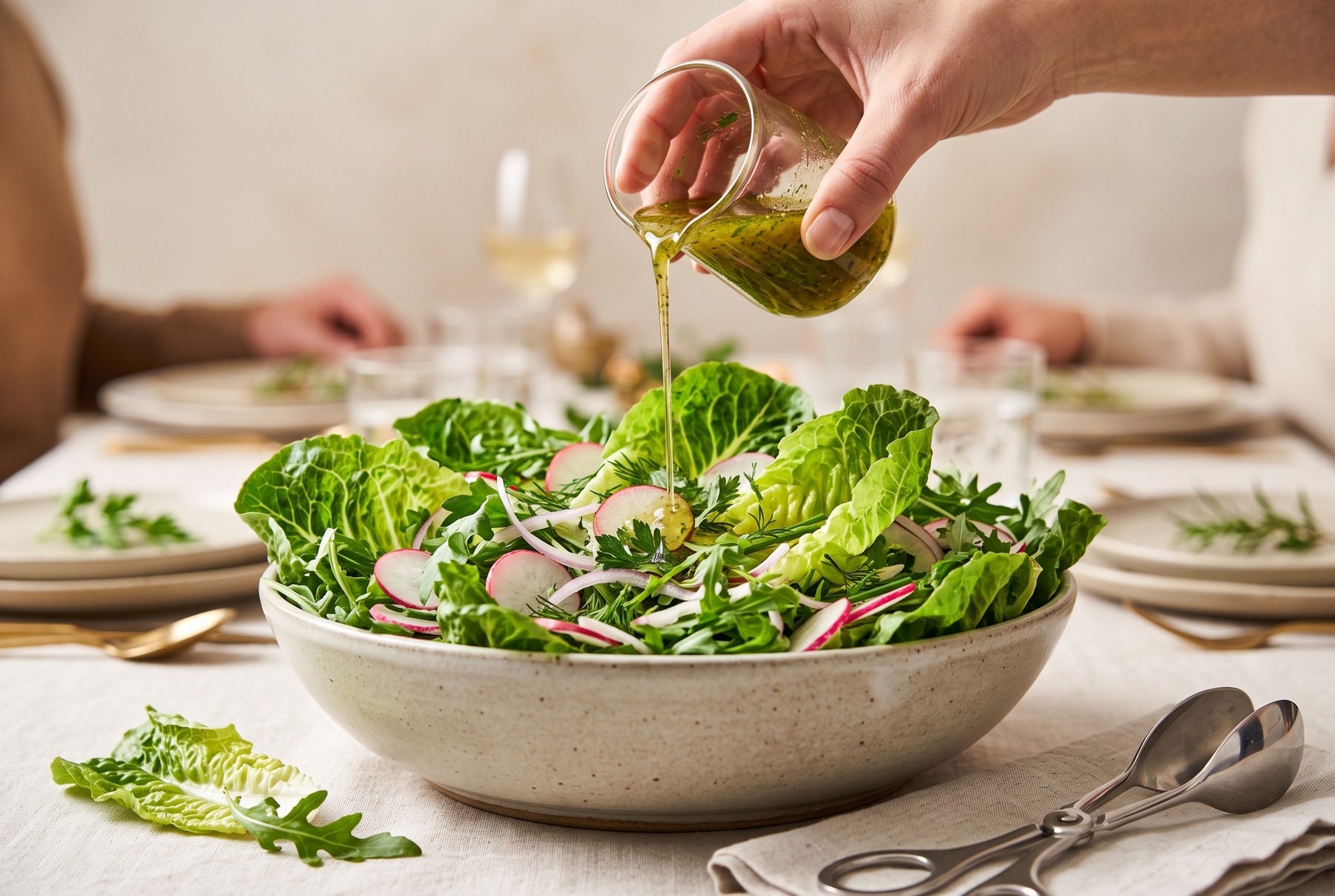
Leafy salads must be dressed right before serving, as delicate greens wilt within 20 minutes of meeting vinaigrette.
Holiday Appetizers: 6 Starters to Prep in Advance
Roast Beef
Cold roast beef slices infinitely better than hot roast beef. Once chilled, the muscle fibers firm up, the juices settle, and each slice holds its shape on the platter without curling. I always roast mine a day or two ahead.
Starting with a ribeye or beef tenderloin, searing it in a dry skillet builds a dark, mahogany crust before it goes into a 160 °C (320 °F) oven until the center hits 52–54 °C (125–130 °F). Cooking roast beef without a probe thermometer is pure guesswork, and I don’t gamble with expensive meat.
Letting the beef rest at room temperature for 40 minutes, then wrapping it tightly in parchment paper followed by plastic wrap, prepares it for the fridge, where it keeps beautifully for 48 hours. Slicing happens right before serving, cutting across the grain into 2–3 mm (1/8 inch) ribbons; a sharp knife should glide through without downward pressure. A finishing touch of flaky sea salt and a drizzle of good olive oil goes on the platter just two minutes before it hits the table.
A classic mistake is slicing the roast the night before and stacking it in a container. By evening, the edges oxidize and dry out, robbing the beef of its rosy blush. A second error is salting the slices early; salt draws out moisture, leaving the meat sitting in a pink puddle.
Stuffed Chicken Roulade
Whether made from deboned thighs or breasts, a chicken roulade is rolled, poached in plastic wrap or baked in foil, and then chilled under a light weight. The cold is what sets the structure—without a night in the refrigerator, the roulade will crumble under the knife. Cooking the poultry to an internal temperature of 74 °C (165 °F) is non-negotiable for food safety.
The roulade stays in its cooking wrap in the fridge for up to two days. Right before serving, unwrapping the cylinder, patting it dry with paper towels, and using a warm, dry blade yields clean 5–7 mm (1/4 inch) medallions.
The most common pitfall here is cutting the filling too large. Big chunks of bell pepper or whole prunes create air pockets, causing the meat to tear along those fault lines. Finely dicing the aromatics and spreading them in a thin, even layer guarantees a tight spiral.
Chicken Liver Pâté
Pâté physically requires an overnight rest. The emulsified butter needs time to crystallize and firm up; otherwise, you end up with a loose paste rather than a velvety slice. Chilling also mellows out the metallic sharpness natural to organ meats.
Searing the livers just until the centers remain barely pink is the secret. Overcooked liver turns gray and grainy, resulting in a chalky texture that no high-powered blender can fix. Blending the livers while piping hot while gradually adding cold cubed butter, then forcing the mixture through a fine-mesh sieve, takes patience, but that final straining step is what creates true silkiness.
Potting the pâté in ramekins and pouring a 3–5 mm (1/8 to 1/4 inch) seal of clarified butter on top protects the surface from oxidizing and absorbing stray refrigerator odors. It keeps for three days. Pulling the ramekins from the fridge 30 minutes before serving takes the chill off—ice-cold pâté mutes the aromatics and tastes flat.
Country terrines follow the exact same logic, though they benefit from a full 48 hours under a press and require a knife dipped in hot water for clean slicing.
Deviled Eggs
With deviled eggs, your storage strategy matters far more than the recipe itself. Fully assembled eggs dry out overnight: the whites turn rubbery along the edges, and the yolk mixture forms a dark, crusty skin. The solution is keeping the components separate.
Boiling the eggs for 9 minutes, shocking them immediately in an ice bath, and storing them unpeeled gives the best texture. If you prefer to peel them ahead, a sealed container lined with a damp paper towel keeps the whites supple. Whipping the yolk filling and transferring it into a piping bag tied with a knot allows both parts to wait happily in the fridge for 24 hours.
Piping the filling into the whites takes minutes and should happen 2 to 3 hours before guests arrive, saving the garnishes for the very last second. One crucial note: deviled eggs should never sit out at room temperature for more than two hours. This is the rare platter I will clear from the table before it is finished.
Marinated Roasted Vegetables
An overnight bath in marinade transforms roasted vegetables. Roasting bell peppers, zucchini, and eggplant at 200 °C (400 °F) until blistered and charred, peeling the peppers, slicing everything into wide ribbons, and submerging them in olive oil, vinegar, and garlic sets the stage. After 24 hours, the acidity rounds out, and the oil absorbs the smoky sweetness of the peppers.
Submerging the vegetables completely under oil in a glass jar keeps them fresh for two to three days. Food safety dictates one strict rule here: garlic submerged in oil must stay in the refrigerator and be eaten promptly, as the oxygen-free environment at room temperature can foster botulism. Never leave that jar sitting on a sunny windowsill.
Bringing the jar to room temperature 30 to 40 minutes before dinner allows the solidified, cloudy olive oil to melt back into a clear, golden glaze.
Savory Cheese Truffles
Rolling the base mixture—grated aged cheese, cream cheese, garlic, and a touch of mayonnaise to bind—the day before actually improves the texture. Overnight, the cheeses firm up, ensuring the spheres hold their shape without sticking to your fingers.
The outer coating, however, belongs strictly to party day. Chopped nuts, fresh herbs, paprika, and toasted sesame seeds pull moisture from the cheese within hours, turning a vibrant crust into a damp paste. You can spot the difference between a freshly coated cheese ball and yesterday’s prep from across the dining room.
Storing the naked cheese balls in a single layer with a finger’s width of space between them prevents them from fusing together in the container.
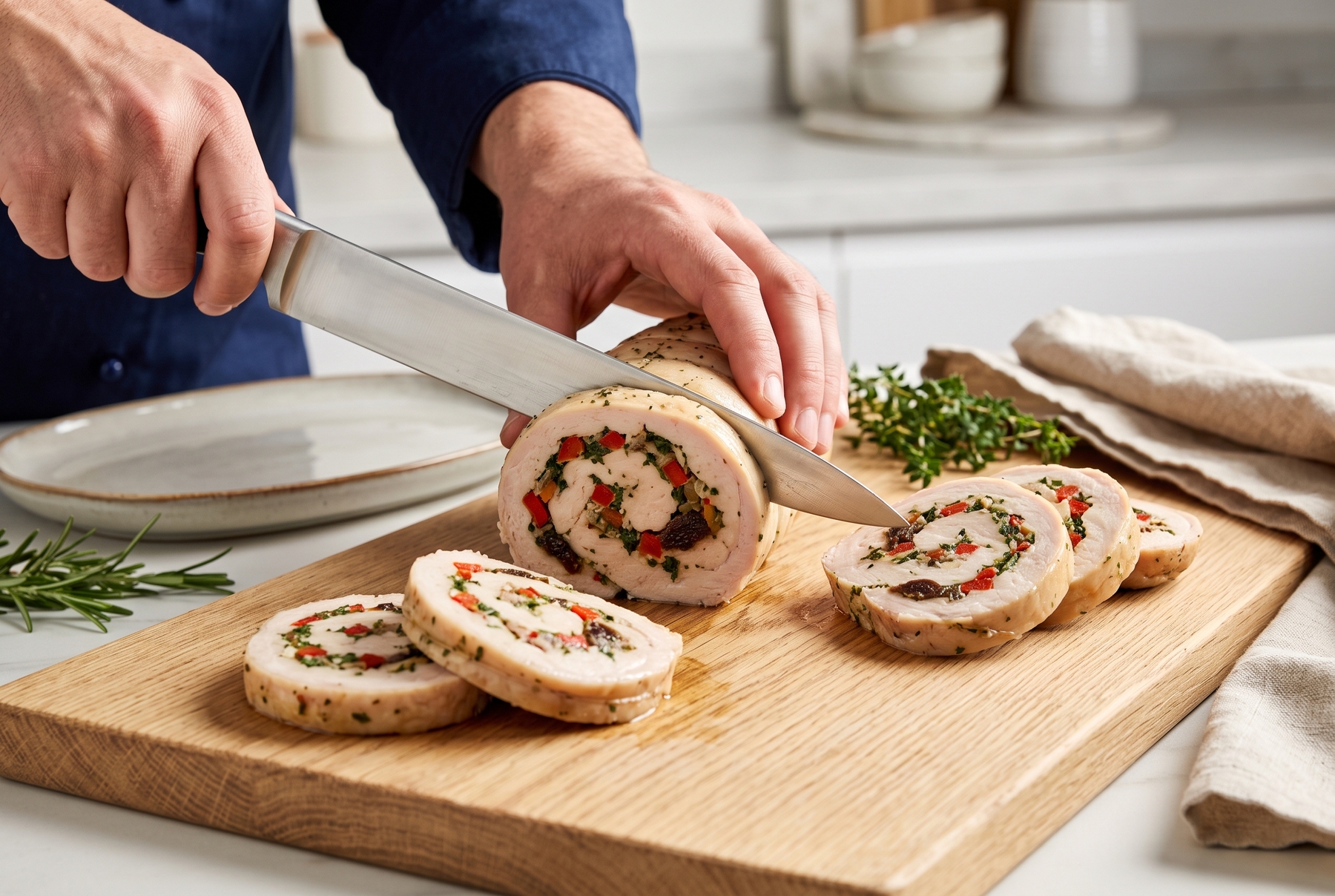
A stuffed chicken roulade slices cleanly into thin medallions only after chilling completely overnight.
Make-Ahead Salads: Three Distinct Strategies
Holiday salads fall into three clear categories, and confusing them leads to soggy disasters.
The first group includes dense salads built on cooked root vegetables and thick dressings, which can be fully assembled the night before. The second group survives in stages: you prep the ingredients ahead, but toss them with dressing an hour before dinner. The third group must be dressed and tossed the moment before it hits the table.
Vinaigrette (Russian Beet and Root Vegetable Salad)
This Eastern European classic—a diced salad of cooked beets, potatoes, carrots, pickles, and sauerkraut dressed in sunflower oil—is the ultimate example of the first group. Boiling the beets, carrots, and potatoes a day or two in advance, cooling them completely, and cutting them into neat cubes sets you up for success. Tossing the diced beets separately with oil and letting them sit for ten minutes before combining them with the other vegetables coats the surfaces, ensuring the potatoes stay bright white rather than bleeding into a uniform pink mash.
Fully assembled, a beet vinaigrette rests happily under a lid for 24 hours, growing deeper in flavor. Adding the diced brine-cured pickles and squeezed sauerkraut at the very end—along with the final pinch of salt—keeps the vegetables crisp. Salting too early draws out water, leaving the salad swimming by morning.
Herring Under a Fur Coat (Layered Beet and Herring Salad)
Known traditionally as Shuba, this iconic festive dish layers diced salted herring beneath grated boiled potatoes, carrots, eggs, and beets, binding each tier with mayonnaise. A layered salad like this genuinely needs 6 to 12 hours in the cold so the tiers fuse and the mayonnaise softens the root vegetables. Served an hour after assembly, the slices fall apart, and the fish, vegetables, and dressing taste like strangers sharing a plate.
Grating the beets only after they are bone-cold prevents warm juices from bleeding through the lower layers. Piping the mayonnaise in a fine lattice rather than spreading it with a spoon creates a lighter texture without compacting the vegetables. Pressing plastic wrap directly against the top surface and storing the dish far away from dairy desserts is essential; raw onion and cured herring broadcast their aromas instantly throughout a refrigerator.
Final garnishes—sieved egg yolk, fresh herbs, or pickled onion rings—go on top half an hour before serving.
Modular Salads (Prep Now, Toss Later)
Classic mayonnaise-bound salads like Olivier (the traditional Russian potato salad with diced meat, pickles, peas, and carrots), Mimosa (a delicate layered salad of canned fish, grated cheese, potato, and egg), and warm chicken-and-mushroom salads work best when prepped in modules. Boiling and dicing the vegetables, meats, and eggs, and sautéing the mushrooms the day before saves immense time. Storing each component in its own sealed container and tossing them with mayonnaise an hour or two before guests arrive preserves the texture.
The science is simple: cooked potatoes and hard-boiled egg whites release water into mayonnaise overnight, thinning the emulsion into a watery soup. The salad slumps, loses volume, and looks exhausted.
The third group allows zero advance assembly. Anything featuring leafy greens, croutons, toasted nuts, fresh tomatoes, sliced pears, or blue cheese comes together right at the counter, literally five minutes before everyone sits down.
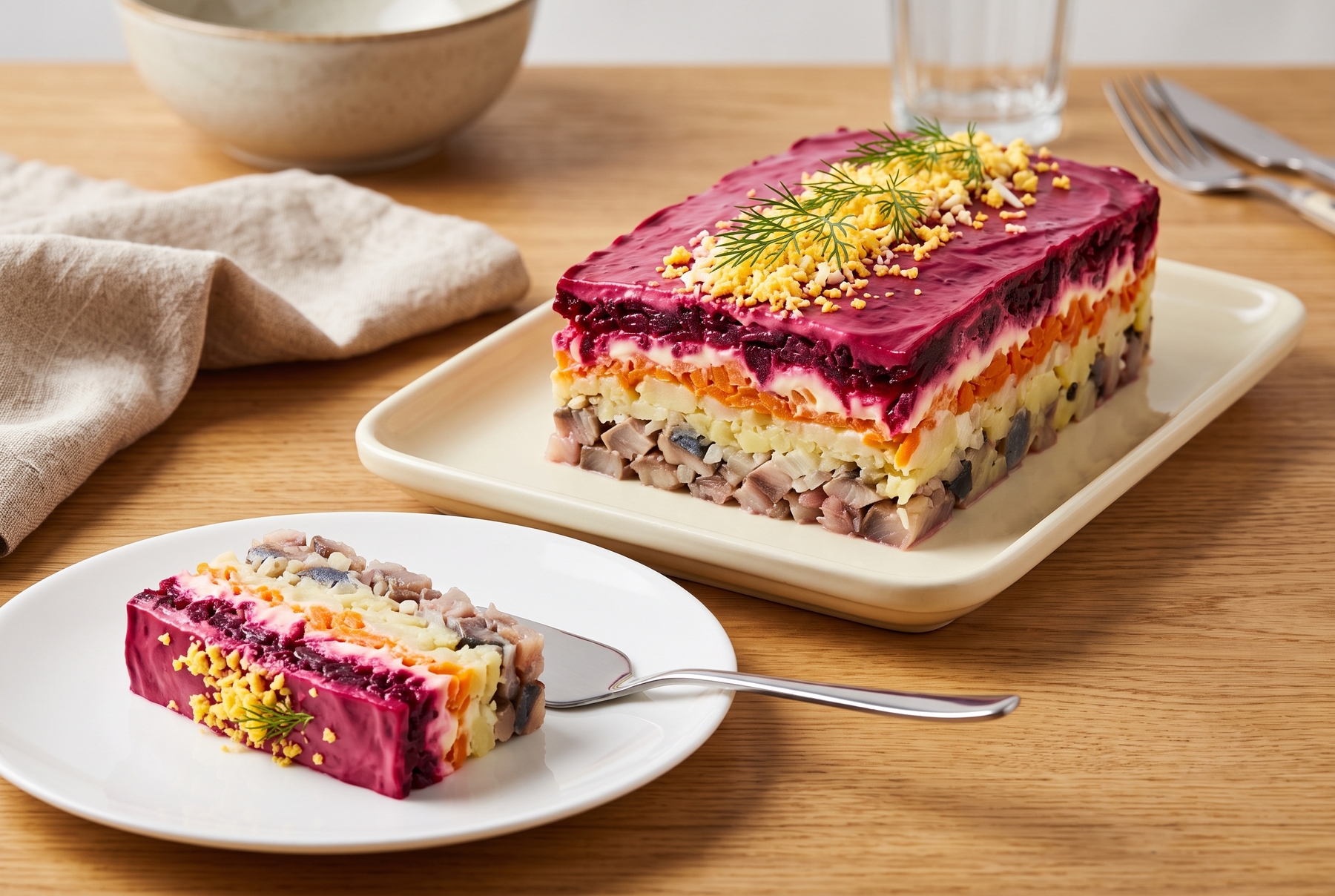
Layered salads require 6 to 12 hours in the refrigerator for the tiers to set and absorb the dressing evenly.
Holiday Mains: 5 Centerpieces That Improve Overnight
Buzhenina (Slow-Roasted Garlic and Herb Pork)
A staple of Slavic holiday tables, buzhenina is a whole boneless pork roast—typically shoulder or leg—heavily studded with garlic and rubbed with salt and spices, then slow-roasted until the center reaches 70 °C (158 °F). It is equally magnificent sliced cold for a charcuterie board or served warm as a main course. I roast mine 48 hours ahead without hesitation; that window allows the salt to penetrate to the very center, curing the meat slightly and eliminating any blandness.
Cooling the roast whole without slicing, then wrapping it tightly in parchment and plastic wrap, locks in the juices. Slicing it cold gives you clean, intact slabs, whereas hot pork shreds and crumbles. To serve it warm, wrapping the roast in foil and gently heating it at 140 °C (285 °F) for no more than 25 minutes brings it to temperature; pushing the oven any hotter forces the fat and juices out, drying the meat.
A constant mistake I see is slicing the pork the day before and overlapping the pieces on a platter under plastic wrap. The slices glue themselves together with congealed fat and take on a dull, grayish sheen.
Beef Braised in Red Wine
This is the ultimate argument for cooking the day before. Searing chuck roast or beef shank until deeply browned, then braising it under a heavy lid at 150 °C (300 °F) for three hours with red wine, onions, and carrots, yields magic by the next morning. The sauce turns glossy and thick enough to coat a spoon, and the beef surrenders at the mere nudge of a fork.
Collagen is the secret weapon here. As the tough connective tissues melt into gelatin and then cool overnight, they bind the braising liquid into a rich, velvety reduction that simply does not exist on day one. Meanwhile, the excess fat rises to the top and solidifies into a firm cap, which you can easily lift off with a spoon for a cleaner finish.
Storing the meat completely submerged in its sauce keeps it pristine for two days. Reheating slowly on the stovetop under a lid—never letting the liquid reach a rolling boil—protects the texture. Boiling causes the muscle fibers to contract and expel moisture, leaving the beef dry even while swimming in gravy. It sounds like a contradiction, but your palate will notice immediately.
Roast Duck
Duck practically begs for a two-stage cooking method. Two days before dinner, rubbing the bird with salt and leaving it uncovered in the fridge overnight air-dries the skin. The next day, roasting the duck covered in foil at 160 °C (320 °F) until the leg meat is tender, then cooling the bird whole, completes the heavy lifting.
On the day of the feast, pulling the duck from the fridge an hour early takes the chill off before it hits a blazing 210 °C (410 °F) oven uncovered for 20 to 25 minutes. The skin shrinks, darkens to the color of burnt caramel, and blisters into a shattering crispness. Every restaurant kitchen I have worked in, from Paris to Moscow, uses a version of this technique—nobody roasts a whole duck from raw for two and a half hours during dinner service.
Keeping the duck whole and tightly wrapped until its final blast of heat prevents the breast meat from drying out. And never let a microwave near roast duck; steam turns the skin into rubber, destroying any hope of crispness.
Lasagna
You have two reliable paths with lasagna. Path one: assemble it unbaked the day before and bake it fresh for dinner. This gives you a bubbly, browned top with stretchy cheese, though a cold baking dish straight from the fridge needs an extra 15 to 20 minutes in the oven unless you pull it out early to warm up.
Path two: bake it completely the day before, cool it, and reheat it covered in foil at 160 °C (320 °F) for about 30 minutes. This method slices like a dream, yielding neat, architectural squares that hold their posture on the plate.
The primary danger in both scenarios is a watery sauce. Simmering the Bolognese until it is noticeably thicker than a standard pasta sauce prevents the sheets from absorbing excess liquid and weeping a puddle onto the bottom of the pan. Conversely, keeping the béchamel slightly looser than usual compensates for how much it thickens as it cools.
Moussaka
Layered with eggplant, spiced meat ragù, and a thick custard or béchamel cap, moussaka literally requires a rest period just to become sliceable. Fresh from the oven, moussaka collapses into a delicious heap. The next day, it cuts into sharp, clean squares.
Baking the casserole completely, cooling it, and keeping it covered in foil in the fridge works for up to 48 hours. Reheating at 160 °C (320 °F) under foil for 25 to 30 minutes—removing the foil for the final five minutes to wake up the golden crust—brings it back to life.
Roasting or pan-frying the eggplant slices until completely tender before assembly is mandatory. Undercooked eggplant will not soften overnight, leaving you with spongy, tough layers after reheating.
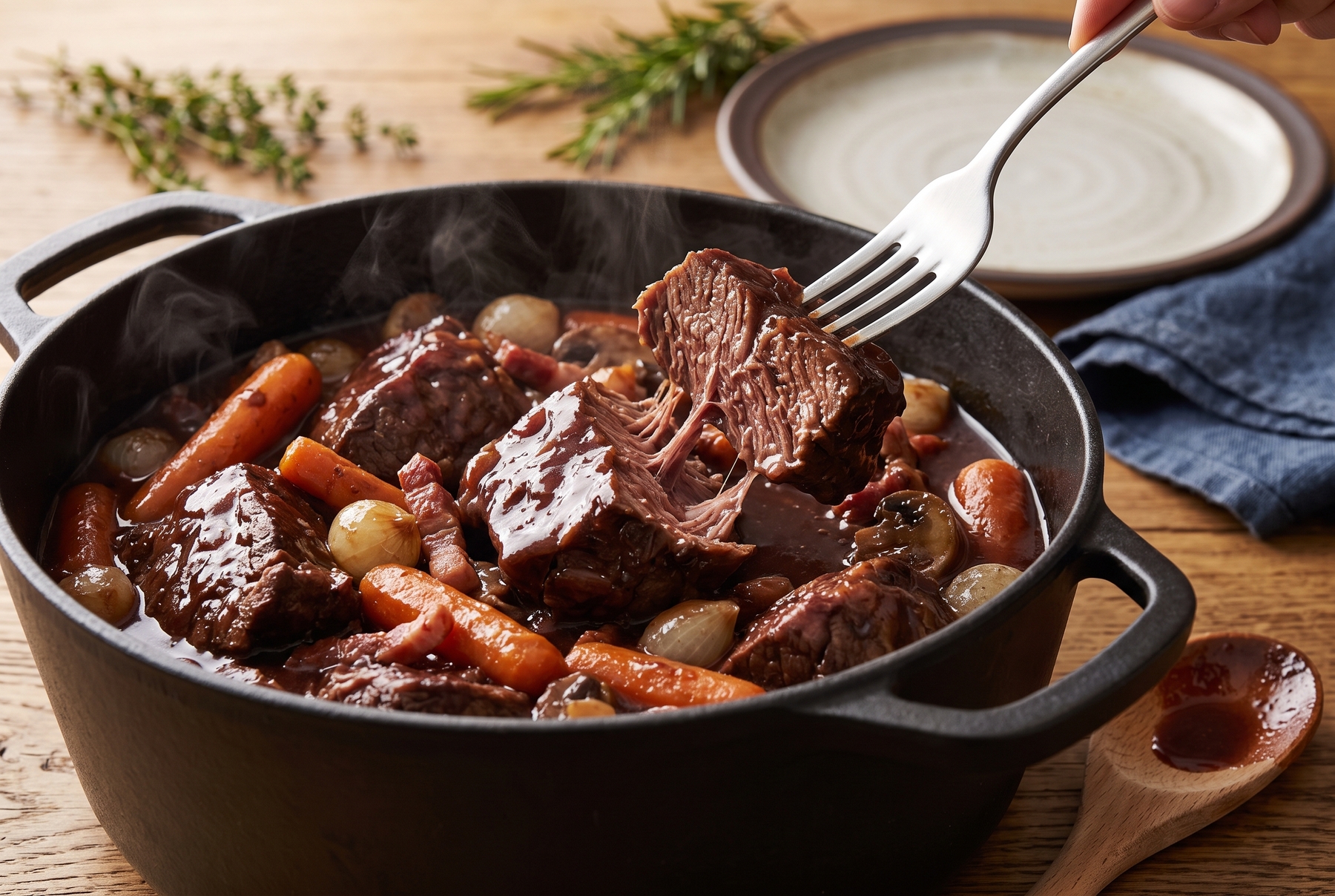
On the second day, braised meat grows even more tender while the wine sauce develops a silky richness.
Side Dishes: 2 Accompaniments That Survive Reheating
Potato Gratin (Gratin Dauphinois)
Whether assembled ahead and baked fresh, or baked entirely in advance and reheated, potato gratin is bulletproof. Heavy cream and natural potato starches lock together into a dense matrix that refuses to split or weep in the cold.
Slicing the potatoes to a uniform 2–3 mm (1/8 inch) thickness on a mandoline, simmering them briefly in hot cream, and baking at 170 °C (340 °F) until a skewer slides into the center without resistance guarantees tenderness.
Reheating under foil at 160 °C (320 °F) takes about 20 minutes, uncovering the dish at the end to let the gruyère bubble. A classic mistake is assembling raw slices with cold cream and refrigerating the unbaked dish; the outer potatoes oxidize and turn tough during baking.
Roasted Root Vegetables
Tossing chunks of carrots, parsnips, beets, and turnips with olive oil and thyme, then roasting them at 200 °C (400 °F) until the edges caramelize, can be done entirely the day before. Storing them in a container and blasting them in a ripping-hot 220 °C (425 °F) oven for 8 to 10 minutes right before dinner revives the crispy edges while keeping the centers creamy.
Mashed potatoes and rice demand more caution. Reheating mashed potatoes works only on the stovetop over low heat, folding in splashes of hot milk and fresh butter; the microwave ruptures the swollen starch granules, turning fluffy mash into wallpaper paste. Cooked rice must be cooled within an hour, stored in the fridge for no more than 24 hours, and reheated once until steaming hot throughout. Rice left sitting at room temperature overnight is a textbook vector for foodborne illness and belongs in the trash.
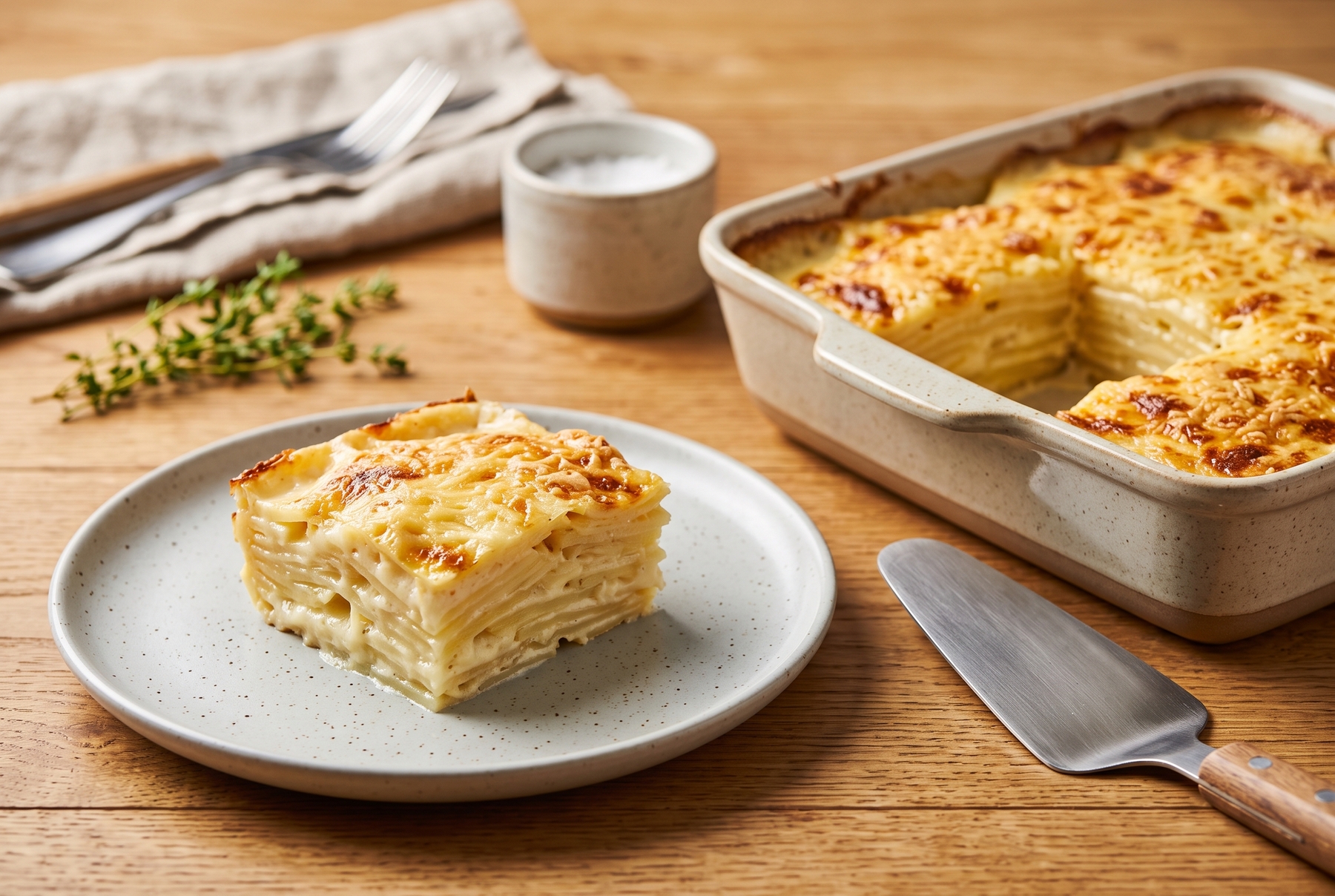
Potato gratin reheats beautifully under foil, keeping its rich moisture and tender layers intact.
Baking and Desserts: 4 Dishes That Need Overnight Rest
Quiche
A savory custard tart in a shortcrust pastry shell actually tastes better on day two. Chilling allows the egg-and-cream filling to set firmly, yielding razor-sharp slices that never slump on the plate.
Baking the quiche completely the day before, cooling it in its ring, and storing it under foil in the fridge for 24 hours is the professional way. A quick 12 to 15-minute warm-up at 160 °C (320 °F) crisps the bottom crust right back up. Quiche shines brightest when served warm, never piping hot.
One non-negotiable rule: you must blind-bake the pastry shell with pie weights until golden before adding the liquid filling. Skipping this step guarantees the custard will soak into the raw dough overnight, creating a soggy bottom that no oven can rescue.
Medovik (Russian Layered Honey Cake)
Made from paper-thin, caramelized honey-spiced biscuit layers sandwiched with a tangy sour cream frosting, Medovik requires 8 to 12 hours in the refrigerator to work its magic. The dry, crisp cookies drink in the moisture from the sour cream, transforming into a unified, melt-in-your-mouth cake. Cut into a honey cake two hours after assembly, and your knife will crunch through dry, separate layers.
Assembling the cake the evening before, wrapping it tightly in plastic (honey and dairy absorb fridge odors like a sponge), and leaving it overnight is essential. Coating the sides with toasted cake crumbs happens in the morning, saving final garnishes for serving time.
This exact principle applies to almost all syrup-soaked sponge cakes and mille-feuille (Napoleon), which sometimes benefits from a full 24-hour rest.
Tiramisu
You simply cannot rush a proper tiramisu. The mascarpone zabaglione needs hours to firm up, the espresso-dipped ladyfingers must soften into cake-like pillows, and the bitter coffee notes need time to marry with the sweet cream. Give it a minimum of 6 to 12 hours in the cold.
Pressing plastic wrap directly onto the cream prevents a skin from forming, and dusting the top with cocoa powder happens exclusively right before serving. Dusted the night before, cocoa absorbs moisture from the cream, turning dark, wet, and blotchy. Tiramisu keeps for 24 to 48 hours.
A candid note on food safety: traditional tiramisu relies on raw egg yolks. If your guest list includes children, pregnant women, or elderly relatives, use pasteurized eggs or whisk the yolks with sugar syrup over a simmering water bath (bain-marie) until they reach 70 °C (158 °F). The flavor remains untouched, and the custard actually gains a more stable, velvety body.
Baked Cheesecake
A New York-style baked cheesecake physically needs a night in the refrigerator to complete its structural set. Cut into a warm cheesecake, and the filling smears across the blade like warm cream cheese. Chilled overnight, it slices cleanly and stands tall.
Baking the cake in a water bath at 160 °C (320 °F) until the outer ring is set but the center still wobbles like Jell-O when nudged prevents overcooking. Cooling it gradually—first in the turned-off oven with the door cracked, then at room temperature, and finally in the fridge—prevents thermal shock, which is what causes deep canyons to crack across the surface.
Cheesecake holds beautifully for three days. Fresh berries and fruit compotes go on top just before serving, as their natural acids and juices will weep and puddle on the surface overnight.
Panna cotta follows the same timeline, needing about 6 hours for the gelatin to set, though unmolding it onto plates should wait until the moment before dessert service.
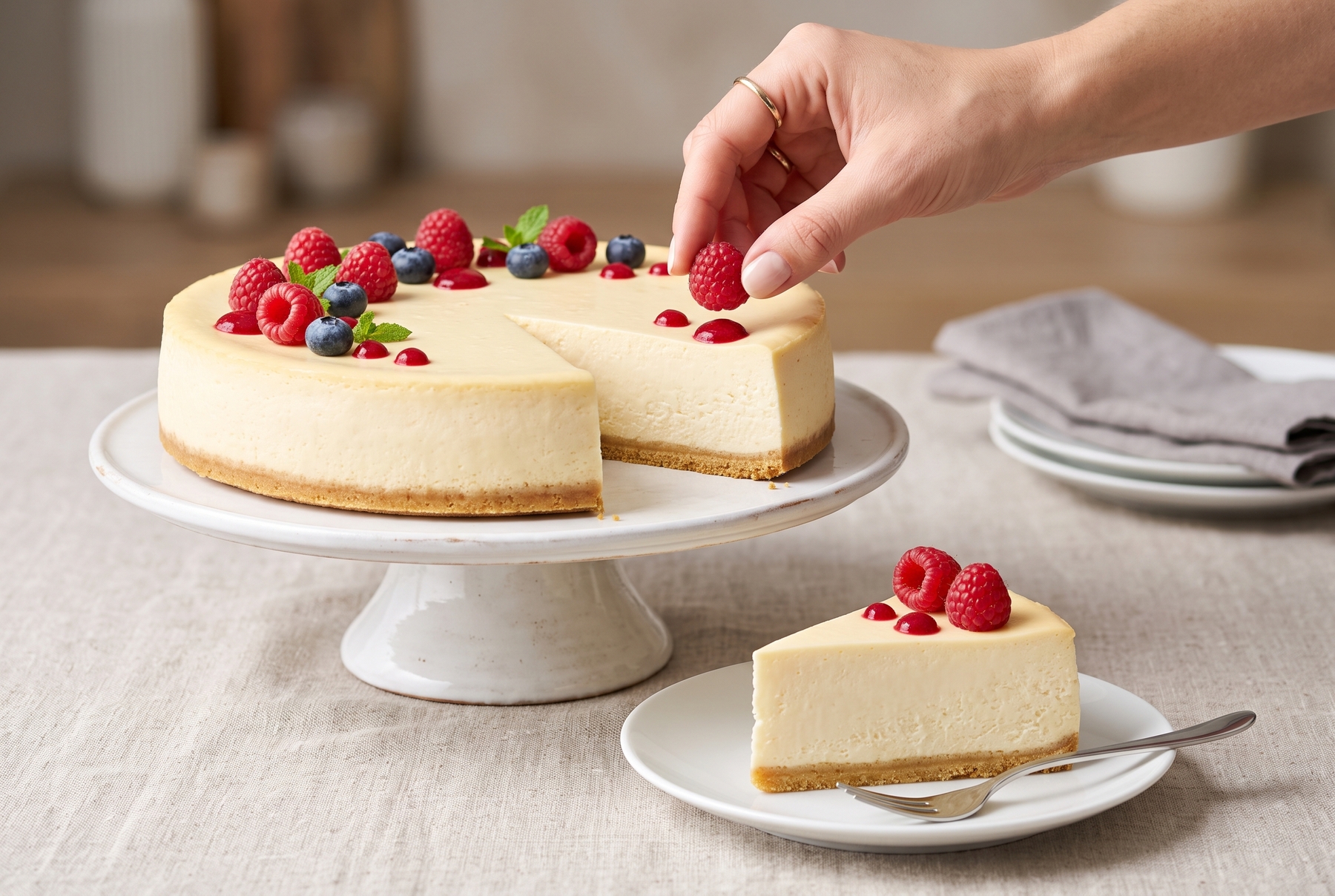
A baked cheesecake needs an overnight chill to set its structure, while fresh berries go on right before serving.
How to Plan a Make-Ahead Menu Without Bottlenecks
When planning a holiday meal, stop counting recipes and start counting heat sources and refrigerator shelves. In a home kitchen, oven space and cold storage always run out long before your energy does.
For a dinner party of eight, my formula looks like this: three or four cold appetizers (100% prepped ahead), one dense root-vegetable or layered salad (assembled the night before), one crisp green salad (tossed at the table), one oven-roasted centerpiece, one reheatable side dish, and one make-ahead dessert.
With this blueprint, your oven turns on twice on party day: once to finish or reheat the main course, and once for ten minutes to crisp up the side dish. Your stovetop remains completely cold and clean. Everything else simply moves from the refrigerator to serving platters.
Rule number two: never schedule two oven dishes that demand vastly different temperatures at the same time. You cannot crisp a duck at 210 °C (410 °F) while gently warming a potato gratin at 160 °C (320 °F). One dish will either burn or sit cooling on the counter waiting for the other. Stagger their baking times or adjust your menu.
Finally, audit your refrigerator 48 hours in advance. Clear an entire shelf from edge to edge; twelve prep containers and a cake box will not magically fit around a week’s worth of milk cartons and condiment jars.
The Countdown: 48 Hours, 24 Hours, Morning Of, and 1 Hour Before
48 Hours Ahead
- Boil root vegetables for salads, cool completely, and store unpeeled and uncut.
- Roast the pork (buzhenina) or roast beef, cool, and wrap tightly.
- Blend the chicken liver pâté, pot it, and seal with clarified butter.
- Bake the honey cake layers and store them wrapped at room temperature.
- Roast and marinate the bell peppers, zucchini, and eggplant.
- Finish all grocery shopping for perishables and fresh herbs.
24 Hours Ahead
- Assemble and bake the lasagna, moussaka, or potato gratin.
- Braise the beef in red wine and cool it in its sauce.
- Assemble the layered salads (Shuba) and frost the honey cake.
- Bake the cheesecake or assemble the tiramisu.
- Boil the eggs and pipe the deviled egg filling into a sealed pastry bag.
- Roll the savory cheese truffles (leave them uncoated).
- Dry-brine the duck with salt and leave it uncovered in the fridge, or complete its first slow roast.
Morning of the Feast
- Dice the pre-cooked salad ingredients and store them in separate containers.
- Pipe the yolk filling into the deviled egg whites and cover with a damp towel.
- Wash and spin-dry all salad greens and herbs; wrap them in damp paper towels.
- Set the dining table completely, including serving platters, silverware, and glassware.
1 Hour Before Guests Arrive
- Pull cold appetizers (pâté, roast beef, marinated vegetables) from the fridge to take the chill off.
- Slide the main course into the oven to reheat or crisp.
- Toss the modular salads with dressing and transfer to serving bowls.
- Slice the cold roast meats thinly and arrange the charcuterie platters.
- Roll the cheese truffles in nuts, herbs, and spices.
- Garnish the salads and dust the tiramisu with cocoa or top the cheesecake with berries just before serving.
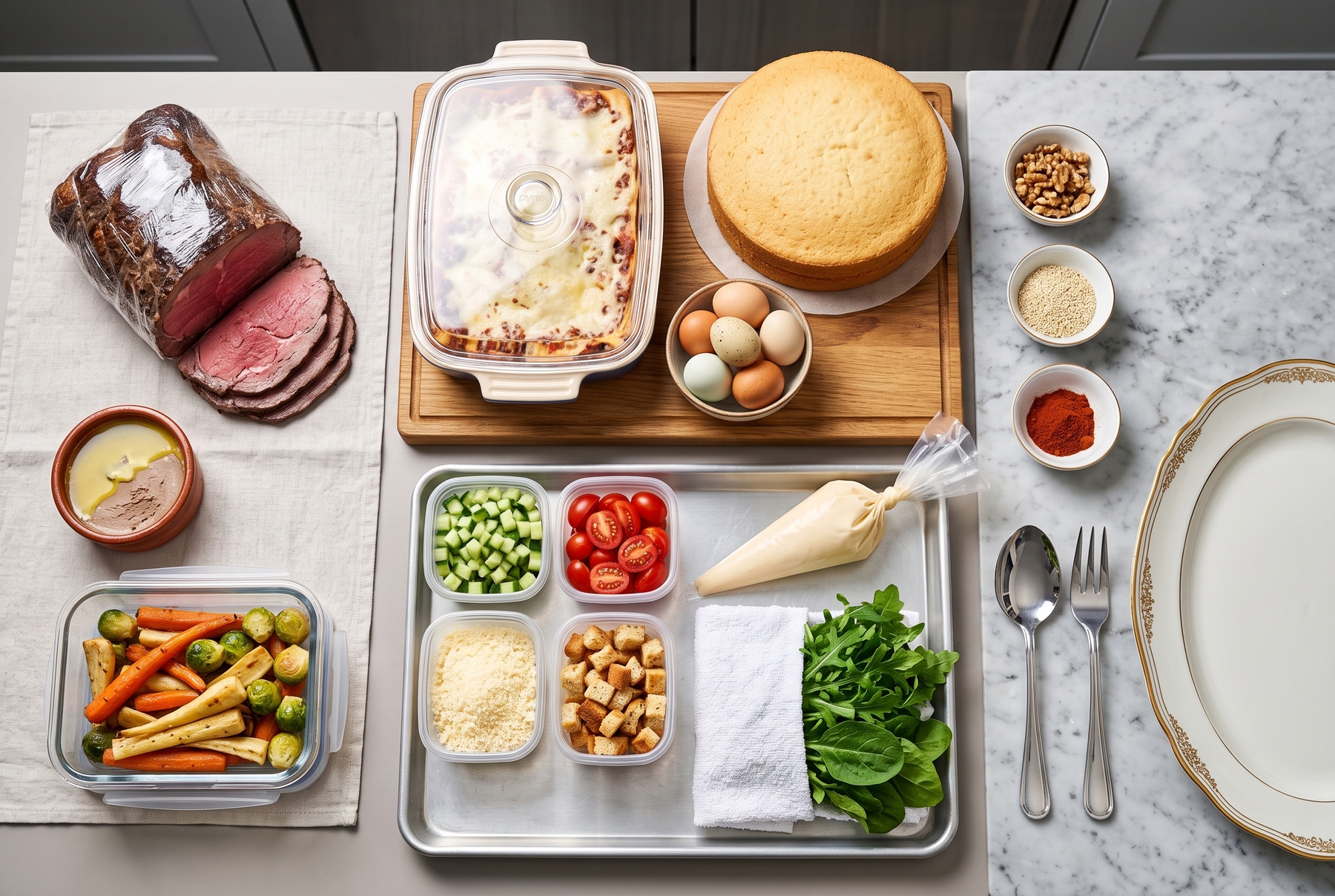
Storing diced ingredients and sauces separately in sealed containers preserves the fresh texture of every dish.
Professional Storage Rules to Protect Flavor
Cool food rapidly. Placing a steaming-hot Dutch oven of beef stew directly into the refrigerator raises the ambient temperature inside the unit, putting every perishable item on the shelves at risk. Leaving that same pot on the stove overnight is a severe food safety hazard. Instead, divide hot food into shallow containers no deeper than 5–6 cm (2 inches), let the steam dissipate until barely warm, and then refrigerate. Cooked food should never sit in the temperature danger zone at room temperature for more than two hours—and even less in a warm kitchen.
Monitor your fridge temperature. The sweet spot is 2–4 °C (35–39 °F). Because the door racks are consistently warmer than the back wall due to frequent opening, store meat, fish, and egg dishes pushed toward the rear of the shelves.
Wrap with contact. Stretching plastic wrap across the rim of a bowl traps a pocket of air inside; that air creates condensation, which drips onto the food and oxidizes the surface. Press plastic wrap directly against the surface of sauces, custards, and layered salads. Keep braised meats completely submerged beneath their liquid.
Quarantine strong aromas. Salted herring, raw onions, garlic, and smoked meats belong in airtight, gasket-sealed containers. High-fat dairy—mascarpone, heavy cream, butter, and cheesecake—absorbs airborne odors aggressively. I once ate a slice of tiramisu at a friend’s New Year’s Eve party that tasted unmistakably of pickled herring; since that night, fish and desserts never even share the same shelf in my kitchen.
Keep acids away from aluminum. Never cover tomato-based dishes or vinegar marinades directly with aluminum foil. The acid reacts with the metal, pitting the foil and imparting a sharp, metallic tang to the food. Use glass, ceramic, or food-grade plastic instead, or place a barrier of parchment paper beneath the foil.
Reheat once and thoroughly. Bring reheated dishes to an internal temperature of 70 °C (158 °F) for at least two minutes—meaning steaming hot all the way through, not merely lukewarm. Anything reheated a second time loses its texture and compromises safety.
The Science of Why Stews, Pâtés, and Layered Salads Peak on Day Two
It all comes down to fat solubility and time. The volatile aromatic compounds in garlic, black pepper, thyme, and wine are fat-soluble, not water-soluble. They dissolve into cooking fats slowly over hours, long after the pot stops bubbling. Overnight, those infused fats disperse evenly throughout the liquid, trading sharp, isolated notes for a deep, unified chord of flavor.
Dried spices behave similarly. Ground paprika, cumin, and cracked pepper release only their surface aromatics during cooking. Their full essential oils bloom slowly in the cold as they hydrate in the sauce over 8 to 10 hours.
Gelatin provides the textural magic. During a long braise, tough collagen in beef chuck or shank unwinds into gelatin. As the stew cools in the refrigerator, that gelatin forms a three-dimensional network that traps liquid, giving reheated gravy a natural, lip-sticking velvetiness that cornstarch or flour roux can never replicate.
Salt diffusion also demands patience. In a thick pork roast, salt migrates toward the center at a glacial pace. A roast seasoned 48 hours ahead tastes seasoned from edge to core, differing from a last-minute roast just as dramatically as a crisp, lightly cured pickle differs from a raw cucumber soaked in salted water.
Remember that this chemistry only rewards dishes rich in fat, collagen, and dense starches. A bowl of dressed arugula will never improve overnight, no matter how much optimism you bring to the table.
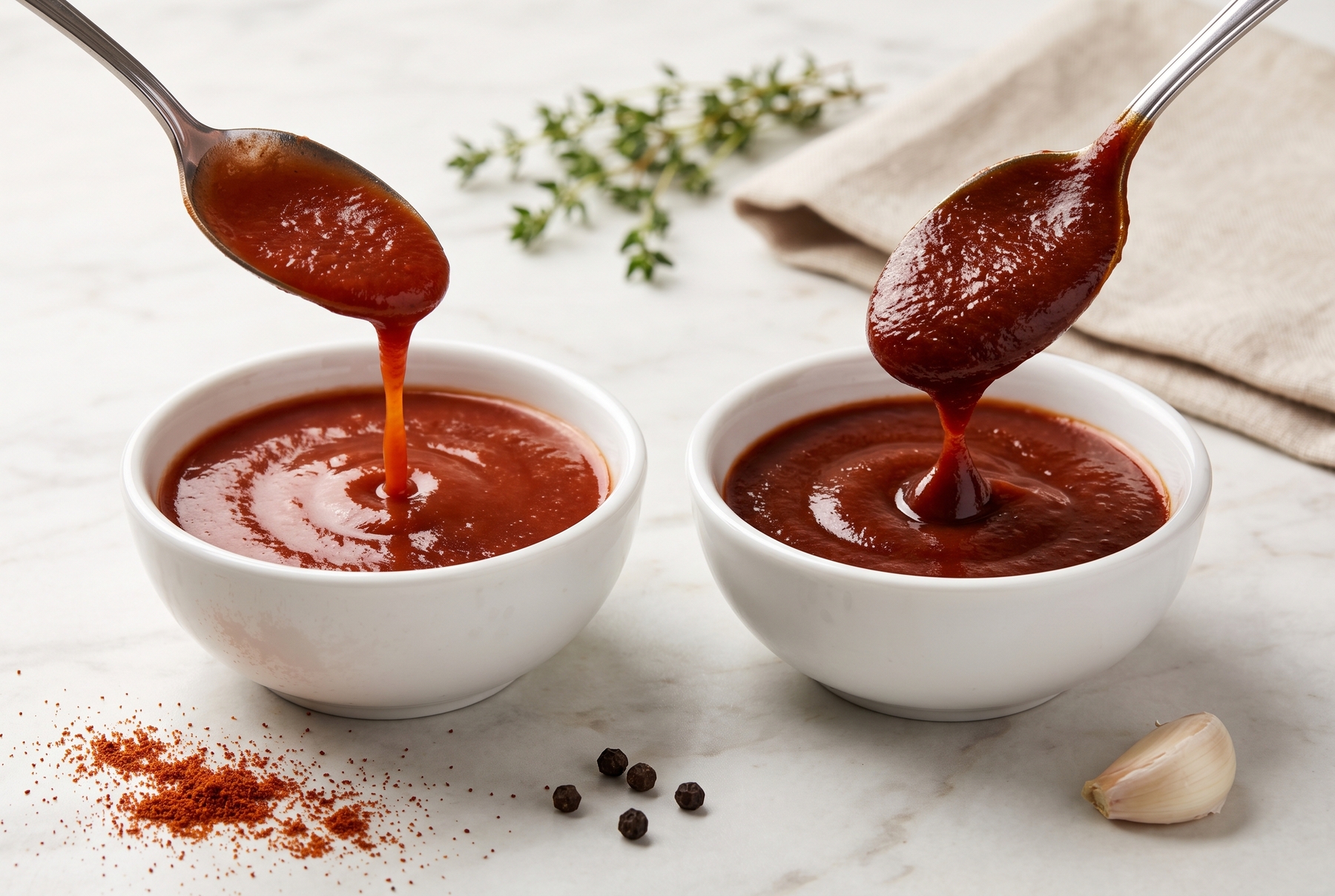
Overnight in the cold, natural gelatin and fats transform a thin pan juice into a thick, velvety sauce.
7 Mistakes That Ruin Make-Ahead Prep
Leaving pots on the stove to cool overnight. This is the most common and dangerous habit in home cooking. A heavy pot of stew takes six hours to cool under a lid, spending half that time right in the temperature sweet spot where bacteria multiply exponentially.
Reheating over high heat. Blasting cold meat in a hot pan or microwave shocks the proteins, squeezing out moisture and turning tender braises into dry rope. Gentle, covered heat preserves every drop of juice.
Slicing and garnishing too early. Sliced meat oxidizes and curls, fresh herbs blacken, grated egg yolk turns leathery, and cocoa powder turns to mud on tiramisu. Save all knife work and decorative touches for the final 30 minutes.
Using a plate as a lid. Inverting a dinner plate over a bowl does nothing to stop air circulation, moisture loss, or odor transfer. Use tight plastic wrap or gasket-sealed containers—there is no third option.
Salting vegetable salads the night before. Salt is hygroscopic; it pulls water out of plant cells through osmosis within hours. Dress and salt your salads early, and you will serve them in a puddle.
Forcing delicate foods into a make-ahead schedule. Breaded cutlets, leafy greens, shellfish, and warm butter emulsions cannot be prepped ahead. The list is short, yet home cooks test fate every holiday season.
Forgetting to clear the fridge. Twelve prep containers, a lasagna pan, and a 26 cm (10-inch) cake require dedicated real estate. Clear the shelves two days before the party, not while you are standing in the kitchen holding a warm roasting pan.
The Ultimate Make-Ahead Cheat Sheet
48 Hours Ahead: Whole boiled root vegetables (unpeeled), liver pâté, roast beef, slow-roasted pork (buzhenina), marinated roasted vegetables, un-frosted cake layers, and rich stocks.
24 Hours Ahead: Braised meats in sauce, lasagna, moussaka, potato gratin, stuffed poultry roulades, layered mayonnaise salads, frosted sponge and honey cakes, baked cheesecake, tiramisu, panna cotta, quiche, and separated deviled egg components.
Morning Of: Diced salad ingredients stored in separate containers, assembled deviled eggs, washed and dried herbs, and a fully set dining table.
Right Before Serving: Tossing salads with dressing, slicing cold roasts, rolling cheese balls in crunchy coatings, garnishing desserts, and cooking anything pan-fried or leafy.
Never Make Ahead: Shrimp, squid, breaded cutlets, warm egg emulsions, open puff-pastry tarts, and crispy roasted or fried potatoes.
On the day of the feast, the roast beef is always the first thing I pull from the refrigerator, a full 40 minutes before anything else. That is the exact window it needs to stop feeling like a cold stone and start smelling like deeply savory, roasted meat.
0 comments