
Apple butter gets its name not from containing actual butter, but from its incredibly soft, creamy texture that spreads as easily on bread as the real deal. This traditional treat hails from European and American cuisines, where it was historically slow-cooked in copper kettles until it reached a deep caramel hue. During the long simmering process, the apples reduce into a thick, dark paste steeped in the aromas of cinnamon, star anise, and spicy ginger. Its rich flavor and dense consistency make apple butter a perfect addition to a vegan or vegetarian diet, turning an ordinary breakfast into a gourmet experience.
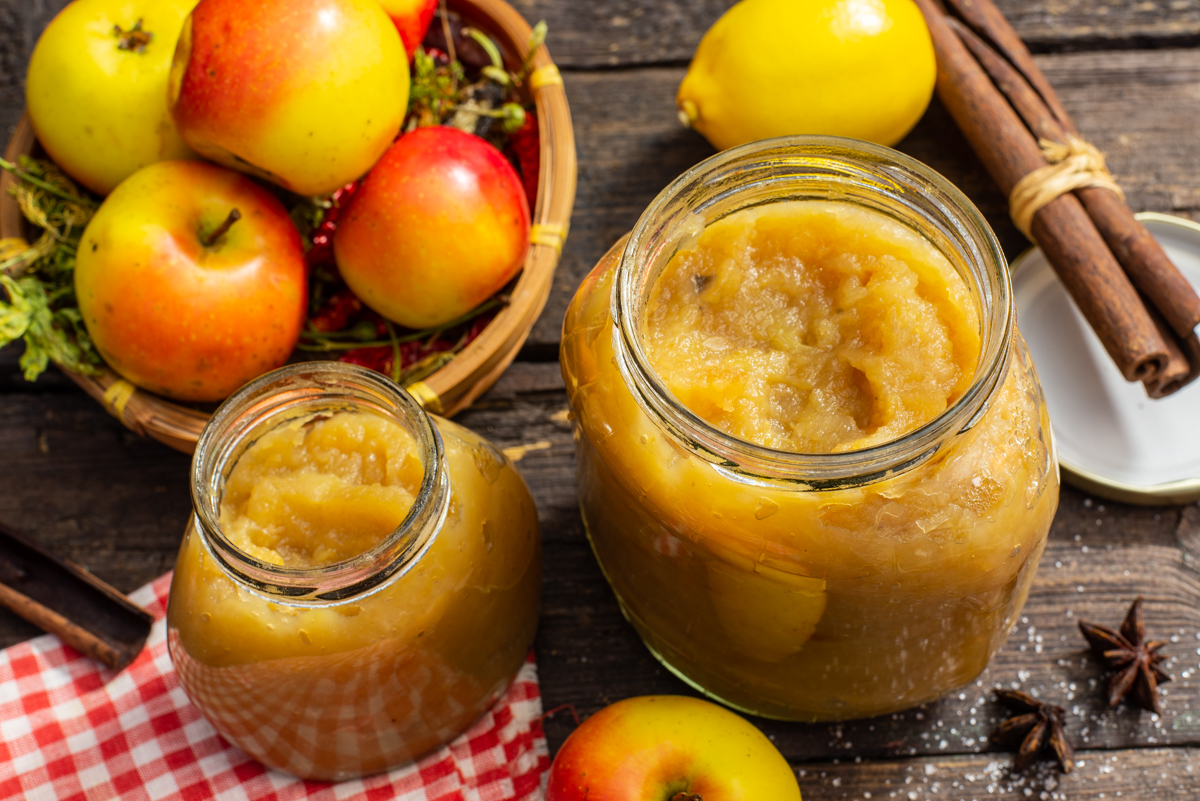
Thick, aromatic apple butter is the perfect breakfast addition or pastry filling.
Ingredients
- 1 kg (2.2 lbs) peeled apples
- 150 ml (5 fl oz) water
- 1 lemon
- 1 tbsp grated ginger
- 1 cinnamon stick
- 2-3 star anise pods
- Sugar to taste
How to Make Apple Butter
Cut the apples and remove the core. You can use absolutely any apples for this recipe—overripe, sweet, or tart. Cut away any bruised or damaged spots along with the seeds.
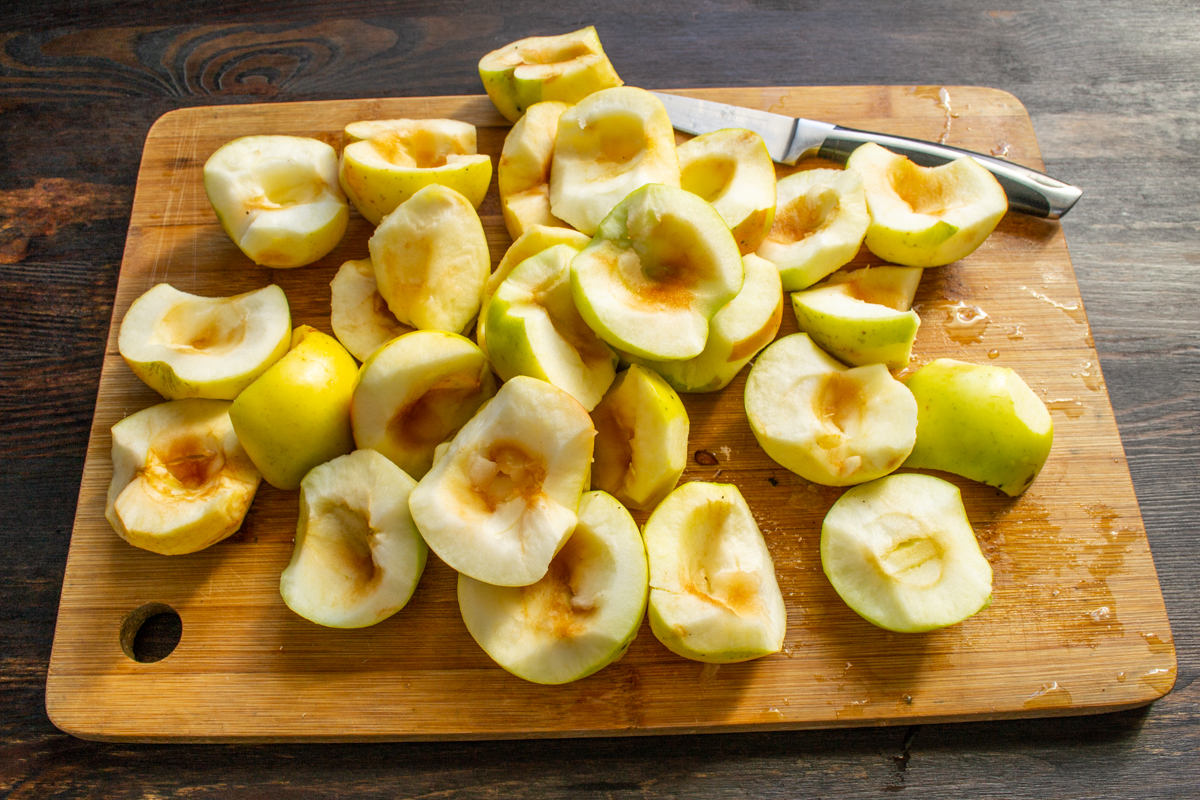
Any apple varieties work for this recipe; just be sure to thoroughly remove the core and any bruised parts.
Peel the apples and slice them into small pieces. Pour water into a pot and add the chopped apples.
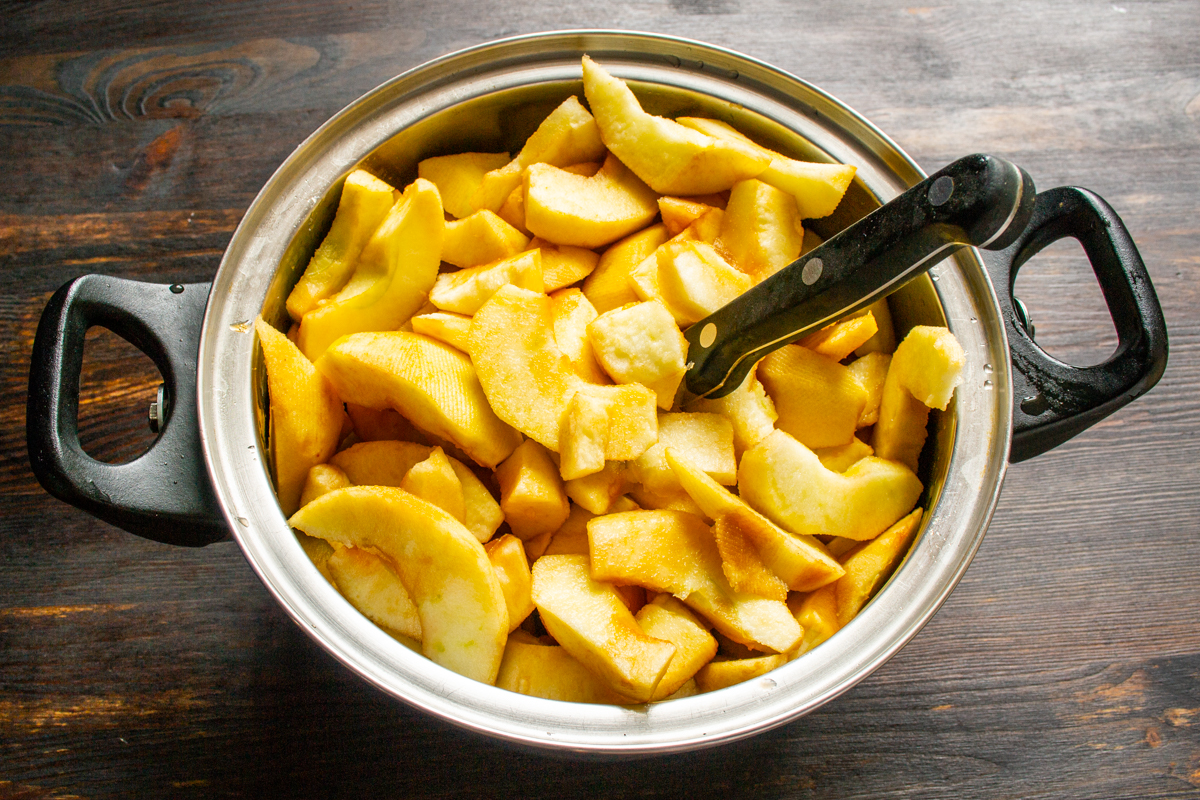
Pour a small amount of water over the prepared apple slices to start the cooking process.
Scald the lemon with boiling water and wash it thoroughly. Grate a thin layer of yellow lemon zest using a fine grater and add it to the apples. Wash the ginger root well and scrape off the skin with a vegetable peeler or a teaspoon. Finely grate the ginger using the same grater.
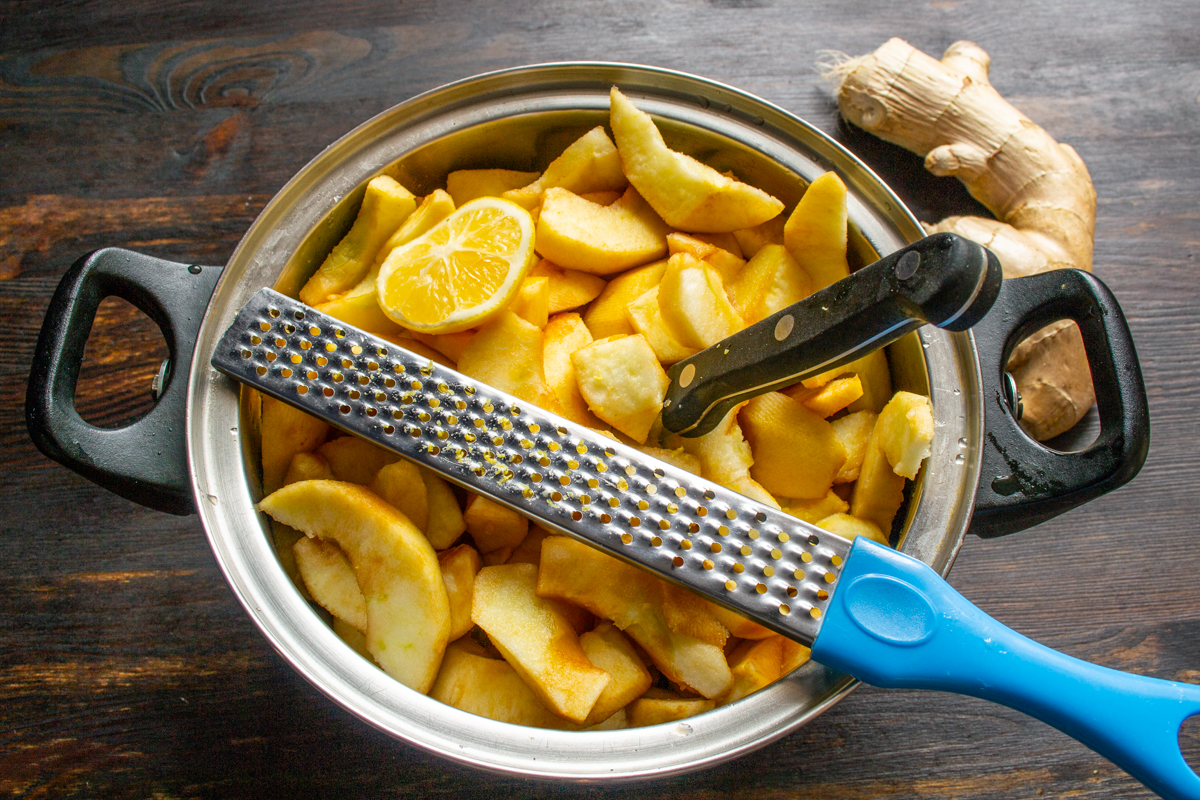
Fresh lemon zest and grated ginger root will give the butter a unique, spicy aroma.
After zesting the lemon, squeeze out the juice. Strain the lemon juice to remove any seeds.
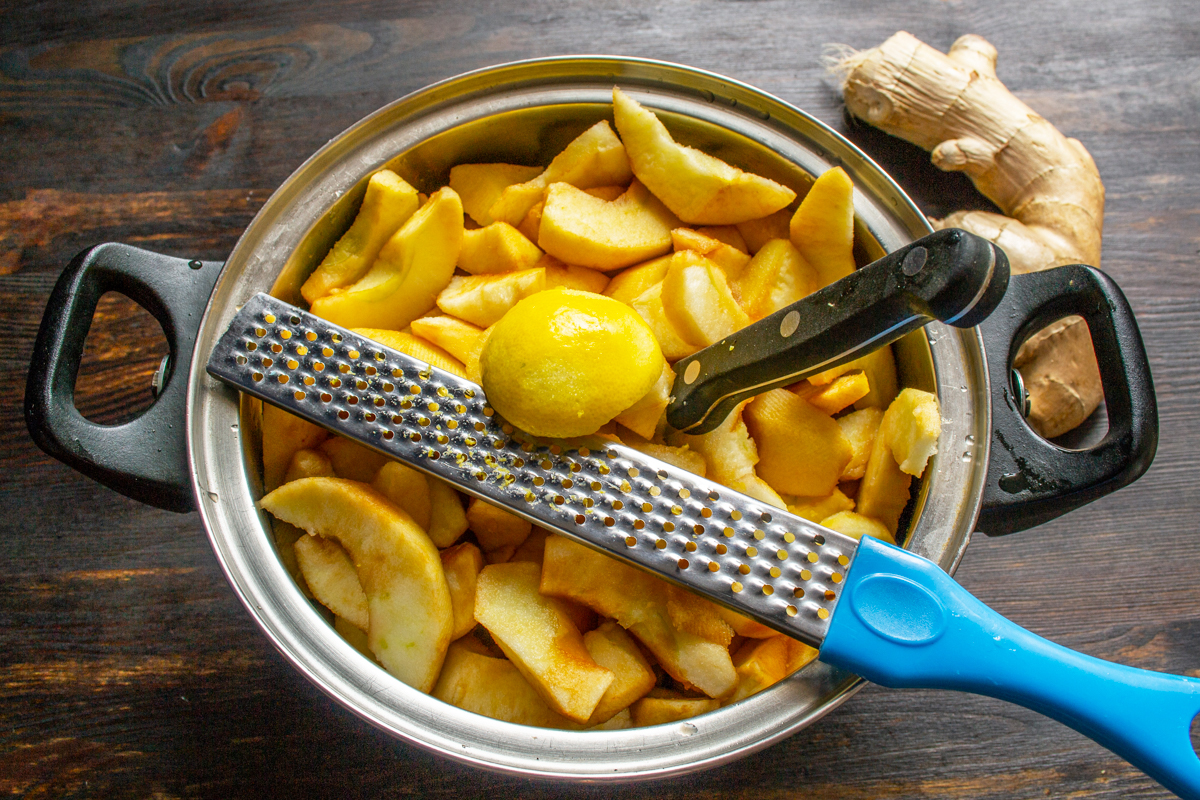
After zesting, squeeze the juice to balance the sweetness and help preserve the bright color of the product.
Add the granulated sugar. Toss in the cinnamon stick and star anise. Adjust the amount of sugar to your liking. If the apples are very sweet, you can skip the sugar entirely, or stir a little honey into the finished, cooled apple puree instead. It will be both delicious and healthy.
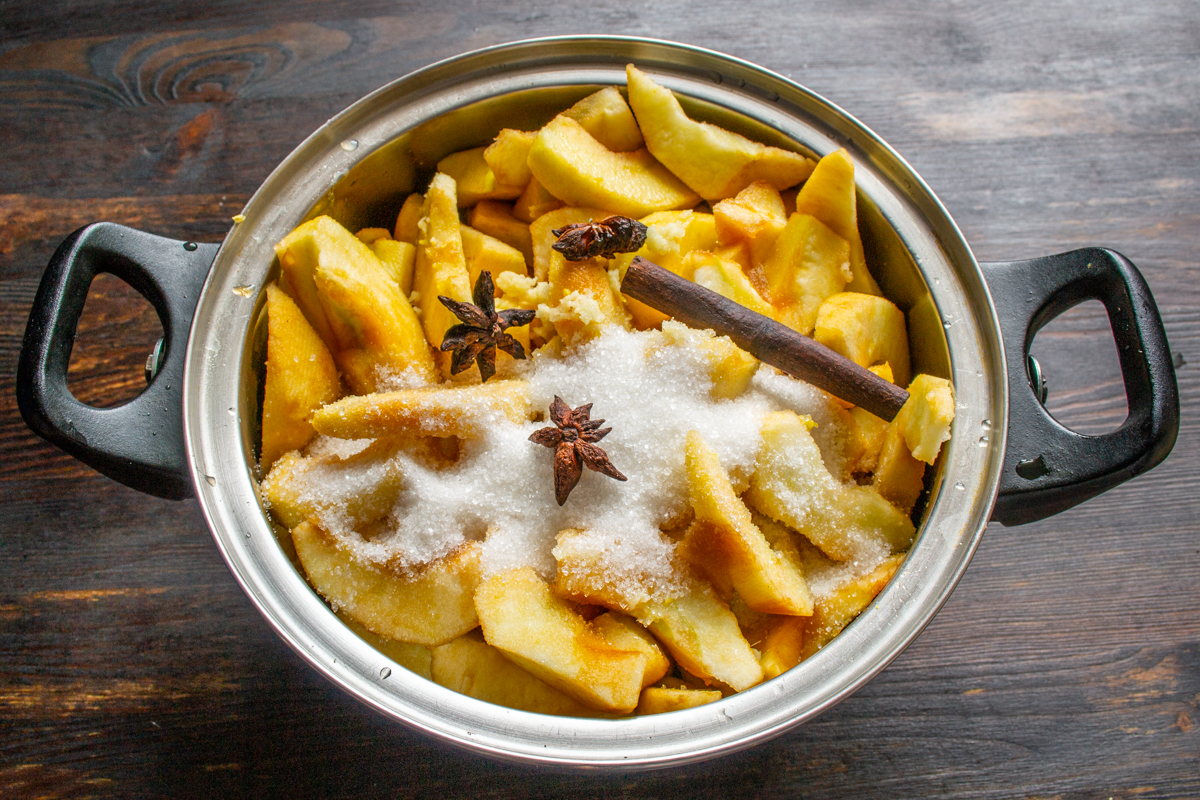
Cinnamon and star anise are classic apple companions that create a cozy winter aroma.
Cover the pot with a lid and bring to a boil. Simmer over moderate heat for about an hour. The apples should steam and break down into a soft puree. After an hour, remove the lid and cook the apple butter over low heat for another 10-15 minutes, stirring frequently so nothing burns. Pack the finished apple butter into jars. By the way, stirring a little dairy butter into the puree adds a velvety richness, but note that this version won’t keep for long and should be eaten quickly.
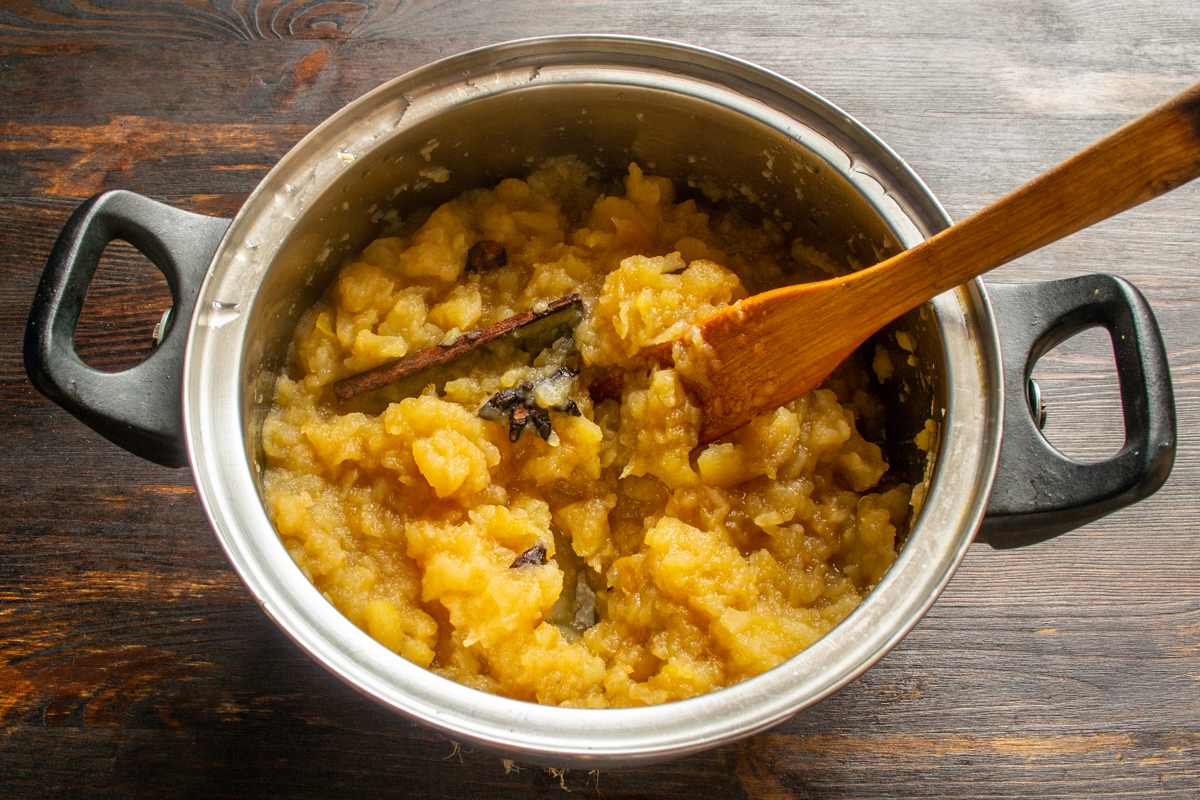
Simmer over low heat until the apples turn into a thick, smooth puree with a velvety texture.
If you plan to eat the apple butter within the next week, simply transfer the hot mixture to clean jars, let it cool, and store it in the refrigerator. For long-term winter storage: wash the jars thoroughly with warm water and baking soda or dish soap. Rinse with clean water, then scald with boiling water. Pack the boiling puree into hot jars and seal with boiled lids. To sterilize, place a wooden rack at the bottom of a wide pot and arrange the sealed jars on it. Pour in hot water so the jars are fully submerged. Bring to a boil and sterilize the 500 ml (17 fl oz) jars for 15 minutes after the water boils.
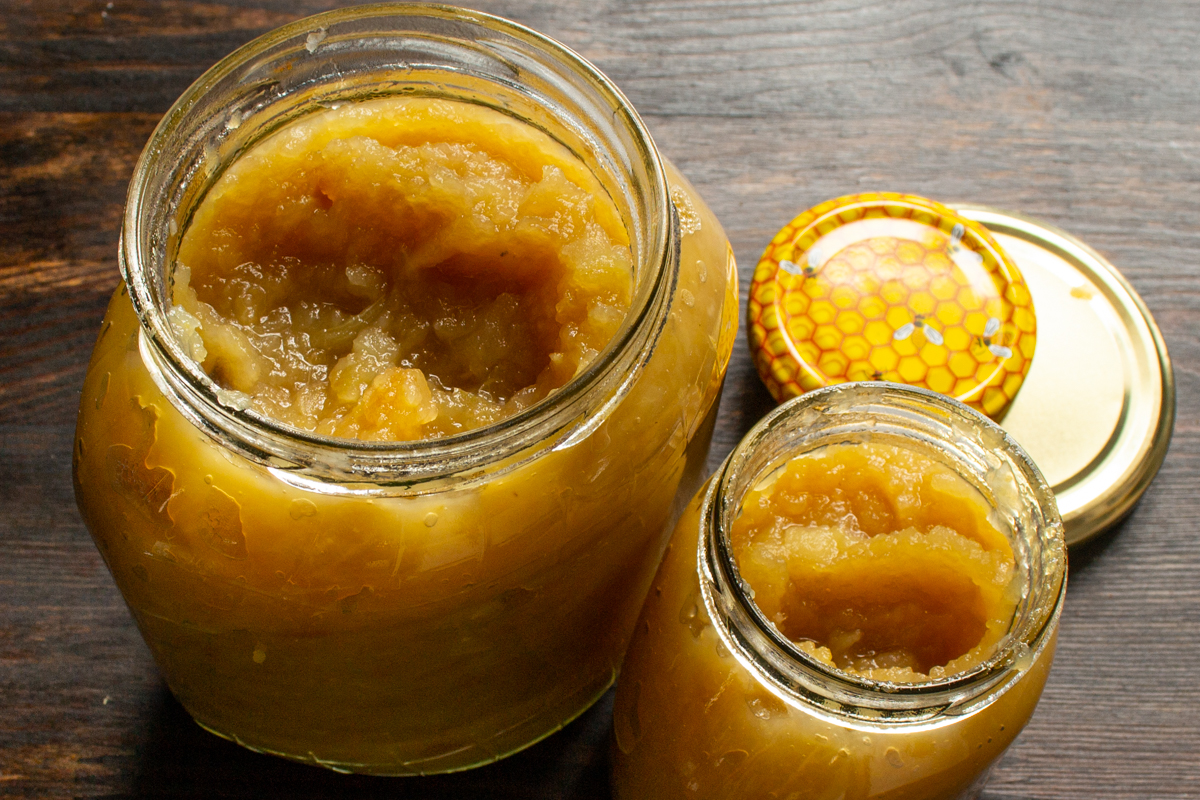
Portion the hot finished treat into sterilized jars for long-term winter storage.
The finished apple butter is surprisingly versatile. Try swirling a spoonful into your morning oatmeal or Greek yogurt for a spiced, fruity kick. If you're not keeping a strict vegan diet, blend the apple butter with soft cream cheese or ricotta to make an exquisite filling for eclairs or layer cakes. For those who love sweet and savory contrasts, this spread pairs beautifully with aged hard cheeses or even roasted pork, where the fruity tartness perfectly highlights the meat. To ensure your apple butter retains its vibrant aroma for a long time, always use sterilized jars and high-quality lids. If you decide to add a touch of dairy butter during cooking for a more velvety taste, remember that its shelf life will be significantly shorter, and it must be stored in the refrigerator. Properly canned jars without dairy will easily keep in a cool, dark pantry until the next harvest, rewarding you with their deep color and warming spice flavors.
0 comments