
Salo spread (a traditional cured pork fat spread) with dill has long been considered one of the most soulful appetizers in Slavic culinary tradition, especially prized for its practicality and rich flavor. The secret to its perfect texture lies in selecting the right pork belly—fatty cuts with thin streaks of meat become as tender as butter after a long curing process. The aroma of fresh dill combined with the bite of garlic and a subtle hint of hot chili creates the flavor palette that makes this spread an absolute staple on the table. This dish does more than satisfy hunger; it fills the home with aromas of domestic comfort and traditions passed down through generations.
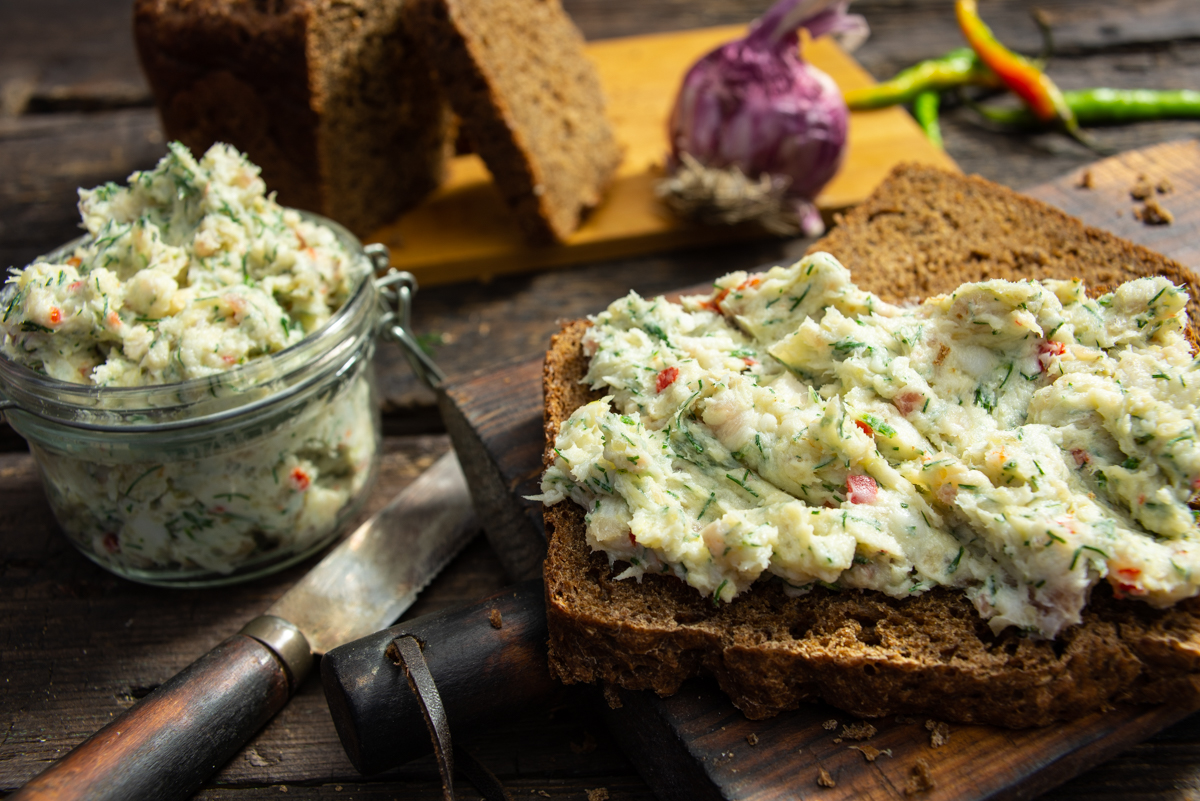
Aromatic pork fat spread with herbs and spices makes a perfect pairing for borscht or a hearty snack on fresh bread.
Ingredients
- 500 g (1.1 lb) fatty pork belly (salo or cured pork fat with meat streaks)
- 40 g (1.4 oz) salt
- 10 g (0.35 oz) sugar
- 3-4 garlic cloves
- 1 hot chili pepper
- 1 bunch of fresh dill
How to Make Salo Spread with Dill
First, we cure the pork belly. For curing, choose fatty cuts with thick layers of fat and thin streaks of meat. I cure the pork belly with the skin on. Slice the meat into pieces about 3-4 cm (1.2-1.5 inches) wide and 15-20 cm (6-8 inches) long. Mix the salt and sugar, and generously coat the pork pieces with the mixture. Layer them in a container, pot, or glass jar. Leave at room temperature for a few hours. Then, transfer to the bottom shelf of the refrigerator for 5 to 10 days. I rearrange the pieces and shake the container daily to ensure even curing. Do not discard any liquid that is drawn out.
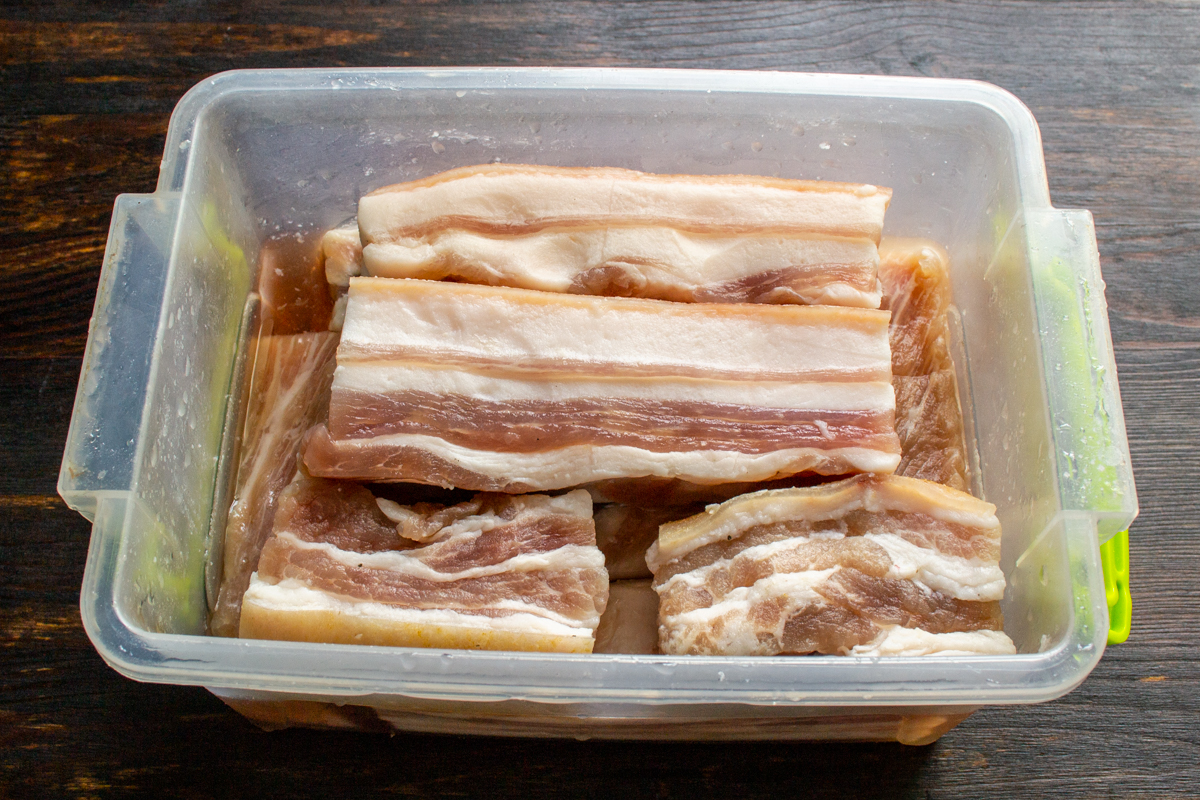
Layer the prepared cuts of pork belly, coating them generously with salt and sugar for an even cure.
After about a week, remove the cured salo (pork fat) and pat the pieces dry with paper towels. Wrap them in plastic wrap and place in the freezer for 2 days. By the way, the thicker the fat layers, the more tender the salo will be. Look for cuts at least 3 cm (1.2 inches) thick.
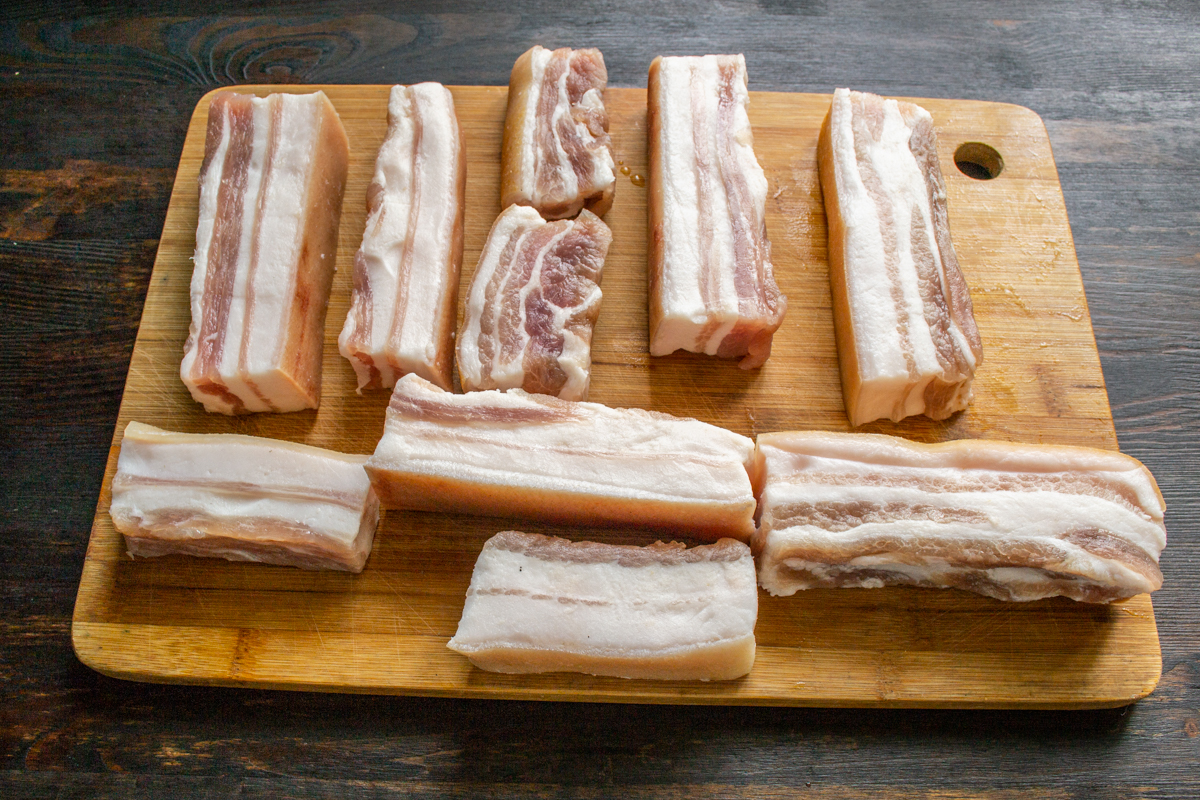
After a week in the fridge and two days in the freezer, the salo reaches the perfect density for processing.
Now, let’s prepare the spread. Carefully slice the skin off the frozen cured salo.
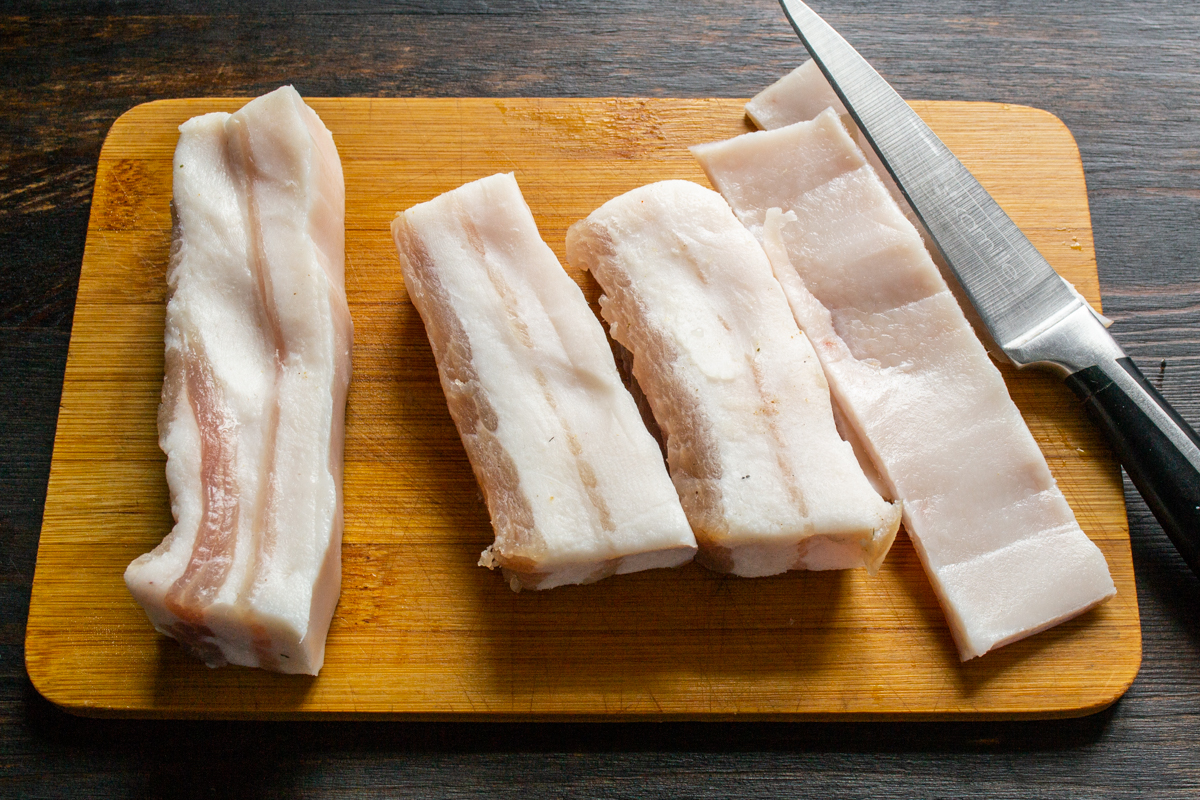
For this spread, we only need the tender part of the fat, so carefully trim away the skin with a sharp knife.
Dice the salo into small cubes. If your salo is of high quality and well-cured, it will slice like butter, even when frozen. If you find it hard to cut, let the pieces rest for 15-20 minutes at room temperature.
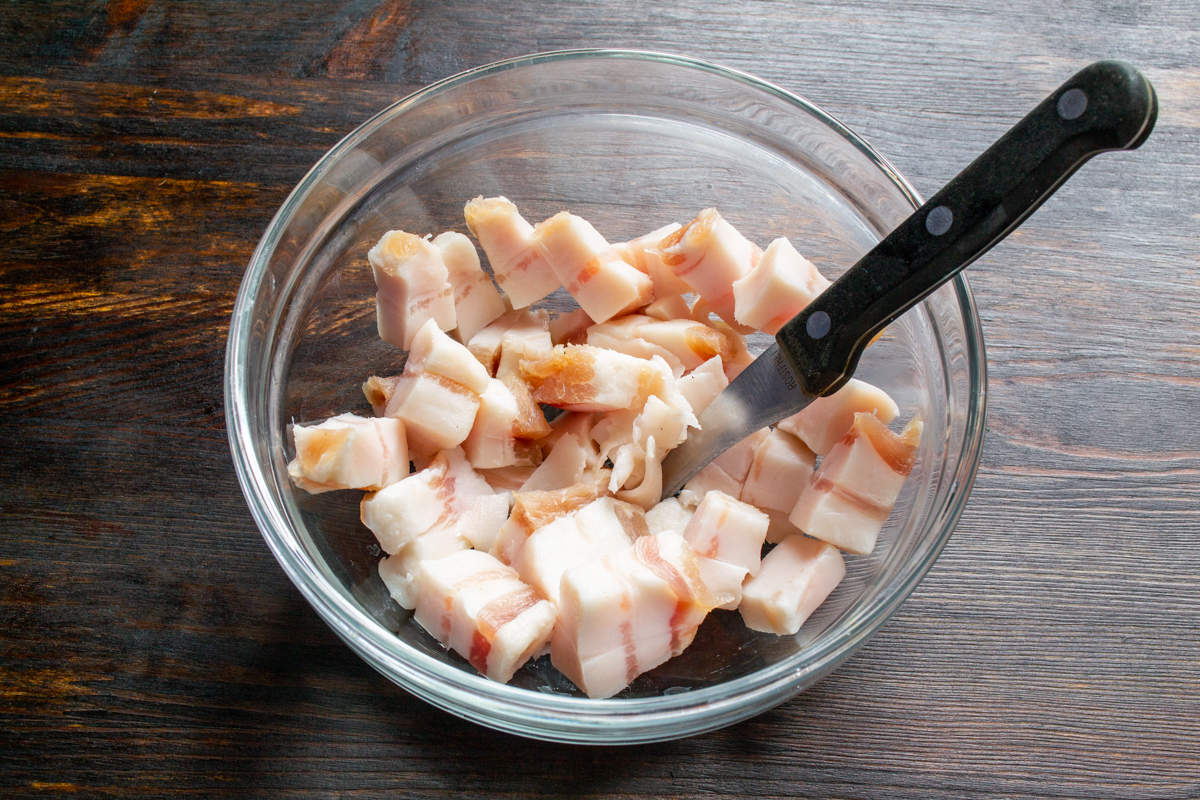
Dicing the fat into small cubes helps the meat grinder process it easily, even if the meat is still slightly frozen.
Rinse a small bunch of fresh dill (use only the fronds, discarding the stems) under cold water. Dry thoroughly on a paper towel or in a salad spinner. Finely chop the dill. You can also use dried dill for this recipe if preferred.
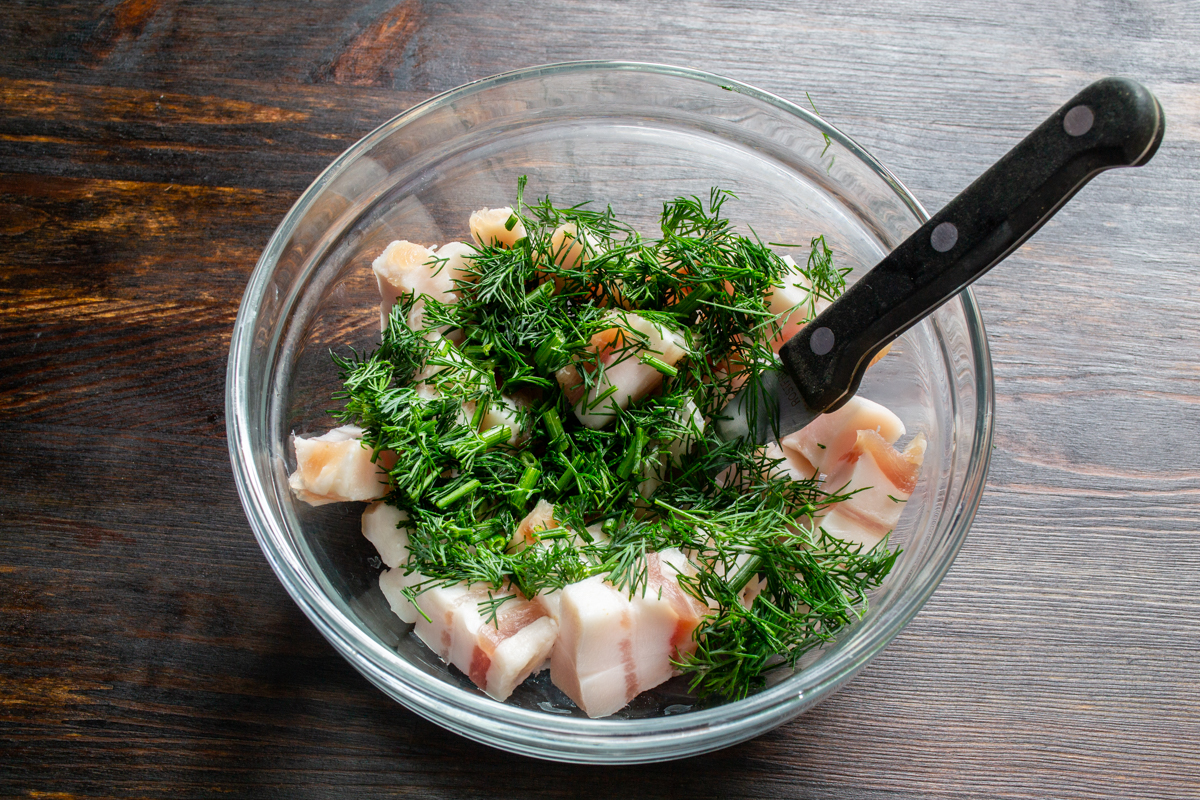
Fresh dill gives this appetizer its unique aroma and an appetizing bright green hue.
Peel and finely mince the garlic cloves. Add the minced garlic to the diced salo and dill.
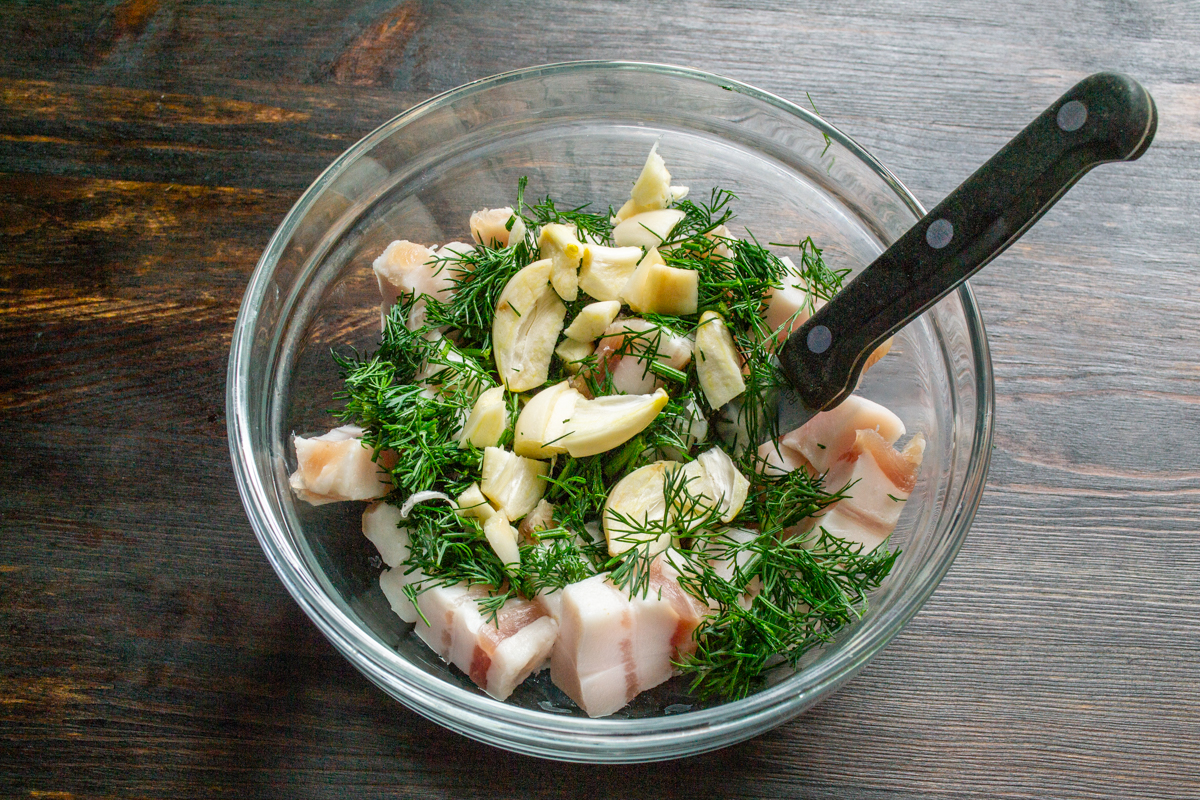
Garlic is a classic pairing for salo, making the flavor of the spread significantly brighter and more pungent.
Halve a small hot chili pepper. Remove the seeds and membranes. Dice the chili finely and add it to the rest of the ingredients.
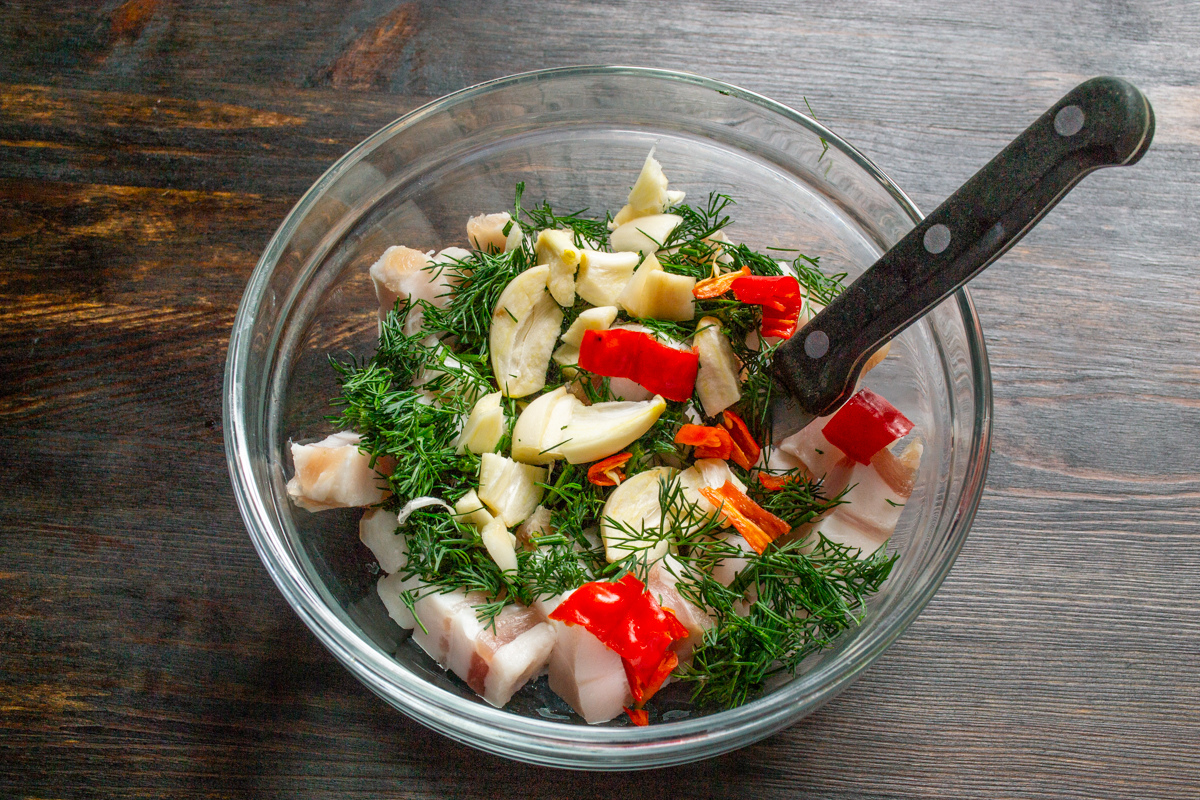
A touch of deseeded chili adds a pleasant heat without overpowering the primary flavors of the ingredients.
Equip your meat grinder with a fine grinding plate. Pass the salo, garlic, dill, and chili through the grinder.
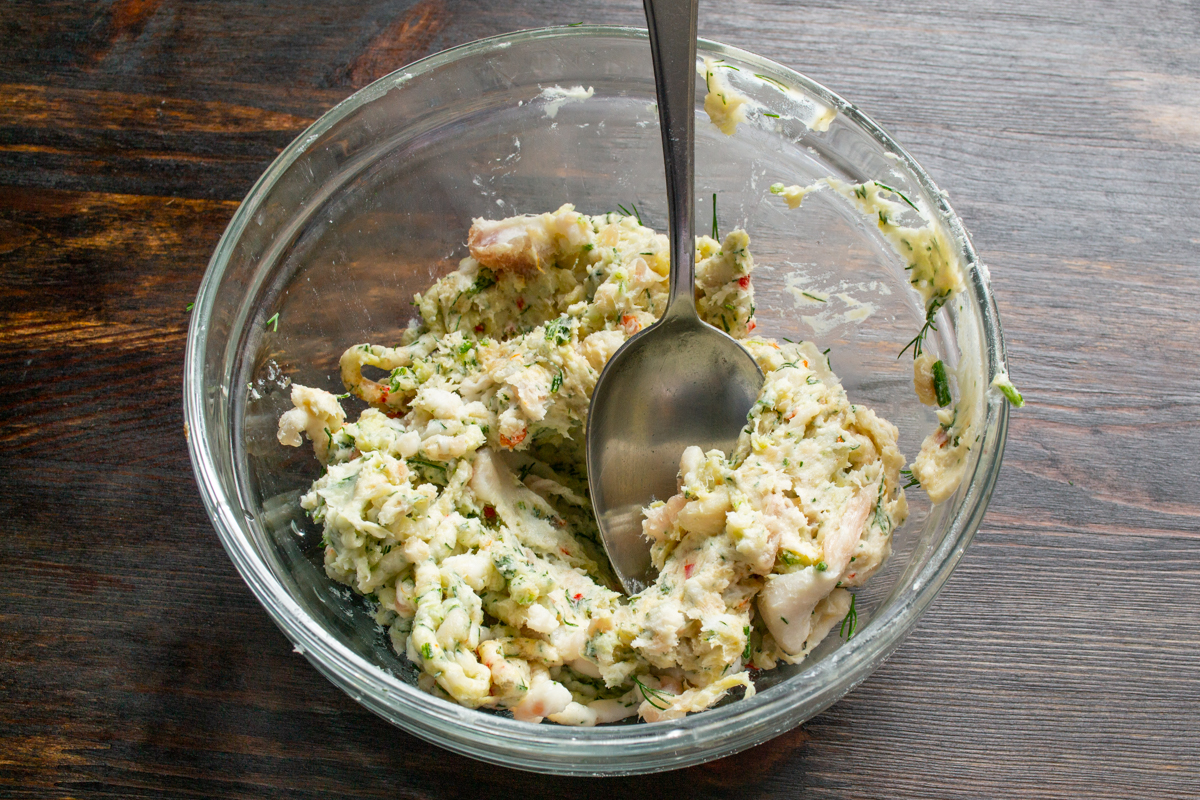
Use a fine grinding plate to achieve the most tender, paste-like consistency possible.
Mix the salo spread thoroughly with a spoon to ensure all the herbs and spices are evenly distributed throughout the fat.
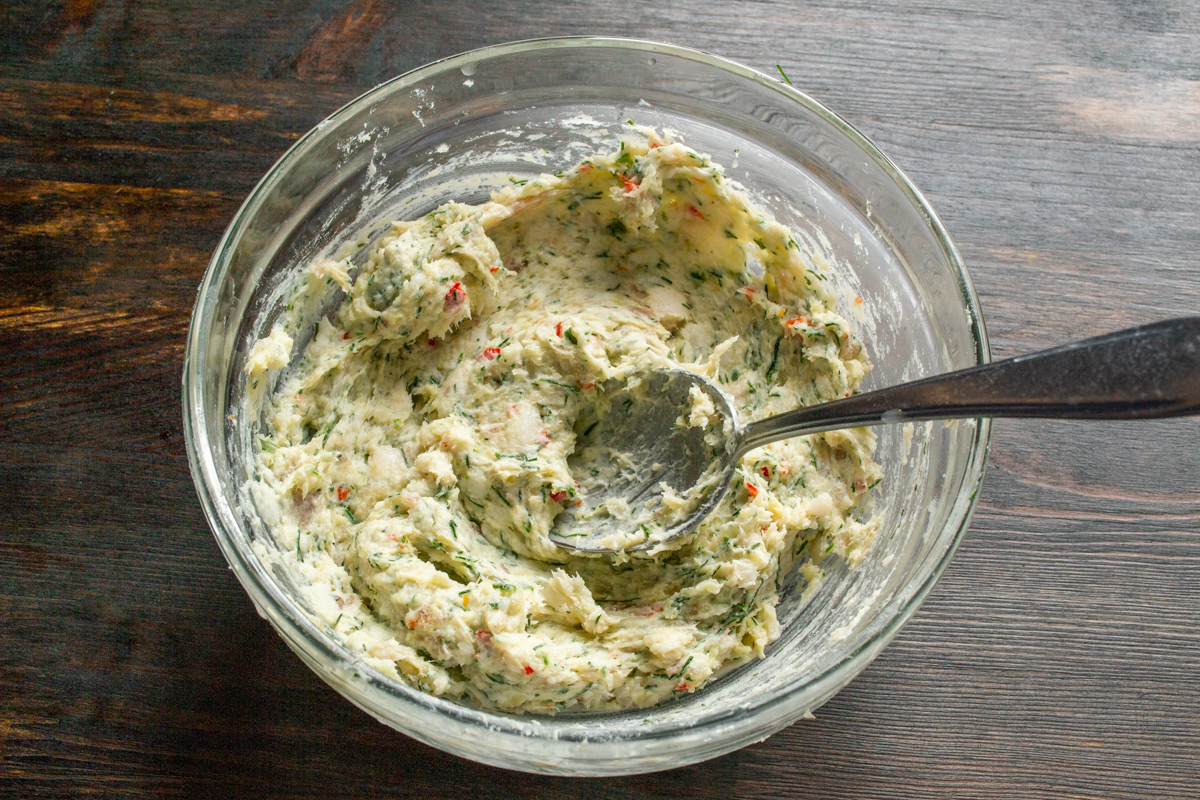
Mix the mixture thoroughly so that the spices, garlic, and herbs are evenly distributed throughout.
Pack the spread tightly into a clean, dry glass jar with an airtight lid, or wrap it tightly in plastic wrap. You can store it in the refrigerator or freeze it. Once frozen, it can be sliced like sausage; straight from the jar, it spreads like butter. Enjoy it whichever way you find most delicious!
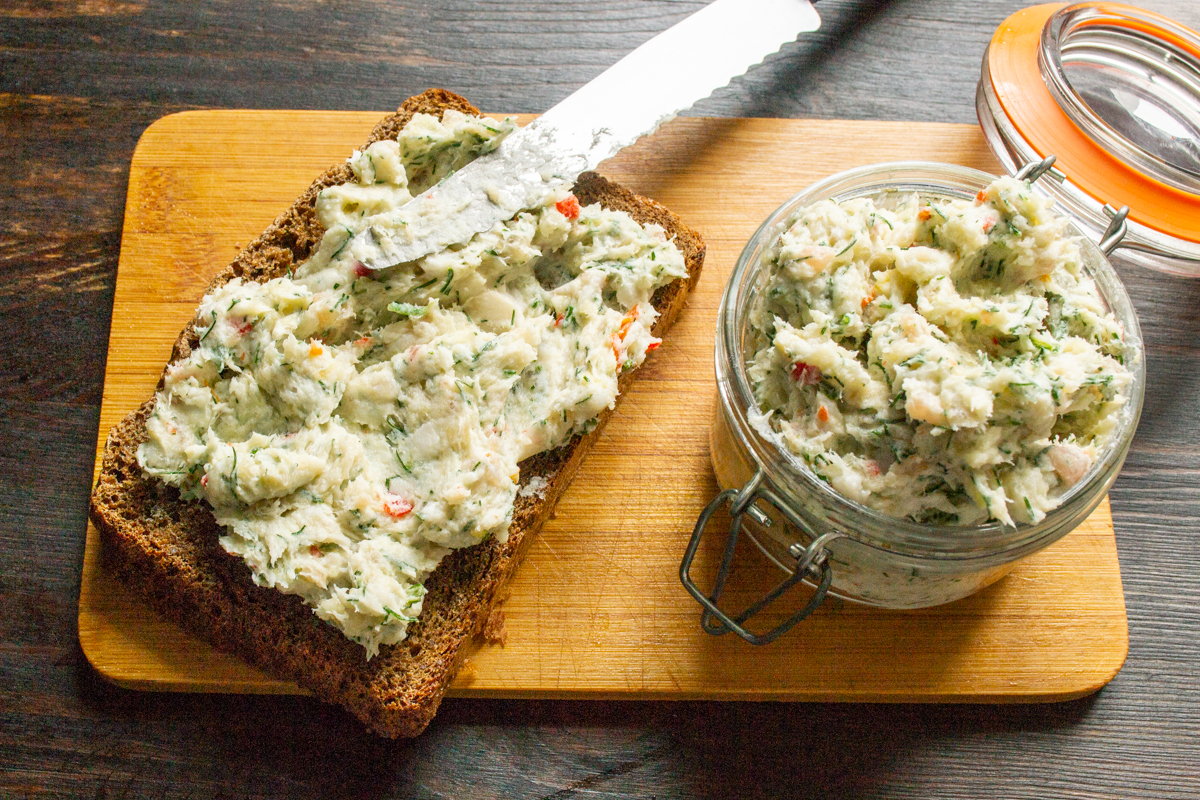
Store the finished spread in an airtight container. It preserves its taste perfectly both in the refrigerator and in the freezer.
To let your salo spread (cured pork fat spread) shine in all its glory, serve it on a toasted or pan-fried slice of Borodinsky bread (a dense, dark sourdough rye bread with coriander). If you're in the mood to experiment, try folding a little smoked paprika or ground coriander into a portion of the mixture—this will give the appetizer exciting new flavor notes. The finished spread is best stored in small glass jars in the refrigerator for up to two weeks, or in the freezer, wrapped tightly in plastic film like a small sausage log that can be easily sliced into rounds.
Keep in mind that this dill salo spread pairs perfectly not only with bread but also serves as an excellent companion to hot borscht (beet soup) or boiled potatoes. If you prefer a milder version, simply omit the chili seeds or replace the chili entirely with a pinch of black pepper. This staple is a true culinary secret that lets you whip up a hearty snack in minutes while preserving the natural goodness of homemade ingredients.
0 comments