
Hot water dough for pelmeni (Russian dumplings) is a true culinary standard for those who appreciate both strength and tenderness in a single bite. Unlike classic cold-kneaded dough, using boiling water partially gelatinizes the flour, making the mass incredibly pliable, like soft modeling clay. Working with it is a pure joy: it doesn't stick to your hands and allows you to achieve a phenomenal thickness of less than a millimeter, all while securely keeping the meat juices inside. Whether for a family dinner or making a big batch for the freezer, this versatile dough will become your reliable foundation for the boldest culinary experiments.
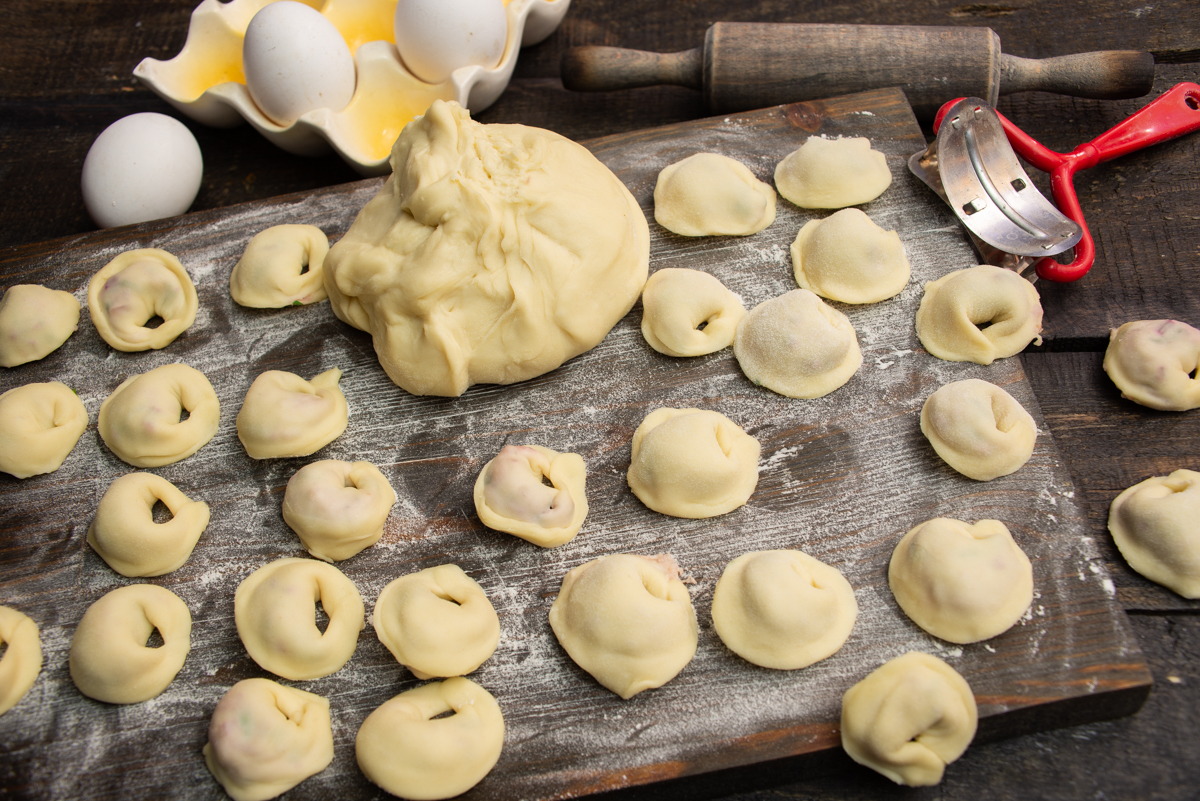
The perfect hot water dough turns out very elastic, pliable, and requires minimal flour during shaping.
Ingredients
- 900 g (31.7 oz) all-purpose flour
- 500 ml (16.9 fl oz) whey (from making farmers cheese) or water
- 1 chicken egg
- 60 ml (2 fl oz) neutral-tasting vegetable oil
How to make hot water pastry dough for pelmeni
Pour water or whey (the liquid left after making homemade tvorog or farmer’s cheese) into a saucepan. Bring it to a boil. This is an unleavened dough, so there’s no need to salt it. As my grandmother used to say, you should salt the filling for the patties or the water in which the pelmeni (Russian dumplings) are boiled.
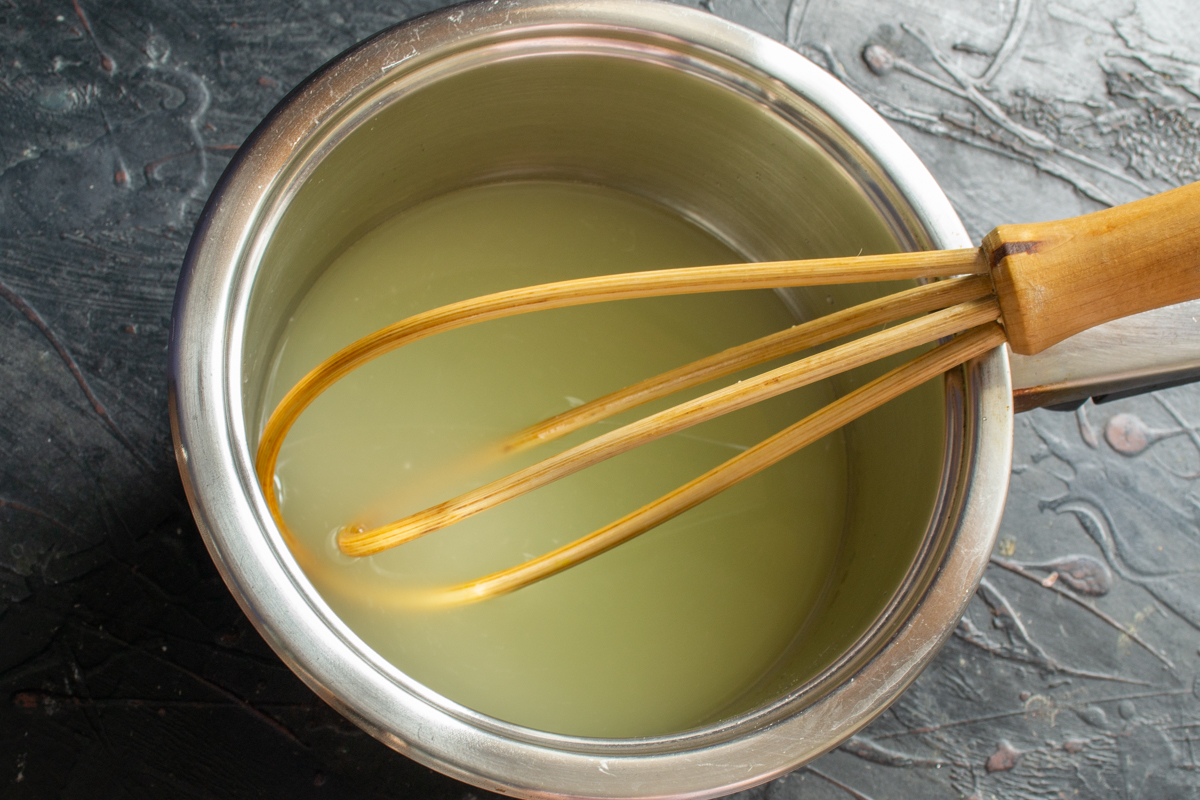
You can use either regular filtered water or milk whey to prepare this dough.
Pour a neutral-tasting vegetable oil into the boiling liquid. I am using canola oil for this recipe; I’ve noticed its popularity among cooks growing recently.
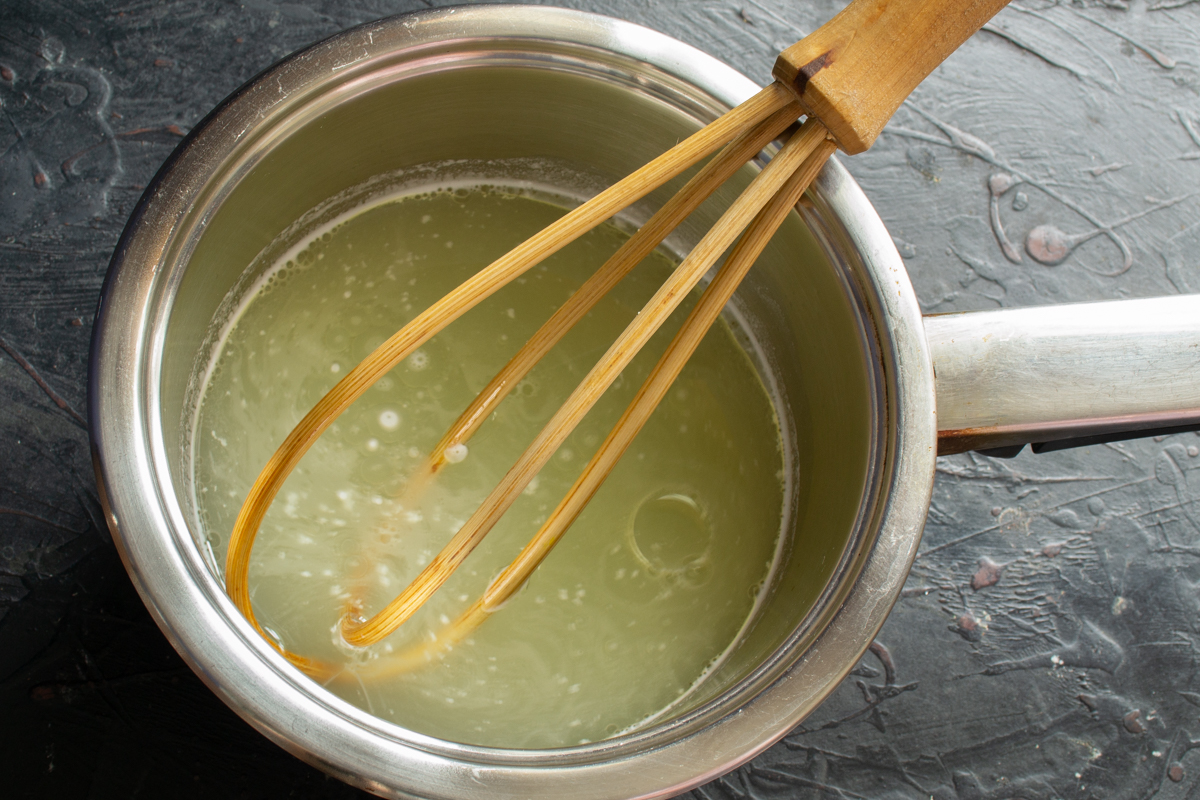
Vegetable oil makes the dough elastic, allowing it to be rolled out extremely thin without tearing.
Heat the mixture with the oil and immediately dump in all the flour at once. Remove the saucepan from the heat and mix the ingredients vigorously with a spatula or spoon.
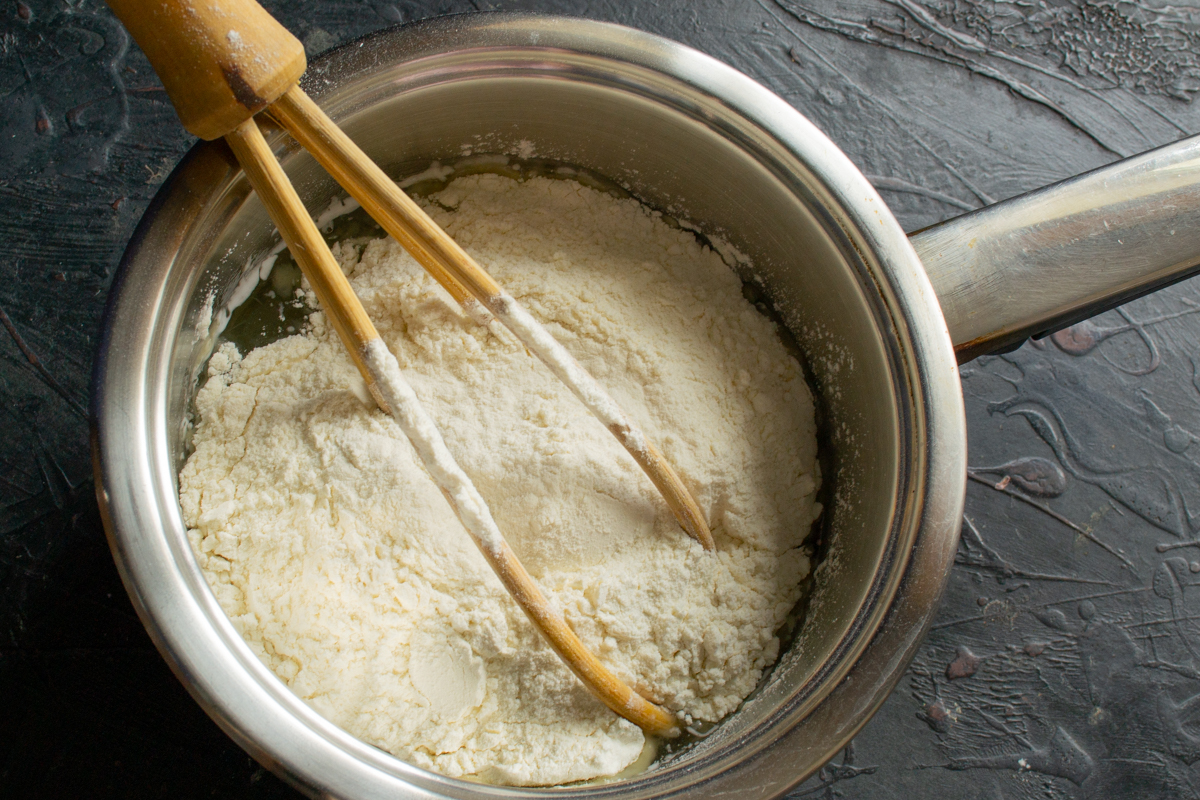
It is important to dump in all the flour at once and quickly mix the mass so the dough cooks evenly and without lumps.
Crack in a chicken egg and quickly mix the dough.
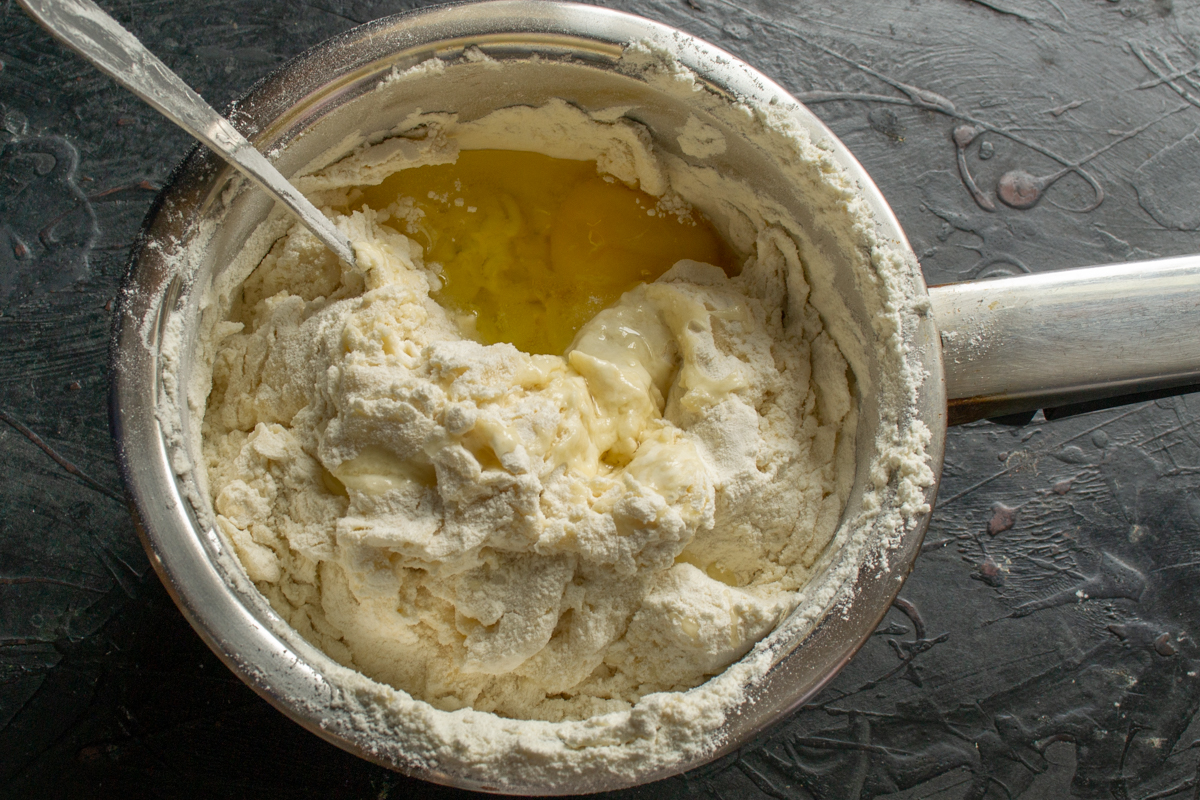
The egg should be mixed into the slightly cooled but still hot mass, working vigorously with a spatula.
Dust your work surface with flour and turn the hot dough out onto it. Knead the dough by hand until it stops sticking to the table and your palms. This takes about 10 minutes. Important! Do not add extra flour, even if it seems like the dough will never stop sticking. Trust me, it will. Additional flour will only make it stiff. You can also knead the dough using a stand mixer fitted with a dough hook.
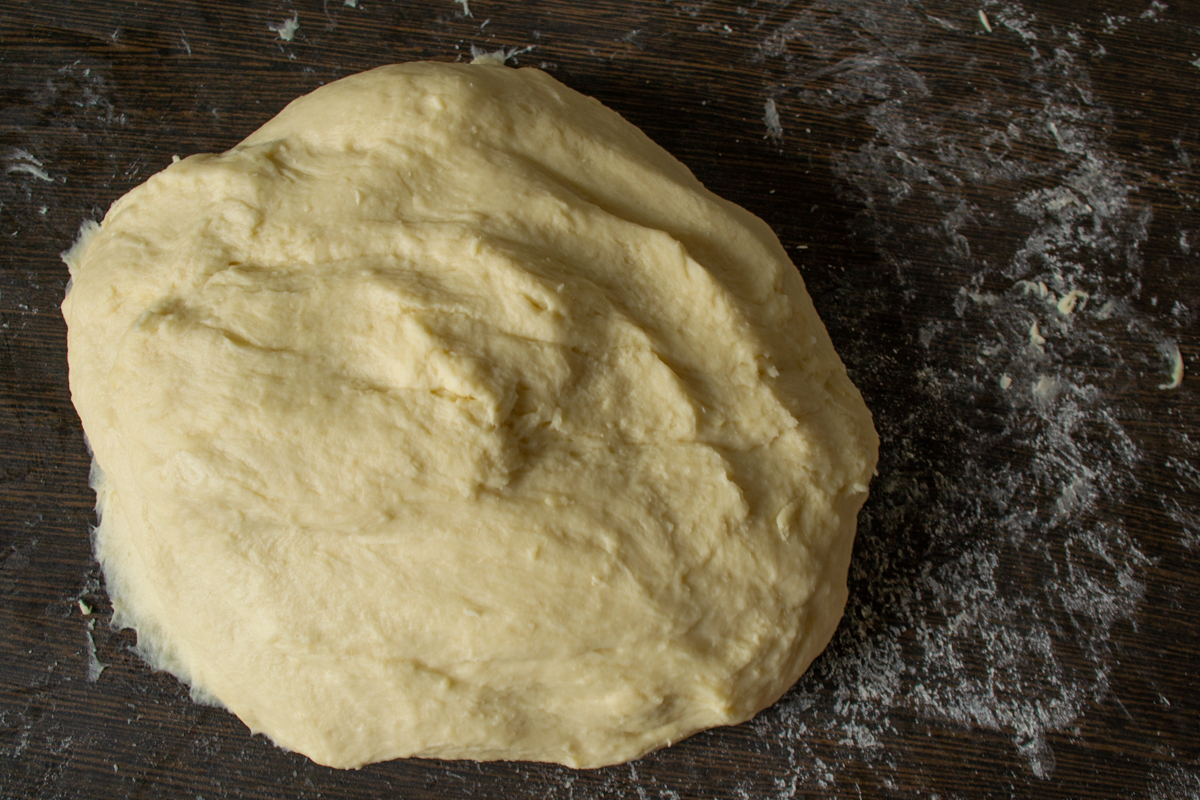
Be patient during kneading: the dough will gradually stop sticking to your hands without any extra flour.
Wrap the finished dough tightly in plastic wrap. Any exposed pieces will dry out and form a crust, so wrap it thoroughly. Let the dough rest in the wrap for 30 minutes to 1 hour. Alternatively, place it in the refrigerator; it can be used for up to two or three days.
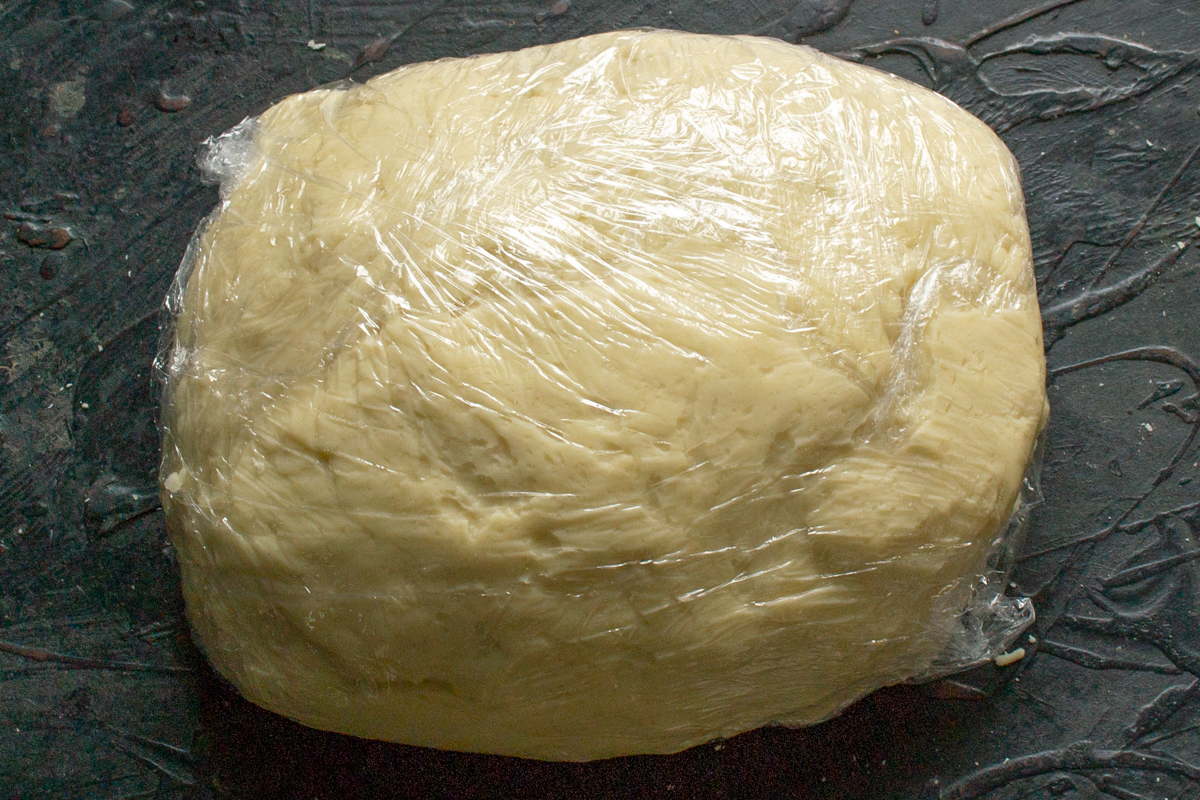
Make sure to let the dough rest in plastic wrap for at least 30 minutes—this is crucial for gluten development.
To make pelmeni (dumplings), tear off a small piece of dough. Dust a cutting board with flour. Roll the dough out in one direction using a rolling pin. Dust it lightly with flour, flip it over, and roll it again in one direction. Repeat this process until you reach the desired thickness. The ideal thickness in this case is less than a millimeter!
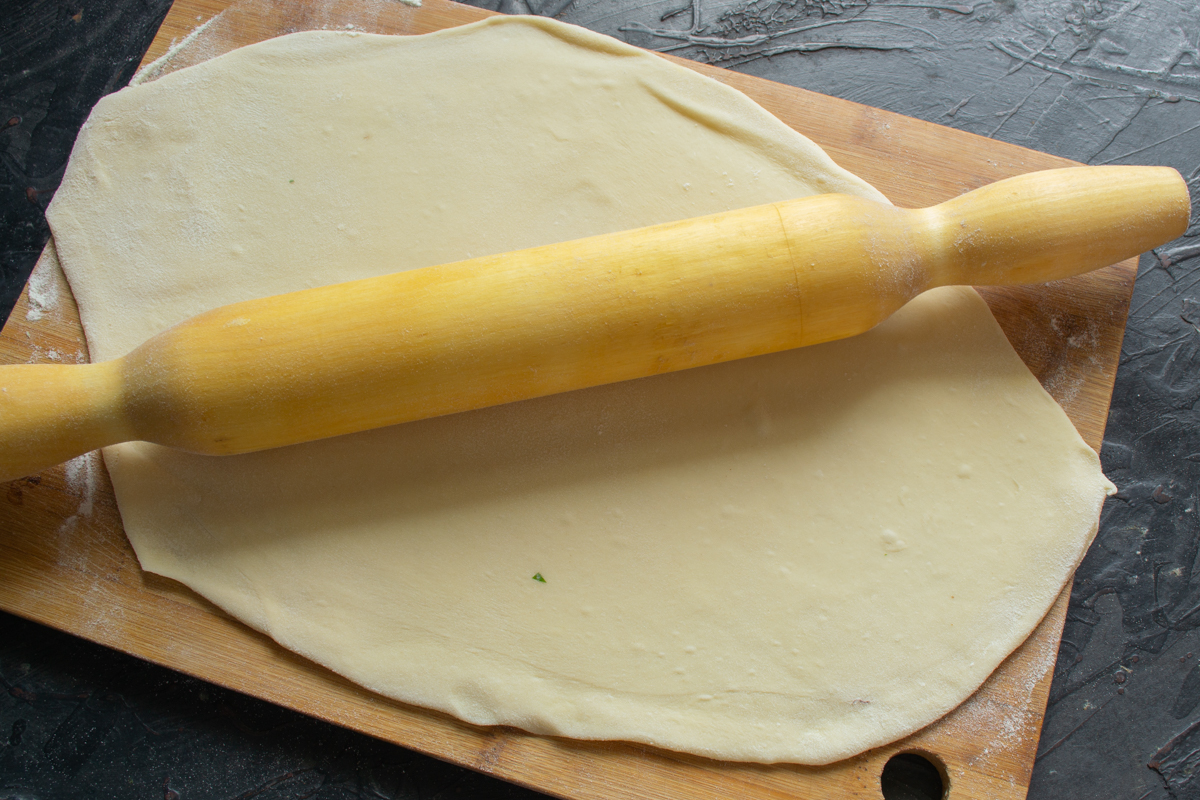
Hot water dough allows you to achieve a thickness of less than a millimeter, which is ideal for delicate homemade dumplings.
It’s convenient to cut out dough circles for pelmeni using a special cutter or a thin-rimmed glass. For chebureki (deep-fried turnovers) or pirozhki (stuffed buns), the dough should be rolled out a bit thicker than for pelmeni and vareniki (pierogi).
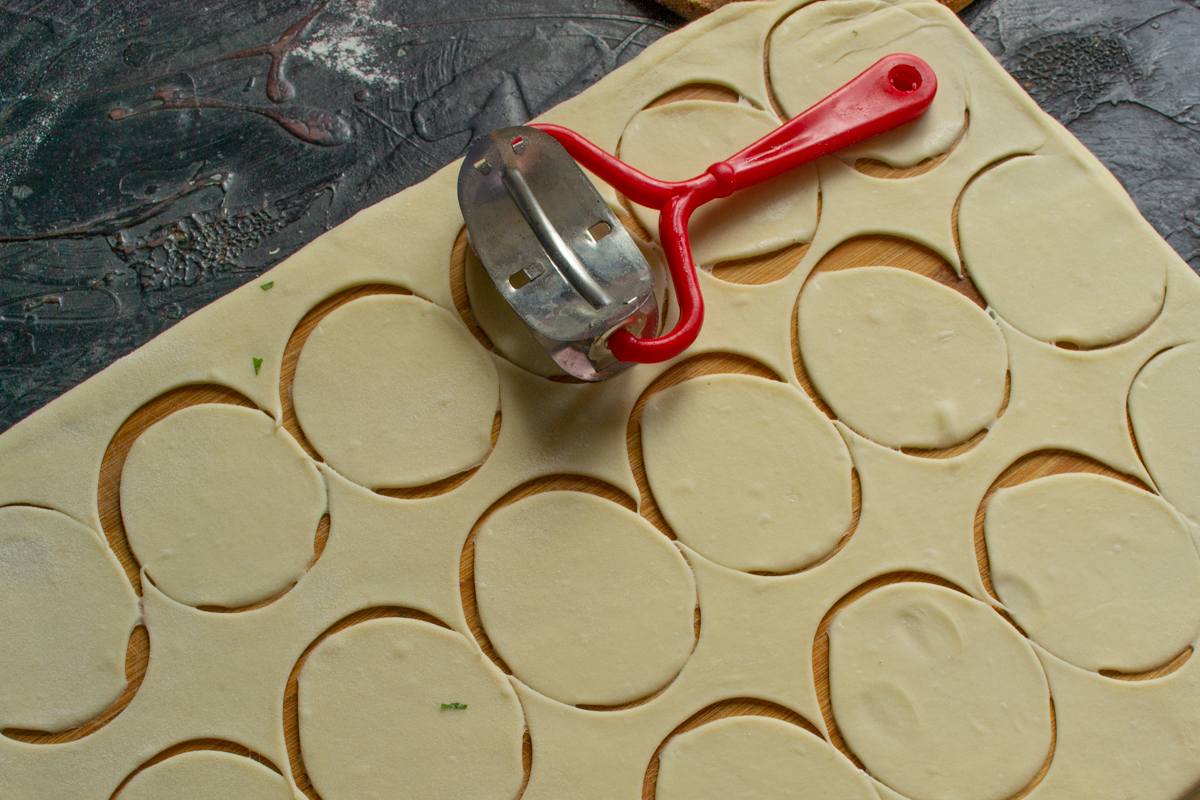
Use a pastry cutter or a thin-rimmed glass to get neat, uniform dough circles for shaping.
Place a spoonful of filling in the center of the circles and shape the pelmeni. A great feature of this dough is that you don’t need to moisten the edges with water or egg wash. The edges seal perfectly and tightly; just pinch them firmly with your fingers.
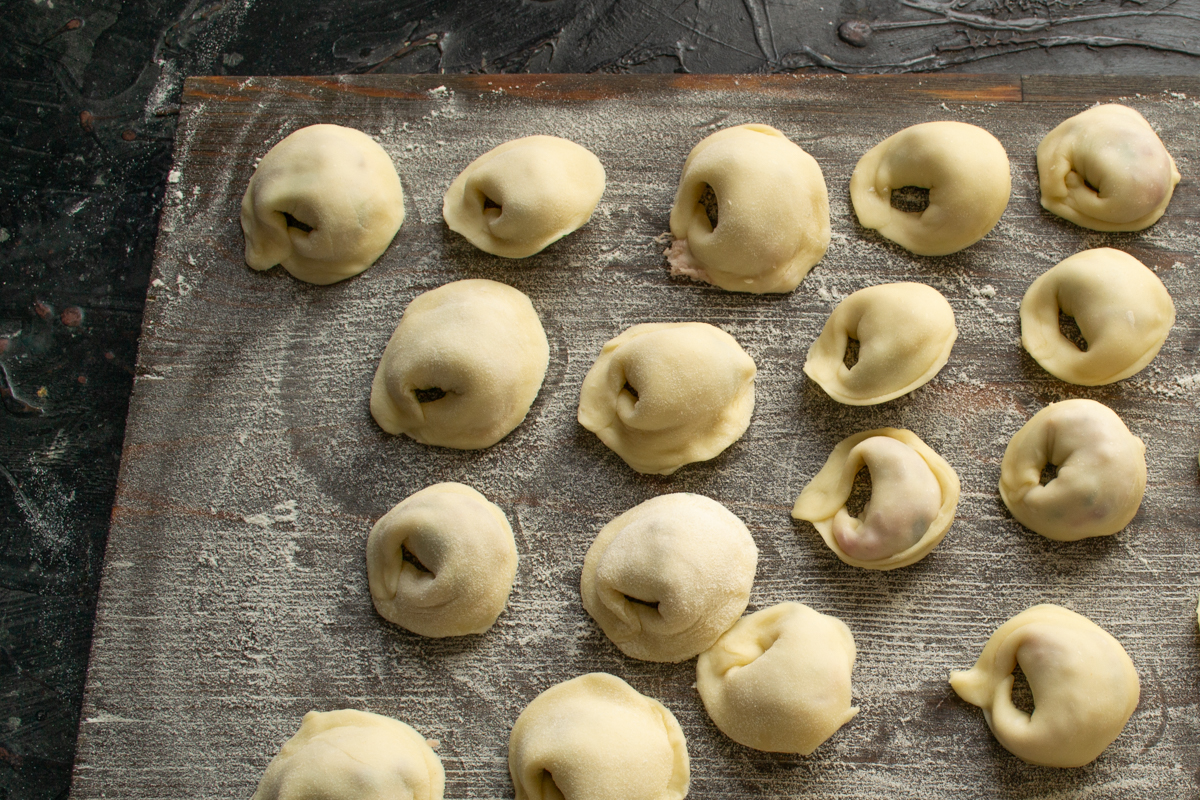
The edges of this dough seal together perfectly, securely locking the meat juices inside during boiling.
If you made the hot water dough for pelmeni (Russian dumplings) ahead of time, remember that it stores beautifully in the refrigerator for up to three days, only becoming more elastic as it rests. For those who love culinary experiments, try adding a little turmeric to the boiling water for a golden hue or beet juice for vibrant pink shades—such colorful dumplings are especially loved by children and look spectacular on the table. When serving the finished dishes, don't forget to add a pat of butter and freshly ground black pepper to highlight the flavor of the homemade dough. If you have any leftover scraps, you can roll them out thinly, toast them in a dry skillet, and enjoy quick unleavened flatbreads with soup. Little tricks like tightly pinching the edges without using water make the shaping process a fast and meditative activity for the whole family.
0 comments