
This tvorog (farmers cheese) and blackcurrant galette is the embodiment of French rustic aesthetics right in your kitchen. The very name of this open-faced pastry comes from the Old French word 'galet', meaning 'flat stone', reflecting the simple, deliberately imperfect shape of the pie. Unlike classic tartlets, there is no need to achieve perfectly neat edges here: their free-form folds only emphasize the cozy, homemade character of the dessert. The dough in this recipe is quite unique—it is mixed with milk and vegetable oil, which gives it a porous and pleasantly crispy texture. The aromatic orange zest paired with juicy, tart blackcurrants creates that perfect balance of sweetness and astringency, making this pastry truly unforgettable.
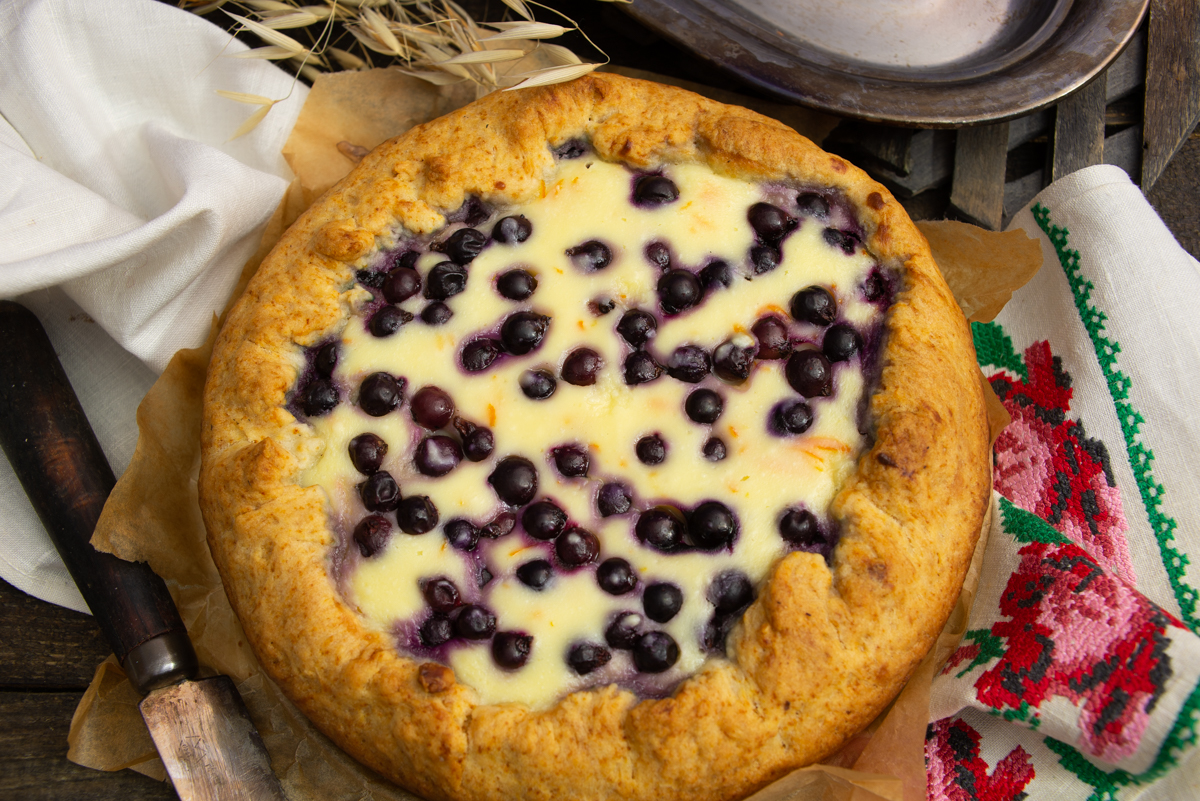
An aromatic homemade galette with a delicate cheese filling and vibrant blackcurrants is ready to be served. The crispy dough perfectly complements the juicy berries.
Dough ingredients:
- 85 g milk or whey
- 85 g vegetable oil
- 10 g honey
- 230 g wheat flour
- 1 teaspoon baking powder
Filling ingredients:
- 200 g tvorog (farmers cheese)
- 1 chicken egg
- 100 g granulated sugar
- 1 orange
- 20 g potato starch
- 50 g blackcurrants
How to make the tvorog and blackcurrant galette
Pour the milk or whey and neutral, odorless vegetable oil into a bowl. Add a pinch of salt and the honey. Whisk the liquid ingredients together for a few minutes. The honey is mainly for aroma; if you don’t have it on hand, the dough will still turn out great.
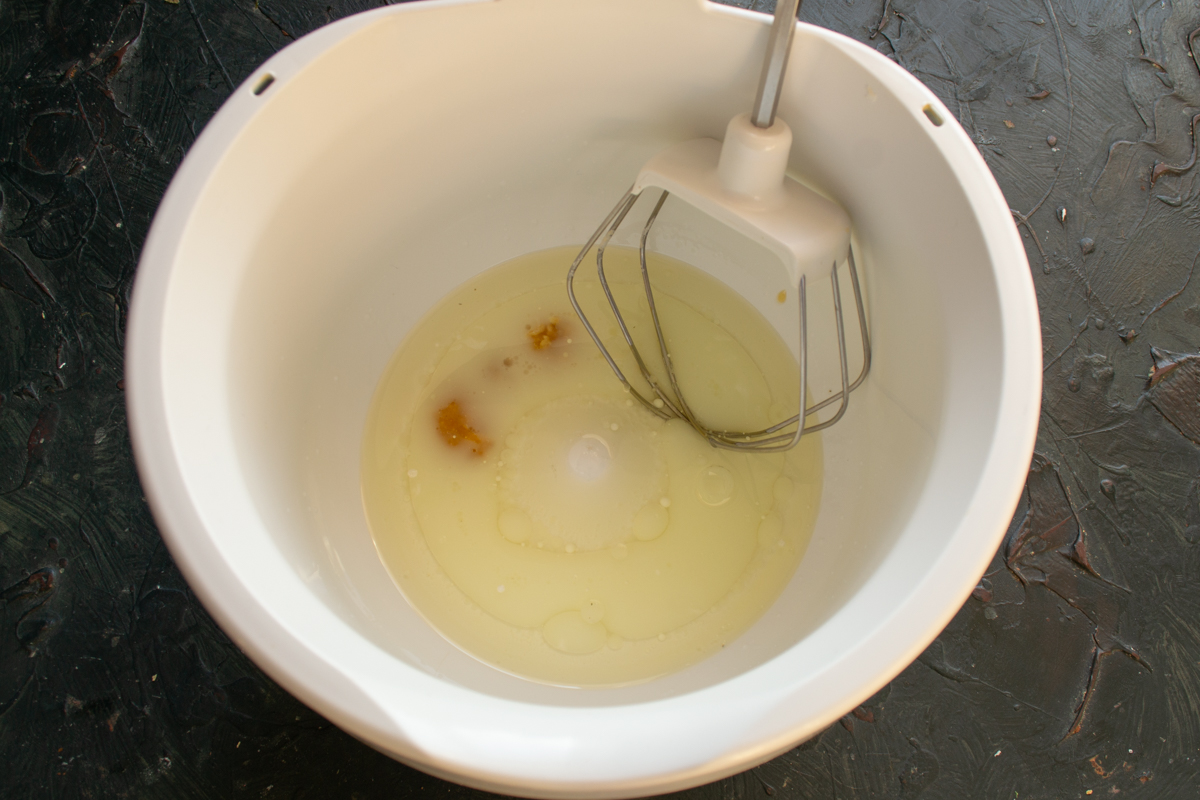
Start by combining the liquid components: milk, vegetable oil, and honey to add subtle sweetness and a special aroma to the dough.
Whisk the wheat flour with the baking powder. High-quality bread or all-purpose flour works perfectly for this dough.
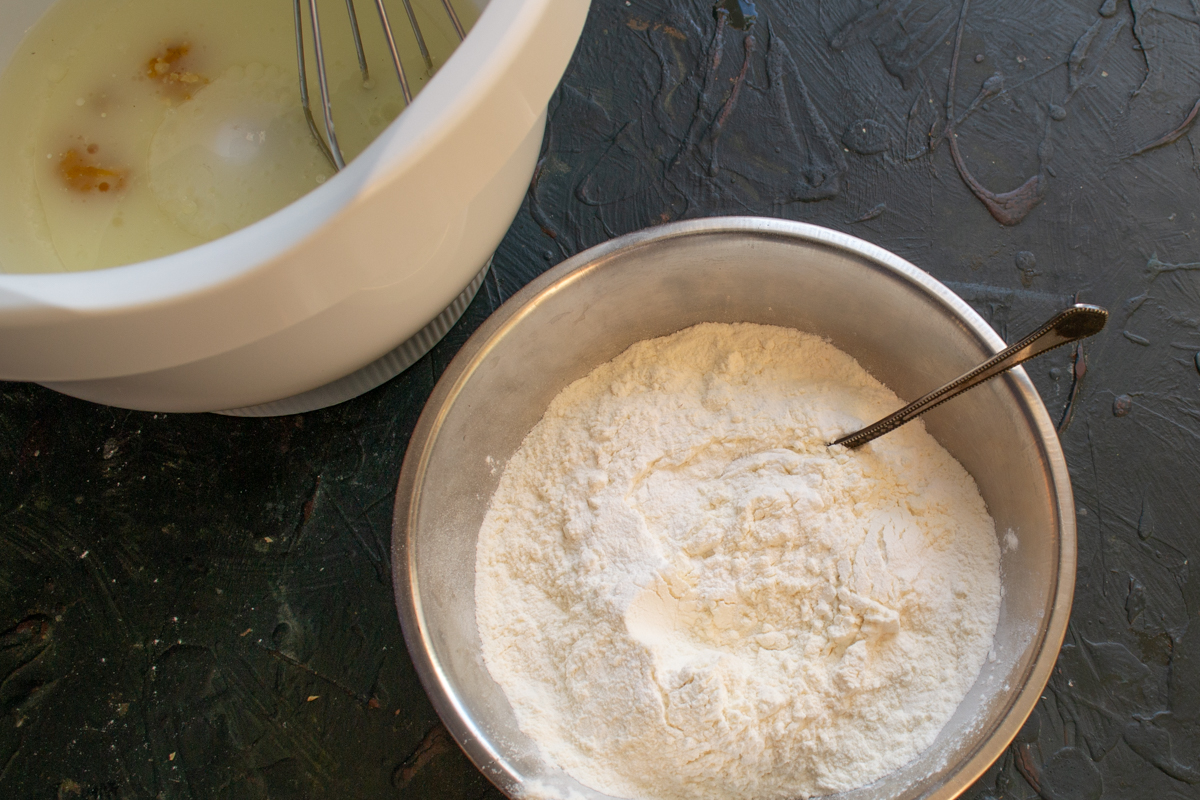
Whisk the flour with the baking powder. Using high-quality all-purpose or bread flour will ensure an excellent texture for the galette.
Gradually add the dry ingredients to the liquid ones in small portions. Knead the dough for 3 minutes. Gather the dough into a ball and let it rest for 30 minutes. The dough prepared with this recipe won’t be perfectly smooth like yeast or shortcrust dough. It is textured and slightly lumpy, which is exactly how it should be.
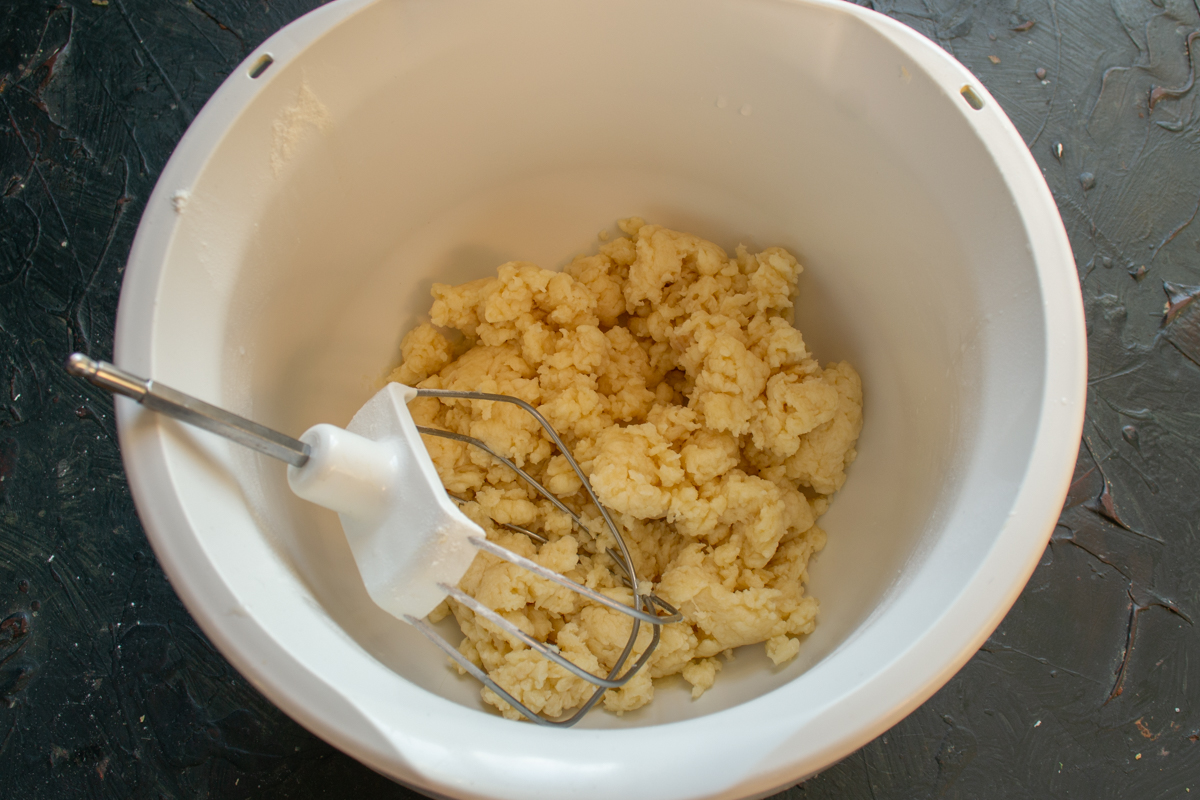
The dough turns out slightly lumpy and textured—this is a signature feature of this recipe. Let it rest before rolling it out.
Roll out the rested dough on a board. There is enough oil in the dough to keep it from sticking, so there is no need to dust your work surface with extra flour.
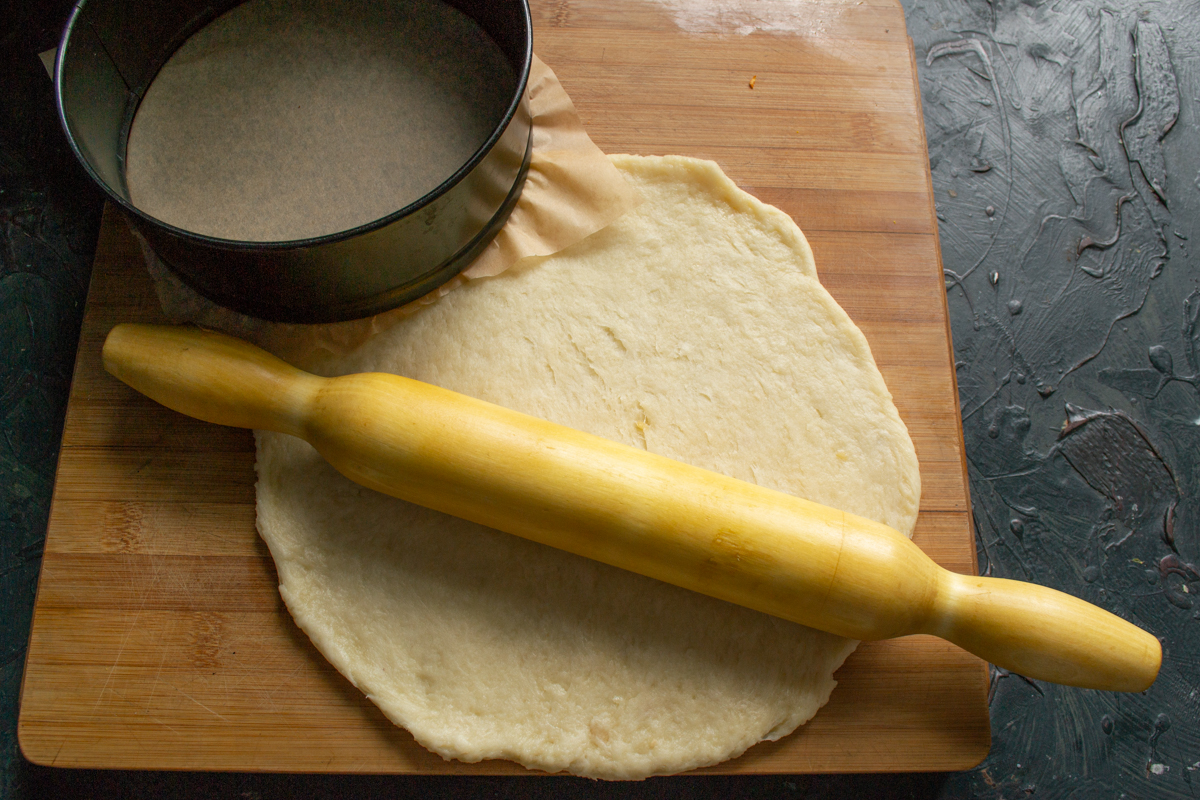
Thanks to a generous amount of oil in the mixture, the dough doesn't stick to the surface and can be easily rolled into a large circle.
Line the bottom of an 18-20 cm (7-8 inch) springform pan with parchment paper. Transfer the rolled dough into the pan, pressing it evenly along the bottom and up the sides using your hands. Stretch and lift the edges of the dough as much as possible, as you will need to fold them over the filling later.
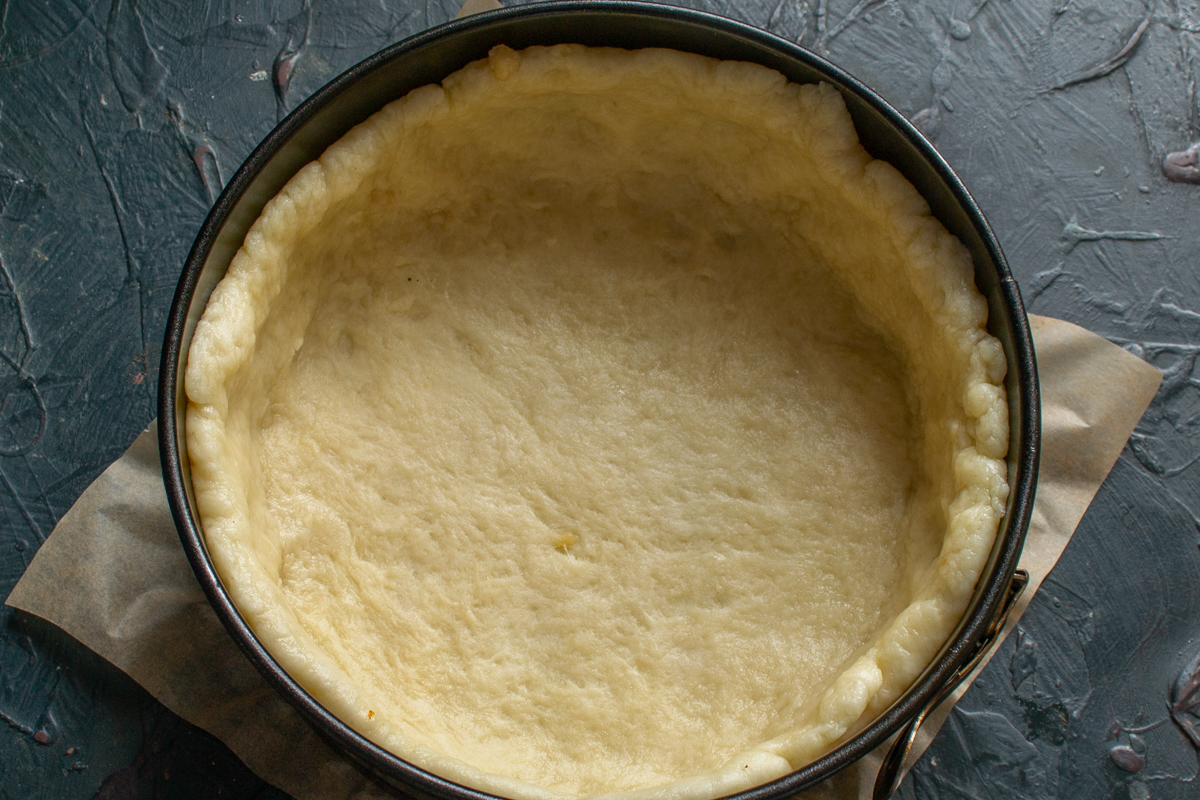
Carefully transfer the rolled sheet into the pan, forming high sides that will later become the crispy edge of the pie.
Prepare the filling. Place the soft, lump-free tvorog (farmer’s cheese) into a mixing bowl. Crack in the egg. Pour in the granulated sugar.
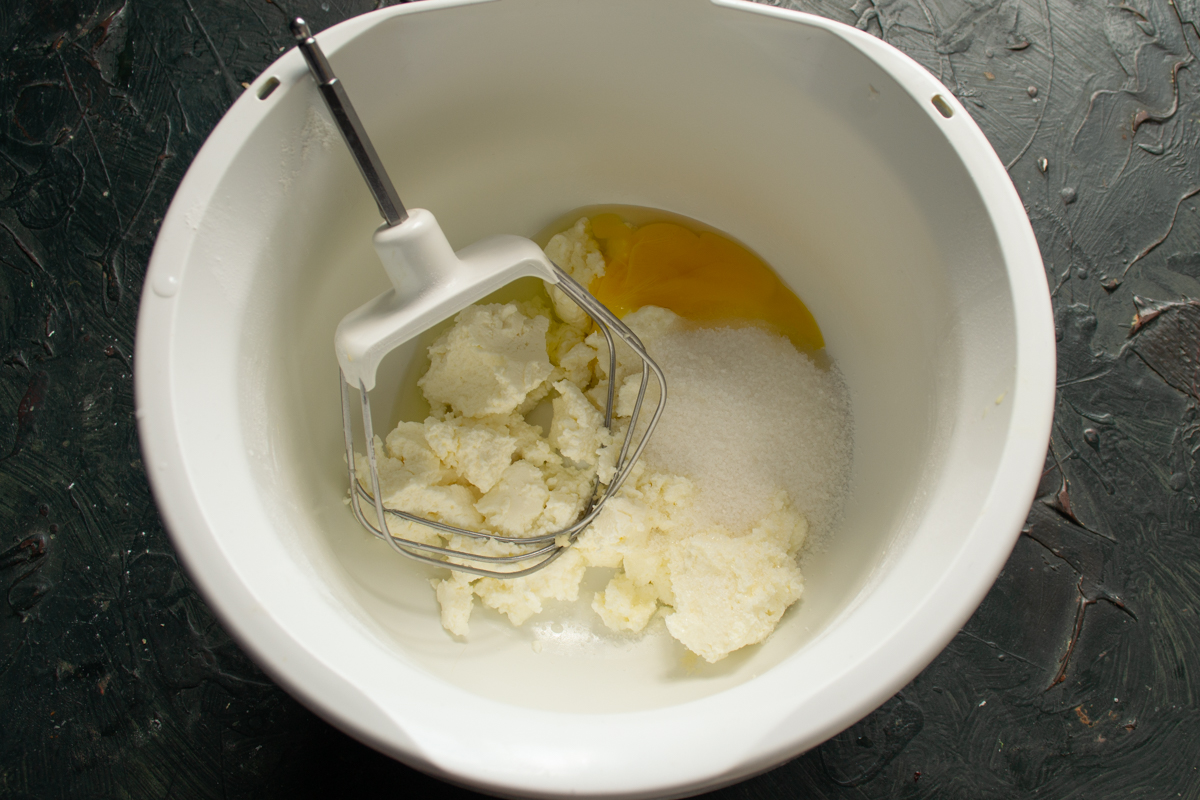
Use soft, lump-free cheese for the filling to ensure the dessert's texture is as delicate and homogeneous as possible.
Blanch the orange with boiling water. Finely grate the zest. Squeeze and strain the juice. Add both the orange zest and juice to the bowl.
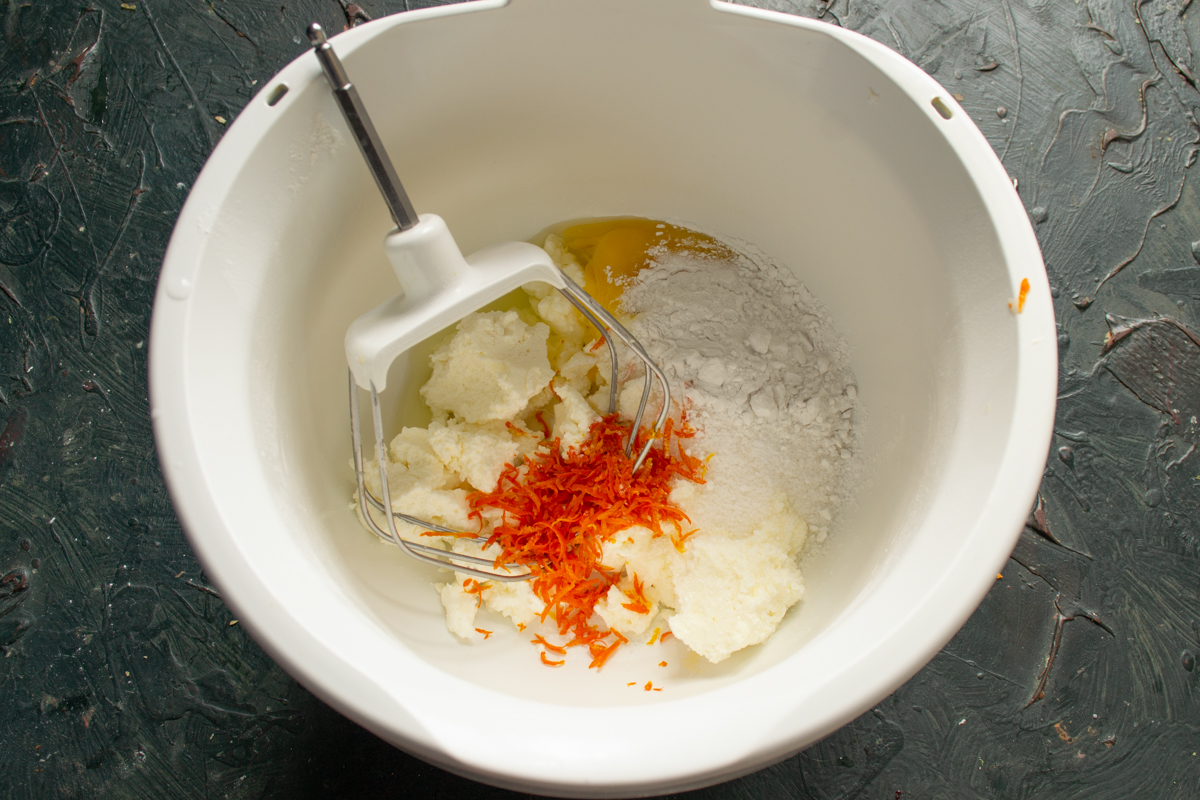
Orange zest and juice give the cheese layer an exquisite citrus aroma and a pleasant, fresh note.
Add the potato or corn starch. Whisk the filling for a few minutes until you achieve a smooth, homogeneous mixture.
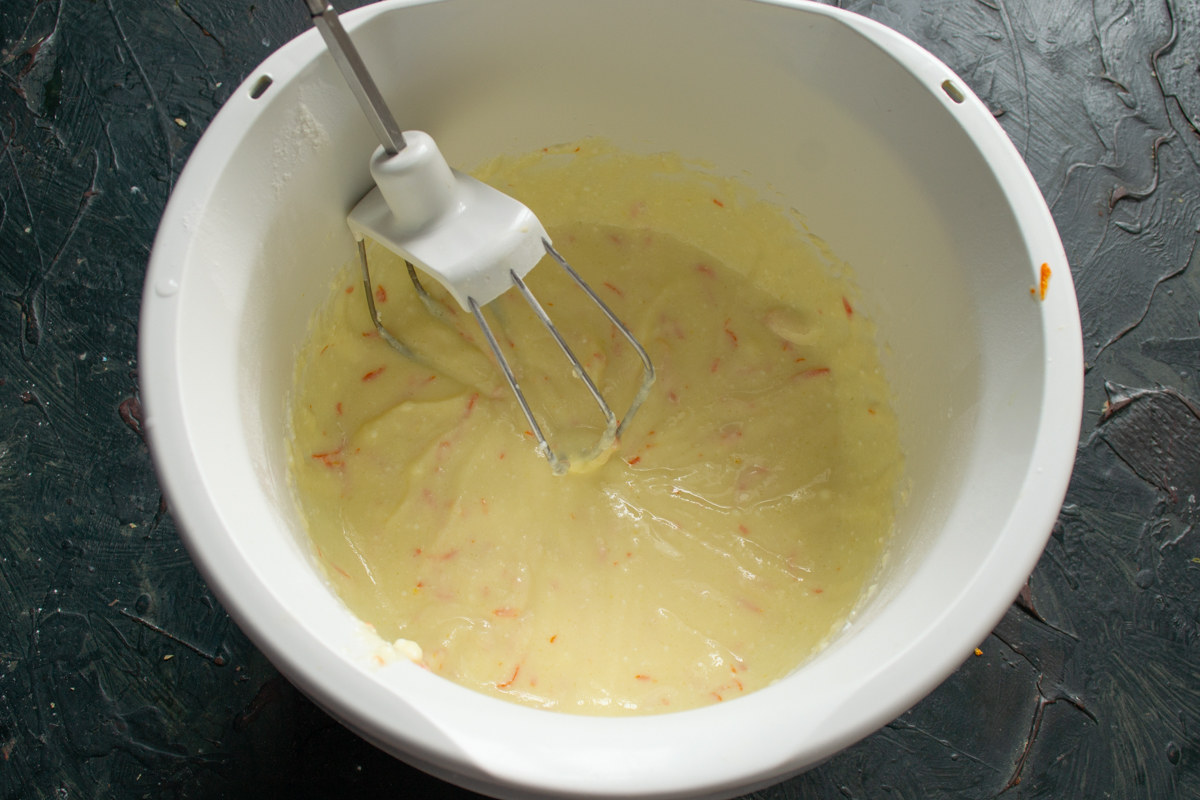
After adding the starch, mix the mass until completely smooth—the filling is now ready to be poured over the dough.
Pour the filling over the dough; it is quite liquid and will naturally level itself into an even layer.
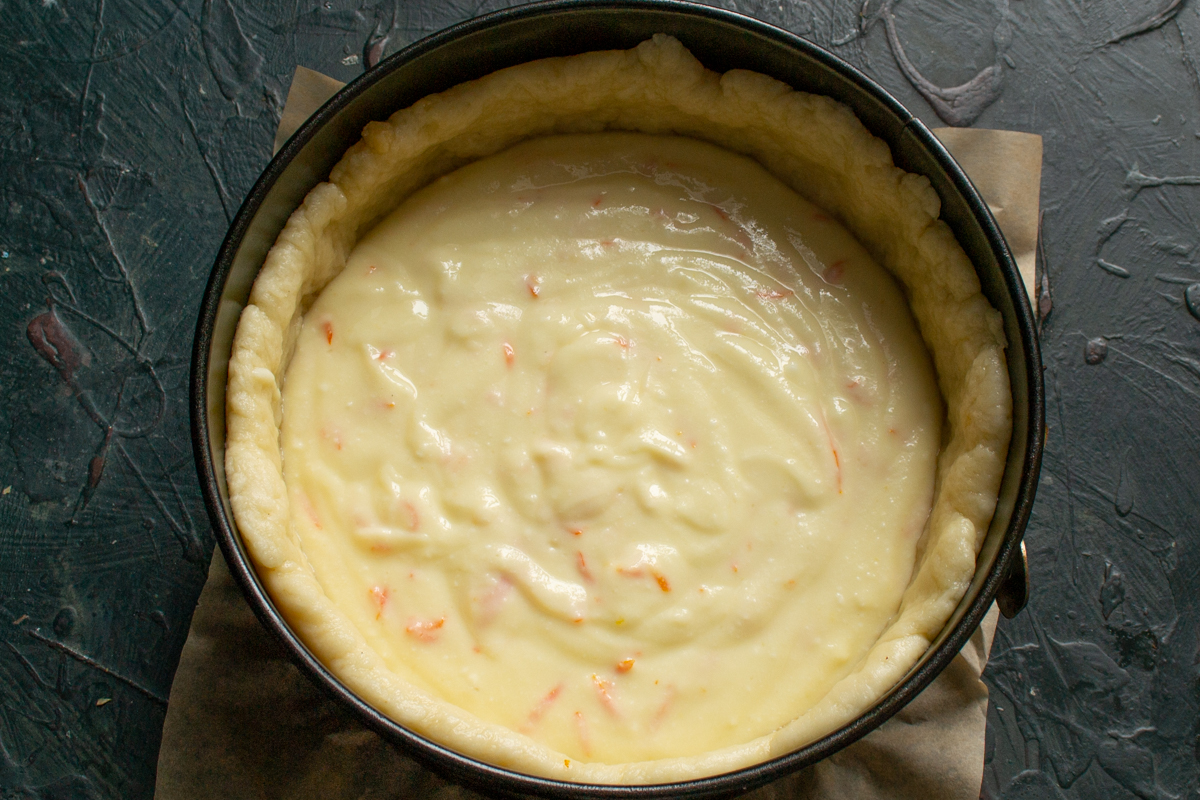
The liquid filling naturally spreads into an even layer over the surface of the dough, creating a perfect base for the berries.
Scatter the blackcurrants generously on top. You can use either fresh or frozen berries for this recipe. Blueberries will also work wonderfully as a substitute.
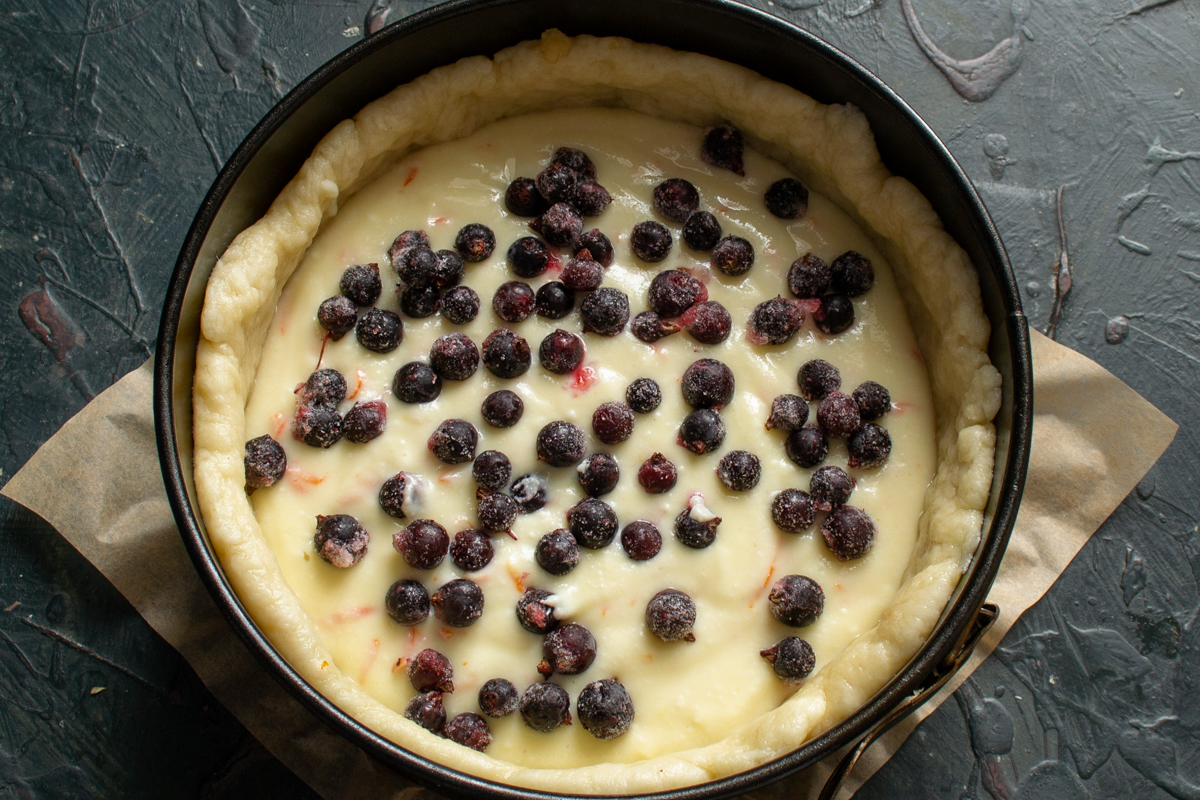
Generously scatter the berries over the cheese. Both fresh and frozen blackcurrants, as well as blueberries, will work perfectly.
Fold the overhanging edges of the dough over the filling. Do not try to make the edges perfect; this is a rustic homemade pie that thrives on a slightly imperfect, cozy look.
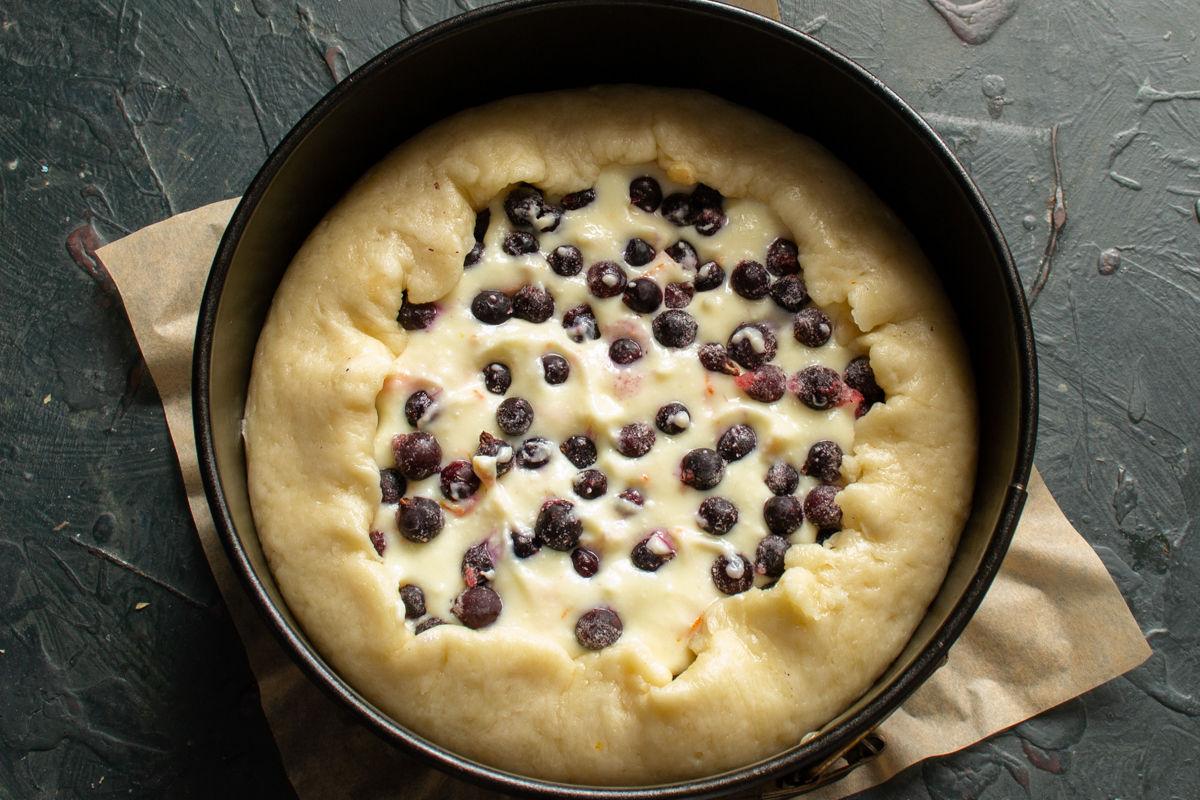
Fold the edges of the dough inward. A little rustic imperfection will only emphasize the cozy, homemade character of this pastry.
Preheat the oven to 180°C (350°F). Place the pan on the middle rack. Bake for 40 minutes until golden brown.
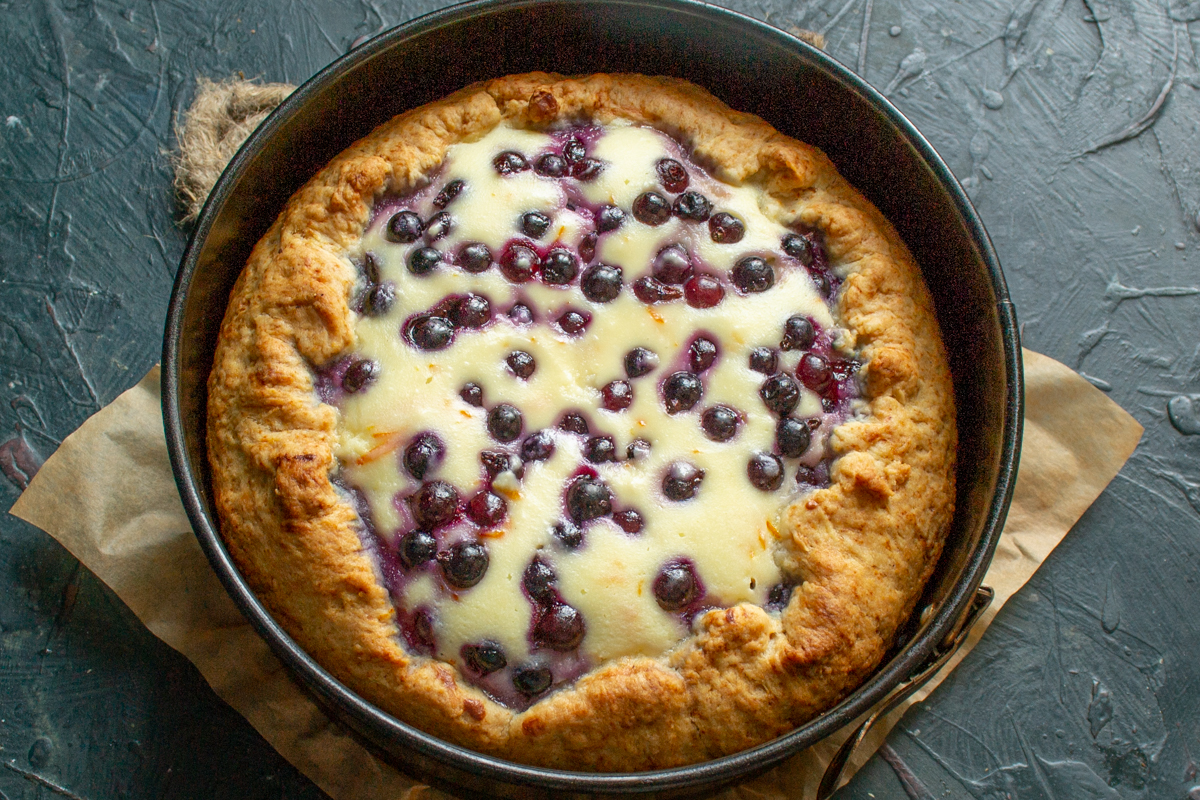
Bake until appetizingly golden brown. The filling should set, and the dough must become nicely crispy and flaky.
Let the galette cool in the pan for 10 minutes. Then, remove the springform ring and carefully slide the pie off the base.
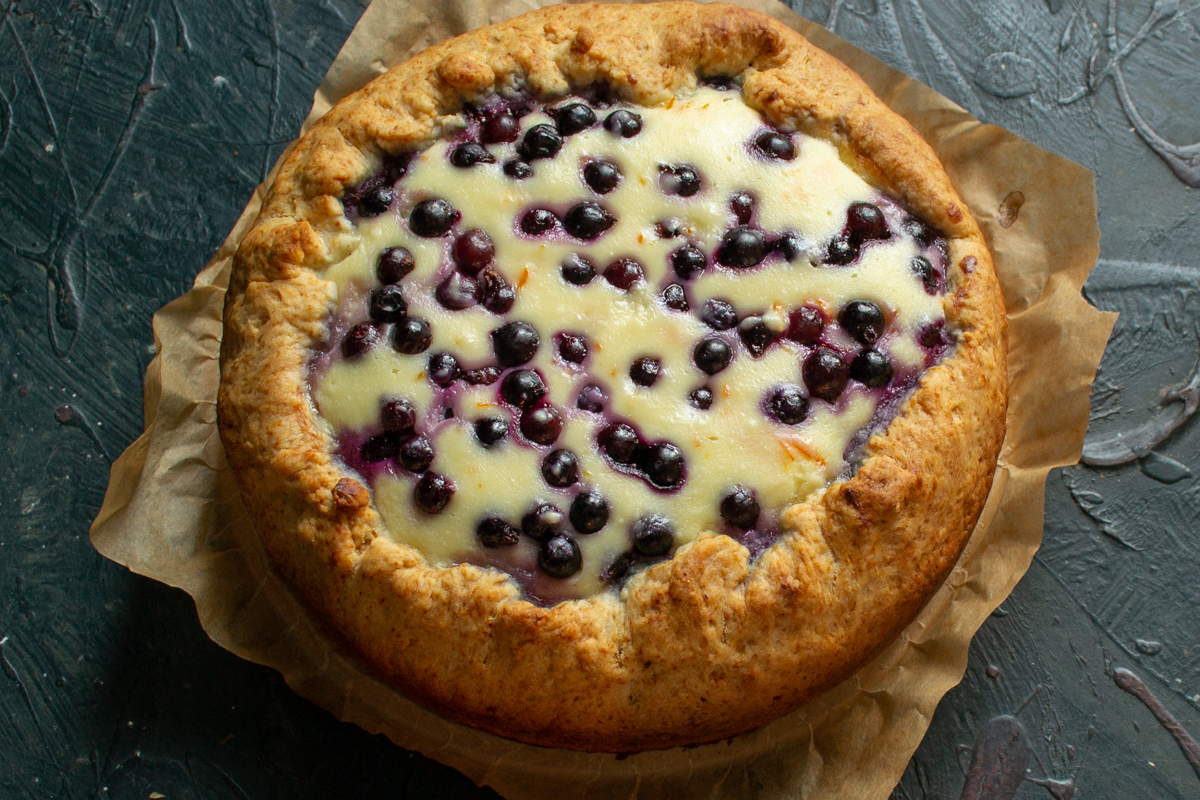
After letting it cool slightly, carefully remove the springform ring. The galette already looks stunning and is ready to be served.
Transfer to a wire rack to cool completely.
The baked tvorog (farmers cheese) and blackcurrant galette reveals its flavor best when slightly warm, when the cheese layer has stabilized but the dough still retains its maximum crispness. Try serving it with a scoop of vanilla ice cream or a dollop of thick smetana (sour cream)—the temperature contrast makes the dessert even more exciting. If you want to experiment, feel free to substitute the blackcurrants with blueberries, and add a pinch of vanilla to the cheese mixture for a more classic confectionery aroma. You can store leftover pie in the refrigerator for up to two days, covering it with parchment paper so the dough doesn't lose its texture. To restore the galette to its original glory the next day, simply warm it up for a couple of minutes in the oven—this will bring back the characteristic snap of the crust. A little culinary secret: if you use frozen berries, do not thaw them in advance. Just toss them with a small amount of starch before placing them over the cheese filling, ensuring the excess juice doesn't make the base soggy.
0 comments