
Cauliflower, once considered a humble side dish, takes center stage in this recipe. We make this cauliflower schnitzel with onions, achieving a texture that surprises with its tenderness and juiciness. The secret lies in blanching the florets first and then combining them with butter-sautéed onions. This dish proves that plant-based cuisine can be truly hearty and multi-dimensional, offering a rich palette of flavors without being overly heavy. The schnitzel turns out large, appetizing, and confidently holds its shape during frying.
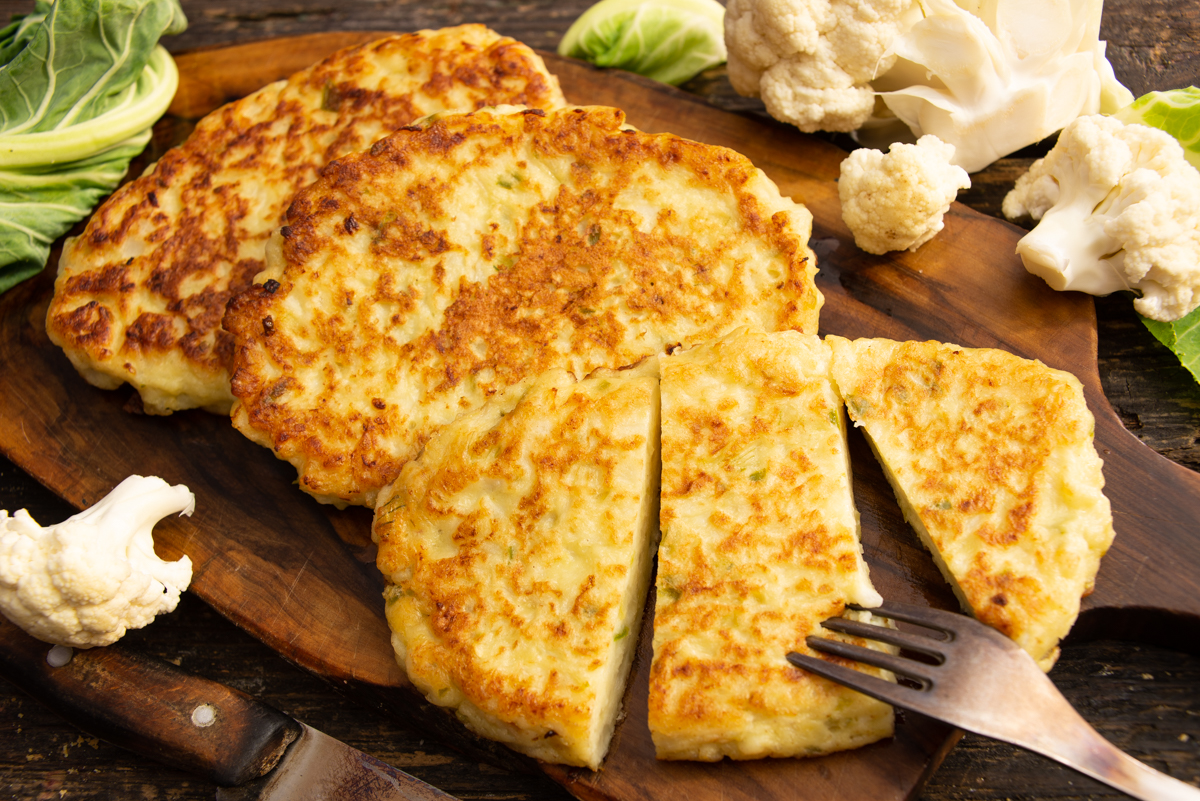
Golden and crispy cauliflower schnitzel is a fantastic, healthy alternative to meat dishes.
Schnitzel Ingredients
- 500 g (1.1 lbs) cauliflower
- 150 g (5.3 oz) onion
- 1 chicken egg
- 3 tablespoons wheat flour
- 25 g (0.9 oz) butter
- vegetable oil
- salt
White Sauce Ingredients
- 20 g (0.7 oz) butter
- 5 g (1 tsp) vegetable oil
- 20 g (0.7 oz) wheat flour
- 1 cup heavy cream or milk
- salt
- grated nutmeg
- finely chopped parsley
How to Make Cauliflower Schnitzel
Cut the cauliflower florets from the stalk and break them into smaller pieces so they cook faster. Place the cauliflower in a saucepan, cover with boiling water, and season with salt. Once it returns to a boil, simmer for 5-6 minutes.
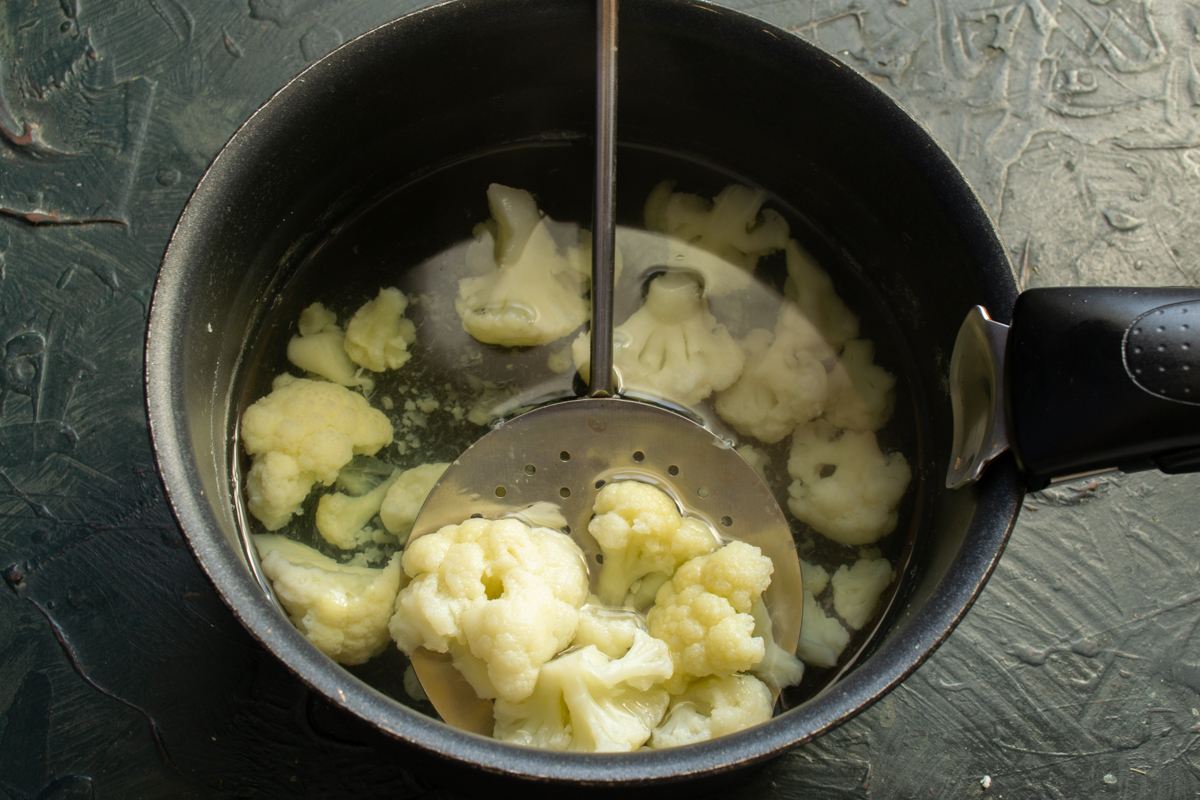
First, boil the small cauliflower florets in salted water until tender.
Finely chop the onion. Sauté the chopped onion in butter until soft. To prevent the butter from burning, lightly coat the skillet with vegetable oil first. While sautéing, try adding 2 tablespoons of the vegetable broth from blanching the cauliflower or boiling water; the water will evaporate quickly, and the onion will cook faster.
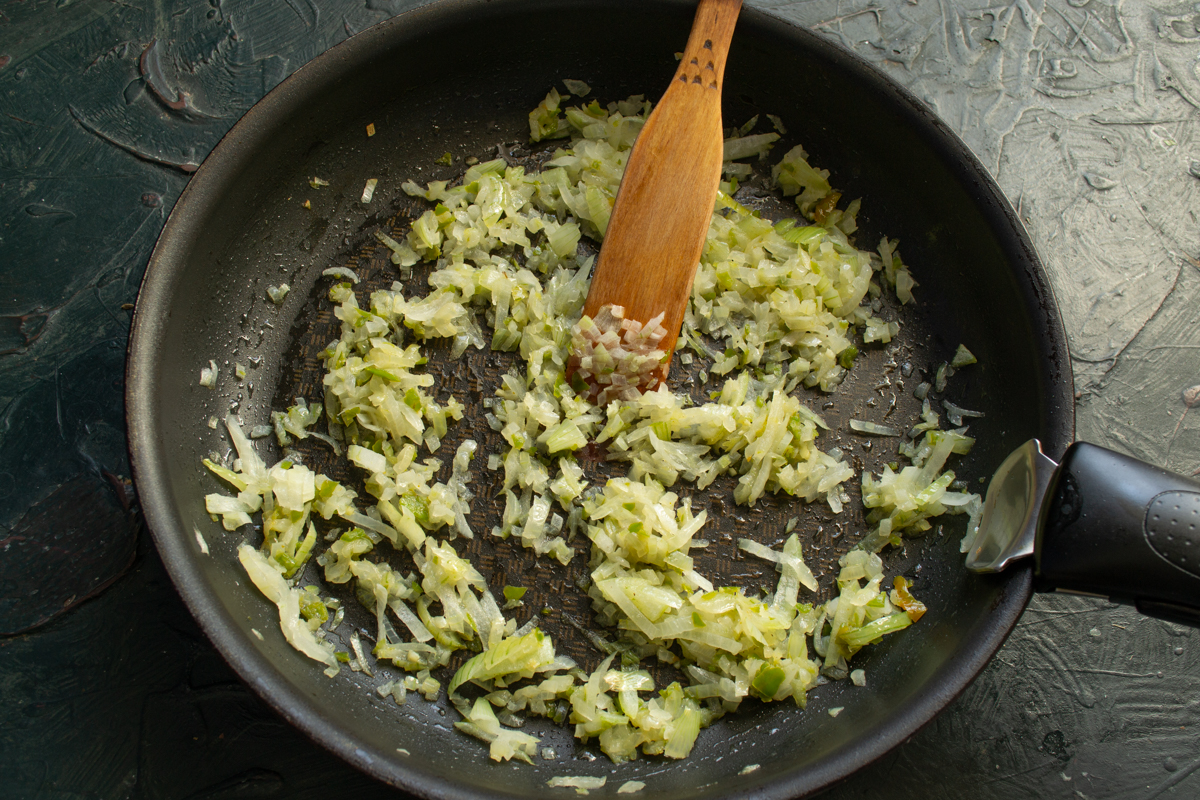
Sauté the onion until soft. Chef's trick: add a couple of tablespoons of vegetable broth to speed up the process.
Drain the cauliflower in a fine-mesh strainer. Once the water has completely drained, mix it with the sautéed onion. You can simply mash it with a fork, but chopping is better.
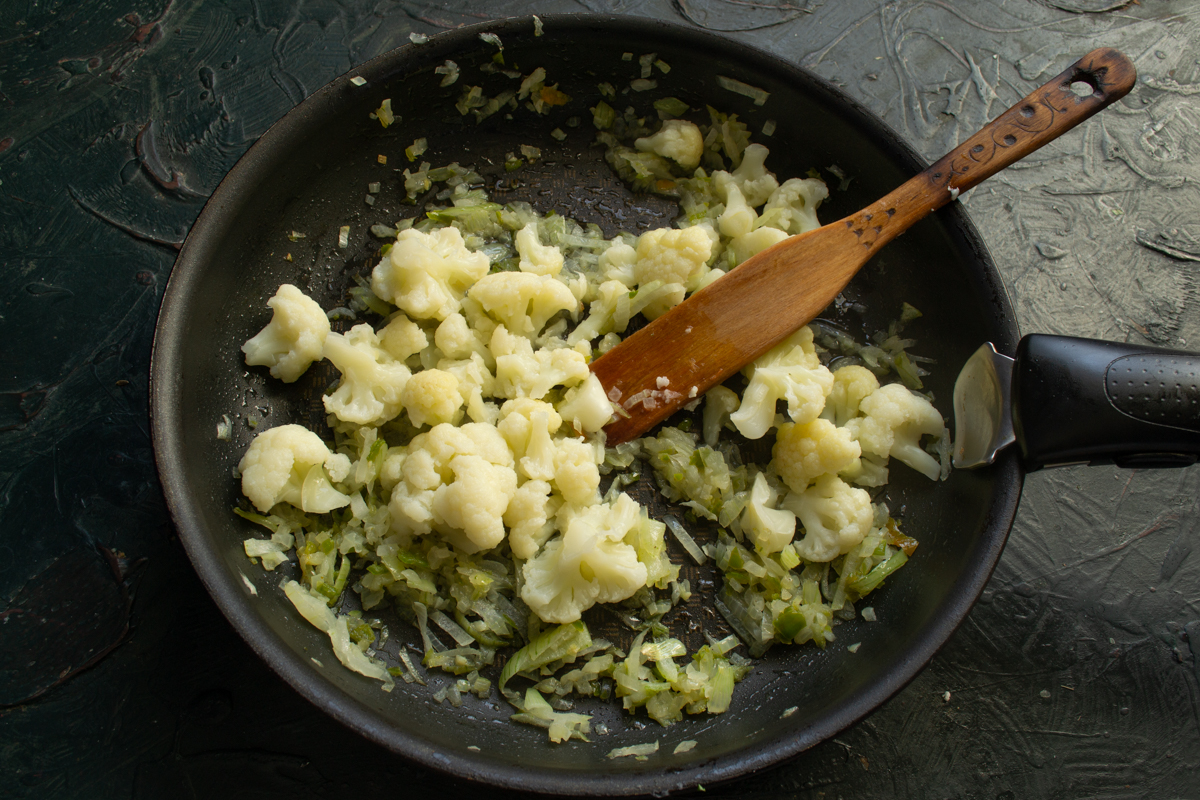
Combine the cooked cauliflower with the sautéed onions before mincing them.
Transfer the cauliflower and onion mixture to a cutting board. Chop it thoroughly with a chef’s knife or a meat cleaver until it turns into a uniform vegetable mince.
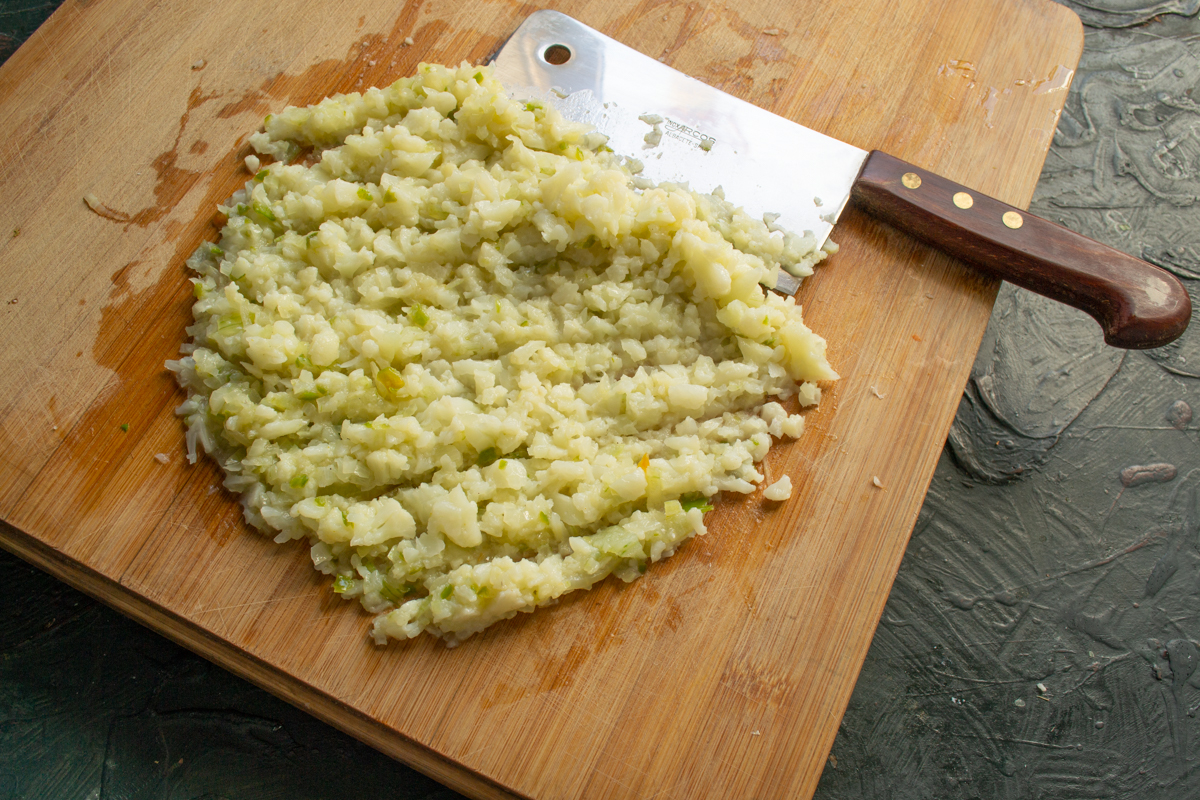
Thoroughly chop the vegetables with a knife or cleaver until you achieve a uniform consistency.
Add a large egg to the minced vegetable mixture.
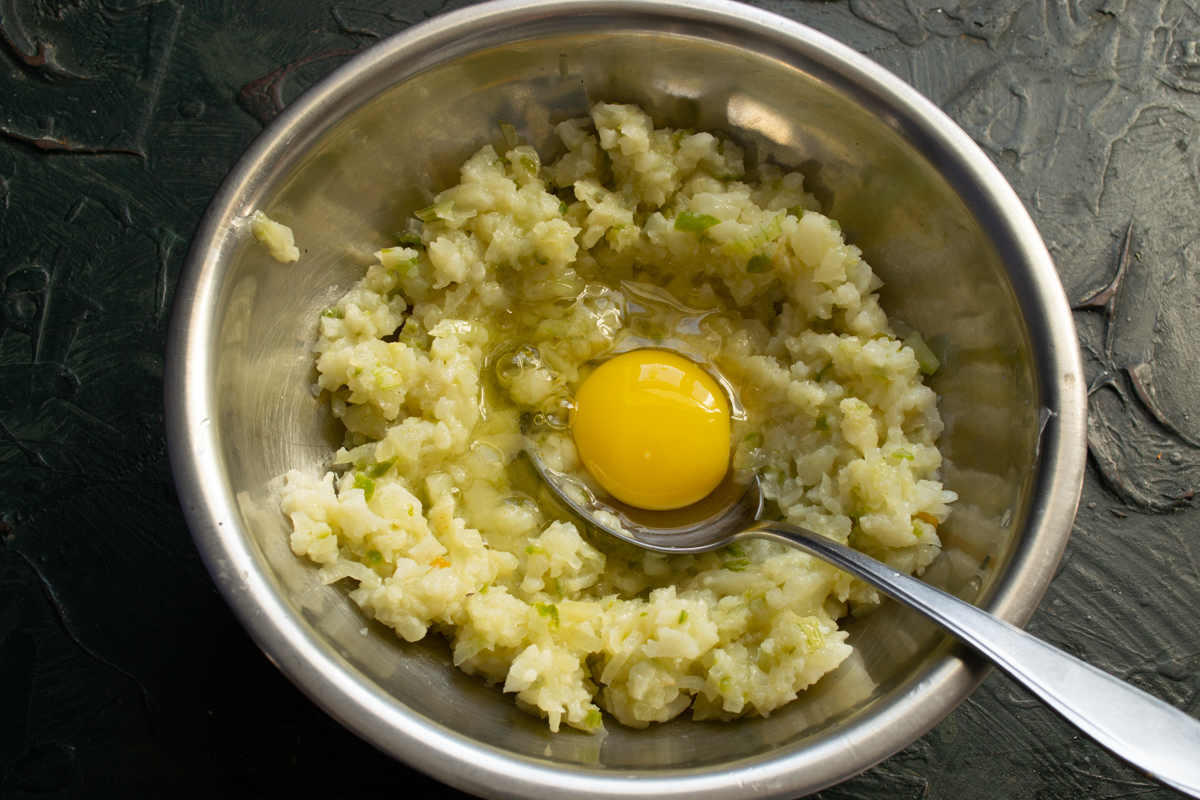
Add a large egg to the vegetable mixture to help the schnitzels hold their shape.
Mix the vegetables with the egg and fold in the wheat flour. To make the dish even healthier, use whole wheat flour.
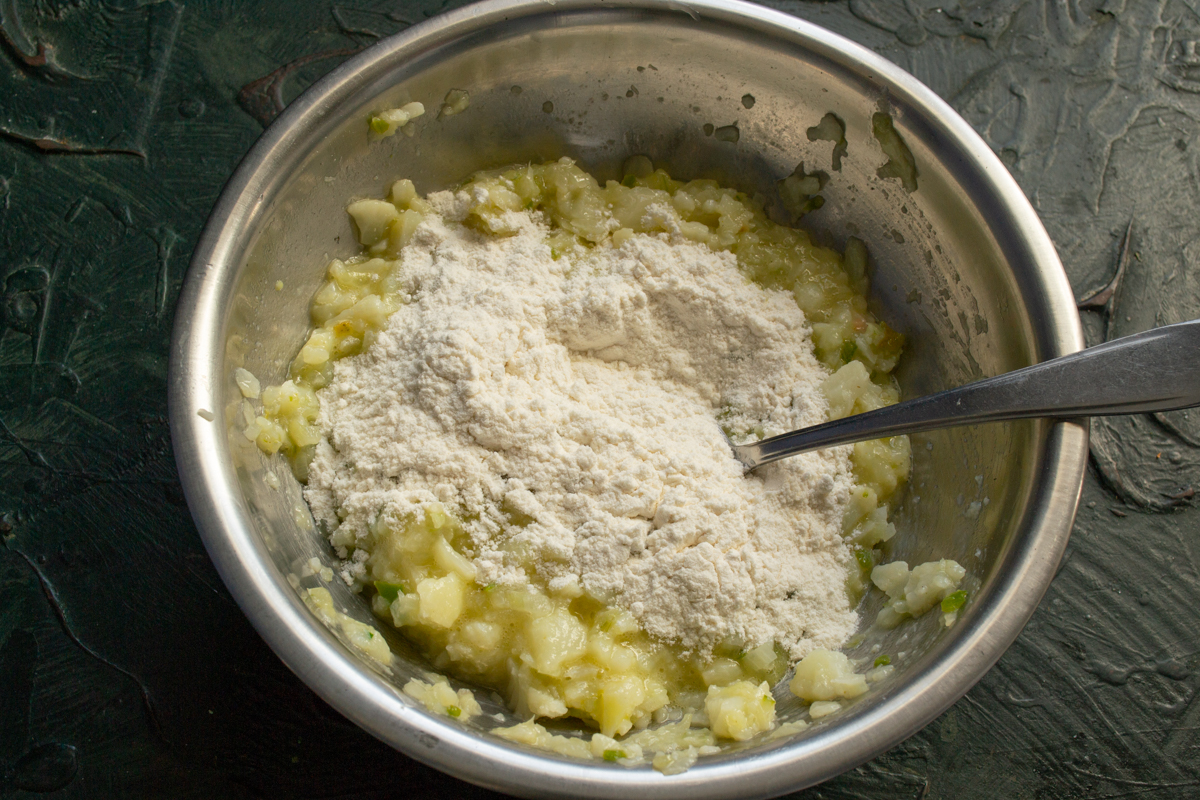
Fold in the flour. Using whole wheat flour will make the dish healthier and more filling.
Season with salt and black pepper to taste, then mix thoroughly. You will get a thick batter, similar to a traditional meat patty mixture.
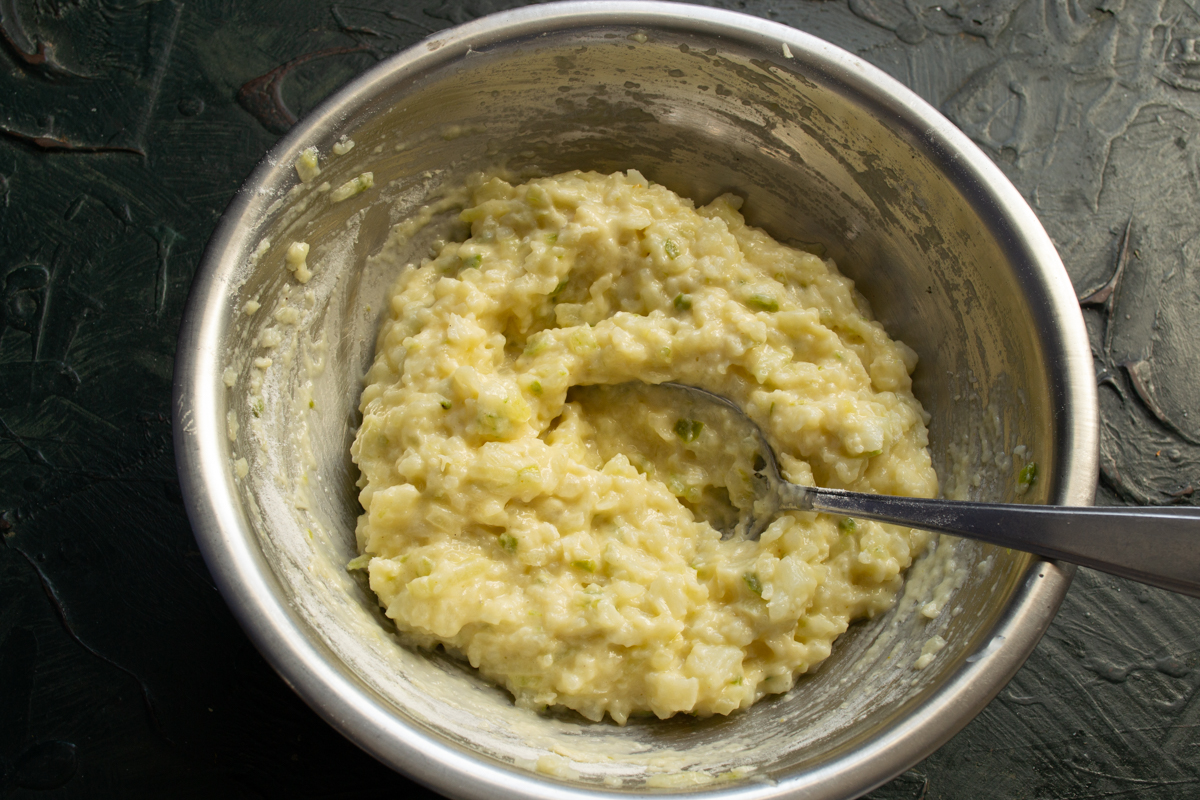
Mix until it reaches the thickness of a regular meat patty mixture, then season with salt and pepper to taste.
Pour a neutral vegetable oil into a heavy-bottomed skillet. You will need about 3-4 tablespoons of the mixture for one schnitzel. Drop the mixture into the hot oil, shaping it with a spatula into large oval patties—schnitzels.
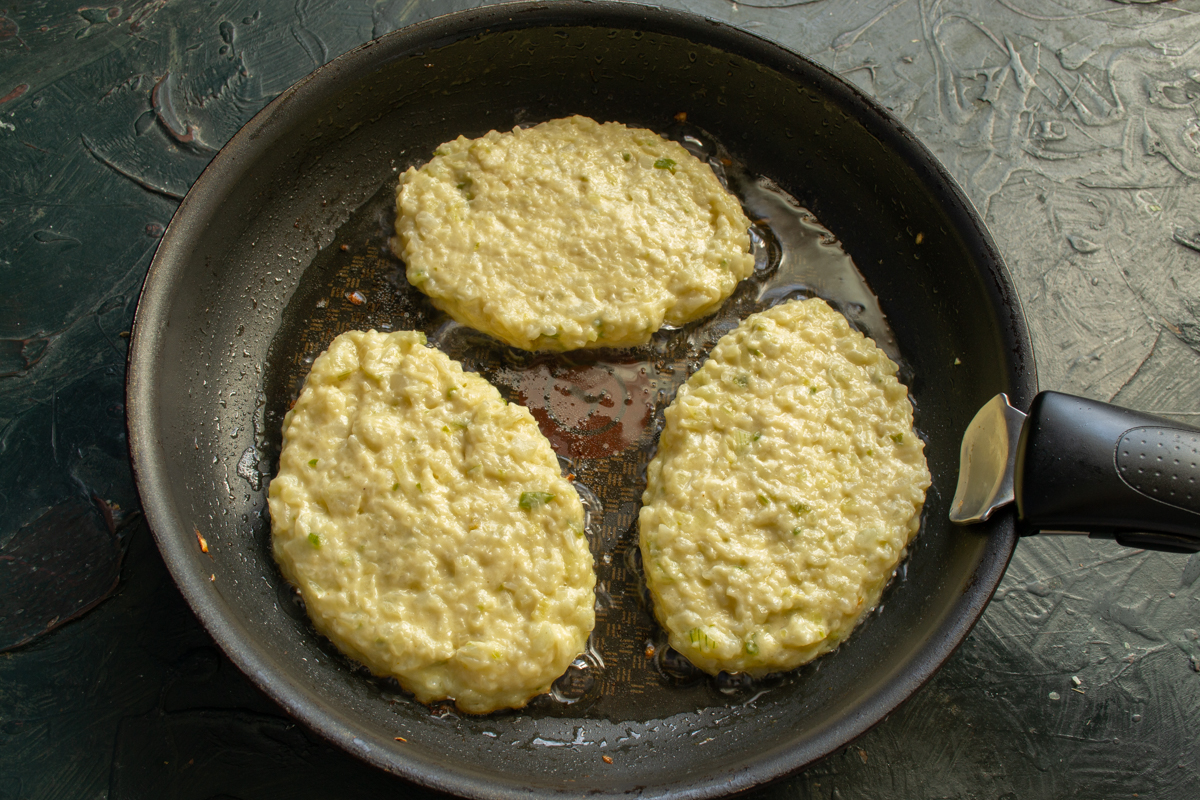
Spoon the mixture into the hot oil, shaping it into neat, oval patties.
Fry until a golden-brown crust forms on both sides, about 3-4 minutes per side. If desired, you can prepare a classic three-layer breading: flour, beaten egg, and breadcrumbs. First, coat the patty in flour, then dip it in the egg, and finally cover it in breadcrumbs. This creates a thick, crunchy crust, but it takes more effort and adds calories to the portion.
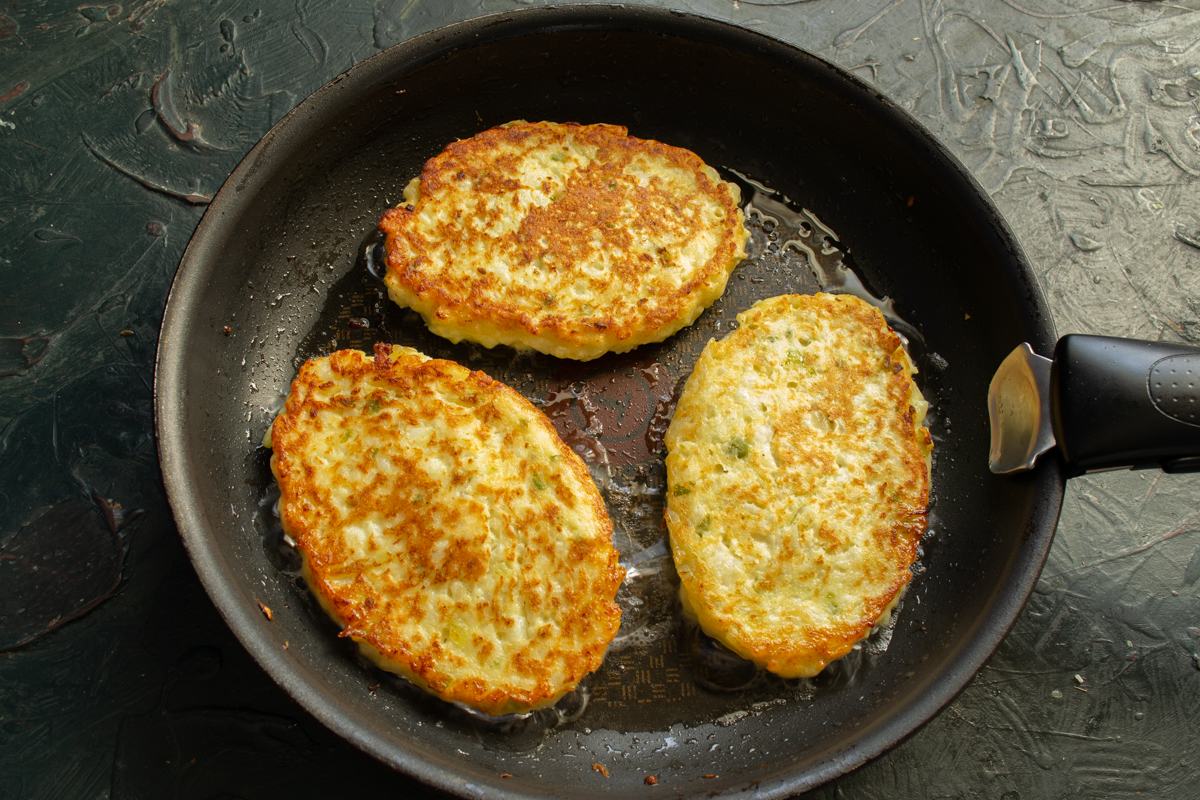
Fry until an appetizing golden-brown crust forms on both sides.
Carefully remove the schnitzels from the skillet and place them on paper towels to absorb any excess oil.
Serve the cauliflower schnitzels hot. It pairs beautifully with a white sauce or sour cream. Enjoy your meal!
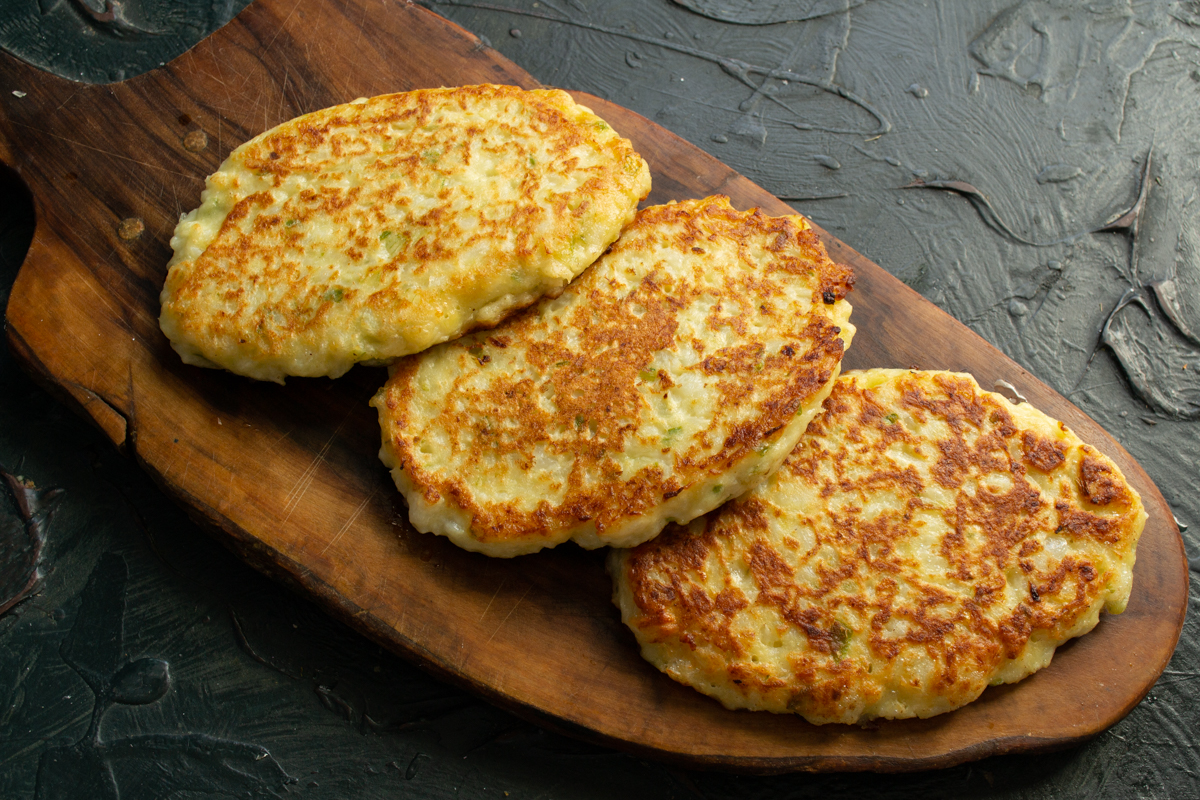
Transfer the cooked schnitzels to a paper towel to drain any excess oil.
White Sauce Recipe: Heat 20 g (0.7 oz) of butter and 5 g (1 tsp) of vegetable oil in a saucepan, then whisk in 20 g (0.7 oz) of wheat flour. Sauté the flour in the fat for 2 minutes over medium heat. Gradually pour in 1 cup of heavy cream or milk in a thin stream. Whisk continuously to prevent lumps from forming. Season the sauce with salt, grated nutmeg, and finely chopped fresh parsley. Simmer for 5 minutes and serve alongside the schnitzels. This suggested white sauce is just one way to highlight the delicate flavor of the vegetables. Cauliflower schnitzel also pairs wonderfully with thick, cold smetana (sour cream) or a homemade tartar sauce, where the tartness of pickled cucumbers creates a beautiful contrast with the slightly sweet base of the dish. Serve it hot, complemented by a side of fresh tomatoes or a light mixed green salad for perfect balance on the plate. For those who love culinary experiments, try adding a pinch of nutmeg or a little grated Parmesan to the vegetable mince—this will give the schnitzels an exquisite aroma. If you have any leftovers, they keep perfectly in the refrigerator. To restore the crunchy crust when reheating, it is best to use a skillet with a drop of oil rather than a microwave.
0 comments