
This upside-down apple cinnamon tart is a true ode to autumn and home comfort, inspired by the classic French Tarte Tatin. In this recipe, apples do more than just serve as a filling; they become the centerpiece, acquiring an amber gloss and a deep, rich flavor as they caramelize. The warm aroma of cinnamon, paired with the zest of fresh lemon, will fill your kitchen long before you take the pan out of the oven. The real magic of this dish lies in the contrast of textures: tender, almost creamy fruit on top, and a thin, crispy shortcrust pastry base underneath, which becomes a sturdy foundation for this culinary delight once inverted.
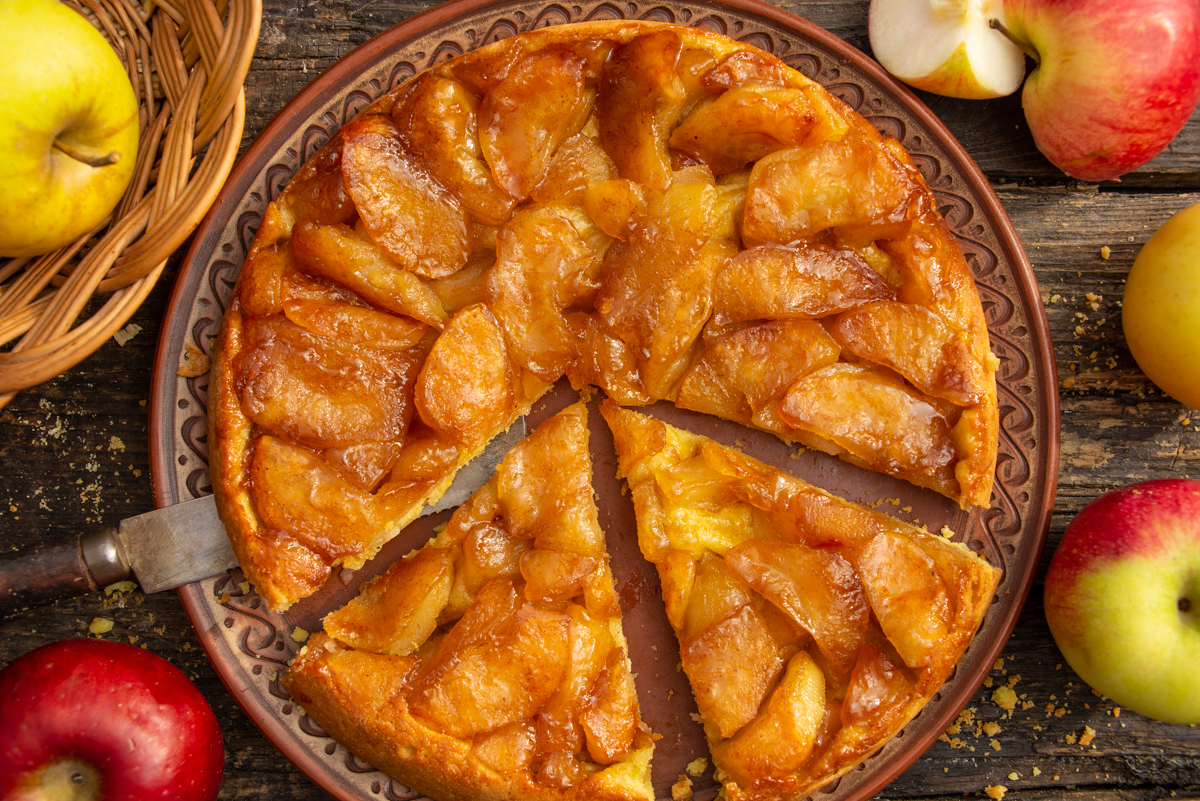
This upside-down apple and caramel tart will become your favorite dessert. Serve it warm to fully enjoy the aroma of cinnamon.
Ingredients for the dough
- 150 g (1 1/4 cups) wheat flour
- 1 egg
- 50 g (1/4 cup) sugar
- 70 g (5 tbsp) butter
- Zest of 1 lemon
Ingredients for the filling
- 800 g (1.7 lbs) apples
- 100 g (7 tbsp) butter
- 60 g (1/3 cup) sugar
- Ground cinnamon
- Juice of 1 lemon
How to Make the Upside-Down Apple Cinnamon Tart
Core, peel, and cut the apples into thick slices, as shown in the picture. Drizzle them with freshly squeezed lemon juice.
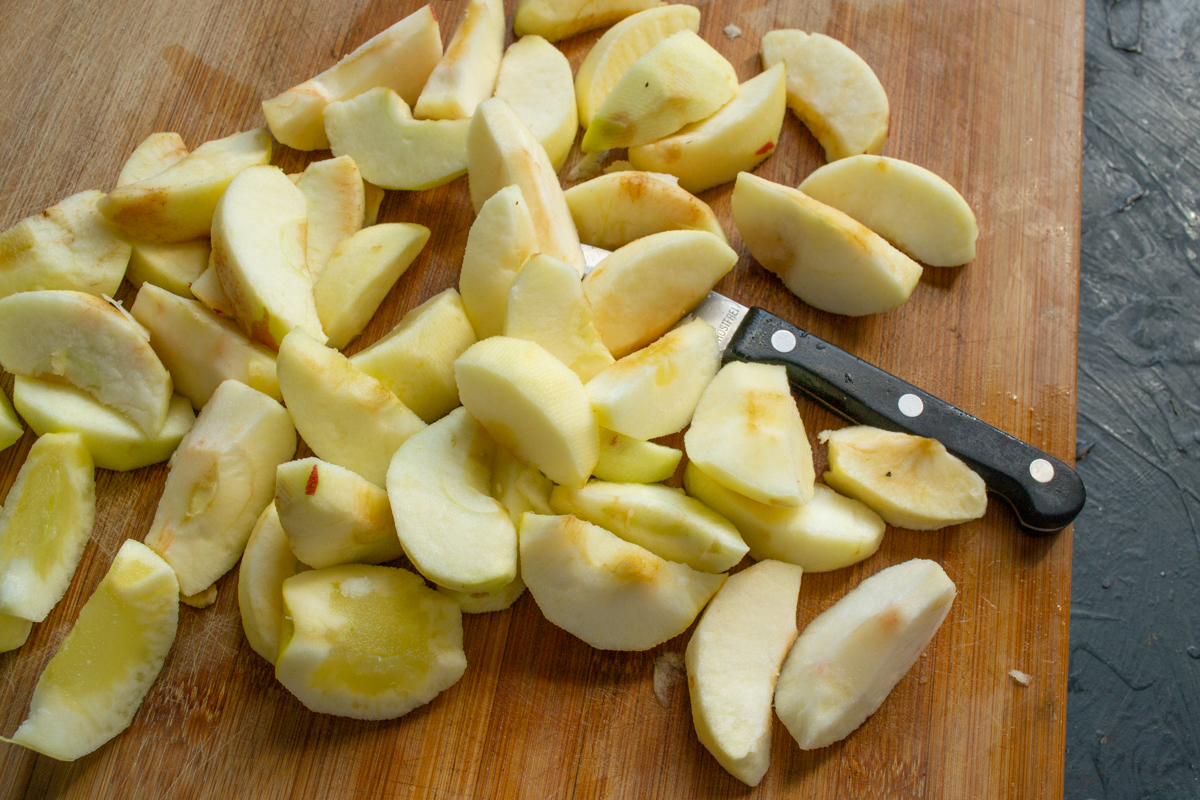
It is best to choose sweet and sour apple varieties for this tart, as they hold their shape well during cooking.
Make the dough. Combine wheat flour and sugar in a bowl. Add the zest of one lemon and cold, cubed butter. Rub the butter into the dry ingredients until crumbly, then crack in an egg.
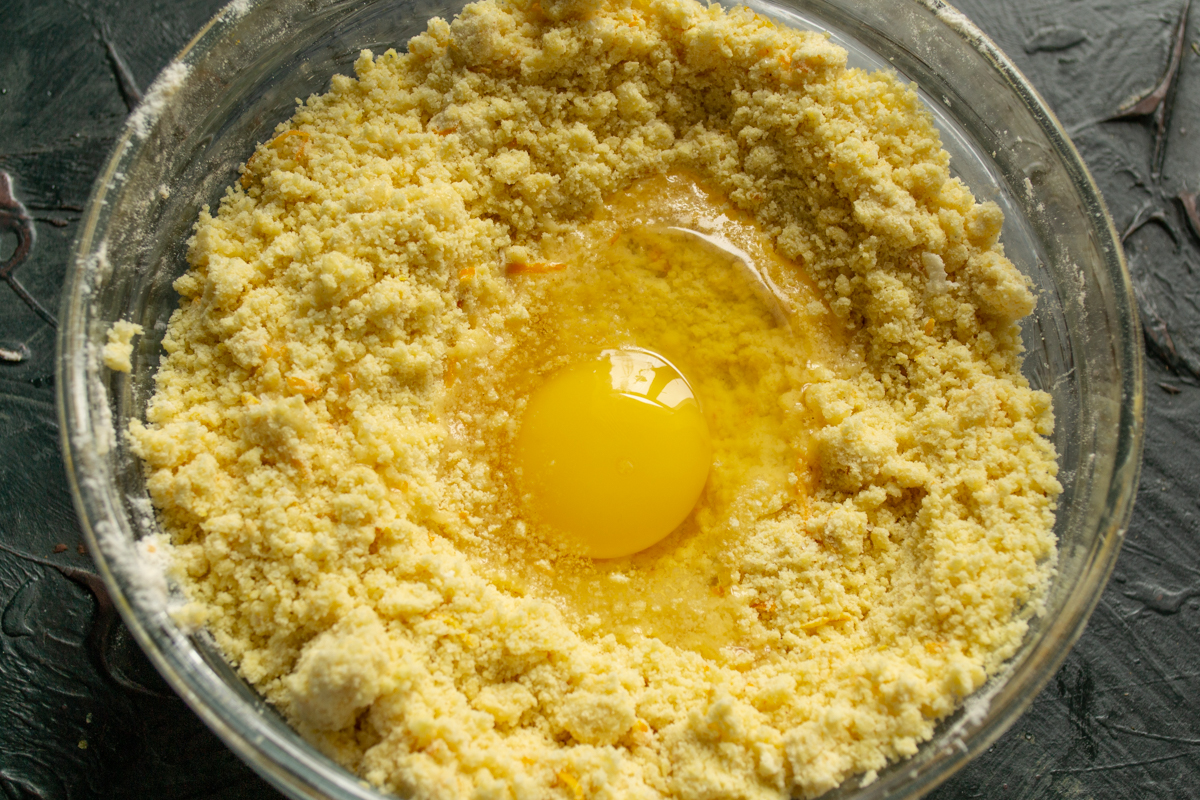
Rub the flour and cold butter into crumbs, then add the egg to bring the dough together into an elastic ball.
Knead the dough, form it into a large ball, cover with plastic wrap, and let it chill in the refrigerator for 30 minutes. Alternatively, place it in the freezer for 15 minutes.
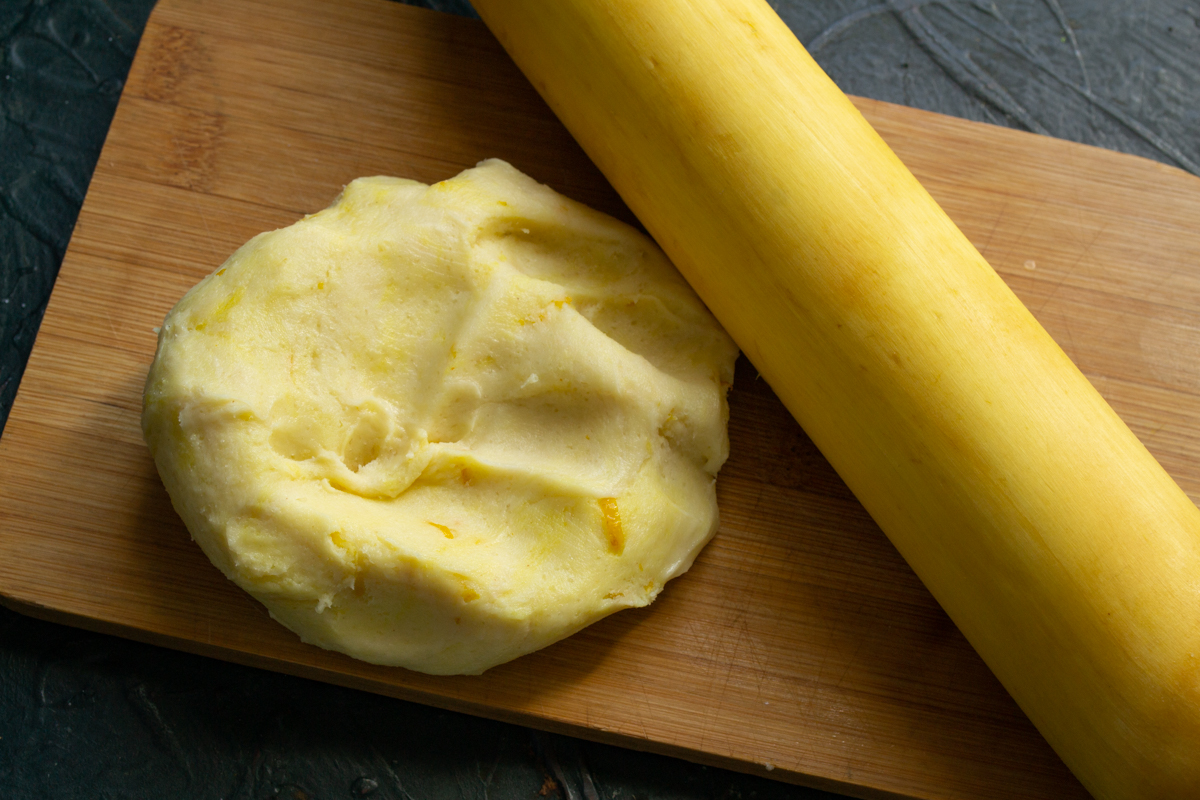
Before rolling out, the shortcrust pastry must rest in the refrigerator so it becomes more pliable.
Melt butter in a heavy-bottomed skillet that is 22-25 cm (9-10 inches) in diameter.
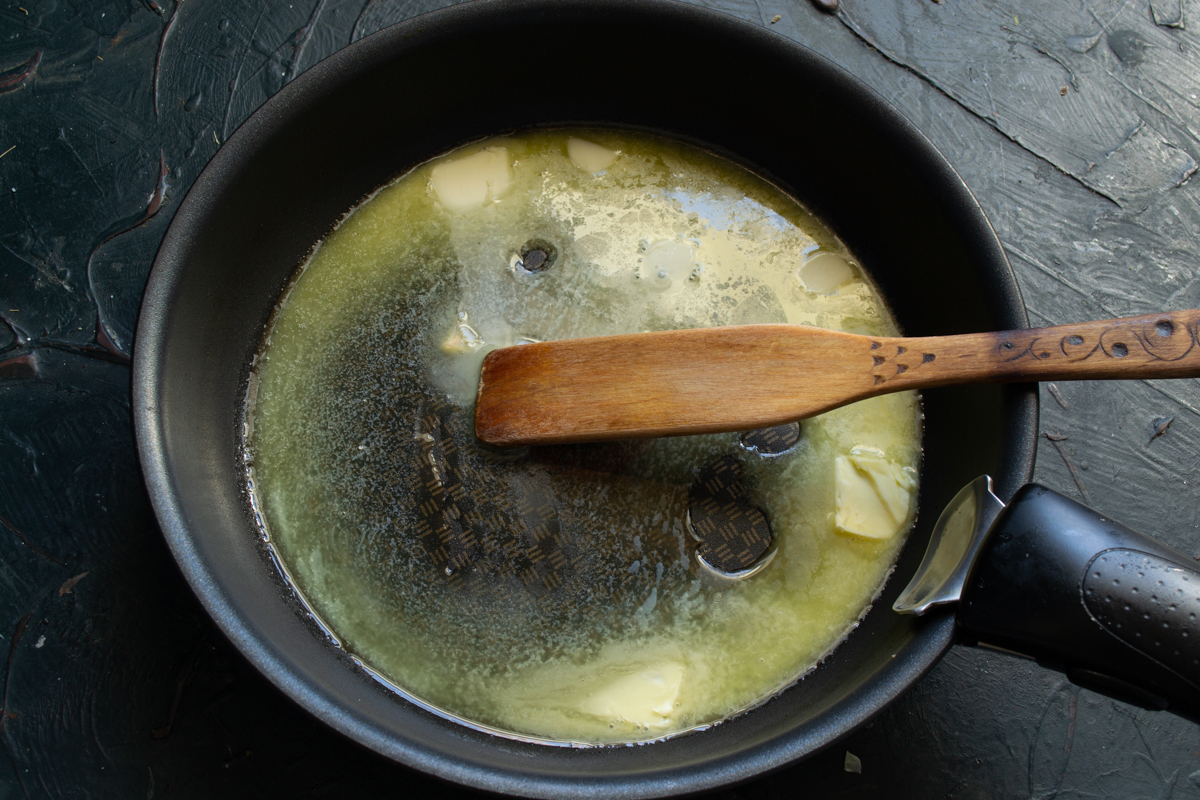
Use high-quality butter; it will give the caramel a delicate creamy taste and a deep aroma.
Pour the granulated sugar into the melted butter and add 1/2 teaspoon of ground cinnamon. Reserve 2-3 tablespoons of sugar for the apples later. Heat the caramel over low heat until the sugar completely dissolves.
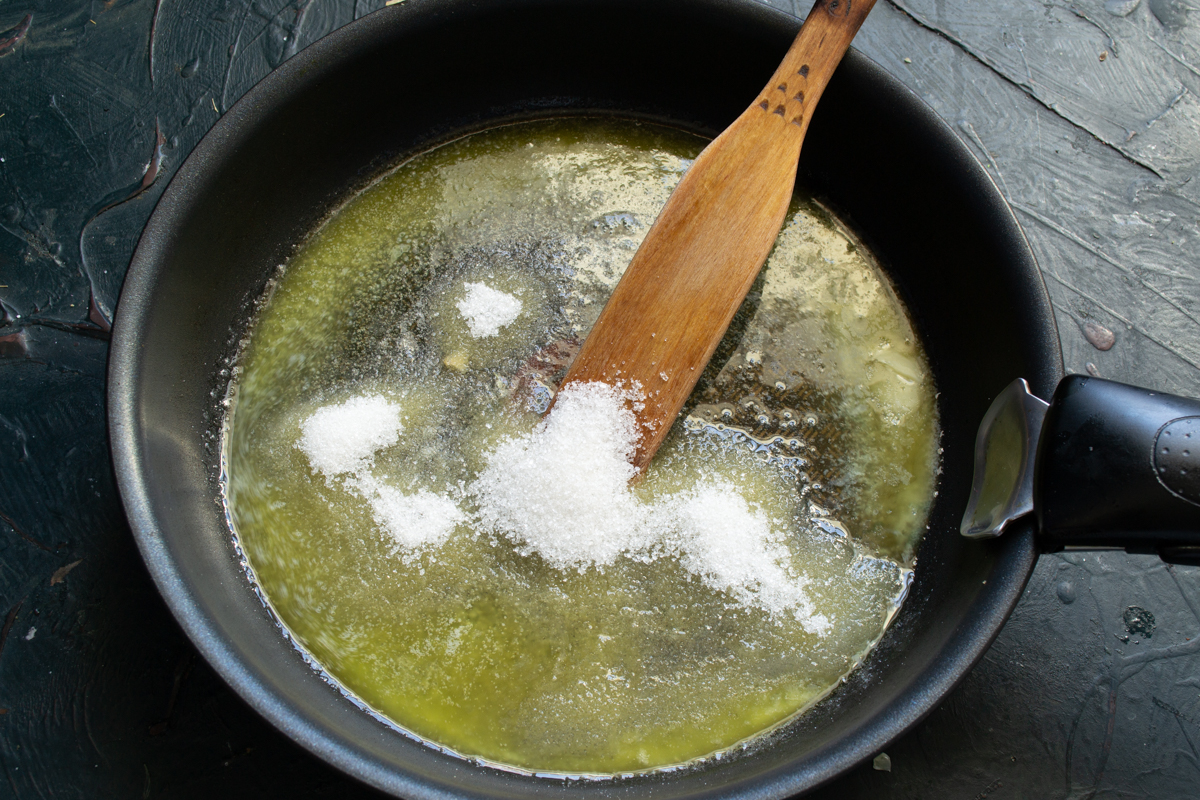
At this stage, we combine the butter and sugar, which will turn into a thick golden caramel under the heat.
The finished caramel should turn a light brown color and bubble evenly. Watch it closely; if overheated, the caramel will burn and you will have to start over.
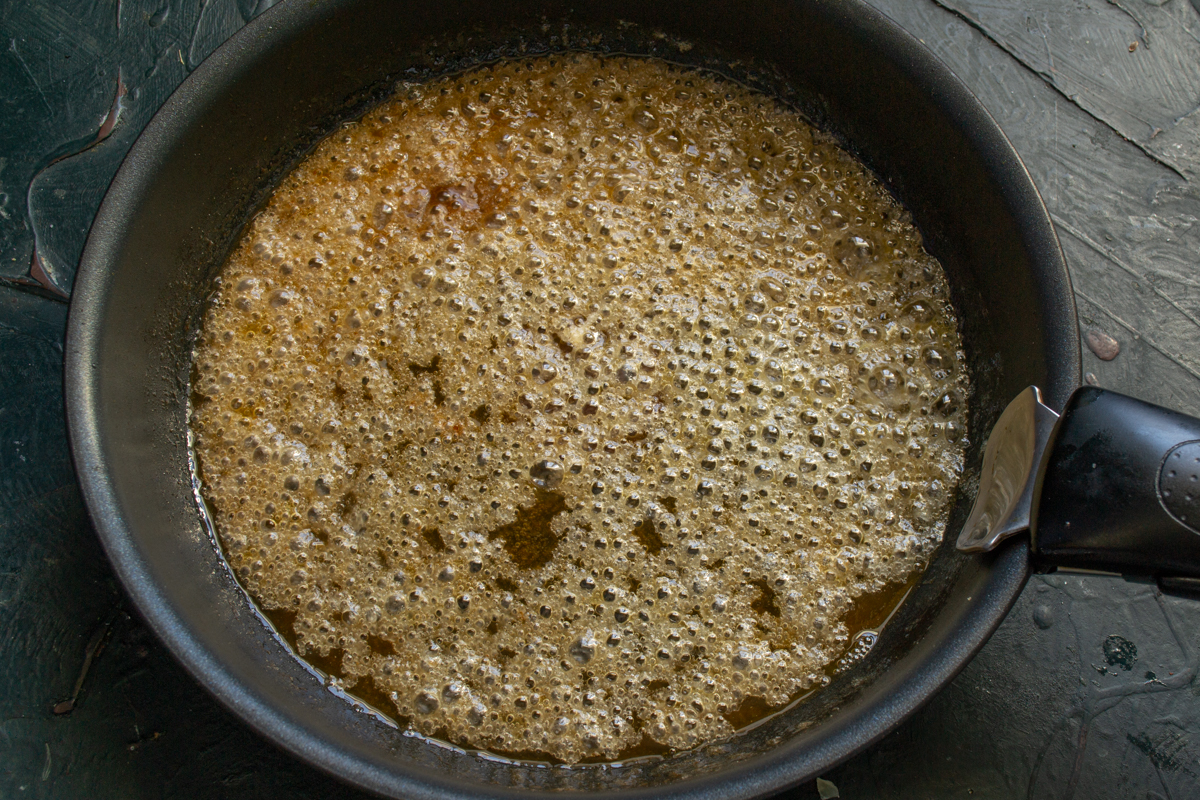
It is important not to overcook the caramel: as soon as it takes on an amber color and characteristic aroma, it is time to add the apples.
Arrange the apple slices in the skillet in a fan shape, packing the bottom tightly. Not all the apples will fit in the pan, but they will be used later.
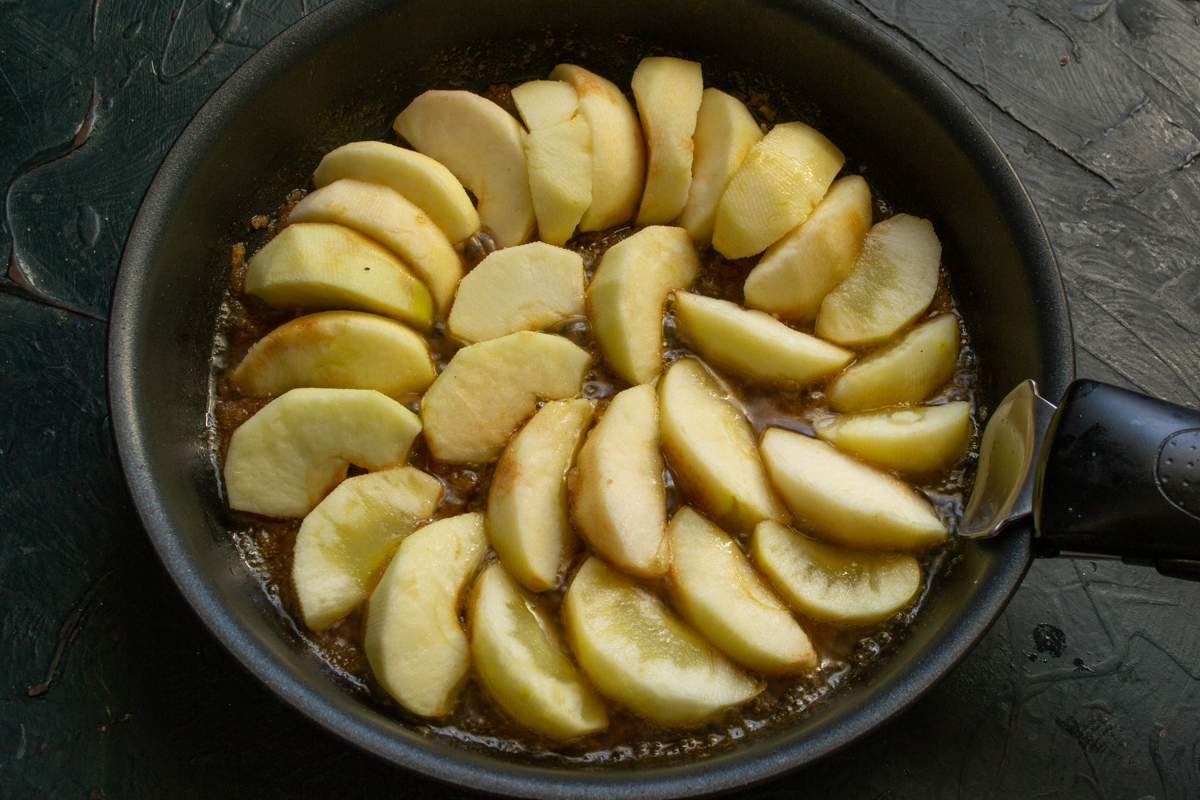
The first layer of apples is the top of our tart, so we arrange them as neatly and tightly as possible.
Dice the remaining apple slices, add them to the skillet, and sprinkle with the reserved sugar. This solves two problems at once: the top of the tart will look beautiful, and there will be plenty of apples. Cook the apples in the caramel over low heat for 15 minutes, then let them cool slightly.
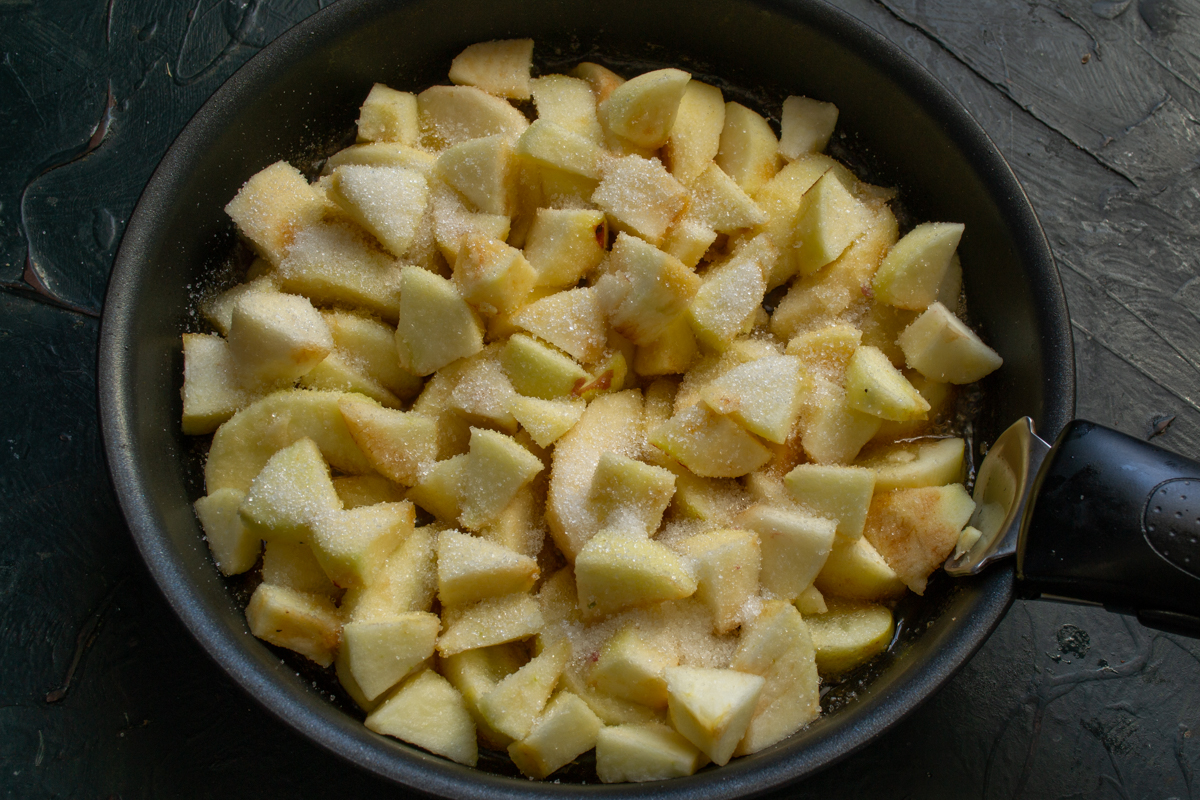
An additional layer of diced apples will make the tart even juicier and richer in flavor.
Remove the dough from the refrigerator and roll it out on a floured surface into a thin circle slightly larger than the diameter of your skillet.
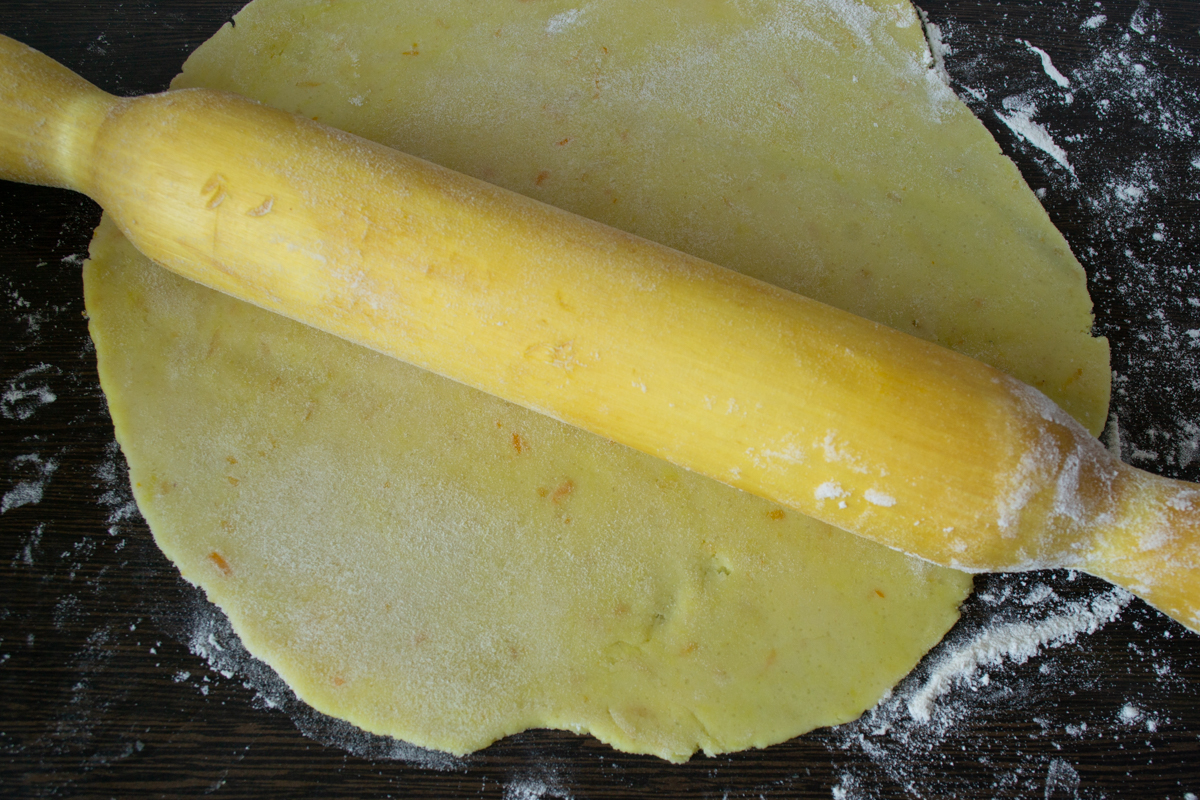
Roll out the dough thinly, trying to make a circle slightly larger in diameter than the baking dish.
Cover the apples with the dough, carefully tucking the edges down around the perimeter. Pierce the dough all over with a fork. You need to work quickly here, as the shortcrust pastry will melt fast over the warm filling.
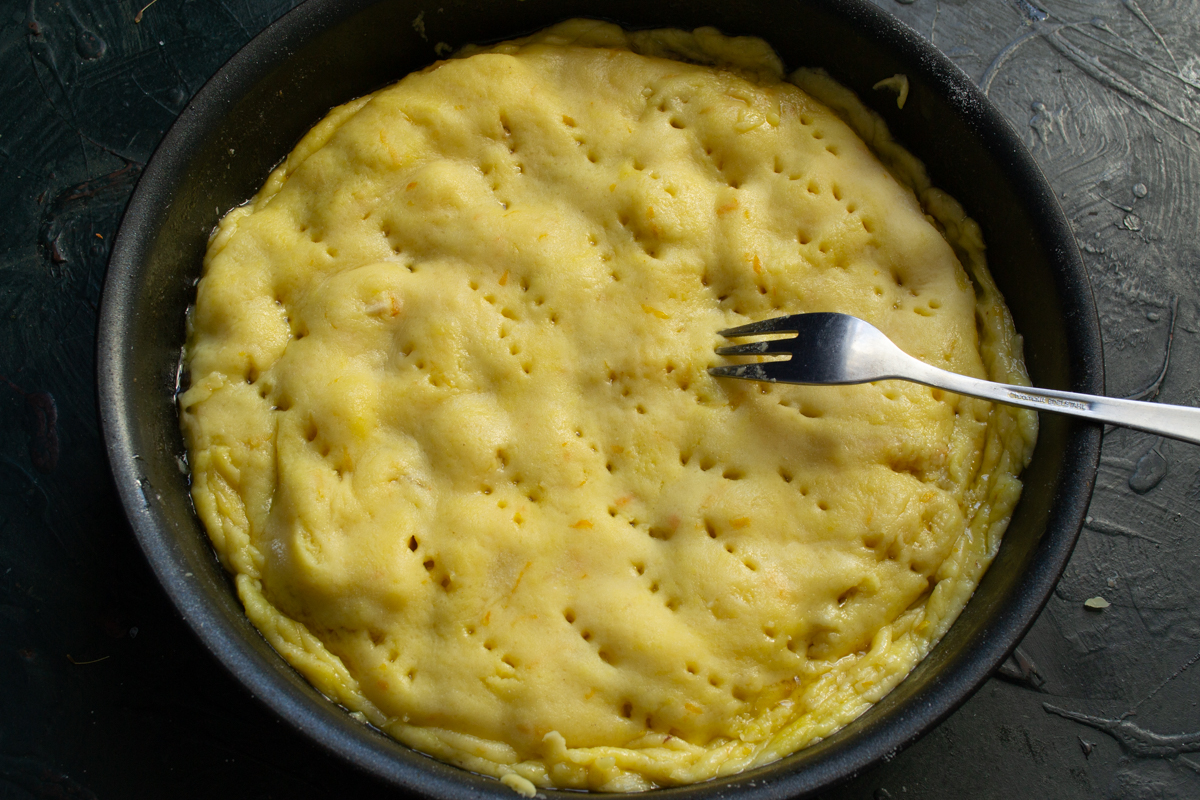
Piercing the dough with a fork is necessary to release excess steam and prevent it from puffing up during baking.
Preheat your oven to 180°C (350°F). Place the skillet into the preheated oven. Bake for about 25-30 minutes. I suggest trusting your sense of smell; do not let it reach the scent of burnt caramel. A properly baked tart smells delicious, and the crust turns light golden.
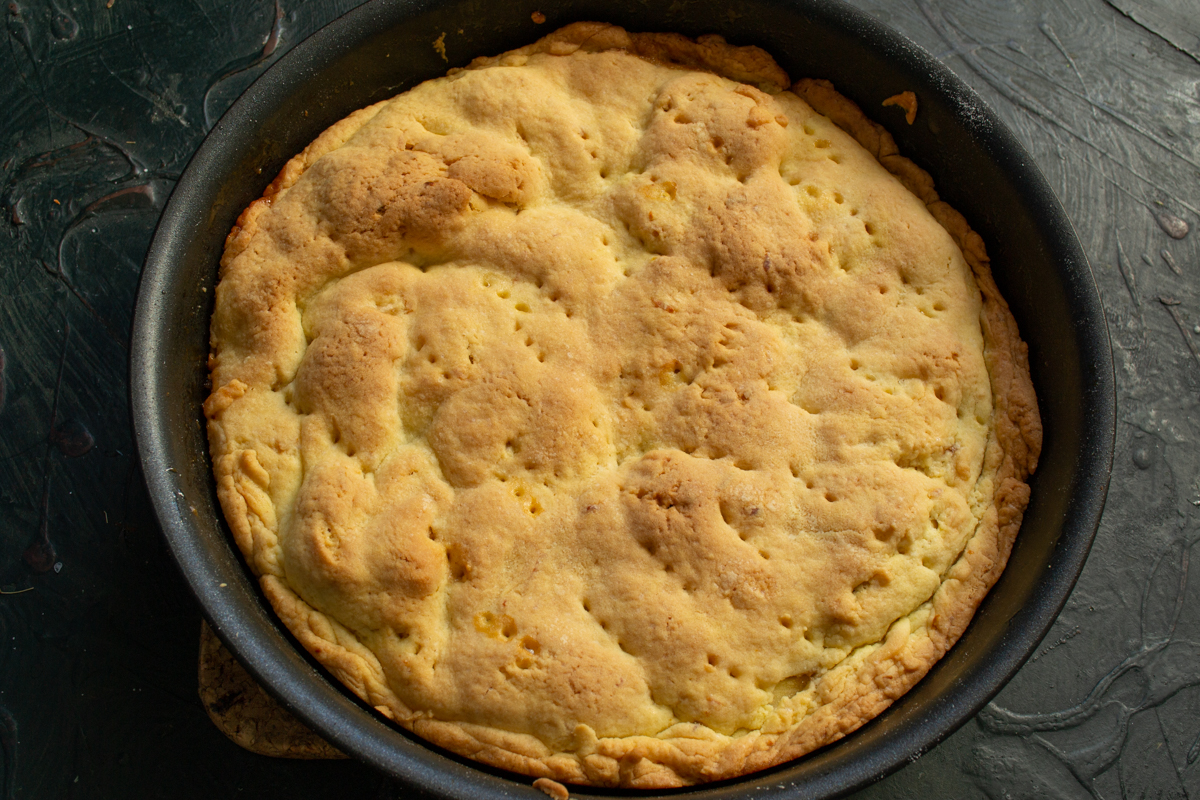
Let the tart sit for just a couple of minutes after taking it out of the oven, so the caramel can set slightly before flipping.
Remove the tart from the oven and choose a plate of a suitable diameter. Place the plate over the skillet and confidently flip the tart onto the plate. If done right, the result will exceed your expectations: translucent, caramelized apple slices lying perfectly side by side, smelling incredible, with a mouthwatering, crispy shortcrust pastry base underneath.
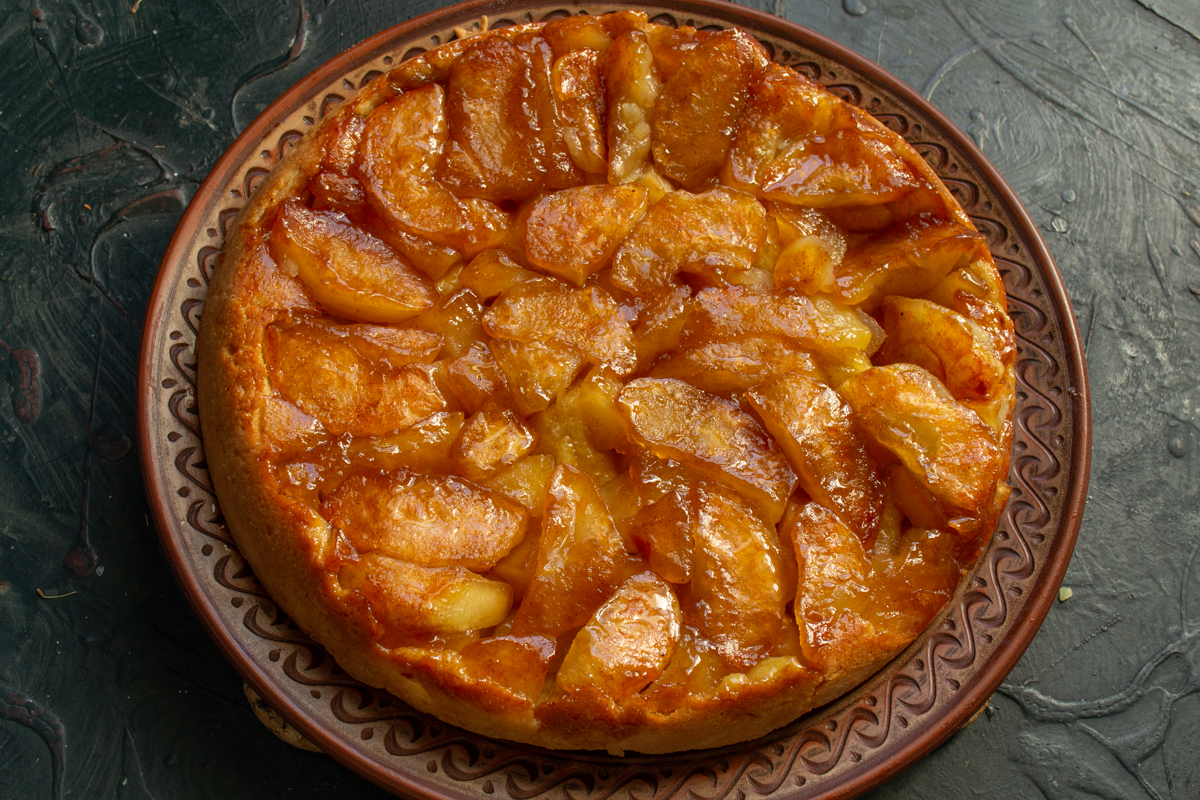
The moment of truth! Flip the skillet, and a magnificent dessert with glossy apples is revealed.
As the upside-down apple cinnamon tart cools slightly, its flavors will become even more balanced, and the caramel will achieve the perfect gooey consistency. To elevate this homemade dessert to a restaurant-quality dish, serve it warm alongside a scoop of vanilla ice cream or a dollop of thick, unsweetened whipped cream. The cold contrast of the ice cream against the hot caramel creates that unmistakable effect that makes apple tarts so beloved worldwide.
If you happen to have a slice or two left over after tea, store them in the refrigerator, tightly covered so the crust doesn't absorb other odors. The next day, you can gently warm the tart in the oven or microwave—this will return the caramel to its soft state and the pastry to its signature crispness. Feel free to experiment with variations as well, substituting some of the apples for firm pears or adding a handful of chopped walnuts for extra crunch.
0 comments