
Fish Rassolnik with pearl barley is an authentic variation of one of the most revered soups in the Russian culinary tradition. Historically, rassolnik was prepared using meat offal, but it is precisely this seafood version with delicate fish meatballs that gives the dish a unique lightness and elegance. The secret to its flawless flavor lies in the perfect balance of salty and sour: the crunchy fermented sour pickles release their vibrant juices into the rich broth, while the pre-cooked pearl barley creates a deeply satisfying, textured base. The aroma of this simmering soup instantly fills the home with warmth, bringing back memories of a time when the midday meal was the main event of the day, gathering the whole family around a large wooden table.
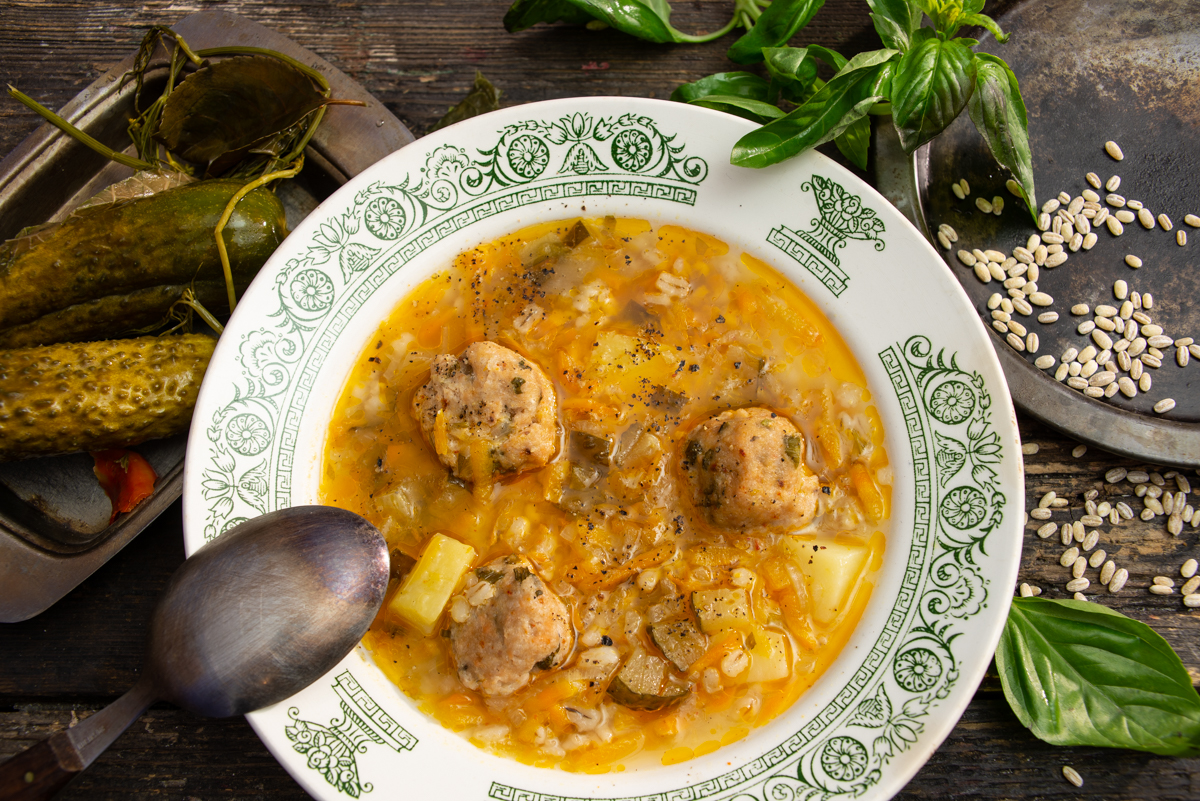
An appetizing fish rassolnik with tender meatballs and pearl barley is a fantastic, hearty, and wholesome lunch for the whole family.
Ingredients
- 1 L fish broth
- 60 g pearl barley
- 200 g potatoes
- 130 g onions
- 130 g carrots
- 2 fermented sour pickles
- 50 ml pickle brine
- salt, black pepper, vegetable oil
Meatball ingredients
- 200 g minced fish
- 30 g semolina
- 1 tbsp dried green onions
- 1/2 tsp ground paprika
- salt to taste
How to make fish rassolnik with pearl barley
Rinse the pearl barley under cold water until the water runs completely clear. Place it into a saucepan, pour in water in a 1 to 2 ratio, season with salt, and bring to a rolling boil.
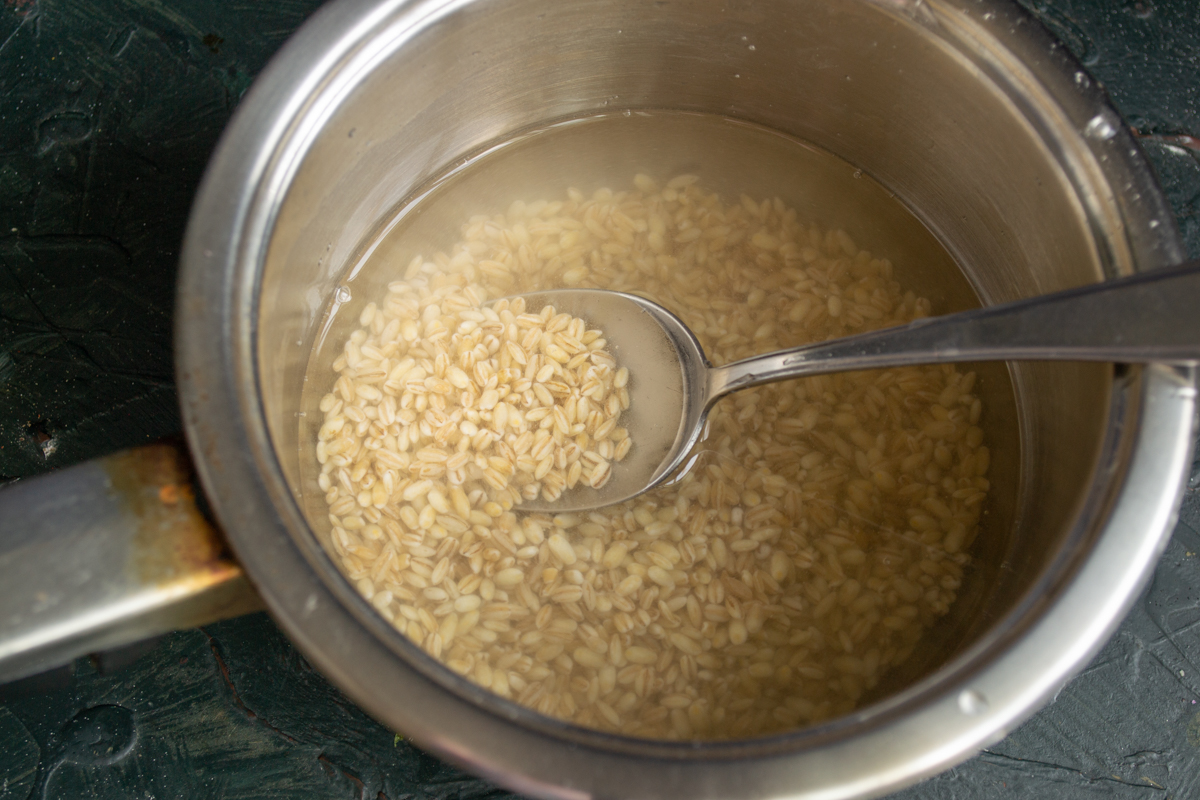
Pearl barley must be thoroughly rinsed until the water runs completely clear to ensure the finished soup remains perfectly unclouded.
Cover the saucepan tightly and simmer gently over low heat until fully cooked. It usually takes about 40 to 50 minutes for the pearl barley to become beautifully tender, fluffy, and perfectly separated.
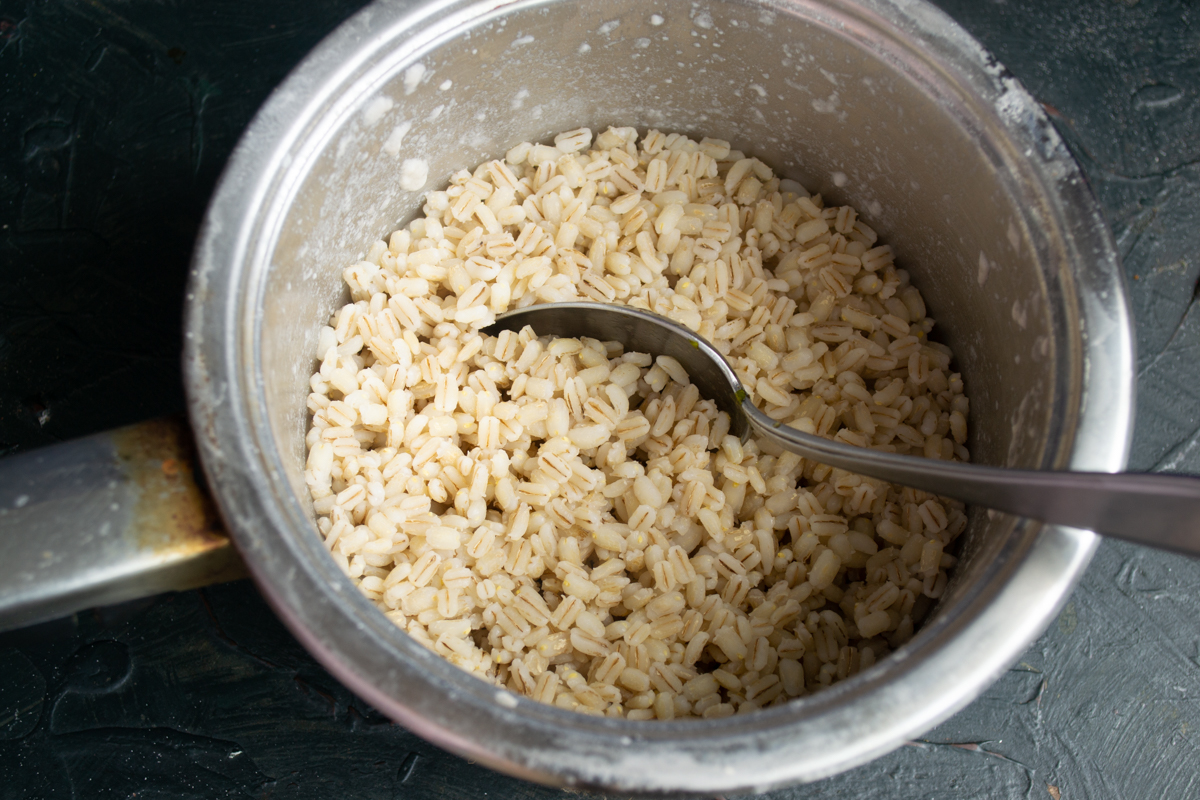
Simmer the pearl barley until completely cooked through—it should become beautifully tender and soft while retaining its shape.
Prepare the fish meatballs. Combine the chilled minced fish with semolina and ground sweet paprika, and season with salt to taste. I am using minced salmon for this recipe, but feel free to substitute with any saltwater fish.
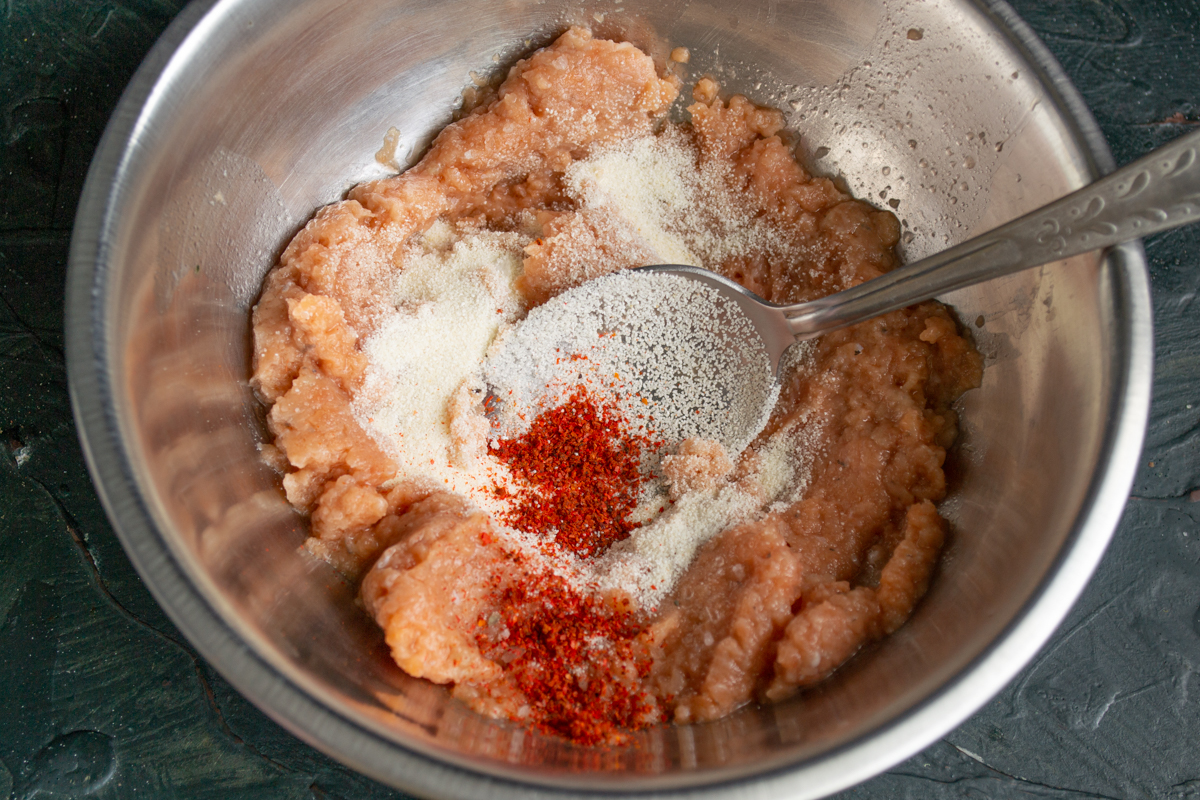
For the best meatballs, use chilled minced saltwater fish, binding it with semolina and flavoring it with a touch of sweet paprika.
Add the dried green onions and mix the mince thoroughly. Unlike meat, minced fish is naturally quite watery, so it is best to use dried herbs rather than fresh ones to keep the mixture from becoming too wet.
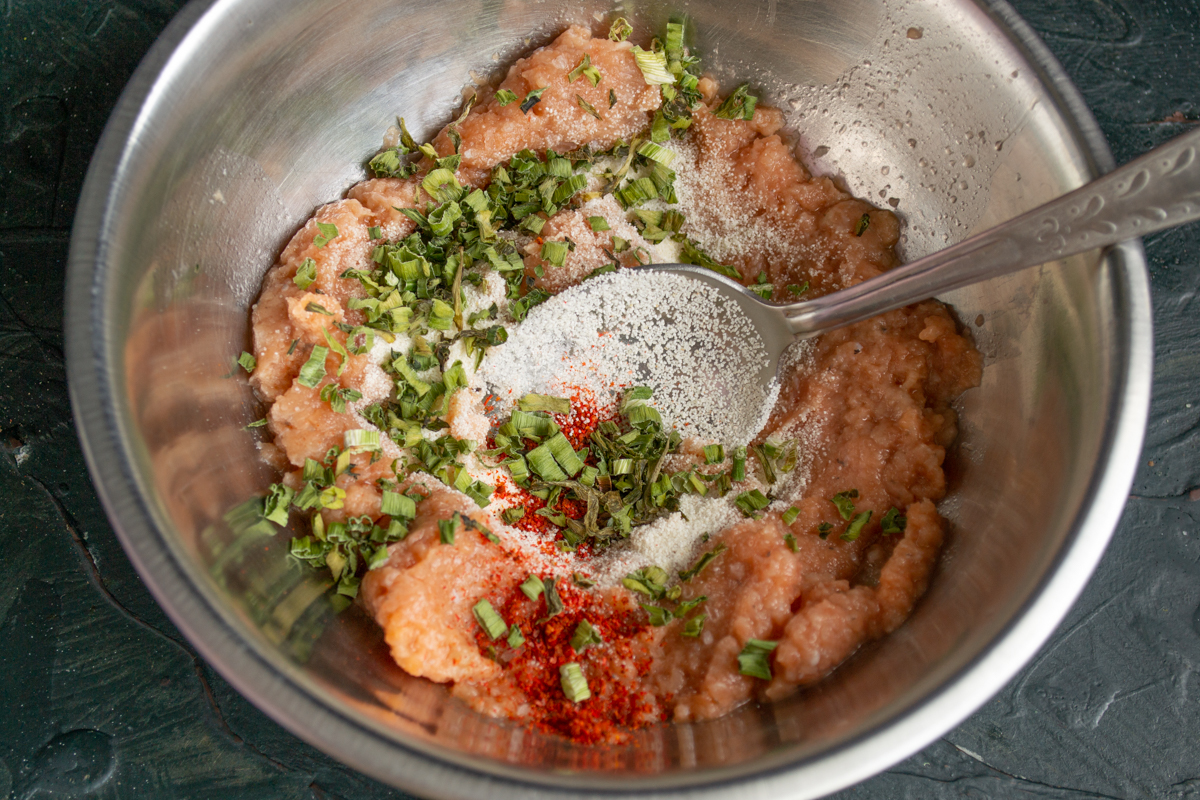
Opt for dried herbs instead of fresh ones to avoid adding excess moisture to the already delicate fish mince.
Using a teaspoon, portion out small fish meatballs and roll them into neat spheres with damp hands. Arrange them on a cutting board and transfer to the refrigerator. We will need them at the very end, so let them chill to firm up.

Shape the mixture into small bite-sized spheres with damp hands and chill them in the refrigerator so they hold their shape perfectly.
Finely dice the onion. Heat 2 tablespoons of vegetable oil in a heavy-bottomed pot, add the onion, and sauté for about 10 minutes until soft. To ensure the onion cooks perfectly without burning, sprinkle in a pinch of salt and add a couple of tablespoons of hot water. As the water evaporates, the onion will gently fry and become beautifully translucent.
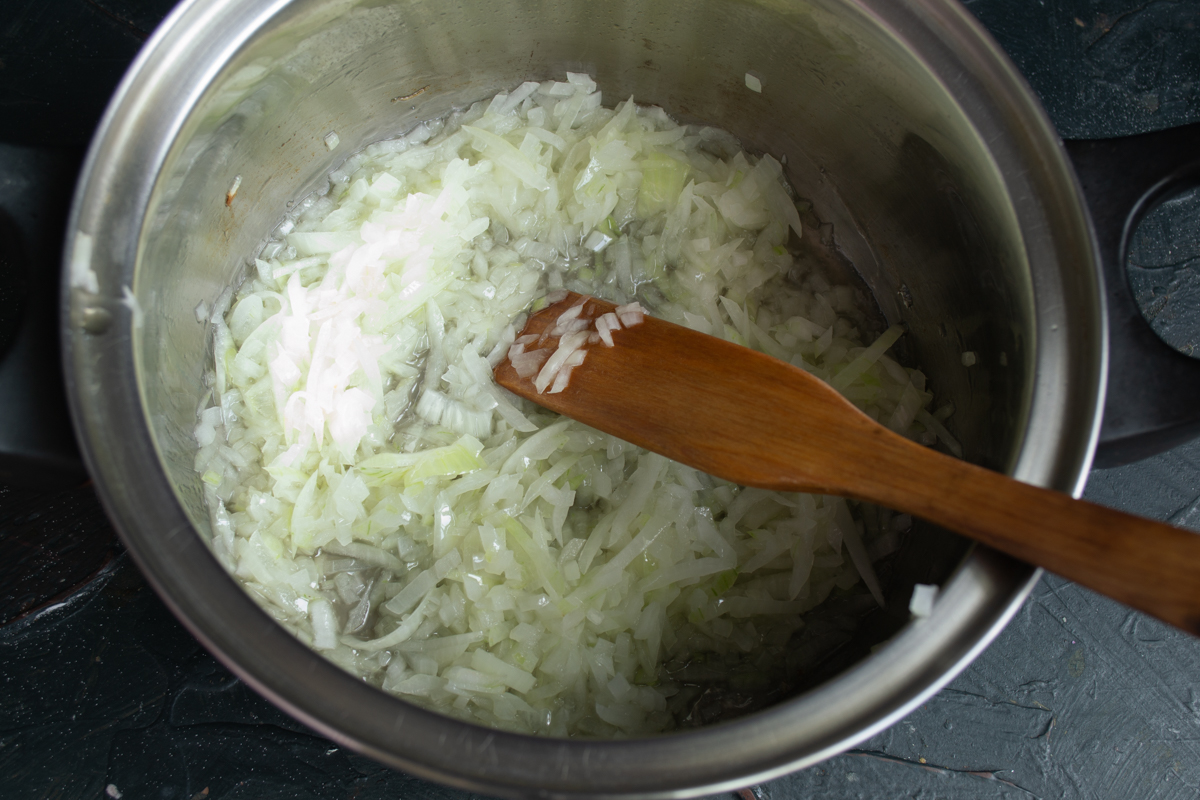
Sauté the onions until soft, adding a splash of water and a pinch of salt to help them become beautifully translucent without burning.
Add the coarsely grated carrots and sauté together with the onions for a few more minutes until the carrots are tender.
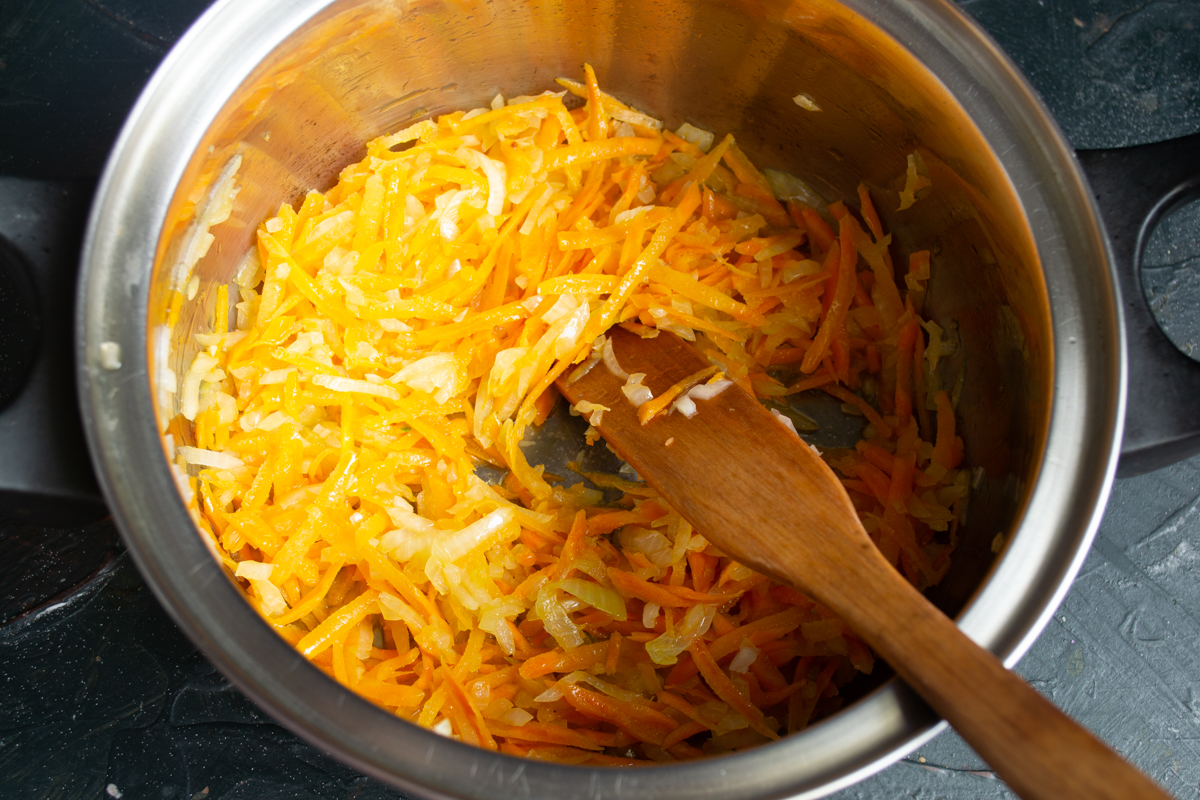
The grated carrots will impart a gorgeous golden hue and a subtle, natural vegetable sweetness to the rassolnik.
Add the potatoes, cut into small cubes, into the pot. If you happen to be using small baby potatoes, I highly recommend leaving them whole.
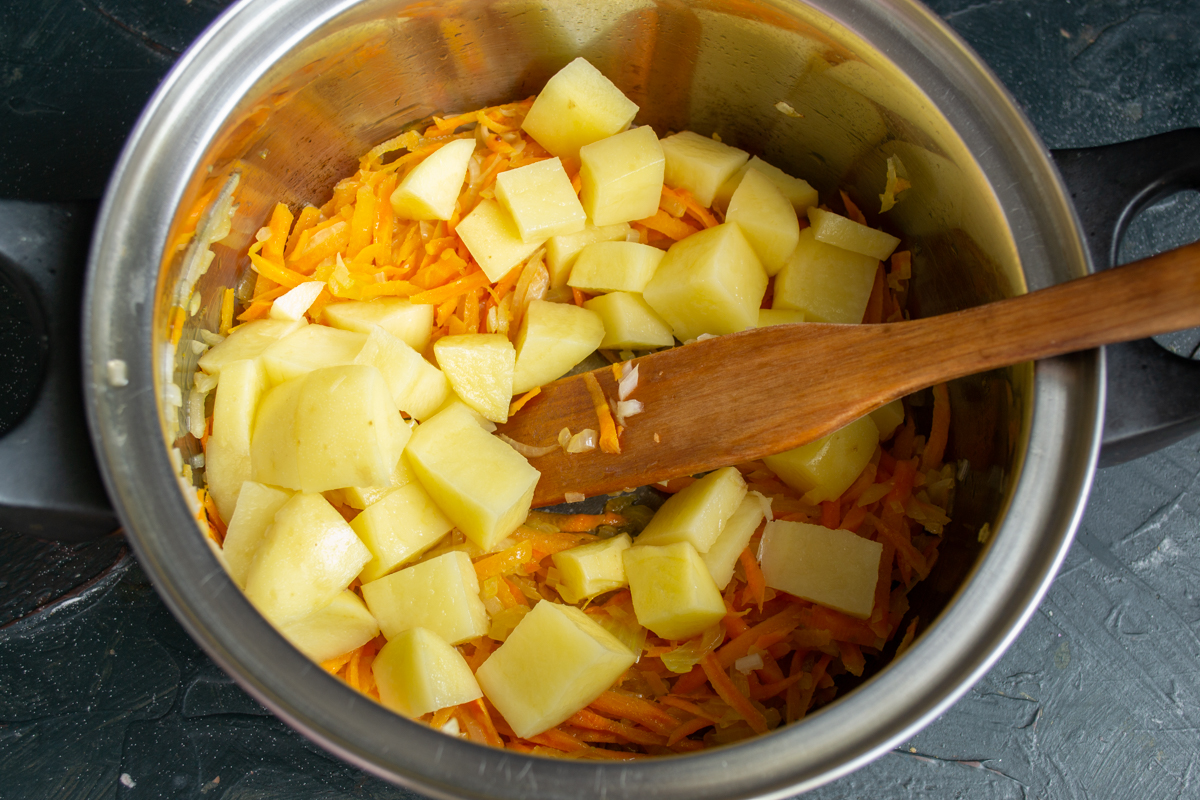
Dice the potatoes into small, uniform cubes to ensure they cook evenly as they simmer in the fragrant fish broth.
Pour in the rich fish broth. Bring the soup to a gentle boil, then lower the heat and simmer until the potatoes are cooked through, which should take about 15 minutes.
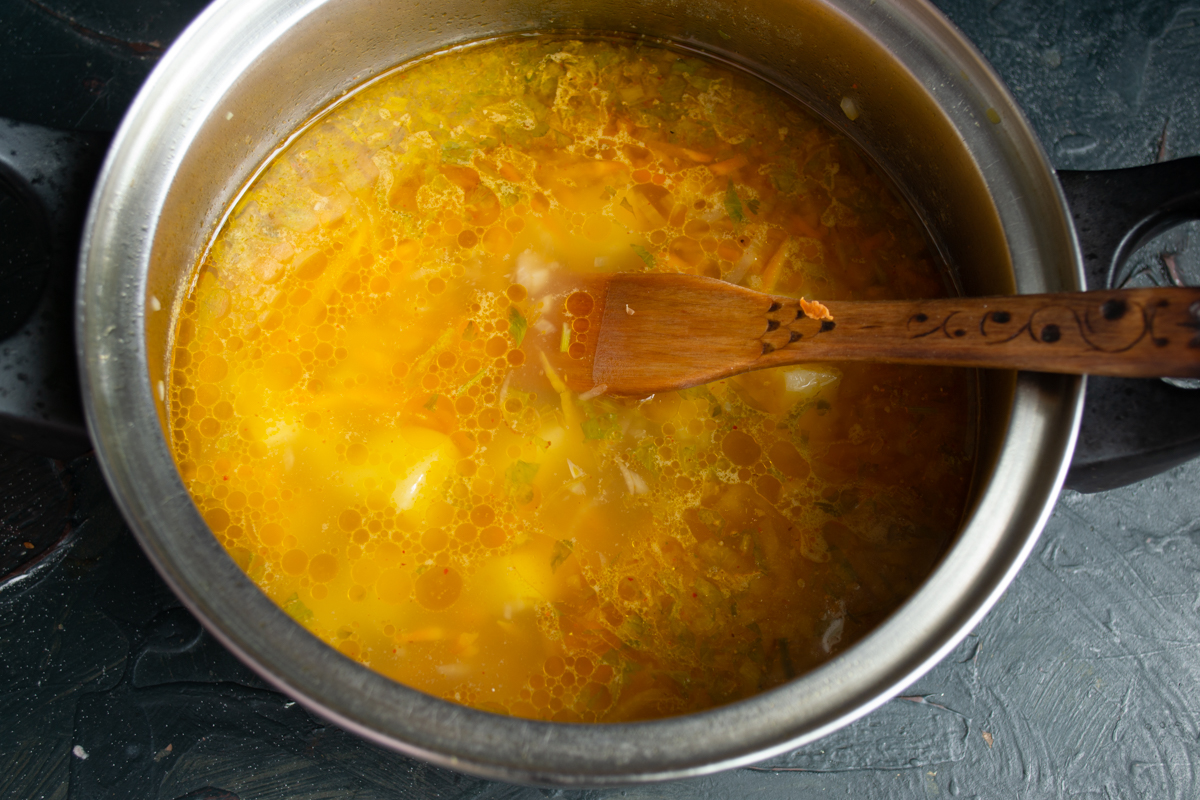
Pour the rich fish broth over the vegetables and simmer gently until the potatoes are perfectly tender.
Once the potatoes are perfectly tender, stir in the pre-cooked pearl barley.
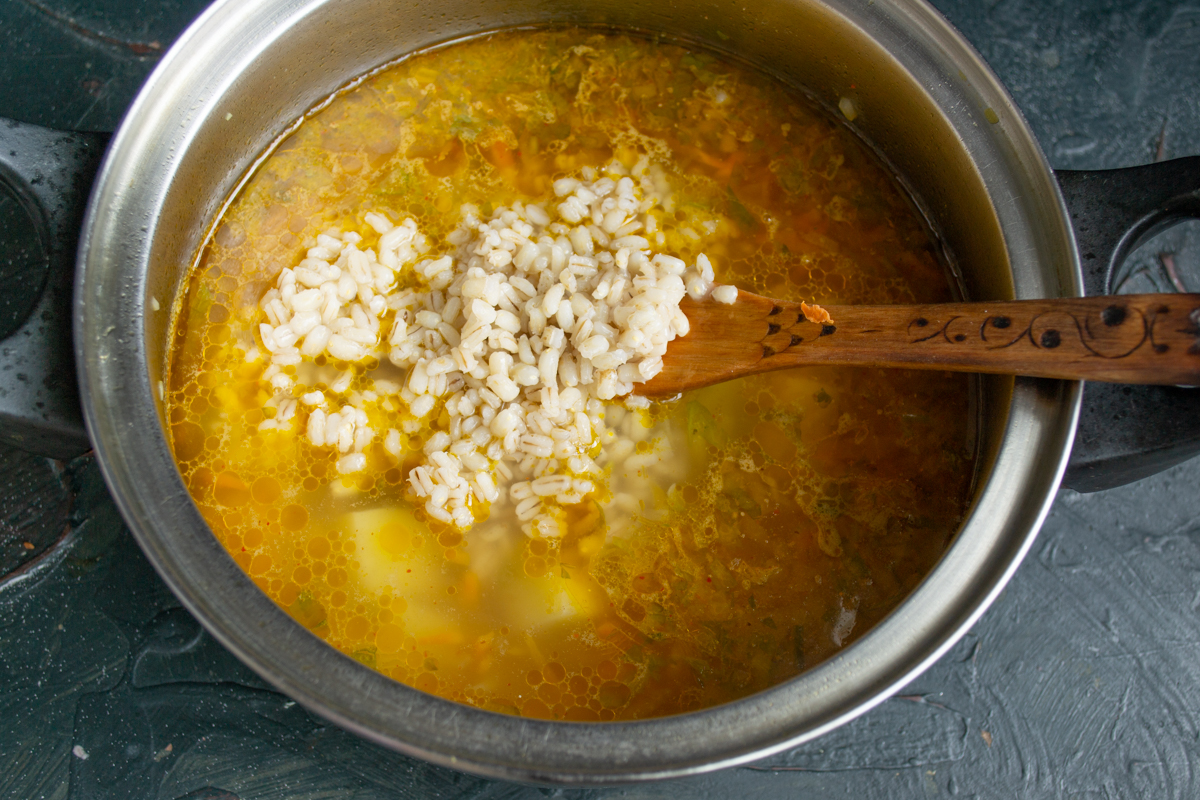
Once the potatoes are soft, fold in the beautifully fluffy, pre-cooked pearl barley.
Dice the fermented sour pickles. Add the chopped pickles into the pot, pour in the flavorful pickle brine, and season with salt to taste.
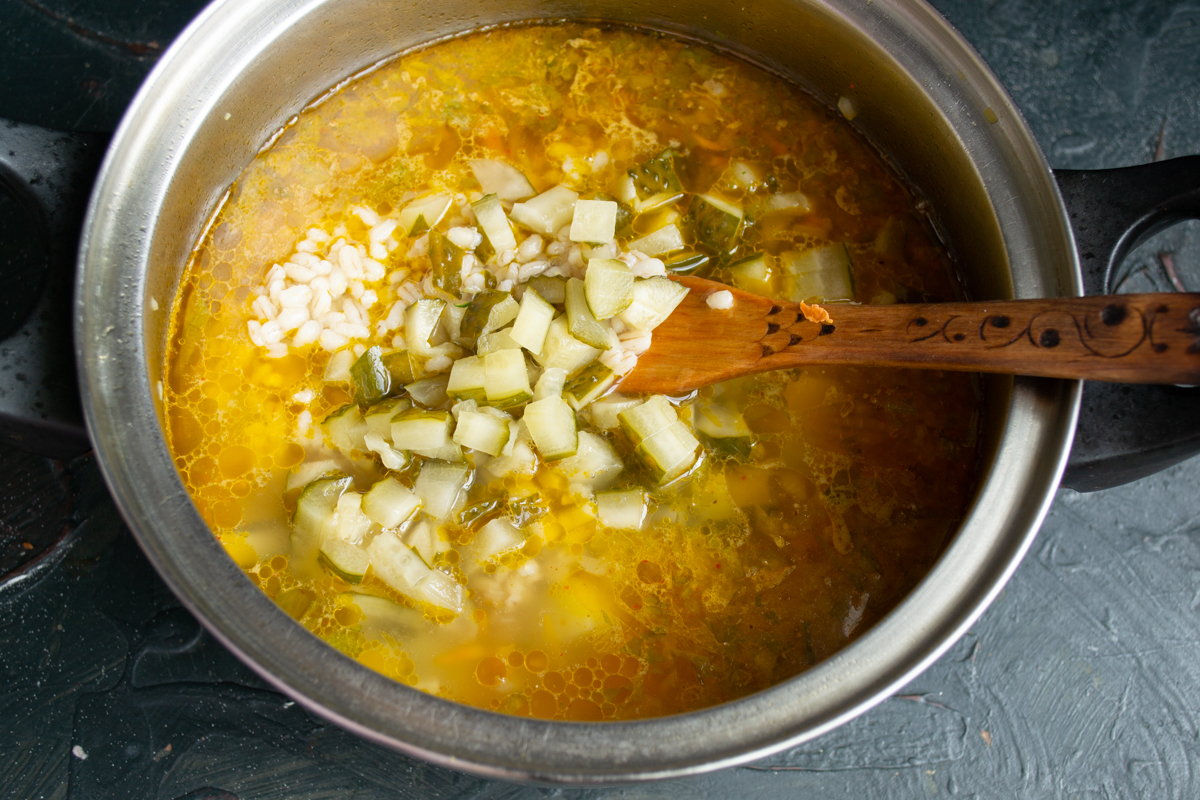
The fermented sour pickles and their flavorful brine are exactly what creates the unmistakable, signature taste of classic rassolnik.
About 5 minutes before the soup is fully done, gently drop the chilled fish meatballs into the bubbling broth. As soon as the meatballs float to the surface, you can turn off the heat.
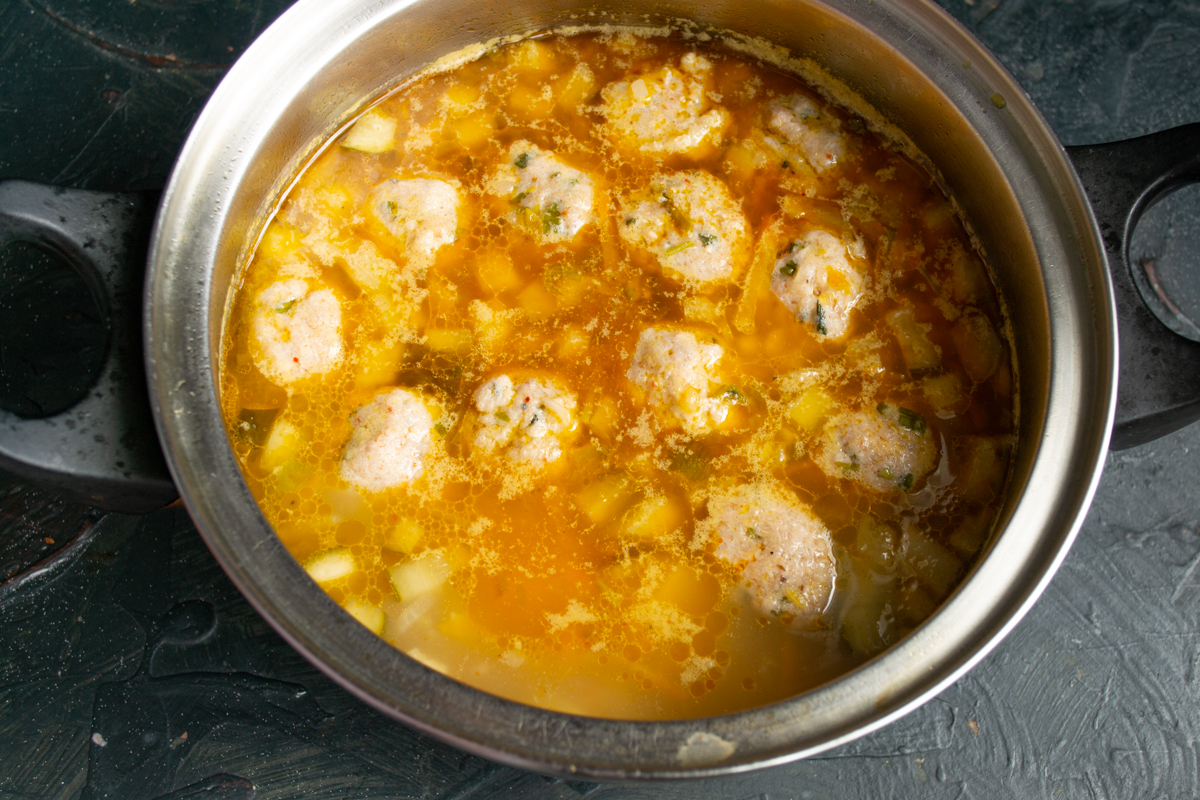
Gently drop the fish meatballs into the simmering broth. The soup is ready to serve the moment they float to the surface.
Ladle the hot fish rassolnik with pearl barley into warm bowls, finish with a crack of freshly ground black pepper, and optionally dollop with smetana (sour cream). Serve alongside a rustic slice of rye bread.
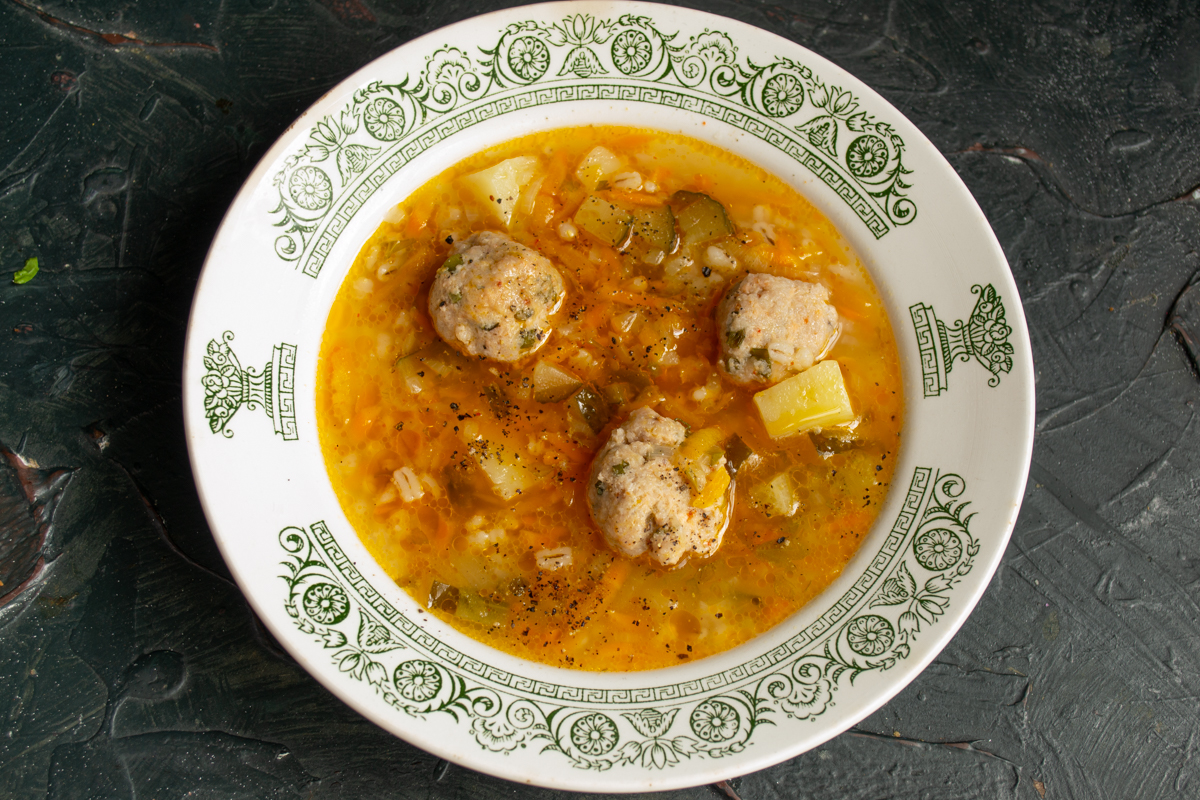
Serve the finished rassolnik piping hot, garnished with freshly ground black pepper and an optional generous dollop of smetana (sour cream).
To allow the flavors of your Fish Rassolnik to fully blossom, let the soup rest covered in the pot for at least 10 to 15 minutes after turning off the heat. During this time, the delicate meatballs will soak up the vibrant notes of the pickle brine, and the vegetables will beautifully exchange their aromas. This comforting soup is best served with a generous dollop of rich smetana (sour cream) and a slice of toasted rye bread rubbed with a clove of raw garlic. If you feel like experimenting, try sprinkling a little finely chopped fresh dill or adding a few capers straight into the bowl—this will elevate the soup's maritime profile and add a touch of refined acidity.
If you happen to have leftovers, do not worry; your Fish Rassolnik will only taste better the next day as the flavors deepen. Store it in the refrigerator in a tightly sealed container for up to two days. When reheating, be careful not to let the soup reach a rolling boil, ensuring the tender fish meatballs retain their shape and juiciness. For a slightly different twist next time, you can swap the minced salmon for a firm white fish fillet, like cod or pike perch, which will give the broth a much more delicate and lean character.
0 comments