
Thin lavash is more than just an unleavened wheat flatbread; it's a true symbol of hospitality with roots tracing back to ancient times. Cooking this bread on a simple dry skillet fills the kitchen with the cozy, toasted aroma of grain, and the process itself feels almost meditative. These flatbreads are likely the oldest form of bread in human history, requiring nothing more than flour and water for the base recipe. The homemade version is infinitely more tender than anything you can buy at the store, boasting a wonderful elasticity and softness that are highly prized in the kitchen. It takes no more than 10 minutes to knead the dough, and each flatbread cooks in a flash, giving you the perfect canvas for your favorite dishes.
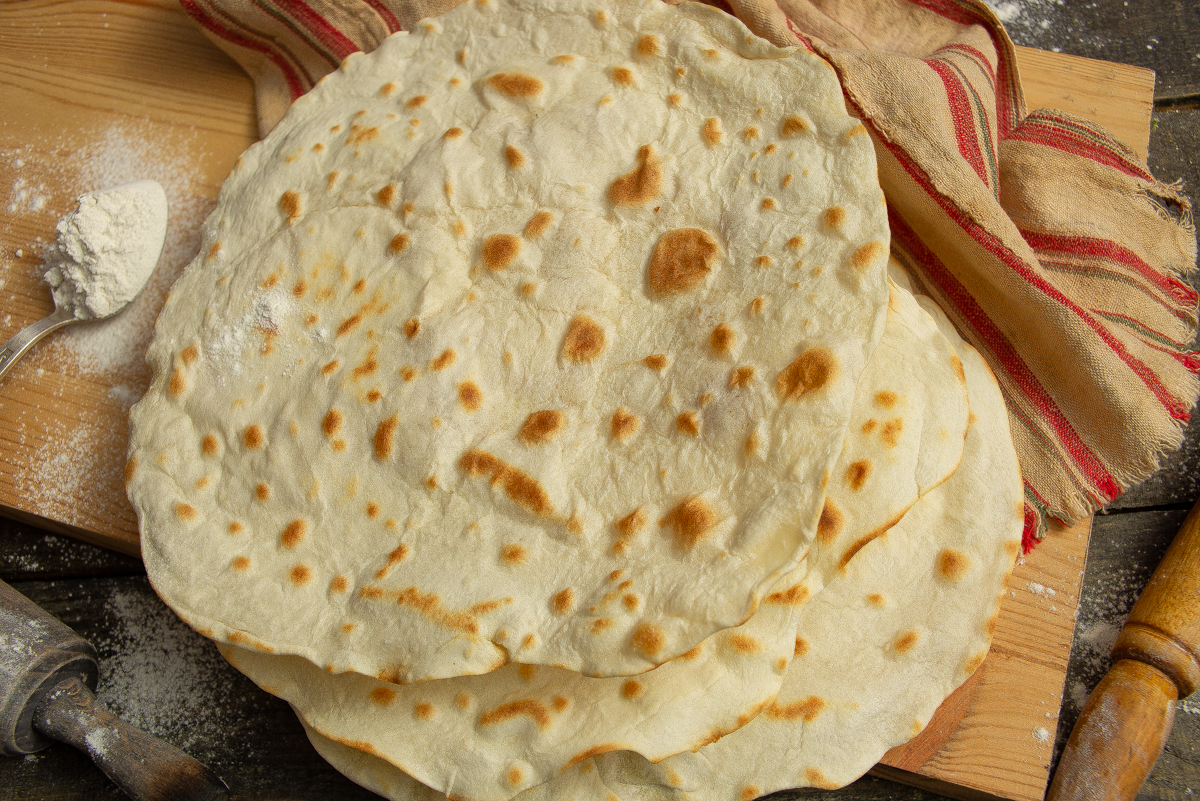
An appetizing stack of freshly made homemade lavash, perfectly suited for shawarma and savory wraps.
Ingredients
- 170 g (1 1/3 cups) all-purpose flour
- 80 ml (1/3 cup) boiling water
- 1 tablespoon vegetable oil
- 1/2 teaspoon salt
How to Make Thin Skillet Lavash
You can use all-purpose flour for this bread; a finer grind is better suited for cakes and pastries. Sift the flour into a large mixing bowl.
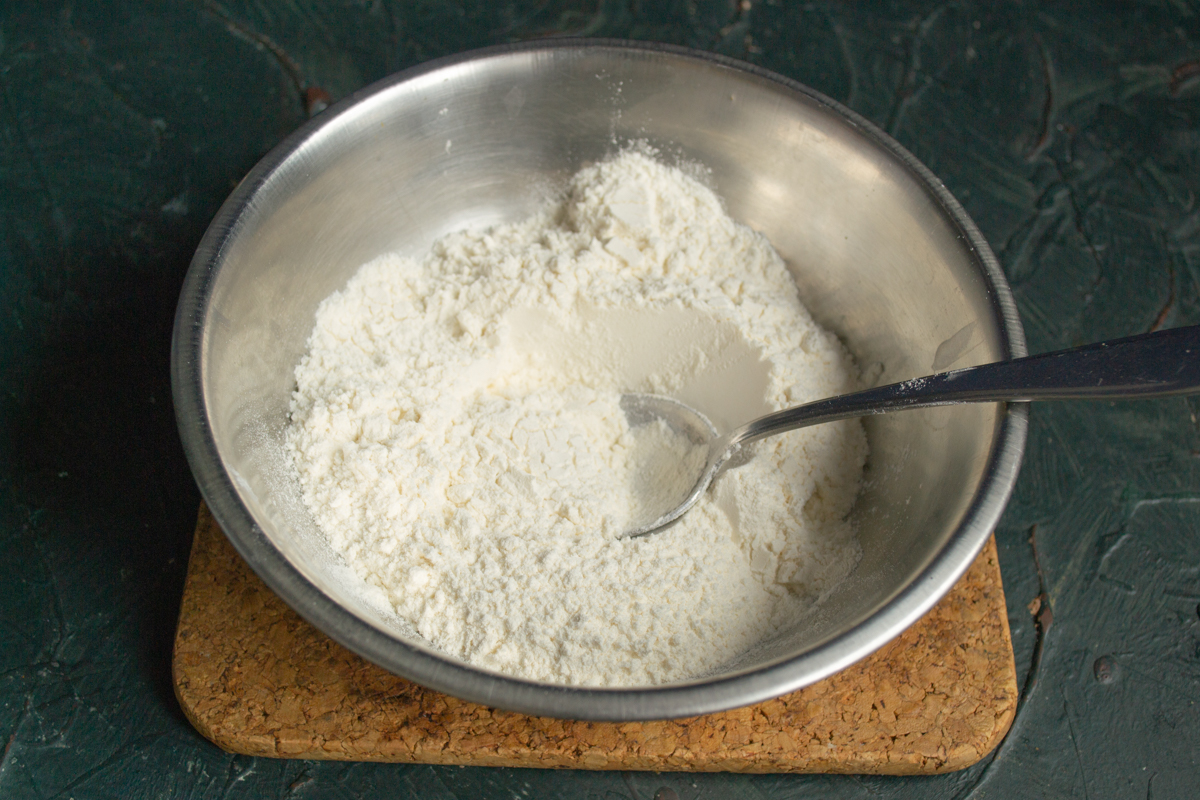
Sifting the flour ensures a smoother dough and aerates the mixture for a better texture.
Add one tablespoon of neutral vegetable oil or olive oil.
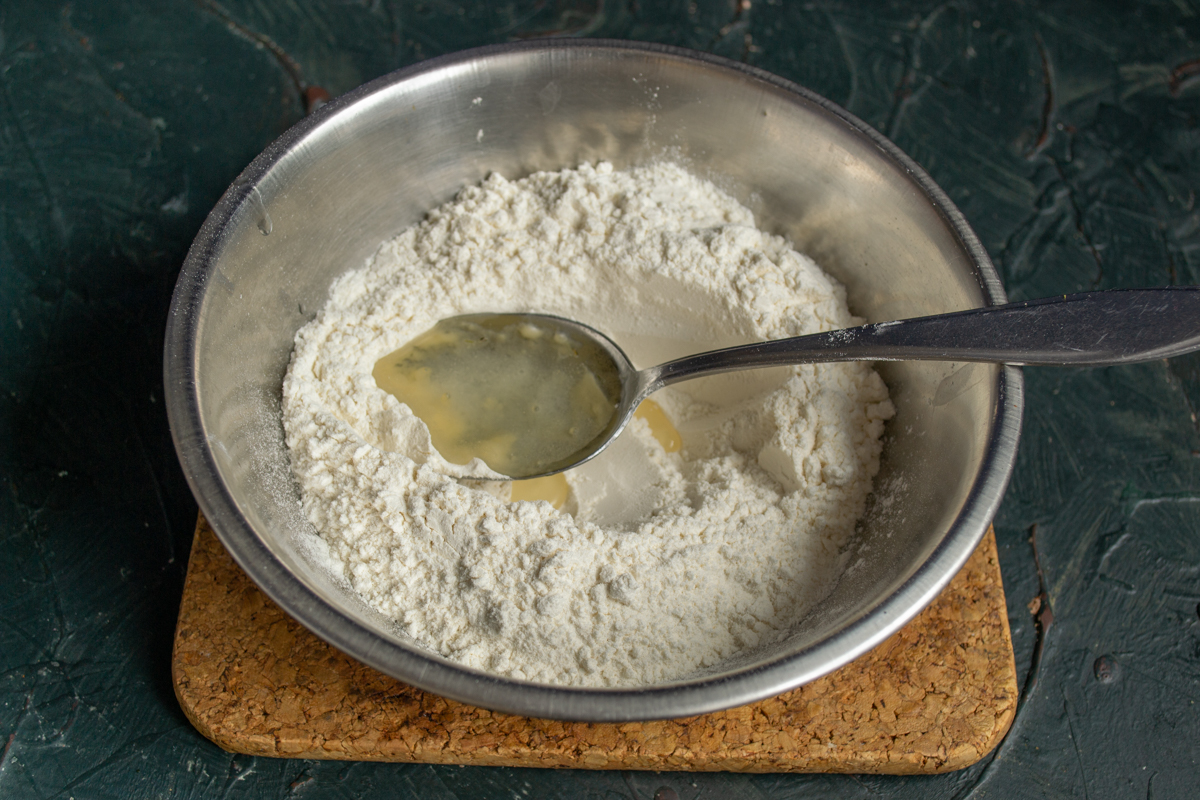
The oil gives the dough its elasticity and prevents it from sticking to your hands while kneading.
Dissolve the salt in boiling water. Pour the hot salted water into the bowl with the flour and quickly mix the ingredients with a spoon. At this stage, the dough is extremely hot, so please avoid using your bare hands to prevent burns!
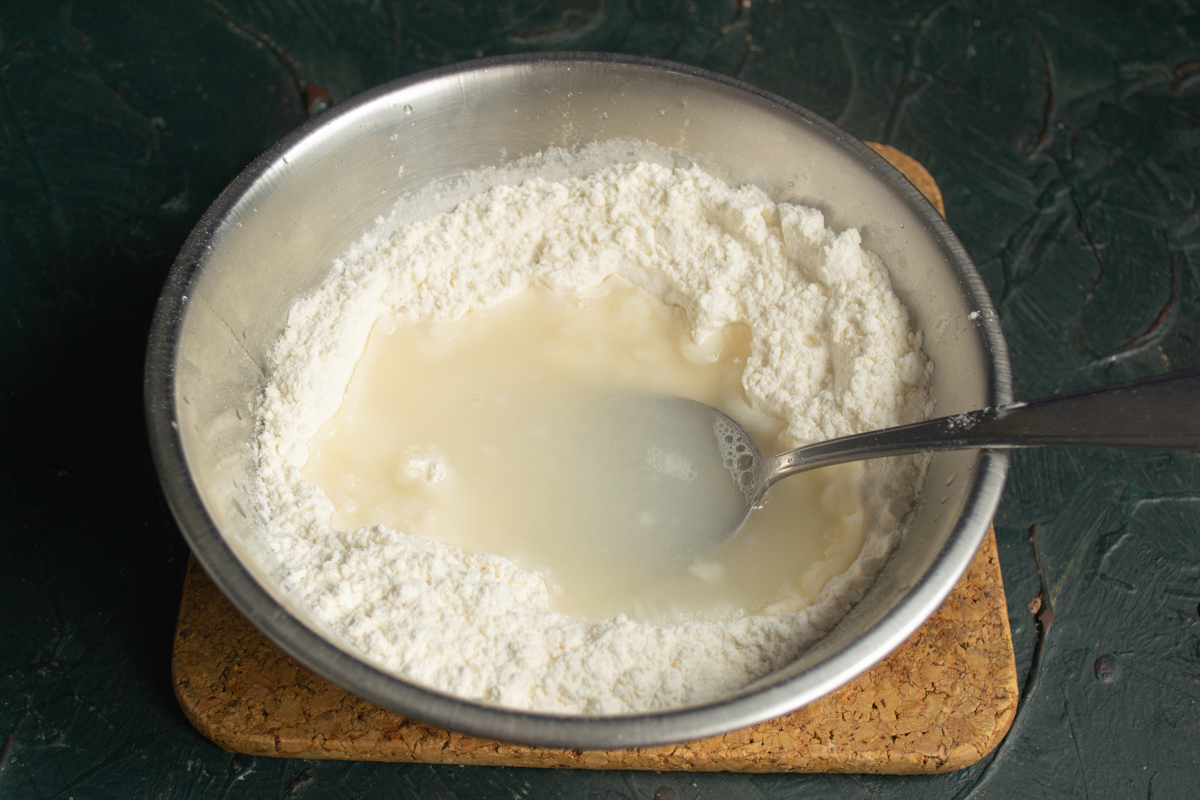
Pour the hot salted water in and carefully mix with a spoon to avoid burning your hands.
Transfer the dough to a clean work surface and knead by hand for about 8 to 10 minutes. Use a stretch-and-fold technique. Thanks to the oil, the dough will almost immediately stop sticking to your hands and the surface.
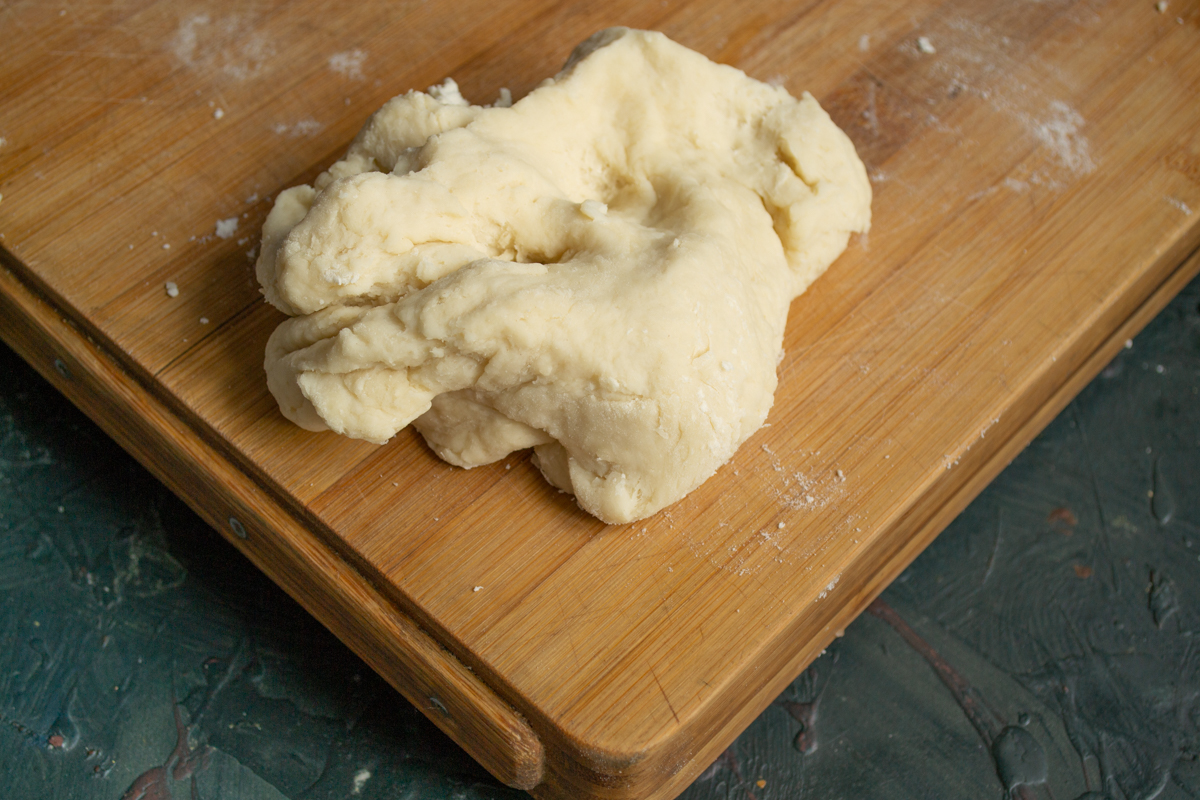
Knead the dough for about 10 minutes until it becomes completely smooth and stops sticking to the surface.
The finished dough should be smooth and elastic. Now it needs to rest—this is an essential step.
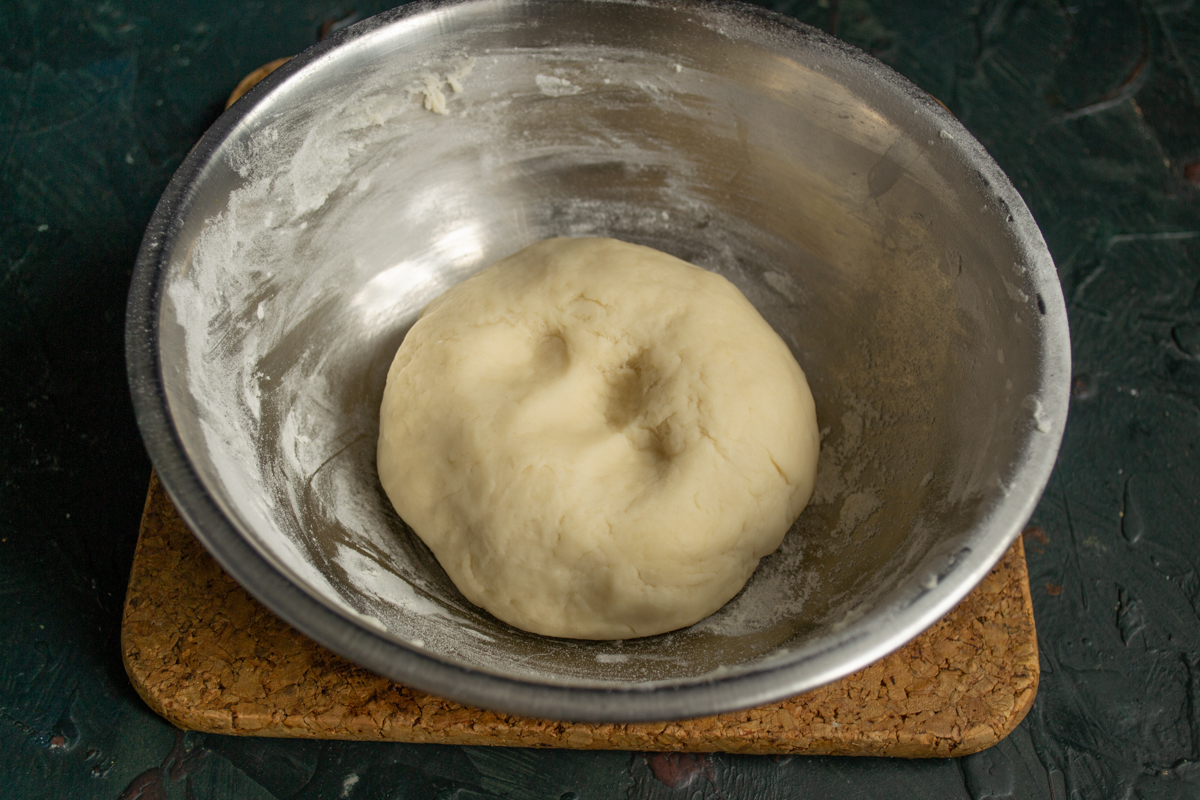
When properly kneaded, the dough becomes incredibly elastic and soft.
Place the dough in a plastic bag or cover it with an inverted bowl. Let it rest at room temperature for 30 minutes.
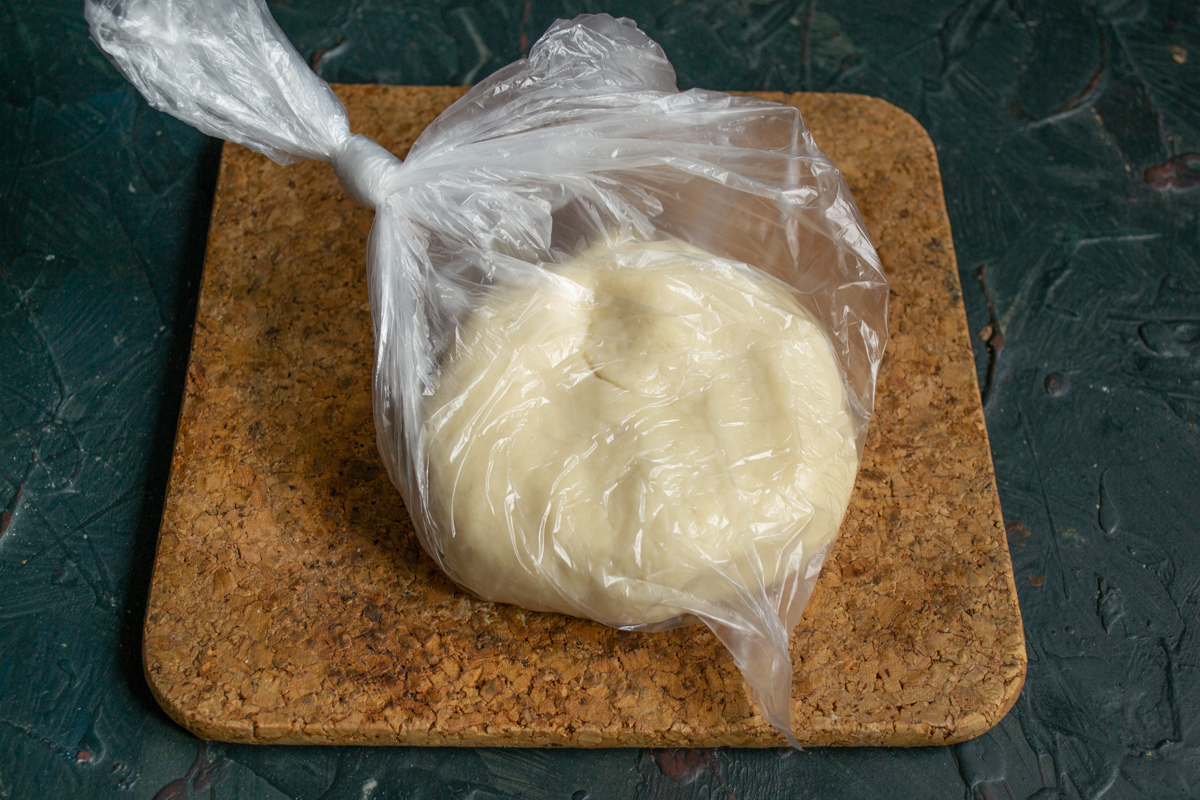
Leave the dough in a plastic bag for half an hour to relax the gluten, making it much easier to roll out.
Divide the rested dough into four equal pieces.
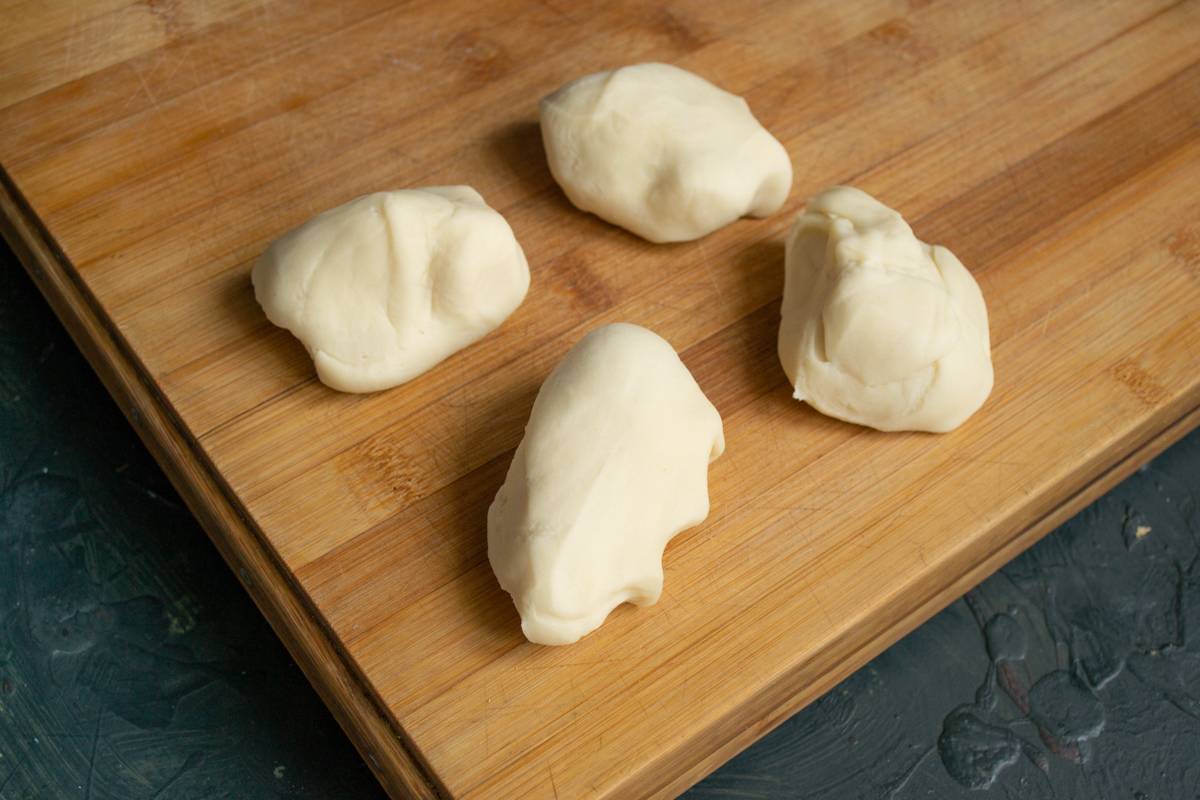
Divide the total amount of dough into equal pieces to shape the individual flatbreads.
Roll each piece into a small ball, then use a rolling pin to flatten it into a round flatbread about 1 millimeter (1/25 inch) thick, or even thinner. The thickness will depend on your practice and skill, but you’ll get the hang of it! Place the rolled-out dough rounds on a kitchen towel and cover them so they don’t dry out.
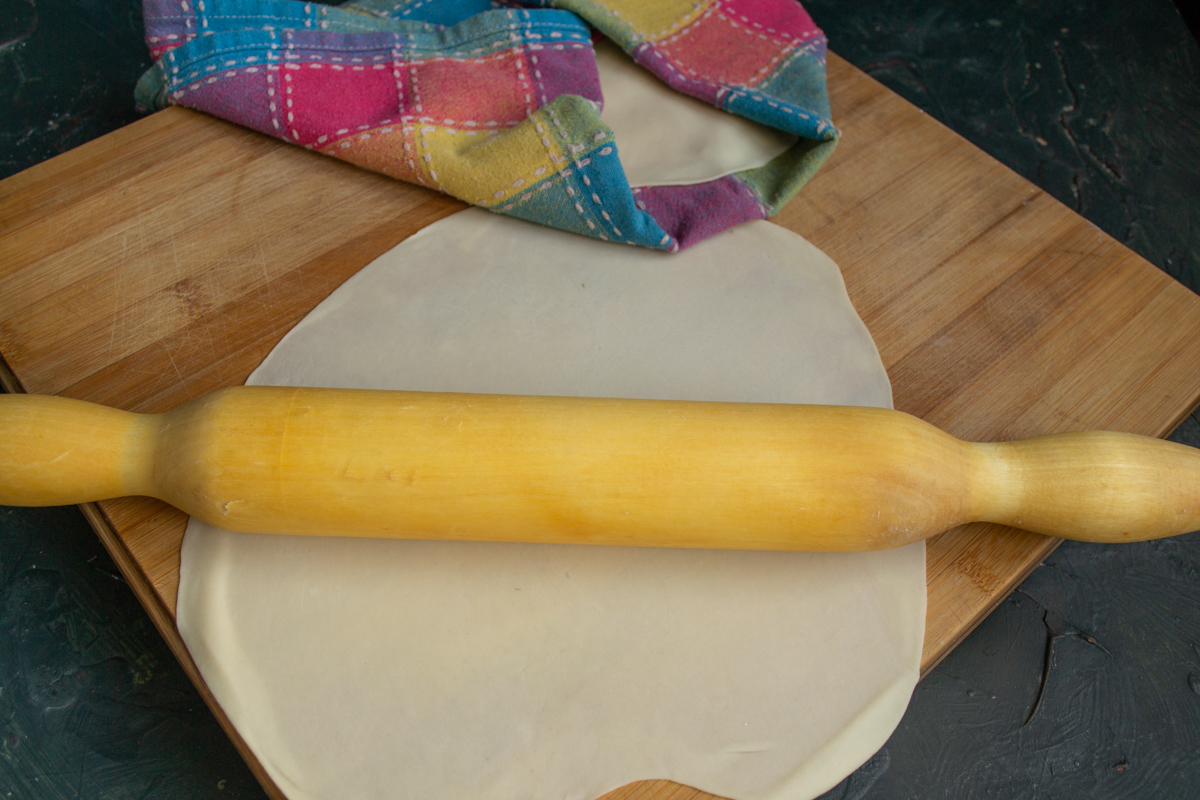
Roll each portion of dough into a very thin circle, aiming for a thickness of about one millimeter.
A properly rolled flatbread is very thin and smooth. The easiest way to transfer it to the stove is by rolling it loosely over a thick rolling pin.
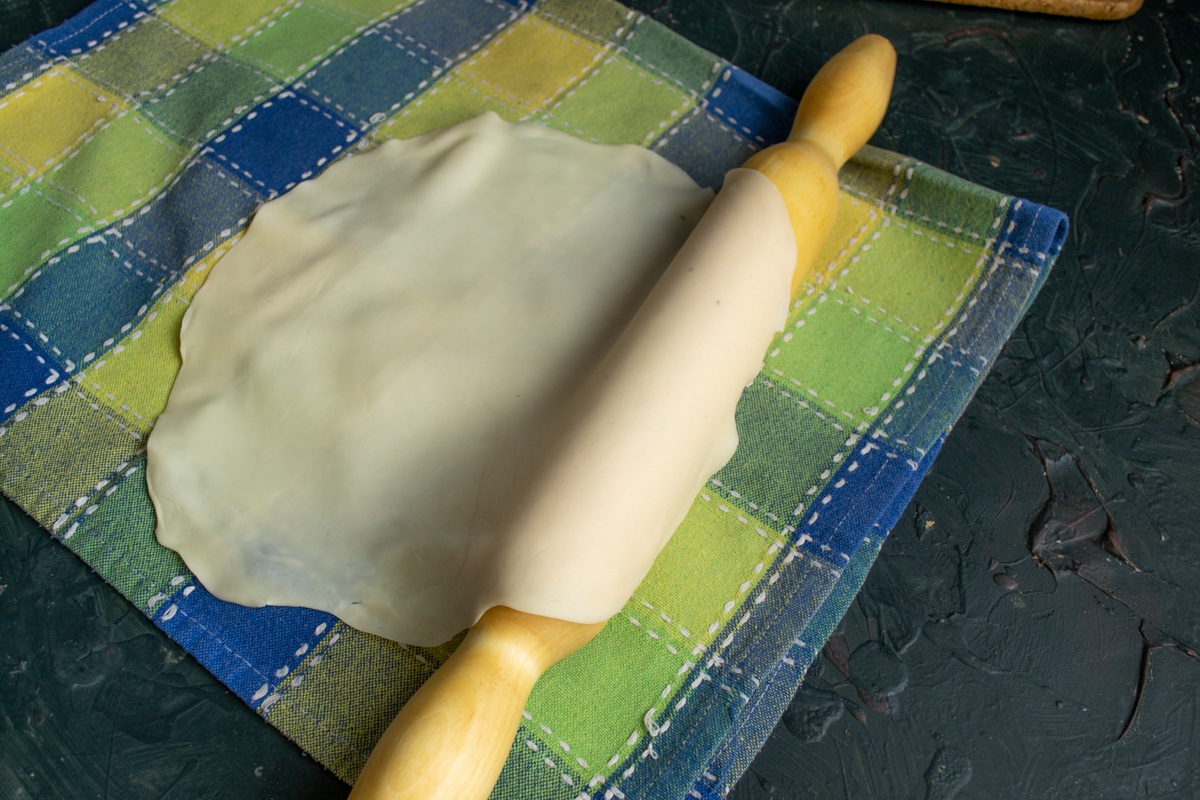
It is easiest to transfer the thinly rolled dough to the hot skillet by wrapping it loosely around your rolling pin.
Preheat a heavy-bottomed skillet (10 to 12 inches / 26-30 cm in diameter) over high heat until very hot. Carefully lay the flatbread in the dry skillet, smooth it out, and cook for about 1 minute. Once you see bubbles puffing up on the surface, it’s time to flip.
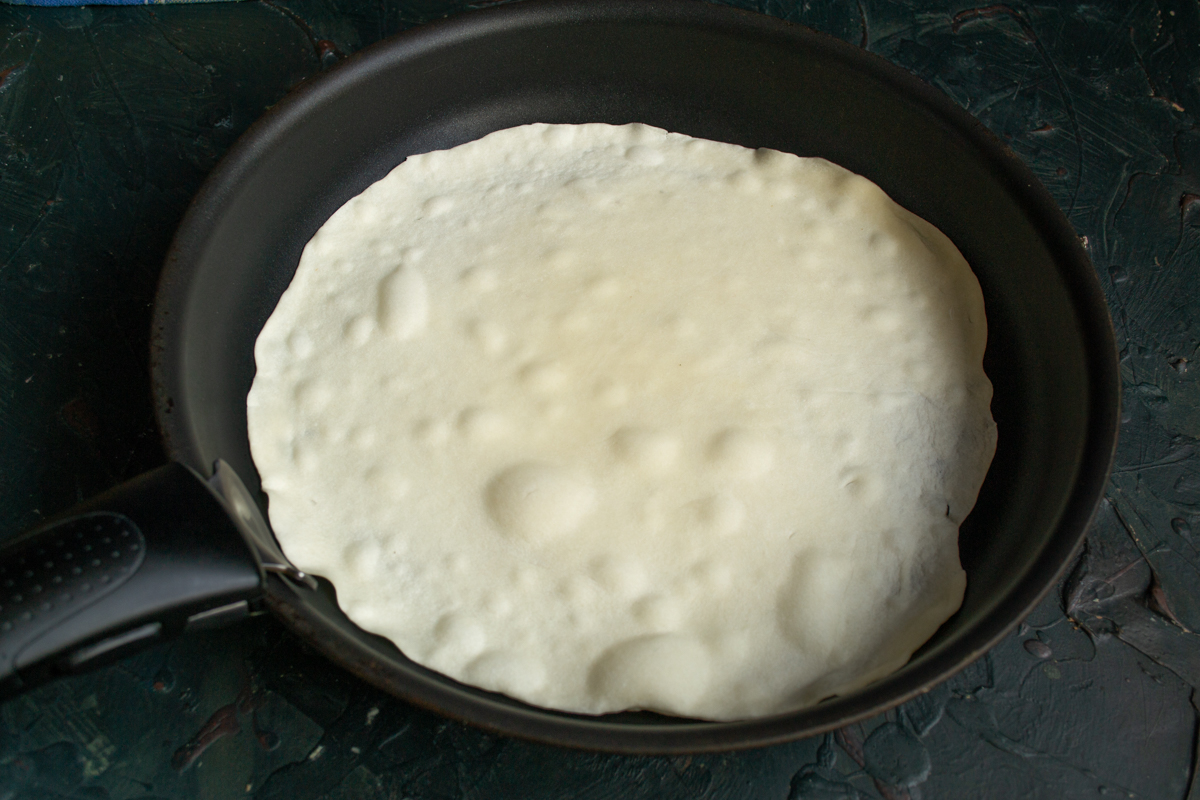
Cook the lavash in a dry skillet until the first bubbles start to puff up on the surface.
Flip the lavash and cook the other side for one more minute. If a large bubble forms, simply press it down with a wide spatula—the steam will escape, and the flatbread will flatten out again.
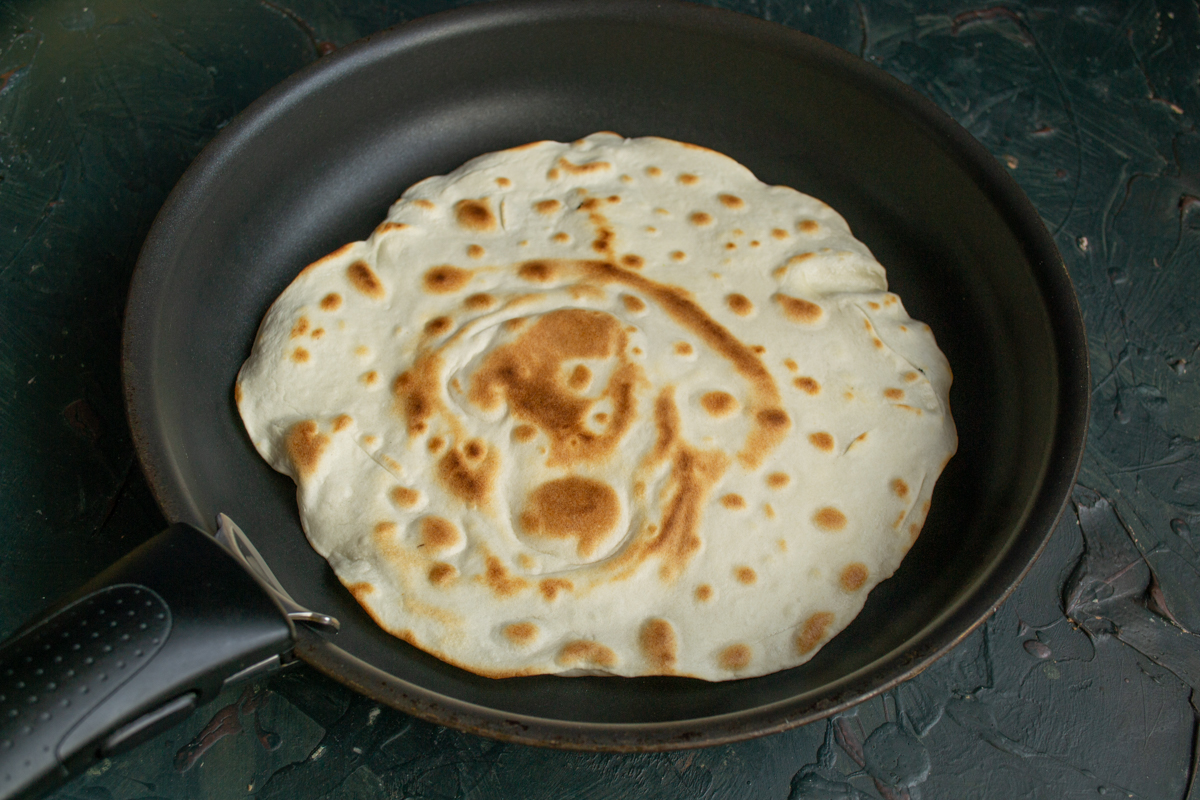
Flip the flatbread and cook for another minute until you see toasted brown spots.
Remove the lavash from the skillet and place it on a clean kitchen towel. Using a spray bottle filled with boiled water, lightly mist the hot flatbread, then immediately cover it with the towel.
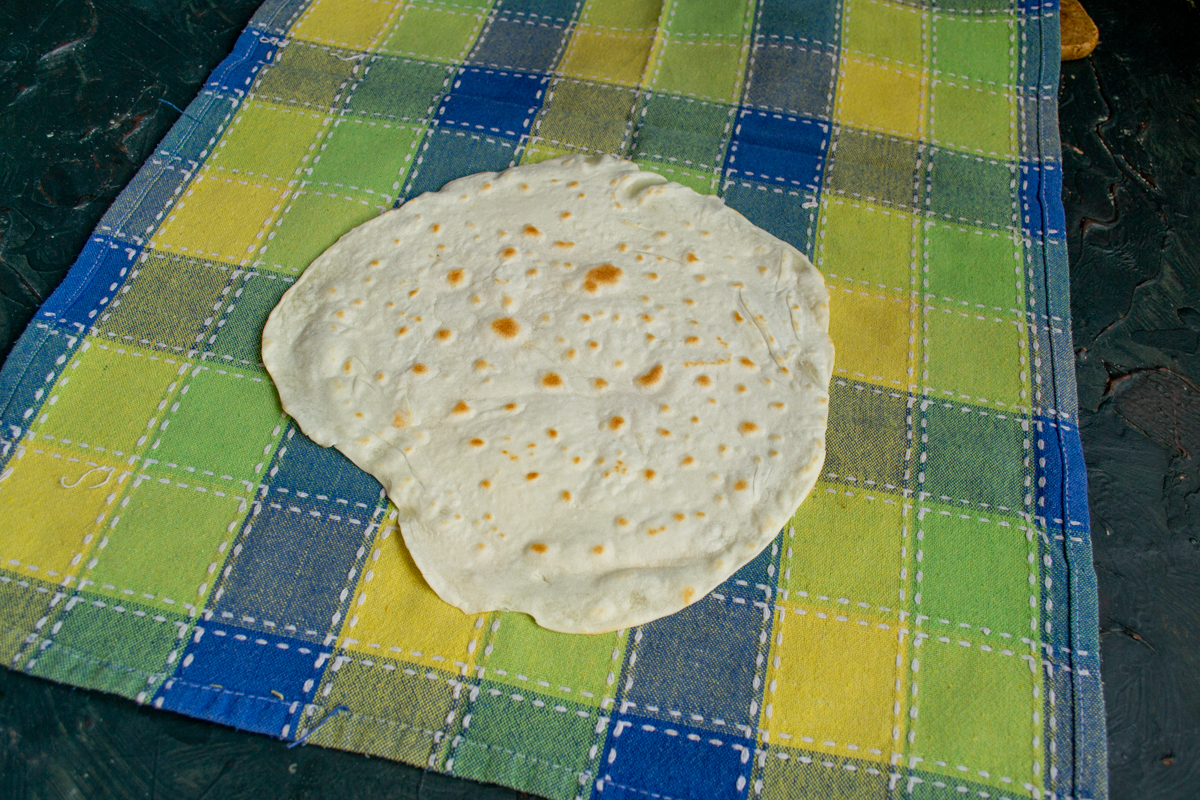
Lightly mist the hot lavash with water and cover it with a towel to keep it soft and flexible.
Your homemade thin skillet lavash is ready! Use it to make shawarma, döner, kebabs, or anywhere you’d use a tortilla. Everything tastes better with homemade bread. Enjoy!
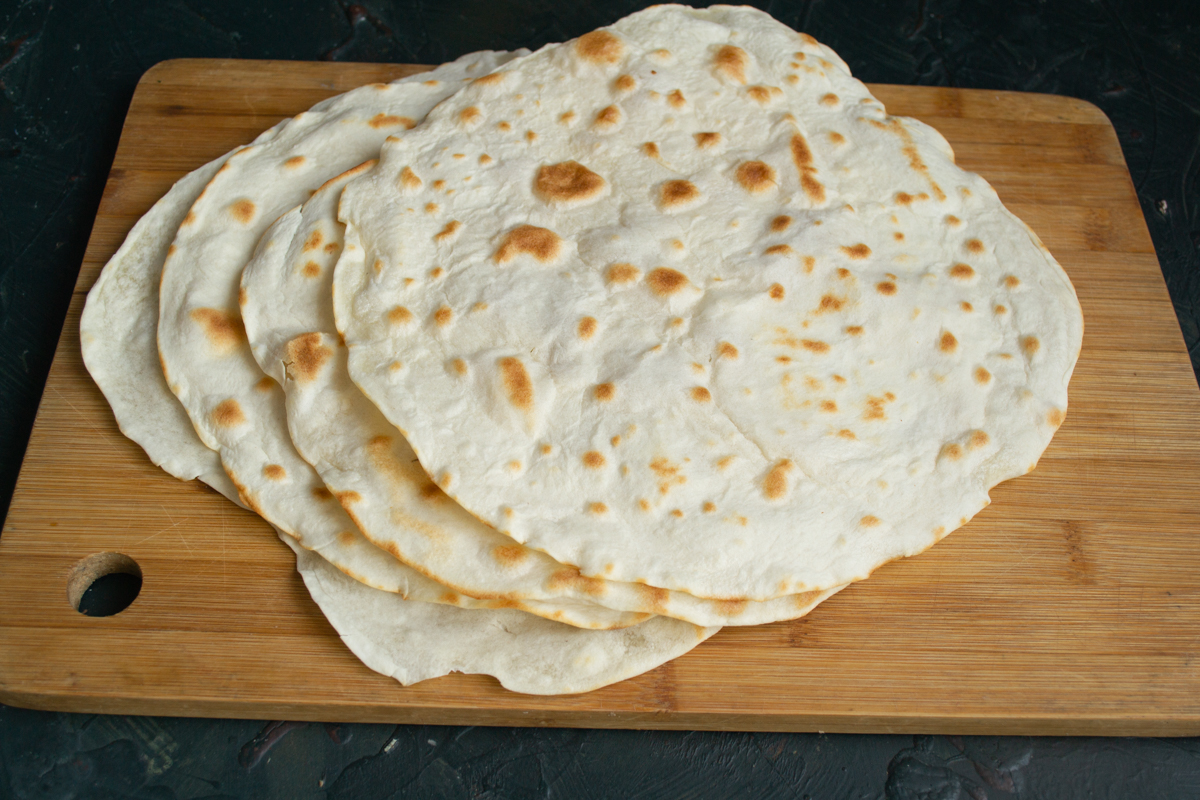
This homemade lavash is infinitely tastier and more tender than any store-bought alternative.
To keep your thin lavash soft and pliable, it is crucial to mist it with water right out of the skillet and keep it wrapped in a towel. In Mexico, special warmers are used for tortillas, but a standard cotton kitchen towel works just as perfectly here. If you plan to use these flatbreads for shawarma or wraps, it's best to assemble them while the lavash is freshly made. However, if they do dry out, don't worry—you can break them up and bake them into crispy paprika chips or use them as layers in quick lasagnas and savory casseroles.
Experiment with how you serve them: try rolling up a filling of farmer's cheese mixed with fresh herbs, sizzling roasted meats, or crisp vegetables with a tangy sauce. This versatile bread is the perfect accompaniment to grilled skewers or a hearty, rich soup. The ultimate secret to storing them is simple: once completely cooled, seal the flatbreads tightly in a plastic bag to maintain their flexibility for a couple of days. With homemade bread, every meal becomes a little more soulful and deeply delicious!
0 comments