
Elastic marzipan is a true classic of European pastry arts, tracing its rich history back to the deep Middle Ages when this almond delicacy was considered a luxury worthy of kings. Making it at home is surprisingly simple: all you need are almonds, sugar, and a little water. The process of transforming whole nuts into a delicate, pliable paste fills your kitchen with the enchanting aroma of almonds, instantly creating a festive atmosphere. Homemade marzipan turns out infinitely more fragrant and malleable than the store-bought versions. Plus, the ability to control the sweetness and fold in natural extracts makes it an indispensable tool for crafting exquisite truffles or shaping elegant decorations for your holiday cakes.
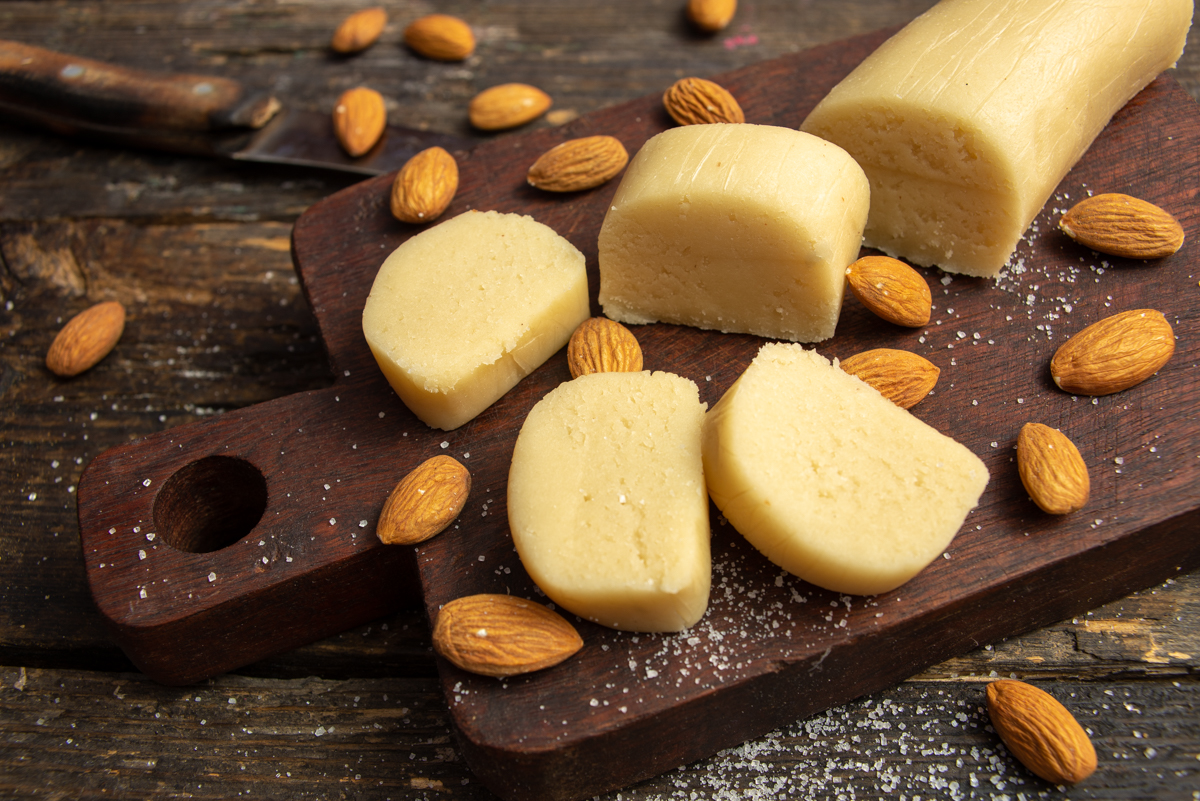
Homemade marzipan turns out incredibly fragrant and pliable—making it the perfect base for candies and elegant pastry decor.
Ingredients:
- 200 g (7 oz) whole almonds
- 100 g (3.5 oz) powdered sugar
- 100 g (3.5 oz) granulated sugar
- 80 ml (2.7 fl oz) water
How to Make Homemade Elastic Marzipan
Place the almonds in a saucepan, cover with boiling water, and boil for 2 minutes. Drain the water, then immediately plunge the almonds into a bowl of cold water. Rinse them a few times so they cool rapidly, and let them sit in the cold water for a couple of minutes.
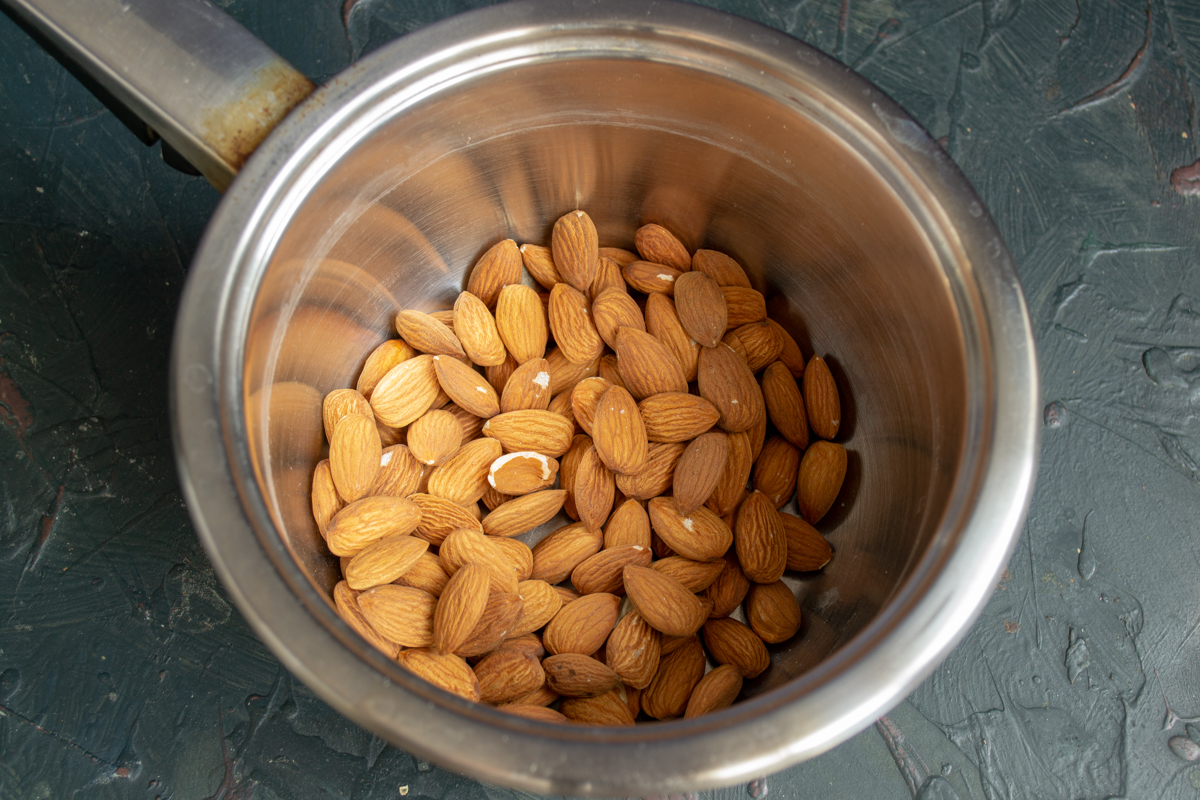
First, pour boiling water over the nuts and simmer for a couple of minutes to ensure the skins slip right off later.
Drain the almonds in a fine-mesh sieve. At this stage, you’ll notice how easily the skins separate from the nut—the kernel is literally loose inside its skin. A similar blanching technique is used for peaches, apricots, and tomatoes; the sharp contrast in temperatures makes peeling effortless.
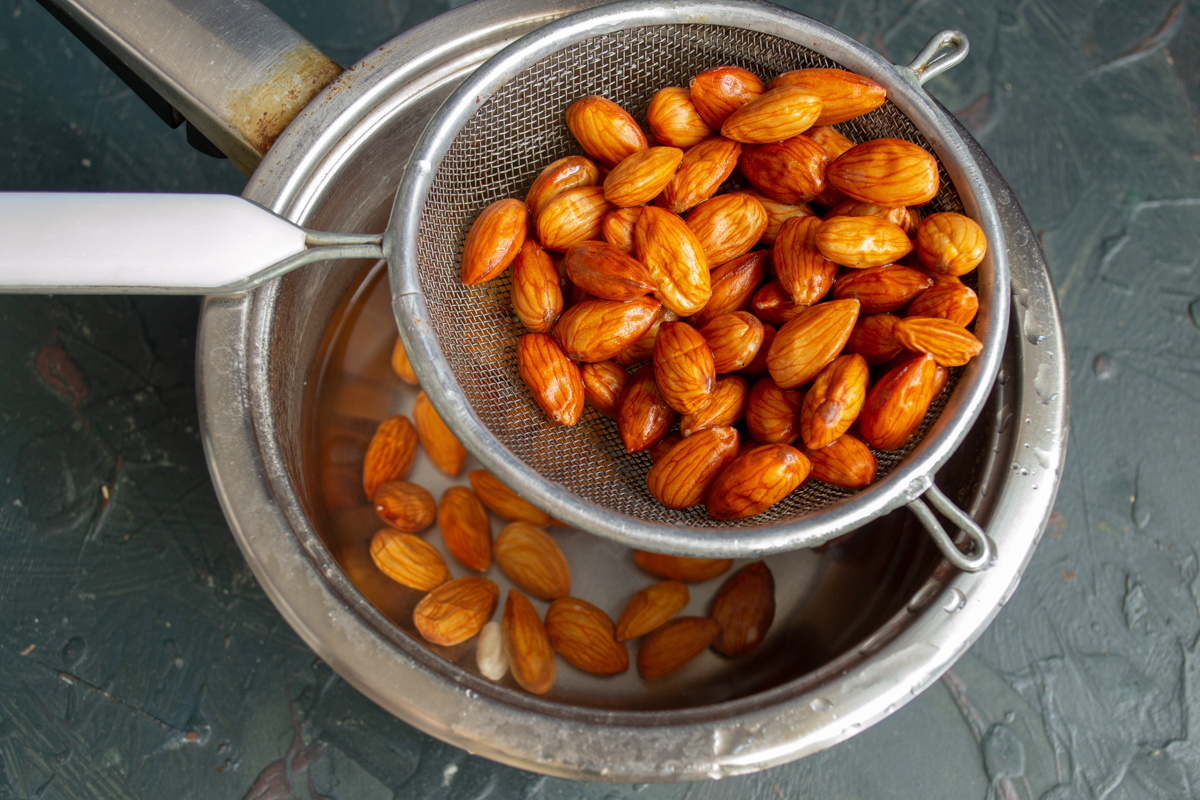
The sharp temperature contrast after blanching causes the skins to practically pop off the almond kernels on their own.
Pinch the skin to pop out the almond kernels. The whole peeling process takes no more than 10 minutes—even faster if you recruit idle family members to help! Spread the blanched almonds in a dry skillet and toast over very low heat for a few minutes, or pop the pan into a preheated oven for about 5 minutes. The nuts should only dry out; if you let them toast to a golden color, you’ll have trouble dyeing the marzipan later.
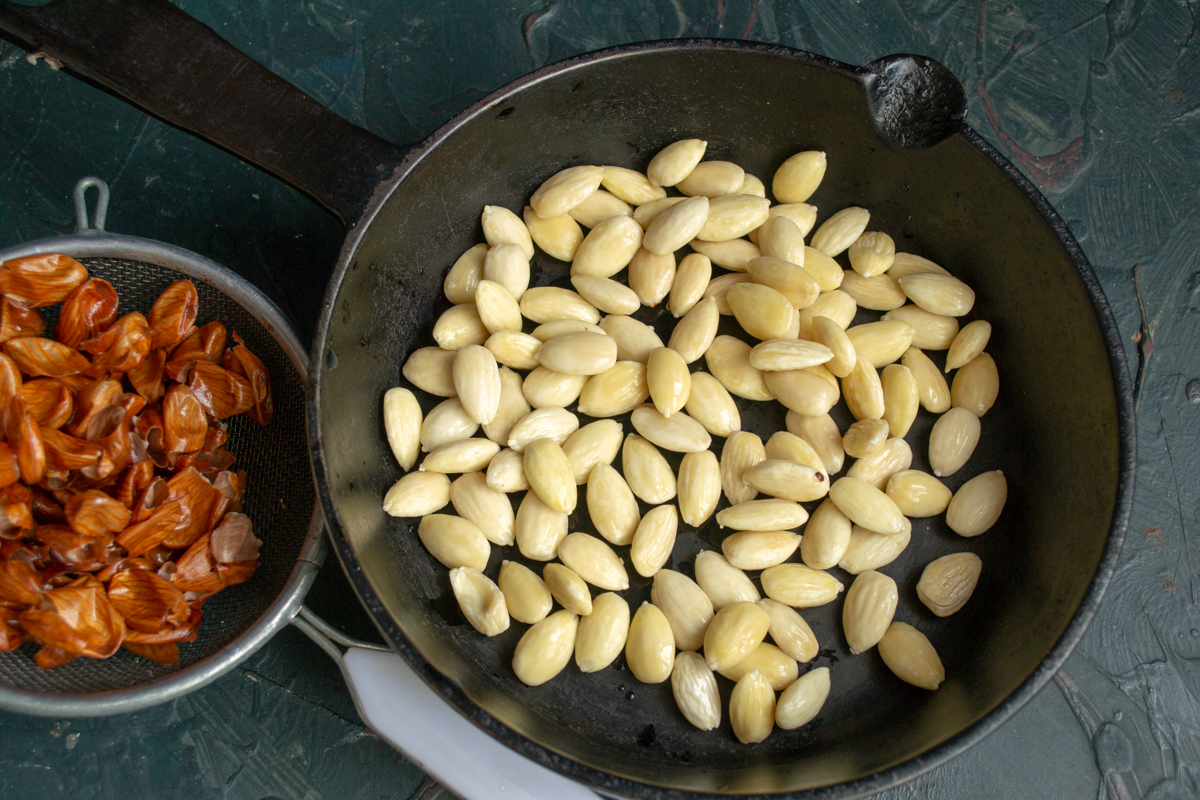
It's crucial to only dry the nuts without letting them toast, ensuring your finished marzipan retains a pure, pale color.
Combine the granulated sugar and water in a saucepan. Bring the syrup to a boil, let it bubble for 2 minutes, then remove the pan from the heat and allow the syrup to cool completely.
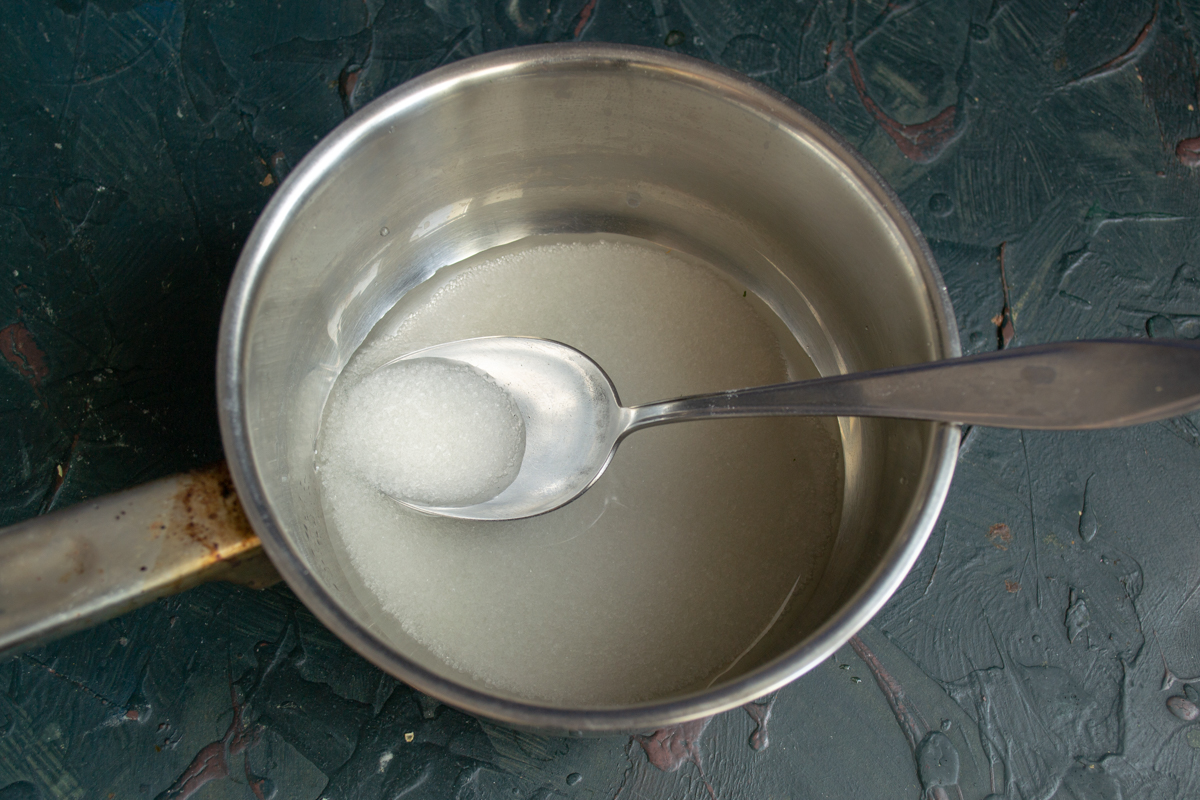
The sugar syrup must cool completely before we combine it with the nut flour to achieve the correct texture.
Cool the dried almonds, then grind them into a fine flour in small batches using a coffee grinder, spice processor, or any handy kitchen gadget designed for milling nuts. In ancient times, they used a mortar and pestle!
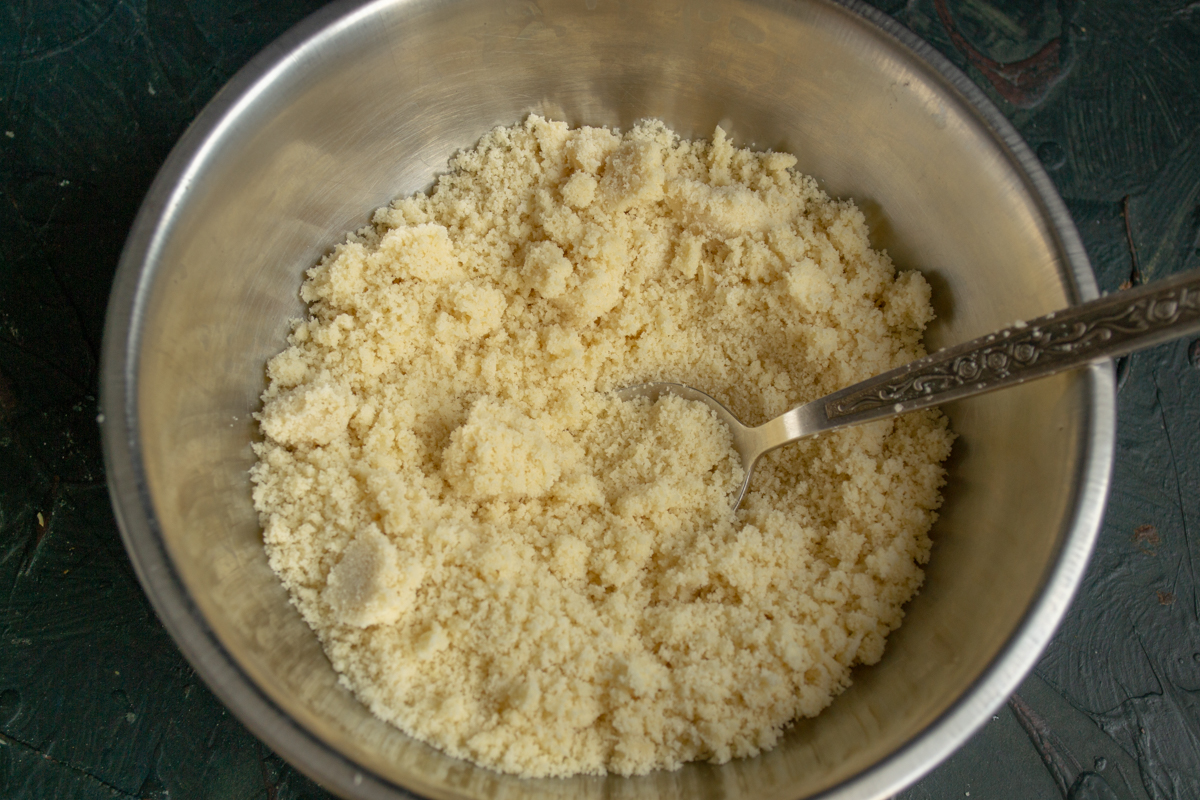
Grind the dried nuts into the finest possible flour using a coffee grinder or a high-powered blender.
Add the powdered sugar to your almond flour, stirring the ingredients with a spoon or pulsing them together in a food processor.
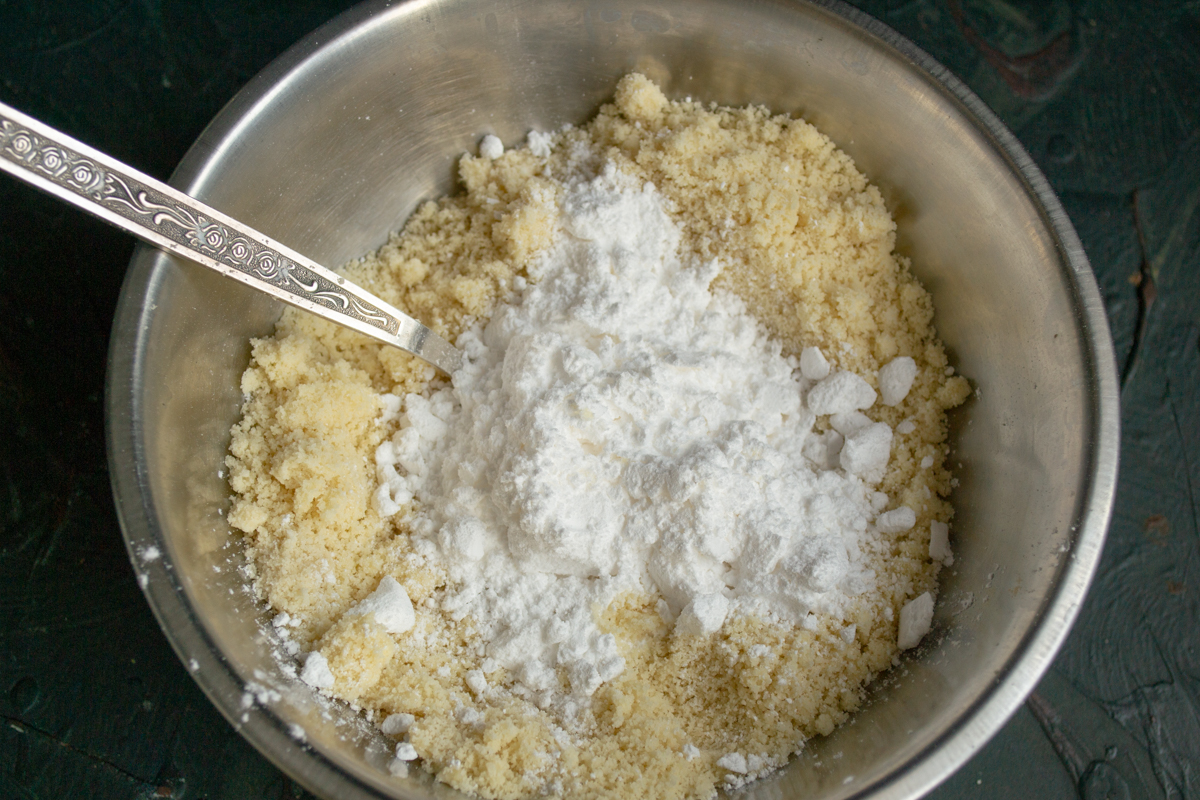
Thoroughly whisk the almond flour and powdered sugar together until completely uniform before adding any liquids.
Pour the completely cooled sugar syrup in a slow, steady stream.
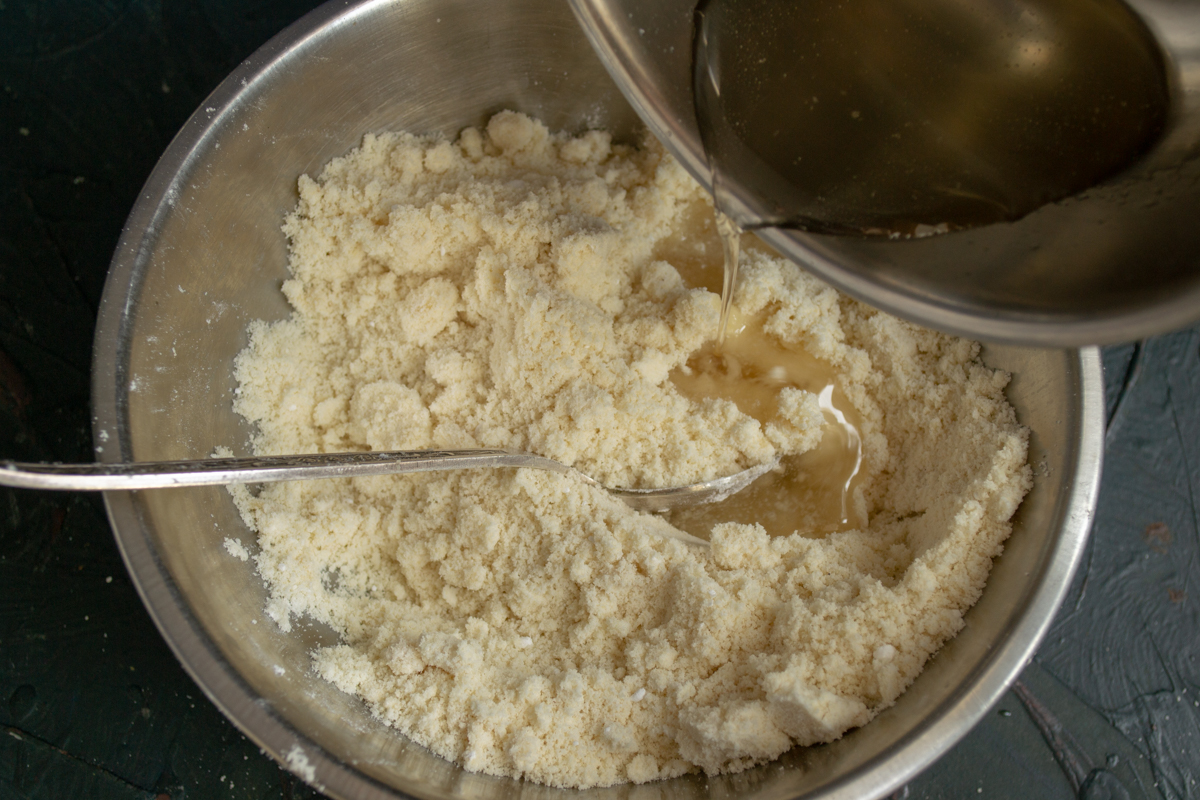
Pour in the cooled sugar syrup in a slow, thin stream, stirring the mass constantly with a spoon or food processor.
Mix the ingredients with a spoon or blend on low speed in a food processor until the mass comes together into a rough ball. Turn the dough out onto a clean work surface and knead it with your hands for a few more minutes. The result is that coveted, perfectly smooth marzipan—as you can see, it’s incredibly simple.
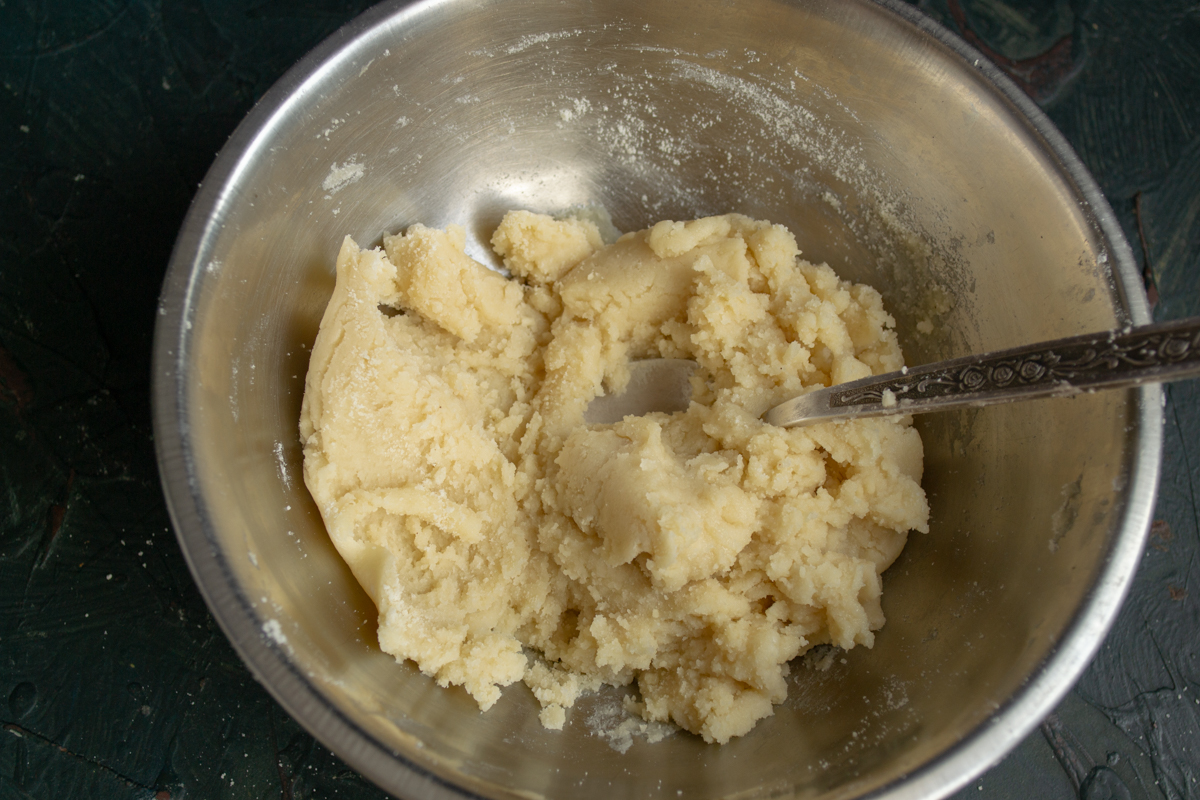
Once the mixture gathers into a ball, knead it by hand for a few minutes until it becomes completely smooth and elastic.
Place the marzipan on a sheet of plastic wrap, fold it over, and twist the ends tightly like a candy wrapper to form a log. Transfer the finished marzipan to the refrigerator to chill.
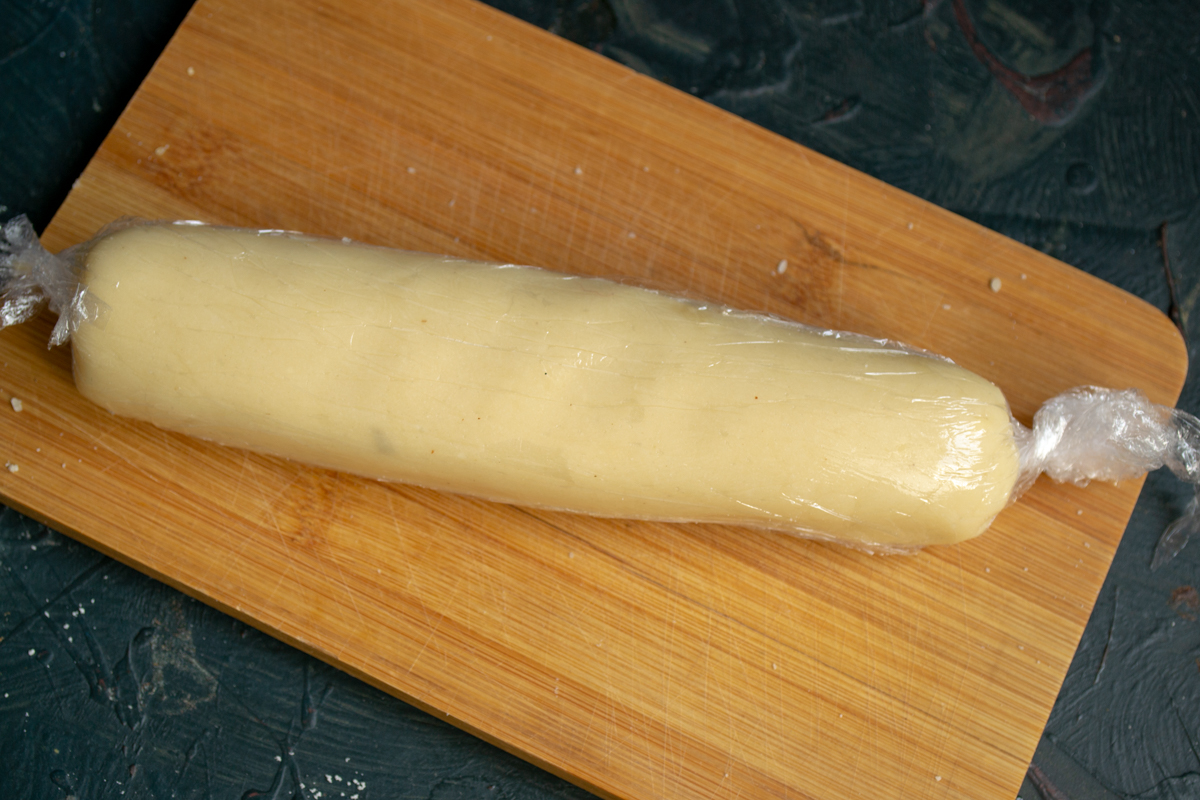
Wrap the finished mass tightly in plastic wrap to prevent it from drying out and to preserve its pliability while chilling.
Homemade elastic marzipan is the ultimate ingredient for pastry decorations and a delicious filling for handmade chocolates. Rolled out thinly, it can even drape gracefully over a cake as an elegant, flavorful alternative to fondant.
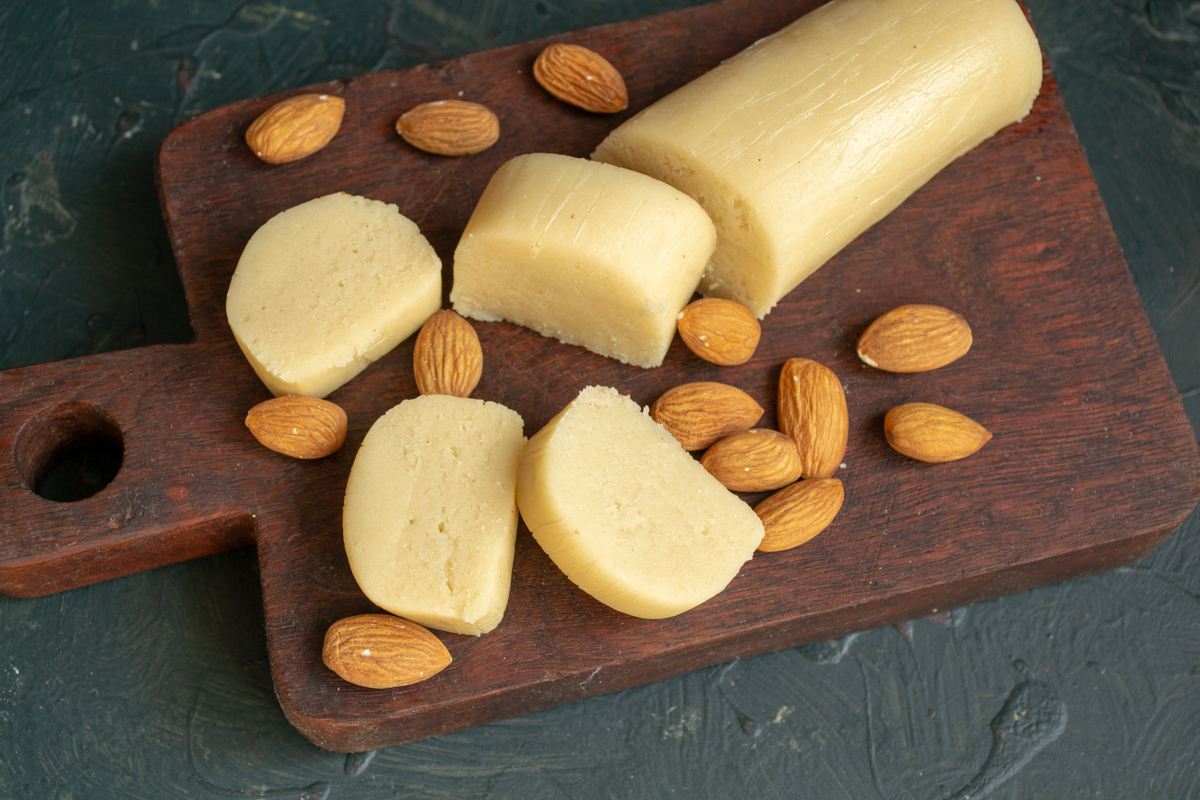
Use this marzipan to fill handmade chocolates, sculpt decorative figures, or roll it out to drape over holiday cakes.
Your finished elastic marzipan opens up boundless possibilities for culinary creativity. If you plan to use it to cover a cake, roll the paste between two sheets of parchment paper or on a work surface lightly dusted with powdered sugar to prevent sticking. To craft vibrant figures or flowers, divide the dough into portions and knead in a drop of food coloring; you can also rely on natural juices like beet juice for a soft pink hue or a pinch of turmeric for a sunny yellow.
It's best to store your homemade masterpiece in the refrigerator, wrapped tightly in plastic wrap to keep it from drying out and losing its wonderful elasticity. Stored properly, marzipan maintains its texture for up to a few weeks, remaining just as tender and delicious. Before using it, simply let the paste rest at room temperature for a little while—this helps it become even more pliable in your hands. Try wrapping your marzipan around a whole roasted nut or a piece of candied fruit, then dip the little spheres in melted chocolate for spectacular, handmade confections.
0 comments